• Link to X
  • Link to Facebook
  • Link to Instagram
  • Link to TikTok
  • Link to Youtube
  • About
    • About Us
      • President
      • Board of Directors
      • Board of Advisors
      • Financials
      • Our Methodology
      • Success Tracker
      • Contact
  • Act Now
    • 30 Ways to Help
      • Email Congress
      • Call Congress
      • Volunteer
      • Courses & Certificates
      • Be a Donor
    • Internships
      • In-Office Internships
      • Remote Internships
    • Legislation
      • Politics 101
  • The Blog
  • The Podcast
  • Magazine
  • Donate
  • Click to open the search input field Click to open the search input field Search
  • Menu Menu

Tag Archive for: Economic Growth

Information and news about economic growth

Posts

Education, Global Poverty, Women's Empowerment

Vocational Education in Mexico

Vocational Education in MexicoVocational education and training (VET) centers play a critical role in building the skilled workforce in Mexico. These centers help students and workers gain technical knowledge that adapts to the rapidly changing global economy. Beyond improving job opportunities, investments in VET directly contribute to poverty reduction by increasing employability, raising household incomes and creating more equitable access to education.

While challenges remain, efforts from organizations such as the United Nations Educational, Scientific and Cultural Organization (UNESCO), the National Institute for Standardization and Certification of Labor Competencies (CONOCER) and German cooperation through Sparkassenstiftung show how VET centers are reducing barriers, especially for women. These initiatives are also creating new pathways out of poverty.

Skill Gaps in Mexico’s Workforce

Flexibility, adaptability and technical skills are key to Mexico’s vocational training programs. In the past, government-driven policies often limited the scope of workers’ training, restricting them to narrow skills tied to specific industries. This prevented workers from finding higher-paying jobs and slowed the country’s ability to meet global market demands. Today, VET centers address these gaps by equipping workers with diverse, transferable skills.

There is still a gender gap in vocational education enrollment. Social barriers and perceptions that technical training is “not for women” create unequal access to opportunities. Encouraging women’s participation strengthens the labor force, increases household incomes and promotes social equality.

Solutions Driving Change

During the North American Free Trade Agreement (NAFTA) reforms, Mexico’s certification system shifted from rigid government-imposed curricula to training models supported by companies and industries. This change expanded access to certifications and improved job placement opportunities by making training more relevant to labor market needs.

Expanding the Dual Vocational System

German development organizations such as GIZ are collaborating with Mexican schools to expand dual VET programs. These combine classroom instruction with workplace training, giving students both theoretical knowledge and practical experience. Sparkassenstiftung reports that thousands of young Mexicans have already been trained through this system. Benefits include higher employment rates and stronger partnerships between schools and employers.

The Impact of VET Centers in Mexico

  • They prepare the workforce to compete globally.
  • They provide jobs that strengthen economic stability and equality.
  • Partnerships with global organizations help reduce poverty and mobilize Mexico’s economy.

Mexico has more than 2,500 institutions dedicated to higher education, with approximately 20% of lower secondary students enrolled in VET pathways. By expanding access and making training more inclusive, VET centers are becoming a powerful tool in reducing poverty and improving social mobility.

Conclusion

Vocational education and training centers in Mexico are more than just schools. They are engines of economic growth and social progress. By investing in VET, Mexico is not only building a skilled, adaptable and inclusive workforce but also creating a long-term pathway to poverty reduction. Each investment in VET translates into more opportunities for employment, higher wages and a stronger safety net for vulnerable communities.

These programs prepare students for today’s labor market while giving them the resilience to thrive in tomorrow’s global economy, ensuring that progress reaches families across the country.

– Miranda Yacynych

Miranda is based in Pittsburgh, PA, USA and focuses on Business and Technology for The Borgen Project.

Photo: Flickr

October 2, 2025
https://borgenproject.org/wp-content/uploads/borgen-project-logo.svg 0 0 Lynsey 2 https://borgenproject.org/wp-content/uploads/borgen-project-logo.svg Lynsey 22025-10-02 07:30:192025-10-01 23:06:30Vocational Education in Mexico
Development, Economy, Global Poverty

How Debt Restructuring in Ghana Creates Room for Development

Debt Restructuring in GhanaGhana has dealt with a debt crisis since the early 2000s, originating from a long history of colonialism. Although it was one of the first African countries to gain independence in 1957, Ghana continues to depend on the export of raw materials such as gold, oil and cocoa. When global commodity prices declined in the ’80s and ’90s, countries in the Global South relied on the International Monetary Fund (IMF) and the World Bank’s advice to expand production to pay debts. As a result, the price of commodities remained low for 20 years.

The HIPC Initiative and Debt Relief Successes

In 2002, the Ghanaian government granted the central bank autonomy to use monetary policy as a tool to promote economic growth and deal with inflation. Falling from 30% to 10% by 2007, fiscal policy enacted under the joint IMF-World Bank debt relief program, the Heavily Indebted Poor Countries Initiative (HIPC), was key in taming the country’s economic problems.

After part of the country’s debt was cancelled during the program’s implementation, Ghana’s external debt fell by $4.3 billion between 2006 and 2003, from $6.6 billion to $2.3 billion. Debt relief proved to be a successful means of fighting poverty and increasing the potential for development. Improvements in health care and education followed, with money being invested in social services for Ghanaian citizens.

One of the most important features of the government’s budgetary operations under the HIPC Initiative was its positive impact on poverty reduction. The Ghana poverty reduction strategy document emphasized integrated rural development, economic growth, expanded employment opportunities and improved access to public services. To achieve these goals, the government would have to implement sound monetary and fiscal policies made possible through debt relief.

New Debt Restructuring Framework in Ghana

However, the country’s continued reliance on the export of commodities has led it into another debt crisis. When the price of raw materials rose in the 2010s, more countries became willing to lend to Ghana. However, after another fall in the cost of commodities in 2013, the African country became unable to repay loans and started accumulating debt. Debt now places a new, significant burden on Ghana’s economy and society, which could lead to stagnation and higher poverty rates.

Recently, Ghana’s parliament approved a $2.8 billion debt restructuring framework for 25 creditor countries. Although the deal is not yet final, debt relief would again allow the country to invest in social services instead of using its revenues to pay off lender countries. In the 2000s, debt restructuring was critical in restoring macroeconomic stability; by rescheduling debt payments due between 2022 and 2026 to 2039 – 2043, there is hope that the country can break its cycle of debt.

The newly created Agenda for Jobs II (2022–2025) aims to develop further Ghanaian life’s economic, social and environmental dimensions. It focuses on expanding education and health care initiatives. The agenda also seeks to broaden the coverage of the Livelihood Empowerment Against Poverty (LEAP) Program.

Conclusion

In collaboration with international partners, new debt restructuring efforts in Ghana have opened a new chapter in the country’s economic development. The potential ratification of these new agreements will free up significant public funds that can be invested in public sectors such as health care, education and infrastructure, contributing to the country’s fight against poverty. Debt restructuring allows for future economic growth, catalyzing social progress.

– Rafaela Paquet

Rafaela is based in Montreal, Canada and focuses on Politics for The Borgen Project.

Photo: Wikimedia Commons

September 2, 2025
https://borgenproject.org/wp-content/uploads/borgen-project-logo.svg 0 0 Lynsey 2 https://borgenproject.org/wp-content/uploads/borgen-project-logo.svg Lynsey 22025-09-02 03:00:452025-09-01 13:28:35How Debt Restructuring in Ghana Creates Room for Development
Economy, Gender Wage Inequality, Global Poverty

Poverty Reduction in Serbia: Supporting Marginalized Groups

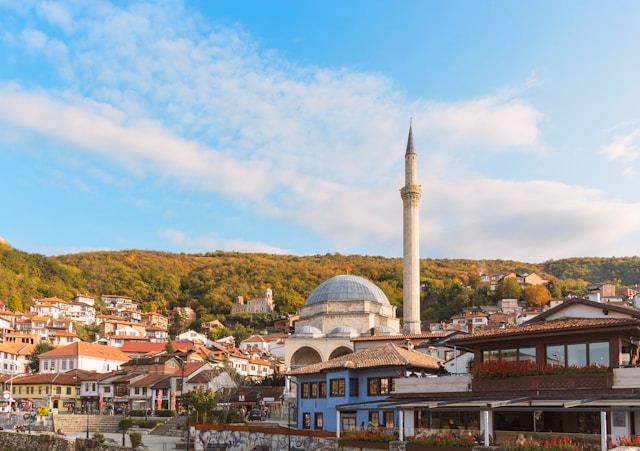
Poverty Reduction in SerbiaNestled in the heart of the Balkans in Southeastern Europe, Serbia was formerly part of the Yugoslav Republic. After a period of economic uncertainty and fluctuating living standards in the late 1990s and early 2000s, Serbia is making strides in improving the quality of life of its citizens.

Despite a growing economy, shrinking unemployment and existing social initiatives, women and marginalized groups such as Roma are still more likely to experience poverty and face significant challenges to receiving social assistance and entering the labor force. To continue working towards economic growth and poverty reduction in Serbia, it must focus on uplifting these groups.

Economic Growth

In its attempts to expand the job market and fight unemployment, Serbia grew its economy 3.9% in 2024, bolstering its construction industry and services sector as the country takes on foreign projects, according to World Bank statistics. Growth is projected to continue throughout 2025, with expansion in the energy sector projected as well.

Thanks to this, the incidence of poverty fell to 7.7%, however, that number largely includes women and other vulnerable groups, and does not take into account the borderline at-risk-of-poverty rate, which was 19.7% for 2024, according to Serbia’s own survey statistics. These numbers highlight the need for more targeted social assistance to continue making economic gains and raising people out of poverty.

About the Gender Wage Gap in Serbia

In 2023, the employment disparity between men and women in Serbia was 13.3%, with even larger disparities for the Roma people as a whole, but especially Roma women, whose education and employment numbers lag far behind other demographics. These numbers represent untapped potential that could benefit industry enhancement, growth and poverty reduction in Serbia.

These groups are facing cultural barriers more than economic ones. Long-standing prejudices and traditionalist value systems are holding them back from accessing the Serbian labor market. When polled directly, 40% of women, both Roma and non-Roma, articulated their willingness to join the workforce and participate in training initiatives to improve their skills and gain experience.

Social Protection

For its impoverished population, Serbia’s social protection systems include social insurance, social assistance and social services. These cover entitlements like pension and disability insurance, health insurance and low-income household assistance. Of these systems, only two programs are specifically targeted towards its impoverished populations: A financial social assistance program and a child allowance program.

These programs do not adequately support the most at-risk and marginalized groups, however. Limited budgets and a lack of policy focus mean these entitlements do little in the way of poverty reduction in Serbia. A single mother with two children receives about 18,000 dinars (€153) a month, three times less than the cost of basic monthly necessities.

As of 2022, Serbia spends 19.5% of its GDP on social protection programs. While this is a relatively high number in line with the spending of new EU member nations, 71% of social protection spending is absorbed by social insurance (pensions, disability, healthcare), leaving little left over for targeted social assistance. In reality, Serbia spends only 5% of social protection expenditures on poverty-targeted programs, significantly less than EU countries.

Solutions

Recognizing the necessity for uplifting marginalized groups in the fight for poverty reduction in Serbia, the World Bank, in conjunction with the Serbian Institute of Ethnography and the Entrepreneurship Training Institute, launched a series of personal initiative training programs specifically aimed at supporting Roma women. These programs, begun in 2024, focus on resume/CV-writing, job interview roleplays and starting a business, with the overall aim of creating a more socially and economically equal society.

The programs are already yielding results. To date, nine participants in the PI trainings have become certified trainers themselves, mentoring more than 100 women in their local communities. Others have come through the program and used their knowledge to start their own businesses, like one woman who was able to open her own hair salon in Novi Sad.

The resultant economic independence these programs are facilitating will assist in overcoming the cultural biases that keep an untapped reserve of the population from contributing to the betterment of the country. The success of the PI trainings provides a roadmap to poverty reduction in Serbia targeting its most vulnerable and marginalized groups, and with that a more inclusive labor market and continued economic growth.

– Nikola Stojkovic

Nikola is based in Villa Park, IL, USA and focuses on Global Health for The Borgen Project.

Photo: Flickr
September 1, 2025
https://borgenproject.org/wp-content/uploads/borgen-project-logo.svg 0 0 Jennifer Philipp https://borgenproject.org/wp-content/uploads/borgen-project-logo.svg Jennifer Philipp2025-09-01 07:30:562025-08-31 14:20:55Poverty Reduction in Serbia: Supporting Marginalized Groups
Development, Economy, Global Poverty

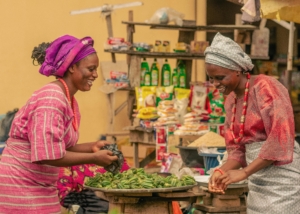
Fighting Poverty in Georgia: The Role of Black Sea

Poverty in GeorgiaGeorgia’s policies aimed at reducing poverty have been successful, especially regarding efforts to modernize the labor market and increase access to assistance for large portions of the population. The country’s gross national income per capita rose from $3,000 in 2010 to $5,702 in 2023, along with reducing poverty in Georgia by roughly 35% in a timespan of over a decade. There is a continued sense of urgency to address and curb poverty.

Despite these efforts, in 2024, the Georgian government backtracked on European Union accession talks. This forced successful policies that reduced poverty to be abandoned, leaving only unproven strategies. The resulting suspension of some foreign aid in the form of investments will harm citizens by hindering national economic growth and slowing trade. Furthermore, some Georgians in rural regions and minority groups, consisting of Azerbaijanis and Armenians, still face high levels of poverty due to the government’s limited current legislation focused on their needs.

Ethnic tensions in Georgia are prevalent, stemming from the need to preserve the unique identity of Georgians, especially from outside invaders, including Russia. Georgia has two breakaway regions, Abkhazia and South Ossetia, both striving for independence. However, the Georgian government and people have been skeptical of foreign influence in the regions and the potential for disruption to the Georgian identity, according to the Carnegie Endowment for International Peace.

This fear, along with the hindrance of the government viewing minorities as lesser members of the nation, has restricted support and Georgia’s hope to curb poverty in predominantly minority regions.

Black Sea Importance and Access

The Black Sea is of great importance to Georgia, allowing access to beneficial trade resources and international partnerships. Partnerships between foreign nations can also enhance security, unify independent countries and provide protection in this dynamic region. Without the Black Sea, Georgia would be unable to utilize ports to facilitate trade and resource distribution.

Also, the Blue Economy or ocean resources used for economic growth, is vital to Georgia. A recent project from the European Climate, Infrastructure and Environment Executive Agency increases support for fisheries, coastal and maritime tourism and maritime transport, according to the European Commission.

Besides ports, oil and gas pipelines also flow through and around the Black Sea, creating a significant trade route from nations such as Russia and Turkey to nations in Europe. The ability for nations to tap into Western markets is key to maintaining national economic growth and potential job growth, ensuring that the nation thrives and that poverty can be reduced.

This is beneficial not only to individual nations in the region but also to the U.S., which has the goal of minimizing adversary movements in conflict zones and areas of high trade interest. Specifically, nations that can rely on Western nations for trade and an economic boost will become less dependent on Russian trade and influence. Additionally, their national independent movements will be protected, according to the Foreign Policy Research Institute.

Georgia’s Ports

Georgia’s unique location between the Black Sea and the Caspian Sea, along with neighboring Azerbaijan, allows the country to connect seven landlocked countries. It promotes trade between Europe and Asia. According to the National Library of Medicine, Georgia maintains aspirations of being a direct hub between Europe and Asia, with added economic growth, infrastructure and development. Trade agreements are vital in preserving and increasing Georgian dominance on the Black Sea to become a significant trade and support nation in a time when foreign influence downplays the nation.

The Batumi Sea Port, located near the southwest corner of the nation, is designed to deal with cereal cargo and petroleum goods. According to the Logistics Cluster, the port transfers goods from land-based transport to ships. It also handles trade vessels and military ships from the U.S. and NATO. These military vessels dock to support regional security through joint exercises and training. By maintaining a strong flow of trade and military ships through their ports, Georgia ensures a positive economic output and strong international cooperation while maintaining security against threats.

Ongoing Strife in the Black Sea

With Russia’s ongoing expanded war against Ukraine, originating in 2014, the Black Sea is still a threatened region, facing military threats, environmental risks and disruptions to vital shipping routes. Primarily at the start of the war, the Russian Navy increased warship presence in the Black Sea and since then, both the Russian Navy and the much smaller Ukrainian Navy have utilized sea mines to deter advances from both sides.

However, with the presence of warships and mines, coastal authorities continue to warn marine traffic of the dangers, ultimately creating uncertainty in trade routes and the potential for disasters, according to the NATO Shipping Center. Environmental risks are also occurring, with mines and oil spills from Russian oil tankers harming the Black Sea shipping lanes and wildlife. Aging tankers in Russia’s shadow fleet, used to evade oil price caps, are at higher risk of spills or navigation failures. Collisions involving these vessels also disrupt trade and daily life in regions like Crimea.

With Russian deals to implement new naval policies and create new bases to house warships, Georgia will be at a disadvantage. Continued disruptions to trade and Russian influence to bar additional Georgian efforts to secure new ports and infrastructure relating to trade will negatively impact the Georgian economy and reduce poverty in Georgia.

A Future for Georgia and the Black Sea

Georgia continues to find new ways to reduce poverty. A report supported by the United Nations Development Programme (UNDP) describes how investments in social security, health care and education will help reduce poverty. To create long-lasting economic growth, the Black Sea’s role must be at the forefront of future deals. Prioritizing investment, tourism and port development will boost jobs, raise incomes and improve regional trade efficiency, key steps toward reducing poverty in Georgia.

– Avery Kachmarsky

Avery is based in Los Angeles, CA, USA and focuses on Business and Politics for The Borgen Project.

Photo: Flickr
August 11, 2025
https://borgenproject.org/wp-content/uploads/borgen-project-logo.svg 0 0 Lynsey 2 https://borgenproject.org/wp-content/uploads/borgen-project-logo.svg Lynsey 22025-08-11 03:00:102025-08-10 10:54:12Fighting Poverty in Georgia: The Role of Black Sea
Africa, Economy, Global Poverty, Health

Vaccinations in Africa: How Gavi Advances Economic Development

Vaccinations in AfricaFor decades, Africa has faced a dangerous dependency: carrying some of the world’s highest disease burdens while producing less than 1% of its vaccines. This reliance on imports has long limited access to life-saving vaccinations in Africa, slowing responses to health emergencies and straining national development across the continent.

To reshape this narrative, Gavi, the Global Vaccine Alliance, is laying the foundations for a thriving, self-sustaining vaccine economy for the continent. Through continental partnerships, investments and innovations, the international organization created to ensure vaccine security is working to transform African health policy. The goal is to shift it from a long-standing area of weakness into a pillar of long-term economic strength.

Initiating Local Manufacturing

The COVID-19 pandemic exposed the risks of global supply chain disruptions and the weakness of economies reliant on vaccine importation. Many African countries struggled to access vaccines in the early rollout, sparking calls for regional self-reliance. In response, the African Union set a bold goal: to produce 60% of the continent’s vaccine needs locally by 2040, with Gavi central to achieving that ambition.

Through initiatives like the African Vaccine Manufacturing Accelerator, Gavi is shaping markets, lowering barriers and mobilizing funding to grow production capacity across the continent. More than 30 African vaccine manufacturing initiatives are now in motion, supported by a mix of government leadership and international investment. These efforts aim to build a sustainable, locally based supply of vaccines for routine immunizations. By producing vaccines within the continent, Africa is taking direct action to reduce its dependence on external sources and strengthen its resilience against future global health crises.

The strength of Gavi’s procurement and demand-forecasting models is crucial to growing an African vaccine economy. It allows local producers to see and rely on predictable, long-term vaccine demand figures. This crucial step sustains the development of a successful and relevant supply chain of vaccines within Africa, ensuring the local industries remain viable and successful as the continent builds to its 2040 goal.

Economic Growth Through Immunization

Gavi’s core mission of expanding access to immunization has driven development in Africa far beyond vaccine manufacturing. Vaccinations across Africa continue to deliver strong economic benefits, improving public health while boosting productivity and long-term growth. Healthier populations lead to fewer missed school days, lower health care costs and higher workforce productivity. According to Gavi, every $1 spent on vaccinations in Africa yields up to $21 in economic benefit through avoided illness, improved wages and long-term growth.

Since its inception in 2000, Gavi’s efforts have helped immunize more than 800 million children, averting more than 14 million deaths. In Africa alone, since 2000, coverage of the diphtheria, tetanus and pertussis (DTP3) vaccine across Gavi-supported African countries has increased from 52% to more than 70%. By building health systems around vaccine delivery, such as training workers, investing in cold chains and digitizing records, Gavi has strengthened public infrastructure in regions where such systems are often underfunded. This progress has not only saved lives but also helped countries make strides toward the Sustainable Development Goals.

Toward a Resilient Vaccine Future

A more secure future for African public health begins with Gavi’s support for the African Vaccine Manufacturing Accelerator. This initiative not only increases vaccine supply but also strengthens regional resilience against future pandemics. This resilience, however, is seen as only the starting point for an African vaccination economic sector. The developmental transition of African nations from Gavi support to self-financed immunization programs is hoping to create not just independence but also leadership in global health manufacturing.

In this vision, Gavi in Africa is more than a health initiative; it is an economic strategy, a security policy and a development model. As African-made vaccines begin protecting African communities, the continent moves closer to a future where health equity and economic strength go hand in hand.

– Tom Finighan

Tom is based in London, UK and focuses on Business and Global Health for The Borgen Project.

Photo: Flickr

August 10, 2025
https://borgenproject.org/wp-content/uploads/borgen-project-logo.svg 0 0 Lynsey 2 https://borgenproject.org/wp-content/uploads/borgen-project-logo.svg Lynsey 22025-08-10 07:30:452025-08-10 00:12:05Vaccinations in Africa: How Gavi Advances Economic Development
Agriculture, Economy, Global Poverty

Agricultural Exports in Egypt Reaches Highest Level in Years

Agricultural Export in EgyptLocated in North Africa, Egypt is known for its ancient history, with landmarks like the Pyramids of Giza and other iconic sites in Cairo still standing today. The country has a population of approximately 106.6 million people, with 14.7 million living in poverty, earning less than $3.65 daily. However, this poverty rate is projected to decline as Egypt’s employment rate continues to rise. Increased investment in sectors like agriculture plays a key role in driving economic improvement across the country.

Agricultural Expansion in Egypt

Agricultural export in Egypt has reached an all-time high of 6.24 million tonnes as of July 2025, an increase of 575,000 tonnes from last year. These exports include crops grown in Egypt as well as those imported from neighboring or distant countries. Notable increases have been recorded in potatoes, sweet potatoes, onions, grapes and various fruits. Among them, citrus fruits saw the largest growth, with 1.9 million tonnes exported.

In addition to Egypt’s homegrown produce, agricultural goods are now arriving from new trade partners such as South Africa, Uzbekistan, the Philippines and others. These new import-export relationships allow Egypt to access products that cannot be locally produced, potentially benefiting its citizens and expanding market variety.

What Does This Mean for Egypt?

Approximately 96% of Egypt is covered by desert, making access to arable farmland extremely difficult. This geographic challenge limits opportunities for widespread farming and often delays access to fresh produce. However, the recent increase in agricultural exports in Egypt contributes to the economy by allowing everyone fresh and healthy produce, meats and other grown foods, regardless of social class. Additionally, this growth in the agricultural sector is creating more job opportunities for individuals living below the poverty line.

According to the World Food Program (WFP), manual labor, including farming, employed 20% of Egypt’s population in 2020. While this data is from 2020, the recent surge in agricultural exports suggests a promising future for the sector, potentially accelerating economic growth and improving livelihoods. With many Egyptians engaged in various forms of manual labor, the expansion of farming plays a crucial role in producing high-quality goods and sustaining income opportunities for a significant portion of the population.

How This Impacts the Country

Agriculture has played a vital role in Egypt since ancient times. As the sector continues to increase, it contributes directly to economic growth. A stronger economy, in turn, creates more opportunities for citizens, supports healthier living and fosters a mutually beneficial relationship between the government and its people.

As Alaa Farouk, Egypt’s Minister of Agriculture and Land Reclamation, continues to implement policies that support agricultural exports in Egypt, the country will be well-positioned to thrive economically and socially in the years ahead.

– Erin Lee

Erin is based in New York City, NY, USA and focuses on Good News for The Borgen Project.

Photo: Pixabay

August 6, 2025
https://borgenproject.org/wp-content/uploads/borgen-project-logo.svg 0 0 Lynsey 2 https://borgenproject.org/wp-content/uploads/borgen-project-logo.svg Lynsey 22025-08-06 03:00:572025-08-06 03:12:58Agricultural Exports in Egypt Reaches Highest Level in Years
Agriculture, Disease, Global Poverty

Clearing Invasive Water Weeds in Senegal Fights Disease

Clearing invasive water weeds in SenegalIn rural northern Senegal, a surprising anti-poverty strategy is taking root: cutting down invasive aquatic weeds. These plants, often seen as nothing more than a nuisance, are now at the center of a low-cost, community-led solution to two pressing issues: disease and declining farm productivity. Local villages are improving public health and raising agricultural incomes by removing vegetation that hosts disease-carrying snails and turning it into compost.

Schistosomiasis: A Barrier to Health and Economic Growth

This initiative targets schistosomiasis, a parasitic infection spread by snails that inhabit stagnant water. The disease affects more than 200 million people globally, mostly in sub-Saharan Africa. Infected individuals, especially children, suffer from fatigue, stunted growth and organ damage, which limit both education and income-generating potential. Senegal’s Saint-Louis region has long been a hotspot for the disease.

However, rather than relying solely on drug treatments, researchers from Cornell University and the University of Notre Dame partnered with eight Senegalese villages to try a local intervention: vegetation removal. Over three years, communities cleared more than 400 tons of invasive aquatic weeds from rivers, lakes and irrigation points. Within months, snail populations dropped by and schistosomiasis infections among children declined significantly.

Composting Waste Into Agricultural Wealth

The removed invasive weeds were composted and used to fertilize local crops such as onions, peppers and rice. Farmers who used the compost reported better soil quality, larger harvests and reduced need for synthetic fertilizers. As Molly Doruska, lead author of the study, explained, “This is about really thinking hard about the microeconomics in the cycle of poverty and disease, really thinking hard about households making decisions and the tradeoffs that they’re facing.”

Researchers developed a bioeconomic model to estimate the long-term impact of the intervention. The results were promising: communities that participated in vegetation removal and composting saw improved household incomes and lower rates of schistosomiasis. The low cost of implementation, using only machetes, baskets and compost pits, makes it both scalable and sustainable.

Environmental and Gender Benefits

The strategy yields environmental wins as well. Clearing invasive water weeds in Senegal helps restore freshwater ecosystems, reduces erosion and improves access to water. The composted material replaces chemical fertilizers, cutting input costs and supporting soil health. The approach also has significant gender implications. In many rural households, women are primarily responsible for water collection and caregiving. With fewer children getting sick, women could have more time for farming, education or income-generating activities.

Beyond physical health, the intervention contributes to long-term social development. Reduced infection rates mean more children can attend school regularly without suffering from the fatigue or pain associated with schistosomiasis. In addition, the project has sparked environmental awareness. In participating communities, residents now better understand the link between environmental care and health outcomes and many have begun to self-organize cleanup efforts.

Scalability Across the Continent

Experts believe this “win-win-win” model could be replicated across other parts of sub-Saharan Africa where schistosomiasis and aquatic vegetation are prevalent. Since the required tools are simple and the work is labor-based, it can be easily adapted to local conditions. It also aligns with several Sustainable Development Goals (SDGs), including No Poverty, Good Health and Well-being, Gender Equality and Life on Land.

Clearing invasive water weeds in Senegal has proven that locally driven, low-cost interventions can have wide-reaching benefits. By removing harmful plants and turning them into a resource, communities reduce disease and invest in their economic futures. In the global fight against poverty, sometimes the most effective tools are machetes, compost piles and a little teamwork.

– Mamie Hirsh

Mamie is based in Berkeley, CA, USA and focuses on Good News and Celebs for The Borgen Project.

Photo: Flickr

July 28, 2025
https://borgenproject.org/wp-content/uploads/borgen-project-logo.svg 0 0 Lynsey 2 https://borgenproject.org/wp-content/uploads/borgen-project-logo.svg Lynsey 22025-07-28 01:30:132025-07-27 16:19:41Clearing Invasive Water Weeds in Senegal Fights Disease
Development, Economy, Global Poverty

Improving Economic Stability in Bangladesh

Economic Stability in BangladeshSince gaining independence in 1971, Bangladesh has seen impressive economic growth, with an average gross domestic product (GDP) growth of 6.4% between 2010 and 2023. Poverty has even declined to 5% since 2022. However, there is still work to be done to improve the economic stability of Bangladesh so that the country can thrive.

Challenges

Bangladesh faces several obstacles on the path to upper-middle-income status. The financial sector faces numerous issues, including rising inflation and a balance of payment deficit. Private sector credit growth has decreased due to “tighter liquidity conditions, reduced demand for trade finance, and rising uncertainty.” In 2023, Bangladesh Bank’s reports showed an increase in loans written off, unpaid, or rescheduled, a detriment to economic stability in Bangladesh.

The industrial sector has taken a hit in tandem with Bangladesh’s financial woes. Due to disruptions in imports, high energy prices, and power shortages, production has slowed to a crawl. Furthermore, because of rising inflation, demand for products has decreased. GDP growth declined from 7.1% in 2022 to 6% in 2023.

Despite these challenges, Bangladesh’s young population, expanding digital economy, and ongoing infrastructure projects offer a path forward. With strategic reforms targeting financial stability and industrial resilience, the country still has a real shot at breaking free from these constraints and reaching its development goals.

Solutions

Bangladesh needs to strengthen trade competitiveness through reform to improve the financial sector. Suppose Bangladesh expands its export markets, develops trade skills, and monitors performance. In that case, its economy may improve through a diverse collection of imports made by a skilled workforce.

Another way to improve economic stability in Bangladesh would be to enhance domestic resource mobilization by deepening local capital markets. This would promote alternative solutions without a reliance on foreign capital. In addition to reforms necessary to improve stability, a group also aids low-income regions locally where poverty persists.

The Pathways to Prosperity for Extremely Poor People

The Pathways to Prosperity for Extremely Poor People (PPEPP) is a project focusing on poverty reduction within villages in Bangladesh. From October 2022 to September 2025, the project’s mission is to provide low-income districts with three important tools:

  • Sustained livelihoods and income 
  • Improved nutritional habits, primarily among women and children
  • Improved access to agricultural services to promote labor and receive wages

In addition to these objectives, the PPEPP project focuses on clean resources for impoverished districts, working to improve water salinization.

Between the broader solutions for banks and businesses and the narrower solutions taking place in their homes, Bangladesh has the potential to achieve upper-middle income status. Due to the change in government in 2024, Bangladesh has taken strides to improve economic stability. However, the risks to stability are still prominent. Therefore, if Bangladesh hopes to achieve upper-middle income status, its government has to be careful how it conducts itself in the future in these uncertain times.

– Matthew Perduk

Matthew is based in Chantilly, VA, USA and focuses on Good News for The Borgen Project.

Photo: Wikimedia Commons

July 10, 2025
https://borgenproject.org/wp-content/uploads/borgen-project-logo.svg 0 0 Lynsey 2 https://borgenproject.org/wp-content/uploads/borgen-project-logo.svg Lynsey 22025-07-10 01:30:032025-07-10 01:33:22Improving Economic Stability in Bangladesh
Africa, Global Poverty, Government

The Parish Development Model: Uganda’s Solution to Poverty

The Parish Development ModelThe Parish Development Model (PDM) is a strategy introduced by the Ugandan government in 2022 to promote wealth creation and improve service delivery at the household level. The PDM focuses on communities at the parish level, the smallest administrative unit of the government and the one closest to communities. This proximity ensures that goods, services and benefits from the PDM directly impact local communities.

The government aims to prioritize key commodities like coffee, tea and oils to create wealth-generation opportunities within PDM areas. The program operates through seven key pillars: production, processing and marketing, infrastructure and economic services, financial inclusion, social services and community data.

While the PDM aspires to reduce poverty and improve household incomes and quality of life, it is not Uganda’s first poverty reduction initiative. Many previous programs have failed, with some funds reportedly embezzled, as acknowledged by the President of Uganda. According to the World Bank, four out of 10 Ugandans currently live in poverty. The PDM is seen as a critical, last-ditch effort to reverse this trend and solve poverty within the country.

Objectives of the Parish Development Model

The primary goal of the PDM is to transition 39% of Uganda’s population or 16 million households, from subsistence farming to commercial farming, enabling them to participate in the money economy. The PDM also aims to improve service delivery efficiency at the parish level, offering hope to low-infrastructure communities. The government envisions the program as a key economic solution to alleviate poverty across various regions, setting a five-year timeline to achieve its objectives that started in 2022.

The World Bank predicted Uganda’s economic growth to reach 6.2% in 2025, up from 5.3% in 2023. During Uganda’s 62nd Independence Day celebrations, the President announced that 67% of the population is already engaged in the money economy. If implemented successfully, the PDM could increase this figure significantly. This initiative is also a critical component of Uganda’s Vision 2040, which aims to transform the country from a predominantly peasant-based economy to a modern and prosperous one.

Implementation of the Parish Development Model

The government first identified the right households through community research and vetting to implement the PDM and ensure that the most vulnerable communities benefited. It assessed key factors such as income, education, agriculture and savings to determine which households still relied on a subsistence economy.

The next step involved creating and funding trusts that would allocate the appropriate funds to the right areas. Enterprise groups were formed, consisting of members eligible under the PDM scheme. Savings and Credit Cooperatives (SACCOs) were established to support these groups, with one PDM SACCO designated for each enterprise group.

The PDM SACCOs are managed and controlled by enterprise group members, who make decisions regarding funds, programs and infrastructure plans. Members of the enterprise groups can request loans through the SACCOs, which are specifically aimed at fostering self-employment and supporting business ideas. PDM SACCOs provide loans to households at a 5% interest rate, with repayment terms set by the respective SACCOs.

The first phase of the PDM established 10,585 SACCOs. Further, it disbursed $239 million in loans to numerous households, effectively making the PDM SACCOs function like community banks for enterprise group members.

Challenges

The PDM faces several challenges, primarily due to the vast number of communities it needs to cover and its ambitious goal of transitioning 16 million households into the money economy. However, two key challenges requiring urgent attention include:

  1. Financial Constraints. The PDM adopts a “one size fits all” approach, which has resulted in unequal benefits across regions. Each beneficiary household received close to $270. Similarly, each parish gets $27,000. Nonetheless, regions like Acholi, Karamoja and Busoga, which still heavily rely on a subsistence economy, are so far disproportionately targeted in the disbursement of PDM funds.
  2. Inefficiencies. The average number of households per SACCO is between 75 and 109. However, in regions heavily dependent on subsistence farming, the number ranges from 400 to 600 households per SACCO. This places an overwhelming burden on SACCOs, leading to unequal distribution of funds and challenges in providing adequate oversight. Overburdened SACCOs struggle to monitor loan repayment and assess the progress of households effectively, limiting the program’s overall impact.

Outcome

As of 2024, the PDM has achieved several milestones and benefited numerous households. Out of the 10,585 households registered under the PDM project, 7,950 have actively borrowed and received funds from SACCOs fund. The households have invested in both agricultural and nonagricultural businesses. Notably, 53% of the households that have accessed SACCO funds are women. The PDM initiative offers loans at significantly lower interest rates at 6% compared to 18% charged by commercial banks. This reduced burden allows households to fully implement their business ideas and achieve more excellent financial stability.

The Ministry of ICT and National Guidance also developed an information system to collect and store data from various parishes. This system monitors loans disbursed, tracks loan repayments and oversees the distribution of funds to parishes from the central government. This step is crucial in achieving the PDM’s Pillar 3 objective of financial inclusion.

Conclusion

The PDM represents the Ugandan government’s ambitious and innovative strategy to tackle poverty. Furthermore, it promotes economic inclusion at the grassroots level. By prioritizing key commodities, promoting financial inclusion and providing affordable loans through SACCOs, the PDM has already demonstrated its potential to uplift vulnerable households and communities.

However, the program’s success hinges on addressing critical challenges, including financial constraints and inefficiencies in resource allocation. Tailoring solutions to meet the unique needs of different regions and improving oversight mechanisms will be essential for achieving the PDM’s full potential.

As Uganda moves closer to its Vision 2040 goals, the PDM stands as a cornerstone initiative, promising to transition millions from subsistence to a commercial economy. If implemented effectively and inclusively, it could serve as a model for other nations striving to eradicate poverty and create sustainable economic growth.

– Zacc Katusiime

Zacc is based in Kampala, Uganda and focuses on Business and New Markets for The Borgen Project.

Photo: Pixabay

March 4, 2025
https://borgenproject.org/wp-content/uploads/borgen-project-logo.svg 0 0 Lynsey 2 https://borgenproject.org/wp-content/uploads/borgen-project-logo.svg Lynsey 22025-03-04 07:30:082025-03-04 00:41:08The Parish Development Model: Uganda’s Solution to Poverty
Economy, Education, Global Poverty

Poverty Reduction in Vietnam: Economic Growth and Challenges

Poverty Reduction in VietnamOver the last three decades, poverty reduction in Vietnam has experienced unprecedented success. The Doi Moi Reforms in 1986 have been a success story in what was once one of the poorest nations. This progress continues today. With the average distance of the poverty line shrinking, upward mobility is widespread and welfare programs and public investment continue to improve lives. Despite these successes, there are remaining challenges. There are still many people living in transient poverty, and some areas of multi-dimensional poverty require solutions. For instance, gender equality, ethnic, minorities and rural communities bear the brunt of Vietnam’s current challenges.

Economic Growth

Poverty reduction in Vietnam is largely attributed to the reforms of the 1980s. Key Changes were incentives to diversify agrarian production, opening trade to the global market and domestic investment which contributed to exports and job creation in urban areas, according to the UNDP report. The income these policies generated drove the improvement of domestic services and improved quality of living.

The 2022 World Bank report found that the Low and Middle low-income country poverty rate dropped from 16.8% to 5% in 2010-2020. In the same decade, the size of the middle class has tripled from 7.3 million people in 2010 to 22.6 million people in 2020. Health outcomes have also improved. Vietnam’s universal health index is higher than global averages at 73, and infant mortality rates fell from 32.6 per 100 births in 1993 to 16 in 2022.

In 2015, the government implemented a National Target Program to reduce deprivation in some remote rural areas and regions where incomes have not risen as fast as in other areas. They are continuing to develop them into 2025, according to the UNDP report. These programs include the New Rural Development program, which aims to improve critical services for rural communities, such as education, health, transport, water supply, security, communication and more.

The impact of Foreign direct investment (FDI) should not be ignored either. After joining the World Trade Organization in 2007, formal jobs with foreign-owned enterprises opened up in the manufacturing sector. There were 2 million more manufacturing jobs in 2020 than in 2018, and 1.9 million had formal work contracts. Showing a link between FDI and an increasing number of jobs with higher wages, according to the World Bank report.

Addressing Inequality and Ethnic Minorities

These are encouraging trends and the economic achievements are monumental. However, poverty is dynamic, and despite these successes, most households are still vulnerable to transient poverty. For the majority, their households can be driven below the poverty line by a sudden change in their conditions. Sixty percent of households are vulnerable to income poverty, especially in rural regions. For instance, during the COVID-19 Pandemic, 73.3% of Vietnamese lost income, UNDP reports.

Children without access to technology suffered the most significant learning losses during lockdowns. The poorest regions of Vietnam, which are usually remote and mountainous, are disproportionately home to ethnic minorities. While ethnic minorities represented 6%-13% of Vietnam’s population in 2020, they accounted for 21%-42% of the nation’s poor, according to the World Bank report. These disparities indicate that ethnic minorities benefit the least from Vietnam’s poverty reduction efforts and are most vulnerable to conditions of poverty.

The government has focused on tailored plans to support ethnic minorities with central funding through National Targeted Programs (NTPs) to test innovation on a local level. The 4M initiative, (meet-match-mentor-move) aims to enable ethnic minority women to break their isolation by introducing them to non-agricultural markets like e-commerce, social media and multi-stakeholder networks, UNDP reports. Knowing production and business methods, these women have expanded their markets and enterprises, benefiting around 13,000 women.

NTPs can support interaction among government bodies and communication between government agencies and local authorities to test new solutions to poverty reduction in remote areas. For instance, incorporating digital technologies at a grassroots level, as they did with the 4M initiative and digitizing poverty reduction services targeting remote communities to reduce administrative costs and service time.

Steps Going Forward

According to a survey of the NTP-National Rural Development, much of NTP spending was on socio-economic infrastructure, but targeted household programs may lift the remaining poor above the poverty line. The concentration of poverty among ethnic minorities in rural areas also calls for NTPs which target these communities directly, ensuring access to resources, investment and digitization.

While challenges remain, particularly for ethnic minorities and vulnerable communities facing climate risks, Vietnam’s commitment to poverty reduction offers hope for continued progress. Poverty reduction in Vietnam is one of the three NTPs in 2021-2025. By adjusting the multidimensional poverty line, 10 million more people are eligible for government social assistance. Aim for a 1.5% annual reduction in MDP International cooperation and an adaptive approach to policy will be essential to ensure that Vietnam can continue its journey toward a more equitable and sustainable future.

– Jonathan King

Jonathan is based in London, UK and focuses on Global Health and Politics for The Borgen Project.

Photo: Pexels

November 28, 2024
https://borgenproject.org/wp-content/uploads/borgen-project-logo.svg 0 0 Jennifer Philipp https://borgenproject.org/wp-content/uploads/borgen-project-logo.svg Jennifer Philipp2024-11-28 07:30:462024-11-28 05:29:57Poverty Reduction in Vietnam: Economic Growth and Challenges
Page 3 of 44‹12345›»

Get Smarter

  • Global Poverty 101
  • Global Poverty… The Good News
  • Global Poverty & U.S. Jobs
  • Global Poverty and National Security
  • Innovative Solutions to Poverty
  • Global Poverty & Aid FAQ’s
Search Search

Take Action

  • Call Congress
  • Email Congress
  • Donate
  • 30 Ways to Help
  • Volunteer Ops
  • Internships
  • Courses & Certificates
  • The Podcast
Borgen Project

“The Borgen Project is an incredible nonprofit organization that is addressing poverty and hunger and working towards ending them.”

-The Huffington Post

Inside The Borgen Project

  • Contact
  • About
  • Financials
  • President
  • Board of Directors
  • Board of Advisors

International Links

  • UK Email Parliament
  • UK Donate
  • Canada Email Parliament

Get Smarter

  • Global Poverty 101
  • Global Poverty… The Good News
  • Global Poverty & U.S. Jobs
  • Global Poverty and National Security
  • Innovative Solutions to Poverty
  • Global Poverty & Aid FAQ’s

Ways to Help

  • Call Congress
  • Email Congress
  • Donate
  • 30 Ways to Help
  • Volunteer Ops
  • Internships
  • Courses & Certificates
  • The Podcast
Scroll to top Scroll to top Scroll to top