A Path Forward: Addressing Disabilities and Poverty in Serbia
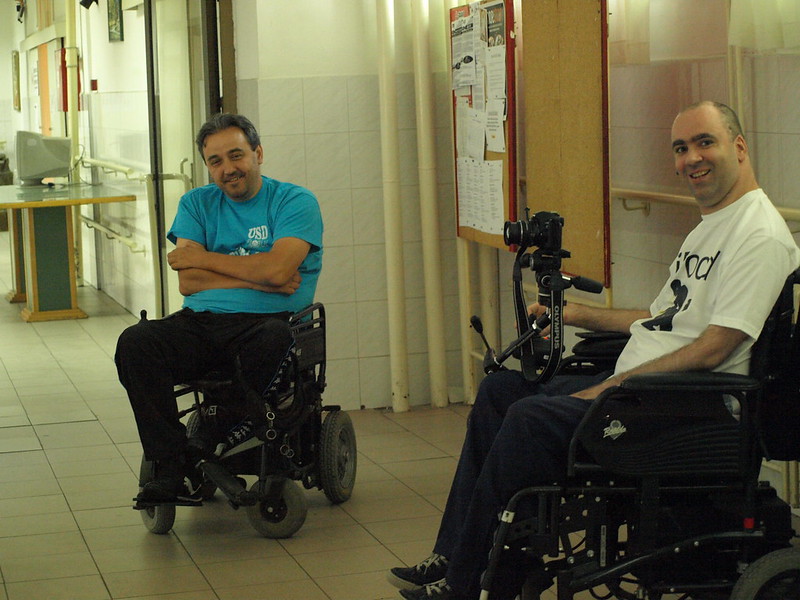 In Serbia, the intersection of disabilities and poverty presents significant challenges. While the country has made strides in improving conditions for people with disabilities, many still face barriers that hinder their access to essential services and opportunities.
The Scope of Disabilities and Poverty in Serbia
Serbia, a country in Southeastern Europe with a population of around 6.6 million, has a significant portion of its population living with disabilities. According to the United Nations (U.N.), around 8% of the population has a disability. Many of these individuals face challenges that are exacerbated by poverty, limiting their access to essential services and opportunities. The combination of disability and poverty creates substantial barriers to health care, education and employment, perpetuating a cycle of disadvantage.
Barriers Faced by Disabled Individuals
The poverty rate in Serbia is a significant concern, with around 24.3% of the population living below the national poverty line. However, individuals with disabilities are disproportionately affected, facing an even higher likelihood of poverty compared to the general population. This disparity exacerbates their struggles with accessing health care, education and employment opportunities, further entrenching them in a cycle of poverty and marginalization. The gap between the overall poverty rate and that of the disabled population highlights the urgent need for targeted interventions.
Health Care Access
Disabled people in Serbia face significant challenges in accessing health care services. Approximately 8% of the population, nearly 600,000 individuals, lives with some form of disability. One in five women and adolescent girls with disabilities report difficulties accessing needed health services. Additionally, one in four women with disabilities is dissatisfied with the sexual and reproductive health services she receives and one in seven has never had a gynecological examination. These challenges are compounded by negative stereotypes and barriers that persist even among health professionals.
Solutions
Several organizations and activities aim to improve conditions for disabled persons in Serbia. For instance, the National Organization of Persons with Disabilities of Serbia (NOOIS) focuses on advocating for disability rights and providing various support services. With representation for more than 800,000 individuals with disabilities, NOOIS has implemented programs such as accessible transport services and educational workshops. In addition, Nordeus, the largest IT company in Serbia, established a corporate foundation with $2.7 million to support the education and training of young IT professionals in the country.
A Call to Action
Addressing the intersection of disability and poverty in Serbia requires continued effort and collaboration. Key areas for improvement include increasing funding for support programs. Additionally, enhancing the accessibility of public services and raising awareness to combat social stigma, will support efforts within the country.
By focusing on practical solutions and promoting positive change, Serbia can make significant strides toward reducing poverty and improving the lives of individuals with disabilities.
– Aneela Agha
Aneela is based in Dubai, UAE and focuses on Global Health for The Borgen Project.
Photo: Flickr
