• Link to X
  • Link to Facebook
  • Link to Instagram
  • Link to TikTok
  • Link to Youtube
  • About
    • About Us
      • President
      • Board of Directors
      • Board of Advisors
      • Financials
      • Our Methodology
      • Success Tracker
      • Contact
  • Act Now
    • 30 Ways to Help
      • Email Congress
      • Call Congress
      • Volunteer
      • Courses & Certificates
      • Be a Donor
    • Internships
      • In-Office Internships
      • Remote Internships
    • Legislation
      • Politics 101
  • The Blog
  • The Podcast
  • Magazine
  • Donate
  • Click to open the search input field Click to open the search input field Search
  • Menu Menu

Tag Archive for: COVID-19

Posts

Global Poverty

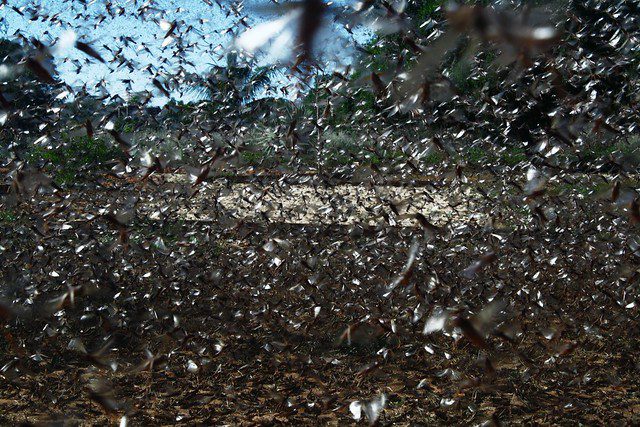
The Crisis of Locusts in East Africa

Locusts in East AfricaIn 2020, the world is facing many hardships. Especially in East Africa, where swarms of locusts are devastating the local agricultural systems. There can be up to 70 billion locusts in one swarm, with each of them eating their own body weight (about 0.07 ounces) in foliage every day. In total, these locusts in East Africa are eating 300 million pounds of crops per day, in an area the U.N.’s Food and Agriculture Organization (FAO) notes for its’ “severe food insecurity.”
Influence of Climate Change

Why is this happening in 2020? The answer is climate change, according to experts. Desert locusts, in normal times, are mostly reclusive and don’t often interact with each other. According to these experts, recent and rare cyclones, caused by warming oceans that hit the dry deserts of the Arabian Peninsula in 2018 and 2019, caused the desert to experience rains that it had not seen in a very long time. This caused physiological and mental changes in the locusts that have made them more ravenous than usual.  They grow larger, change color and their brains get bigger. They begin to behave in similar ways to one another and form swarms that can travel over 100 miles per day in search of food.

Funding Needed

This comes amid a global pandemic that is already taking human lives and wreaking havoc on the economy. The FAO is calling on U.N. members to contribute more financial assistance for local governments than it is currently receiving, about an estimated $138 million needed in total. This will go toward ways of combating the locusts, such as the use of pesticides.

COVID-19’s Impact

Imports of pesticides come from the Netherlands, Morocco and Japan, among other outside sources. However, this means that these pesticides that are desperately needed are slowed by COVID-19 lockdowns and restrictions placed on cargo. Equipment needed for dispersal of the pesticides is made in China and helicopters meant to track locust movements are from Canada. The international pilots for the helicopters have to quarantine when arriving. All of these roadblocks cause the loss of precious time in the fight against the locusts.

This ongoing issue of locusts in East Africa could get worse if U.N. members do not follow through on the FAO’s funding recommendations. This locust plague, combined with the COVID-19 pandemic, could cause a large loss of life in East Africa. However, the migratory nature of locusts makes it likely they will move to countries where there are national programs in place to address them. Hopefully, with the help of U.N. funds, East Africa can implement successful changes as well.

– Tara Suter
Photo: Flickr

July 23, 2020
https://borgenproject.org/wp-content/uploads/borgen-project-logo.svg 0 0 Lynsey Alexander https://borgenproject.org/wp-content/uploads/borgen-project-logo.svg Lynsey Alexander2020-07-23 11:17:152020-07-23 11:30:53The Crisis of Locusts in East Africa
Global Poverty, Homeless, Hunger, Volunteer

How Volunteerism in India is Saving Lives

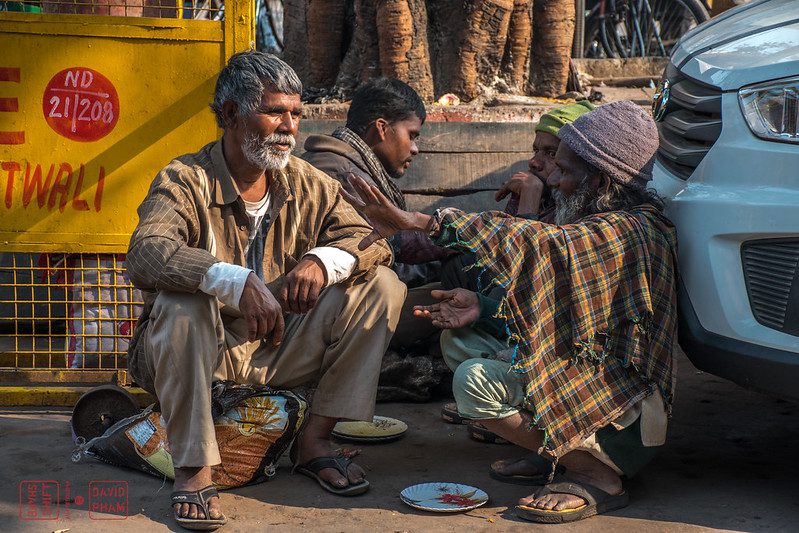
volunteerism in IndiaAs the effort to contain the spread of COVID-19 continues globally and conditions remain unclear for many people throughout India, what started out as a 21-day lockdown has since been extended for high infection areas until June 30th. The country has slowly started re-opening a variety of businesses and organizations by the Ministry of Health Affairs despite a spike of 68,566 reported cases from May 25 to June 3. The vulnerability of poor and homeless people throughout India poses an additional threat to the already fragile hunger crisis underway. Luckily, volunteerism in India is saving lives.

Migrant Workers and Homelessness

There are currently more than 1.7 million homeless people living in India. During a nation-wide lockdown, this is extremely problematic with lacking resources and little capacity at homeless shelters. Previous to the lockdown, an estimated 250 million Indian people were living underfed or malnourished. According to statistics gathered over the course of the last three months, these numbers have increased by 22.2 million. Many migrant workers trying to return home were forced to isolate in conditions that put their health and livelihood at risk. In many of these places, following social distancing guidelines is extremely difficult if not impossible.

Homeless shelters in India are working to get as many people off of the street as possible; however, this comes at a price. When the country went under strict order and work was quickly put to a halt, migrant workers had no choice but to begin their journey home. Many shelters houses more than 10,000 migrant workers and homeless people. This results in limited masks and sanitizers becomes an added issue on top of limited food and space. For nothing more than “a ladle of poorly cooked food poured roughly into a plate or plastic envelope”, masses of people would stand in line for hours, uncertain of when their next meal may come.

How Volunteerism in India is Saving Lives

Once lockdown restrictions began to lift, the community of India wasted no time giving back to those most vulnerable. The reliance on government programs during crisis can be taxing, specifically when there is not near enough meals to cover the amount of people in need. Many charities and organizations saw this need and teamed up with locals to shine a light on the issue. Together, they urged the government to provide aid as soon as possible. Here are a few stories of how volunteerism in India is saving lives.

Project Mumbai

Khaana Chahiye, created by Project Mumbai, in an initiative that continues to work tirelessly to provide meals for thousands of migrant workers and displaced people during the lockdown and pandemic. The initiative does not discriminate against who receives the meals; however, the focal point of this initiative is to feed as many homeless and migrant workers as possible. During this time, the organization averages an output of 70,000 meals per day to the poor. Luckily, the consistency of this output has sustained the lives of thousands. The organization also offers ways for civilians to bring attention to areas in need not being reached.

How An Individual Has Made a Difference

Local Tagore Government Arts and Science College Principal Sasi Kanta Dash, PhD, has always dreamt of helping his community. Dr. Dash knew that the lockdown could go on for a number of months and saw the need for positive change. At the beginning of the lockdown, he gathered a group of volunteers and started by feeding 250 people on the very first day, and the “immense satisfaction at the end of the first day catalyzed the actions on the future”. Over the course of 40 days, Dr. Dash has served more than 10,000 meals to the elderly, sick and poor across India.

The reality for thousands of people in India means limited access to preventative measures for the coronavirus, extreme food scarcity and the uncertainty of what tomorrow will bring. Although this can be daunting, with the help of local heroes like Dr. Dash and Project Mumbai, the goal of sustenance for all becomes that much closer.

– Katie Mote-Preuss 
Photo: Flickr

July 23, 2020
https://borgenproject.org/wp-content/uploads/borgen-project-logo.svg 0 0 Lynsey Alexander https://borgenproject.org/wp-content/uploads/borgen-project-logo.svg Lynsey Alexander2020-07-23 10:43:482020-07-23 10:43:48How Volunteerism in India is Saving Lives
Global Poverty

Drones in Africa Help Fight Coronavirus by Airdropping Medical Supplies

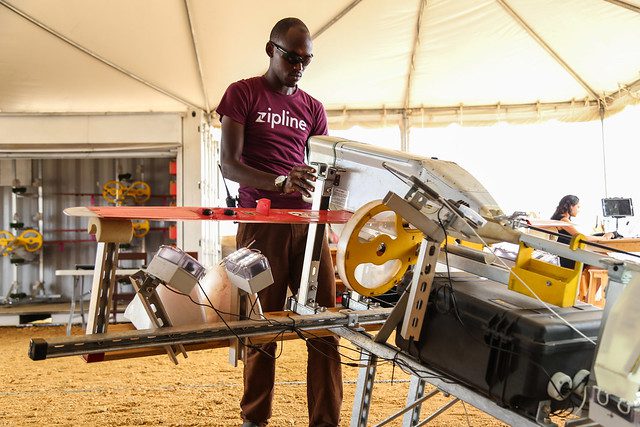
Drones in AfricaThe mission of Zipline, a company started in 2014 and based in San Francisco, is to “provide every human on Earth with instant access to vital medical supplies.” To accomplish this goal, the company has created a drone delivery service where drones in Africa distribute lifesaving medical supplies to remote clinics in Ghana and Rwanda. More recently Zipline has expanded to other locations across the globe, including the U.S.

Poverty in Rwanda and Ghana

Rwanda is a rural East African country that relies heavily on farming. Although the country has made improvements in recent years, the 1994 Rwandan genocide damaged the economy and forced many people into poverty, particularly women. As of 2015, 39% of the population lived below the poverty line and Rwanda was ranked 208th out of 228 countries in terms of GDP per capita. On top of this, Rwanda only has 0.13 physicians per 1,000 people, which is insufficient to meet health care needs according to the World Health Organization (WHO).

Ghana, located in West Africa, has fewer economic problems than neighboring countries in the region. However, debt, high costs of electricity and a lack of a stable domestic revenue continue to pose a threat to the economy. The GDP per capita was $4,700 as of 2017, with 24.2% of the population living below the poverty line. Although Ghana has a higher ratio of physicians per 1,000 people than Rwanda, with 0.18 physicians, it still falls below the WHO recommendation of at least 2.3 physicians per 1,000.

Benefits of Drone Delivery Services

On-demand delivery, such as drone delivery services, are typically only available to wealthy nations. However, Zipline evens the playing field by ensuring that those living in poorer and more remote regions also have access to the medical supplies they need. Zipline has made over 37,000 deliveries. In Rwanda, the drones provide deliveries across the country, bypassing the problems of dangerous routes, traffic and vehicle breakdowns, speeding up delivery and therefore minimizing waste. Additionally, Zipline’s drones in Africa do not use gasoline but, instead, on battery power.

Drone Delivery Services and COVID-19

Zipline’s services have been especially crucial during the COVID-19 response. Zipline has partnered with various nonprofit organizations (NGOs) and governments to complement traditional means of delivery of medical supplies on an international scale. This has helped to keep delivery drivers at home and minimize face-to-face interactions. As there are advances in treatments for COVID-19, delivery by drones in Africa has the potential to provide access to the vulnerable populations who are most at risk. At the same time, it can help vulnerable people stay at home by delivering medications directly to them or to nearby clinics, minimizing travel and reducing the chance of exposure. Zipline distribution centers have the capability to make thousands of deliveries a week across 8,000 square miles. Doctors and clinics simply use an app to order the supplies they need, receiving the supplies in 15 to 20 minutes. The drones are equipped for any weather conditions.

New means of providing medical equipment are helping to ensure that the world’s poor have access to the supplies they need. A company called Zipline has been using drones to deliver medical supplies to Africa, specifically in Rwanda and Ghana. During the COVID-19 pandemic, drones have been crucial in providing people and clinics with the medical supplies they need.

– Elizabeth Davis
Photo: Flickr

July 22, 2020
https://borgenproject.org/wp-content/uploads/borgen-project-logo.svg 0 0 Kim Thelwell https://borgenproject.org/wp-content/uploads/borgen-project-logo.svg Kim Thelwell2020-07-22 13:30:492024-06-04 01:08:40Drones in Africa Help Fight Coronavirus by Airdropping Medical Supplies
Global Poverty, Poverty Reduction

How COVID-19 Affects Unemployment in Spain

Unemployment in SpainThe COVID-19 pandemic has impacted families and communities everywhere. Not only have people suffered from the virus itself, but also from the indirect consequences. For example, millions of people have lost their jobs and struggle to provide their loved ones with basic needs. Citizens in wealthy countries such as the United States, the United Kingdom and Japan are able to navigate through this pandemic somewhat smoothly. However, the same cannot be said for impoverished people around the world. In particular, poverty and unemployment in Spain are among some of the highest rates in Europe even before the COVID-19 outbreak.
Those who are unemployed in Spain are not alone during this crisis; various NGOs and charities are working together to provide food, face masks and other necessities to those in need. The following article contains information concerning unemployment in Spain as well as how people are being helped amid this global outbreak.

Rising Unemployment in Spain

Now more than ever, unemployment has been on the minds of Spanish men and women during this pandemic. A study conducted by the Center for Sociological Research (CIS) in January 2020 showed that the majority of Spanish citizens consider “unemployment” and “economic problems” to be the most critical issues in their country. The people’s concern about financial hardship is legitimate considering past rates of unemployment in Spain. In the fourth quarter of 2019 (which was before COVID-19 greatly impacted the country), the rate of unemployment in Spain was already incredibly high at 13.78%. It was more than twice as high as the EU’s rate. In particular, young people in Spain have been showing notable unemployment rates: the National Institute of Statistics of Spain recorded unemployment among those below the age of 25 at 30.51% in the fourth quarter of 2019.

Unemployment in Spain is usually high, but COVID-19’s halting effect on many Spanish businesses has worsened rates in a matter of months. Following the country’s emergency lockdown in March, Spain’s unemployment rate rose to 14.8% in April 2020.

3 Spanish Organizations Helping Those in Need

COVID-19 affects those suffering from poverty or unemployment. In response, charities and social organizations in Spain are rallying behind the poor to soften the pandemic’s impact. Here are three prominent organizations in Spain whose motives are to reduce poverty and assist those in need during this global crisis.

  1. Cáritas: Cáritas Española was instituted in 1947 by the Spanish Episcopal Conference. Its objective is to carry out the charitable and social actions of the Church in Spain. Its mission is to promote the development of people, especially the poorest and most excluded. Cáritas has been one of the most impactful NGOs in Spain during the pandemic. The organization’s website has a dedicated section for COVID-19 which includes its relief efforts, COVID-19 statistics and advocacy for government programs aimed toward poverty in Spain. Some of the services Cáritas has provided include face mask-making workshops, hotel rooms for the homeless and disinfection services for assisted living homes.

  2. FESBAL: The Spanish Federation of Food Banks (FESBAL) is an NGO founded in 1996. The organization works to combat hunger and poverty through the reduction of food waste in society. On the FESBAL website, one can choose from three different donation amounts that will go toward groceries for impoverished families throughout Spain who are not able to easily access grocery stores due to mandated shutdowns.

  3. Alberto and Elena Cortina Foundation: The “Alberto y Elena Cortina” Foundation is a Spanish nonprofit charity. It pursues the creation and support of welfare, education and charity in Spain. In April 2020, the foundation worked alongside the Food Bank to distribute fruit to those in need through the country’s municipal markets. This was after a state of emergency was announced in Spain. 

Moving Forward

Most volunteering and social work have been stymied by travel restrictions. However, there are still many ways to help from home. People with internet access and a few dollars can greatly contribute to organizations in Spain assisting those in dire need. Quarantine orders and social distancing may have separated people from one another physically, but empathy and human solidarity are boundless. People can still help by being informed, spreading awareness and supporting organizations that work toward a better future. 

– Maxwell Karibian
Photo: Flickr

July 22, 2020
https://borgenproject.org/wp-content/uploads/borgen-project-logo.svg 0 0 Jennifer Philipp https://borgenproject.org/wp-content/uploads/borgen-project-logo.svg Jennifer Philipp2020-07-22 12:08:422020-07-22 12:08:42How COVID-19 Affects Unemployment in Spain
Global Poverty, Health

Mass Incarceration in Colombia: Facts and Solutions

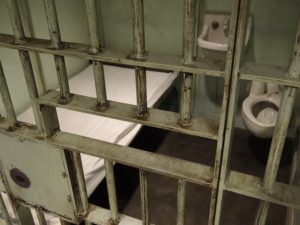
Mass Incarcerations in ColombiaThere is currently a problem of mass incarceration in Colombia. This South American country has a population of nearly 50 million people as of 2018. Currently, Colombian prisons have a capacity of 80,928 people. However, as of May 2020 the incarcerated population reached 112,864, or 139.5% of capacity. The Colombian prison system is known to be very overcrowded. Overcrowded prisons infer and amplify broader social issues. These prison environments amplify the spread of infectious diseases like HIV, tuberculosis and, most recently, COVID-19.

Effects of Mass Incarceration in Colombia on Health

  1. Capacity Rates: There are 132 prisons in Colombia with a total maximum capacity of just over 80,000 people. Despite this capacity, Colombian prisons have reached 139.5% of occupancy, or just over 112,000 people. Women make up about 6.9% of this number—about 7,700 women. Currently, there are no incarcerated in Colombia. Congress has actively fought against the release of prisoners, instead choosing to keep the prisons full.
  2. Effects of COVID-19: Prison riots are becoming increasingly common in Latin America with the spread of the COVID-19 virus. Mass incarceration in Colombia has created panic amongst prisoners, who have demanded more attention to their conditions. The Colombian Minister of Justice, Margarita Cabello, has not outwardly acknowledged the prison riots as demands for better care against COVID-19. Rather, Minister Cabello stated that the riots were an attempt to thwart security and escape from prison. Furthermore, due to the scarcity of doctors, prisoners continue to contract and/or die from complications of COVID-19.
  3. Infectious Diseases: Besides COVID-19, mass incarceration in Colombia has allowed the spread of diseases such as HIV and tuberculosis. Many Colombian prisons have a designated cell block for those who contract HIV, as it is common for prisoners to engage in sexual relationships with guards. Healthcare facilities are not readily available in prisons and condoms are in scarce supply. Active cases of tuberculosis also correlate with mass incarceration in Colombia. Approximately 1,000 per 100,000 prisoners have been diagnosed with tuberculosis. Unfortunately, mass incarceration has further limited prisoners’ access to affordable care.

Striving for Improved Conditions

Local citizens Mario Salazar and Tatiana Arango created the Salazar Arango Foundation for Colombian prisoners. After being imprisoned on fraud charges in 2012, Mario Salazar’s experience drove him to find ways to make prison sentences more tolerable. Salazar and Arango Foundation provides workshops for prisoners in the city of La Picota and puts on plays for fellow inmates. Prisoners have found the organization to be impactful to their self-esteem and their push for lower sentences.

Mass incarceration in the Colombian prison system is both a result and driver of poverty. Issues of food shortages and violence have created poverty-stricken conditions within prisons. Despite these conditions, organizations such as the Salazar Arango Foundation seek to improve the lives of prisoners. Hopefully, with time, external forces will help to reduce the rate of incarceration in Colombia. In essence, efforts to due so would have considerable impact on the lives of prisoners and their families.

– Alondra Belford
Photo: Flickr

July 21, 2020
https://borgenproject.org/wp-content/uploads/borgen-project-logo.svg 0 0 Kim Thelwell https://borgenproject.org/wp-content/uploads/borgen-project-logo.svg Kim Thelwell2020-07-21 15:15:062020-07-21 15:15:06Mass Incarceration in Colombia: Facts and Solutions
Global Health, Global Poverty

Vaccines in Africa During COVID-19

Vaccines in Africa during COVID-19Medical progress in developing countries could unravel during COVID-19 because the global shutdown is preventing important vaccines from reaching Africa. In fact, global health organizations struggle to dispatch health care workers, make shipments, and store medical supplies and vaccines. Health care systems have halted vaccinations for cholera, measles, polio and other diseases in order to focus on stopping COVID-19. Also, parents are afraid of bringing newborns to get vaccines during the pandemic as many health care workers have been repeatedly exposed to COVID-19. Although the WHO says that children are not a high-risk category for COVID-19, the fear of exposure could perpetuate the vaccination gap and exacerbate the problem even as governments ease restrictions.

Effects of Halting Vaccine Distribution

The postponement of vaccines in Africa during COVID-19 could lead to a dramatic resurgence of measles, cholera and other diseases that have been decreasing worldwide. Children in countries with low-quality health care might not receive these vaccines. This inequality is a problem that many organizations are trying to combat. Experts are also recommending that leaders should track and trace unvaccinated children to administer the vaccines on a later date. These proactive measures could help prevent future outbreaks.

Measles Vaccinations

Measles cases have risen globally in recent years due to growing misinformation, low-quality health care and other cultural or societal issues. Coronavirus has stalled everyday life, international travel and vaccination campaigns. Because of the impact COVID-19 has had, it is now estimated that over 117 million children in 37 countries, in which the majority are located in Africa, will likely not receive their measles vaccine. The World Health Organization and other global health foundations have expressed concerns over this new problem. Data is now showing that deaths from other diseases will likely compare to COVID-19 deaths in Africa by a ratio of 100 to one because these preventable diseases will have been overlooked. 

What is Being Done to Help

Global health organizations such as UNICEF, the Gates Foundation and other private groups provide most vaccines. Most African health care systems are already not well equipped to handle basic care and disease management. The pandemic, as well as the threat of diseases becoming more prevalent, puts a strain on these health care systems. Organizations like the Gates Foundation have noticed this excess burden on the African health care system, so they are working to help improve Emergency Operations Centers and local disease surveillance and testing. The Gates Foundation is also focusing on providing routine care as that often goes overlooked during a pandemic. The foundation is working to build up their health care systems as a whole to fight other diseases.

Most world leaders are prioritizing the containment of COVID-19; however, global health organizations are encouraging governments to do more to prevent diseases that can be treated with vaccines. 

– Jacquelyn Burrer
Photo: Flickr

July 21, 2020
https://borgenproject.org/wp-content/uploads/borgen-project-logo.svg 0 0 Kim Thelwell https://borgenproject.org/wp-content/uploads/borgen-project-logo.svg Kim Thelwell2020-07-21 07:30:132024-05-29 23:17:44Vaccines in Africa During COVID-19
Global Poverty, Technology

SongAid Streams Away Hunger

SongAidAs people in the U.S. and around the world try to stay safe during the global pandemic, many are spending more time at home. It is not uncommon for people to spend their time at home utilizing a variety of streaming services. That is why the American media distribution company The Orchard, the global nonprofit WhyHunger and 60 musicians have collaborated to create SongAid. SongAid, a collaborative music streaming process, helps alleviate the negative impact COVID-19 has had on global poverty and hunger.
What Is SongAid?

SongAid is a project that works with major music streaming sites to donate profits made from streaming to the WhyHunger Rapid Response Fund. On May 29, 2020, SongAid released its first playlist. The playlist included a variety of artists from Wilco to Galatic. Listeners can find the SongAid playlists, curated by diverse groups of celebrities, on major music streaming platforms like Apple Music, Spotify, Amazon Music and Youtube Music. SongAid releases new music every Friday. Every time someone streams a SongAid song or playlist, the proceeds go directly to WhyHunger. Additionally, SongAid will host virtual gaming, music and artists events throughout the summer to promote its partnership with WhyHunger.

What is WhyHunger?

WhyHunger is a global nonprofit organization started by artists Harry Chapin and Bill Ayres in 1975. The musician and DJ started the organization to provide global access to safe, nutritious food. Several strategies of operation guide the organization. These strategies include empowering and supporting grassroots movements, advocating for social justice and uplifting community voices. Additionally the organization also focuses on protecting the right to adequate food and promoting agro-ecology. WhyHunger has raised $13 million through initiatives like Artists Against Hunger & Poverty, where artists band together to raise funds to support the various components of WhyHunger, such as the Global Movement Program, the Find Food Database and the WhyHunger Hotline.

Through its Global Movement Program, WhyHunger supports international movements for greater access to food, land and water. They have supported the World March of Women, La Via Campesina International and the World Forum of Fisher Peoples. Between 2012 and 2017, the organization raised $1.2 million to support more than 100,000 small farmers in 68 countries.

COVID-19, Poverty and Food Insecurity

Organizations like WhyHunger worked to reduce food insecurity and poverty around the world before the COVID-19 pandemic. However, individuals and organizations such as those brought together through SongAid have begun to recognize that the work WhyHunger does is even more crucial during this pandemic. The pandemic has disrupted the global food supply chain by forcing countries to close their borders. Additionally, restricting exports and keeping workers at home also affect the food supply chain.

Estimates show that half a billion people will fall into poverty as a result of disruptions to the global economy. Additionally, food prices continue to rise due to panic buying and increased demand. For example, the cost of wheat has increased by 15% and the value of rice by 12% around the globe. Moreover, less than 20% of already low-income countries do not have systematic support to provide aid to citizens that are facing exacerbated hunger and poverty.

Despite the seemingly hopelessness situation, coalitions like SongAid are fighting to help people around the world get access to the food and resources they need in spite of the global pandemic.

– Tiara Wilson 

Photo: Pixabay

July 17, 2020
https://borgenproject.org/wp-content/uploads/borgen-project-logo.svg 0 0 Jennifer Philipp https://borgenproject.org/wp-content/uploads/borgen-project-logo.svg Jennifer Philipp2020-07-17 16:15:562020-07-17 16:15:55SongAid Streams Away Hunger
Global Poverty

Himalayan Cataract Project Combats Blindness and Poverty Around the World

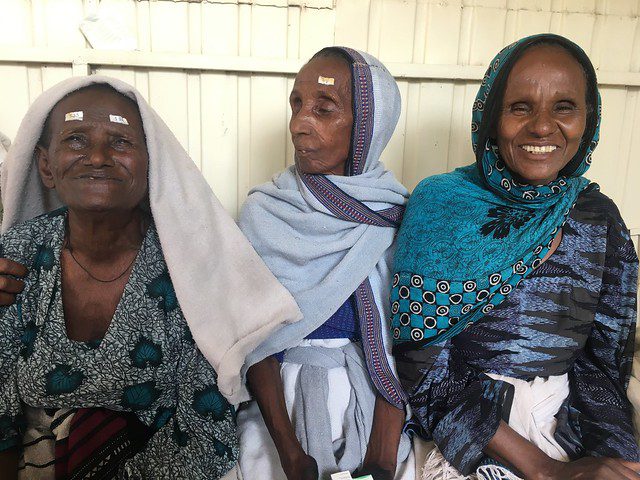
Himalayan Cataract ProjectIn 1995, Dr. Geoff Tabin and Dr. Sanduk Ruit launched the Himalayan Cataract Project to eliminate curable and preventable blindness in under-resourced Himalayan communities. The two founded their innovative campaign after recognizing that cataracts account for 70% of unnecessary blindness in Nepal. Cataracts, or cloudy, opaque areas in the eye that block light entry, occur naturally with age. Poor water quality, malnutrition and disease tend to exacerbate the issue in developing countries.
For years, Dr. Tabin and Dr. Ruit had seen Nepalese villagers take blindness as a death sentence. “It was just accepted that you get old, your hair turns white, your eyes turn white, you go blind and you die,” Dr. Tabin told the Stanford Medicine magazine. But after Dutch teams arrived in Nepal to perform cataract surgery, he explained, “People came back to life. It was amazing.”

The Strategy

The Himalayan Cataract Project delivers sight-restoring cataract surgery at a low cost. Dr. Ruit’s groundbreaking procedure lasts 10 minutes and costs just $25. Today the organization has succeeded in providing permanent refractive correction for well over 500,000 people.

In an effort to leave a more sustainable impact, the project works from a “train the trainer” model that empowers community health providers and enhances local eye care centers. Rather than simply treating patients in need, specialists introduce new methods and technology to strengthen the practices of existing clinics.

As a result of these and other advances, the blindness rate in Nepal has plummeted to 0.24%, similar to that of Western countries. The Himalayan Cataract Project now operates in India, Tibet and Myanmar. Dr. Tabin has also initiated training programs in Sub-Saharan Africa, particularly in Ghana and Ethiopia. He hopes to see the same successes here as achieved in Asia.

The Link Between Blindness and Poverty

Addressing blindness is a critical step in the fight against poverty. Blindness prevents able-bodied workers from supporting themselves, shortens lives and reduces the workforce. Children of blind parents often stay home from school as they scramble to fulfill the duties of household caregivers and providers. In short, blindness worsens poverty, while poverty magnifies the risk of blindness.

The Himalayan Cataract Project aims to break the cycle of blindness and poverty. Studies have shown a 400% return on every dollar that the organization invests in eradicating curable and preventable blindness. Their procedures stimulate the economy by helping patients get back to work.

Individual success stories continue to power the organization. Adjoe, a 40-year-old mother from Togo, traveled to Ghana for surgery when she determined that her blind eye was hurting business. As a street vendor selling beans, she saw customers avoid her stand for fear of contagion. She consulted Dr. Boteng Wiafe, a partner of the Himalayan Cataract Project, who performed oculoplastic surgery and gave her a prosthetic eye. Carefully matching the prosthetic to the size, color and shape of her good eye, Dr. Wiafe ensured that Adjoe could return home to provide for her family once again.

Response to COVID-19

In recent months, the COVID-19 pandemic has brought a halt to live clinical training and elective surgeries, but the backlog of blindness continues to grow worldwide. Meanwhile, concerns about the virus may dissuade blind patients from seeking treatment for the next several years.

While eye care has been suspended, the Himalayan Cataract Project is using this time to redesign and restructure their programs so as to emerge even stronger than before. The organization is also working to equip partner clinics with information and resources to keep their patients safe. Some communities have even taken part in the shift to remote education and implemented a virtual training system.

Despite the uncertainty of the months ahead, the Himalayan Cataract Project remains firm in its commitment to fighting blindness and poverty. Its partner clinics around the globe have been tireless in their efforts to affirm that the poor and vulnerable will receive the eye care they need once patients can receive in-person treatment again.

– Katie Painter
Photo: Flickr

July 15, 2020
https://borgenproject.org/wp-content/uploads/borgen-project-logo.svg 0 0 Jennifer Philipp https://borgenproject.org/wp-content/uploads/borgen-project-logo.svg Jennifer Philipp2020-07-15 01:30:592024-05-29 23:17:43Himalayan Cataract Project Combats Blindness and Poverty Around the World
Global Poverty, Health, Hunger

5 Facts About Hunger in Sierra Leone

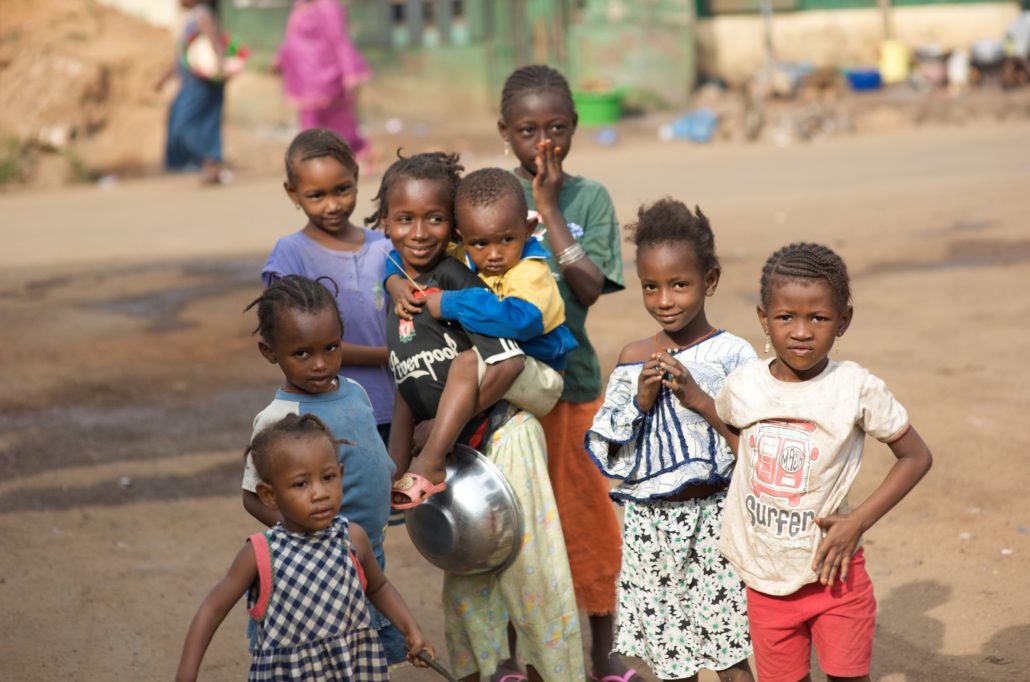
Hunger in Sierra LeoneOf Sierra Leone’s population of 7 million people, more than half are living below the poverty line. In 2019, the U.N. Development Programme Index ranked this West African country 181st out of 185 countries based on “average achievement in three dimensions of human development—a long and healthy life, knowledge and a decent standard of living.” Such a ranking is significantly influenced by the fact that millions of Sierra Leoneans are affected by food insecurity and many children are malnourished. Here are five facts about hunger in Sierra Leone. 

5 Facts About Hunger in Sierra Leone

  1. More than 3 million Sierra Leoneans lack reliable access to adequate food. In total, over 40% of Sierra Leone’s population is food insecure. Over 50% of Sierra Leone’s population lives on less than $1.25 per day, so many people struggle to buy sufficient and nutritious food. According to the 2019 Global Hunger Index, about one out of every four people in the country are undernourished.
  2. Nearly 40% of children suffer from stunted or impaired growth as a result of chronic malnutrition. This can permanently impact health and cognitive development. Families living in poverty are less capable of providing their children with an adequate variety of nutrients in their diets. In 2018, the rate of mortality for children under 5 years old was 10.5%; about half of these deaths are attributable to malnutrition.
  3. Sierra Leone ended an eleven-year war in 2002, and was hit by the 2014 Ebola pandemic; these have greatly exacerbated rates of poverty and hunger in Sierra Leone. The long-term conflict dismantled national infrastructure in both rural and urban areas, resulting in a lack of effective basic social services  Beginning in May 2014, the Ebola crisis resulted in almost 4,000 deaths and a serious economic downturn in Sierra Leone. The country is still dealing with the aftermath of these events.
  4. Irregular rainfall has significantly reduced rice production in recent years. Rice is a staple food in Sierra Leone, but local agricultural production is no longer sufficient to meet the needs of the population. In 2018, the majority of rice-growing households produced only half as much rice as they expected. Therefore, instead of exporting rice, which would improve economic growth, the government has spent hundreds of millions of dollars importing the staple.
  5. The COVID-19 pandemic is putting more people at risk of acute hunger and starvation. According to the United Nations’ World Food Programme (WFP), without sufficient aid, countries with high levels of food insecurity may face “mega-famines.” The WFP has also reported that food insecurity could double worldwide in 2020, affecting 130 million more people.

Solutions

Many organizations have taken action to address food insecurity and malnutrition in Sierra Leone. In 2018, Action Against Hunger aided 8,000 people with food security programs that reduced malnutrition among children and increased dietary diversity. The WFP, UNICEF and Sierra Leone’s government are distributing nutrient-dense food to young children and mothers to reduce child malnutrition.

The WFP also provides food to children in schools and supports smallholder farmers. In May 2020, the WFP assisted more than 17,000 people by distributing over 47 metric tons of food assistance, transporting 900 metric tons of improved seed rice to smallholder farms, and providing cash payments to more than 1,000 farming households. 

The World Bank has provided Sierra Leone’s government with $100 million to deal with economic challenges during the pandemic and reduce poverty. The U.N. is attempting to coordinate a global response to the pandemic that would require $4.7 billion to “protect millions of lives and stem the spread of coronavirus in fragile countries,” including Sierra Leone. 

Conclusion

These facts about hunger in Sierra Leone show that this issue is widespread and likely worsening during the COVID-19 pandemic. However, with multiple NGOs and members of the international community working to address this problem with food assistance and aid for farmers, there is hope for improvement; Sierra Leoneans may experience lower rates of hunger and malnutrition in the near future. 

– Rachel Powell
Photo: Flickr

July 11, 2020
https://borgenproject.org/wp-content/uploads/borgen-project-logo.svg 0 0 Kim Thelwell https://borgenproject.org/wp-content/uploads/borgen-project-logo.svg Kim Thelwell2020-07-11 01:30:052020-07-11 11:27:175 Facts About Hunger in Sierra Leone
Global Poverty, Homelessness

Fighting Homelessness in Senegal

Homelessness in SenegalSenegal is often seen as a stable country politically and economically relative to its neighbors in the West African region. This perception has been further validated in the last decade with its peaceful elections and a GDP growth averaging approximately 6% since 2014. Still, the country is not without its challenges. Though poverty hasn’t been measured since 2011, it is estimated that around 39% of the population lives below the poverty line. Homelessness in Senegal is a major consequence of poverty that needs urgent attention, especially amid COVID-19.

Street Youths of Dakar

In Senegal, homelessness especially affects many children. In the capital city of Dakar, which has a population of 1.06 million people, an estimated 40,000 street youths are without shelter. Some of these children are Talibes. Talibes are “youths from Koranic schools known as daaras who are forced to beg for money. There are also those who fled such schools. Others come from broken families or have lost their homes because of poverty.”

Recently COVID-19 and the resulting lockdown have exasperated the lives of these homeless children in Senegal. The thin protection these children once had in small generosities from restaurants and pedestrians have been erased as services and public pedestrian presence have gone dormant for lockdown. Lackluster sanitation and drug usage compound the street youths’ vulnerable position amid the COVID-19 pandemic. As of early July 2020, Senegal has reported thousands of cases of COVID-19 and under 100 deaths.

Helping Hands

In April, Senegal’s Ministry of Family launched a coronavirus emergency plan for street children, opening up about 13 educational social centers and other venues in Dakar. Outside of government support, NGOs like the French-Senegalese Village Pilote has aided homeless children in Dakar sprung into action. Village Pilote offers homeless children in Senegal meals and shelter as well as space for recreation. Issa Faye, a 19-year-old living on the street told Reuters: “Because of the disease people were avoiding us, we had problems getting (medical) treatment, and also the police kept running after us. Only this centre accepts children and youngsters our age and from the streets…”

Value of Aid

COVID-19 highlights how easily vulnerable demographics such as the homeless street youths of Senegal can be left behind without consideration, underscoring the value of aid. Supporting funding for the International Affairs Budget to address the consequences of the pandemic is also essential to protecting the health, security and economic interests of all Americans.

– Caleb Hughes
Photo: Flickr

July 9, 2020
https://borgenproject.org/wp-content/uploads/borgen-project-logo.svg 0 0 Lynsey Alexander https://borgenproject.org/wp-content/uploads/borgen-project-logo.svg Lynsey Alexander2020-07-09 12:03:032020-07-09 12:29:40Fighting Homelessness in Senegal
Page 21 of 23«‹1920212223›»

Get Smarter

  • Global Poverty 101
  • Global Poverty… The Good News
  • Global Poverty & U.S. Jobs
  • Global Poverty and National Security
  • Innovative Solutions to Poverty
  • Global Poverty & Aid FAQ’s
Search Search

Take Action

  • Call Congress
  • Email Congress
  • Donate
  • 30 Ways to Help
  • Volunteer Ops
  • Internships
  • Courses & Certificates
  • The Podcast
Borgen Project

“The Borgen Project is an incredible nonprofit organization that is addressing poverty and hunger and working towards ending them.”

-The Huffington Post

Inside The Borgen Project

  • Contact
  • About
  • Financials
  • President
  • Board of Directors
  • Board of Advisors

International Links

  • UK Email Parliament
  • UK Donate
  • Canada Email Parliament

Get Smarter

  • Global Poverty 101
  • Global Poverty… The Good News
  • Global Poverty & U.S. Jobs
  • Global Poverty and National Security
  • Innovative Solutions to Poverty
  • Global Poverty & Aid FAQ’s

Ways to Help

  • Call Congress
  • Email Congress
  • Donate
  • 30 Ways to Help
  • Volunteer Ops
  • Internships
  • Courses & Certificates
  • The Podcast
Scroll to top Scroll to top Scroll to top