The Crisis of Locusts in East Africa
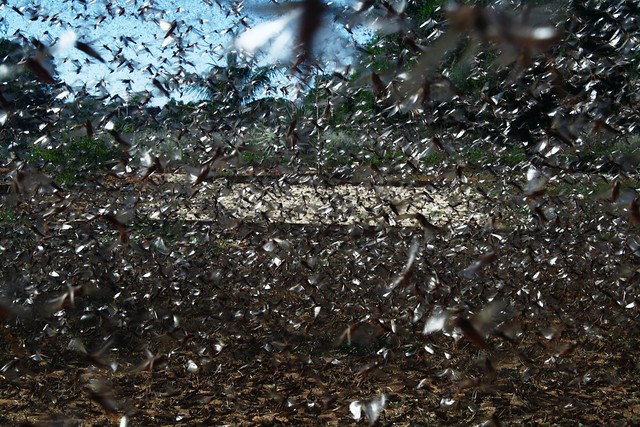 In 2020, the world is facing many hardships. Especially in East Africa, where swarms of locusts are devastating the local agricultural systems. There can be up to 70 billion locusts in one swarm, with each of them eating their own body weight (about 0.07 ounces) in foliage every day. In total, these locusts in East Africa are eating 300 million pounds of crops per day, in an area the U.N.’s Food and Agriculture Organization (FAO) notes for its’ “severe food insecurity.”
Influence of Climate Change
Why is this happening in 2020? The answer is climate change, according to experts. Desert locusts, in normal times, are mostly reclusive and don’t often interact with each other. According to these experts, recent and rare cyclones, caused by warming oceans that hit the dry deserts of the Arabian Peninsula in 2018 and 2019, caused the desert to experience rains that it had not seen in a very long time. This caused physiological and mental changes in the locusts that have made them more ravenous than usual. They grow larger, change color and their brains get bigger. They begin to behave in similar ways to one another and form swarms that can travel over 100 miles per day in search of food.
Funding Needed
This comes amid a global pandemic that is already taking human lives and wreaking havoc on the economy. The FAO is calling on U.N. members to contribute more financial assistance for local governments than it is currently receiving, about an estimated $138 million needed in total. This will go toward ways of combating the locusts, such as the use of pesticides.
COVID-19’s Impact
Imports of pesticides come from the Netherlands, Morocco and Japan, among other outside sources. However, this means that these pesticides that are desperately needed are slowed by COVID-19 lockdowns and restrictions placed on cargo. Equipment needed for dispersal of the pesticides is made in China and helicopters meant to track locust movements are from Canada. The international pilots for the helicopters have to quarantine when arriving. All of these roadblocks cause the loss of precious time in the fight against the locusts.
This ongoing issue of locusts in East Africa could get worse if U.N. members do not follow through on the FAO’s funding recommendations. This locust plague, combined with the COVID-19 pandemic, could cause a large loss of life in East Africa. However, the migratory nature of locusts makes it likely they will move to countries where there are national programs in place to address them. Hopefully, with the help of U.N. funds, East Africa can implement successful changes as well.
– Tara Suter
Photo: Flickr
