• Link to X
  • Link to Facebook
  • Link to Instagram
  • Link to TikTok
  • Link to Youtube
  • About
    • About Us
      • President
      • Board of Directors
      • Board of Advisors
      • Financials
      • Our Methodology
      • Success Tracker
      • Contact
  • Act Now
    • 30 Ways to Help
      • Email Congress
      • Call Congress
      • Volunteer
      • Courses & Certificates
      • Be a Donor
    • Internships
      • In-Office Internships
      • Remote Internships
    • Legislation
      • Politics 101
  • The Blog
  • The Podcast
  • Magazine
  • Donate
  • Click to open the search input field Click to open the search input field Search
  • Menu Menu

Tag Archive for: COVID-19

Posts

Global Poverty

COVID-19 Increases Poverty In Spain

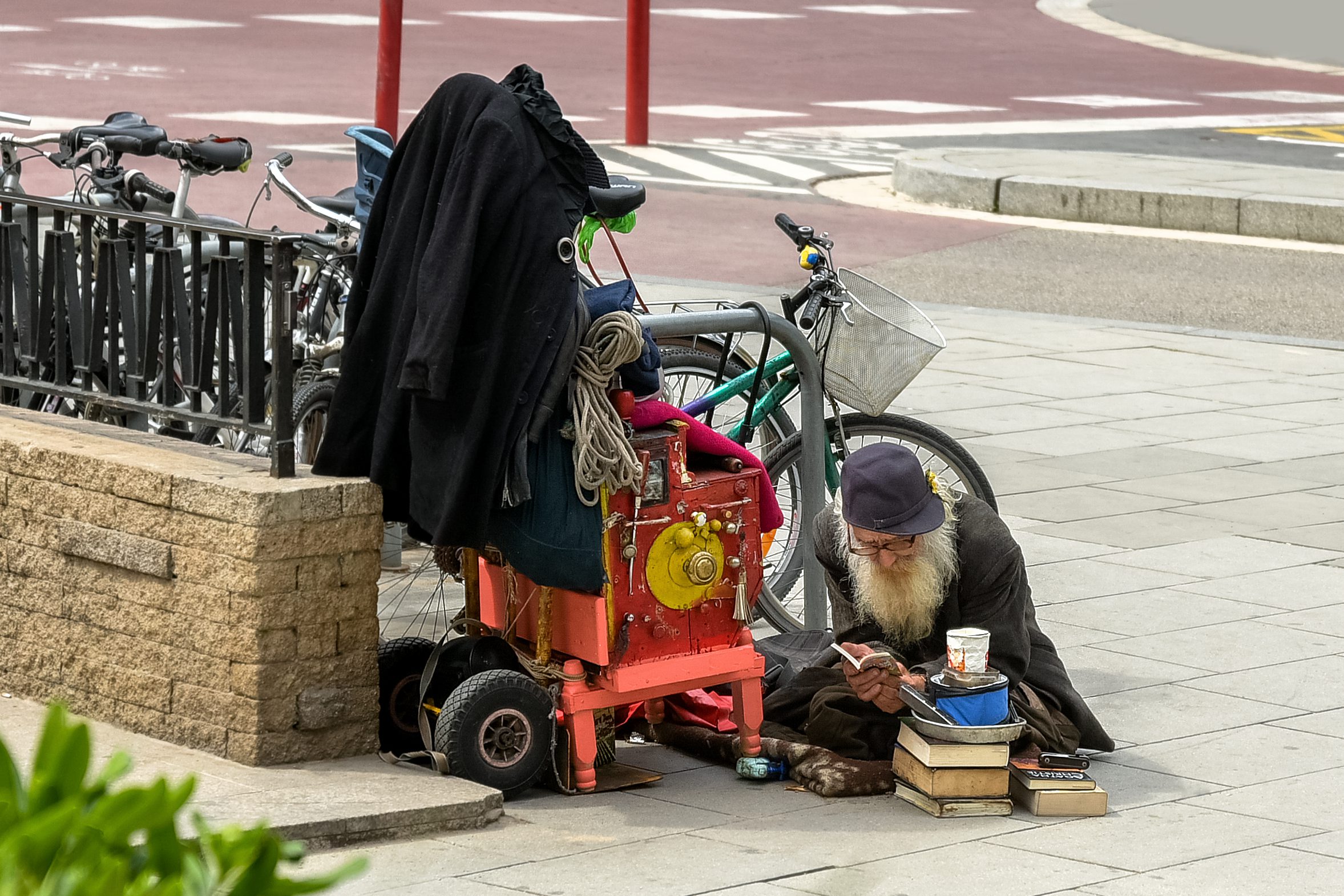
Poverty In SpainThe COVID-19 pandemic has impacted families and communities globally. Not only have people suffered from the virus itself but also from indirect consequences. For example, millions of people have lost their jobs. Now, men and women are facing numerous difficulties while trying to provide their loved ones with basic needs. Citizens in wealthy countries, such as the United States, the U.K. or Japan, have been able to navigate through this pandemic somewhat smoothly. However, the same cannot be said for impoverished people around the world. Poverty in Spain was among some of Europe’s highest rates even before the COVID-19 outbreak. Currently, the citizens of Spain, who had already suffered from poverty, are now met with another obstacle. However, those experiencing poverty in Spain are not alone during this crisis; various NGOs and charities are working together to provide food, facemasks or other necessities to those in need. 

Growing Poverty Rates

According to the National Institute of Statistics of Spain, 26.1% of people were “at risk of poverty or social exclusion” and 5.4% of people experienced “severe material deprivation” in 2018. The National Institute of Statistics also reported that 55.2% of people faced varying degrees of difficulty making ends meet that same year. Although these figures only include adults, children are not excluded from poverty’s reach.

Children in Spain seem to be more vulnerable to poverty than adults. A 2017 report from the European Anti-Poverty Network (EAPN) found that the child population in Spain has unacceptably high rates in the indicators of poverty. One of the report’s most jarring statistics concerning the child population in Spain is that 31.3% of children were “at risk of poverty or social exclusion.” However, these children all experience poverty differently.

Among the children facing poverty in Spain, the 2016 EAPN report identified that 10.8% experienced severe poverty and 6.5% endure severe material deprivation. In 2018, poverty rates for children in Spain hardly budged. The National Institute of Statistics reported that 29.5% of children were still at risk in 2018, and 6.5% were still experiencing severe material deprivation. 

Unemployment Factors In

Although numerous factors are involved with these statistics, the country’s unemployment rate definitely contributes to poverty’s overwhelming presence in Spain. The Center for Sociological Research (CIS) conducted a study in Jan. of 2020 that showed most Spanish citizens consider unemployment and economic problems as the most critical issues in their country. 

The people’s concern about Spain’s economy is legitimate, considering what the statistical analysis shows. In the fourth quarter of 2019, the unemployment rate in Spain was 13.78%. This was two times the rate of the EU. In particular, young people in Spain showed notable unemployment rates. The National Institute of Statistics of Spain recorded unemployment among those below the age of 25 at 30.51% in that same quarter.

Charities and Social Organizations Step in Amid COVID-19

COVID-19 has affected virtually every person in the world in its wake. However, those in poverty have been suffering prior to the virus; in fact, the outbreak of COVID-19 has only made survival in poverty more challenging. As such, charities and social organizations in Spain have been rallying behind those in need to soften the pandemic’s effects. Here are three prominent organizations in Spain whose motives are to reduce poverty and assist those in need during this global crisis:

  1. Cáritas: The Spanish Episcopal Conference instituted Cáritas in 1947. Cáritas Española’s objective is to carry out the charitable and social action of the Church in Spain. Its mission is to promote the development of people, especially the poorest and most excluded. Cáritas has been one of the most impactful NGOs in Spain during the pandemic. The organization’s website has a dedicated section for COVID-19. It includes its relief efforts, COVID-19 statistics and advocacy for government programs aimed toward poverty in Spain. Some of the services Cáritas has provided during the pandemic include facemask-making workshops, granting hotel rooms for the homeless and providing disinfection services for assisted living homes. 
  2. FESBAL: The Spanish Federation of Food Banks (FESBAL) was founded in 1996 to combat hunger and poverty by reducing food waste in society. On the FESBAL website, one can choose from three different donation amounts that will go toward groceries for impoverished families in Spain who cannot easily access grocery stores due to mandated shutdowns.
  3. Alberto and Elena Cortina Foundation: The Alberto y Elena Cortina Foundation is a Spanish non-profit charity. It pursues the creation and support of welfare, education and charity in Spain. In April 2020, the foundation worked alongside the Food Bank to distribute a large portion of fruit to those in need through the country’s municipal markets after Spain announced a state of emergency.

Looking Ahead

Travel Restrictions have stymied most volunteering and social work interventions, but there are many ways to fight against poverty from home. People who have access to the Internet and a few dollars to spare can significantly contribute to organizations in Spain. Quarantine orders and social distancing have separated people physically, but empathy and human solidarity are boundless. Although thousands of miles might separate countries, people can still reach out to those in need by being informed, spreading awareness and supporting organizations that are working on the front lines toward a better future.

– Maxwell Karibian
Photo: Flickr

July 9, 2020
https://borgenproject.org/wp-content/uploads/borgen-project-logo.svg 0 0 Kim Thelwell https://borgenproject.org/wp-content/uploads/borgen-project-logo.svg Kim Thelwell2020-07-09 01:30:292024-06-04 01:08:40COVID-19 Increases Poverty In Spain
Global Poverty, Health, Homeless

Peruvian Food Markets in the Midst of COVID-19

While it may have been one of the first nations in the Americas to take significant preventative actions against the coronavirus, Peru is still reporting over 208,000 COVID-19 cases, and is now ranked as the second most impacted South American country behind Brazil. After the implementation of stay-at-home orders, curfews and boarder closings, it is strange to see both the number of cases and deaths continuing to rise. One explanation as to why Peru is continuing to deal with more cases is that Peru’s poor do not have the luxury to stay at home and Peruvian food markets can be a hub for spreading coronavirus.

The Necessity of Food Markets

Why venture out? Work, food and banking transactions are all done on the streets of Peru and not in the comfort of one’s home. Only 49% of Peruvian households have access to a refrigerator or freezer, meaning that daily excursions to Peruvian food markets are necessary in order to keep food on the table.

Furthermore, the Peruvian food markets provide another challenge, maintaining social distancing. On April 14, CNN affiliate TV Peru captured images of a Lima food market where shoppers waited for hours in lines or in masses while wearing masks but not practicing social distancing. This scene was then replicated outside of banks as people queued up in an attempt to access coronavirus relief funds. Peruvian food markets have quickly become hot spots for contagion, not just for shoppers but also for vendors.

Proving to be an Issue

In a local market, just outside the San Martín de Porres district, “163 merchants tested positive for the virus, after 842 rapid tests.” In response to the rising cases, the Peruvian government implemented more bans and lockdowns to try and stop the sudden influx of cases and extended the state of emergency until June 30. This solution, however, does not address all circumstances across Peru. The fact still remains that the nation’s poor often have no choice but to venture out daily to access the resources they need.

Entrepreneurs feel Economic Strain

Despite the dangers surrounding vendors and shoppers, Peruvian food markets are only half of the equation. The global pandemic has also wreaked havoc on small producers and entrepreneurs.

People who work in small scale production don’t always have easy access to local markets which can lead to two things:

  1. The producers are unable to sell their products in the cities and thus receive less income than they normally would.
  2. Markets will begin to see a decline in produce and goods, which will result in crowded markets and higher prices.

Although Peru is starting to grant transit permits to these small producers, the process has been slowed down due to the coronavirus. While numerous solutions have been proposed by the Peruvian government, only a few actions are igniting real change in providing help for citizens living below the poverty line.

One such solution is being enacted through the German partnership program: Welthungerhilfe. The international relief program focuses on ending food insecurity across the globe. Since the outbreak of COVID-19, it has dedicated relief efforts to communities most heavily impacted. In Peru, this can be seen in the community of Húanuco. Working with the Peruvian Institute of Development and Environment (Instituto de Desarrollo y Medio Ambiente), Welthungerhilfe implemented a delivery service, to connect local farmers and producers with markets and consumers in more urban areas. This effort will keep locally owned farms employed during the crisis and fight the food scarcity affecting local markets.

For the Peruvian people living in poverty, COVID-19 has uncovered many of the nation’s shortcomings including food insecurity. Producers, vendors and shoppers alike are struggling to operate within new health regulations and provide for their families in the crowded streets of Peruvian food markets. As a result, international relief agencies, like Welthungerhilfe, have been emerging to help those in need.

– Elizabeth Price
Photo: Pixabay
July 1, 2020
https://borgenproject.org/wp-content/uploads/borgen-project-logo.svg 0 0 Lynsey Alexander https://borgenproject.org/wp-content/uploads/borgen-project-logo.svg Lynsey Alexander2020-07-01 13:30:352020-08-04 12:21:19Peruvian Food Markets in the Midst of COVID-19
Global Poverty

Understanding Tuberculosis in Pakistan

Tuberculosis in PakistanPakistan is ranked as the fifth-highest nation contracting Tuberculosis (TB) daily in the world. It has an “estimated 510,000 new TB cases emerging each year,” accounting for 61% of TB in the eastern Mediterranean region. According to the Stop TB Partnership, there are 1,540 developing cases and 121 deaths from tuberculosis in Pakistan every day. Pakistan also experiences the fourth-highest rate of multidrug-resistant TB (MDR-TB) globally. The abundance of MDR-TB cases largely results from delays in diagnosis, inadequate drug treatment and non-compliance of some patients.

Economic Background and Effects

The average monthly cost to treat Tuberculosis in Pakistan is between 1,500 and 1,800 Pakistani rupees, which equals around $9 to $11 per month. In Pakistan, this is a huge financial burden considering the average monthly income of less than $35, with many TB patients earning even less than that. One study reported 96.7% of Pakastani TB patients were already struggling financially prior to their diagnosis.

After diagnosis, changes in employment status are common for many patients. Roughly 75% of TB patients are unemployed after diagnosis. Those who do not lose their jobs often face cuts in work hours. These economic constraints inadvertently encourage non-compliance and refusal of treatment, which ultimately contributes to the spread of TB in Pakistan.

Stigmatization of Tuberculosis

Beyond employment consequences, tuberculosis in Pakistan is heavily stigmatized by the public. More than three-quarters of Pakistanis believe TB patients should be kept in hospitals or sanitariums during treatment. Some even admit that they would not marry an individual who has had TB. Out of a fear of being ostracized, most TB patients in Pakistan hide their disease and refuse treatment—behavior that contributes to the high rates of MDR-TB in the country.

The stigmatization of TB in Pakistan is mainly a result of a lack of public knowledge and misconceptions about the disease. Recent studies point toward insufficient TB awareness among the public and even patients in Pakistan. One study found that 88.7% of patients questioned did not know the risk factors of TB or the protective measures people with the disease should take. Moreover, less than half of the respondents could accurately identify TB symptoms.

The National TB Control Program (NTP)

Despite the high rates of tuberculosis in Pakistan, the country has made strides in decreasing its numbers. Organizations such as the National TB Control Program (NTP) are actively working to achieve a TB-free Pakistan. NTP re-launched in 2001 after TB became a national emergency in Pakistan. Since then, the organization has worked alongside the National Institute of Health to fight TB in the country. The main objective of NTP is to cut the number of TB cases present in 2012 in half by the year 2025.

The organization has brought more attention to the issue and improved its detection of cases from 11,050 cases in 2000 to 248,115 in 2008. The NTP hopes to increase that number to 420,000 by the end of 2020. Furthermore, the organization was able to bring the treatment success rate up to 91% by 2007 and has been working to maintain that level since.

COVID-19 Impact

The recent outbreak of COVID-19 across the globe has posed a major threat to the state of tuberculosis in Pakistan. With social distancing regulations, it has become difficult for individuals to be diagnosed and treated for the disease. Despite these new challenges, Pakistan and the NTP have remained committed to controlling the TB situation. The National Manager of NTP, for example, announced that follow-up appointments following treatment are to be conducted over the phone. Furthermore, the NTP outlined plans to use methods like the Pakistan Postal Service and Uber to deliver ongoing treatment to patients across the country.

The NTP has also started an online TB case notification pilot program where patients can register and receive treatment notifications and additional assistance from healthcare workers via text. This program will provide the NTP with greater information on TB cases in Pakistan as well as encourage patient compliance with treatment plans.

– Mary Kate Langan
Photo: Flickr

June 23, 2020
https://borgenproject.org/wp-content/uploads/borgen-project-logo.svg 0 0 Kim Thelwell https://borgenproject.org/wp-content/uploads/borgen-project-logo.svg Kim Thelwell2020-06-23 05:31:582024-05-29 23:17:48Understanding Tuberculosis in Pakistan
Global Poverty

The Impact of COVID-19 on Unemployment in China


During the 2008 financial crisis, more than 20 million people in China were laid off, with the official unemployment rate reaching a peak of 4.7% in 2009. Since then, official unemployment in China has remained steady, hovering around 4.6% until 2015 and reaching a decade low of nearly 4.2% in 2018.

China has been able to maintain relatively low numbers in unemployment through an increase in investment in its social policies. Since the 2008 financial crisis, its jobless claims program funding nearly tripled to $82.37 billion. In 2016, China also signed an agreement with the International Labor Organization through the Decent Work Country Program, pledging to focus on generating a better social protection system and increasing the “quantity and quality of employment,” among other objectives, through the end of 2020. However, COVID-19 has interfered with these plans.

Impact of COVID-19 on Unemployment

China has over 84,000 confirmed cases of COVID-19 with more than 4,600 reported deaths as of May 14, 2020. Since its first case in December of 2019, China has taken drastic measures to reduce the spread of the virus. This lead to a 6.8% drop in its GDP from January to March. Many business were also forced to close. While some industries have now reopened, China’s economy is still far from operating at full capacity and has been left with a grudging consumer base.

There was an estimated increase in unemployment in China by three million people as the rate increased from 5.2% in December 2019 to 5.9% in March 2020. However, there was no increase in the number of unemployed receiving benefits. To make matters worse, this is only what has been officially reported and does not include rural migrant workers. Including migrant workers would change the recent peak in unemployment from roughly 6% to nearly 20%.

Additionally, millions have been working without a contract, working without paying into their unemployment insurance or have not worked long enough to collect, leaving them without access to unemployment insurance. Those who do receive an unemployment check are being sent less than minimum wage each month, leaving many unable to pay rent.

Responses to Unemployment in China

The Chinese government recognizes the extreme troubles millions of its citizens are experiencing. They have mandated government officials to “prioritize job security and social stability above anything else.” Already China has been supporting small businesses through an increase in lending, as well as providing subsidies and tax breaks. Additionally, the government has given 67,000 jobless migrants a one-time payment with an additional 2.8 million more people receiving unemployment benefits (averaging $571 per person) and another 5.78 million people receiving subsidies to combat inflation. Those unable to receive unemployment insurance do have the opportunity to apply for financial assistance depending on their income.

As of early May, close to nine million college and university graduates are expected to enter the workforce, further adding to the workforce competition. In response, the Ministry of Education in China has announced plans to help alleviate the additional pressure from graduates entering the workforce. Over the summer, the Ministry of Education looks to create more opportunities for graduate education and teacher positions, as well as to encourage “small, medium-sized and micro enterprises to recruit more college graduates.”

As COVID-19 continues to be a significant problem around the world, it is essential that countries address the poverty and unemployment that the pandemic exacerbates. Moving forward, China and other nations must continue to create policies and programs designed to protect the impoverished.

– Scott Boyce
Photo: Unsplash
June 19, 2020
https://borgenproject.org/wp-content/uploads/borgen-project-logo.svg 0 0 Jennifer Philipp https://borgenproject.org/wp-content/uploads/borgen-project-logo.svg Jennifer Philipp2020-06-19 07:35:012024-05-29 23:17:34The Impact of COVID-19 on Unemployment in China
Global Poverty

New Jobs in Pakistan: Helping the Unemployed During COVID-19

Jobs in PakistanDue to the coronavirus pandemic, many people around the world lost have their jobs and are now facing financial hardship. The economic impact is projected to increase global poverty. This will be the first time since 1998 that the world sees an increase. Luckily, countries have been creating new job markets to aid the unemployed and fight poverty levels. A new market of jobs in Pakistan has been created for those laid off because of the coronavirus: tree planting.

“10 Billion Trees Tsunami”

In 2018, Pakistan started a campaign called the “10 Billion Trees Tsunami” program. The project goal: to plant more trees and fight against deforestation. Additionally, this program will help the environment. Jobs in Pakistan have already been affected by the pandemic, and it is projected that as many as 19 million people will be laid off due to COVID-19. To combat this, Pakistan started employing those who lost their jobs because of the virus to plant trees as a part of their “10 Billion Trees Tsunami” program. Though this program was not specifically created for those who lost their jobs due to the pandemic, it is greatly helping those who did. These new laborers have been dubbed “jungle workers.” This program aims at creating more than 60,000 jobs as a way to help citizens and the economy and fight against climate change. In order to help as many citizens as possible during this devastating time, the program has tripled the number of workers hired.

These jungle workers are mostly seen in rural areas. Hiring is aimed primarily at women, unemployed daily workers and those who are from cities in lockdown. A large portion of the workforce is also made up of young people. As tree planting does not require much past experience, many unskilled workers are still able to be employed during this harsh economic period. There are still strict precautions in place for those working, such as having to wear a mask and continuing to keep a social distance of 6 feet while working.

Relief for the Unemployed

The program’s creation of new jobs in Pakistan allows its citizens to continue making enough money in order to provide for their families. A construction worker named Abdul Rahman lost his job when the coronavirus struck and began to face financial instability. Once employed as a jungle worker for the “10 Billion Trees Tsunami,” he was able to start providing for his family again. In an interview with the Thomson Reuters Foundation, Rahman said “Due to coronavirus, all the cities have shut down and there is no work. Most of us daily wagers couldn’t earn a living.” Rahman is now earning around ₹500 a day, which translates to about $3. Though this payment is about half of what he would have made on a good day as a construction worker, he says it is enough “to feed our families.”

Pakistan’s Positive Example

Through this program and its employment of more citizens, Pakistan is taking a step towards rebuilding its economy and aiding poor citizens. The project aims at having planted 50 million trees by the end of this year and, with the addition of more workers, this goal is achievable. The presence of such jobs in Pakistan is an example of hope during this time and, as the economy improves, Pakistani citizens can earn living wages and the environment reaps the benefits.

– Erin Henderson
Photo: Flickr

June 17, 2020
https://borgenproject.org/wp-content/uploads/borgen-project-logo.svg 0 0 Jennifer Philipp https://borgenproject.org/wp-content/uploads/borgen-project-logo.svg Jennifer Philipp2020-06-17 10:49:022024-05-29 23:17:34New Jobs in Pakistan: Helping the Unemployed During COVID-19
Global Poverty

Presidential Election in Burundi Amid COVID-19

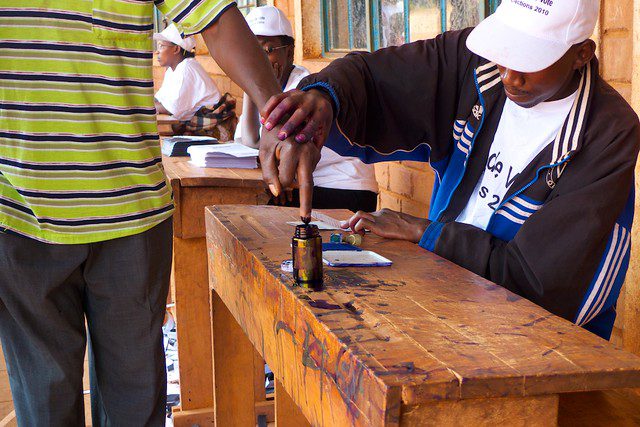
Election in BurundiAmid a global pandemic, Burundi is on the brink of its first democratic transfer of power in its 58 years of independence. The country’s Constitutional Court will announce the official winner of the May 20 election on June 4, but the Burundi election commission has already declared Evariste Ndayishimiye, the candidate of the governing party, the winner. The commission has declared that Ndayishimiye won 68.72% of the votes cast, while his main opponent, Agathon Rwasa, gathered 24.19%.

The historic May 20 vote for president engaged 87.7% of registered voters, who cast their ballots after the campaigns of seven presidential hopefuls. This high turnout is momentous considering the low road density in the landlocked country. Inaccessible roads make traveling to polling places difficult, with the poor state of infrastructure in the country making travel even more costly. Such costs may be difficult for Burundians to grapple with, given the country’s near total dependence on coffee subsistence farming, the production of which has declined in recent years.

Campaign Controversy

Leading up to the election in Burundi, the 2020 presidential campaigns were not without controversy. According to Human Rights Watch, the preceding year included more than 60 political killings and 200 arrests of perceived political opponents. Rwasa, a longtime leader of a Burundian rebel group and a candidate in the 2015 presidential race against the incumbent, called for profound change throughout the election. The spokesman for Rwasa’s party publicized the National Freedom Council’s boycott of the Burundi election commission’s announcement on the grounds of fraud and violence as the basis of Ndayishimiye’s win.

In addition to political controversy, the election in Burundi faced criticism for its call for in-person voting during the coronavirus pandemic. Days after the election, Burundi only had 42 cases of COVID-19, reporting just one death and 20 recoveries among these. However, the number of cases in the country doubled between May 17 and May 21, indicating that the election could have played a role in this increase.

Throughout the pandemic, Burundi has avoided imposing stringent restrictions in favor of advising its citizens to practice handwashing and to avoid mass gatherings, with the exception of campaign rallies. These rallies were one of the main platforms for information dissemination about candidates, as less than 2% of the country’s population has electricity in their homes, causing many Burundians to attend. The government’s one heavy-handed rule was imposed on foreign election observers, who were to be quarantined for 14 days upon arrival in the country, a possible tactic to dissuade observers from attending the election in Burundi at all.

Violence Before the Vote

The election in 2020 comes on the heels of the tumultuous 2015 election in Burundi. President Pierre Nkurunziza’s third-term bid violated the Constitution of Burundi’s two-term limit, provoking riots that culminated in a thwarted coup attempt. This insurgency prompted a violent suppression of the Burundian people and Nkurunziza’s political opponents. In the five years since the election, increasing violence in Burundi has led to the deaths of at least 1,200 people and the emigration of tens of thousands. This turmoil forced financial supporters of the country to cut political and financial ties, further entrenching it as one of the poorest countries in the world.

Economic isolation has put extreme financial stress on the government of Burundi, a burden that the government has imposed on its citizenry in recent years. Beginning in 2017, the government began demanding “contributions,” which it employed in part to fund the 2020 election. This contribution system was officially ended in 2019, but independent groups like the Imbonerakure youth militia have since demanded tributes in its place, exploiting even the seven out of 10 Burundians who live below the poverty line.

These human rights and economic abuses ratcheted up the pressure and significance of the 2020 presidential election, yielding a huge voter turnout in support of reform.

A New Face

While the declared winner Ndayishimiye is the candidate of the ruling party that backed Nkurunziza in his violent and lengthy reign, many Burundians showed up to the polls in support of political change. The people are participating politically to end the violence that has gripped Burundi throughout its occupation by Belgium, which ended in 1962, and the ensuing battles between the Hutu and Tutsi ethnic groups. After the first democratic election in Burundi in 1993, the Hutu president was assassinated by a Tutsi-led group of political opponents and traitorous cabinet members.

Burundi has yet to maintain peace after a transfer of power. The country is looking to the results of this election to usher in a peaceful and democratic transition between presidents. Whether Ndayishimiye rules independently or under the influence of Nkurunziza, who has been declared the “supreme guide for patriotism” by the Parliament of Burundi, the Burundian people will be turning to their new government for leadership. In practical terms, this leadership could implement an electrification plan to bring electricity to more Burundian homes and a plan to diversify the economy away from subsistence coffee farming. Voters in the 2020 election in Burundi are seeking an end to forced contributions, insight into governmental spending, a window for economic growth and peace as Burundi moves through the pandemic and into the future.

– Annie Iezzi
Photo: Flickr
June 8, 2020
https://borgenproject.org/wp-content/uploads/borgen-project-logo.svg 0 0 Kim Thelwell https://borgenproject.org/wp-content/uploads/borgen-project-logo.svg Kim Thelwell2020-06-08 07:03:532020-07-22 19:00:28Presidential Election in Burundi Amid COVID-19
Global Health, Global Poverty, Health

What You Should Know About COVID-19 in Belarus

COVID-19 in Belarus
With a population of nearly 10 million, Belarus is one of the largest countries in Eastern Europe, and its problems with COVID-19 are just as great. Since its first cases were reported, the country has struggled with treating the virus and limiting its spread. Outbreaks of COVID-19 in Belarus have already revealed flaws in the country’s health infrastructure that could cause problems even after the pandemic ends.

What You Should Know About COVID-19 in Belarus

  1. The true scale of the outbreak remains unknown. Although Belarus began testing for COVID-19 in January, the country reported its first case on February 28. As of May 18, there were 30,572 confirmed cases and 171 deaths resulting from the pandemic. The majority of confirmed cases have occurred in the country’s urban areas on account of their high population density, with the Belarusian capital of Minsk reporting over 4,000 cases on April 24. The Ministry of Health has not provided a cumulative total of recovered patients, making it difficult to know the total number of infections.
  2. Belarus’ government has not enacted strict social distancing policies. While many countries adopted shelter-in-place policies in March and April, Belarus’s government has yet to implement a country-wide shutdown of non-essential businesses. So far, individual cities have decided how to protect their citizens, with some canceling social gatherings and extending school vacations. Unfortunately, this approach has led to an inconsistent response that has failed to slow the spread of the virus.
  3. Medical supplies are limited. Despite having 11 hospital beds per 1,000 people – one of the highest ratios in the world – the lack of quarantine protocols quickly overwhelmed Belarus’ healthcare system. Patients treated for COVID-19-related pneumonia observed that nurses and other healthcare officials were uninformed and inadequately equipped to handle the growing number of cases. Due to supply shortages and limited social distancing, epidemiologists predict that between 15,000 and 32,000 people could die of COVID-19.
  4. The pandemic could force the country into a recession. One reason Belarus lacks a comprehensive social distancing policy is that the country may not be able to afford it. Even before the crisis, Belarus’ economy had started to slow down, with GDP growth dropping from 3% to 1.2% between 2018 and 2019. Economists predict that reduced trade with Western Europe and Russia due to the pandemic could push the country into a recession. While the economic impact of COVID-19 is still unclear, it could cause Belarus’ economy to contract by up to 4%. This may require Belarus to cut spending on programs for vulnerable populations such as low-income households.
  5. The international community is stepping up. Due to the shortage of personal protective equipment and medical supplies in Belarus, other countries have begun shipping supplies over. On April 17, 32 tons of medical equipment such as thermometers, goggles, and gloves arrived in Belarus from China. At the same time, the European Union announced a 3 billion euro relief fund for 10 Eastern European countries, including Belarus. Belarus may require more aid in the future, but these contributions will help ease the country’s financial strain.

Although the full implications of the pandemic are still unknown, foreign aid will reduce the impact of COVID-19 in Belarus. Such aid is vitally important for the country’s ability to protect its sick and vulnerable populations.

– Sarah Licht
Photo: Flickr

June 4, 2020
https://borgenproject.org/wp-content/uploads/borgen-project-logo.svg 0 0 Jennifer Philipp https://borgenproject.org/wp-content/uploads/borgen-project-logo.svg Jennifer Philipp2020-06-04 07:00:482020-06-03 11:55:18What You Should Know About COVID-19 in Belarus
Global Poverty

8 Facts About Tuberculosis in Russia

8 Facts About Tuberculosis in Russia With COVID-19 emerging as a global pandemic, attention has centered on alleviating its effects. However, this has posed challenges to combating other respiratory illnesses, like tuberculosis, due to the lack of control efforts. Russia has been particularly hit by this, where it has a higher sensitivity to respiratory issues. To better understand this and the solutions that might be used to fight both COVID-19 and tuberculosis, here are eight facts about tuberculosis in Russia.

8 Facts About Tuberculosis in Russia

  1. Tuberculosis (TB) is endemic, or regularly found, in Russia. In fact, Russia has the world’s 11th highest burden of TB. Compounding its status as a major public health problem is a rising incidence of multidrug-resistant TB (MDR-TB). This means that TB does not respond to many of the antibiotics that are most commonly used to treat the disease. Russia has the third highest number of MDR-TB in the world.
  2. The severity of Russia’s TB epidemic stems from historical, social and economic factors. When the Soviet Union collapsed, health infrastructure and the economy declined dramatically. Poverty and crime rates increased, leading to higher incarceration rates. As TB is airborne, it spreads best in cramped and crowded conditions, just like those in prisons. These factors contributed to the rapid spread of both TB and MDR-TB. The Fall of the Iron Curtain also led to unstable living conditions, increased mass migration and exacerbated the TB epidemic with a 7.5 percent annual increase in new cases from 1991 to 1999.
  3. There is a close synergy between the TB and HIV/AIDS epidemics in Russia. The TB notification rate of individuals living with HIV infection is approximately 1,700 per 100,000 HIV-infected. Because HIV attacks the immune system, HIV infection leaves patients more vulnerable to infection with all sorts of pathogens, including TB.
  4. In the early to mid-2000s, the Russian government increased its budget allocation for tuberculosis control. Russia also received a $150 million World Bank loan, two thirds of which was designated for tuberculosis. Additionally, it received a $91 million grant from the Global Fund To Fight AIDS, Tuberculosis and Malaria.
  5. In recent years, there have been some improvements in TB infection rates in Russia. Cases of TB in Russia decreased by 9.4 percent to a rate of 48.3 per 100,000 people in 2017. In the same vein, Russia has recently experienced a steady decline in TB morbidity and mortality. Since 2012, morbidity or disability due to TB has decreased by more than 30 percent, and mortality has decreased by more than 48 percent.
  6. The COVID-19 pandemic is interfering with TB diagnosis, prevention, treatment and control efforts worldwide. It is grimly clear that Russia will not be exempt. A recent report based on analyses of several countries, including neighboring Ukraine, predicts an additional 6.3 million cases of tuberculosis by 2025 as a result of COVID-19’s disruption of TB control efforts. Progress in the fight against TB could be set back by five to eight years. Russia is facing its TB epidemic in a world where TB kills 1.5 million people a year, more than any other infectious disease. Five years ago, world leaders pledged to end the TB epidemic by 2030. In addition, in 2018, they pledged to double TB funding by 2022. However, the COVID-19 pandemic’s diversion of attention, funding, and resources makes the realization of these TB goals unlikely.
  7. Partners in Health, a nongovernmental organization, treats TB and uses a comprehensive model of ambulatory care. They treat every patient free of charge and provide care as it is most convenient to patients, bringing medication to each patient individually twice a day. Their close relationship with patients in this community based model gives their patients up to a 90 percent cure rate. Particularly, Partners in Health established The Sputnik Initiative, where it provided social and clinical support for poor MDR-TB patients in Tomsk, Russia. This initiative allowed Partners in Health to treat 70 percent of its total 129 participants who would otherwise not receive adequate medical care.
  8. Partners in Health has success in curbing TB by integrating TB treatment with the provision of other medical care. They have established TB clinics within HIV treatment centers, which is strategic as the HIV and TB co-infection rate among the patients they treat is five percent. Additionally, they have incorporated mental health and drug addiction services into their TB treatment program in Russia. A similar integrative model could conceivably be deployed for COVID-19 once a treatment becomes available.

Tuberculosis and COVID-19 pandemics present unique challenges both individually and as they co-occur. However, existing community based treatment models for tuberculosis in Russia may contain useful lessons as we learn to treat COVID-19.

– Isabelle Breier

Photo: Flickr

May 22, 2020
https://borgenproject.org/wp-content/uploads/borgen-project-logo.svg 0 0 Kim Thelwell https://borgenproject.org/wp-content/uploads/borgen-project-logo.svg Kim Thelwell2020-05-22 06:00:352024-05-29 23:17:248 Facts About Tuberculosis in Russia
Food Security, Global Poverty

Welfare Cards to Mitigate Hunger in Thailand

Hunger in Thailand
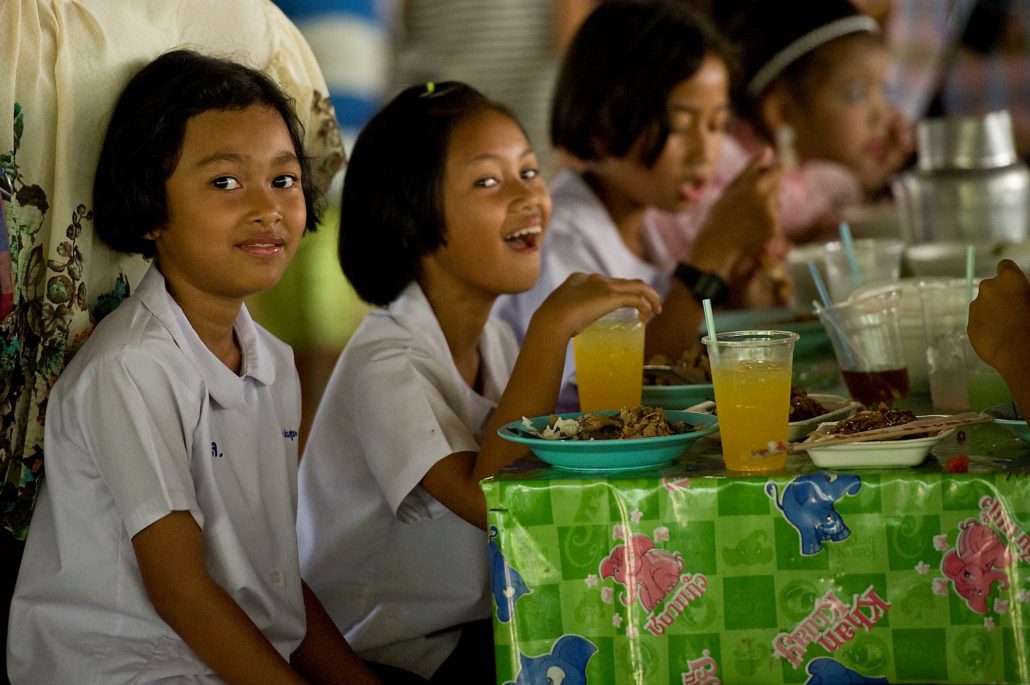
Many nations in the Global South face famine and hunger, prohibiting much of the population from meeting appropriate nutritional needs. In addition to the ongoing crisis of COVID-19, many food security reports are seeing increased malnourishment. Major inequalities have compromised proper access to food—of the 815 million people around the world who suffer from poverty, 6.5 million of those are from Thailand. Despite being a major food exporter that meets both global and domestic demands, hunger in Thailand is prevalent and there is still a worrying amount of households facing abject poverty.

Thailand’s Malnourished Population

Compared to other poorer nations such as Myanmar and Malaysia, Thailand’s malnourished population is considerably high. With ample food production in the country, much of the country’s problems reside in the food being readily available to its people. An estimated 17 percent of Thailand’s population suffers from malnourishment. This could be a direct result of a number of social inequalities, ultimately increasing the people who experience hunger in Thailand. While experts often cite frequent natural disasters and wars as reasons for high food insecurity, there are many other underlying factors, including economic instability and disproportionate ratios of distribution.

Rice in Thailand

Rice, which is the staple export in Thailand, has increased in demand and production over the years, especially during the COVID-19 spread. Thailand had maintained a level of self-sufficiency through its hefty supply of various meats (i.e. beef and pork) and the large scale production of grains. The domestic demand for rice production has increased at a rapid rate that has fueled much of the country’s economy. The number of rice exports increased from 1.3 million tons in 1971-1975 to just about 8.14 million tons in 2006 and 2007. With this in mind, however, a majority of people experience hunger in Thailand, making the nation unable to meet its own nutritional needs.

Battling Hunger in Thailand

In 2017, the government instituted preventative measures to combat food insecurity and hunger in Thailand. The nation announced a social assistance program that would serve as a safety net for poor families. This move aims to improve Thailand’s food insecurity to land amongst the ranks of middle-income countries. The program provides cash allowances and other subsidies for an estimated 12 million low-income families.

To be eligible, families must meet five criteria: being at least 18 years of age; a Thai citizen; unemployed or having an annual income below $3,055; no financial assets worth more than 100,000 Bahts; and no real estate. Once families meet these qualifications, they receive welfare cards that they can use to purchase goods at registered shops and transportation systems, costing approximately $1.4 million. There have been many faults since the program’s implementation; for example, the program does not count some people eligible despite meeting the five criteria.

The social systems in the nation are shifting consistently, meaning that the struggle of hunger in Thailand is evolving rapidly. The economic state that COVID-19 has caused is likely to impact Thailand’s ongoing battle with hunger. There is no certain answer to the issues that will arise among the ongoing crisis. Hunger in Thailand, as well as many other nations, is a lengthy battle.

– Brittany Adames
Photo: Flickr

April 23, 2020
https://borgenproject.org/wp-content/uploads/borgen-project-logo.svg 0 0 Jennifer Philipp https://borgenproject.org/wp-content/uploads/borgen-project-logo.svg Jennifer Philipp2020-04-23 01:30:022020-06-18 18:13:34Welfare Cards to Mitigate Hunger in Thailand
Global Poverty, Health

COVID-19: 3 Lessons from Past Pandemics

lessons from past pandemics
There are several lessons from past pandemics that apply to COVID-19 prevention today. With the rise of COVID-19, it is particularly important to look back at history to prevent similar detrimental results.

Spanish Flu and Social Distancing

One of the main lessons from past pandemics such as the Spanish Flu is that social distancing works. With cities around the world such as San Fransisco ordering social distancing, this lesson is as pertinent as ever. In 1918, Philadelphia threw a parade to support soldiers fighting in WWI that drew a crowd of 200,000 people. Just three days later, every bed in Philidalphia’s 31 hospitals comprised of people infected with the flu. Unfortunately, despite Philadelphia’s enforcement of social distancing after the infection rate rapidly increased, this response was too late.

St. Louis, on the other hand, was more proactive with enforcing city-wide social distancing regulations. Within just two days of detecting the first cases of the flu in St. Louis residents, the city enforced social distancing measures. This resulted in less than half of the flu’s death toll than in Philadelphia.

Social distancing is not just about staying away from others when ill but also about reducing the chances of becoming a carrier of the disease. Several people might have coronavirus and not even know it as only 19 percent of confirmed cases of COVID-19 become critical. Because of this, it is important to stick to social distancing regulations as much as possible.

HIV/AIDS and the Deadliness of Social Stigma

The ongoing HIV/AIDS pandemic faces a great amount of social stigma that has lead to insufficient government prevention methods. This stigma is due to discriminatory views that the virus infects those who are gay or drug addicts who use intravenous drugs.

Though governments are more responsive today, when the HIV/AIDS pandemic first arose, many including the U.S. were late to respond due to this stigma. This resulted in many protests and, eventually, the government became more responsive.

One of the main lessons from the HIV/AIDS pandemic that one can apply to the COVID-19 outbreak is the fatal impact of social stigma. There are several discriminatory sentiments toward the Asian community right now with the COVID-19 pandemic. This stigma has led to a rise in hate crimes. People of Asian descent are not the only community capable of suffering an infection from this virus, and discrimination towards them can be deadly just as the case with those that the HIV/AIDS pandemic affected.

Small Pox and Global Cooperation

The World Health Organization (WHO) ran a vaccination campaign to eradicate smallpox from 1966-1977. It jumped through many government hoops in order to run the campaign, which was eventually successful. The current coronavirus outbreak will require similar action. Following government orders and keeping up with guidelines and news from the CDC and WHO will greatly help with global cooperation to slow the spread of COVID-19.

A critical issue that requires immediate and rapid cooperation is the stocking up of medical masks and other medical supplies such as hand sanitizer in a frenzy. While buying these supplies might seem helpful at the moment, it is actually having consequential effects. Doctors have reported shortages of masks that could lead to a dire situation if buying habits like this continue. Additionally, reports state that masks for healthy people are ineffective as a means of prevention.

Another form of cooperation that will help prevent those that the virus affects is joining local activist coalitions in helping those vulnerable to COVID-19, such as unemployed or food insecure individuals. In Seattle, COVID-19 Mutual Aid is a coalition that is helping out in solidarity with those most vulnerable. One can obtain further information about its work by visiting its Instagram page.

Hope for the Future

Social distancing, destigmatization and global cooperation are key lessons from past pandemics that easily apply to COVID-19. Not only learning but applying these lessons to the current pandemic is key to beating this virus.

– Emily Joy Oomen
Photo: Pixabay

April 6, 2020
https://borgenproject.org/wp-content/uploads/borgen-project-logo.svg 0 0 Lynsey Alexander https://borgenproject.org/wp-content/uploads/borgen-project-logo.svg Lynsey Alexander2020-04-06 01:30:282024-05-29 23:15:38COVID-19: 3 Lessons from Past Pandemics
Page 22 of 23«‹20212223›

Get Smarter

  • Global Poverty 101
  • Global Poverty… The Good News
  • Global Poverty & U.S. Jobs
  • Global Poverty and National Security
  • Innovative Solutions to Poverty
  • Global Poverty & Aid FAQ’s
Search Search

Take Action

  • Call Congress
  • Email Congress
  • Donate
  • 30 Ways to Help
  • Volunteer Ops
  • Internships
  • Courses & Certificates
  • The Podcast
Borgen Project

“The Borgen Project is an incredible nonprofit organization that is addressing poverty and hunger and working towards ending them.”

-The Huffington Post

Inside The Borgen Project

  • Contact
  • About
  • Financials
  • President
  • Board of Directors
  • Board of Advisors

International Links

  • UK Email Parliament
  • UK Donate
  • Canada Email Parliament

Get Smarter

  • Global Poverty 101
  • Global Poverty… The Good News
  • Global Poverty & U.S. Jobs
  • Global Poverty and National Security
  • Innovative Solutions to Poverty
  • Global Poverty & Aid FAQ’s

Ways to Help

  • Call Congress
  • Email Congress
  • Donate
  • 30 Ways to Help
  • Volunteer Ops
  • Internships
  • Courses & Certificates
  • The Podcast
Scroll to top Scroll to top Scroll to top