 Young people often don’t know that something can’t be done, so they try it. Disturbed by the poor living conditions of others, driven by awareness of environmental contamination or simply believing that all humans have the right to basic needs, youth can make a difference in the lives of the impoverished around the world. Here’s a look at five child-led inventions that address global poverty and are both innovative and inspiring.
William Kamkwamba, Masitala, Malawi
In 2001, thousands perished and many lost their livelihood in one of the worst droughts the rural village of Masitala, Malawi, had ever experienced. Crops wouldn’t grow in the dry soil and without their farming income, 14 years old Kamkwamba’s family couldn’t afford his school tuition. Nevertheless, Kamkwamba was determined to keep learning.
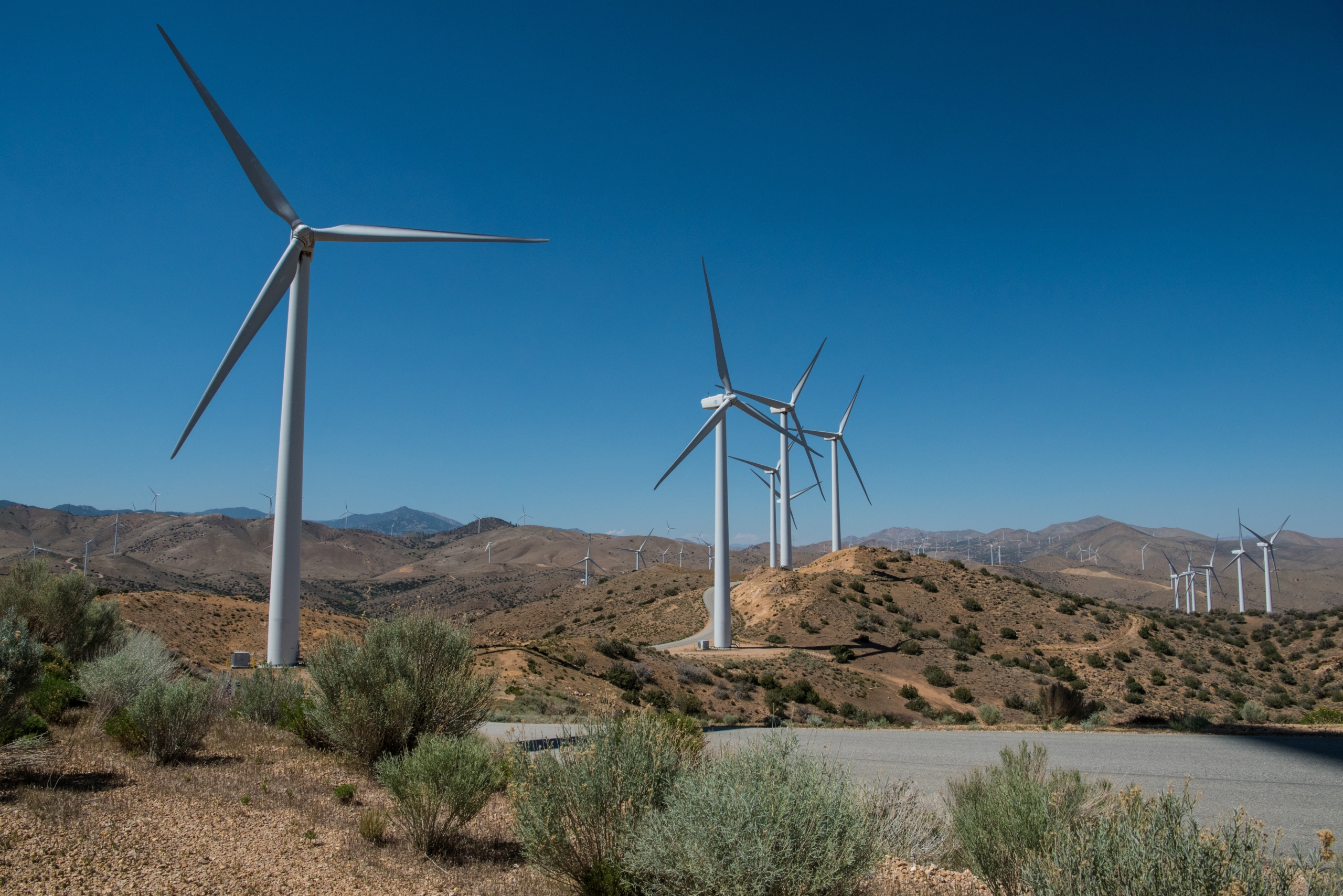
Discovering a book about alternative energy at Masitala’s small library, he became fascinated with windmills. Kamkwamba resolved to use the technology to bring desperately needed running water and electricity to his family. Improvising with scrap parts such as sandals, bicycle components, an old fan blade and gum trees, he successfully constructed a windmill which was able to power his home’s basic needs.
Kamkwamba gained financial support as his success story spread and he built additional windmills to bring power and water to his village, accelerating the fight against poverty. Kamkwamba’s story was adapted into a 2019 feature film titled “The Boy Who Harnessed the Wind.”
Jahkil Jackson, Chicago, US
Jackson felt compelled to ease the disparagement faced by the unhoused after helping deliver nourishment to displaced people in his hometown, Chicago. His passion led him to launch Project I Am (an organization that distributes hygiene kits to people without homes) in 2016, when he was just 8 years old. The kits or “blessing bags”, are filled with toiletries, nonperishable food, socks and other necessities, providing comfort and basic needs to those without.
Project I Am has distributed thousands of kits to those in poverty and to disaster victims in the U.S. and abroad. Now a member of the WE International Youth Council, Jackson encourages children to help enrich the world, emphasizing the impact of child-led inventions addressing global poverty. Heartland Alliance, a prominent anti-poverty organization and the Obama Foundation have recognized Jackson’s efforts.
Maryam Saleem, Pakistan
At age 13, Saleem was deeply concerned that much of her fellow Pakistani population was living in poverty without access to clean energy. Inhabitants would often cook their meals with firewood, which can pollute the air, cause respiratory damage and additional health problems. Suffering from respiratory issues herself, Saleem was determined to find a solution.
She created a portable biodigester that converts household organic waste into cooking biofuel. Saleem’s invention won her the 2023 Citi Foundation’s Skills for Success Challenge in the Network for Teaching Entrepreneurship (NFTE) World Series of Innovation. With her award money, she is able to provide free biodigesters for the impoverished in Pakistan through “GoClean,” the organization she co-created.
Hannah Herbst, Florida, US
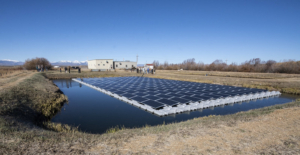
In 2015, at age 14, Herbst vowed to help her Ethiopian pen pal, who lived without basic necessities like running water and electricity. Herbst worked to invent a small turbine that generates electricity from ocean currents. Constructed of affordable, recyclable materials, her design is compact and floats above the water, while existing systems can be bulky and sit on the ocean floor.
Herbst’s invention, ideal for use in developing areas due to its low cost and accessibility, won her the title of “America’s Top Young Scientist” in the 2015 Discovery Education 3M Young Scientist Challenge. Herbst shared some of her prize money with her pen pal, enabling her family to buy a generator. Herbst plans to add water purification capability to her system and open-source the design so that electricity and purified water are readily available to shoreline communities worldwide.
Her invention demonstrates the power of child-led inventions addressing global poverty.
Xóchitl Guadalupe Cruz López, Chiapas, Mexico
Much of the population in Chiapas, Mexico, lives in poverty without access to conventional plumbing. Inhabitants often use firewood or oil to heat their water, fuels that can release contaminants and pose respiratory hazards. In 2018, at 8 years old, inspired by scientific workshops and by her concern for the environment and her fellow citizens, López decided to build an environmentally friendly, affordable water-heating system.
She used discarded items such as painted plastic bottles, a hose, wood scraps and pieces of glass from cooler doors. She and her father installed the finished device, capable of heating 10 liters of water, on the roof of her house. Her invention was a success and led to López becoming the first girl to receive an honor typically awarded to adults: “Recognition of the Institute of Nuclear Science for Women.”
López plans to make her invention available to all of Chiapas to help improve the lives of those living in poverty.
Conclusion
These five child-led inventions addressing global poverty demonstrate what fearless, determined youth can accomplish. Filled with the desire to help those less fortunate and enabled by education, scientific programs or simply the belief in a cause, children of the world see endless possibilities for helping the planet’s impoverished populations. With little help, young people can turn those possibilities into reality.
– Debbie Barto
Debbie is based in Monroe, WA, USA and focuses on Technology and Solutions for The Borgen Project.
Photo: Flickr
 Lagos faces two interconnected challenges that disproportionately affect low-income communities:
 The consequences of natural disasters can exacerbate poverty, yet poverty alleviation efforts, such as economic development and industrialization, can also have negative environmental impacts. However, in