3 Initiatives Fighting Pollution and Plastic Waste in Nigeria
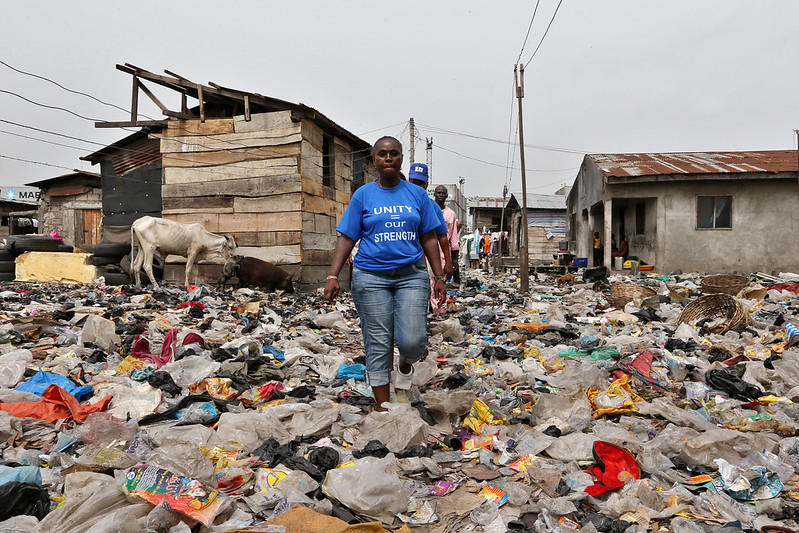 Although Lagos is one of the fastest growing tech ecosystems, plastic waste persists as a large problem in Nigeria, clogging streets, gutters and waterways. In fact, according to the Associated Press, Lagos is one of the most polluted cities. With a population of more than 20 million, Lagos contributed around 870,000 tons to the world’s 57 million tons of plastic waste in 2024.
Nigeria itself is a major contributor to ocean pollution, ranking ninth globally, where proposed bans often struggle with inconsistency across the country. Studies also show alarming levels of microplastics in water sources such as the Osun River.
However, numerous organizations are actively trying to combat plastic waste and pollution in Nigeria and the city of Lagos. Below are three organizations creating a significant impact towards fighting pollution in Nigeria.
Recycling Scheme for Women and Youth Empowerment (RESWAYE)
What’s unique about this organization is that it tackles plastic pollution and empowers women and young people economically through recycling and waste collection. Focusing its area of work in the coastal communities of Lagos for marine pollution, the target demographic for volunteers is females 16 and older.
Doyinsola Ogunye founded the organization in 2019 while previously attending the University of Lagos and went to Nigerian Law School.
One of the most prominent projects within the organization is the plastic buy-back scheme in Ibeju Lekki, a coastal area made up of 16 communities heavily affected by plastic pollution. Supported by The Coca-Cola Foundation and carried out in partnership with the Mental and Environmental Development Initiative for Children (MEDIC), the project aimed to reduce plastic waste while creating economic opportunities for women and young people.
As a result, the program collected about 150,000 kilograms of plastic waste, preventing it from entering waterways and coastal ecosystems. Besides the environmental impact made, it was reported that more than 2,000 women and youth received training, support, and income-generating opportunities through recycling.
Besides this initiative, the organization’s main goal is to engage with and educate the community, host beach cleanups and collaborate with partners. In 2022, RESWAYE partnered with Unity Bank to remove over 100,000 plastic bottles from a Lagos beach on World Earth Day.
Splendour Empowerment Foundation (SEF)
SEF has a mission to integrate digital technology with community-led recycling to transform plastic waste into economic benefit. The organization has developed mobile platforms and applications that let residents log their plastic-collection activity and track how much waste was collected and what type of waste was collected. The information is stored in a tamper-proof digital record or a “digital ledger” to help with transparency and prevent greenwashing, which is when companies or groups make themselves look environmentally responsible without real proof or action
Splendour Joe-King, a well-known Nigerian child rights activist, founded the organization and gained public attention very young. At age 9, she authored a book, Effects of Terrorism on Children, drawing on her experiences and interviews.
Beyond environmental work, SEF focuses on peace in Nigeria. In 2022, the organization launched a “Peace Club Nigeria” project in schools to train children to become peace ambassadors. That same year, the organization announced it will be focusing on improving education for children ages 0-18.
The SEF’s original mission was to support children’s education, health, and peacebuilding. In recent years, it has expanded its mission to address environmental issues.
RecyclePoints
Based in Nigeria, this social benefit venture tackles pollution’s main challenge: sustaining its effectiveness. To combat this, the organization is using a points-based incentive model to encourage recycling, where properly disposing of plastic bottles, used beverage cans, glass bottles, old newspapers and brown corrugated cartons can bring citizens points that redeem household items.
The collection program uses “points” to quantify the number of recycled items at the time of disposal. Members get weekly messages through their cellphones, updating them how many points they have. The points redeemed reach the iRecycle Store, where subscribers can choose to use their points for any household product they need. Members can also earn bonus points for any additional environmentally sustainable activity.
However, under the WastePickers Initiative (WPI), members can trade in their points for cash instead of products. The amount of money an individual receives is based on the calculated weight of materials being recycled.
In addition to educating residents, the organization also partners with companies and schools to expand recycling efforts citywide.
Founded in 2012 by Mazi Ukonu (CEO) and Chioma Uko (COO), the organization has since been in partnership with the Lagos State Waste Management Authority (LAWMA). In 2021, RecyclePoints launched a partnership with the Mastercard Foundation to scale their initiative under Project DORI where they procured and installed 40 recycling bins across Lagos, Port Harcourt, and Owerri.
Plastic waste in Nigeria is a prominent global challenge, RecyclePoints demonstrates that change can begin with ordinary households and everyday habits.
– Zosia Paciorek
Zosia is based in St. Louis, MO, USA and focuses on Good News and Technology for The Borgen Project.
Photo: Flickr
