Top 10 Facts About Poverty in Bosnia and Herzegovina
The Balkan country of Bosnia and Herzegovina, most commonly known as Bosnia, is infamous for ethnic wars that ripped Yugoslavia apart in the mid-1990s, peaking in the country with the massacre at Srebrenica. Although the country has made several improvements since the end of the war, 20 years later, Bosnia still struggles with poverty. In order to gain a better understanding of the issue, below are the top 10 facts about poverty in Bosnia and Herzegovina.
10 Facts About Poverty in Bosnia and Herzegovina
- Bosnia and Herzegovina is a small country with a population of only 3.8 million people. Despite its small size, however, about 18.56 percent, or 640,000 people, live in absolute poverty in Bosnia. Aside from the nearly one-fifth of the population already in poverty, approximately 50 percent of the country is vulnerable to becoming poor. This vulnerability is largely due to factors including lack of education, economic opportunity and recovery after the war.
- Poverty between rural and urban areas is prevalent at unequal rates. In rural areas, 19 percent of rural citizens live in poverty while the poverty rate in urban areas is only 9 percent. Despite higher poverty rates and lower wages in rural areas, 60 percent of people continue to live in rural areas. This is largely due to the “agricultural safety net” of higher social protection payments, a healthier environment and more overall job security than in urban cities.
- The level of poverty in children is also disproportionate to the national poverty rate. Around 22 percent of children are part of poor families, making them more likely than adults to be poor. This also means that large families in Bosnia are poorer than smaller families in the country. Risks for high poverty levels in children include lack of education as well as intergenerational poverty transfer, which–particularly in rural areas–perpetuates poverty in these larger families.
- The life expectancy at birth in Bosnia and Herzegovina is 76.6 years. For females, this number is higher with a life expectancy of 79.2 years. For males, life expectancy is 74.1 years. Death rates, on the other hand, are significantly higher for males than females, likely due to war and its aftermath. Males had a death rate of 130 per 1,000 inhabitants while that of females is only 66 per 1,000 inhabitants.
- Gender inequality is also prevalent in Bosnia and Herzegovina with female employment significantly lower than male employment. Among the poorest 40 percent in the country, only 15 percent of females are in the labor market, compared to 42 percent for males. Female employment rates are different among the wealthiest 60 percent, of which 32 percent of women are active in the labor force.
- Despite improved economic growth in Bosnia, the unemployment rate is still alarmingly high with almost a third of working-class citizens unemployed. Youth unemployment is even higher, ranking first in the world with 62.3 percent of youth ages 15-24 unemployed. The high levels of youth unemployment are driven by corruption, nepotism in the workforce and overall economic stagnation.
- Bosnia’s war left almost one million people displaced after it ended in 1995. The country went from having a population of 4.3 million in 1990 to an estimated population of 3.8 million in 2018. Even 15 years after the end of the war, approximately 115,000 people were internally displaced. The number of internally displaced people, or IDPs, has decreased to 99,000 people in 2017 along with about 18,000 refugees in the country.
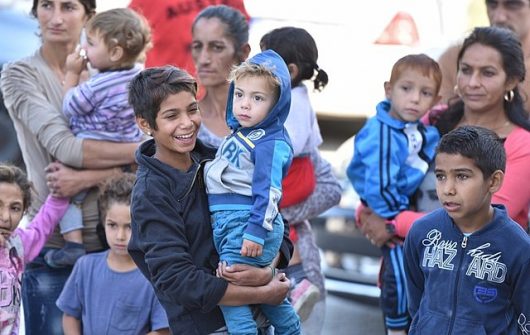
- Poverty levels are higher for IDPs and other minorities in Bosnia. Children with disabilities, Romany and other ethnic minorities and IDPs have the highest vulnerability to poverty in Bosnia. The aftermath of war, as well as lack of education and stigma against minorities, has only increased the likelihood of poverty for them.
- Bosnia and Herzegovina has an Humand Development Index (HDI) of .75, which is considered high when compared globally. Better infrastructure, more stability and economic opportunity after the end of the war contribute to the increase in development. Despite this growth, the country’s HDI is one of the lowest in Europe, only higher than that of Armenia, Macedonia, Ukraine and Moldova.
- Bosnia’s economy has continued to grow since its independence, offering citizens a hope of better living conditions and decreased poverty in the long-term. In recent years, Bosnia and Herzegovina has maintained over 2 percent GDP growth since 2015 and has gone from a GDP of USD $16.9 billion to one of USD $18.17 billion.
Bosnia and Herzegovina struggles to fully overcome the tragedy of its recent past. Despite this, economic and developmental growth have offered Bosnians more, albeit limited, opportunities. Poverty, however, continues to be the main issue for many Bosnians, particularly those in rural areas and minorities. With better education and increased work opportunities for youth and rural citizens alike, Bosnia will continue to improve the standard of life for its people.
– Matthew Cline
Photo: Google
