• Link to X
  • Link to Facebook
  • Link to Instagram
  • Link to TikTok
  • Link to Youtube
  • About
    • About Us
      • President
      • Board of Directors
      • Board of Advisors
      • Financials
      • Our Methodology
      • Success Tracker
      • Contact
  • Act Now
    • 30 Ways to Help
      • Email Congress
      • Call Congress
      • Volunteer
      • Courses & Certificates
      • Be a Donor
    • Internships
      • In-Office Internships
      • Remote Internships
    • Legislation
      • Politics 101
  • The Blog
  • The Podcast
  • Magazine
  • Donate
  • Click to open the search input field Click to open the search input field Search
  • Menu Menu

Archive for category: Women and Female Empowerment

information and Stories about woman and female empowerment.

Global Poverty, Health, Women

The Fertility Awareness Method of Contraception

Few things in our lives are controlled, understood and maintained on our own. When we go to the grocery store, people may see the bread on the shelves but ignore how flour, sugar, water and yeast reacted to put it there in the first place. So too can be said of the cars we drive, buses we ride and bikes we steer, all of which may and typically are maintained by a specialized group that leaves the rest of us ignorant.

As individuals we rely on others to inform us how our lives should be shaped and run. We are told that this is fine, that these specialists exist to make our lives more convenient and that we do not need to understand how everything works. The time saved allows us to focus on our own pursuits.

For women, our bodies have been similarly fashioned. Menstrual cycles have turned into a veritable organic production line in which outside sources inform us when we are ovulating, when we are pregnant, which method of contraceptive is best, and for hormone-regulating options, when we should be taking it each month.

This disassociation from our bodies may change due to the resurgence of the fertility awareness method (FAM) of contraception.

In comparison to the calendar method in which women guess their ovulation schedule based on previous menstrual cycles, FAM users relies on bodily indicators to determine when they’re ovulating. By tracking spikes and falls in body temperatures while at rest, or basal body temperature, noting increases in cervical mucus and the position of the cervix, women may rely on their own bodies to either become pregnant, or avoid it.

Although WebMD reports that 25 out of 100 women have unintended pregnancies while using FAM, it still provides a viable alternative to hormone birth control, which provides its own disadvantages: possible bone loss, blood clots and increased risk to Chlamydia and Gonorrhea.

According to Women’s Global Network for Reproductive Rights, 76 million women in developing countries experience unintended pregnancies annually while 19 million women resort to unsafe abortions.

As for those with access to contraception, there still remains the stigma and cost associated with purchasing them. With proper education, FAM could help women around the world control their lives more effectively, simply by understanding their bodies better.

– Emily Bajet

Sources: WebMD 1, WebMD 2, Mayo Clinic
Photo: Flickr

April 10, 2014
https://borgenproject.org/wp-content/uploads/borgen-project-logo.svg 0 0 Borgen Project https://borgenproject.org/wp-content/uploads/borgen-project-logo.svg Borgen Project2014-04-10 10:26:332024-12-13 17:50:14The Fertility Awareness Method of Contraception
Global Poverty, Women

Saudi Arabia’s Ban on Female Drivers

Saudi Arabia is the only country in the world that forbids women from driving vehicles. The Interior Ministry, the head of the traffic police in Saudi Arabia, will not issue driver’s licenses to women. Although there is no formal traffic law that specifically prohibits female drivers, females will get arrested and punished by law enforcement for driving. This strict prohibition on female driving can be traced to Saudi Arabia’s cultural and religious identity.

In Saudi Arabia, a strict branch of Sunni Islam known as Wahhabism establishes the laws and rules of the country. Wahhabism segregates males and females in both the private and the public spheres of life. It creates a system that forces women and girls into second-class citizenry confined to the domestic sphere. Females typically rely on the permission of their male guardians (fathers, brothers or husbands) for all activities that they participate in.

They have little independence and agency to make their own decisions and partake in events of their choosing. Professor Jaime Kucinskas at Indiana University argues, “the ideal of feminine piety is associated with home, the need for protection and subsequent seclusion. Driving symbolizes the opposite: freedom in the public sphere.”

Why is this ban on female driving significant? After all, supporters of the ban argue that banning women from driving can protect them from potential dangers on the road and from potential harassment and violence from other male drivers.

However, through this ban, Saudi women have their freedom of movement completely taken away. This ban is only one factor that contributes to the gender disparity in the country and is part of a larger system that makes Saudi Arabia one of the worst countries for women’s rights.

Prohibiting women from driving prevents them from acquiring jobs, contributing to public life and to the formal economy. It preserves women’s dependence upon males and perpetuates the Wahhabism ideal of
femininity.

There have been some small, but meaningful victories in women’s rights in Saudi Arabia. In 2011, Women2Drive started campaigning to overturn the ban by openly driving vehicles in Saudi Arabia. Women are now able to ride bicycles and motorcycles for recreation, but not as a mode of transportation. There is now female representation in the Shoura Council, an advisory body of Saudi Arabia.

Although women’s rights activists are campaigning to end the ban, their larger goal is to transform the social, religious, economic and political systems that oppress Saudi women. Saudi females are taught from a young age of their fragility and of their piousness. National laws and cultural norms prevent Saudi women from becoming empowered and having the freedom of movement and having the freedom to make their own decisions.

– Sarah Yan

Sources: Washington Post, Internations, The Atlantic
Photo: The Telegraph

April 8, 2014
https://borgenproject.org/wp-content/uploads/borgen-project-logo.svg 0 0 Borgen Project https://borgenproject.org/wp-content/uploads/borgen-project-logo.svg Borgen Project2014-04-08 04:00:012024-12-13 17:50:12Saudi Arabia’s Ban on Female Drivers
Global Poverty, Women, Women & Children, Women and Female Empowerment

Iraqi Women’s Rights under Fire with Jaafari Law

women_rights_Iraqi_Jaafari_law
Women’s rights in Iraq are in danger of being further limited. A new law up for vote in the government would allow girls as young as nine to be married. The law, called the Jaafari Personal Status Law, would also require women to submit to sex with their husbands at any time. Activists throughout the world voiced their objection to the proposed law calling it a major setback for the country.

Many are concerned that this is a beginning sign of a rollback of women’s rights in Iraq. Currently, the minimum age for marriage without parental consent is 18. Girls as young as 15 are currently allowed to get married as long as they have parental consent. This law is put forth by people who base the ideology behind the legislation on the principles of a Shiite school of religious law. Basing the law on one religious affiliation may cause tension between other sects in the country.

The law does not specify a minimum age for girls to get married. Instead it is passively mentioned in the section of the law dealing with divorce. The law outlines rules for divorce for girls as young as nine years old. The law also says that nine years old is the age that girls reach puberty. Many critics of the view claim that the specified age in the divorce section mean that they intend to allow girls that are that young get married.

Sunni female lawmaker Likaa Wardi criticized the law for violating the rights of women and children, “The Jaafari law will pave the way to the establishments of courts for Shiites only, and this will force others sects to form their own courts. This move will widen the rift among the Iraqi people.” Opposition to the law has been mounting over the past couple of weeks in hopes that enough pressure can be put on the government to scrap the law.

– Colleen Eckvahl

Photo: Deccan Chronicle
Sources:
The Huffington Post, The Guardian

April 1, 2014
https://borgenproject.org/wp-content/uploads/borgen-project-logo.svg 0 0 Borgen Project https://borgenproject.org/wp-content/uploads/borgen-project-logo.svg Borgen Project2014-04-01 04:00:562017-03-20 14:06:46Iraqi Women’s Rights under Fire with Jaafari Law
Children, Education, Violence Against Women, Women and Female Empowerment

Sex-Ed for Girls in Pakistan

Girls in rural Pakistan are receiving groundbreaking sex education lessons from the Village Shadabad Organization. These lessons range from topics of puberty, sex, marital rape, menstruation, marriage, human rights and self-defense against attackers. These sex education lessons are being taught alongside normal education curriculum in eight different girls schools, which are funded by BHP Billiton, an Australian company.

Lessons on menstruation and puberty teach girls not to be ashamed by their own body, and lessons on marital rape explain that unwilling marital sex is a crime. The girls are taught to scream and fight if they are touched inappropriately, because their bodies are owned by no one but themselves. Uzma Panhwar, a 10-year-old student, declares “My body is only mine and only I have the rights on it.”

These lessons teach girls about their body, and about their sexual health. With greater knowledge and awareness of their bodies and their rights, girls can gain confidence and strike away feelings of guilt and shame thrust upon them by their conservative patriarchal society.

In a country where public discourse on sex is forbidden, these lessons are even more meaningful and relevant for these young girls. It is estimated that 70 percent to 90 percent of Pakistan’s women have experienced domestic abuse. Women in Pakistan experience high rates of sexual and domestic violence, fighting against a justice system that favors their male attackers. Both law enforcement and government officials have proved to be unresponsive towards violence against women.

The World Economic Forum’s Global Gender Gap report ranked Pakistan as 135th in the world due to its gender inequality. Pakistan has a history of honor killings, child marriages and violence against women. Although the country is making progress in women’s education, women still have little representation in their own government.

The families in these rural villages support sex education, but there are many others in Pakistan, especially from the education sector, who oppose it due to constitutional and religious reasons. The education minister for the Sindh province and the president of All Pakistan Private School Federation have opposed these sex education lessons in the rural villages.

These sex education lessons are important in providing a foundation for female empowerment in Pakistan. While reform and increased legislation on women’s rights from the government will be slow to create change, these lessons in rural villages are impacting transformation of social norms at the local level.

Women’s empowerment has been shown to not only combat poverty, but to promote development and greater well-being. Teaching these young girls in Pakistan to take control over their bodies also teaches them to take control of their own lives. These sex education lessons do not merely educate them about their bodies, it teaches them to respect themselves, and to demand the respect they deserve from their society and government.

– Sarah Yan

Sources: The Guardian, Global Public Square
Photo: Taipei Times

March 26, 2014
https://borgenproject.org/wp-content/uploads/borgen-project-logo.svg 0 0 Borgen Project https://borgenproject.org/wp-content/uploads/borgen-project-logo.svg Borgen Project2014-03-26 20:45:522024-06-05 01:57:20Sex-Ed for Girls in Pakistan
Development, Women, Women and Female Empowerment

How to Measure Women Empowerment

Since the landmark 1995 Beijing Declaration and Platform for Action that increased attention on women empowerment and women’s rights on the international stage, the movement towards gender equality has continued to expand. Women’s empowerment is a central key to reduce poverty and promote development around the world.

The Gender Empowerment Measure (GEM) was developed in 1995 by the United Nations Development Programme to measure the relative empowerment of women in a specific country. The GEM supports the Human Development Index (HDI) by adding another measurement index to evaluate development.

The HDI is the leading composite index to measure a country’s social and economic development. This is a single statistic, which combines together a country’s life expectancy, education and income. This was developed to measure development as not just economic advances and increases in income, but to measure the improvements in the human condition. However, the HDI is limited because development contains a wide number of other factors that can measure human well-being.

Similar to the HDI, the GEM is a single statistic that focuses on three indicators: proportion of parliamentary seats held by women, percentage of women in economic decision making positions and income level. Although this statistic conveys the percentage of women in economic and political decision making roles, it does not reveal other more meaningful factors that measure women’s empowerment. Women’s empowerment is multi-dimensional and complex and requires a wider framework.

Measuring women’s empowerment can be broken down into five dimensions: economic, social and cultural, legal, political and psychological.

Economic empowerment includes having control over income and family resources, ownership of assets, opportunity for employment and access to markets and representation in economic decision-making roles. With economic empowerment, women can gain financial independence, enter the workforce, and have equal opportunity to gain positions of economic power.

Social and cultural empowerment includes absence of discrimination against females, control over their own bodies, freedom from sexual and domestic violence, having access to family planning services, greater visibility in social spaces and shifts in cultural norms that place women subservient to men. Social and cultural empowerment is essential to not only giving women control over their own bodies, but also providing them with education opportunities to better their lives.

Legal empowerment provides the framework for legislation that expands knowledge and awareness of legal rights. This will expand the opportunity for individuals to mobilize for increased women’s rights laws, utilizing the judicial system to create reform from above.

Political empowerment includes having the right vote, having knowledge of and the ability to be involved with the political system and being represented in local and national governments. Political empowerment creates female representation in the political system, while voting, lobbying and mobilizing empowers women to support policies and causes that they believe in.

Psychological empowerment involves self-worth and psychological happiness. Psychological empowerment comes with the acceptance of women’s rights and their inclusion in society.

There is no single indicator to measure how far women have come, and how much more women still have yet to go to achieve gender equality. Understanding the different dimensions of women’s empowerment is important to develop policies that will enhance gender equality and begin the shifts in cultural norms to promote women’s rights.

– Sarah Yan

Sources: Agrigender, La Follette
Photo: LitStack

March 25, 2014
https://borgenproject.org/wp-content/uploads/borgen-project-logo.svg 0 0 Borgen Project https://borgenproject.org/wp-content/uploads/borgen-project-logo.svg Borgen Project2014-03-25 21:31:512024-06-05 01:57:20How to Measure Women Empowerment
Global Poverty, Women and Female Empowerment

Sex Workers in the First World

Activists for women’s rights will argue both sides of the prostitution spectrum; some say it can be liberating for women who are able to find financial independence, that the amount of abuse is thoroughly overestimated and that it is a job like any other and should have the same benefits and regulations. Others say it is a violation of women, that it is a humiliation and never a freely-made choice.

Last February in Barcelona, 15 women ranging from 22 years in age to 50 years in age attended an ‘Intro to Prostitution’ course organized by Conxa Borrell. Borrell commented that “[w]e’re at an impasse where people are unemployed, and they still have to pay their mortgages and feed their children. This is a line of work that many women feel they can do.”

Lidia Falcón, founder of the Feminist Party in Spain, condemned this course saying it had an “underlying suggestion that some women are working in the profession out of their own free will. It’s a false, repugnant discussion about liberty, as if being a sex worker is something you can choose to do because you like it. They say they’re helping women, but they’re just helping them to be exploited and humiliated.”

However, most accounts from women who have worked as sex workers do not report being humiliated. An anonymous publication in The Globe and Mail on March 4 tells of a woman’s personal experience working in the prostitution industry: “I was broke and did what I had to do to survive. On the other, I was able to keep my head up because it was not hard to rationalize away my choices: Our society is based on a system of exploitation, and you have to ask if sexual services are really so different when you get over people’s hangups about sex.” Point being, is selling your body really so different from selling any other product for cash?

In Tunisia, where prostitution is regulated by the state, sex workers demand for their brothel to be reopened after radical Islamists threw them out. “We know the state cannot help us financially, because the current economic situation is so bad,” says Souhir, a Tunisian sex worker. “That’s why we’re calling for the brothel to be reopened, so we don’t have to ask for charity.”

None of these woman claim that they are forced to be sex workers, but they do all share the similarity of having fallen on hard times financially. This begs the question: would there still be sex workers if there was no poverty, and if so, would people like Falcón still call it an exploitation and humiliation?

– Lydia Caswell

Sources: The Free Press Journal, The Globe and Mail, Al Arabiya
Photo: Rediff

March 25, 2014
https://borgenproject.org/wp-content/uploads/borgen-project-logo.svg 0 0 Borgen Project https://borgenproject.org/wp-content/uploads/borgen-project-logo.svg Borgen Project2014-03-25 04:00:462024-06-05 01:57:18Sex Workers in the First World
Global Poverty, Women

The Indian Caste System

Although the Indian caste system is no longer legitimate, its repressive characteristics still affect the lives of the Dalit population today, particularly its women.

According to Human Rights Watch, the caste system in India “is perhaps the world’s longest surviving social hierarchy” and is a “defining feature of Hinduism.”

“A person is considered a member of the caste into which he or she is born and remains within that caste until death,” the organization said in a report.

Graham Peebles, director of the Create Trust, a UK based charity that helps disadvantaged women and children, said that women suffer the most under the caste system.

In a Counterpunch article, Peebles said Dalit women suffer the most under the caste system despite its being banned by India’s constitution. They tend to become victims of sexual slavery, humiliation and torture. They are also denied access to land, water and education.

Peebles argues that they are living under a type of apartheid in which “discrimination and social exclusion is a major factor.”

That is not to say, however, that Dalit women are the only females who struggle under the Indian caste system.

Indian authorities are constantly unsuccessful in seeking justice for the rapes that occur throughout the country. India’s National Crime Records Bureau estimates that rape cases increased up to 900% over the last four decades. In 2011 alone, more than 24,000 rapes were reported.

But unlike girls who are born into a middle class family, Peebles believes that girls born into a Dalit family receive little attention due to the media’s success in making the country look like a Bollywood film to international observers.

India can definitely improve in several areas regarding the unfair treatment of women. However, with the outlawed caste system still in place, these improvements seem unlikely to occur any time soon.

– Juan Campos

Sources: CounterPunch, Human Rights Watch
Photo: Kamla Foundation

March 24, 2014
https://borgenproject.org/wp-content/uploads/borgen-project-logo.svg 0 0 Borgen Project https://borgenproject.org/wp-content/uploads/borgen-project-logo.svg Borgen Project2014-03-24 15:51:392024-05-26 23:21:35The Indian Caste System
Global Poverty, Health, Women and Female Empowerment

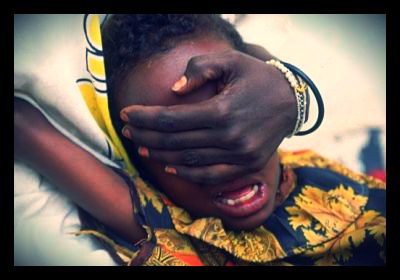
Female Genital Mutilation and Immigration Reform

Female_Genital_Mutilation
Immigration in the United States has been an issue throughout this millennium. Reform for the immigration system has been discussed in various forms, yet presently there still seems to be no progress on the issue. This deadlock affects immigrants of all forms, but particularly for many potential immigrants in the West African region.

A recent PBS Newshour report detailed the plight of a family living in Baltimore struggling to deal with the intricacies of the immigration system. This family left their home in Mali after worries that their daughter would be subjected to the female genital mutilation (FGM) that is a common practice in that part of the world. The mother, who still suffers pain from her mutilation, says that at any time someone “can just come and take your daughter, and just do it.”

FGM is a practice that has deep roots in the West African region. The practice has been mentioned as far back as the Ancient Greek historians, like Herodotus. Community members consider it shameful for women to not undergo the process, leading to the sort of animosity that lead the Newshour profiled family to leave for the U.S.

Health issues and the difficulties in adjusting to a new country lead the family to miss the initial application for asylum that is required after one year of residency. Since they missed that initial application, the members of the family have no path to citizenship under the current system and are left to appeal annually for residency. There is still a definite risk that their requests could be denied by the courts, leading to their final deportation.

This difficulty in applying for asylum will remain until the immigration issue is finally settled in Congress. The Fofana family profiled by PBS Newshour is not alone in its struggles. Reports from the BBC describe Gambian women seeking asylum for the same reasons in the United Kingdom with hundreds being rejected for using the peril of mutilation as a basis.

The World Health Organization states that over 125 million females are living today after undergoing genital mutilation. Like the matriarch of the Fofana family, many times the procedure is involuntary and will cause the females lasting pain down the road. One can only imagine if this was a practice that was prevalent in the Western world and the outcry that would come about because of it.

Studies on the practice of genital mutilation show the benefits of educational programs in the areas that still carry it out. The Tostan program in Senegal shows how the end of the practice will provide health benefits for women and will bring about better overall respect for women in the community. However, programs like that one are few and have to be much more prevalent to have a serious impact in Western Africa.

For nations in the Western world, spreading education about the female body could bring benefits in Africa and the West. A successful program could lessen the immigration demands on the West and give women a better chance at being leaders in the communities of Africa. For the women that live in fear and pain due to this practice, funding by the nations of the Western world might go a long way towards improving the world as a whole.

– Eric Gustafsson

Sources: Stanford University, BBC, World Health Organization, PBS
Photo: MintPress News

March 24, 2014
https://borgenproject.org/wp-content/uploads/borgen-project-logo.svg 0 0 Borgen Project https://borgenproject.org/wp-content/uploads/borgen-project-logo.svg Borgen Project2014-03-24 04:00:362024-05-26 23:21:18Female Genital Mutilation and Immigration Reform
Global Poverty, Inequality, Slavery, Violence Against Women, Women and Female Empowerment

Women and Modern Day Slavery in Pakistan

Pakistan

According to The Nation, women in Pakistan are forced to make bricks in order to pay off the debt their families have incurred.

“Living without running water, and often trapped by their employers for the rest of their lives, these women are forced to work in brick kilns, agricultural fields and other hard labour industries to clear debts which overshadow their families’ lives,” said the Pakistani news agency.

There is no reliable statistic regarding the number of Pakistanis who are currently enslaved as bonded laborers. However, according to the National Coalition Against Bonded Labour, these individuals exist throughout the country not only in the brick industry, but also the agriculture and carpet industries.

Moreover, the Associated Press estimates that “tens of thousands” of poor Pakistanis work within these industries.

“Bonded labor is the most widely used method of enslaving people around the world,” The Nation said. “The person is then tricked or trapped into working for very little or no pay, often for seven days a week.”

In many instances, the amount of work that debt slaves put throughout their lives far exceeds the amount of money they initially borrowed. But instead of quitting, the victims continue to work because they are constantly threatened with physical violence.


Facts on Modern Slavery


The Pakistani government, along with the world community, prohibits the practice of debt slavery. However, it is highly inefficient when it comes to enforcing the laws and punishing the people who profit from slavery.

Developed countries and humanitarian organizations are highly critical of modern day slavery. Human Rights Watch (HRW) argues that bonded labor is more common in the southern Punjab and Sindh regions of Pakistan.

“Bondage in agrarian regions involves the purchase and sale of peasants among landlords, the maintenance of private jails to discipline and punish peasants, the forcible transference of teachers who train peasants to maintain proper financial accounts and a patter of rape of peasant women by landlords and the police,” said the organization.

HRW also ties this issue into poverty by explaining that bonded laborers either work in the agricultural industry or the “informal economy.”

This is a vicious circle in which the landless poor “are denied access to institutional forms of credit and must therefore rely on landlords, moneylenders and employers.”

To end debt slavery in Pakistan, the government can work harder to enforce the laws already banning the practice. With debt slavery, individuals are fooled into working in horrible conditions for the rest of their lives.

– Juan Campos

Sources: AP, The Nation, Human Rights Watch

March 20, 2014
https://borgenproject.org/wp-content/uploads/borgen-project-logo.svg 0 0 Borgen Project https://borgenproject.org/wp-content/uploads/borgen-project-logo.svg Borgen Project2014-03-20 04:00:022024-06-05 01:57:17Women and Modern Day Slavery in Pakistan
Activism, Advocacy, Global Poverty, Women and Female Empowerment

5 Things to Know about Sughar

At the age of 25, Khalida Brohi has already made a difference in improving women’s rights. In 2009, she founded a nonprofit organization called Sughar, dedicated to empowering women, giving them opportunities to become future leaders and ending honor killings. Here are a few things to know about Brohi and this organization:

1. It grew out of tragedy

When Brohi was 16 and living in Pakistan, she witnessed an honor killing; more specifically, that of her friend who had decided to marry someone she loved rather than choosing someone her family had approved.

Brohi has said, “In a society where I live, life for a girl is a continued struggle, especially for a girl who chooses to do something ‘different’ – she has to fight the hardest and often has to pay a heavy price.” Brohi decided to stand up against the custom of honor killings in Pakistan and instead promote the honoring and empowerment of women.

2. Its best-known program is the Sughar Women Program

Based out of Balochistan and Sindh in Pakistan, Sughar makes it its mission to created Women Learning and Skill Development Centers in rural communities in the country. Each center teaches a six-month course to tribal and rural women to improve their skills. These women are given access to a basic education, which includes developing literary skills, learning about enterprise development and promoting awareness.

The ultimate goal to enable these women to become better decision-makers, larger contributors to their households and live more successful lives. The women also practice traditional embroidery as part of their Rural Fashion Brand and are marketed across Pakistan. Additionally, every course offers a minimum loan to each woman after she has graduated to both promote entrepreneurship and a decrease in violence.

3. It also works to strengthen women’s land rights and food security in Pakistan

In Pakistan, tribal women especially suffer from a lack of ownership rights, as many are not permitted to own anything in their homes, let alone rights to property. Sughar works to change this societal and cultural norm by encouraging these women to change the way they think about themselves.

Furthermore, Sughar works with the local communities in Pakistan as well as the government and media to allow women to purchase land and act on their ownership rights. These women are also given training on farming innovations, which could have an impact on improving the standard of living.

4.The organization also works to raise awareness on climate change

Sughar’s relationships with local communities extend to its work to educate men and women about climate change. Women are becoming increasingly effected by climate change because they are being forced to deal with extreme weather changes. They also provide information for them about how to cope with the growing number of natural disasters and how women living in rural communities should react.

5. The word “Sughar” is translated to mean skilled and confident woman

Brohi has said, “The future woman is Sughar (skilled and confident) who knows where she is stepping to and what she wants from life. She is aware that in the past there have been women fighting for the rights she is enjoying currently and therefore she would be grateful and willing to contribute to the betterment of society.”

The label “Sughar” is rarely used in Pakistan, but Brohi’s organization believes that every woman is worthy of such coveted recognition.

– Julie Guacci

Sources: Women in the World, Ashoka India, Sughar, The Daily Beast, Forbes
Photo: Sonya Rehman

March 18, 2014
https://borgenproject.org/wp-content/uploads/borgen-project-logo.svg 0 0 Borgen Project https://borgenproject.org/wp-content/uploads/borgen-project-logo.svg Borgen Project2014-03-18 04:00:302024-05-26 23:18:465 Things to Know about Sughar
Page 71 of 82«‹6970717273›»

Get Smarter

  • Global Poverty 101
  • Global Poverty… The Good News
  • Global Poverty & U.S. Jobs
  • Global Poverty and National Security
  • Innovative Solutions to Poverty
  • Global Poverty & Aid FAQ’s
Search Search

Take Action

  • Call Congress
  • Email Congress
  • Donate
  • 30 Ways to Help
  • Volunteer Ops
  • Internships
  • Courses & Certificates
  • The Podcast
Borgen Project

“The Borgen Project is an incredible nonprofit organization that is addressing poverty and hunger and working towards ending them.”

-The Huffington Post

Inside The Borgen Project

  • Contact
  • About
  • Financials
  • President
  • Board of Directors
  • Board of Advisors

International Links

  • UK Email Parliament
  • UK Donate
  • Canada Email Parliament

Get Smarter

  • Global Poverty 101
  • Global Poverty… The Good News
  • Global Poverty & U.S. Jobs
  • Global Poverty and National Security
  • Innovative Solutions to Poverty
  • Global Poverty & Aid FAQ’s

Ways to Help

  • Call Congress
  • Email Congress
  • Donate
  • 30 Ways to Help
  • Volunteer Ops
  • Internships
  • Courses & Certificates
  • The Podcast
Scroll to top Scroll to top Scroll to top