• Link to X
  • Link to Facebook
  • Link to Instagram
  • Link to TikTok
  • Link to Youtube
  • About
    • About Us
      • President
      • Board of Directors
      • Board of Advisors
      • Financials
      • Our Methodology
      • Success Tracker
      • Contact
  • Act Now
    • 30 Ways to Help
      • Email Congress
      • Call Congress
      • Volunteer
      • Courses & Certificates
      • Be a Donor
    • Internships
      • In-Office Internships
      • Remote Internships
    • Legislation
      • Politics 101
  • The Blog
  • The Podcast
  • Magazine
  • Donate
  • Click to open the search input field Click to open the search input field Search
  • Menu Menu

Archive for category: Women and Female Empowerment

information and Stories about woman and female empowerment.

Family Planning and Contraception, Gender Equality, Global Poverty, Women and Female Empowerment, Women's Rights

Global Gender Equality and the Gates Foundation

Global gender equalityIn the fight for global gender equality, the Bill & Melinda Gates Foundation is leading the way. According to the Peace Corps, gender equality means that “men and women have equal power and equal opportunities for financial independence, education and personal development” and is a crucial issue worldwide. Recently, the Gates Foundation made a significant donation to help support global gender equality efforts. This is not the only action the organization has taken to express its passion for establishing gender equality. The Gates Foundation’s efforts, with support from other organizations, will make great strides in the fight for global gender equality.

A Generous Donation

At the 2021 Generation Equality Forum, the Gates Foundation announced it would donate more than $2 billion to help improve gender equality worldwide. Over the next five years, the foundation plans to use the money to advance gender equality in three main areas: economic support, family planning and placing women in leadership roles. The Gates Foundation’s goal behind this decision is to specifically focus on gender-related issues that have worsened due to the COVID-19 pandemic. For example, the International Labor Organization found that unemployment for women increased by nine million from 2019 to 2020. Since the foundation has dedicated itself to supporting gender equality for many years, this monetary commitment will accelerate its progress.

Actions From the Foundation

Besides its billion-dollar donation, the Gates Foundation has been dedicating its work to create solutions for the lack of women’s equality for many years. In addition to several other million-dollar donations, in 2020, the foundation formally established the Gender Equality Division to prioritize its commitment to improving the lives of women and girls. From family health to economic empowerment, the foundation is working on expanding access to a variety of social, medical and educational services. This includes analyzing factors that help or hinder women and advising international governments on how to better support gender equality.

Solutions From Other Organizations

Aside from the Gates Foundation’s various efforts, other projects can improve circumstances relevant to global gender equality. One vital step to this process is looking at data from around the world. Data2X created a campaign that draws attention to issues associated with gender and proposes possible improvements. Similarly, another organization, Equality Now, uses legal and systemic advocacy to help improve global gender equality. Furthermore, after donating more than $400 million, the Ford Foundation has also committed to helping fix various gender-related issues. These issues include inequality in the economy and workforce.

The Gates Foundation’s donation of more than $2 billion is one significant step in eliminating global gender inequality. With initiatives worldwide, women and girls are gaining the equality and respect they should have always had. In addition, the Gates Foundation is supported by Data2X, Equality Now and the Ford Foundation. Together, people everywhere are working to understand and improve global gender equality.

– Chloe Moody
Photo: Wikimedia

August 27, 2021
https://borgenproject.org/wp-content/uploads/borgen-project-logo.svg 0 0 Kim Thelwell https://borgenproject.org/wp-content/uploads/borgen-project-logo.svg Kim Thelwell2021-08-27 07:30:172021-08-27 01:49:32Global Gender Equality and the Gates Foundation
Global Poverty, Women

Empowering Young Women in Sub-Saharan Africa

women in sub-Saharan AfricaEducation has long been an uphill battle for women in sub-Saharan Africa who disproportionately lack the opportunity to go to school. The U.N.’s Education Plus Initiative aims to empower adolescent girls and young women, particularly in regard to HIV/AIDS prevention, through secondary education. A recent UNAIDS study suggests a correlation between HIV education and completing school, which also leads to a better socioeconomic future.

Education and Disease Among Young Women

Sub-Saharan Africa has become a hot spot of population growth. With more than 60% of the region’s population aged 25 and younger, a new generation of African citizens waits to meet the world on a global scale. But, educational attainment has long presented a hurdle for many sub-Saharan countries.

Relatively few African children receive higher education, with young women being the least likely. According to a recent study from the United Nations, more than 80% of the world’s women (aged 15-24) with HIV/AIDS are located in sub-Saharan Africa. Such health issues create a barrier to pursuing further education. A 2014 Millennium Development Goals Report shows a strong correlation between disease and missed educational opportunities, reporting that more than 33 million children in sub-Saharan Africa are out of school, with 56% being girls.

The Millennium Declaration, a set of goals adopted by world leaders to reignite education and fight disease, says that incorporating education into young women’s lives in sub-Saharan Africa promotes poverty reduction, improves mental health and decreases rates of HIV/AIDS.

AIDS and HIV in Africa

The HIV/AIDS epidemic has ravaged entire countries in sub-Saharan Africa. More than 50 girls die from AIDS-related women’s illnesses every day worldwide and more than 90% of adolescent HIV/AIDS deaths happen in sub-Saharan Africa. According to a 2019 study from UNAIDS, young women in Africa generally lack sufficient sex education. Thus, young women in sub-Saharan Africa face disproportionate exposure to many diseases. This includes two of the most threatening in terms of both education and life expectancy: HIV and AIDS.

HIV/AIDS has become prevalent in sub-Saharan Africa because of arranged child marriages and early pregnancies. A recent study from UNESCO found that nearly 52% of Sudanese girls older than 18 were already married, numbers that are mirrored throughout sub-Saharan Africa. Empowerment at the legal level decreases women’s chances of forced marriages and pregnancies, thus reducing rates of HIV and AIDS.

Michel Sidibé, the executive director of UNAIDS, stated, “When girls can’t uphold their human rights — especially their sexual and reproductive health and rights — efforts to get to zero exclusion, zero discrimination, zero violence and zero stigma are undermined.”

More than 79% of new HIV infections occur among girls aged 10-19, according to a 2019 UNAIDS research study. Young women and girls in sub-Saharan Africa need educational and health support. Fortunately, several organizations are working to empower them.

The Education Plus Initiative

UNICEF, in collaboration with UNAIDS, UNESCO, UNFPA and U.N. Women, has created a new initiative in sub-Saharan Africa called Education Plus. Education Plus focuses on empowering young women and girls and achieving gender equality through secondary education. According to UNAIDS, sexual education has helped empower tens of millions of young women throughout sub-Saharan Africa.

Education Plus aims to revolutionize policies related to women’s sexual education in order to improve their quality of life. Education Plus will begin in 2021 and run through 2025. It plans to create policies that add sexual education to young women’s school lessons, launch tech-based publicity programs to promote women’s rights and expand upon HIV and AIDS prevention, treatment and recovery, among other initiatives.

A UNICEF study revealed just how important education is to empower young women in sub-Saharan Africa. When young girls finish secondary school, they are six times less likely to marry young. The study also found that if a child’s mother can read, the child has a 50% better chance of survival.

Moving Forward

Education Plus is set to run for five years to help women and girls achieve social, educational and economic success. UNICEF, UNAIDS and several other organizations have come together to make supporting young women in Africa a priority.

Moving forward, empowering young women in sub-Saharan Africa, one of the world’s highest poverty areas, requires an array of solutions. Organizations like UNAIDS hope the area can one day flourish as an oasis for young women and girls, who will, in turn, have the educational and social resources to create a more stable Africa.

– Mario Perales
Photo: Flickr

August 21, 2021
https://borgenproject.org/wp-content/uploads/borgen-project-logo.svg 0 0 Jennifer Philipp https://borgenproject.org/wp-content/uploads/borgen-project-logo.svg Jennifer Philipp2021-08-21 07:30:022021-08-23 01:16:43Empowering Young Women in Sub-Saharan Africa
Global Poverty, Women and Female Empowerment

Elexiay Clothing Brand Empowers Nigerian Women

Elexiay Clothing BrandAs artisans stitch rows of thread, their fingers pull yarn through loops in patterns passed down across generations. Elexiay, a Lagos-based Nigerian clothing brand, takes pride in its handmade garments crafted by a team of accomplished women crocheters. Supporting a small clothing business like Elexiay allows consumers to back community-based entrepreneurs as opposed to faceless fast fashion corporations. Small businesses have to compete with fast fashion giants, which makes it difficult for these smaller businesses to thrive. Especially in the wake of the COVID-19 pandemic, supporting small businesses can make a significant impact on the lives of employees. The Elexiay clothing brand empowers Nigerian women and provides jobs to help them rise out of poverty.

The Elexiay Clothing Brand

Elexiay is a brand that redefines crocheted clothing, which is often stereotyped as “grandma’s clothing.” Elexiay’s collection of products is a reinvention of crocheted clothing that keeps up with the latest fashion trends. With crocheted crop tops, skirts and maxi dresses featuring elegant slits, Elexiay displays its grasp of the year’s latest trends.

Elexiay’s signature crocheted designs serve a greater purpose than just style. Elexiay’s founder, Elyon Adede, described to The Zoe Report how vital women’s empowerment is to Elexiay. Accordingly, Elexiay solely employs Nigerian women who handcraft each piece of clothing. Many after-school programs in Nigeria teach the art of crochet. Due to the emphasis on craftsmanship, Elexiays’s employees avoid the hazards associated with factory textile production and can share Nigeria’s art of crochet with the world.

Rising Poverty in Nigeria

Before the COVID-19 pandemic began, approximately 40% of Nigerians lived below the poverty line, with millions more at risk of falling into poverty. During the pandemic, international oil prices dropped. This decline severely impacted Nigeria’s economy as more than 60% of Nigeria’s government revenue comes from oil. According to the World Bank, the consequences of the pandemic, coupled with Nigeria’s oil price crisis, could “push around 10 million additional Nigerians into poverty by 2022.”

In this way, Elexiay’s emphasis on fair wages and other ethical labor practices coincides with a time when millions of Nigerians face the risk of poverty. The company’s commitment to the “creation of jobs locally” demonstrates how a small clothing business can help communities in times of economic uncertainty.

Elexiay’s Dispute with Fast Fashion Brand

Despite Elexiay’s success in designing crocheted clothing, the company has faced difficulties. For instance, Elexiay posted a picture on Instagram of one of its pink and green crocheted sweaters side-by-side with a sweater featured on a fast fashion corporation website on July 16, 2021.  The sweater sold by SHEIN, the corporation in question, used a design strikingly similar to the pattern crafted by artisans at Elexiay.

In the Instagram caption, Elexiay described itself as a “small black-owned independent sustainable business” and expressed frustration in seeing “such talent and hard work reduced to a machine-made copy.” The caption also urged SHEIN to remove the sweater from its website.

Since posting the side-by-side comparison of the sweaters, Elexiay’s post received more than 97,000 likes and hundreds of supportive comments. While SHEIN has removed the controversial sweater from its website, this is not the first instance of SHEIN being accused of stealing designs. For example, designer Mariama Diallo accused SHEIN of stealing one of her dress designs for the brand Sincerely Ria in June 2021.

Aside from feeling disheartened after seeing the sweater on SHEIN’s website, the Elexiay clothing brand founder also expressed disappointment in SHEIN’s practices overall. In an interview with Insider, Adede describes the experience as especially difficult because “SHEIN is known for its unethical labor practices, which is the opposite of what I stand for.”

Supporting Small Clothing Businesses

While Nigeria has seen a rise in poverty as a result of the COVID-19 pandemic, individuals around the world can make deliberate choices that benefit communities in Nigeria. The women employees of Elexiay crochet garments by hand, spending days on each piece to share the art of crochet with the rest of the world and are provided with a job and an income through the process. When making the decision of whether to shop from a large fast fashion corporation or a local business, it is important to question the values that each brand holds.

– Madeline Murphy
Photo: Flickr

August 15, 2021
https://borgenproject.org/wp-content/uploads/borgen-project-logo.svg 0 0 Kim Thelwell https://borgenproject.org/wp-content/uploads/borgen-project-logo.svg Kim Thelwell2021-08-15 07:30:502021-08-13 00:38:41Elexiay Clothing Brand Empowers Nigerian Women
Global Poverty, Women and Female Empowerment

How Olivia Rodrigo’s T-shirt Supports Collaboration Among Young Girls

collaboration among young girlsThe 18-year-old new pop sensation and Disney+ star, Olivia Rodrigo, made a name for herself in the pop music industry. Her song “drivers license” debuted at number one for nine straight weeks. Rodrigo is the first Asian American woman to reach #1 on Apple Music. With more than 13.4 million followers on Instagram, Rodrigo used her platform to advertise her personally designed T-shirt, “Spicy Pisces,” in March 2021. Rodrigo has donated all of the proceeds to a program called Plus1, which in turn, benefits another program called She’s the First (STF). STF supports grassroots organizations that encourage collaboration among young girls and supports girls’ rights.

Plus1, Olivia Rodrigo and She’s the First Collaborate

Plus1 collects money through live concert ticket sales and initiates partnerships with another organization of an artist’s choice. It donates a fraction of money collected from each purchased ticket to the partner organization. Then, the two organizations create a campaign for social media.

The artist’s music tour spotlights the impact of the partnership. Plus1 executes the social media campaign, coordinates volunteers and reports the partnership’s impact on communities. Through this process, fans can continue to contribute to the artist’s selected cause. Plus1 continued to support its partners despite the challenges of the pandemic. After creating the T-shirt, Rodrigo donated all of the proceeds to Plus1 and supported STF despite the restrictions on live events.

Rodrigo’s Donations Actionized at She’s the First (STF)

STF operates on the basis that too many girls are discounted from holding leadership positions, denied the right to an education and forced into marriage. Its goal is to strengthen collaboration among young girls and support girls’ rights. The STF coalition offers funding and training to grassroots organizations that work to educate young girls living in poverty in Africa, Latin America and South Asia.

Additionally, the STF annual conference, otherwise known as Girl’s First Summit, assists adults in gaining knowledge about child protection, designing programs centered around girls and being successful in “feminist mentorship.” Moreover, the girl-led incubator program trains and sponsors young female leaders who have created projects that aim to serve young girls. The girls learn about how to develop an organization and strengthen their leadership from a feminist standpoint.

STF has also launched social media challenges #GirlsGetLoud and She’s a Girl First, which helped to overturn a law that prohibited pregnant girls from going to school in Sierra Leone. The organization reaches approximately 138,000 girls in 26 different countries yearly through campus communities, toolkits, training and partner programs. In the past decade, STF has reached roughly 167,000 girls, more than 100 organizations and 240 practitioners.

Women’s Empowerment

Rodrigo created a personal T-shirt design and used her newly acquired fame to support young girls’ education through Plus1. Many of these girls live in poverty in Africa, Latin America and South Asia. The organization assists music artists in donating financially to an organization of their choice. Rodrigo chose STF, which works toward strengthening collaboration among young girls and lends support to their right to an education. STF supports grassroots organizations that work to educate young girls in more than 11 different countries. STF also assists adults who work with girls daily in designing programs that benefit girls. In addition, STF sponsors young leaders who create projects that aim to serve young girls in communities.

Overall, the efforts of Rodrigo and committed organizations help empower young women, giving them a chance at a life outside of poverty.

– Lauren Spiers
Photo: Flickr

August 5, 2021
https://borgenproject.org/wp-content/uploads/borgen-project-logo.svg 0 0 Kim Thelwell https://borgenproject.org/wp-content/uploads/borgen-project-logo.svg Kim Thelwell2021-08-05 01:33:392021-08-06 01:17:45How Olivia Rodrigo’s T-shirt Supports Collaboration Among Young Girls
Global Poverty, Women and Female Empowerment

The Untapped Potential of Female Labor in Pakistan

female labor in PakistanThe Karachi branch of Caritas Pakistan works to provide technical assistance and job training to the women of small Pakistani farms in several villages as part of its Acre for Women campaign. The campaign’s goal is to leverage the untapped potential of female labor in Pakistan. Providing training and opportunities to women will expand food security among the country’s vast population of subsistence farmers by encouraging self-sufficient practices with the resources on hand, ranging from basic water efficiency to crop rotation.

A Nascent Workforce

Amir Robin, an Acre for Women regional coordinator, explained both the long- and short-term benefits of training the women of several independent farms that range as small as a single acre. In an interview with UCA News, he states that aside from increasing food security, such training helps household farms minimize the cost of adapting to changing environmental conditions.

Female participation in the Pakistani labor force runs as low as 25%, according to World Bank estimates. The government aims to increase the amount to 45% by 2025. Accelerating Pakistan’s economic growth by boosting female labor involves eliminating the reasons for female labor’s systemic underuse.

Educational Disparities

First, women face limited access to formal education or vocational training. Girls make up about 53% of children that do not attend school in Pakistan, therefore, girls benefit the most from development programs. Such programs include those sponsored by the Engro Foundation, the “social investment arm” of Engro Corporation, a conglomerate company headquartered in Karachi, Pakistan. By sponsoring new government schools and refurbishing old ones with computer labs, Engro aims to increase the literacy rate among girls.

In light of COVID-19’s effect on unemployment rates, expanding educational opportunities remains the primary short-term focus of increasing female participation in the labor force. Engro’s programs are demonstrating fast results. More than 19,000 self-employed women are improving their livelihoods through vocational training in “animal husbandry practices, entrepreneurship in milk collection and livestock extension services in the dairy value chain.” Additionally, a surge of technologically literate women helps overcome difficulties in the job market due to greater access to advanced occupations.

Farm Income Depends on Women

Pakistan’s largest source of potential growth lies in its agricultural sector. Around 64% of Pakistanis live in rural areas and mostly work in agriculture. A large portion of the national economy depends on the output of family farms. There are two significant reasons why discounting women as a source of skilled labor in farm management is becoming an increasingly untenable prospect.

  1. Subsisting on relatively small parcels of land leaves farmers vulnerable to fluctuations in output. Because population growth and regular divisions of hereditary ownership make land parcels ever smaller, families that make do with smaller farms do not have the luxury of maintaining inefficient practices when handling their crops or their labor pool. A report by Victoria University says Pakistan’s high concentration of household farms means greater efficiency can be achieved, in this case, by including female labor. This translates into direct income boosts for families along with greater business activity thanks to new surpluses.
  2. Running a successful farm with little land is already dependent on women. Despite lacking gainful employment, women are informal participants in the Pakistani economy through unpaid domestic work. Victoria University’s study correlates a lack of job training and reduced output from inefficient practices, meaning that a lack of trained women is a bottleneck stifling household income growth.

Individual Growth for Women

Households stand to benefit from elevating women in the agricultural labor pool. Furthermore, developing female labor in Pakistan by addressing women’s exclusion in skilled practice will reverse the economic misfortune that prior restrictions have inflicted on women.

Because most women tie their fortunes as self-employed laborers to those of their families, increasing farm income is an effective way to enrich farming women’s income. Growth for Rural Enhancement and Sustainable Progress (GRASP) is yet another initiative operating in Pakistan working to achieve this goal. Its primary objective, according to coverage by Intracen (International Trade Centre), is training women to care for livestock and teaching them how to trade their produce. Rather than simply teaching women how to produce more, job training affords them additional autonomy by empowering them to take on a managerial role in the distribution process.

Economic Empowerment for Women

Sharmeela Rassool, a Pakistani country representative to the United Nations, emphasizes the importance of individual autonomy when it comes to increasing the participation rate of female labor in Pakistan. “For many women, entrepreneurship offers a path to economic empowerment,” she wrote in the Pakistani newspaper Dawn. More and more women are using their educational attainment to run businesses outside the agricultural sector.

While COVID-19 has slowed economic growth across Pakistan, it has also exposed systemic inequality, raising an opportunity to put women in a starring role for economic recovery. The gradually decreasing gender wage gap indicates that the current trend of a diversifying workforce has yet to reach its ceiling. Overall, women’s inclusivity in Pakistan has the potential to create widespread benefits for Pakistan, helping the nation to rise out of poverty.

– Samuel Katz
Photo: Flickr

August 3, 2021
https://borgenproject.org/wp-content/uploads/borgen-project-logo.svg 0 0 Lynsey Alexander https://borgenproject.org/wp-content/uploads/borgen-project-logo.svg Lynsey Alexander2021-08-03 01:30:362021-07-30 04:20:59The Untapped Potential of Female Labor in Pakistan
Global Poverty, Women, Women's Rights

3 Advancements in Women’s Rights in New Zealand

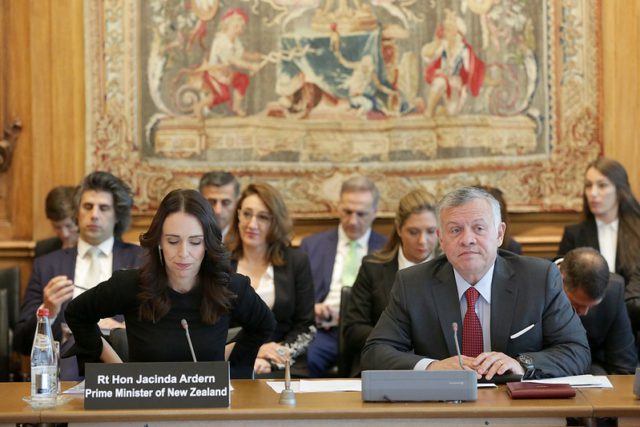
Women's rights in New ZealandOn September 19, 1893, New Zealand Governor Lord Glasgow signed off on a new Electoral Act, granting women the right to vote. New Zealand ushered in a new phase of the women’s suffrage movement by becoming the first self-governed nation to allow women the right to vote. Women’s rights in New Zealand have always mattered to New Zealanders, a notion that has become more apparent in recent years. Following the 2017 election, women made up 38% of parliament. Women have held positions in high-ranking offices such as prime minister, governor-general and chief justice. A brief overview of New Zealand’s history reveals that the country has progressed at an accelerated pace over the last decade and is continuing in the right direction.
3 Advancements in Women’s Rights in New Zealand

  1. Paid Leave for Miscarriages and Stillbirths. Women’s rights in New Zealand still play a central role in political affairs. In March 2021, New Zealand’s Parliament approved a bill that provides paid leave for women and their partners after miscarriage or stillbirth. A miscarriage is defined as a loss of pregnancy “earlier than 20 weeks of gestation,” whereas stillbirths can occur after such a point. The only other country to provide paid leave for women following a miscarriage is India.
  2. Women in Parliament. The rich diversity within New Zealand’s culture is displayed within its parliament. New Zealand is ranked number five in the world for its representation of women in parliament. The growing number of women in cabinet has further advanced women’s rights in New Zealand. The country also prioritizes women’s rights in legislation. It has also delivered an effective response to the COVID-19 pandemic, especially focusing on vulnerable groups such as women. New Zealand’s parliament is making great strides in supporting women.
  3. Equal Pay. New Zealand’s commitment to the advancement of women’s rights continues to serve as an example to other nations. In 2018, New Zealand’s parliament unanimously passed the Equal Pay Amendment Bill that guarantees equal pay for workers, regardless of gender. A similar bill was passed in 1972. However, the most recent bill focuses on pay equity. It guarantees that women in “historically underpaid female-dominated industries” will have the same compensation as men in “different but equal-value work.” The bill also makes it simpler for workers to lodge pay equity claims. It also establishes guidelines for pay comparisons, ensuring any possible gender pay gaps are fair and justified.

The Road Ahead

The country continues enacting policies to advance women’s rights in New Zealand. Prime Minister Jacinda Ardern is also offering relief to those hit hardest by COVID-19. Due to Ardern’s exceptional response to the COVID-19 crisis, she was victorious in her re-election campaign. As the country pushes ahead in hopes of eliminating COVID-19 altogether, New Zealand’s government proposed a $2.8 billion income support initiative. The initiative will serve as financial assistance to the country’s most vulnerable group: women.

As history and current policies reveal, New Zealand is making great strides in terms of women’s rights. The country’s commitment to gender equality is reflected in its legislation and its parliamentary representation.

– Jordyn Gilliard
Photo: Flickr

August 1, 2021
https://borgenproject.org/wp-content/uploads/borgen-project-logo.svg 0 0 Lynsey Alexander https://borgenproject.org/wp-content/uploads/borgen-project-logo.svg Lynsey Alexander2021-08-01 01:30:102021-08-02 04:55:463 Advancements in Women’s Rights in New Zealand
Global Poverty, Women and Female Empowerment

Ngozi Okonjo-Iweala on Ending Poverty

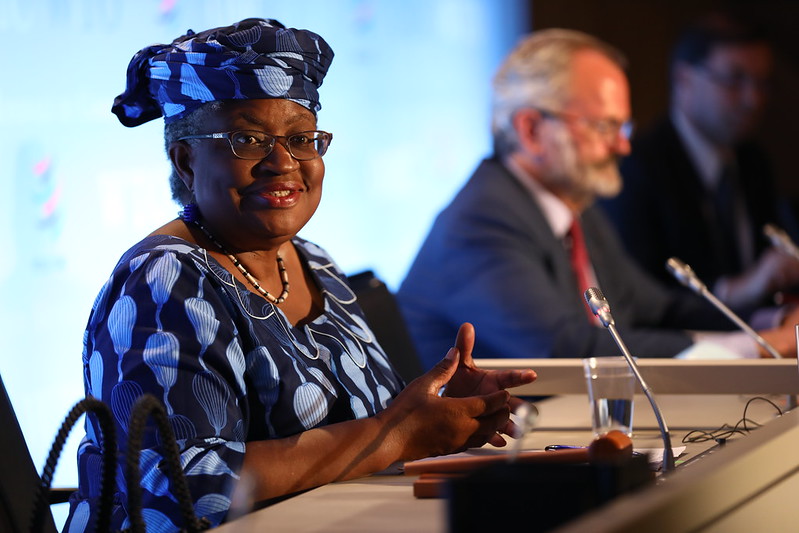
W.T.O Director-General Ngozi Okonjo-Iweala On Ending Poverty
On March 1, 2021, Ngozi Okonjo-Iweala took office as the director-general of the World Trade Organization (WTO). She is the first woman and the first African to hold this office. After experiencing the Nigerian Civil War, she came to the U.S. and studied development economics at Harvard University. She also received her doctorate in regional economics and development from the Massachusetts Institute of Technology. In 2003, she served as Nigeria’s finance minister. After a second appointment ending in 2015, she also served as a foreign minister and worked for the World Bank for 25 years, overseeing an $81 billion portfolio. In her newly appointed role, Okonjo-Iweala promises to influence and implement policy in order to restore the global economy.

What is the World Trade Organization?

The World Trade Organization is an international organization that deals with the “rules of trade between nations.” Member governments negotiate trade agreements that are then ratified in their own parliaments. All major decisions are made by the membership as a whole, either by ministers, their ambassadors or delegates.

The WTO plays an important role in reducing global poverty. Studies show that free trade helps impoverished countries “catch up with” developed nations. More than three-quarters of WTO members are developing countries. Every WTO agreement holds particular provisions for these countries, including longer time spans to carry out agreed-upon policies, “measures to increase their trading opportunities” and assistance to support these countries in building the necessary infrastructure to improve their economies. Least-developed countries are often exempt from many provisions.

The WTO also aims to reduce living costs and improve living standards by mitigating the effect of protectionism on consumer costs. This means that products are more affordable for those with a lower income. In addition, lowering such trade barriers stimulates economic growth and employment, creating opportunities for the impoverished to increase their incomes.

Okonjo-Iweala and Poverty

Okonjo-Iweala’s long list of achievements includes many in the realm of poverty reduction. As the minister of finance in Nigeria, she helped Africa’s largest economy “grow an average of 6% a year over three years.” She also helped create “reform programs that improved governmental transparency and stabilizing the economy.”

As the board chair of Gavi, the Vaccine Alliance, she contributed to ensuring vaccine equity. During her 25-year career at the World Bank, she rose to the second-most prominent position of managing director. Okonjo-Iweala ran for the office of director-general of the WTO with the strong belief that trade has the power to lift people out of poverty.

Okonjo-Iweala is also a supporter of COVAX, aiming to resolve vaccine nationalism. During the COVID-19 pandemic, vaccine nationalism is a problem that disproportionately affects impoverished countries. COVAX is a global vaccination effort launched by Gavi and leading partners to ensure vaccine equity.

In a January 2021 article, Okonjo-Iweala writes that “All manufacturers must step up and make their vaccines available and affordable to COVAX,” in order to ensure equitable and timely vaccine distribution to low-income countries. She also warned against repeating history.

In 2009, a small number of high-income countries bought up most of the global supply of the H1N1 flu vaccine, which left the rest of the world lacking. If history were to repeat itself during the COVID-19 pandemic, the impact on impoverished countries, and the world at large, would be devastating.

Okonjo-Iweala’s Plan

As director-general of the WTO, Okonjo-Iweala’s immediate plans focus on ending the COVID-19 pandemic with vaccines for all. In a statement outlining her vision for the future of the WTO, she says “the WTO can and must play a more forceful role in exercising its monitoring function and encouraging Members to minimize or remove export restrictions and prohibition that hinder supply chains for medical goods and equipment.”

She also says that member nations of the WTO need to adopt a stronger stance in preventing vaccine nationalism and protectionism. International cooperation, in her opinion, is the only way to come up with the vaccines, therapeutics and diagnostics needed to put an end to the COVID-19 pandemic.

Okonjo-Iweala has promised to face the economic and health challenges presented by the novel coronavirus head-on. Importantly, she notes that “a strong WTO is vital if we are to recover fully and rapidly from the devastation wrought by the COVID-19 pandemic.” Okonjo-Iweala promises to work in a collaborative effort to “shape and implement the policy responses” necessary to restore the global economy.

– Brooklyn Quallen
Photo: Flickr

July 25, 2021
https://borgenproject.org/wp-content/uploads/borgen-project-logo.svg 0 0 Kim Thelwell https://borgenproject.org/wp-content/uploads/borgen-project-logo.svg Kim Thelwell2021-07-25 07:30:532024-05-30 22:23:30Ngozi Okonjo-Iweala on Ending Poverty
Global Poverty, Women

How Chamas in Kenya Fight Poverty

Chamas in Kenya
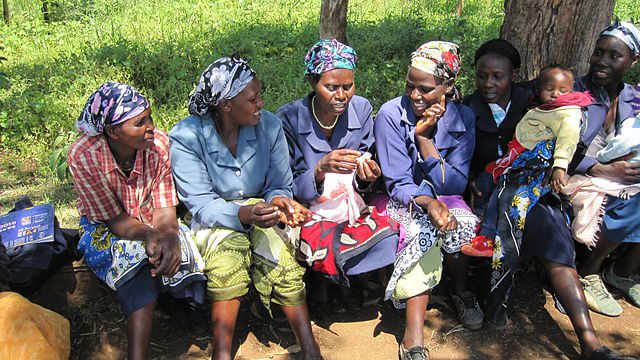
A chama is a micro-saving society that groups of Kenyans use to pool savings. Beginning in the 1960s, chamas in Kenya have become impressive tools of economic empowerment that follow the spirit of harambee, the Kiswahili word for ‘all pull together.’ Their community approach helps alleviate poverty by providing a means to pay tuition for children, make small-scale investments in community development, buy household items and more. More than 40% of Kenyans are chama members.

A Communal Economic Model

To form a chama, a group of around 15-35 people come together through mutual trust and pay a certain amount of money every week or month. The group then uses the money to offer very low-interest loans to members. Additionally, the group may decide to invest in an asset that members can own collectively, such as a piece of land, or in an industry, such as horticulture.

Chama members understand that fighting poverty must go hand-in-hand with psychosocial well-being. They provide each other with access to employment, help when a member gets sick, support at funerals and are joyful at weddings.

Chamas Help Avoid Economic Crisis

Chamas have been vital in helping Kenyans avoid economic crises. In the 1990s, many of Kenya’s informal retailers had to close down their businesses as their suppliers became too expensive due to the liberalization of the economy. Chamas proved tremendously helpful in dealing with rising prices. For example, a group of garment traders created a chama that enabled them to switch to Chinese suppliers and keep their businesses afloat.

Chamas Empower Women

In Kenya, women often have to be financially dependent on men. However, Kenyan women, who make up half the informal sector, have been able to achieve some financial independence thanks to chamas. According to the World Bank, 55% of Kenya’s urban women aged 15-25 are unemployed. Chamas can help them to avoid or escape poverty by securing financial help from their community to become self-employed. All-women chamas like Wikwatyo Wanoliwa (Hope for the Widows) have proven that women are a key demographic in the fight against poverty.

Chamas are also good avenues for community outreach. For instance, in 2017, around 80 women from chamas received training on the Kenyan electoral process and in turn, encouraged thousands of women in their communities to register to vote. Civic education is important in poverty eradication because it empowers women to match their economic decisions in chamas with democratic decisions on the ballot.

Chamas are a creative and resilient way to fight poverty in Kenya. Their intuitive approach to financial security has become so important to the Kenyan financial sector that banks have even started using it as an economic model to lure more clients.

– Frank Odhiambo
Photo: Wikimedia Commons

July 15, 2021
https://borgenproject.org/wp-content/uploads/borgen-project-logo.svg 0 0 Kim Thelwell https://borgenproject.org/wp-content/uploads/borgen-project-logo.svg Kim Thelwell2021-07-15 08:12:002024-05-30 22:23:54How Chamas in Kenya Fight Poverty
Global Poverty, Women and Female Empowerment

Period Poverty in Afghanistan 

Period Poverty in Afghanistan Period poverty in developing countries, such as Afghanistan, is a public health crisis and global poverty exacerbates the issue since it leads to individuals being unable to afford menstrual hygiene products. The American Medical Women’s Association explains period poverty as “inadequate access to menstrual hygiene tools and educations, including but not limited to sanitary products, washing facilities and waste management.”

Lack of Menstrual Education and School Absenteeism

Period poverty negatively impacts female education due to menstrual-related absenteeism. The Child Deprivation Analysis of 2020 indicates that “30% of girl students in Afghanistan are absent during menstruation because schools do not have adequate water, sanitation and hygiene facilities.” Explaining the severity of girls’ school absenteeism, UNICEF says that “This, in turn, translates to significant economic losses later in life for themselves — and their nation that is deprived of their talents and productivity.” For this reason, addressing period poverty in Afghanistan essentially means “safeguarding the dignity, education and overall life opportunities of girls and women.”

With support from the Finnish government, the Ministries of Education and Rural Rehabilitation and Development and UNICEF provided menstrual education training to more than 500 female Afghan teachers. UNICEF also distributed more than 100,000 menstrual hygiene management (MHM) educational booklets to teachers and girls. In 2021, UNICEF aims to train more than “550 male and female teachers in 130 schools across Afghanistan.”

Menstrual Stigma and Health Consequences

The cultural stigma surrounding menstruation worsens period poverty in Afghanistan. The conservative culture of Afghanistan is a prevailing reason for the taboo surrounding menstruation. Whilst menstruating, women and girls are regarded as unclean and as a result, they are prohibited from engaging in certain daily activities, eating certain foods and participating in religious practices. The stigma surrounding menstruation continues to exclude and discriminate against women and girls. As a result, women and girls feel persistent shame and their daily lives are disrupted due to a natural biological function.

Period poverty also poses negative health consequences. Without access to menstrual-related information and sanitary products to properly manage menstruation, girls and women are at more risk of infection as they resort to using “potentially harmful domestic alternatives such as wood shavings, dried leaves, hay, old socks filled with sand” and more.

There are additional risks when there is limited access to clean water. The lack of clean water has the potential to lead to urinary tract infections and yeast infections, which is why some organizations are providing developing countries with menstrual hygiene management facilities to encourage better menstrual hygiene practices.

Organizations Fighting to End Period Poverty

Multiple organizations aim to alleviate the negative impacts of period poverty. For instance, Safepad hopes to empower Afghan women and schoolgirls through work opportunities and access to reusable menstrual products. Located in Kabul, Safepad provides professional training and employs Afghan women to sew, make and pack Safepad products. Safepad not only empowers Afghan women through adequate access to menstrual products but women also benefit from a reliable source of income.

UNICEF works to keep Afghan girls in school by focusing on water, sanitation and hygiene (WASH) facilities. This includes ensuring access to water, constructing gender-segregated bathrooms, including “washrooms in girls’ toilets” and adding menstrual education to the school curriculum.

The Menstrual Equity for All Act

In a March 6, 2021, press release, U.S. Rep. Grace Meng urged President “Biden to take action to end period poverty.” The Menstrual Equity for All Act, reintroduced by Rep. Meng in March 2019, aims to ensure U.S. foreign assistance incorporates principles of menstrual equity. Although the Menstrual Equity for All Act did not progress any further, it conveys an important message that “Menstrual equity is the issue of ensuring equitable access to menstrual products. One’s ability to access and afford these products is a basic need and a health care right; it is a human right.”

Looking Ahead

Poverty and humanitarian crises can limit women’s and girls’ access to culturally appropriate, high-quality menstrual supplies and safe, private washing facilities. Period poverty in Afghanistan widens the gender gap, which is a result of extreme poverty and stigma. This can harm those who menstruate due to a lack of education, adequate facilities and clean water.

Access to menstrual education and products to properly manage menstruation empowers Afghan girls and women. In turn, girls and women are able to rise out of poverty as they continue their daily lives without disruption and pursue education and employment.

– Grace Watson
Photo: Flickr

July 11, 2021
https://borgenproject.org/wp-content/uploads/borgen-project-logo.svg 0 0 Jennifer Philipp https://borgenproject.org/wp-content/uploads/borgen-project-logo.svg Jennifer Philipp2021-07-11 03:51:362021-10-11 03:50:46Period Poverty in Afghanistan 
Children, Developing Countries, Human Trafficking, Women, Women & Children

The Fight Against Human Trafficking in India

Problems and Solutions with Human Trafficking in India
With its current population of 1.3 billion people, India is the second-largest country in the world. However, with its size comes a myriad of human rights issues. With so many people in one country, many of them can easily fall under the radar. Human trafficking in India is one of the most prominent human rights issues within the country.

In India, kidnappings for labor and sexual needs have been constant. In 2020, a U.S. Department of State report identified India as a Tier 2 country. In spite of many genuine efforts, the country remains hindered by its inadequate solutions to alleviate the problem and the department feels that India did not sufficiently ensure the mitigation of the issue. Enslavement has also been a common issue. In 2016, the Global Slavery Index found that 18 million people out of 46 million people are enslaved in India.

Trafficking of Women

Within the system of human trafficking in India, most of those victimized are either women or minors. In 2016, The National Crime Records Bureau estimated that 33,855 people in India have been victims of kidnapping for the purpose of marriage. Half of this percentage consisted of individuals under 18 years of age. Kidnappers most commonly force women into commercial sex and indentured servitude.

Bride trafficking has also been a consistent commodity due to skewed sex ratios in certain areas. There has been a lack of women for the larger male population to marry, so many buy their partners. A UNODC report in 2013 found that of the 92 villages of the Indian state of Haryana, nine out of 10 households bought wives from poor villages in other parts of the country. The report also mentioned that most of the women experienced abuse and rape as well as working like slaves.

Child Kidnappings

Alongside the trade of women, many child kidnappings occur. Kidnappers force many of the victims into servitude within industries of agriculture and manufacturing. In 2016, the Central Bureau of Investigation estimated that 135,000 children become victims of human trafficking in India annually. Many of the Indian train stations, such as Sealdah in the city of Kolkata, have had reports of youth kidnapping. Due to the frantic environment of the station, most of these disappearances go unnoticed. A lot of these children either live near the station due to poverty and abuse at home or travel out to work despite the danger and illegality of child labor. Children have also experienced kidnapping during natural disasters. During an earthquake in Nepal, traffickers targeted children whose parents had lost their lives. Wherever traffickers send these children, they work in brutal conditions and receive little pay or nothing at all.

Action in Legislation

Despite the magnitude of the issue and the bleakness it presents, there are glimmers of hope. The government and the public have pushed to mitigate these problems. Prosecution and the tracking of victims are becoming a focus of legislation creation. The Ministry of Women and Child Development has worked to develop a new law to combat the issue. The draft law will include measures to make placement agencies compulsory and rules to monitor where workers are from and where they are going. The 2020 Department of Justice report recommended that increased prosecutions and legislation are necessary to combat the issues.

There are also Non-Governmental Organizations (NGOs) that can give outside assistance in helping trapped women escape. One such group is Chetanalaya, which is the social action group of the Archdiocese of Delhi. Started in 1970, the organization focuses on mobilizing volunteer groups and state and union governments to assist in its efforts. The group has managed to liberate more than 800 enslaved domestic workers in the past two decades.

Helping Faceless

With the rise of technology in India, many have looked to use new innovations to assist in their cause. An example of this is the app Helping Faceless. Created in 2013, it helps fight child kidnapping and trafficking through the use of search engines that use facial recognition to help find wandering youth. To assist in helping women, the website is available for anonymous documentation of sexual assaults and other horrific experiences. By 2015, 5,000 downloads had occurred and the app continues to grow with attempts to improve the technology. Moreover, some are proposing to bring it to other countries that have similar human rights issues.

Going Forward

While the current issues regarding human trafficking in India are immense, the information and technology available can help alleviate the problem. Looking into a problem is one of the best steps in creating a good future and, while it may take a while, there is reason to hope. With the large population in the country, there are many individuals who have survived these experiences and are ready to fight to ensure that others will not endure them.

– John Dunkerley
Photo: Flickr

July 7, 2021
https://borgenproject.org/wp-content/uploads/borgen-project-logo.svg 0 0 Jennifer Philipp https://borgenproject.org/wp-content/uploads/borgen-project-logo.svg Jennifer Philipp2021-07-07 10:19:522021-07-07 10:19:52The Fight Against Human Trafficking in India
Page 20 of 82«‹1819202122›»

Get Smarter

  • Global Poverty 101
  • Global Poverty… The Good News
  • Global Poverty & U.S. Jobs
  • Global Poverty and National Security
  • Innovative Solutions to Poverty
  • Global Poverty & Aid FAQ’s
Search Search

Take Action

  • Call Congress
  • Email Congress
  • Donate
  • 30 Ways to Help
  • Volunteer Ops
  • Internships
  • Courses & Certificates
  • The Podcast
Borgen Project

“The Borgen Project is an incredible nonprofit organization that is addressing poverty and hunger and working towards ending them.”

-The Huffington Post

Inside The Borgen Project

  • Contact
  • About
  • Financials
  • President
  • Board of Directors
  • Board of Advisors

International Links

  • UK Email Parliament
  • UK Donate
  • Canada Email Parliament

Get Smarter

  • Global Poverty 101
  • Global Poverty… The Good News
  • Global Poverty & U.S. Jobs
  • Global Poverty and National Security
  • Innovative Solutions to Poverty
  • Global Poverty & Aid FAQ’s

Ways to Help

  • Call Congress
  • Email Congress
  • Donate
  • 30 Ways to Help
  • Volunteer Ops
  • Internships
  • Courses & Certificates
  • The Podcast
Scroll to top Scroll to top Scroll to top