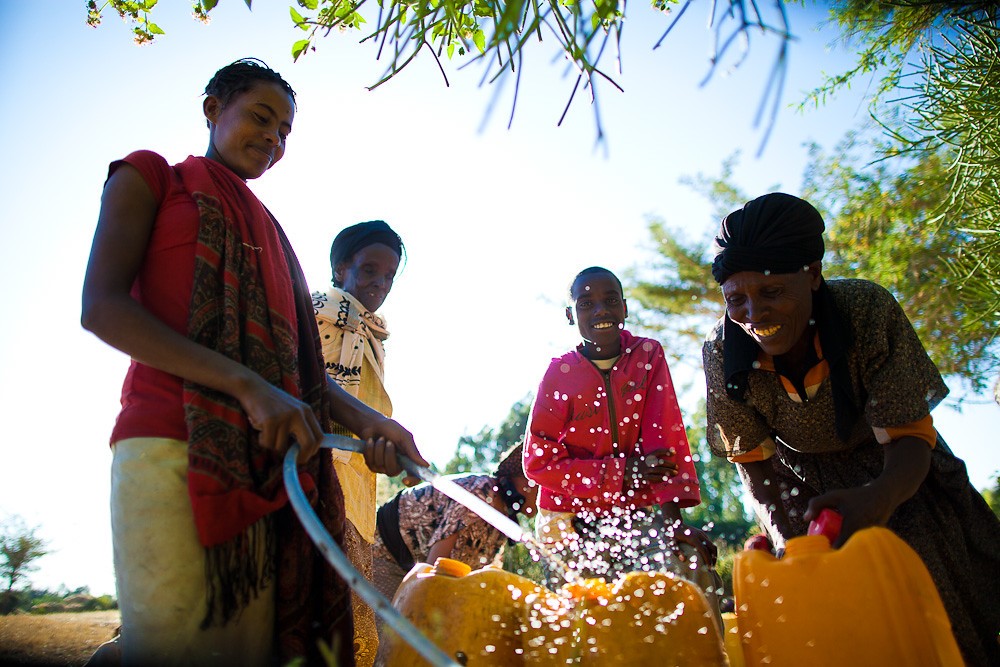
The U.S. investments that have been working toward improving access to water and sanitation have been particularly focussed on building a more water-secure world during the coronavirus pandemic. So far, the pandemic has affected the lives of billions all over the world and the most vulnerable in particular, already struggling with health and sanitation challenges. According to the OECD, before COVID-19, the African continent had already faced a slowdown in growth and poverty reduction. The organization added that “the current crisis could erase years of development gains.”
The pandemic could impact people already struggling with hunger and poverty. Several international organizations estimated that the number of starving people could have increased to 132 billion by the end of 2020.
To support countries struggling with water and sanitation access during the global pandemic, USAID re-configurated the priorities the Water for World Act of 2014 listed.
How does the global pandemic challenge water security and, in turn, how does USAID respond to these challenges? Before tackling these two questions, this article will give a brief background on the Water for World Act of 2014 and discuss its reconfiguration in light of the recent events regarding sanitation.
The 2014 Water for World Act and WASH Programs
The Water for World Act of 2014 is a reform bill that emerged from the 2005 Water for the Poor Act which made water, sanitation and hygiene – conveniently called WASH – top priorities in the federal foreign aid plan. In an attempt to make data more transparent, optimize aid strategies and improve water support, Congress voted for the Water for World Act in 2014. However, in 2020, the pandemic accelerated the need for global access to water and sanitation.
To address this concern, USAID re-designated 18 high-priority countries according to criteria such as lack of access to water, inadequate sanitation conditions and opportunities to make progress in these areas. Some of the high-priority countries are the Democratic Republic of Congo, Haiti, India, Kenya and South Sudan. In doing so, USAID intended to leverage WASH programs and enable vulnerable populations to have continual access to clean water during this critical period.
Current Challenges to Water Security
Access to water and sanitation is a basic human right and the current pandemic underscored the emergency to settle this right in the most vulnerable countries. Populations receive daily reminders to wash their hands and keep a healthy diet to prevent the propagation of the virus and save lives. However, the lack of clean, drinkable water is not only amplifying the already precarious living conditions of vulnerable populations, but it is also making it harder for these countries to stop virus transmission.
COVID-19 tends to affect vulnerable populations the most: poor communities, minorities and people living in crowded areas. According to UN-Habitat, it is clear that the pandemic affects the world’s most vulnerable populations the hardest because they lack sustainable access to water and sanitation.
For instance, India is the second-leading country in the world for most cases of COVID-19. It had almost 11 million cases on February 21, 2021. This number directly links to the country’s crowded rural areas and the lack of access to running water. At the end of 2020, more than 21% of the Indian population showed evidence of exposure to the virus. Meanwhile, in Bangladesh, Rohingya refugees living in a refugee camp are crowded with a population density four to seven times more than New York City, putting them in high-risk situations.
How WASH Programs Help
WASH programs helped high-priority countries respond to the pandemic in 2020. In the Democratic Republic of Congo, USAID and the World Bank financed WASH campaigns to improve the population’s handwashing behaviors.
Meanwhile, in Ethiopia, they collaborated with the local authorities to improve access to water and sanitation in health care facilities. In Haiti, WASH services included purchasing chlorine to clean water and installing water supply in markets, health centers, orphanages and prisons. According to the World Bank report, ensuring that these countries have safe access to water and sanitation is a necessary medium-term response to the pandemic.
US Investments and Improving Access to Water and Sanitation
U.S. investments aim to provide financial support for water service providers. For instance, in June 2020, USAID partnered with UNICEF in Mozambique to provide subsidies covering the cost of private water providers.
USAID also financed programs that relay information about handwashing. In April 2020, U.S. investments financed radio campaigns in Burkina Faso promoting a new handwashing system expanding access to hygiene in more areas. Data has shown that these programs made a difference in terms of transmission. In fact, transmission levels went down in both Mozambique and Burkina Faso from June to December 2020.
USAID also focused on health care facilities and on supporting health care workers in priority countries by training and protecting them. WASH programs trained more than 16,000 workers in diverse locations such as Senegal, India, Bangladesh, Ghana and Cote d’Ivoire. USAID support in Senegal was one of many successes: 447 officers and 549 health workers received training while the programs also resulted in the installation of 497 public handwashing stands in health facilities and high-risk places. They also distributed 2,423 handwashing kits to families with COVID-19.
Looking Ahead
Despite the crises of the past year, one can spot at least one positive outcome: global leaders have had to rethink access to water and sanitation. The pandemic increased global awareness about the importance of water and sanitation security, all over the world. U.S. investments to improve water and sanitation accessibility under the Water for World Act provide help during sanitary and water emergencies, even during these challenging times. The recent update about the high-priority status for designated countries is not the only positive news on the horizon. USAID administrator John Barsa has also signed the Sanitation and Water for all World Leaders call to action. His signature confirms what many have come to realize over the past year; international collaboration is key to fight the pandemic and secure better living conditions for all.
– Soizic Lecocq
Photo: Flickr
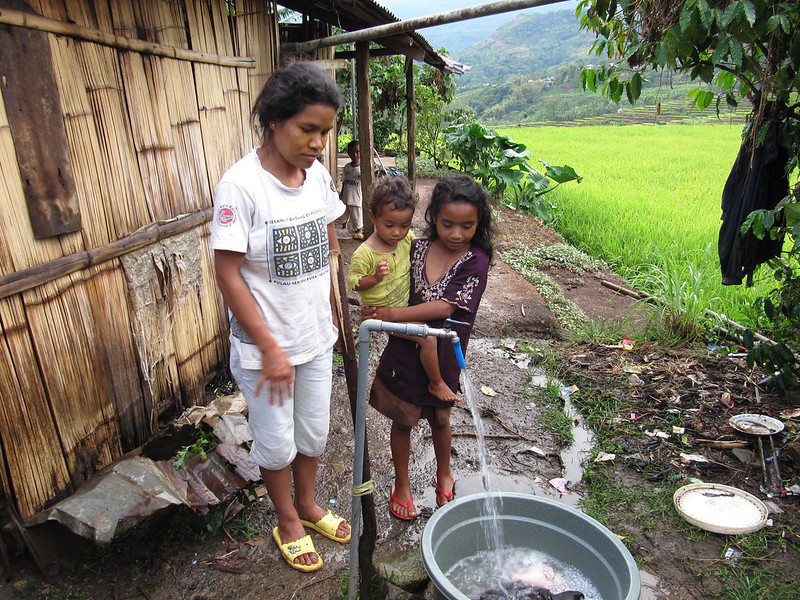 Communities throughout Indonesia are receiving help with sustainable and clean water access. Sanitation poses a significant threat to the health and safety of people in Indonesia. USAID reports that 2.4 billion people worldwide have inconsistent access to sanitation. The organization predicts that nearly 40% of the world does not use safe toilets. This can significantly increase the spread of infection and disease.
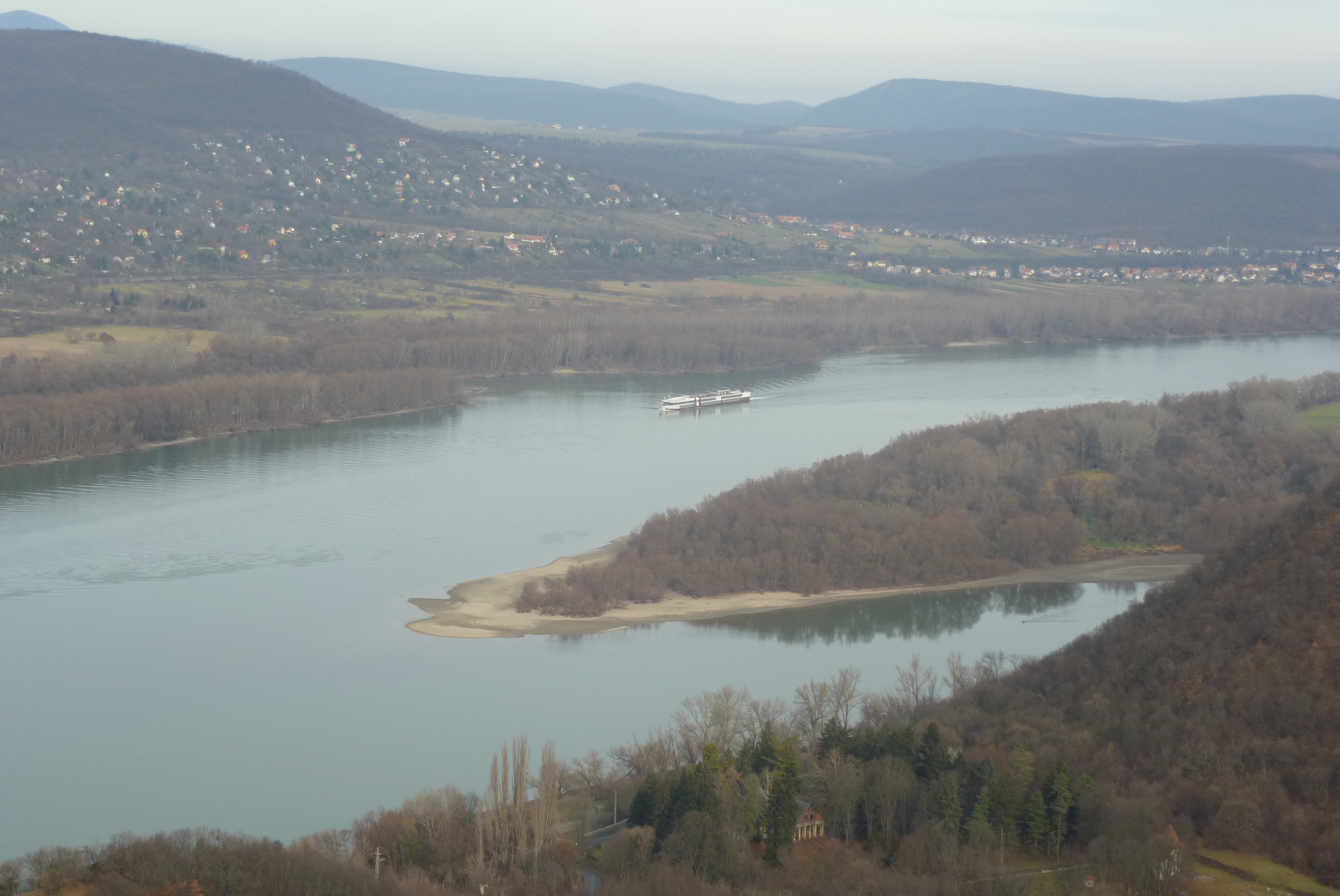 Hungary, a landlocked country in Central Europe, ranks among the highest poverty rates in Europe. Nearly 33% of Hungary’s 10 million inhabitants are at risk of complete poverty if they forgo just three months of income. Hungarians with lower income disproportionally face many struggles, including
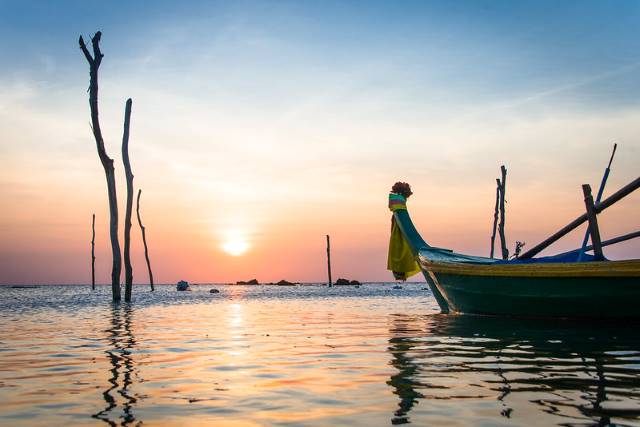 Thailand is a country known for its many wondrous sights, from its lush beaches to its luxurious temples that scatter the country. Despite these amazing locations that attract tourists is a lesser-known but just as impressive fact. Thailand is currently improving water and sanitation for the benefit of its people. The government in Thailand understands the need for Thai people to have better access to clean water and sanitation. According to a joint report released by the United Nations (U.N.) and the World Health Organization (WHO) in 2015, Thailand has been able to provide better sanitation for 93% of its population. Additionally, improving water management in Thailand has led to 96% of citizens having reliable drinking water. These results show that the government of Thailand takes water quality and improved sanitation seriously.
 More individuals depend on the
 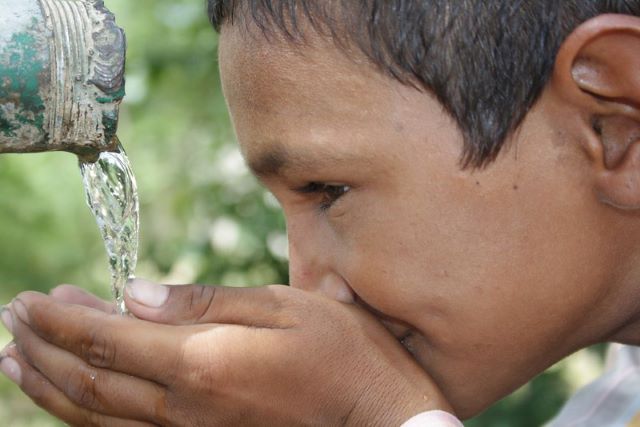 Water, sanitation and hygiene (WASH) is a public issue in India. Launched in 2014, the Swachh Bharat Mission (SMB) of India has seen great success in recent years in improving the health and sanitation of India’s people. The Bill & Melinda Gates Foundation has aided in the mission, helping to educate and institute new technologies, such as Sunidhi toilets. Aided by UNICEF, additional initiatives like the National Rural Drinking Water Programme (NRDWP) and the implementation of WASH in schools and health facilities are contributing to the reduction of harmful and unsanitary practices. There have been several key WASH advancements in India.
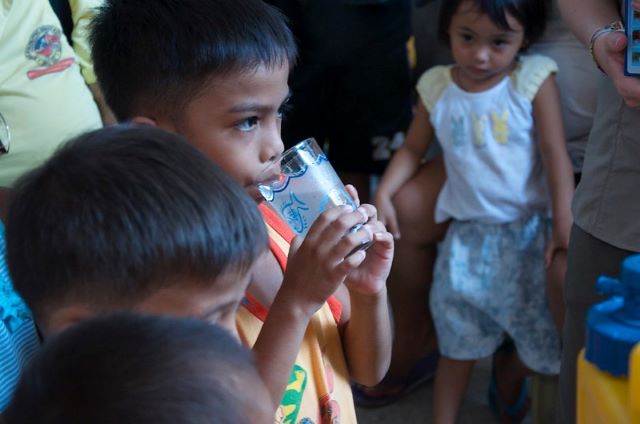 According to the World Health Organization (WHO), 2.1 billion people lack access to safe drinking, with people in rural areas with limited infrastructure being mostly affected. Within the Philippines, this concept manifests in that 91% of the country’s estimated 100.7 million population have access to basic water services, but access is highly inequitable across the country, with regional basic water services