• Link to X
  • Link to Facebook
  • Link to Instagram
  • Link to TikTok
  • Link to Youtube
  • About
    • About Us
      • President
      • Board of Directors
      • Board of Advisors
      • Financials
      • Our Methodology
      • Success Tracker
      • Contact
  • Act Now
    • 30 Ways to Help
      • Contact Your Leader
      • Volunteer
      • Courses & Certificates
      • Be a Donor
    • Internships
      • In-Office Internships
      • Remote Internships
    • Legislation
      • Politics 101
  • The Blog
  • The Podcast
  • Magazine
  • Donate
  • Click to open the search input field Click to open the search input field Search
  • Menu Menu

Archive for category: Water Sanitation

Water Sanitation

5 Facts About Healthcare in Mauritania 

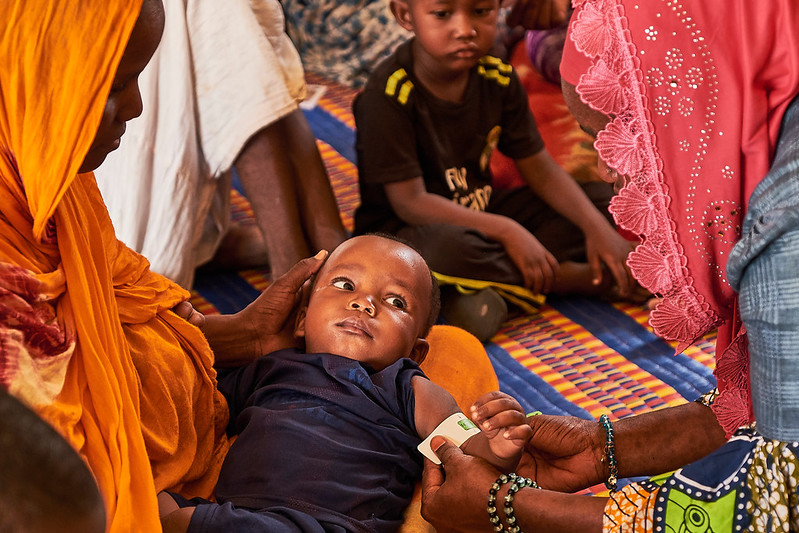
healthcare in mauritaniaThe Islamic Republic of Mauritania is a vast desert country with a significant nomadic population. These facets of Mauritania’s geography present challenges for creating healthcare infrastructure. In particular, physical distance and large rural populations make distributing care a massive undertaking. Accordingly, there are only 0.19 practicing physicians per 1,000 people in Mauritania. Here are five facts about healthcare in Mauritania.

5 Facts About Healthcare in Mauritania

  1. A lack of proper infrastructure devastates public health in rural, vulnerable regions. Problems stemming from poor sanitation and a lack of clean water plague Mauritania. Many areas of Mauritania go completely without consistent water sources due to geographic barriers. Overall, the capital city of Nouakchott is the only region with adequate water supply and treatment. This lack of water leads to serious consequences for healthcare in Mauritania. According to the World Health Organization, 2,150 Mauritanians die from diarrheal disease per year. Ninety percent of these deaths are linked to a lack of sanitation and insufficient access to clean water. In addition, droughts and desertification are preventing rural populations from accessing water at all. This is yet another challenge to improving healthcare in Mauritania.
  2. Many political barriers inhibit attempts to improve healthcare in Mauritania. The country suffers from a shortage of doctors and treatment facilities in rural areas of the country. While there are potential avenues for funding expansion, the Mauritanian government tends to keep infrastructure projects centralized to the capital region. Although the capital is the largest city and presents the most promise for economic growth, this neglects rural citizens. For example, the national insurance program prioritizes a portion of the urban population, as it only covers government officials and those who are formally employed. Poverty-stricken people are further disadvantaged by the astronomical cost of healthcare without any insurance. Thankfully, groups like the Institute of Tropical Medicine are working to provide a concerted effort to expand healthcare in Mauritania.
  3. Mauritania struggles with reproductive and neonatal care. According to the World Bank, Mauritania has a birthrate of 4.62. Combined, the birthrate and lack of adequate neonatal care lead to high infant and maternal mortality. However, the International Development Association is dedicating $23 million to expanding the reach and quality of maternal, neonatal and reproductive healthcare in Mauritania. The initiative also aims to combat childhood malnutrition by investing in further healthcare and nutrition services for children. These efforts, part of the Mauritania Health System Support project, aspire to alleviate issues in healthcare beyond the capital city. This will provide much-needed relief to rural and refugee populations.
  4. International aid is going toward healthcare in Mauritania. The International Development Association of the World Bank is providing funds to help local governments build sanitation and water treatment infrastructure. These funds will address the gross centralization of public utilities and expand access to water and sanitation services into rural areas. With tools to manage public services provided through the Decentralization and Productive Intermediate Cities Support project, localities will have the means to create a substantive foundation for healthcare in Mauritania.
  5. The Institute of Tropical Medicine is also promoting healthcare in Mauritania. In her 2018 article for the Institute of Tropical Medicine, public health expert Kirsten Accoe details how the ITM intends to establish a local health system team in the country. This team would tackle healthcare on the district level in conjunction with centralized efforts to improve healthcare. The initiative aims to create sustained quality care by increasing the retention of healthcare workers in each district, which has previously been an issue due to lack of funding, equipment and trained personnel. ITM’s effort can therefore allow more to people get the relief they deserve.

Improving healthcare in Mauritania is certainly a complex task. But the government and aid organizations can come together to cultivate a coordinated effort to improve infrastructure, assist healthcare professionals at the district level and expand the reach of care. In doing so, they will begin to create an equitable healthcare system and provide all Mauritanians with the care they deserve.

– Olivia Bielskis
Photo: Flickr
September 25, 2020
https://borgenproject.org/wp-content/uploads/borgen-project-logo.svg 0 0 Jennifer Philipp https://borgenproject.org/wp-content/uploads/borgen-project-logo.svg Jennifer Philipp2020-09-25 09:21:562024-06-07 05:07:555 Facts About Healthcare in Mauritania 
Global Poverty, Water, Water Sanitation

Providing Water Services To the Poor

Water Services to the Poor
Water services to the poor are severely lacking around the globe. The World Health Organization estimates that 2.1 billion people lack access to safely managed drinking water services. Moreover, more than twice as many people lack safe sanitation. Consequently, 361,000 children less than the age of five die from diarrhea, every year. Of the people who do not have safely managed water, 844 million do not even have basic drinking water services. These conditions compel 263 million people to collect water from sources far from home — a process that takes over 30 minutes per trip. A further 159 million people still drink untreated water from surface water sources, such as streams or lakes.

At the current pace, the world will fall short of meeting the United Nations’ Sustainable Development Goal (U.N. SDG) of universal and equitable access to safe and affordable drinking water for all by 2030. Accelerating efforts to meet this goal will cost as much as $166 billion per year for capital expenditures alone. It seems that to achieve this U.N. SDG, something must change and soon.

A New Funding Approach

Private finance could play an important role in expanding access to improved, reliable water services to the poor. However, most providers that serve the poor are not privately financeable in their present state and will continue to require subsidies. Hence, development assistance and philanthropic funds are of utmost importance to protect the global poor.

A global funding model, known as a conceptual Global Water Access Fund (GWAF), has been established in other sectors to raise additional funds for targeted interventions. It pools resources in a way that provides incentives for access and utility performance for poor households.

This method is tried and tested. Gavi, the Vaccine Alliance, received $15 billion in pledges and yielded a net increase in funding. Unitaid, an organization that accelerates access to high-quality drugs and diagnostics in developing countries, generated more than $1 billion through a levy on airline tickets.

Investments in the poor are often perceived as having low or even negative returns. Therefore, pro-poor utilities face challenges entering financial markets. This also explains why profitable utilities are hesitant to expand their services to the global poor. GWAF changes this by bridging the funding gap and placing pro-poor utilities in stronger positions to attract capital for further service investments.

Making Individual Change

Though funding seems like a larger issue, there are ways for individuals to support clean water for all. Many nonprofits focus on bringing clean water services to the poor. Here are three organizations that are dedicated to the proliferation of clean water services to the world’s poor.

3 Nonprofits Tackling Global Water Services for the Poor

  1. Pure Water for the World works in Central American and Caribbean communities. The organization aims to provide children and families with the tools and education to develop sustainable water, hygiene and sanitation solutions. They directly connect fundraising dollars with impact, which immediately helps potential supporters see how their donation or peer-to-peer fundraising campaign will make a difference for the people they serve.
  2. Blood:Water is another nonprofit that works to bring clean water and HIV/AIDS support to over 1 million people. They partner with African grassroots organizations to make a change in 11 countries. Blood:Water works to provide technical, financial and organizational support to grassroots organizations. In this vein, they aim to help strengthen their effectiveness in their areas of operation.
  3. Drop in the Bucket’s mission is another organization that works towards water sanitation. They build wells and sanitation systems at schools throughout sub-Saharan Africa, enabling youth to fully harness the life-changing power of education. They teach the importance of clean water, hands and living spaces. Furthermore, the organization encourages girls to go to school, instead of spending hours fetching water.

Remaining on Track

Although sustainable development goals seem a difficult achievement to reach, innovative techniques such as GWAF and individual efforts through donations take steps in the right direction in ensuring water services to the poor. With nonprofit organizations such as the aforementioned as well as assistance from international organizations and governments like, there is still hope in reaching the U.N. SDGs.

–Elizabeth Qiao
Photo: Pixabay

September 14, 2020
https://borgenproject.org/wp-content/uploads/borgen-project-logo.svg 0 0 Kim Thelwell https://borgenproject.org/wp-content/uploads/borgen-project-logo.svg Kim Thelwell2020-09-14 08:03:212024-05-29 23:23:09Providing Water Services To the Poor
Global Poverty, Water Sanitation

How Elon Musk Is Helping Diminish Global Poverty

diminish global poverty
Self-driving cars and trips to Mars might be the first things that come to mind when thinking of Elon Musk. His massive-scale innovations will help humanity as a whole, but Musk’s initiatives are also helping to diminish global poverty. Since he was in college, Musk has sought to help humanity through space exploration, global internet and energy efficiency. The mission of Tesla, which Musk founded in 2003, is to accelerate the world of sustainable energy for the good of humanity and the planet. This mission will also have numerous benefits to the poor and overlooked populations of the world.

Tesla Powered Water Plants

In the coastal village of Kiunga, Kenya, water is available but contaminated. With most water sourced from saltwater wells, communities must bathe and cook with saltwater. Washing clothes and bodies with saltwater leads to painful sores that are hard to heal. On the other hand, drinking and cooking with saltwater leads to health problems like chronic diarrhea or kidney failure. These complications inhibit a healthy and productive society.

Tesla and GivePower offered a solution to Kiunga’s lack of potable water: a desalination plant that solar power and a battery reserve power. GivePower is a nonprofit organization aiming to provide resources to developing countries; it was acquired by Tesla Motors in 2016. A solar water farm that Tesla Powerwalls facilitated stores energy from solar panels to fuel the Kiunga facility at night and when there is a lack of sunshine. This plant produces about 70,000 liters of clean water every 24 hours, giving clean water to 35,000 people daily. This project has improved Kenyans’ lives, and GivePower aims to reach Colombia and Haiti next.

Tesla Powered Micro-grids

In many regions, people take electricity for granted. In Africa, hundreds of millions live without it. According to the International Energy Agency, 55% of the population in sub-Saharan Africa lack basic electricity access. Energy is essential to power schools, homes and healthcare facilities. A lack of modern energy in developing countries hinders the ability to study, work and modernize. For instance, in Zimbabwe, widespread violence and poverty contribute to a declining economy. One beacon of hope is the money trade, which takes place almost completely electronically. An innovative mobile payment system called Ecocash facilitates financial transactions for customers with mobile phones. To be effective, this process relies on consistent power infrastructure.

One incident in July 2019 exposed the vulnerability of Zimbabwe and its markets. A power outage occurred, and Zimbabwe’s Econet generators failed to power up, resulting in a mobile money blackout. This consequently had detrimental effects on the country’s economy, as the majority of financial systems halted. Over 5 million transactions occur daily through mobile money markets, adding up to around $200 million. Interruptions to power cause Zimbabweans to lose millions of dollars.

Microgrids are the answer. Generated by Powerwalls from Tesla, these self-contained systems of solar panels and batteries can provide power across the globe. Above all, no community is too remote to benefit. Tesla’s Powerwalls will alleviate uncertainties that unfavorable weather, unstable prices and fuel shortages cause. Although they require an investment of $6,500, solar-powered batteries replace archaic diesel-powered generators to ensure stability and diminish global poverty.

StarLink: High-Speed Internet Access Across the World

A lack of internet and mobile applications make life harder in developing countries. Without educational, communication and health tools, the cycle of poverty cannot be broken. According to the Federal Ministry for Economic Cooperation and Development, an estimated 750 million people over the age of 15 cannot read or write. Access to educational tools and resources through the global internet can reduce drop-out rates and improve education levels.

Elon Musk’s StarLink internet would deliver high-quality broadband all over the globe, reaching communities that historically lack an internet connection. The internet can bring education, telemedicine, communication and truth to people oppressed in developing countries. It gives isolated and overlooked communities a chance to become more secure. Using Starlink is straightforward: Plug in the device and point it toward the sky. The costs and benefits of Starlink can be shared across multiple families. The Starlink project strives to place a total of 42,000 satellites in space by the end of 2021, enabling internet access and helping to diminish global poverty.

A Sustainable Future for All

Musk’s focus on energy technologies benefits everyone, including the world’s poor. One obstacle to ending global poverty, especially in extreme cases, is that the poorest populations are usually the most remotely located. However, with Musk’s innovations, even remote rural communities can advance with modern technology.

– Tara Hudson
Photo: Pixabay

September 4, 2020
https://borgenproject.org/wp-content/uploads/borgen-project-logo.svg 0 0 Kim Thelwell https://borgenproject.org/wp-content/uploads/borgen-project-logo.svg Kim Thelwell2020-09-04 07:30:412024-06-04 01:03:17How Elon Musk Is Helping Diminish Global Poverty
Global Poverty, Water Crisis, Water Quality, Water Sanitation

Water Disparities in Nigeria

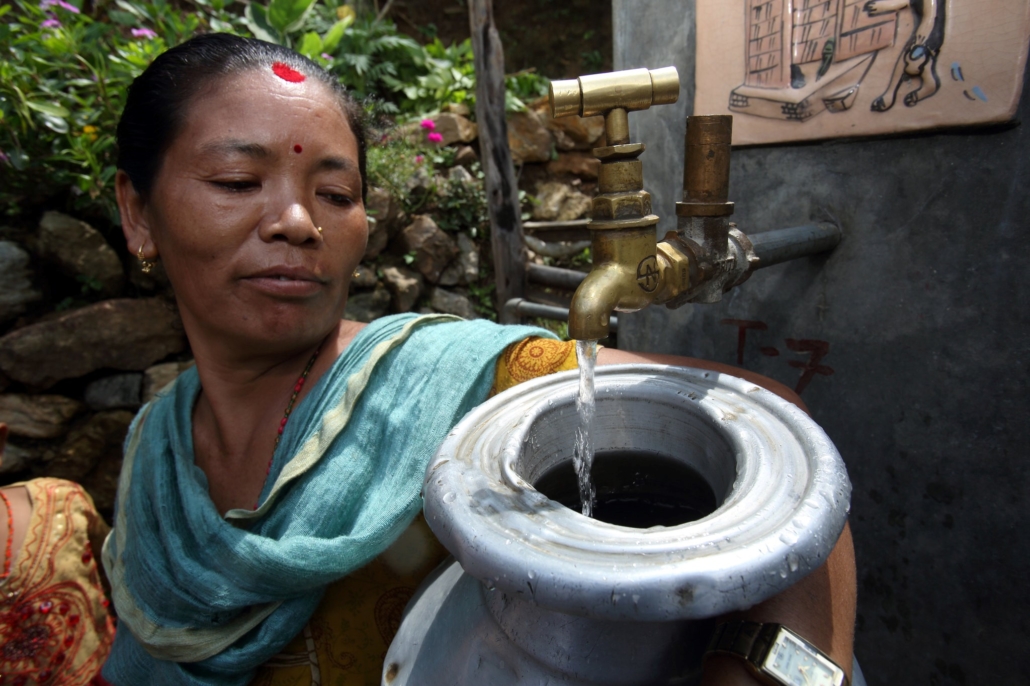
Water Disparities in NigeriaIn Nigeria, clean water does not always receive treatment as a public good available to everyone. Instead, access to clean water depends on the neighborhood a person lives in. As a result, the dangers of waterborne diseases affect low-income areas disproportionately. Additionally, clean water is a privilege pertaining to socioeconomic status rather than the public good it should be. Water disparities in Nigeria often affect those who need the most help.

The Problem of Water Contamination

Adriel Garrick, who grew up in Nigeria, knows about water inequality. Garrick told The Borgen Project that “When [she] was young [she] had a friend diagnosed with Typhoid,” an infection that drinking contaminated drinking water or food causes.  She also said that “[Her] friend did not know he was drinking polluted water, and he was in the hospital for about three weeks, then later passed away.”

Death from water contamination is not unusual. According to the CIA’s World Factbook, as of 2015, 42.7% of Nigeria’s rural population and 19.2% of its urban population lacked clean, reliable drinking water. Diarrheal diseases, usually from contaminated drinking water, are the fifth leading cause of death in Nigeria.

Nigeria’s rural population is in a worse situation than the urban population for one reason: wealth. Wealth is a massive determinant of who gets clean drinking water there.

Water Supply System in Nigeria

According to Chidozie Nnaji, a researcher at the University of Nigeria, Nigeria does not treat drinking water as a social right. “The government provides water for the highly placed and charges them peanuts, but the same gesture is hardly extended to the generality of the masses who have to provide (purchase) their own water,” Nnaji told The Borgen Project. “Water is perceived as a social right for the highly placed, but as an economic good for the rest of the people. What an irony!”

Nigeria has a privatized water supply, contributing to disparities between the access of the wealthy and the poor. “Privatized water supply in developing countries is known for little infrastructure investments, neglecting low-income areas, and prioritizing profit over service quality,” Ismaila Rimi Abubakar, an associate professor at the University of Dammam, told The Borgen Project.

Not only can privatized water add to economic disparities, but it is also often unhealthy. Water vending is not a sustainable solution, according to Abubakar.

“Water vending is supposed to be a stop-gap solution to water outages or for households not yet connected to piped water supply,” said Abubakar. “Water vendors have now become the primary source of water for numerous households, . . . they should not be allowed as a long-term solution. . . . Water vendors and packaged water are expensive and not free from contamination.”

UNICEF’s Solution to Clean Water

The United Nations Children’s Fund has been working with the Nigerian government since 2005 to implement the Water, Sanitation and Hygiene (WASH) program. The program aims to provide clean water to all of Nigeria and implement hygiene education and sanitation facilities. WaterAid is a global federation of nonprofits. It has an initiative working with the Nigerian government to provide clean water and sanitation to families who need it most.

Safe, clean water is a necessity for all people, not a privilege. Given the disparities in access to clean water in different economic sectors, it is clear that Nigeria is experiencing a crisis that will not be resolved until the country as a whole is able to claim clean water and the physical health that depends upon this resource as an essential human right.

– Sophia Gardner
Photo: Flickr

August 30, 2020
https://borgenproject.org/wp-content/uploads/borgen-project-logo.svg 0 0 Kim Thelwell https://borgenproject.org/wp-content/uploads/borgen-project-logo.svg Kim Thelwell2020-08-30 10:00:352024-05-29 23:22:35Water Disparities in Nigeria
Global Poverty, Water Crisis, Water Sanitation

10 Facts about Sanitation in Libya

sanitation in Libya
Libya is an arid country that has been facing sanitation and water inadequacies for decades due to its geographic location. The Sahara Desert covers most of Libya, and political turmoil has embroiled the country for years, aggravating its problems. Many humanitarian groups that act in the region, like UNICEF, have aimed to improve access to clean water and sanitation in Libya. Despite new funding, the region requires significantly more work.

These 10 facts about sanitation in Libya illustrate its problems with sanitation and water access, as well as different organizations’ efforts to improve the quality of life in one of the driest and most turbulent countries in the world.

10 Facts About Sanitation in Libya

  1. Ninety-five percent of Libya receives 100 millimeters or less of rainfall annually. This makes Libya one of the most arid countries in the world. Libya has consistently suffered from water scarcity and ranks 20th among the top 36 water-stressed countries. Political instability and military conflict have held the country back from meeting the water security and sanitation needs of its people. Currently, only 60% of all households in the country are connected to a reliable water source.
  2. The man-made river project (MMRP) provides 95% of Libya’s water. Despite being one of the largest civil engineering constructions in the world, the pipeline provides water that is considered unfit for drinking. Safer, bottled water is hard to come by. As such, many Libyans rely on the pipeline’s poor-quality water for drinking.
  3. Libya’s dependence on the pipeline creates risks for the country. Both people looking to sell parts on the market and political groups looking to gain influence in the capital have disabled wells throughout the MMRP.  In May 2019, a militant group forcefully shut down all pipelines to Tripoli for three days, depriving the city of water. These strains, as well as inadequate chemical treatment and equipment shortages, have damaged water quantity and quality. Badr al-Din al-Najjar, head of the National Center for Disease Control, declared that “all water is contaminated,” and “there is no drinking water” in the country.
  4. Unsafe drinking water increases Libya’s risk of waterborne illness. In July 2019, UNICEF spokesman for Libya Mostafa Omar estimated that nearly 4 million people out of Libya’s 7 million people would not have access to safe water in the event of a pipeline disruption. Diseases like cholera, hepatitis A and diarrhea may spread as a result of this lack of sanitation in Libya.
  5. Bacteria often contaminates each of Libya’s water sources. In fact, coliform bacteria has contaminated piped, well and transported water sources at a certain level. Piped water presents the largest risk, making up 55% of contaminated water samples. Additionally, 26% of contaminated samples came from well water, with the remaining 19% coming from transported water. In this environment, finding a reliable clean source of water is a struggle for many Libyans.
  6. UNICEF delivered drinking water to 106,000 Libyans in response to heightened needs in 2019. Approximately 41,000 of these people were located in conflict-affected areas. UNICEF also established services providing sanitation in Libya for 166,000 people and delivering hygiene items and information to 57,000 Libyans.
  7. This lack of water and sanitation has a particularly negative effect on girls. Girls who bring water to their homes or travel to use a latrine risk sexual assault when they venture out. Additionally, poor sanitary conditions make menstrual hygiene difficult to maintain, especially at school. In 2018, the Humanitarian Response Program invested $5.3 million in helping school-age children with a focus on helping girls navigate these problems.
  8. On average, 71 students share one toilet in Libyan schools. The Ministry of Education standard is 25 students per toilet. In these school bathrooms, there is soap 49% of the time, and 17% of schools have soap on occasion.
  9. In Libyan schools, 54% of water contains potentially harmful bacteria. Some of these bacteria raise serious concerns. For example, E.Coli has emerged in 10% of water samples. UNICEF and the National Center for Disease Control have prioritized funding projects that brought water and sanitation improvements to schools. Such projects benefited conditions for 10,000 school children only months after their implementation, improving sanitation in Libya.
  10. In 2019, there were 267,000 people in need of safe drinking water, improved sanitation facilities and hygiene-related items and information. In 2020, only 242,000 people are in need of UNICEF’s WASH services. However, the effects of COVID-19 and continued violence through the pandemic are likely to create more work for humanitarian groups over the next few years.

These 10 facts about sanitation in Libya address concerns that have existed for years. Clean water is scarce, and many citizens drink water unfit for consumption. Military conflict has destabilized the country, and many Libyans are having increased difficulty finding clean water and taking proper sanitary measures during the COVID-19 pandemic. Despite the incredible circumstances in the country, however, many organizations working to ensure that thousands of Libyans receive access to the resources they need.

– Brett Muni
Photo: Flickr

August 27, 2020
https://borgenproject.org/wp-content/uploads/borgen-project-logo.svg 0 0 Jennifer Philipp https://borgenproject.org/wp-content/uploads/borgen-project-logo.svg Jennifer Philipp2020-08-27 07:30:332024-05-29 23:22:2410 Facts about Sanitation in Libya
Developing Countries, Global Poverty, Health, Water Sanitation

4 Technologies Improving Water Sanitation

Improving Water Sanitation
According to the World Health Organization (WHO), 3.4 million people die annually from water-related diseases. These illnesses disproportionately affect children, making up 90% of the 2.2 million deaths that diarrhea causes every year. Trachoma, another condition that unclean water causes, is the leading cause of preventable acute blindness across the world. Simple filtration mechanisms can prevent all of these water-related diseases. Yet, the world’s poor lack access to the life-saving filtration devices available in other parts of the world, leaving them with high numbers of water-borne diseases. New technologies improving water sanitation are reaching the impoverished and saving new lives each day. Here are four innovative technologies helping to guarantee clean water for all.

4 Technologies Improving Water Sanitation in Developing Countries

  1. The Drinkable Book. The effect of The Drinkable Book is two-fold. First, it provides vital water sanitation information to readers in the developing world who would not otherwise receive such education. Second, the pages of the book themselves act as water filters. These filters are incredibly effective, removing 99.9% of all bacteria to make water safe to drink. The books have experienced distribution across Haiti, India and several countries in sub-Saharan Africa. One book can produce 5,000 liters of clean drinking water to users, or enough to last up to four years.
  2. Fog Catchers. The Morocco-based nonprofit Dar Si Hmad has developed a revolutionary new technology that improves water sanitation by harvesting water from fog. The device consists of large nets built on the sides of mountains that collect moisture from the air and store it for later use. Dar Si Hmad has intentionally involved women in the organization and maintenance of the project in order to provide a holistic community impact. The new technology can produce up to 6,300 liters of water per day and has garnered attention from international investors across the world.
  3. Livinguard Water Filter. The India-based company Livinguard developed an innovative way to fight water-related diseases in India and across the world. The Livinguard water filter has a design suitable for remote locations and depends only on gravity to function. The installation process takes under three hours and the filter lasts up to seven years, making it reliable easy to use. The Livinguard filter uses microscopic knives rather than potentially hazardous chemicals to provide safe drinking water for consumers.
  4. Ceramic Filters. Places across the world are using ceramic water filters as affordable ways to limit the spread of water-related diseases. With microscopic pores that filter out bacteria and other impurities, potable water can pass through. Many have touted these filters as the most cost-effective water sanitation devices and have thus been in wide use worldwide. Ceramic filters caused a 50% reduction in diarrheal disease in Cambodia since 2002, demonstrating the power of this technology in combating water sanitation issues.

These devices exhibit the innovation necessary to rid the world of prevalent yet avoidable water-related diseases. Entrepreneurs across the world are challenging the deaths that lack of clean drinking water causes head-on. With the continued development of new technologies aimed at improving water sanitation, there is hope that water-related diseases might become preventable for all.

– Garrett O’Brien
Photo: Flickr

August 24, 2020
https://borgenproject.org/wp-content/uploads/borgen-project-logo.svg 0 0 Kim Thelwell https://borgenproject.org/wp-content/uploads/borgen-project-logo.svg Kim Thelwell2020-08-24 11:30:432024-05-29 23:18:584 Technologies Improving Water Sanitation
COVID-19, Global Poverty, Sanitation, Water Sanitation

10 Facts About Sanitation in Guam

Sanitation in Guam
Guam is a U.S. island territory in the Western Pacific with a population of slightly less than 170,000 people. There are multiple U.S. military bases on the island, which many consider critically important bases for U.S. strategic interests in the Pacific. The bases also provide the island with its principal source of income. Aside from being one of the military’s crown jewels, Guam has a rich indigenous (Chamorro) culture and beautiful coral reefs surround it. While not as beautiful but still impressive, Guam has a relatively robust system of sanitation. Here are 10 facts about sanitation in Guam.

10 Facts About Sanitation in Guam

  1. Widespread Access to Safe Drinking Water: According to the World Health Organization (WHO), nearly 100% of people in Guam have access to a safe source of drinkable tap water. However, international travelers have only scored Guam’s drinking water as “moderate” in the categories of quality, pollution and accessibility.
  2. The EPA Funding Water Projects: In 2020, the U.S. Environmental Protection Agency (EPA) is committing more than $10 million to improve Guam’s drinking water. This money is going toward upgrading infrastructure, treatment systems and distribution facilities. Plans are also in place to promote water re-use and to develop methods of recycling the large amounts of stormwater that Guam receives.
  3. Improved Sanitation Facilities: Nine out of 10 people in Guam have access to an improved sanitation facility. This is a good sign for Guam’s population and its efforts to promote a sanitary society.
  4. Trash Collection: Guam Solid Waste Authority (GSWA) provides a trash collection service essentially identical to the service found in the vast majority of continental United States cities. Paying customers (~16,000) receive rollable trash bins which they place outside their homes on a specified day. Trucks collect this garbage and then dump it in a landfill. Non-paying customers can also bring their trash to a local servicing station.
  5. Recycling: Customers of GSWA also receive recycling carts for paper products, aluminum/metal cans and certain plastics. GSWA collects recycling twice a month. Similar to trash collection, non-paying customers can recycle at local “residential transfer stations.” These stations also have facilities for recycling glass and cardboard.
  6. Coastal Cleanup: Guam holds an annual coastal cleanup day every September. Thousands of volunteers partner with NGOs and governmental organizations to keep Guam’s beaches clean. This is one way that local people prioritize their island’s sanitation.
  7. COVID-19 Risk Due to Bases: One might consider that Guam should be able to combat COVID-19 easily because of its remote location in the middle of the Pacific Ocean, however, the presence of two major military bases heightens the risk of disease spread on the island. In fact, U.S. military bases are often COVID-19 hotspots. With 35 airmen testing positive for the disease at Anderson Air Force Base, Guam is no exception.
  8. COVID-19 Measures: Guam has declared a state of emergency due to the global pandemic. The government requires that citizens wear a face mask when using public transportation, and they strongly recommend that people wear a mask whenever in public. Stores are taking extra precautions through increased sanitation, and most restaurants have closed for dine-in services, but many are preparing to re-open.
  9. Grocery Delivery: A village mayor in Guam has partnered with a local Pay-Less supermarket to provide a grocery delivery service to all village residents. The service is called Grocery to Go and provides a safe way for citizens to obtain food during the global health emergency.
  10. Mask Donations: GTA Teleguam, the largest telecommunications company in Guam, is donating 10,000 masks to healthcare clinics and nonprofits on the island. This is a massive boon for families struggling financially, as they will not have to worry about purchasing these critical sanitation items.

As these 10 facts about sanitation in Guam show, the island has a solid foundation of water, sanitation and trash systems. The massive coastal cleanup and the community-driven efforts to combat the spread of COVID-19 clearly demonstrate the commitment of the islanders to their home. Although the pandemic is putting Guam’s sanitation and health facilities to the test, individual citizens and organizations are rising to the challenge.

– Spencer Jacobs
Photo: Department of Defense

August 19, 2020
https://borgenproject.org/wp-content/uploads/borgen-project-logo.svg 0 0 Kim Thelwell https://borgenproject.org/wp-content/uploads/borgen-project-logo.svg Kim Thelwell2020-08-19 07:11:592024-12-13 18:02:1110 Facts About Sanitation in Guam
Global Poverty, Sanitation, Water Quality, Water Sanitation

5 Things to Know About Water in Afghanistan

Afghanistan’s population of 36 million has suffered violent conflict in recent history. According to the UN, the scarcity of water in Afghanistan remains the greatest obstacle blocking its path to national stability. Here are five things to know about water in Afghanistan.

5 Things to Know About Water in Afghanistan

  1. Afghanistan’s instability has brought more than war to the people who live there. According to the United Nations, the worst result of the political unrest and lack of sound government in Afghanistan is lack of water accessibility. A reported 22 of Afghanistan’s 34 provinces currently suffer from drought. Only 67% of people have access to safe drinking water.
  2. Most people in Afghanistan do not have access to proper sanitation. Only 43% of people in Afghanistan have access to safely managed sanitation, meaning citizens must be separated from contact with human waste. Diarrhoeal diseases, caused by poor sanitation, are the second most frequent cause of death for children under five years old, with a mortality rate of six out of 1,000 live births.
  3. Afghanistan has enough water for all of its people. The nation’s five prominent basins have the potential to provide around 3,063 cubic meters of water per capita. Therefore, the problem lies not with water availability but the government’s capacity to distribute it to the people. The government uses less than 60% of the water in four out of those five basins. The constant and destructive war seen recently in Afghanistan has largely destroyed the country’s water management system.
  4. Glacial depletion has contributed greatly to these problems. The glaciers of the Hindu Kush mountain range have long provided the majority of Afghanistan’s water. Due to rising average temperatures, however, these glaciers face depletion. Estimates predict that the Hindu Kush glaciers will lose 36% of their mass by the year 2100, initially causing destructive flooding and eventually leading to further drought. Afghanistan has also recently seen a 62% drop in precipitation. The Ministry of Water and Energy has identified glacier depletion as the cause of its troubles.
  5. Despite these challenges, organizations are stepping in to help. UNICEF has named open defecation and a severe lack of water distribution in impoverished regions as major contributors to Afghanistan’s sanitation problem. The organization aims to eliminate open defecation by 2025 through public education about building and using latrines to keep people healthy. UNICEF has also helped the Ministry of Rural Rehabilitation and Development implement a water supply project to reconstruct the nation’s water systems. USAID has stepped in as well to impact the situation. With the help of USAID, 1.5 million people received drinking water access between 2008 and 2017 and 200,000 people received improved sanitation between 2008 and 2017.

While access to water and sanitation remains a major issue in Afghanistan, the situation is improving. UNICEF reports that in 2017, almost 300,000 people in Afghanistan gained clean water access. The percentage of people in Afghanistan practicing open defecation dropped from 26.2% to 12.74% between 2000 and 2017. Since then, the efforts of organizations such as UNICEF and USAID continue to make a positive impact on sanitation and water in Afghanistan. 

– Will Sikich
Photo: Flickr

August 11, 2020
https://borgenproject.org/wp-content/uploads/borgen-project-logo.svg 0 0 Jennifer Philipp https://borgenproject.org/wp-content/uploads/borgen-project-logo.svg Jennifer Philipp2020-08-11 13:30:232020-08-07 11:55:235 Things to Know About Water in Afghanistan
Development, Global Poverty, Health, Water Sanitation

10 Facts About Sanitation in Gabon

Sanitation in GabonGabon, officially known as the Gabonese Republic, is a coastal country about the size of Colorado, home to 2.1 million people. Independent of French imperial rule for only 60 years, the country maintains strong ties to European and American markets. Gabon neighbors the Atlantic Ocean to its west and many rivers inland, from the Ogooue to the Ivindo. Despite its recent development, however, poverty and access to basic sanitation still plague about one-third of the population. Here are 10 facts about sanitation in Gabon: both the present and plans for the future.

10 Facts about Sanitation in Gabon

  1. The country is working toward providing clean water to all. Gabon’s first Libreville Integrated Drinking Water Supply and Sanitation Program aims for universal access to sustainable forms for attaining drinking water and sanitation services by 2025. This program plans to expand the drinking water network out from the capital; by doing so, drinking water will reach about 300,000 more people in surrounding areas. The cities of Akanda, Owendo and Ntoum will all benefit from this infrastructure.
  2. Every home could soon have its own sanitation equipment. The use of shared sanitation in Gabon, or sanitation services utilized by two or more households, has significantly dropped from 36% of the population in 2003 to 27% in 2017. This is largely due to the increase in infrastructure for these services and outreach programs implemented by the government and international agencies.
  3. Defecating in public is uncommon, but back on the rise. Open defecation in Gabon is presently low, with 3% of the total population in 2017 compared to other countries like Niger (68%) and Ghana (18%). However, this figure actually shows an alarming increase from 2000, when a mere 1% of the population practiced open defecation.
  4. Disparities in access to water and sanitation are interconnected. In 2017, from the organized efforts of the WHO and UNICEF, it was reported that 90% of Gabon’s urban areas had access to drinking water but only 49% of households had access to basic sanitation services. In rural areas, availability drops significantly to 55% and 37%, respectively. Such disparities can be attributed to the lack of infrastructure and the wealth gap seen between the two areas.
  5. Education is helping to improve sanitation. Total Gabon and French organization Sensibilisation, Sante, Sexualite (3S) have been spearheading vital health programs in schools since 2017. These comprehensive programs aim to decrease the infant mortality rate and unsafe abortions. This will be done through education on sexual health, female hygiene and sanitation. As of 2017, over 40,000 people have learned the importance of family planning, contraception and pregnancy management. The program has also trained 42 young peer educators, who will become instrumental in further spreading valuable lessons on sanitation.
  6. Poor sanitation leaves Gabon’s citizens vulnerable to food and water-borne illnesses. According to a 2020 report from The World Factbook, people in Gabon are at a very high risk of food or waterborne diseases like bacterial diarrhea; however, deaths caused by diarrheal diseases have dropped by 22.8% from 2007 to 2017.
  7. Industrial pollution contributes to sanitation issues. In many underdeveloped countries, pollutants from excessive chemical use in agriculture and logging severely contaminate waterways. With Gabon’s robust timber industry, this phenomenon is especially apparent. Luckily, though, the country has dedicated one of its three pillars for a better future to environmental sustainability: “Green Gabon,” has diversified the job sector to reduce strain on the timber industry, lessening the amounts of air and water pollution byproducts. This translates into better conservation efforts, drinking water, disease and sanitation in Gabon.
  8. Drainage systems offer hope for improved sanitation. The Nzeng Ayong Watershed Management Project in Gabon incorporated a water drainage system in urban areas to improve sanitation in Gabon. As part of the National Indicative Program of the European Union, these drainage pipes and sanitation framework provided easy transport of wastewater. This helps prevent water-borne diseases and floods for 30,000 people in Libreville.
  9. COVID-19 is exacerbating current sanitation problems. Due to the global pandemic, many in Gabon are suffering a hard hit to their economy and the resulting unemployment. Nearly 250,000 additional people are now unable to pay their water bills, severely restricting access to drinking water. Gabon’s Budget Support Programme in Response to the COVID-19 Crisis not only intends to cover bills for those 250,000 people but also to distribute food aid to 60,000 people in its first phase alone.
  10. International aid organizations are getting involved. The World Bank and UNICEF have provided significant aid to Gabon. The World Bank has contributed $9 million to improve the country’s sanitation by supplying equipment like ambulances, personal protective equipment (PPE) and diagnostic kits. This money will also fund proper medical training and two new COVID-19 diagnostic centers. UNICEF has focused on supporting children in Gabon during COVID-19: the organization has funded sanitation kits, COVID-19 awareness campaigns, HIV/AIDS prevention initiatives and other educational efforts to 950 children without parental care. Mental and psychological resources have also been extended to 6,608 kids. Safe and accessible sexual abuse reporting systems have reached 811 people.

Universal sanitation and related basic needs are clearly part of an intricate web that entangles a host of other internal problems. With the rising influence of existing and emerging domestic and international programs, these investments will improve sanitation; this will ultimately move Gabon toward a healthier future.

– Mizla Shrestha
Photo: Flickr

August 4, 2020
https://borgenproject.org/wp-content/uploads/borgen-project-logo.svg 0 0 Kim Thelwell https://borgenproject.org/wp-content/uploads/borgen-project-logo.svg Kim Thelwell2020-08-04 12:58:212024-05-29 23:18:5910 Facts About Sanitation in Gabon
Global Poverty, Sanitation, Water Quality, Water Sanitation

PepsiCo Foundation Improving Global Access to Water

Billions of people around the globe lack consistent access to a safe water supply. Currently, over 40% of the world population struggles with water scarcity, and experts predict the situation will only worsen due to population growth and climate issues.  Water scarcity not only impacts a community’s sanitation and health, but also its economy and the education of its people.  Recognizing the gravity of this global issue, organizations like the PepsiCo Foundation have committed themselves to improving the situation.

The PepsiCo Foundation was created in 1962 as the philanthropic branch of PepsiCo. The foundation partners with various nonprofits to invest “in the essential elements of a sustainable food system” in vulnerable regions.  One of the company’s biggest priorities has been addressing water scarcity.  In 2006, the PepsiCo Foundation announced its mission to provide clean water access to 25 million people by 2025.  Already exceeding this goal, the organization is now hoping to extend its efforts to aid 100 million people by 2030.

Partnerships

One of the main ways the PepsiCo Foundation improves global access to water is through financial aid to organizations that do the groundwork in the areas most affected by water scarcity.  Since 2008, the PepsiCo Foundation has given roughly $34 million in grant aid to clean water access programs around the world.  Grant recipients include Water.org, the Safe Water Network, and the Inter-American Development Bank’s AquaFund. PepsiCo’s most notable partnership has been with WaterAid, an international nonprofit that has worked to bring clean water to 25.8 million people since 1981. In 2018, PepsiCo gave $4.2 million to WaterAid.

WaterAid welcomed the partnership saying, “[s]trong public-private partnerships drive scalable and lasting impact, and we are proud to work with PepsiCo to bring clean water to hundreds of thousands of people in need.”

With this grant, WaterAid predicted the PepsiCo Foundation would help to bring clean water access to more than 200,000. Since then, PepsiCo has continued its partnership with WaterAid as the organization pursues projects in Southern India.

Impact in India

India is one of 16 countries that are considered to have extremely high water risk.  Of these countries, India has the highest population. The PepsiCo Foundation and WaterAid have concentrated the clean water initiatives in India to the rural villages that are plagued by water shortages, hoping to make the greatest impact possible.  In 2019 the organizations worked in three towns—Palakkad, Nelamangala and Sri City—to improve water storage and access.

Since 2016, Palakkad has experienced extreme water shortages, impacting the economy and health of the region.  By August 2019, PepsiCo and WaterAid successfully brought clean water access to the village by building a clean water storage tank.  The partnership also brought 24-hour water access to many families by installing water tap systems into 32 homes.  Similarly, the organizations were able to build 21 tap stands in Sri City.

The PepsiCo Foundation and WaterAid were able to make a tremendous impact in Nelamangala, India, by bringing water to households and schools.  In addition to installing water storing tanks and tap systems, PepsiCo and WaterAid built rainwater collection systems on several rooftops in the village.  This project brought clean water to 49 families in the Nelamangala. PepsiCo and WaterAid also made clean water supply systems in 18 schools, bringing easy water access to over 5,000 students in the region.

Continued Commitment to Clean Water Access

Through the company’s many projects and grants, PepsiCo has made it clear that the company regards clean water access as one of the most urgent issues the world faces today.  The organization’s renewed goal is to provide 100 million people with clean water supply by 2030. With this goal, it looks like the PepsiCo Foundation will remain committed to improving water access around the world for years to come.

– Mary Kate Langan
Photo: Flickr

July 31, 2020
https://borgenproject.org/wp-content/uploads/borgen-project-logo.svg 0 0 Lynsey Alexander https://borgenproject.org/wp-content/uploads/borgen-project-logo.svg Lynsey Alexander2020-07-31 13:31:182024-12-13 18:02:06PepsiCo Foundation Improving Global Access to Water
Page 6 of 16«‹45678›»

Get Smarter

  • Global Poverty 101
  • Global Poverty… The Good News
  • Global Poverty & U.S. Jobs
  • Global Poverty and National Security
  • Innovative Solutions to Poverty
  • Global Poverty & Aid FAQ’s
Search Search

Take Action

  • Contact Your Leader
  • Donate
  • 30 Ways to Help
  • Volunteer Ops
  • Internships
  • Courses & Certificates
  • The Podcast
Borgen Project

“The Borgen Project is an incredible nonprofit organization that is addressing poverty and hunger and working towards ending them.”

-The Huffington Post

Inside The Borgen Project

  • Contact
  • About
  • Financials
  • President
  • Board of Directors
  • Board of Advisors

Get Smarter

  • Global Poverty 101
  • Global Poverty… The Good News
  • Global Poverty & U.S. Jobs
  • Global Poverty and National Security
  • Innovative Solutions to Poverty
  • Global Poverty & Aid FAQ’s

Ways to Help

  • Contact Your Leader
  • Donate
  • 30 Ways to Help
  • Volunteer Ops
  • Internships
  • Courses & Certificates
  • The Podcast
Scroll to top Scroll to top Scroll to top