Libya has been embroiled in conflict for more than a decade, leaving millions of its citizens in poverty. The ongoing violence has crippled the economy, with limited access to essential services like food, clean water and health care. The World Bank estimates that more than 1.3 million Libyans live in poverty, struggling to meet basic needs, as of 2017. Economic instability, food shortages and inflation have worsened living conditions for those already vulnerable. Many families rely on humanitarian aid for survival, while education and job opportunities remain scarce, particularly in rural areas. Poverty in Libya is not just a lack of resources but a consequence of enduring instability and the breakdown of social and economic systems. In response, several charities are operating in Libya to alleviate poverty and create long-term solutions.
Organizations like the Libyan Red Crescent and WeWorld-GVC focus on providing immediate relief through food, medical assistance and shelter, while also investing in sustainable development projects. These efforts aim to rebuild infrastructure, improve access to clean water and health care and offer educational opportunities. By addressing both immediate and underlying issues, these organizations are working to uplift communities and restore hope for a stable future. Here are five charities operating in Libya.
Libyan Red Crescent
The Libyan Red Crescent (LRC) provides essential health care, emergency relief and psychosocial support throughout Libya. The LRC has been instrumental in responding to natural disasters such as floods and droughts, providing clean water and sanitation services to prevent disease outbreaks like cholera, benefiting many Libyans.
LRC’s collaboration with the International Federation of Red Cross and Red Crescent Societies (IFRC) amplified their efforts. This partnership has allowed for broader outreach through health and hygiene awareness campaigns, particularly aimed at reducing waterborne diseases. These efforts ensure that Libyans receive the support they need to survive during times of conflict and crisis.
WeWorld-GVC
WeWorld-GVC (WW-GVC) is focusing on addressing Libya’s crumbling water infrastructure. The civil war has damaged much of the water supply, leaving many without access to clean drinking water. WW-GVC has repaired and restored water treatment plants and wells, providing safe water to more than 60,000 Libyans. This effort has drastically reduced the spread of diseases that contaminated water causes, such as cholera and dysentery.
In addition to physical infrastructure, WW-GVC is educating communities on hygiene practices. Its hygiene awareness programs have reached more than 20,000 Libyans, providing essential knowledge that has contributed to better public health. Its work ensures that vulnerable populations in conflict zones receive life-saving resources.
Doctors Without Borders
Doctors Without Borders (MSF) has been at the forefront of medical aid in Libya, particularly for refugees and migrants in detention centers and conflict zones. MSF provides mobile medical clinics, which offer essential health care, including maternal services and treatment for chronic diseases.
MSF has been crucial in providing medical aid to those who are most vulnerable, especially refugees living in detention centers, where medical services are nearly non-existent. Its mental health services also help individuals cope with the long-term psychological effects of conflict and displacement.
Tawergha Foundation
The Tawergha Foundation focuses on helping displaced families from the Tawergha minority, many of whom were forced to flee during the civil war. Tawergha Foundation promotes employment and educational services to these families, providing financial support and training. The organization has also helped shine a light on the plight of the Tawergha people through activism and awareness campaigns.
Tawergha Foundation’s main goal is the resettlement of the Tawergha people, as well as this however, they are focusing on long-term development. The organization works with local authorities and international companies such as Microsoft and Samsung to secure resources, infrastructure and skills helping displaced Libyans begin rebuilding their lives.
The National Democratic Institution
The National Democratic Institution (NDI) is working to equip the nation’s youth with the skills necessary to contribute to Libya’s recovery. Through programs focused on promoting peace through art, advocating for the rights of people with disabilities, supporting environmental protection and combating bullying in schools, NDI has reached many young Libyans. These initiatives aim to develop leadership and community-building skills that will be essential in rebuilding Libya’s infrastructure and promoting peace.
NDI’’s focus on youth empowerment serves as a crucial investment in Libya’s future. By offering projects aimed to empower young people to make a positive impact on their communities, the organization is ensuring that young Libyans prepare to lead the country toward stability and prosperity.
Conclusion
The ongoing conflict in Libya causes immense suffering, but the charities operating in Libya like the Libyan Red Crescent, WeWorld-GVC, Doctors Without Borders, the Tawergha Community Association and the Libya Youth Forum are bringing hope to millions. Through efforts in health care, clean water access, education and support for displaced families, these organizations are making a meaningful impact. Their work helps address Libya’s immediate needs while laying the foundations for long-term recovery and stability.
– Harriet Conway
Harriet is based in London, UK and focuses on Good News and Global Health for The Borgen Project.
Photo: Flickr
 According to the U.N., fortunately, from 2015 to 2022, the population using
  Access to clean water is a basic necessity many of us take for granted. Yet, this is a harsh reality for
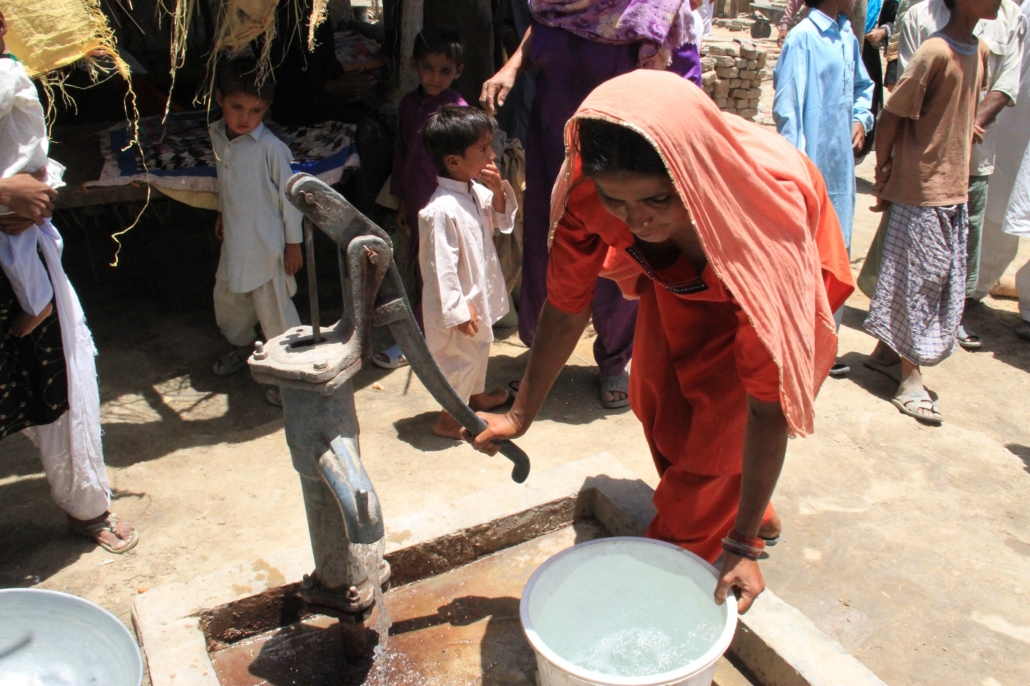 In the complex network known as global health, one silent crisis stands out as a major threat to vulnerable populations: poor water, sanitation and hygiene (WASH). This issue continues to have a lasting negative impact on the general well-being of populations in low and middle-income communities, highlighting a strong correlation between inadequate WASH conditions and the prevalence of poverty. Within the field of public health, access to clean water is not only a crucial aspect regarding well-being, but also a fundamental human right.