
Water poverty in Nigeria is still a pressing issue today. Only 30% of Northern Nigeria’s population can access safe drinking water and adequate sanitation facilities. The subsequent use of unclean water leads to the spread of waterborne diseases such as cholera, guinea worm and hepatitis. The lack of water has impaired the livelihoods of farmers and led to a lower enrollment rate at schools, especially for girls. However, the situation is not without aid.
The History of Water Poverty in Nigeria
Since 1995, Nigerians have benefited from WaterAid, a charity organization that has established a multitude of water and sanitation projects. The organization works through partnerships with local government authorities, civil society groups and state agencies to implement its programs. The projects have led to progress in development plans and data collection efforts that have increased clean water supply and access to safe toilets.
WaterAid has worked to improve water poverty in Nigeria by implementing its services in more than 100 of Nigeria’s most impoverished communities, which include:
- Abuja, the Federal Capital Territory, where only 7% of the population acquires safe tap water.
- Bauchi State where less than 50% of people can access safe water and sanitation.
- Benue State where most streams face contamination.
- Ekiti State where the main source of domestic water is pre-packaged water sachets and water vendors during the dry season.
- Jigawa State where waterborne diseases are common.
- Plateau State where most households rely on an unsafe water supply from government sources.
WaterAid, along with government support, has provided more than 3 million Nigerians with clean water, hygiene and sanitation.
The Data4WASH Programme
The Abuja-based nonprofit Media for Community Change and U.S.-based NGO BLI Global have a similar goal of eliminating water poverty in Nigeria. On August 27, 2020, the two organizations formed a partnership to launch the Data4WASH Programme. The program consists of an interactive online platform that accumulates data and maps GPS coordinates. It then creates a map that water-impoverished communities can utilize to advocate for themselves.
Through the map, empirical and widespread evidence can prove the need for adequate investment in the design and installation of clean water and sanitation facilities. Additionally, the program empowers civil society by involving them in the national initiative to improve water poverty in Nigeria. The map encourages people to identify and report water-deficient and poorly sanitized areas in their communities. For instance, final year students from the Department of Statistics at the University of Ibadan will participate in the data collection process.
COVID-19
The Data4WASH Programme has been especially valuable after COVID-19 disrupted Nigeria’s progress in alleviating water poverty. According to WaterAid, 60 million Nigerians lack access to a clean water supply and services and 150 million people lack basic hand-washing facilities with soap and water.
By enhancing data collecting processes, Nigeria can fortify its most vulnerable communities and health care systems to withstand the present detriments of COVID-19. Further, it can institutionally protect against potential health threats in the future. These measures established by the Data4WASH Programme’s interactive map system would also satisfy U.N. SDG 6 — “clean water and sanitation access for all, including safe and affordable drinking water.”
Locally crafted, community-driven initiatives like the Data4WASH Programme and intergovernmental organizations are vital to ending global poverty. One sets guidelines and the other provides outlets that encourage entrepreneurship. The two must work together to end water poverty in Nigeria and all around the world.
– Joy Arkeh
Photo: Flickr
 Drinkwell is an
 Globally, at least 2 billion people do not have access to clean water. The ability to access clean water supplies and sanitation is a vital aspect of a country’s development. Improved water supply and sanitation positively affect economic growth and poverty reduction as water is essential domestically and agriculturally. Furthermore,
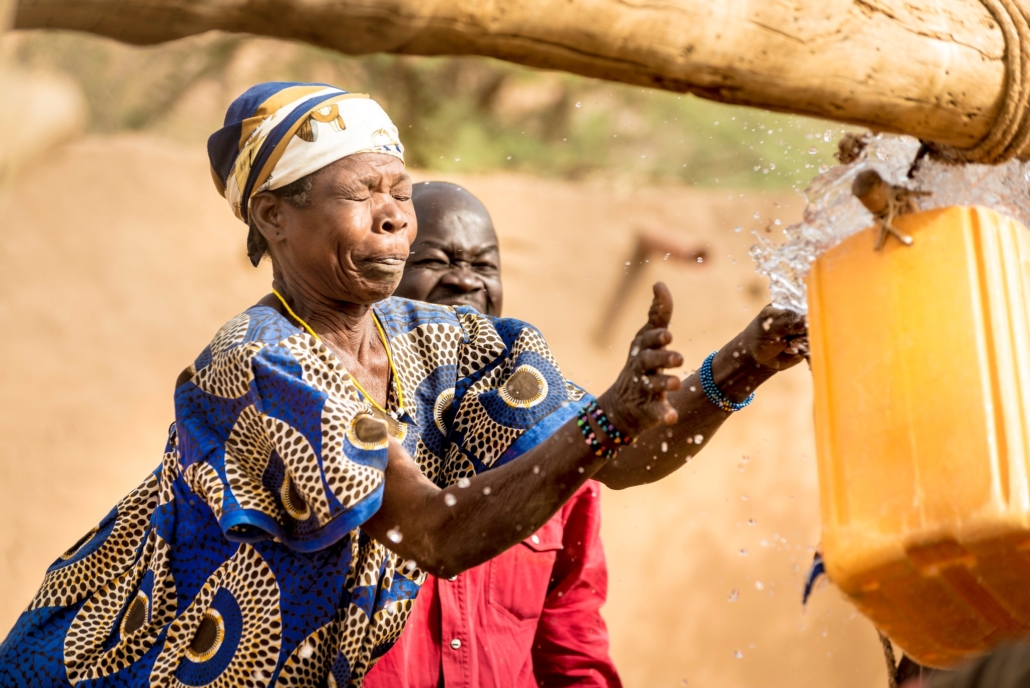
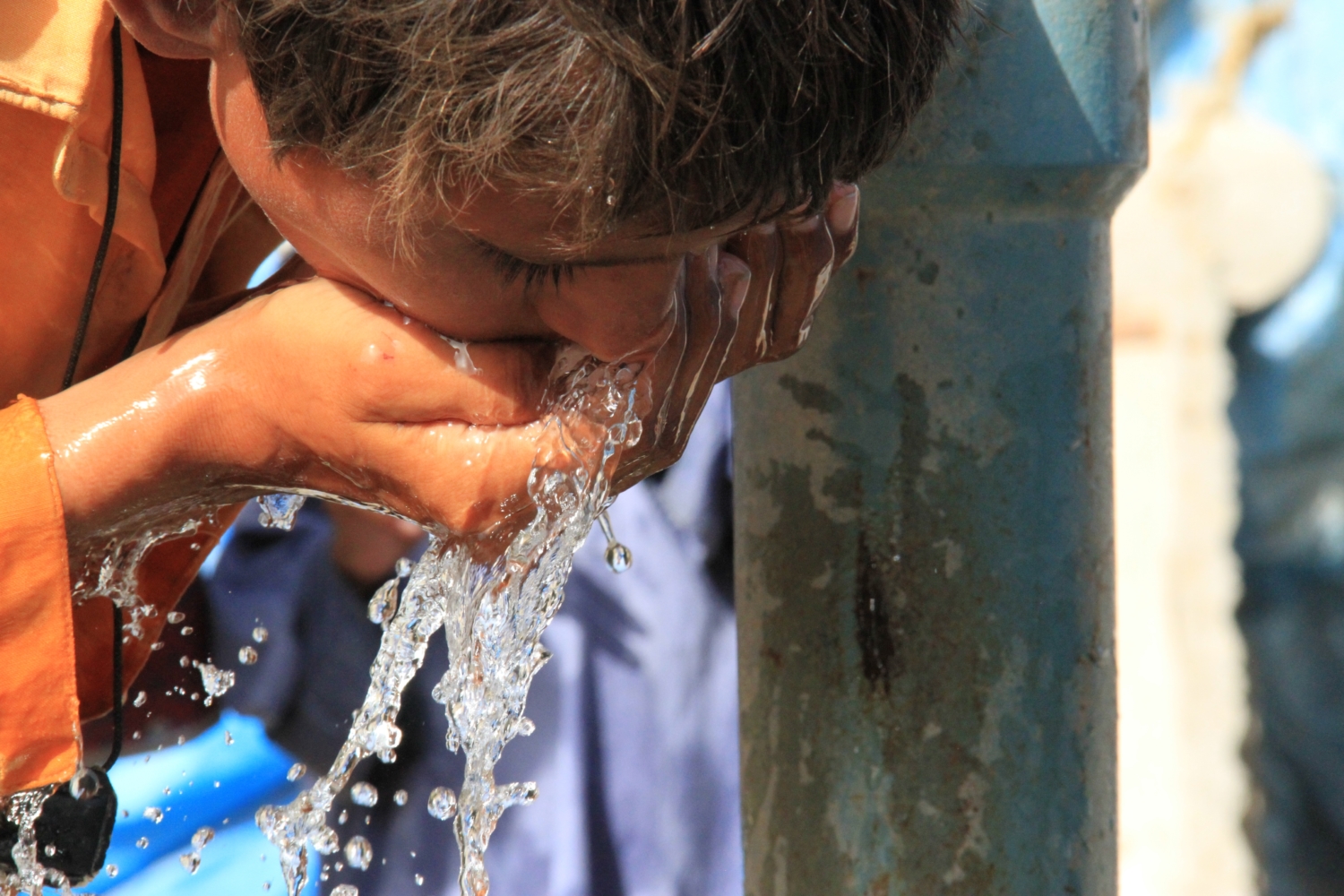 The United Nation’s sixth Sustainable Development Goal is devoted to enhancing clean water and sanitation. Specifically, it calls for equitable access to clean drinking water and basic sanitation for all by 2030. However, nearly one-third of the global population lacks access to clean drinking water. Some companies are making solutions to this problem in the form of apps improving access to clean water.
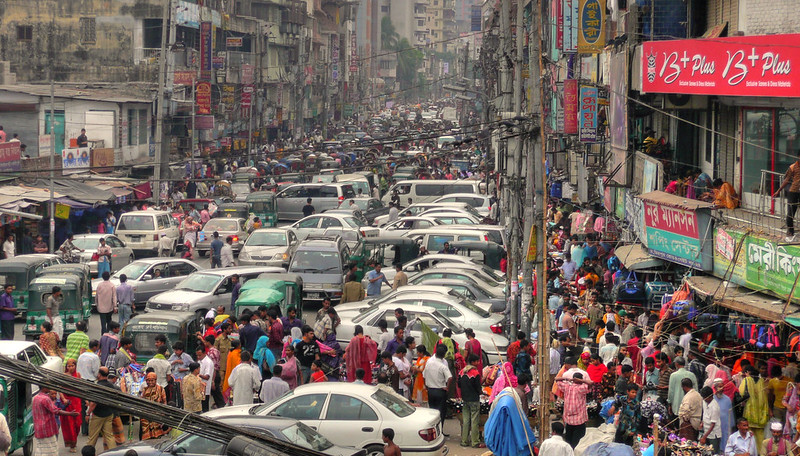 Pollution impacts people’s air, water and food worldwide. In general, pollution affects impoverished individuals the most.
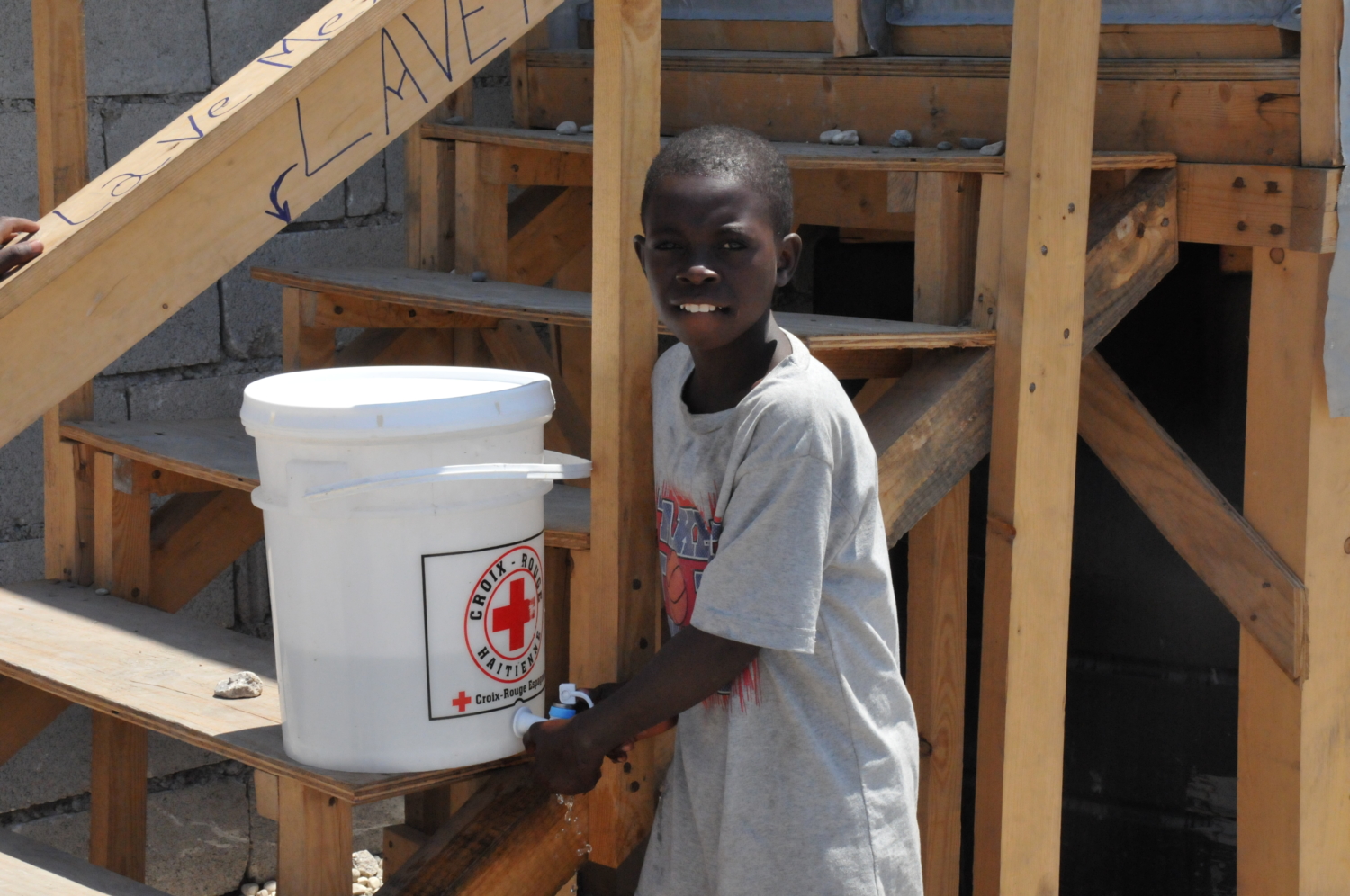 COVID-19, the disease caused by the coronavirus, is often spread through airborne droplets released by breathing or talking and by touching infected surfaces. Good hygiene is therefore an initial line of defense in preventing viral infection. However, hand washing requires access to clean water and effective sanitation. While COVID-19 has changed the way people think about hygiene, the lack of access many people in developing countries have to sanitation during COVID-19 remains the same.

 The Islamic
