Poverty and Cultural Heritage Preservation in Ghana Ghana, known for its vibrant culture and historical significance, faces the dual challenge of poverty and the need for sustainable development. This West African nation’s rich traditions not only draw tourists but also serve as pillars for economic support. Preserving Ghana’s cultural heritage could be a key strategy in combating poverty and enhancing sustainable development. By leveraging its rich history and diverse cultural assets, Ghana could empower local communities and stimulate economic growth, addressing poverty through cultural conservation.

Cultural Heritage as an Economic Catalyst

Preserving Ghana’s cultural heritage offers more than a nostalgic look back; it promises economic revitalization. Ghana, known for its ancient traditions and diverse ethnic groups, provides a rich foundation for cultural tourism. Consider the UNESCO World Heritage Sites like Cape Coast Castle and Elmina Castle, which stand as powerful reminders of the nation’s intricate history. These sites preserve the memory of the transatlantic slave trade and serve as economic engines through tourism. Similarly, initiatives like the Nzulezu Stilt Village in the Western Region showcase the unique architectural heritage of Ghana’s indigenous communities. There, guided tours and local craftsmanship provide sustainable livelihoods for the residents.

Community-Based Approaches

Empowering the community is central to successfully preserving cultural heritage in Ghana. Community-based approaches focus on actively involving local populations in every part of the decision-making process, aligning preservation initiatives with the cultural values and aspirations of the people. For example, the Nzulezu Stilt Village serves not only as a tourist attraction but also showcases the resourcefulness and ingenuity of the Nzema community in surviving and thriving in their environment.

Residents actively participate in managing the site and guide visitors on how to care for the surrounding ecosystem. Similarly, the Ghana Museums and Monuments Board collaborates with communities across the nation to develop heritage conservation plans that incorporate traditional knowledge and practices.

These ongoing initiatives have raised awareness among communities about their roles as custodians of their heritage, empowering them with greater ownership and agency. This empowerment helps ensure social cohesion and resilience against external forces of change.

Traditional Knowledge for Sustainable Development

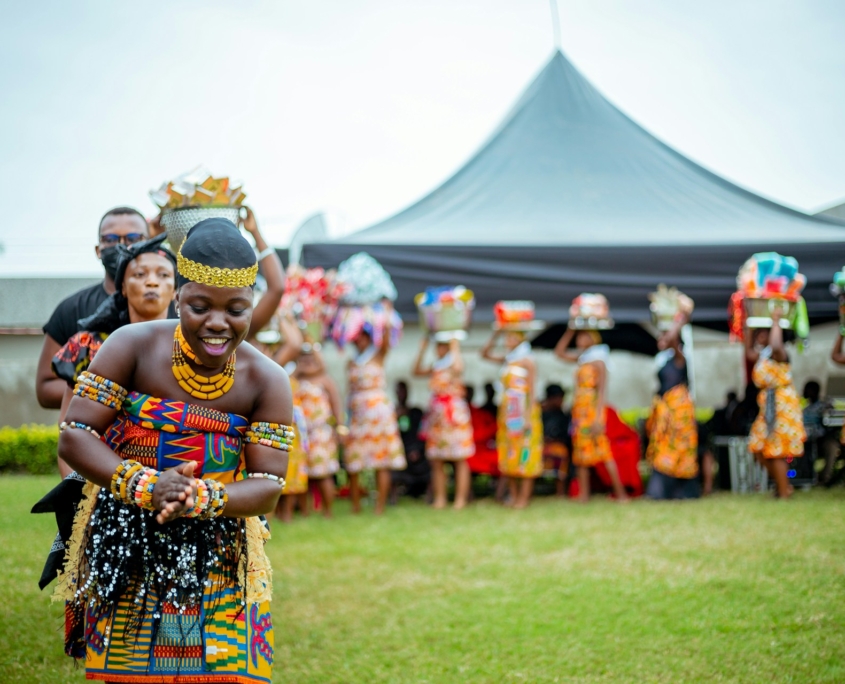
Cultural heritage plays a vital role in achieving sustainable development goals in Ghana. Generations have passed down traditional knowledge systems that significantly contribute to sustainable resource management and environmental care. For example, the Kente weaving tradition of the Ashanti people not only preserves cultural identity but also promotes sustainable practices like natural dyeing and ethical material sourcing. By integrating this traditional knowledge into current development policies, Ghana can better address contemporary challenges such as climate extremes and food insecurity while leveraging the wisdom of its ancestors.

Cultural Heritage as a Tool for Social Unity

Cultural heritage preservation unites people in Ghana, offering a platform for social inclusion and reducing ethnic, religious and socioeconomic divisions prevalent in the country. Celebrations and festivals, such as the Chale Wote Street Art Festival in Accra, play a pivotal role in enhancing cultural diversity and encouraging dialogue among different communities. These events not only reinforce national identity but also promote mutual understanding and cohesion among Ghana’s diverse population.

Creating Opportunities Through Innovation

Despite the pivotal role of cultural heritage in sustainable development, it faces numerous challenges such as underfunding, inadequate infrastructure and pressures from urbanization and globalization. To combat these ongoing challenges, Ghana is exploring innovative solutions such as public-private partnerships and community-based ecotourism initiatives. Leveraging digital technologies and investing in education and capacity-building can potentially empower local communities, enabling them to take an active role in preserving and promoting their cultural heritage while fostering economic growth and sustainability.

Looking Ahead

Ghana’s focus on preserving cultural heritage positions it uniquely to foster economic growth and community empowerment. By integrating traditional knowledge and local involvement in heritage sites, Ghana could sustainably enhance its tourism sector and provide substantive benefits to its communities. Continued investment and innovation in cultural conservation promise to build stronger, more resilient communities while promoting a diverse and unified national identity.

– Honorine Lanka Perera

Honorine is based in Highland, NY, USA and focuses on Good News and Politics for The Borgen Project.

Photo: Unsplash
Updates on SDG 7 in LebanonThe country of Lebanon is engaged in a war which the actual state of Lebanon has neither the power to begin or end, and has been suffering from the same financial crisis since 2019. In addition to a refugee crisis that has heightened sectarian strife to unprecedented levels, an energy shortage seems to be a little more than the country can handle. The United Nations’ Sustainable Development Goals, however, have halted much of the damage of these issues, and in some areas such as renewable energy has begun reversing them. Here are the updates on SDG 7 in Lebanon.

What Is Wrong With Lebanon’s Energy Sector?

Since the Lebanese Civil War (1975-1990), the Lebanese people have been suffering from an electricity shortage, forcing the state-owned electricity company Électricité du Liban (EDL) to ration out its supply, ranging from three to six hours every day.

For the rest of the day, Lebanese people have to manage their own energy source, with most of the population renting out private generators and hooking them directly to their house supplies. The hyperinflation of the Lebanese Lira (145%) meant that fossil fuels were up to six times more expensive. Up to 90% of households cut back on their energy costs to afford basic services. Also, 20% of low-income households were not able to afford generators at all. 

U.N.’s “Lebanon Green Investment Facility”

As a result of Lebanon’s inefficient, expensive and polluting electrical infrastructure, there has been an interesting pivot toward renewable energy, namely solar. However, because of poor toxic waste management and the lack of trust the Lebanese people have toward private initiatives, the “solar revolution” has yet to take off. 

The United Nations Development Programme (UNDP) saw the potential of this nascent revolution. In collaboration with Cedar Oxygen SAS and the Ministry of Environment, it created the “Lebanon Green Investment Facility.”  

This private investment impact fund aims to help Lebanon decrease its greenhouse gas emissions by 20%, with an emphasis on “renewable energy, sustainable agriculture, water conservation, and climate-smart infrastructure […].”

Today’s Updates on SDG 7 in Lebanon

Since the initiation of the Sustainable Development Program in 2015, the United Nations has facilitated the entry of almost $60 million into Lebanon towards building the necessary infrastructure for renewable energy. 

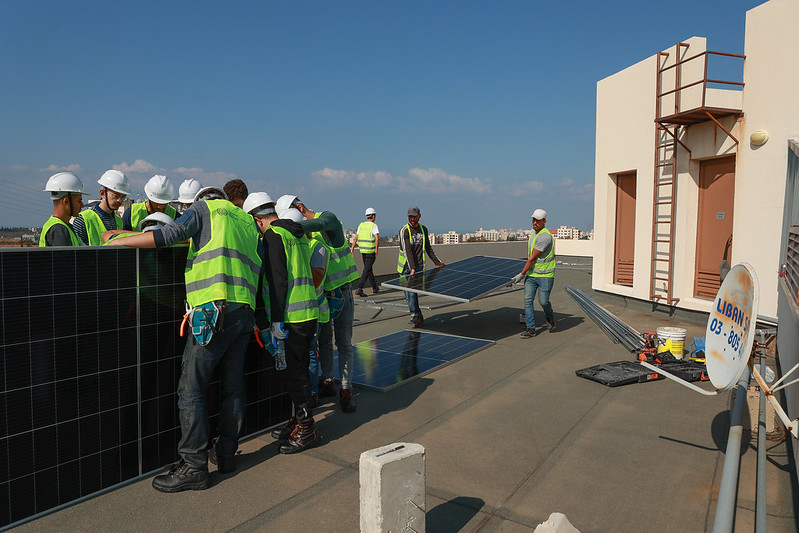
The America Near East Refugee Aid (ANERA), which is partnered with the UNHCR and UNICEF, is an example of one of these businesses that is seeking to revolutionize Lebanon’s renewable energy sector. Along with Direct Relief, ANERA has, since 2022, begun funding solar panel installation in medical centers, successfully increasing patient capacity by 32%. 

Since 90% of Lebanon’s population lives in urban areas, ANERA has shifted its focus to some of the country’s most underserved areas. This includes Akkar, Tripoli and Saida. The installation of solar arrays at centers there will provide uninterrupted electricity to more than 100,000 people.

The United Nations’ updates on SDG 7 in Lebanon have shown some improvement in the energy sector. We now know that not only is this feat possible, but that it will create hundreds of thousands of jobs, positively impacting most if not all of Lebanon’s Sustainable Development Goals. 

– Carl Massad

Carl is based in Chandler, AZ, USA and focuses on Technology and Solutions for The Borgen Project.

Photo: Flickr

SDG 1 in AlgeriaPoverty is a global issue as its consequences of disease and instability do not have borders and therefore, achieving SDG 1 is an important step not only for individual countries but the global community. Algeria has been steadily working to eradicate extreme poverty, and efforts to reduce multidimensional poverty are still ongoing. This article discusses updates on SDG 1 in Algeria, what the Sustainable Development Goals are and some of the projects that have contributed to achieving SDG 1 in Algeria.

Sustainable Developed Goals (SDG)

In 2015, the U.N. developed 17 Sustainable Development Goals (SDG) to “ensure that by 2030 all people enjoy peace and prosperity,” covering not only poverty but also hunger, disease and discrimination against women and girls among other issues. 

SDG 1 in Algeria and globally targets the poverty line and extreme poverty. Across different countries, there are different official poverty lines based on what is needed to survive in each country. However, extreme poverty is defined generally as having less than $2.15 per person per day and the poverty line is set at $3.65 (at 2017 purchasing power parity). 

Poverty in Alegria

According to the UNDP, in 2021 1.4% of Algeria’s population was multidimensionally poor, with another 3.6% vulnerable. This means that portions of the population while over the monetary poverty line may still have low standards of living, education and health.

For example, 43% of households have at least one child either not in education or training, or without the mandated nine years of free education, according to the Economic Research Forum (ERF). This is particularly significant as the poverty rate reduces in the population with higher levels of education, with rates being between 13% and 16% for those with only a primary education whereas rates are 1% and 2% for those with high education, ERF reports. Further, increased education reduces the difference in poverty rates between male and female Algerians. 

With regards to distribution, multidimensional poverty is not evenly spread throughout the country, with rural areas much more affected than urban areas with rates of more than 30% in the High Plateau Center, High Plateau East and High Plateau West regions, according to the ERF.

Achieving SDG 1 in Algeria

According to the SDG Index, SDG 1 in Algeria has been achieved, and the country is on track to maintain its (monetary) poverty headcount ratio at $2.15. Moreover, Algeria has reduced the percentage of the population living on less than $3.65 per day from 4.06% to 1.78% between 2010 and 2023

Algeria achieved SDG 1 through continued efforts that included investing in infrastructure, social politics and diversifying the economy away from relying on hydrocarbon production which currently accounts for 19% of GDP and 93% of exports, according to the World Bank.

Algeria has invested in several projects that aim to lift rural communities out of poverty and keep them there. One such project is the “integrated management project of the Guerbes Wetlands,” where the Algerian Ministry of Agriculture, Rural Development and Fisheries collaborated with the General Forest Authority, the UNDP and the WWF.

The U.N. Global Compact calls it “vital to the well-being of the local people and species” because of the impact on food sources as well as empowering rural women and youth economically, alongside its positive environmental benefits.

While the project mainly covered SDG 6, it did have positive outcomes for SDG 1. According to UNDP Algeria, Nadira Boukerma, a rural project manager, took about 10 unemployed young people and trained them in beekeeping. With their new knowledge and the introduction of modern hives, honey production in the region could significantly increase.

Utilizing Natural Ecosystems

Algeria’s push towards a more diversified economy also involves utilizing natural ecosystems to promote eco-tourism. Taza National Park, through the SEA-Med project, implemented sustainable tourism practices that had positive effects on the local people and engaged both private and non-profit stakeholders. Some achievements are; 

  • Nine new diving clubs established 
  • 412 dive certifications achieved 
  • 19 dive shops opened
  • Eight training courses with 15 people per course
  • Two exchange visits to France totalling 14 participants

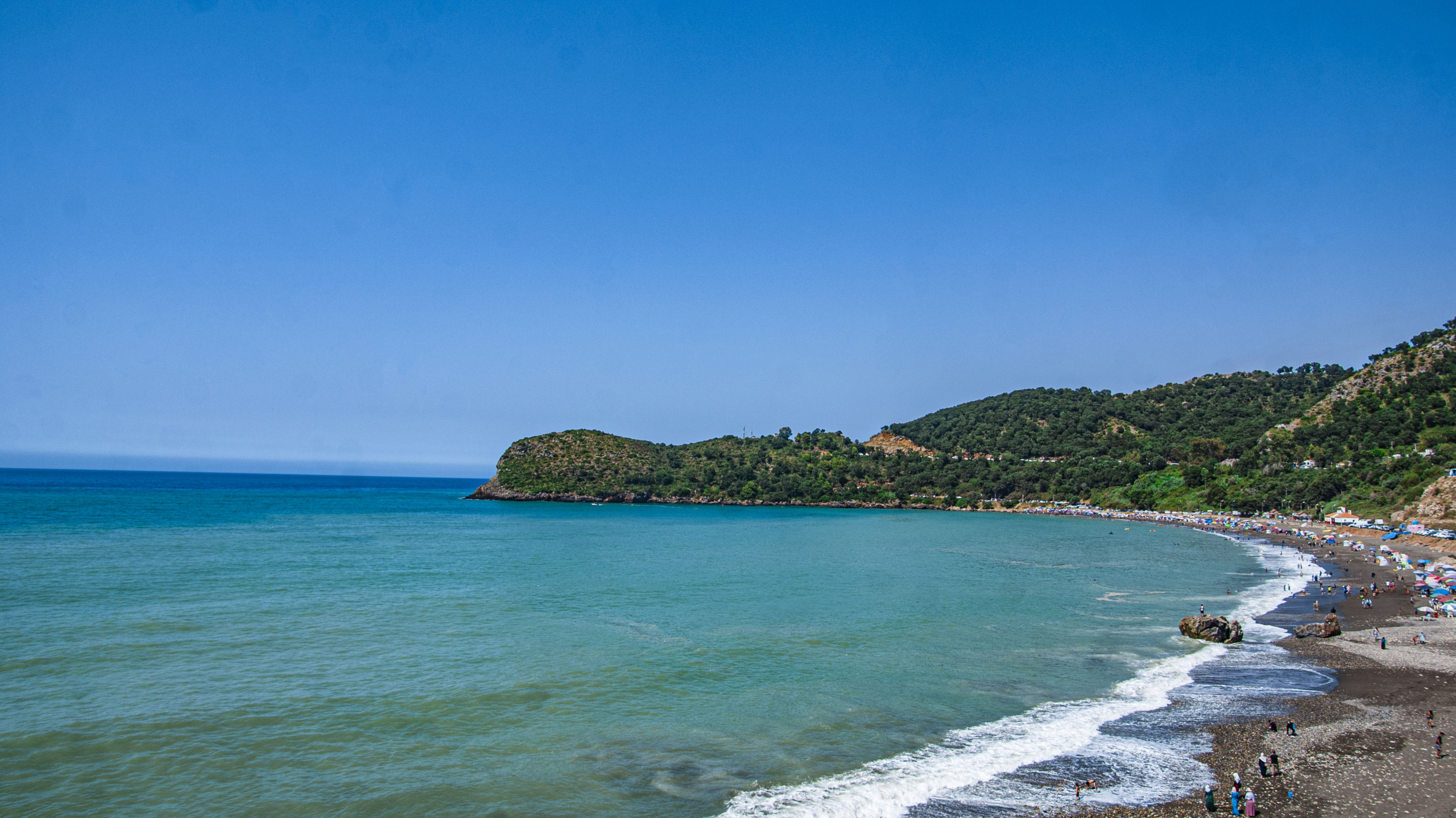
While the area received more than 5 million visitors a year, the SEA-Med project also encouraged tourism from within Algeria. For example, in 2011 local diving clubs organised the first underwater photo and video contest on the Jijelian coast in collaboration with park authorities, according to the World Wildlife Fund (WWF) report.

The Future

According to WorldPoverty.io, in 2023 Algeria had 15%% of its population categorized as “living in highly vulnerable conditions” i.e. under $6.85 per day per person. A reduction of this percentage could be the next step in continuing to achieve SDG 1 in Algeria. 

– Rachael Denton-Snape
Photo: Wikimedia Commons

SDG 3 in AustriaSet out by the United Nations (U.N) in 2015, the Sustainable Development Goals (SDGs) aim to create a better quality of life for individuals globally. Among the 17 goals, the third aims to promote good health and well-being worldwide. Austria has a robust health care system to cover most of the population. However, its poorest province, Burgenland, still faces some challenges. The Sustainable Development Report (2023) documented that Austria has made “moderate improvement” toward achieving SDG 3, demonstrating some progress.

What Progress Has Austria Made With SDG 3?

SDG 3 is subdivided into smaller health-related objectives tailored to each country’s specific needs, making the broader target more attainable. For Austria, these include decreasing dependency on alcohol and lowering the number of daily smokers. Another aim of SDG 3 is to slow down diagnoses of tuberculosis (TB), an infection of the lungs, on a global scale. In 1989, Austria saw a spike in TB infections, which had to be lowered for better overall health of the country.

Evidence of progress towards reducing TB diagnoses is documented in the Sustainable Development Report, with low disease rates among the population being reported. Additionally, the report notes that this goal will likely be maintained in the future. This is backed up by data from the World Health Organisation (WHO), whose research demonstrates the near eradication of TB, indicating success in improving physical health: a positive update on SDG 3 in Austria.

What Aspects of SDG 3 Require More Improvement?

When reporting updates on SDG 3 in Austria, it is crucial to recognize that there are still some hurdles to overcome. The focus is particularly in the area of addiction. This implies a need for increased efforts to achieve progress within the country’s health sector, specifically in mental health.

More specifically, this manifests as high smoking rates, which, in turn, may lead to further complicated (and long-term) health issues, putting more strain on health care departments. This is also supported by researchers at the Medical University of Vienna, who state that, from 2007 to 2016, “Austria performed poor in implementation of Framework Convention of Tobacco Control,” highlighting the need to lower smoking rates for better health outcomes.

How Can These Areas Be Targeted in the Future?

One nongovernmental organization (NGO), the Austrian Council on Smoking and Health, founded in 1965, does important work promoting anti-smoking projects for the public, such as campaigning for legislation against smoking indoors. This law was then put forward in 2009. The organization is continuing to draw attention to high smoking rates in Austria by targeting younger generations and spreading awareness of the dangers of cigarettes and other popular nicotine products, such as vapes.

Its current approach consists of thinking ahead to create a smoke-free future. Serving as evidence for lowering smoking rates and decreasing the occurrence of nicotine use. The work of this successful independent organization demonstrates that high smoking rates in Austria are likely to decline in the future, thus aligning with the goals of SDG 3.

Final Remark

The updates on SDG 3 in Austria indicate that the country is making positive progress in improving the health and well-being of its population. Moreover, the future of better health in the country looks promising. NGOs are actively addressing current issues in SDG 3. They are accomplishing this by promoting anti-smoking education among the Austrian youth, providing resources to create better health programs and offering motivation schemes to quit smoking.

– Amelie Bunce
Photo: Unsplash

SDGs in Guinea BissauGuinea Bissau is a country located on the west coast of the African continent. Despite having a rich culture and strong natural resources, it is one of the most impoverished nations in the world, the World Bank says. Guinea Bissau had a GDP of just $1.63 billion in 2022 and, in 2018, almost 22% of the population lived in extreme poverty, surviving on less than $2.15 per day. Progress toward the U.N. Sustainable Development Goals (SDGs) is essential for global poverty reduction. And likewise, achieving the SDGs in Guinea Bissau is essential for the country’s overall growth, development and poverty reduction progress.
According to the Sustainable Development Report on Guinea Bissau, major challenges remain in 13 out of 17 SDGs. Also, significant challenges remain in SDG 10 (Reducing Inequalities) but the country has achieved SDG 13 (Climate Action). For the remaining two SDGs, there is no data to assess.

UN Investment and Aid

In April 2022, the U.N. and the government of Guinea Bissau met to discuss the government’s implementation of the Cooperation Framework strategy, which runs from 2022 until 2026 and aligns with the country’s National Development Plan and the U.N. 2030 Agenda for Sustainable Development. The framework focuses on three outcomes: “Governance, economic transformation and human development.” Poverty reduction and wealth inequality fall into the first two focuses. The overall aim of this plan is for the U.N. to assist Guinea Bissau in meeting the 17 SDGs.

In the year 2022, the U.N. committed almost $87 million to help Guinea Bissau move closer to reaching the SDGs.  In 2023, so far, the U.N. has provided $75.3 million, mostly used in the areas of health and well-being (49.3% of the total value), peace, justice and effective institutions (11.6% of the total) and zero hunger and sustainable agriculture (17.1% of the total).

UNDP Aids Development in Guinea Bissau

Among Guinea Bissau’s development cooperation partners and organizations, UNDP is the main partner, and it already has an office in the country and projects aimed at specific local needs since the country’s independence in 1975.

The UNDP acts in the country and, consequently, for international development, supporting good governance in order to achieve equality and opportunity for all. The UNDP focuses on good governance to ignite progress in the development of other key areas. These other areas are democratic governance, efforts toward national social cohesion and peace, gender equality, poverty reduction, environmental sustainability and health.

With regard to methodologies and work strategies for development, the UNDP identifies and states that current development challenges are interconnected and interdependent. This means that an integrated approach is necessary rather than isolated efforts in order to bring about lasting change in development and poverty reduction in Guinea Bissau.

UNDP Projects in Guinea Bissau

To help Guinea Bissau move closer to achieving the SDGs, the UNDP has implemented several projects:

  • Building Forward Better in Guinea Bissau: This project began in January 2022 and will end in December 2024 with the aim of advancing progress on the SDGs overall.
  • Political stabilization and reform: Building trust and inclusive dialogue within the national political regime in order to make it more democratic and in line with U.N. principles.
  • Blue economy as a catalyst for green recovery: The project focused on leveraging the country’s blue economy through open and interactive dialogue involving the private sector and civil society, thus obtaining investment from multiple parties. The project began in January 2021 and ended in December 2022.
  • Stabilization of the justice sector: A proposal that seeks to achieve political stability, considering that the main cause of the difficulty of development is due to the existing political crises in the country, in order to support the justice sector in accordance with the principles of the system international human rights, resulting in the consolidation of internal peace.

Overall, the efforts of the U.N. and its agencies prove vital in helping Guinea Bissau meet the 17 SDGs with just seven years remaining.

Letícia Lacerda
Photo: Unsplash

Investing in EducationImpact investing is an investment strategy employed by individuals, companies or organizations seeking both financial returns and a positive social or environmental impact. This approach, when applied to education, could yield substantial benefits for individuals and developing countries alike. Education has the potential to enhance various facets of an economy, including health, empowerment and employment, as highlighted by EHL Insights. For instance, research suggests that achieving universal education, where every child acquires basic literacy skills, could reduce the number of individuals living in poverty by an estimated 170 million.
Reducing the Funding Gap

The private sector can significantly assist governments in developing countries in closing the funding gap and providing access to quality education for all children in these nations. This support is crucial as many developing countries face challenges in securing the financial resources required for universal basic education of high quality.

According to LEK Consulting, developing countries will need an expenditure of $3 trillion on education to provide “universal access to education” by 2030, which aligns with the sustainable development goals (SDG). This is more than double the 2020 expenditure of $1.2 trillion. The benefits of impact investing in education from the private sector can potentially fill in the gaps where government funding is absent or limited – improving issues of low access to education and low learning outcomes, both of which have implications for poverty alleviation in developing countries.

Impact Investing Improves Access to Education

Hewlett-Packard (HP) launched HP School Cloud, an open learning platform, in 2018 to help improve access to education via a $20 million investment. HP school clouds allow access to educational materials such as e-textbooks and thousands of lessons in STEM subjects like science and math without the need for the internet, allowing equitable access to education worldwide, particularly helping the most marginalized in society. The resources are aligned with an international curriculum standard set by UNESCO and OECD to name a few, with the aim of improving education for 100 million people by 2025. HP School Cloud is an important tool for accessing education. Ron Coughlin, President of Personal Systems Business at HP, states, “HP School Cloud ensures today’s aspiring students develop the skills for the jobs of tomorrow.”

Education is still the primary way for people to escape cyclical poverty in developing countries. Therefore, impact investing can help to improve access to education and help promote a better future by increasing employment status, generational wealth and income and wealth creation. The World Bank states that globally for every year of schooling, there is a “9% increase in hourly earnings.” This increase in earnings in turn contributes to the economic growth of a country. No country with adult literacy rates below 40% achieves rapid growth, demonstrating the importance of access to education for poverty alleviation.

Impact Investing Improves Learning Outcomes

The Union Bank of Switzerland (UBS) Optimus Foundation created the first Development Impact Bond (DIB) in education, Educate Girls DIB, in 2015 to increase the enrolment of marginalized girls and progress and improve literacy and numeracy among children who attended school, in the Indian State of Rajasthan. The DIB lasted three years until 2018. At the end of the program, the learning outcomes of enrollees “grew 79% more than their peers in other schools,” according to the Educate Girls Foundation. That is equivalent to an additional year of education.

Children need foundational knowledge that they learn in school to help them develop as individuals and thrive when they join the workforce. Improving low learning outcomes, particularly for women, can help build prosperous and healthy families. The benefits of impact investing in education in developing countries are likely to reduce children’s malnutrition by 50%, reduce the chances of children dying before the age of 5 and reduce their chances of turning to prostitution as a source of income, consequently reducing levels of HIV infection within a country.

Impact investing in education can help reduce poverty within developing countries by providing large amounts of funding in places where government resources are spread thin. Education is important for reducing poverty. Education increases economic growth and individual earnings, which benefit families and wider society. Furthermore, investing in education, particularly for women, leads to better health outcomes creating a healthier society.

– Kishan Patel
Photo: Flickr

Updates on SDG 1 in Qatar
The first Sustainable Development Goal (SDG) is for countries to eliminate poverty. Qatar is an interesting case. While it is the second richest country in the world with an excess of riches through its oil wealth, its kafala sponsorship system has created a great disparity between its migrant population and native Qataris. The kafala system is a labor system that is a predominant culprit of poor living conditions in Qatar. Unfortunately, little data exists on updates on SDG 1 in Qatar. On the whole, Qatar has made some progress in recent years in tackling poverty, and this has been centered around fixing a broken labor system. Since Qatar won the World Cup bid back in 2010, its overall SDG rating has increased from 62.83 in 2010 to an updated score of 66.8 in 2022.

Perhaps the most positive impact of the World Cup came before the tournament commenced. In 2021, the Qatari government announced the implementation of a new increased universal minimum wage. The U.N.’s International Labor Organization (ILO) has said that this will benefit more than 400,000 workers.

Reality

However, as reports have widely stated, many of Qatar’s advancements in labor rights have not been unanimous. There remain reports of foreign workers, which make up 95% of the working population, receiving less than $1 an hour despite the legislative progress.

Under the kafala system, many foreign workers pay a fee to come to Qatar to work. This has been the primary reason for a lack of progress on SDG 1 in Qatar. Workers must work off this fee and often experience uncompromising working conditions, with 12-hour days and no days off. Another often-underreported dimension of this includes the abuse of female workers who take jobs as live-in maids and are extremely vulnerable.

Possible Solutions

Hosting a World Cup is a tremendous commitment and something that requires a variety of complex infrastructure. Qatar has built a new airport, metro system, hundreds of new hotels and multiple new modern stadiums. This has had a direct impact on SDG 8 as economic growth steadily increases and unemployment decreases. 

Approximately 20,000 workers have come under the guise of the Supreme Committee for Delivery and Legacy, the committee that oversaw the planning and building of the World Cup, reflecting a massive surge in employment. There have clearly been transgressions in working conditions during the preparation for the tournament, with concerning reports of worker deaths. However, there is also hope that the building of this infrastructure will trickle down and benefit the entire population.

Similarly, Amnesty International has devised a comprehensive 10-point plan to reform the labor system. This plan reflects how many of the reforms Qatar has made to its kafala system are not far-reaching enough, but with further revisions, foreign workers can have protection and enjoy greater autonomy. For instance, the government changed a law that previously meant that workers had to ask their employers’ permission to leave Qatar in 2020. Now, workers must still inform their employers.

The work of Amnesty International has influenced progress, with an expose in June 2020 surrounding the building of the Al Bayt stadium and its subpar working conditions leading to much international outcry. One can see the progress that occurred in labor reform thereafter as a direct consequence of the NGO’s investigation. 

Looking Ahead

Overall, unfortunately, there is a lack of data surrounding poverty levels and SDG 1 in Qatar. Much of the data that the government released only includes native Qatari who enjoy great benefits from the government. It remains evident that migrant workers bear the brunt of poverty, and it has been reported that Bangladeshi workers, for instance, can earn as little as $275 a month

 – Claudia Dooley
Photo: Unsplash

 COVID-19’s Impact on the Sustainable Development Goals
The Sustainable Development Goals (SDGs) are 17 goals that the United Nations Department of Social Affairs created in 2015 to set up a path for countries to follow to end poverty, improve health and education, create economic growth and reduce inequality by 2030. Disruption of these goals occurred with the emergence of COVID-19 in 2019. COVID-19’s impact on the Sustainable Development Goals (SDGs) means that the following goals are in need of even more assistance. The U.N. Department of Economic and Social Affairs is working with countries to accomplish the following 17 goals:

  1. “End poverty in all forms.”
  2. End hunger and food insecurity, improve nutrition and promote sustainable agriculture.
  3. Ensure health and well-being for all ages.
  4. Ensure quality, inclusive and equitable education for all with lifelong learning opportunities.
  5. “Achieve gender equality and empower all women.”
  6. Ensure sustainability and availability of clean water and sanitation.
  7. Ensure access to reliable, affordable and sustainable clean energy.
  8. Promote sustainable economic growth with productive, decent employment for all.
  9. Build resilient infrastructure with an emphasis on industry and innovation.
  10. Reduce inequalities among countries.
  11. Make sustainable, inclusive cities and communities.
  12. Ensure responsible, sustainable consumption and production.
  13. “Take urgent action to combat climate change and its impacts.”
  14. Sustainably conserve the oceans, seas and marine resources.
  15. Protect, restore and promote sustainable use of life on land, combat deforestation and halt biodiversity loss.
  16. Promote peaceful, inclusive societies for sustainable development and provide justice for all using effective, accountable and inclusive institutions.
  17. Strengthen the means for implementing and revitalizing the Global Partnership for Sustainable Development.

The 2030 Agenda

The 2030 Agenda for Sustainable Development is a plan of action that seeks to create a strong, peaceful planet with a main focus on eradicating poverty. Many consider it the “greatest global challenge and indispensable requirement for sustainable development.” This 2030 agenda demonstrates the targets set out to accomplish in 15 years that involve economic, environmental and social empowerment. The 17 SDGs are associated with 169 associated targets that world leaders pledged to work on. These goals and targets came into effect on January 1, 2016, to guide countries in achieving the SDGs by 2030. However, COVID-19’s impact poses serious concerns for reaching the SDG goals established in the 2030 Agenda for Sustainable Development.

The Impact of COVID-19 on the Sustainable Development Goals

The SDG Summit in September 2022 revisited the 2030 agenda to review the status of the 17 SDGs. The Summit noted that COVID-19’s impact on the SDGs has been huge as each goal experienced setbacks. The pandemic erased more than four years of progress against poverty (SDG 1) and one out of 10 people suffers from hunger as food security increases worldwide (SDG 2). Additionally, COVID-19 infected more than 500 million people worldwide and led to 15 million deaths (SDG 3). It also disrupted health services in 92% of countries and stopped progress toward universal health coverage (SDG 3). Global life expectancy and immunization coverage have also decreased (SDG 3). Meanwhile, the global learning crisis increased as 147 million children missed in-person school (SDG 4) and women accounted for 45% of global employment losses in 2020 due to the pandemic (SDG 5).

As of 2019, more than 733 million people lived in countries with high levels of water stress (SDG 6). Additionally, new waves of COVID-19 impacted the global economic recovery and global unemployment will remain above the pre-pandemic level until 2023 if not longer (SDG 8). The passenger airline industry experienced a loss of half its customers after 2019 (SDG 9). The pandemic caused the first rise in income inequality between countries in a generation (SDG 10). The pandemic led to 90% of the world’s fishers who have employment in small-scale fisheries in need of accelerated support (SDG 14). Meanwhile, the COVID-19 recovery spending has hugely neglected biodiversity (SDG 15). Developing countries face obstacles during the pandemic recovery because of the rising debt burdens (SDG 17).

COVID-19 and Poverty

According to the U.S. Global Leadership Coalition’s assessment of the world before COVID-19 in comparison to the world two years into the global pandemic, COVID-19 has pushed the target to meet the SDGs back to nearly two decades. The time to accomplish the SDG goals has changed from 2030 to 2092. Before COVID-19, one out of 45 people worldwide needed humanitarian assistance but now one in every 28 people worldwide is in need of humanitarian assistance. In regard to poverty, the pandemic increased the number of people living in poverty from 650 million worldwide to 700 million.

Moving Forward

In response to the COVID-19 pandemic, the U.S. Congress allocated $18 billion to emergency COVID-19 international response funds. This money goes to support humanitarian and global health needs around the world. In addition, USAID and the U.S. State Department committed more than $1.6 billion to emergency assistance in more than 120 countries that are considered the most at-risk facing the pandemic. The money protects health care facilities, supports laboratory work, disease-surveillance and addresses the secondary impacts of the pandemic like increased hunger and poverty. The United Nations created a $10.3 billion campaign to support testing and laboratory needs in 60 of the world’s vulnerable nations.

The World Bank has also provided $160 billion to support 100 developing countries as they respond to the pandemic’s social, economic and health impacts. Other entities aiding countries experiencing crises due to COVID-19’s impact on the SDGs are private philanthropy and foundations like the COVID-19 Solidarity Fund, which has raised more than $246 million for COVID-19 preparation and response efforts. In July 2022, The High-Level Political Forum on Sustainable Development pushed for a new, accelerated plan in order to progress toward the SDGs after COVID-19. With the help of U.S. aid programs, global and multilateral institutions, private philanthropy and foundations, aid is available and increasing with the hope that the world will achieve the 17 SDGs despite COVID-19’s impact on the Sustainable Development Goals.

– Arden Schraff
Photo: Wikipedia Commons

Will and Jada Smith Together BandTogether Band is an organization that raises money for various causes in an innovative and trendy way aimed at persuading younger generations to support issues they care about most. It works toward the United Nations’ 17 global goals to create a more sustainable world by 2030. Recently, Together Band also partnered with Will and Jada Smith.

Together Band

The U.N.’s 17 Sustainable Development Goals include no poverty, zero hunger, gender equality, clean energy, equal education, good health, clean water, economic growth, industry innovation, sustainable communities, responsible consumption and production, marine conservation, land conservation, justice, reduced inequalities and partnership.

Each U.N. SDG has an associated color and Together Band produces bracelets of each color. The bracelet color a customer purchases determines which goal their money targets. Together Band directs proceeds to The Freedom Fund, Renewable World, Women Working Worldwide and Power for the People, among others.

Not only do the proceeds go to humanitarian funds but the materials and production of the bracelets are impactful as well. The clasp on each bracelet is repurposed metal derived from seized illegal firearms in Central America. The aim of this sourcing is to end armed violence in conflict-torn countries. The band is made from 100% upcycled plastic found on shores in coastal communities and on remote islands. Finally, formerly trafficked Nepalese artisans use the materials to craft the final product. The jobs created help communities build stable economies.

Together Fund

Together Band created the Together Fund to combat COVID-19. Now, when a customer purchases a bracelet, 50% of the proceeds go to support COVID-19 relief while the other 50% continue to go to the original organizations that the bracelet supported before the pandemic. The organization splits COVID-19 relief funds between the U.N. COVID-19 Solidarity Fund for WHO and Médecins sans Frontières.

Together Band added COVID-19 relief to their initiatives because communities around the globe urgently need accessible healthcare. “It’s important that we act quickly in response to COVID-19 to ensure patients can access the care they need as well as supporting disease prevention and frontline health workers across the globe.”

Partnering With the Will and Jada Smith Foundation

Celebrities Will and Jada Smith created the Will and Jada Smith Family Foundation in 1996 in order to make the world “better because we touched it.” The foundation has donated millions of dollars for innovative solutions to the world’s problems. Recently, the Will and Jada Smith Family Foundation partnered with Together Band to tackle both COVID-19 and racial injustice. Working with WJSFF, Together Fund has expanded to support U.N. Goal 10: Reduced Inequalities and Goal 16: Peace, Justice and Strong Institutions.

Money can be donated to the fund directly from the WJSFF homepage. Half of the proceeds go to additional COVID-19 relief funds such as the World Health Organization, Alight and Doctors Without Borders. The remaining half supports nonprofits that fight racial injustice. They include My Brother’s Keeper, the Legal Defense and Educational Fund, the Equal Justice Initiative and the Leadership Conference Education Fund.

In addition, Will and Jada Smith’s son, Jaden Smith, founded an eco-friendly version of bottled water called Just Water. Just Water customers now have the option to round up their purchases in support of the Together Fund.

Overall, the Smiths are an inspiring example of a celebrity family using their fame to support humanitarian causes and reduce global poverty.

Sarah Eichstadt
Photo: Flickr

Decent LifeEgypt’s President Abdel Fattah Al-Sisi kicked off the first stage of Egypt’s groundbreaking anti-poverty project, the “Decent Life” (Haya Karima) Initiative, at the first conference on July 15, 2021. Al-Sisi declared that this initiative would kickstart “Egypt’s New Republic” especially in the Egyptian countryside. The massive development and resource injection into education and health infrastructure, primarily in rural areas, appears as if it will significantly improve the Egyptian landscape for the future. This initiative comes at a crucial turning point in a country that has struggled significantly with poverty over the past years. Statistics such as how 32.5% of Egyptians reported being below the poverty line in 2019 or how the pandemic has increased the official unemployment rate to 9.6% as of November 2020 highlight Egypt’s difficult poverty battle. However, with the ‘Decent Life’ Initiative in action with its numerous quality components, Egypt’s economy looks to be turning a corner.

Four Pillars

Within the framework of the UN Egypt Vision 2030 Strategy, the initiative consists of four main pillars:
1. To ameliorate living standards and invest in human capital,
2. To grow infrastructure services,
3. To improve human development services,
4. To spur economic development especially by contributing to the poorest villages with increased access to basic services such as sanitation and education infrastructure.

These pillars provide the foundation for how Egypt is tackling poverty in a more assertive manner.

First Phases

Prior to President Al-Sisi establishing the initiative, he launched an unofficial phase of the project in 2019. This came in the form of him pressuring the Minister of Social Solidarity to develop Egypt’s 1,000 poorest villages. After the success of this stage of the process, the official first phase started in January 2021. This first phase expands the number of targeted villages to 4,500, covering 58% of the country’s population.

Since January 2021, the initiative has taken crucial steps in developing Suhag water and sanitation services in 33 villages, renovating transportation stations at a cost of EGP 183 million (almost $12 million), and creating new transportation stations at a cost of EGP 219 million (almost $14 million). This process forms as the initial stages of the 2021-22 plan of the initiative, which carries with it a budget of EGP 200 billion (almost $13 billion).

The 2021-22 plan for the initiative has specific and bold aims that ensure Egypt is tackling poverty in a decisive and thorough manner. Details of the 2021-22 plan include:

  • To set up 10,828 classrooms,
  • To improve 782 youth centers,
  • To renovate 317 public service buildings,
  • To develop 1,250 health care units, establish 389 ambulances and 510 mobile clinics, and 112 veterinary units,
  • To create 191 agricultural service centers.

Final Targets

The “Decent Life” Initiative has several end goals it aims to achieve which President El-Sisi set out. One of the main goals is that the Egyptian government plans to utilize overall investments amounting to EGP 700 billion (almost $45 billion) by the end of the project, demonstrating that Egypt is tackling poverty in an aggressive manner. President El-Sisi has also made the promise that “the Egyptian countryside will be transformed in three years’ time,” signifying an attempt to minimize the rural-urban inequality.

Regarding education and health services, the initiative is aiming to build 13,000 classrooms and activating the new Universal Health Insurance System by the project’s conclusion. The Universal Health Insurance System will consist of mandatory coverage to all citizens by unifying with the private healthcare sector and minimizing existing health insurance disparities.

UN Response

The UN has responded extremely positively to the official launch of the initiative, with the Executive Director of the International Monetary Fund, Dr. Mahmoud Mohieldin, stating that the UN considers the “Decent Life” project at top spot for the best application for sustainable development goals around the world and has full confidence that it will provide essential job opportunities for Egyptians in impoverished areas. Furthermore, the UN has praised the initiative as it also confirms the country’s willingness to “implement the participatory planning approach through integrating citizens in the need’s identification stage.”

–  Gabriel Sylvan

Photo: Flickr