Nagorno-Karabakh: Post-War Recovery of Refugees
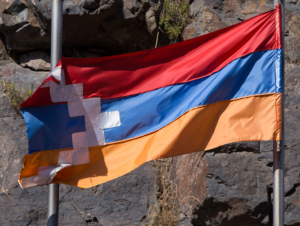 Nagorno-Karabakh is a small territory in the South Caucasus, between the regions of Armenia and Azerbaijan. These two states have contested this piece of land since the first war in the 1990s, with 30,000 casualties and significant displacements after Armenia took control of the territory. The conflict escalated in 2020 when Azerbaijan reclaimed a large part of Nagorno-Karabakh territory, along with the support of its ally, Turkey.
Russia moderated the ceasefire due to the shared ties with both nations; however, tension prevailed. In 2022, a blockade by Azerbaijani activists at the Lachin corridor prevented the free movement of food and essential goods. Both parties accused each other of posing threats, which was not confirmed. What remains clear is the consequent humanitarian crisis leading to an urgent post-war recovery of Nagorno-Karabakh refugees.
Blockade of Lachin Corridor
The Azerbaijani military operation led to the displacement of thousands of ethnic Armenians from their homes. The blockade in the Lachin corridor left the population facing a severe shortage of resources essential to survival, such as medical and food supplies. The Azerbaijani government has been criticized internationally due to its failure to ensure a safe passage for the population and human rights violations.
The International Committee for the Red Cross (ICRC) and Russian peacekeepers tried sending aid, which the Azerbaijani administration had blocked, alleging unauthorized objects among them.
Displacement and Daily Struggles
Thirteen-year-old Natalie Musayelian fled Nagorno-Karabakh with her family. On her way, she collected berries, stones and a branch, keeping all the items in a small box of chocolates and the key to her house. Currently, she lives in Armenia with her aunt and grandmother. She misses her home every day and cherishes these objects as memories and comfort after the loss. Her story is just one of many people who were displaced from their homes due to the conflict.
Many refugees from Nagorno-Karabakh have fled to the capital of Armenia, Yerevan and the region of Syunik. Armenia has already opened shelters and provided social aid for the displaced population. The U.N. launched a $97 million funding appeal to ease the burden on the volunteers and the Armenian host community. However, it anticipates further movement of people as they search for employment and long-term housing.
The Role of the US Foreign Aid
In 2023, the United States Agency for International Development (USAID) Administrator Samantha Power visited Armenia after a disproportionate number of displacements. She announced $11.5 million in U.S. humanitarian aid, providing essential supplies and psychosocial services. The collection of refugee testimonies enabled the criticism of the blockade. Furthermore, they reaffirmed the high level of concern for a post-war recovery of Nagorno-Karabakh refugees.
Furthermore, the U.N. World Food Program (WFP) hosted a two-day visit from USAID’s Bureau for Humanitarian Assistance (BHA) to assess support for refugee families. The delegation collaborated with local officials, social workers and even families, such as a grandmother in Kotayk struggling with her grandchildren’s care. USAID’s BHA provided a $1.13 million grant for emergency food assistance, which helped 30,000 refugees. Additionally, from February to September 2024, food cards and parcels were distributed to alleviate short-term needs, ensuring the families’ well-being.
– Sara Arias Saiz
Sara is based in Leipzig, Germany and focuses on Politics for The Borgen Project.
Photo: Flickr
