• Link to X
  • Link to Facebook
  • Link to Instagram
  • Link to TikTok
  • Link to Youtube
  • About
    • About Us
      • President
      • Board of Directors
      • Board of Advisors
      • Financials
      • Our Methodology
      • Success Tracker
      • Contact
  • Act Now
    • 30 Ways to Help
      • Email Congress
      • Call Congress
      • Volunteer
      • Courses & Certificates
      • Be a Donor
    • Internships
      • In-Office Internships
      • Remote Internships
    • Legislation
      • Politics 101
  • The Blog
  • The Podcast
  • Magazine
  • Donate
  • Click to open the search input field Click to open the search input field Search
  • Menu Menu

Archive for category: Refugees

Global Poverty, Refugees

MADE51 Empowers Refugee Artisans Globally

Made51 artMADE51 is a global initiative created by the U.N. Refugee Agency (UNHCR) and the World Free Trade Organization to showcase the creative talents and skills of refugees while giving them an opportunity to earn an income by selling their art. MADE51, which stands for Market Access, Design and Empowerment for Refugee Artisans, connects artisans with markets in order to economically empower artisans and help them rise out of poverty. U.N. Deputy High Commissioner for Refugees Kelly Clements states that “Rather than viewing millions of refugees across the globe as a burden, MADE51 sees untapped talent and potential that, if unlocked, can directly benefit” refugees, host countries and local enterprises.

How MADE51 Works

MADE51 gives refugees the opportunity to build sustainable livelihoods by selling “artisanal home decor and accessories.” Sales from MADE51 products allow “refugees to contribute to their host country’s economy” and reinforces their ties with society. Instead of seeing refugees as a burden, MADE51 gives them a platform to showcase their talent.

The initiative connects artisans with local social enterprises in Africa, Asia and the Middle East. According to Herbert Smith Freehills, “International trade in artisan crafts is now valued at over $32 billion per year, with 65% of handicraft exports coming from developing countries.”

MADE51 promotes economic inclusion using an innovative marketing solution. It identifies refugee artisans and gives them a platform to showcase their traditions and skills by helping them form partnerships with local businesses. Then, the initiative brings in its partners’ technical expertise for branding, marketing, capacity building and more.

The UNHCR also conducts assessments to make sure partner businesses follow UNHCR principles and Fair Trade standards. Fair Trade principles ensure that workers receive adequate compensation while working in a safe environment. MADE51 embodies the spirit of the UNHCR’s Global Compact on Refugees.

A lot goes into the success of the MADE51 collection. MADE51 receives help from strategic partners in product design, integrated technology, branding and marketing.

MADE51’s Impact

Other than providing a way for refugees to make a living, the initiative presents an opportunity to show solidarity with refugees. MADE51 “demonstrates the talents that refugees possess and how if given the opportunity, they can become positive contributors to societies and economies.”

MADE51 gives refugees the chance to honor and preserve their heritage and culture through art. Often the only things refugees can take with them when displaced are intangible skills, craftsmanship, knowledge and traditions. The collection shares these skills with the world while allowing refugees to “regain economic independence.” MADE51 is also a way of telling the human story of refugees rebuilding their lives from scratch.

How to Help

As a global collaborative initiative, MADE51 relies on the help of strategic partnerships. It is currently seeking partners in several areas such as retail branding, design and logistics. Individuals can also play a role in uplifting and empowering refugees by supporting the collection. For example, individuals can promote the collection on social media platforms, utilize word-of-mouth marketing and purchase items from the collection. The collection is diverse, containing protective face masks, towels, aprons, laptop sleeves, key chains, travel bags and more.

According to the UNHCR, at the close of 2020, “there were 82.4 million forcibly displaced people in the world.” More than 25% of this population was made up of refugees. MADE51 presents an inspiring tale of the most vulnerable and disadvantaged people using their creative skills to rebuild their lives while simultaneously sharing and preserving their culture.

– Ariel Dowdy
Photo: Flickr

September 9, 2021
https://borgenproject.org/wp-content/uploads/borgen-project-logo.svg 0 0 Jennifer Philipp https://borgenproject.org/wp-content/uploads/borgen-project-logo.svg Jennifer Philipp2021-09-09 07:30:042024-05-30 22:24:57MADE51 Empowers Refugee Artisans Globally
Global Poverty, Refugees

Nepal’s COVID-19 Response Aids Refugees

Nepal’s COVID-19 ResponseCurrently, approximately 26.4 million refugees worldwide have had to flee hardship in their countries of origin. Though international laws protect them, refugees are often denied basic human rights such as protection from violence, stable employment, safe housing and adequate healthcare. Access to reliable healthcare is critical to preventing diseases, treating underlying conditions, providing medicinal resources and offering immunizations. Because refugees are often unable to join national health plans in the country in which they settle, lack of access to healthcare is a common experience. Nepal’s COVID-19 response intends to include vulnerable and marginalized populations such as refugees.

How COVID-19 Threatens Refugees

The COVID-19 pandemic has exacerbated the need for reliable healthcare access among refugee populations, who are at higher risk of contracting COVID-19. Many live in densely populated areas and lack face masks and adequate sanitation, such as handwashing facilities. This increases their risk of contracting the virus. Many have also lost their sources of income and are unable to pay for medical care. In addition to the high rates of poverty refugee populations experience, being too sick to work or caring for sick loved ones only compounds this issue.

The world’s ability to recover from the COVID-19 pandemic is incumbent on ensuring that all populations can limit case numbers and treat the infected. While the best way to mitigate the virus is to provide vaccinations, many countries are not yet offering them to refugees. As a result, many refugee populations live in a constant state of crisis and are unable to return to normalcy at the same rate as the general public.

The Nepalese Example

There are now more than 19,000 refugees in Nepal, most of them from Bhutan and Tibet. These communities experience high rates of poverty and are disproportionately affected by the COVID-19 pandemic. However, Nepal’s COVID-19 response has been markedly different from other countries in the region as it was “the first country in Asia and the Pacific to provide COVID-19 vaccinations to refugees.” Starting March 7, 2021, refugees older than 65 were eligible to receive the vaccine along with other eligible citizens. As of March 24, 2021, 668 refugees had received the vaccine and many more are set to be vaccinated as the country obtains additional doses.

Nepalese officials have made it clear that they believe ensuring the health and safety of the entire country means providing healthcare for everyone. Nepal’s COVID-19 response is unique because Nepal is deliberate in ensuring that refugees have access to healthcare that is on par with the rest of the country. Equitable access to vaccinations remains an important step to ensuring the country is able to fully recover from the COVID-19 crisis.

Next Steps

Nepal’s COVID-19 response sets an example of measures that other nations should take. As other countries observe Nepal’s vaccination procedures, refugees and other marginalized communities exist in an important context. Organizations like CARE Nepal advocate for a vaccine rollout with “the most vulnerable groups” being prioritized.

Nepal is far from the only country in the world, or even in the Asian Pacific region, with a large refugee population. All populations must have access to adequate healthcare to ensure everyone can recover from the COVID-19 crisis as quickly and effectively as possible. Ensuring that everyone has access to the vaccine is one of the best ways for countries to achieve this.

– Harriet Sinclair
Photo: Flickr

August 29, 2021
https://borgenproject.org/wp-content/uploads/borgen-project-logo.svg 0 0 Kim Thelwell https://borgenproject.org/wp-content/uploads/borgen-project-logo.svg Kim Thelwell2021-08-29 01:30:432024-05-30 22:25:05Nepal’s COVID-19 Response Aids Refugees
Global Poverty, Refugees

Parfait Hakizimana Seeks Taekwondo Gold

Parfait HakizimanaBurundian athlete and refugee, Parfait Hakizimana, has overcome significant obstacles throughout his life. In the near future, Hakizimana will represent the Refugee Paralympic Team (RPT) at the 2021 Tokyo Paralympic Games, vying for gold in the men’s under-61-kilogram division in Taekwondo.

Refugee Paralympic Team

The Refugee Paralympic Team will compete for the first time in these Games, marking Hakizimana, age 32, and his five teammates as historic competitors and inspiring examples of lifelong perseverance. Featuring athletes from across the Middle East and Africa, the Refugee Paralympic Team represents more than 82 million individuals worldwide who have experienced displacement due to war, conflict and poverty. About 12 million refugees worldwide (roughly one in seven) live with a disability and the Refugee Paralympic Team serves as an inspiring example of hope, uplifting those who have lived through some of the most difficult conditions imaginable.

Parfait Hakizimana’s Story

Amid a devastating Burundian Civil War in 1996 that took place in Burundi’s capital, Bujumbura, Hakizimana suffered a permanent injury caused by a serious gunshot wound to his left arm at 8 years old. Tragically, his mother died the very same day. Hakizimana and his family had already been living at an internally displaced camp, and following this tragedy, Hakizimana spent nearly two years in a hospital. His arm took a long time to heal and he began to find hope and rehabilitation in sport following the healing process.

Hakizimana discovered Taekwondo at age 16 and took a quick liking to it. Before long, Hakizimana had earned his first black belt in 2010. However, upon further dissent and destruction in his home nation of Burundi, Hakizimana sought refuge in Rwanda. Since 2015, Hakizimana has called the Mahama Refugee Camp in Rwanda his home. Hosting around 60,000 people, many of whom have escaped Burundi, the camp is the largest in Rwanda. Hakizimana, his wife and their 18-month-old daughter still live there today, making his journey to the Paralympics the longest of long shots.

Continuing to learn and progress in Taekwondo, Hakizimana has competed in several major paraplegic sporting events across Africa, even winning a bronze medal in 2019 at Rwanda’s Ambassador’s Cup. For the first time, Hakizimana will take on the world, hoping to medal in the K44 classification of Taekwondo. Hakizimana will be the first-ever Olympic or Paralympic athlete to go directly from a refugee camp to compete in the Games.

Giving Back Through Teaching

Hakizimana continues to emphasize how sport has helped him rise above his troubled past and find community among his fellow refugees. Hakizimana has taken that positivity and paid it forward by now teaching and training more than 150 refugees at the Mahama Refugee Camp.

Taekwondo has been a unifying force at the refugee camp, breaking down superficial barriers, including regional and tribal identities, to provide a positive outlet for refugees to build friendships and find purpose. Parfait Hakizimana will undoubtedly have many fans cheering for him in both his country of refuge, Rwanda, and his homeland, Burundi, as he takes to the mat in Tokyo for the Paralympic Games. Hakizimana represents a worldwide community of impoverished refugees whose living conditions have forced them to flee for safety and improved opportunities. Parfait Hakizimana inspires hope in one of the most vulnerable populations of the world, encouraging them to break barriers and achieve success regardless of their physical impediments or their disadvantaged backgrounds.

– Sam Dils
Photo: Flickr

August 20, 2021
https://borgenproject.org/wp-content/uploads/borgen-project-logo.svg 0 0 Kim Thelwell https://borgenproject.org/wp-content/uploads/borgen-project-logo.svg Kim Thelwell2021-08-20 12:36:042021-10-09 15:24:09Parfait Hakizimana Seeks Taekwondo Gold
Global Poverty, Refugees

Floods Affect Rohingya refugees in Cox’s Bazar

Rohingya Refugees in Cox’s Bazar
Cox’s Bazar in southeastern Bangladesh is home to the largest refugee population in the world. Today, there are almost 1 million Rohingya refugees in Cox’s Bazar, Bangladesh, where poverty rates and living conditions are increasingly affected by changes in annual weather patterns. Massive rainfall in late July 2021 has flooded the region while displacing more than 21,000 refugees and killing 14 people in the district. The government, refugee volunteers and international aid have joined together to provide aid to Cox’s Bazar. The partnership between the groups is important in preventing instability associated with extreme weather.

Rohingya Refugees in Cox’s Bazar

In 2017, more than 700,000 Rohingya refugees came west to Cox’s Bazar fleeing persecution from the Myanmar Military. In the past four years, Bangladesh has felt the continued strain of sharing resources with nearly 1 million refugees. The government has remained strict on laws against building more weather-resistant, permanent homes for the displaced Rohingyans. Refugees remain in makeshift shelters exposed to a yearly cycle of worsening weather extremes. Fires in March 2021 destroyed the shelters by the thousands while killing 11 refugees in the process.

The 2021 Monsoon Rains and Flooding

In the same way that too little rainfall will affect agriculture, increase water scarcity and spark fires, too much rain damages housing and infrastructure. Floods and landslides that monsoon rains cause have increased the need for both repairs and supplies in the camps. Over the span of a single day in late July 2021, the region saw near half the average rainfall for that entire month. Heavy rain continues to fall as projections have determined that the monsoon season could last another three months.

The Inter Sector Coordination Group (ISCG) in Bangladesh released a report on August 1 placing the affected number of Rohingya refugees in Cox’s Bazar at 46,545. More than 6,000 shelters have undergone damage and others still require assessing due to ongoing floods.

Emergency Response

Floods, landslides and windstorms have local volunteers working to save stranded families, repair the camps and deliver supplies to affected community members. More than 5,000 displaced Rohingya refugees in Cox’s Bazar have found shelter with extended family or in community spaces. In addition, 62 learning centers are currently functioning as temporary shelters.

International aid from the United Nations Refugee Agency (UNHCR) and its network of humanitarian partners has provided support and disaster response training to both refugee and local community volunteers. The UNHCR Emergency Response Team has been assessing damage to shelters and providing emergency supplies.

The August ISCG report details that 1,060 emergency kits went to affected shelters. Teams are focussing themselves on servicing hygiene facilities and water sources while distributing water treatment tablets and soap.

Changing Weather in South Asia

The World Bank predicted the vulnerability of Cox’s Bazar to natural disasters, similar to the recent floods back in 2018. Recognizing poverty as a serious consequence of rising global temperatures, the World Bank identified hotspot areas where the standard of living would experience a great effect from changing environmental conditions.

South Asia is home to many hotspots. The region varies from extreme hot to extreme cold, making it more vulnerable to changing weather patterns. Bangladesh, especially the district of Cox’s Bazar, is a hotspot where people could see an average 14.4% decline in their incomes by 2050. The effects of environmental changes threaten the ability to sustain both local communities and refugees in the area.

Looking Forward

Bangladesh host communities and Rohingya refugees in Cox’s Bazar have been working alongside one another in recent disaster relief. Organizations similar to the UNHCR are in place to provide key services and supplies to supplement Bangladesh’s shared resources. To date, the area has only received 30% of the annual Joint Response Plan budget. Increased international funding gives the communities an opportunity to plan and prepare for more unprecedented conditions together.

– Angela Basinger
Photo: Flickr

August 5, 2021
https://borgenproject.org/wp-content/uploads/borgen-project-logo.svg 0 0 Kim Thelwell https://borgenproject.org/wp-content/uploads/borgen-project-logo.svg Kim Thelwell2021-08-05 09:37:242021-09-30 14:51:04Floods Affect Rohingya refugees in Cox’s Bazar
Global Poverty, Refugees

Syrian Refugees in Lebanon and the Economic Crisis

Syrian Refugees in Lebanon
Lebanon is currently experiencing an economic crisis that, according to the World Bank, is one of the most severe economic crises worldwide since the 19th century. The impact of the crisis is widespread. More than 70% of Lebanon’s population currently lacks access to basic necessities such as food. Not even the wealthy are insulated from the impact of the current crisis, as previously affluent families are being pushed into poverty. Syrian refugees in Lebanon are particularly vulnerable to the crisis.

The Status of Syrian Refugees in Lebanon

Approximately 1.7 million refugees are believed to be living in Lebanon as of 2020, with 1.5 million originating from Syria. Of these Syrian refugees, more than 80% are not legal residents, placing them in a precarious position. Syrians who have legal status either entered the country before 2015 or have a sponsor in the country. These Syrians must also pay a $200 fee every year. Lebanon practices non-refoulement of refugees, which should protect the right of Syrian refugees to live in Lebanon. However, the Lebanese government implemented policies that streamlined the process for Syrians to leave Lebanon in 2020 and expressed interest in having Syrian refugees return to their country of origin.

Syrian refugees in Lebanon often struggle to access services such as educational opportunities despite having the legal right to attend public schools. Because they typically live in temporary or informal housing, it can be difficult for non-governmental organizations (NGOs) to locate Syrian refugees in order to help them. Factors such as language barriers can also present a challenge to Syrian refugees. Approximately 90% of Syrian refugees in Lebanon live on less than half of the Lebanese minimum wage.

Syrian Refugees in the Lebanese Economic Crisis

Due to political instability, debt, banking problems and economic stagnation, Lebanon entered its current crisis in October 2019. Prior to October 2019, approximately 55% of Syrian refugees in Lebanon lived in poverty, demonstrating that the Syrian refugee community needed support even prior to the crisis. Today, approximately 90% of Syrian refugees live in extreme poverty, showing a significant increase in poverty levels during the economic crisis.

As poverty levels among Syrian refugees in Lebanon increased, the value of Lebanon’s currency, the Lebanese pound, decreased. Between 2019 and 2021, Lebanese food prices increased by 402%. Consequently, Syrian refugees who generally struggled to afford basic necessities prior to the start of the crisis now have even less purchasing power. Syrian refugees in Lebanon are accumulating debt because they lack the funds to buy everyday necessities. Even for Syrian refugees who can afford everyday necessities, accessing products, such as medication, is proving difficult as pharmacies face shortages.

Not all refugees are equally impacted by the crisis. Syrian refugee households headed by women experience disproportionately high rates of food insecurity. Children in these households are particularly vulnerable to the crisis. Unfortunately, Lebanese child labor rates nearly doubled between 2019 and 2020. Additionally, the rate of child labor is higher in Syrian refugee households headed by women than in households run by men.

The economic crisis is also contributing to anti-refugee sentiments. Prior to the start of the crisis, Lebanese politicians used the pending economic crisis to justify anti-refugee rhetoric. As economic conditions deteriorate for the entire country, native Lebanese people blame Syrian refugees for taking their opportunities away.

Providing Aid for Refugees

Several organizations provide support for Syrian refugees in Lebanon. Organizations such as the World Food Programme (WFP) and the United Nations High Commissioner for Refugees (UNHCR) are longstanding aid providers for refugees living in Lebanon. UNHCR Lebanon has prioritized humanitarian assistance to Syrians through cash cards, vouchers and ATM cards in order for them to secure basic necessities at local markets. These purchases, in turn, stimulate the local economy. In 2018, the UNHCR provided cash support of $175 per month to nearly 33,000 Syrian households. Similarly, the WFP provides food assistance to Syrian refugees and struggling Lebanese by providing e-cards credited with $27 at the start of each month so that individuals can buy food from local stores.

As poverty increases in the country, the need for aid to the general population is increasing. With cities such as Tripoli facing poverty rates as high as 85% among their residents, the Lebanese government is focusing on providing widespread relief for the population. The Lebanese parliament recently approved measures to support more than half a million families in Lebanon, fortunately including Syrian refugees.

– Caroline Kuntzman
Photo: Flickr

August 4, 2021
https://borgenproject.org/wp-content/uploads/borgen-project-logo.svg 0 0 Borgen Project https://borgenproject.org/wp-content/uploads/borgen-project-logo.svg Borgen Project2021-08-04 01:30:012021-08-04 05:50:40Syrian Refugees in Lebanon and the Economic Crisis
Global Poverty, Refugees

Pandemic Refugees in the United States

Pandemic Refugees in the United States
The COVID-19 pandemic has greatly affected refugees, causing a migration crisis and hindering equality among poor people. Millions of people have experienced displacement from their homes since the outbreak began. This massive displacement created a concentration of immigrants in urban areas seeking asylum. The term for these individuals is “pandemic refugees.” Pandemic refugees in the United States are individuals the virus severely affected who desire a place to seek asylum and better-quality health services. However, the virus spread rapidly across borders, making it harder for refugees to find places that are genuinely safe.

Actions from the IOM

The International Organization for Migration (IOM), which is the United Nations’ migration agency, has worked hard to provide shelter to those the COVID-19 pandemic displaced. The organization also partnered with the World Food Program (WFP) to fight for people currently facing food and sanitary crises. Poverty deprives people of access to health facilities, allowing them to potentially avoid the virus. Additionally, the lack of new jobs and the government imposing quarantines have led people to seek help from organizations or even become pandemic refugees forced to cross borders looking for a better living standard.

Reaching the United States

Devastated economies have caused millions of individuals to flee to the United States, potentially traveling long distances in their journeys. Dozens of people pile up on the border between Mexico and the United States. These refugees pack minimum necessities and hit the road, attempting to cross the border and start a new life as unauthorized U.S. citizens. The Biden administration has encountered a significant number of refugees seeking prosperity and asylum in the aftermath of the pandemic. The U.S. Border Patrol has stated that refugees try to cross the borders daily. These numbers are quickly growing to overwhelming amounts.

Opportunity and Despair

While pandemic refugees in the United States seek a better life, they also encounter difficulties when searching for jobs. Compared to documented citizens, opportunities for undocumented citizens are different. Governments frequently attempt to send them back to their home country. Because of this, vulnerable groups like refugees are paying the highest price during the COVID-19 pandemic. Complications from the pandemic have created despair for individuals who flee their land and families. The closure of borders and restrictions on movement limit individuals’ access to food, housing and overall security. There are few cases of success and opportunities for refugees who fled their home countries seeking better opportunities. Security is also a significant problem for refugees since they are vulnerable groups and can spread the virus.

US COVID-19 Response

The United States has responded to the pandemic with a relief package of $11 billion for a global response. The U.S. government has worked hard to stop extreme poverty levels during the pandemic, and increase vaccination numbers and sustainable development. The country has also implemented unemployment benefits to give extra money to qualified unemployed individuals. Nevertheless, the U.S. must extend more of these protections to pandemic refugees. If it does, pandemic refugees in the United States will obtain the assistance and security they deserve to protect themselves and their families.

– Ainara Ruano Cervantes
Photo: Flickr

July 20, 2021
https://borgenproject.org/wp-content/uploads/borgen-project-logo.svg 0 0 Jennifer Philipp https://borgenproject.org/wp-content/uploads/borgen-project-logo.svg Jennifer Philipp2021-07-20 13:47:422021-11-23 08:12:25Pandemic Refugees in the United States
COVID-19, Global Poverty, Refugees

Greece’s Refugee COVID-19 Vaccination Campaign

Greece's Refugee COVID-19 VaccinationAfter much delay, the Greek government has finally rolled out a concrete plan for vaccinating an estimated 60,000 migrants and refugees within its borders. Announced on June 3, 2021, Greece’s refugee COVID-19 vaccination campaign will use Johnson & Johnson’s single-dose vaccine to begin inoculating more than 11,000 asylum seekers on the Greek islands of Lesbos, Chios and Samos.
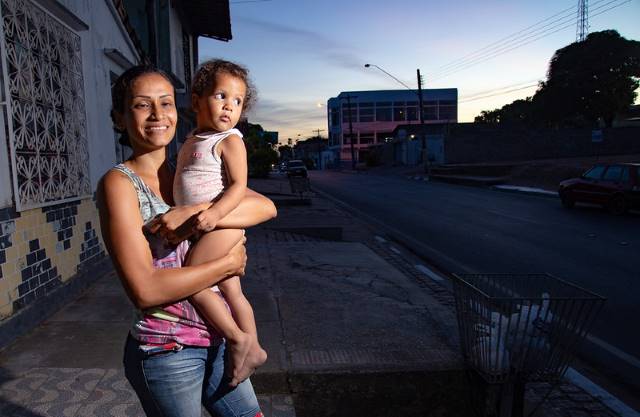
Greece’s Refugee COVID-19 Vaccination Rollout

Human rights groups have repeatedly criticized the center-right government of Prime Minister Kyriakos Mitsotakis for failing to make refugees a priority during the country’s vaccine rollout. Mitsotakis’s administration pledged to make refugees eligible for vaccines, but until this recent announcement, the national vaccination campaign had largely sidestepped Greece’s large migrant population.

The Euro-Mediterranean Human Rights Monitor and others have called the country’s “Greeks-first” policy discriminatory and misguided. Organizations argue that inhabitants of refugee camps are far more vulnerable to COVID-19 than the general population due to overcrowding, limited space and lack of access to proper sanitation facilities. Another point of argument is that stopping the spread of COVID-19 within these vulnerable populations can limit transmission in the rest of society, ultimately benefiting the whole country.

Refugees in Greece

The tension between refugee advocates and the Greek government began long before the COVID-19 pandemic. Greece is one of the most popular routes for migration into Europe from Asia, Africa and the Middle East. After crossing from Turkey, migrants often end up in Greece waiting for their asylum claims to process.

Resentment between Greek citizens and migrants has been steadily rising over the years and the Mitsotakis government has adopted an increasingly tough stance on illegal migration that has come under fire from human rights organizations.

Multiple groups have accused the government of illegally returning asylum seekers to Turkey or leaving them adrift at sea rather than processing them through official asylum channels. One particularly startling accusation claimed that “13 men, women and children currently residing in a refugee camp on the island of Lesbos were beaten, robbed and forced onto a life raft” by uniformed officials who claimed the group required COVID-19 testing. The Greek government has denied these allegations but humanitarian groups still stand strong in protecting the human rights of migrants and refugees.

Vaccination Challenges for Refugees

Mistrust could hamper Greece’s refugee vaccination campaign. According to officials, only about 15% of asylum seekers in Greece have expressed interest in receiving a vaccine, although the number may increase as the campaign gets underway. Across the globe, many refugees fear that registering with a government vaccination platform could lead to arrest, detention or even deportation. Others fall prey to misinformation or encounter language and digital access barriers.

However, the main reason for limited global refugee vaccinations so far is the dramatic difference in vaccine supply between wealthy and low-income nations. Wealthier countries account for 85% of the world’s administered vaccines yet “85% of the 26 million refugees in the world are hosted in developing countries.” A recent contributing factor to limited vaccine access relates to COVAX, the vaccine initiative providing COVID-19 vaccines to low-income nations. Due to supply issues, expectations determined that COVAX would distribute 190 million fewer doses than originally anticipated by the end of June 2021.

Reasons for Hope

Although the road to refugee vaccination in Greece has been bumpy, the newly announced campaign is still a positive first step toward providing the country’s vulnerable migrant population with access to COVID-19 vaccines. There are also signs from around the globe that refugees will soon be able to receive vaccines in far greater numbers.

As of May 2021, 54 countries have started vaccinating refugees and 150 countries have said either publicly or privately that they will include refugees in their vaccine campaigns. Jordan’s campaign, in particular, has had a strong start. The country was the first in the world to include refugees in its COVID-19 vaccination drive. By the end of May 2021, 30% of Jordan’s refugees had received at least one vaccine dose.

International health officials are optimistic that the vaccine inequality between upper and lower-income nations will soon decrease. In June 2021, the United States announced that it would be donating 500 million doses of Pfizer vaccines to “92 low- and lower-middle-income countries and the African Union” through COVAX. Recent positive efficacy results from the Novavax vaccine should boost global supply even further. Overall, hope is on the horizon as the world comes together in a collaborative effort toward combating the COVID-19 pandemic.

– Jackson Fitzsimmons
Photo: Flickr

July 13, 2021
https://borgenproject.org/wp-content/uploads/borgen-project-logo.svg 0 0 Jennifer Philipp https://borgenproject.org/wp-content/uploads/borgen-project-logo.svg Jennifer Philipp2021-07-13 01:30:482024-12-13 18:02:32Greece’s Refugee COVID-19 Vaccination Campaign
Global Poverty, Refugees

H.R. 161: Venezuela TPS Act of 2021

Venezuela TPS ActVenezuela is currently experiencing “the second-largest migration crisis” in the world. More than five million people have fled the country in the past five years. Many Venezuelans look to the United States as a potential place of refuge to escape the extreme poverty in Venezuela. To help accommodate the refugees, Rep. Darren Soto (D-FL-9) introduced H.R. 161: Venezuela TPS Act of 2021 in the House of Representatives. The bill will grant Venezuelan refugees temporary protected status (TPS) and other authorizations.

H.R. 161: Venezuela TPS Act of 2021

Introduced on January 4, 2021, the Venezuela TPS Act of 2021 is a bill that would make Venezuelan citizens eligible for temporary protected status, allowing refugees to stay, work and travel in the United States for 18 months from the date of legal enactment if the bill becomes law.

Many Venezuelan refugees had to completely abandon their old lives and seek out a better one without a plan in mind. With 96% of Venezuelans living in poverty, it is clear that there are very few opportunities left in Venezuela. As a result, Venezuelans need support and opportunities to succeed in a country that is not their own. On March 4, 2021, the House referred the bill to the Subcommittee on Immigration and Citizenship for further review.

Accepting Refugees Benefits the US

The U.S. is currently experiencing labor shortages in low-skilled jobs in the wake of COVID-19. According to research from The Conference Board, 85% of companies in blue-collar industries are struggling with recruitment. These jobs range from factory work to service jobs with commercial fast food employers.

Venezuelan refugees are eager to work and earn money to provide for their families in essentially any role. Many U.S. citizens are not interested in such jobs and hold degrees that make them more suitable for the white-collar industry. However, most Venezuelan nationals would be more than willing to fulfill these roles. This allows the refugees to earn an income while also helping the U.S. reduce its labor shortages. In this way, the Venezuelan TPS Act will aid the U.S. economy while providing a path out of poverty for Venezuelans.

Federal Register TPS Notice

On March 9, 2021, the Federal Register posted a notice that Venezuela would be granted TPS for 18 months through September 9, 2022, just five days after Congress moved the bill to the Subcommittee on Immigration and Citizenship. President Biden granted this allowance as part of his campaign promises. This allowance makes 323,000 Venezuelan people eligible to receive the same entitlements expressed in the Venezuela TPS Act of 2021. The bill still remains alive in the House, however.

Columbia is a good example of an open-door refugee policy. Colombia has been a leader in the refugee crisis, granting TPS to Venezuelan refugees for up to 10 years. This has helped nearly two million Venezuelans in the process. It is important to realize that most Venezuelan refugees are not looking to permanently settle in a new country and would rather return to Venezuela once the country is no longer under the dictatorship of President Nicolás Maduro. In a survey conducted by GBAO, 79% of Venezuelan refugees said they would be likely to return to Venezuela if the president was replaced by “an opponent of the Maduro regime” and the economy improved.

Extended TPS for Venezuelans

An improved home country is likely going to take longer than 18 months given the scale of the crisis in Venezuela. As a result, the U.S. should grant Venezuela TPS for longer than 18 months. Making this change falls on the members of the Subcommittee on Immigration and Citizenship as the Subcommittee is responsible for deliberating and suggesting changes to the Venezuela TPS Act. Increasing the span of Venezuela’s TPS would grant more long-term stability to hundreds of thousands of Venezuelan refugees while providing the U.S. with its labor needs.

The Venezuelan TPS Act of 2021 ensures a better future for Venezuelan refugees. Amending the bill to match Colombia’s provision of 10 years of TPS for Venezuelan refugees will provide long-term protection and support as refugees await the end of the crisis in Venezuela in order to return home.

– Jeremy Long
Photo: Flickr

July 2, 2021
https://borgenproject.org/wp-content/uploads/borgen-project-logo.svg 0 0 Kim Thelwell https://borgenproject.org/wp-content/uploads/borgen-project-logo.svg Kim Thelwell2021-07-02 01:04:412021-07-06 01:08:06H.R. 161: Venezuela TPS Act of 2021
Global Poverty, Refugees, Refugees and Displaced Persons

UEFA and UNHCR Partnership to Help Refugees

UEFA and UNHCR PartnershipThe Union of European Football Associations (UEFA) is the organization that governs football or soccer throughout the entirety of Europe. UEFA is made of multiple football associations spread across Europe and acts as a representative democracy for these associations. Among the many functions of the UEFA is the promotion of football as a tool to bring forth unity, protection of European football values and maintenance of excellent governance in European football. However, the UEFA has participated in other types of work beyond professional football. UEFA has also partnered with the United Nations High Council of Refugees (UNHCR). The UEFA and UNHCR partnership will benefit refugees forcibly displaced by war and conflict.
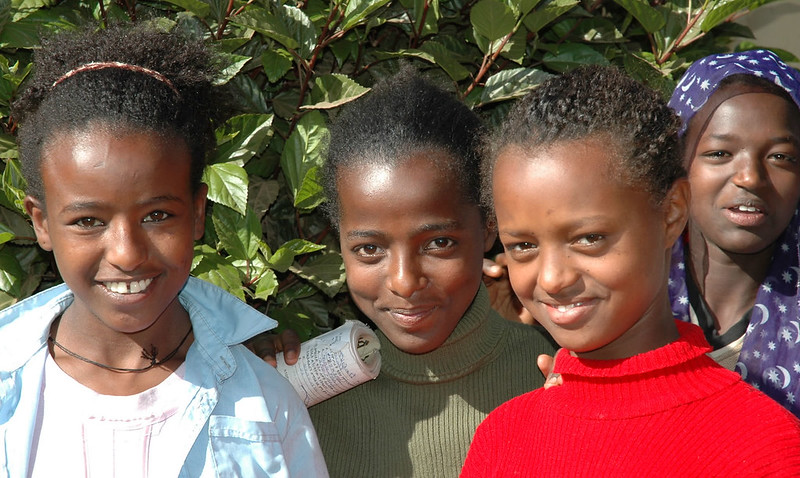
The UEFA Foundation for Children

Before the UEFA and UNHCR partnership began, UEFA had long worked to help child refugees with its Foundation for Children. The purpose of this organization is to improve the living conditions of child refugees. UEFA achieves this by supporting several socio-economic and sports projects. The UEFA Foundation for Children notes the negative impacts that war and conflict have on child refugees. It aims to play a part in addressing this.

By participating in sport, children learn essential life skills and values such as “respect, team spirit, diligence, courtesy and personal commitment.” These skills help prepare them for their futures, socially and professionally. Sports also allow a form of healing from the traumas that child refugees might have developed from the crises they live through. UEFA Foundation for Children has run several sports projects across the world. Among them is the Child Safeguarding Certification Programme for Sport-for-Good Practitioners in Europe. The purpose of the project is to train sports practitioners on the fundamental rights of children and how to go about protecting vulnerable populations such as child refugees.

The UEFA and UNHCR Partnership

On May 21, 2021, UEFA and the UNHCR brought their partnership to fruition by signing a “Cooperation Protocol to support refugee access to sport and enhance social inclusion.” The two organizations commit to long-term programs to support refugees and displaced individuals “by harnessing the transformative power of football to assist and uphold their rights and strengthen their integration in their host communities.”

To deliver on these commitments, UEFA member associations on the ground and UNHCR offices throughout Europe will provide support to one another. U.N. High Commissioner on Refugees Filippo Grandi commented on the partnership. He said that wherever his UNHCR travels take him in the world, he sees how football has the ability to unite people. Grandi states further, “Sport provides an opportunity for refugee children and youth to be included — it also has the transformative power to rebuild lives and inspire positive values.” Aleksander Čeferin, UEFA president, asserts that football fosters social inclusion and helps refugees better integrate into society.

The UEFA and UNHCR partnership has just started. As a result, the impact of the collaboration between the two is yet to be seen. However, both UEFA and the UNHCR devote a significant amount of effort to the well-being of refugees, which makes for a perfect team.

– Jacob E. Lee
Photo: Flickr

June 26, 2021
https://borgenproject.org/wp-content/uploads/borgen-project-logo.svg 0 0 Kim Thelwell https://borgenproject.org/wp-content/uploads/borgen-project-logo.svg Kim Thelwell2021-06-26 07:30:102021-06-25 13:48:11UEFA and UNHCR Partnership to Help Refugees
Global Poverty, Humanitarian Aid, Refugees

Providing Aid to Victims of the Tigray Conflict

The Tigray Conflict
Thousands of refugees have fled the Tigray conflict in Ethiopia since early November 2020 to seek safety in eastern Sudan. This has resulted in a full-scale humanitarian crisis. Refugees, many of whom are children and women, have been arriving at remote border points that take hours to enter from the closest towns in Sudan. Most of them do not have any possessions and arrived exhausted from walking long distances over harsh terrain. The steady influx of daily arrivals is exceeding the existing capacity to provide assistance.

The Tigray Conflict

The Tigray conflict is an ongoing armed conflict between the Tigray People’s Liberation Front (TPLF) and Ethiopian Prime Minister Abiy Ahmed in the Tigray Region of Ethiopia. According to the International Crisis Organization think-tank, the violence in Tigray has left thousands dead and sent tens of thousands of refugees into Sudan. Estimates have determined that the conflict has displaced more than 222,000 people, in addition to the 100,000 people who experienced displacement prior to the conflict. Moreover, the loss of livelihoods, destruction of homes and lack of resources have affected local neighborhoods. As a result, people living in those areas urgently need shelter, food, water, sanitation, and hygiene, as well as health and protection.

Humanitarian Efforts

While humanitarian efforts are emerging to provide aid after the Tigray conflict, they remain challenged by the insecurity and bureaucratic constraints throughout the region. As a result, it can be challenging for humanitarian groups to access countrysides as well as Shimelba and Hitsats refugee camps.

The U.N. is working with Ethiopia’s government and all relevant interlocutors to aid in the safe passage of humanitarian personnel and the provision of supplies to all parts of the Tigray region. Meanwhile, health facilities in major cities are partially working with limited-to-no stock of supplies and the absence of health workers and facilities outside major cities are not operational.

In addition, UNHCR and Sudan’s Commission for Refugees are continuing to relocate refugees from the border to designated refugee camps. These are further inland in Sudan’s Gedaref State, in support of the government-led response in Sudan. Um Rakuba refugee camp is approaching its full capacity. UNHCR and its partners are swiftly relocating refugees to a newly opened refugee camp, Tunaydbah, in order to keep refugees safe and offer them better quality living conditions.

Humanitarian Funding

In 2020, the U.N. High Commissioner for Refugees, Filippo Grandi, launched an appeal for $147 million to support as many as 100,000 people fleeing Ethiopia’s Tigray region into neighboring Sudan. In its appeal document, UNHCR said that it took an anticipated increase of refugees into account during its planning. At the minimum, it planned to be able to help a total of 100,000 by April 2021, whereas at the maximum, it intended to be able to provide aid to an influx of 200,000 refugees.

In November 2020, UNHCR began airlifting aid to refugees, sending the first of four planeloads of supplies to Khartoum. One of the flights to Khartoum brought 100 tonnes from Dubai comprising mosquito net, blankets, plastic sheets, solar lamps, tents and prefabricated warehouses. The intention behind the appeal for $147 million was to fund UNHCR so that it could help Sudan manage the humanitarian crisis over the following six months.

Looking Ahead

CSW’s founder and president, Mervyn Thomas, urged Ethiopia’s prime minister, Abiy Ahmed, to prioritize the protection of refugees within Ethiopia’s borders. These refugees’ forcible return to a country that many deem to have committed crimes against humanity is an appalling violation of international law and humanitarian norms.

Abiy Ahmed needs to take immediate steps to de-escalate the conflict and enter into meaningful dialogue with regional representatives who the people of Tigray recognize. People can also call on the government of Eritrea to withdraw its forces from Tigray immediately and end its egregious violations of the rights of Eritreans, both at home and abroad. More nations also need to step up their humanitarian support for the region, including Sudan, which is suffering the brunt of the refugee wave from Tigray.

– Aining Liang
Photo: Flickr

June 12, 2021
https://borgenproject.org/wp-content/uploads/borgen-project-logo.svg 0 0 Kim Thelwell https://borgenproject.org/wp-content/uploads/borgen-project-logo.svg Kim Thelwell2021-06-12 01:30:282024-05-30 22:23:35Providing Aid to Victims of the Tigray Conflict
Page 13 of 54«‹1112131415›»

Get Smarter

  • Global Poverty 101
  • Global Poverty… The Good News
  • Global Poverty & U.S. Jobs
  • Global Poverty and National Security
  • Innovative Solutions to Poverty
  • Global Poverty & Aid FAQ’s
Search Search

Take Action

  • Call Congress
  • Email Congress
  • Donate
  • 30 Ways to Help
  • Volunteer Ops
  • Internships
  • Courses & Certificates
  • The Podcast
Borgen Project

“The Borgen Project is an incredible nonprofit organization that is addressing poverty and hunger and working towards ending them.”

-The Huffington Post

Inside The Borgen Project

  • Contact
  • About
  • Financials
  • President
  • Board of Directors
  • Board of Advisors

International Links

  • UK Email Parliament
  • UK Donate
  • Canada Email Parliament

Get Smarter

  • Global Poverty 101
  • Global Poverty… The Good News
  • Global Poverty & U.S. Jobs
  • Global Poverty and National Security
  • Innovative Solutions to Poverty
  • Global Poverty & Aid FAQ’s

Ways to Help

  • Call Congress
  • Email Congress
  • Donate
  • 30 Ways to Help
  • Volunteer Ops
  • Internships
  • Courses & Certificates
  • The Podcast
Scroll to top Scroll to top Scroll to top
