3 Aspects of Inequality in Colombia
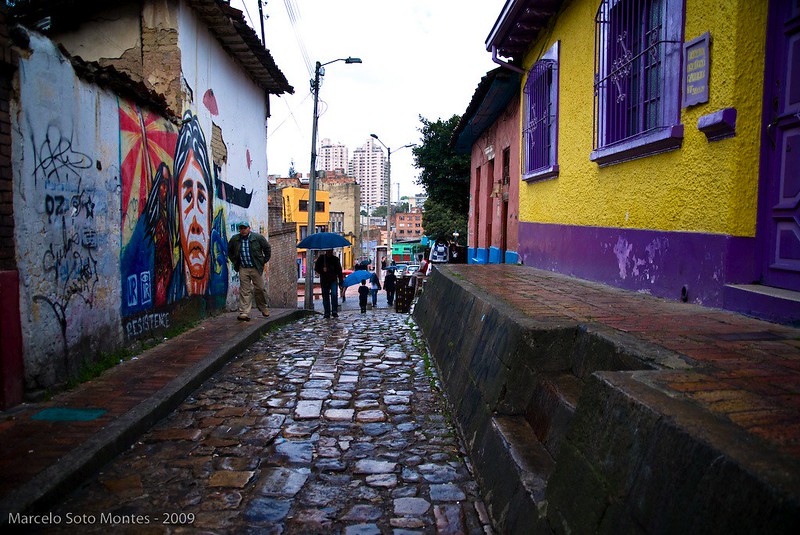
In Colombia, the issue of income inequality is undeniable. Income inequality is present largely due to income distribution and poverty. The Colombian government proposed reforms for economic and social aspects. However, the reforms only benefitted businesses, leaving behind the working class, indigenous groups, young people, women and ethnic groups. In recent years, the divide between the rich and poor has become more noticeable.
3 Aspects of Inequality in Colombia
- Land Inequality: To pay off debts, the Colombian Government sold off large portions of public land from 1823 to 1931, which led to the concentrated system of land ownership. To concentrate land, the Colombian government used tax incentives, which promoted inefficient land cultivation and hindered economic activity. Mechanisms for the concentration of land include the expulsion of peasant populations, which exacerbates the inequality in Colombia. This violent expropriation led to higher rates of poverty in the countryside than in cities.
- Income Inequality: According to the World Bank, in 2017, only 10% of Colombia’s population received 39% of Columbia’s income. This means that the most wealthy earn a large portion of the country’s income, whereas the rest is spread out disproportionately between the rich and poor due to the lack of a middle class. Furthermore, the working class lacks much-needed government aid.
- Women and Children in Colombia: Compared to men, women earn 13-23% less for the same jobs. A lack of flexibility in working arrangements directly affects female labor workers. This practice and the wage gaps clearly exemplify gender discrimination in Colombia. Women lack flexible schedules that allow time for maternity leave or other childcare-related absences. There have been many effects on infants and toddlers in Colombia. Due to malnutrition, around 346 toddlers died in 2018. Another reason for the deaths of these toddlers is poverty and lack of healthcare access in communities. According to the World Bank, malnutrition killed 14 children per 1,000 births in 2018. The majority of healthcare issues for children have a relationship with malnutrition.
Looking to the Future
One nonprofit organization and NGO that is working to eliminate inequality in Colombia is the Pintando Caminos Asociación Para Recrear el Futuro. This NGO has worked for 12 years to improve the lives of children by providing opportunities to children in oppressed and impoverished areas, such as Bogota, Colombia. Bogota is known for its slums, the conditions of which the government overlooks, allowing cartels to easily control the area. This creates a cycle of poverty. This organization is trying to break that cycle by providing aid and necessary tools to allow children to succeed without inequality holding them back. So far, they have raised over $43,781 and have helped 140 children.
Due to the inequality in Colombia, only 10% of the population succeeds, whereas the rest are struggling from the unlivable wages and working conditions. This inequality differently affects the working class or low-income workers, as well as those who are most vulnerable in society: children.
Photo: Flickr
