• Link to X
  • Link to Facebook
  • Link to Instagram
  • Link to TikTok
  • Link to Youtube
  • About
    • About Us
      • President
      • Board of Directors
      • Board of Advisors
      • Financials
      • Our Methodology
      • Success Tracker
      • Contact
  • Act Now
    • 30 Ways to Help
      • Email Congress
      • Call Congress
      • Volunteer
      • Courses & Certificates
      • Be a Donor
    • Internships
      • In-Office Internships
      • Remote Internships
    • Legislation
      • Politics 101
  • The Blog
  • The Podcast
  • Magazine
  • Donate
  • Click to open the search input field Click to open the search input field Search
  • Menu Menu

Archive for category: Poverty Reduction

Information and stories about poverty reduction.

Global Poverty, Poverty Reduction

Purchase College’s Commitment to the 17 SDGs

17 SDGs

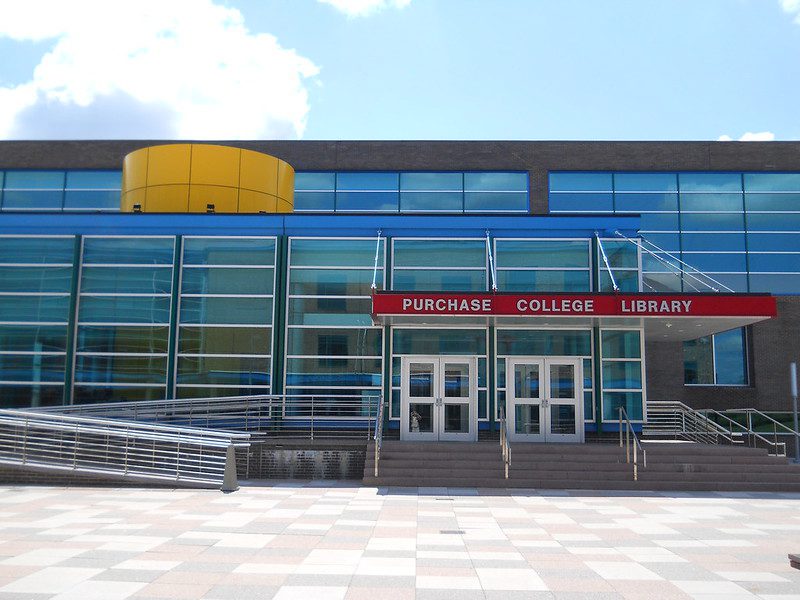
Purchase College is a public state university in New York that focuses on liberal arts but holds the U.N. Sustainable Development Goals (SDGs) at the center of all its efforts. In an interview with The Borgen Project, Anne Kern, dean for global strategy and international programs and director of the center of engagement at the college itself, explains how the college’s prioritization of justice, equity and environmental sustainability in all aspects of the campus, both in and outside the classroom, came from the college’s ongoing commitment to incorporate both social justice and sustainability on the campus in order to play a role in the fight against global poverty. Purchase College’s dedication to reducing global poverty is visible in its commitment to the 17 SDGs.

In spring 2021, Purchase College collaborated with the United Nations University Global Coalition, aiming to engage globally-focused colleges and institutions in joint efforts for a sustainable future. The partnership focuses on addressing critical global issues, aligning with the United Nations’ 17 SDGs. According to Kern, Purchase College students will encounter these goals in their professional lives, and she emphasizes the importance of their awareness to equip them for success. This initiative reflects the college’s commitment to social justice, sustainability and preparing students for a globally impactful future.

Goals of the United Nations University Global Coalition

The United Nations University Global Coalition commits to broadening students’ awareness of the world’s most pressing issues outlined in the Sustainable Development Goals (SDGs). By urging students to actively participate in creating change and proposing innovative solutions, the coalition aims to equip them with the required skills and leadership qualities for effective collaboration across cultural and national boundaries, as well as various disciplines and sectors.

Through engaging in practical research, sharing knowledge and innovating with local and international organizations, students will contribute to novel approaches to achieving the SDGs. This experiential learning will empower them to interact with both private and public entities, playing leadership roles and providing guidance for local, national and global responses to these goals.

Recognizing the impact of each entity’s operations on critical sustainable development challenges, students will act responsibly to address these issues. Serving as exemplars, they will communicate their efforts publicly and uphold accountability for the results achieved. This comprehensive approach aims to foster a sustainable future through collective and informed action.

17 Rooms

In the past, Kern attended a kick-off event to join the Brookings Institution’s Community of Practice on learning to implement a 17 Rooms event on Purchase College’s campus, which aims to provide a fun and energizing approach to convening 17 disparate specialist communities under the same roof in order to identify high-impact actions to improve SDG outcomes. The 17 Rooms project was launched by The Brookings Institution and The Rockefeller Foundation in September 2018, on the eve of the United Nations General Assembly in New York City, as an experiment to spark new kinds of action toward the 17 SDGs. Since then, 17 Rooms has developed into two different paths. The first is a yearly worldwide flagship process aimed at addressing international-scale SDG difficulties, while the second is “17 Rooms-X,” a broadly accessible technique designed to assist local communities in taking real actions toward local SDG objectives.

Moreover, 17 Rooms assembles participants from diverse professional communities to convene in separate “Rooms,” each dedicated to one of the 17 SDGs. Within each room, the shared objective is to choose collaborative actions for the upcoming 12–18 months. Ideas that emerge are then circulated across rooms, facilitating the identification of potential areas for cooperation. This approach effectively brings together natural allies, promoting familiarity for collaboration while ensuring sufficient diversity to generate innovative ideas and avenues for action.

Anne Kern’s Opinions on 17 Rooms

When asked why she decided to participate in Brookings Institution’s 17 Rooms event in the first place and how she thinks Purchase College could benefit from an event like this, Kern told The Borgen Project that she thinks it’s a good idea for young collegegoers to know that they have the ability to take on issues within the world with the college’s assistance through an event such as 17 Rooms, and she thinks that Purchase College could benefit from it because it will open up the doors to many wonderful opportunities the college could have through foreign relations relating to aid hailing from students who attend Purchase College itself.

Purchase College Inspired by 17 Rooms

In August 2023, Purchase College hosted an event inspired by the Brookings Institution’s 17 Rooms initiative, where the college’s Sustainability Office and the Office for Global Education collaborated to put on an event where like-minded students discussed pressing global issues such as the environment, justice and equity. Faculty and staff from various departments across the institution led small breakout discussion groups to educate and engage incoming students about the SDGs. Additionally, students had the opportunity to focus on one SDG, learn how Purchase advances it, and set goals to make a change on campus while forming connections with peers, faculty and staff.

To this day, Purchase College, along with Anne Kern, continues to help take on issues within the world through its commitment to the 17 SDGs, thanks to its Sustainability Office and the Office for Global Education, who help them along the way.

– Deon Roberts
Photo: Flickr

November 23, 2023
https://borgenproject.org/wp-content/uploads/borgen-project-logo.svg 0 0 Kim Thelwell https://borgenproject.org/wp-content/uploads/borgen-project-logo.svg Kim Thelwell2023-11-23 07:30:532023-11-19 23:59:17Purchase College’s Commitment to the 17 SDGs
Global Poverty, Poverty Reduction

How ADRA Is Reducing Poverty in Zimbabwe

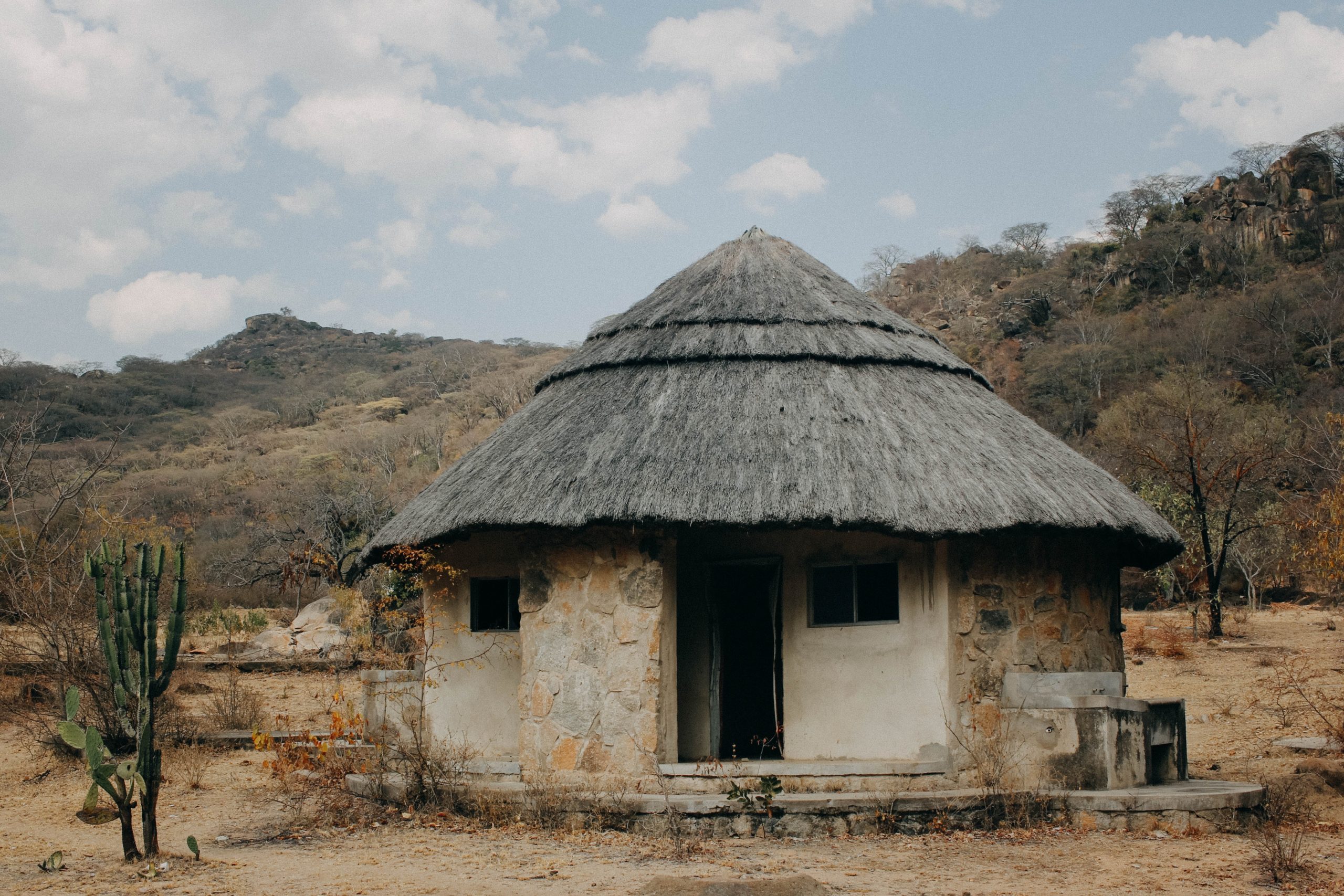
Reducing Poverty in ZimbabweReducing poverty in Zimbabwe involves understanding the effects of a poor economy and extreme weather events. Based on data from 2019, the UNDP reported in 2023 that an estimated 25.8% of people in Zimbabwe suffer from multidimensional poverty (multi-faceted poverty that goes beyond monetary means). In addition, 26.3% are at risk of falling into multidimensional poverty. Amid severe weather patterns, the nation requires sustainable solutions to help vulnerable and impoverished farming communities establish resilience and protect their livelihoods. Fortunately, the Adventist Development and Relief Agency (ADRA) is working with communities in Zimbabwe to help them rise out of poverty by centering its efforts around several main focus areas. In particular, ADRA’s environmental efforts provide a lifeline to communities in Zimbabwe facing severe impacts of extreme weather events.

High Unemployment

Environmental changes in Zimbabwe present themselves through droughts, heatwaves and floods and disrupt ecosystems and the food supply chain. This aggravates rural farmers’ income streams and Zimbabwe’s overall economic development. Cities and towns across the country experience heavy monetization due to hyperinflation. This makes basic urban commodities like electricity, food and water too expensive for impoverished people to afford.

Food Insecurity

Environmental changes have also increased food poverty in Zimbabwe. With agriculture serving as the primary source of income for the nation, “low agricultural output” and a growing number of “urban food shortages” have detrimental impacts on urban and rural dwellers.

A more comprehensive picture provided by the World Food Programme illustrates that about 3.8 million people in rural areas and 1.5 million people in the urban population face food insecurity in the nation. This is due to climate challenges and an unstable economy. These environmental changes reduce the primary materials needed to process food in the markets. With the unstable economy, food prices fluctuate, making food security out of reach for impoverished Zimbabwean households.

ADRA’s Environmental Measures

The Adventist Development and Relief Agency (ADRA), a global humanitarian organization that delivers relief and development assistance for sustainable change, is implementing environmental measures for reducing poverty in Zimbabwe. ADRA’s Zimbabwean office spoke to The Borgen Project, saying, “We have experienced climate-induced droughts, El Niño, climate-induced floods, mudslides and cyclones. Farmers are experiencing changing season cycles, animal deaths, etc.”

ADRA celebrated its 40-year anniversary by implementing the #plantafruittree project. This project involves planting 40,000 fruit trees across “schools, farms, homesteads, and institutions” in Zimbabwe from August to December 2023. It aims to reduce extreme weather impacts and raise community health. “As we commemorate ADRA’s 40 years of disaster response, humanitarian relief and development assistance, we are committed to promoting initiatives such as tree plantings that not only can help improve natural air quality, decrease erosion and remove pollution but also generate wellness benefits for residents in all communities,” says ADRA President Michael Kruger on the ADRA website. In August, ADRA planted the first 1,000 trees to commemorate the project.

ADRA’s poverty-alleviating reforestation strategy supports Sustainable Development Goal 13 (Climate Action), purifying the air and establishing resilient ecosystems that can minimize the adverse impacts of extreme weather patterns. It can also provide time for governments to plan out disaster response strategies and improve human health in Zimbabwe.

Looking Ahead

The citizens of Zimbabwe struggle to make ends meet under an impoverished economy, an unstable government and drastic environmental changes. Non-governmental organizations like ADRA wholeheartedly deliver environmental relief to this vulnerable population to practically overcome the issue of reducing poverty in Zimbabwe.

– Amy Contreras
Photo: Unsplash

November 11, 2023
https://borgenproject.org/wp-content/uploads/borgen-project-logo.svg 0 0 Kim Thelwell https://borgenproject.org/wp-content/uploads/borgen-project-logo.svg Kim Thelwell2023-11-11 03:00:132023-11-12 03:32:23How ADRA Is Reducing Poverty in Zimbabwe
Advocacy, Global Poverty, Poverty Reduction

How the Global Poverty Project Fights Poverty

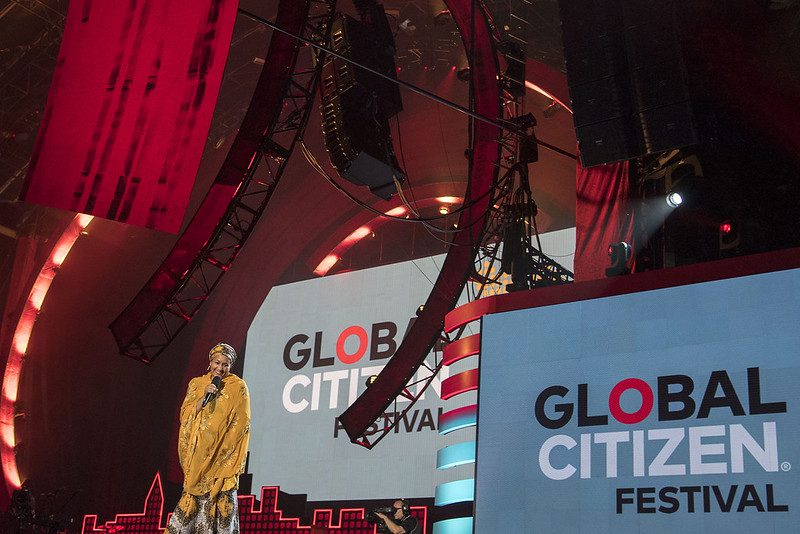
Global Poverty ProjectThe Global Poverty Project, also called Global Citizen, aspires to achieve three main goals: Defeat Poverty, Demand Equity and Defend the Planet. The organization believes that extreme poverty will not be solved if charities or governments continue working alone and that the best way to fight and solve poverty is to educate people about their potential to help the planet. 

Current Strategy

Since the organization was founded in Australia in 2008, the Global Poverty Project has found great success in mobilizing people and raising awareness of those struggling with poverty and food insecurity. The GPP is made up of hundreds of action-takers and impact-makers who work together to not only fight poverty but also to make sure as many people are aware of these issues as possible. The organization writes stories about people suffering to give a voice to a group of people who would otherwise be voiceless, such as a piece about an Indigenous Mexican activist imprisoned for years due to her activism. 

GPP also writes about the impacts of poverty and the countries most affected by it, and, in 2020, they released a recovery plan for the world, which details how they hoped to end COVID-19 on a global scale. The most significant success that GPP has seen occurs during the annual Global Citizen Festival, which began in 2013 and brings like-minded people together with global leaders to raise money and discuss their plans to support suffering countries worldwide.

2022 Global Citizen Festival

The 2022 Global Citizen Festival, which was a nine-hour conclusion to the six-week campaign, taking place in both Accra (Ghana) and New York, managed to generate $2.4 billion to help end extreme poverty. In New York, members of Congress stood beside world leaders and philanthropists and publicly spoke about the work they would be doing to help those in need. The President of France, Emmanuel Macron, stated that France would allocate 30% of its Special Drawing Rights to the poorest countries in the world, focusing on the African continent. Additionally, The Netherlands promised €25 million for food and nutrition security in 2023, while Norway donated NOK 100 million to the African Development Bank’s Africa Emergency Food Production Facility, and Slovenia donated €1.23 million to civil society organizations that fight to end hunger in Sub-Saharan Africa.

The 2023 Global Citizen Festival was also successful, raising $290 million in commitments from world leaders. Some of the accomplishments made by the GPP include $240 million given to the International Fund for Agricultural Development. Antigua and Barbuda and Timor-Leste endorsed the Fossil Fuel Non-Proliferation Treaty, and France and Norway called on other countries to increase their investments in the fight against poverty, solidifying the GPP’s ability to mobilize others successfully.

The Future

However, GPP always has more goals to work toward. After the 2023 Global Citizen Festival concluded, the campaign continued, calling for several more actions from certain countries. These actions included mobilizing the U.S. and the U.K. to follow through on their commitments to address extreme weather conditions, asking governments to increase their contribution to the International Fund for Agriculture Development to end hunger with an aim of $2 billion and an overall goal of having more countries support the Fossil Fuel Non-Proliferation Treaty. 

The GPP has seen immense success and has the support of numerous celebrities and world leaders. Celebrities include Billie Eilish, Coldplay, Hugh Jackman, Idris & Samantha Elba, the Jonas Brothers, Miley Cyrus and Usher. The GPP fights for more than an end to poverty. The organization fights for equal rights among everyone and equal access to acceptable living conditions. Due to the success that the GPP has seen over the past decade, they have accumulated hundreds of thousands of Global Citizens who work to end these issues all around the world.

– Dylan Hubbard
Photo: Unsplash

November 5, 2023
https://borgenproject.org/wp-content/uploads/borgen-project-logo.svg 0 0 Yuki https://borgenproject.org/wp-content/uploads/borgen-project-logo.svg Yuki2023-11-05 03:00:142023-11-05 00:55:59How the Global Poverty Project Fights Poverty
Global Poverty, Poverty Reduction

Industry 4.0: Africa’s Pathway to Poverty Reduction

Industry 4.0
As the global community steps firmly into the era of Industry 4.0, defined by groundbreaking smart technologies, sophisticated automation and intricate interconnected systems, Africa is poised for transformative change. Historically sidelined during earlier industrial revolutions, Africa now has a golden chance to use the Fourth Industrial Revolution as a driving force to significantly mitigate poverty.

This article delves into how Industry 4.0 stands to revolutionize three pivotal sectors in Africa: agriculture, infrastructure and energy, and entrepreneurship-driven job creation.

1. Agriculture: Embracing Tech for a Greener Tomorrow

Agriculture has long been the linchpin of numerous African economies, comprising more than 60% of its workforce. Yet, this vital sector grapples with a myriad of challenges, from dwindling productivity and the looming specter of climate change to substantial post-harvest losses.

Enter the promise of smart farming. Enriched by Internet of Things (IoT) devices, this approach can help surmount existing barriers. It promises enhanced yields, predictive equipment maintenance and adept resource management. A shining example of this shift is Nigeria’s Hello Tractor, a novel start-up that not only bridges farmers with tractor owners via a mobile application but also harnesses crucial data on soil health, weather patterns and crop outputs. By morphing traditional farming methods into lucrative enterprises, such innovations can elevate food security and amplify income streams across the continent.

2. Infrastructure and Energy: Building a Brighter Future

Economic growth and societal well-being are inextricably tied to robust infrastructure and energy frameworks. Yet, Africa grapples with a yawning infrastructure deficit, demanding an annual infusion of a staggering $130–170 billion. Coupled with this, an alarming 640 million Africans find themselves in the dark, sans electricity. 

The solution lies in smart grids that optimize energy distribution, coupled with 3D printing technologies that herald a new era of rapid, cost-efficient infrastructure development. A testament to this is Tanzania’s Zola Electric, which brings solar-powered smart grids to remote communities, offering them a lifeline of reliable and affordable energy. In a similar vein, Kenya’s 3D Homes leverages 3D printing to construct affordable housing within a mere 12 hours, addressing housing deficits while simultaneously spurring local employment.

3. Entrepreneurship and Job Creation: Unlocking Boundless Potential

Entrepreneurial ventures and job opportunities are the cornerstones for uplifting communities out of poverty and fostering inclusive growth. Yet, a multitude of African entrepreneurs are shackled by hurdles, including limited financial avenues, restricted market access and skill gaps.

The digital realm offers a panacea. Platforms like Jumia are democratizing market access, linking local vendors to a sprawling African consumer base, while also offering auxiliary services to bolster these nascent businesses. On the educational front, Andela stands out as a hub, training African software enthusiasts and linking them to international firms, all while cultivating a nurturing community for enhanced learning and collaboration. 

Industry 4.0 and the Future of Africa

The Fourth Industrial Revolution is not just another buzzword for Africa — it is a clarion call for a brighter, more prosperous future. Yet, harnessing its full potential demands meticulous investments in digital frameworks, nurturing human capital and fostering innovative ecosystems. Equally paramount is the need for robust governance and regulation, ensuring that the benefits of Industry 4.0 are widespread, ethical and sustainable. With visionary leadership and concerted action, Africa can metamorphose its latent potential into tangible, transformative outcomes.

– Yudi Zhang
Photo: Flickr

November 3, 2023
https://borgenproject.org/wp-content/uploads/borgen-project-logo.svg 0 0 Yuki https://borgenproject.org/wp-content/uploads/borgen-project-logo.svg Yuki2023-11-03 07:30:042024-06-08 03:33:17Industry 4.0: Africa’s Pathway to Poverty Reduction
Global Poverty, Poverty Reduction, Sanitation

Satellite Imagery, AI and Poverty Reduction

Satellite Imagery
In a world where poverty is a constant challenge, two key technologies are joining forces to revolutionize the approach to this global problem: artificial intelligence (AI) and satellite imagery. This powerful combination provides governments, organizations and policymakers with innovative solutions and knowledge-based insights that can potentially transform the fight against poverty as it is today. 

Satellites: Guardians From Above

Satellite photography with detailed views of the Earth’s surface has evolved into an invaluable tool in the fight against poverty. These satellites do more than just take pictures; they collect a significant amount of information about the conditions of the planet. Artificial intelligence plays a crucial role in effectively processing this data, revealing patterns and trends that used to be hidden. In addition, the satellites provide a real-time window into impoverished areas. Satellites monitor land use changes, crop health, infrastructure development and even natural disasters. This information is central to understanding the dynamics of poverty in order to make informed decisions. 

AI Control of Satellite Data

AI analytics capabilities are key to unlocking the potential of satellite imagery. Machine learning algorithms can analyze significant data sets with unprecedented speed, identify trends related to poverty and help predict future developments. This synergy between artificial intelligence and satellite images opens up possibilities in the fight against poverty. 

Satellites’ and AI’s Applications in the Fight Against Poverty

  1. Disaster Response: In the event of a natural disaster, satellites can quickly assess the damage. Artificial intelligence algorithms provide accurate information about affected areas and efficiently manage aid. For example, after Hurricane Ian, AI and satellites played a crucial role in disaster response. SeerAI’s platform rapidly processed over 1TB of high-resolution aerial imagery from the National Oceanic and Atmospheric Administration (NOAA), using AI algorithms to fuse and analyze the images. This AI-driven approach provided near real-time analysis, identifying drivable roads and hazards like debris and flooding, enabling quicker connections between emergency responders and those in need of rescue, demonstrating the potential for AI to offer prescriptive analysis in disaster situations. 
  2. Urban Development: Satellite imagery and artificial intelligence can guide urban planning and ensure that infrastructure investment is targeted to poor areas, improving living conditions. The collaboration between the World Bank and development stakeholders in Ho Chi Minh City exemplifies the potential of combining AI and satellite data. Supervised machine learning algorithms trained on ground data enable the prediction of land cover changes, providing valuable insights for urban planning.​
  3. Agricultural Productivity: AI-based analysis of satellite data optimizes agricultural practices and increases yields and food security. A study published in the journal BioEnergy Research in 2017 demonstrated that farmers could significantly increase their annual biomass production, ranging from nearly double to 21 times more, by planting energy crops on previously unprofitable land. To fully achieve these gains, farmers would need to adopt precision agriculture that technologies like Crop AIQ have enabled, which leverages AI and satellite data to optimize crop management and resource allocation.
  4. Environmental Protection: Satellite images help monitor deforestation and environmental degradation, allowing decision-makers to plan for sustainable development. For example, initiatives like the United Nations Environment Program’s World Environment Situation Room (WESR) leverage AI to curate and analyze earth observation data, supporting real-time analysis of factors like CO2 levels and sea level rise. 

Real-World Application of Satellites & AI in Africa

Stanford researchers have developed an innovative tool that combines satellite imagery and artificial intelligence (AI) to estimate poverty levels across African villages. By analyzing both nighttime and daytime satellite images, the tool identifies indicators of development, such as lights at night and human infrastructure during the day. Deep learning algorithms create an asset wealth index, a common measure of household wealth, based on these characteristics. Tested on around 20,000 African villages, the tool accurately gauges poverty levels over different time periods.​

This technology has substantial potential to combat poverty in Africa by providing valuable economic data at local and broad scales. It facilitates improved targeting of anti-poverty programs, aids in product distribution by NGOs and supports market growth analysis for businesses. The democratization of this technology, with publicly available satellite imagery, makes it accessible for widespread use. By addressing the challenge of measuring economic progress and poverty interventions, this tool contributes to enhancing the well-being of impoverished populations in Africa. 

As the world continues to improve and expand the use of artificial intelligence and satellite imagery, the fight against global poverty will become a powerful ally. With clear data and innovative solutions, these technologies can significantly reduce poverty and offer hope for a more equitable world.

– Suhani Bhattad
Photo: Flickr

November 2, 2023
https://borgenproject.org/wp-content/uploads/borgen-project-logo.svg 0 0 Yuki https://borgenproject.org/wp-content/uploads/borgen-project-logo.svg Yuki2023-11-02 07:30:422024-05-30 22:32:33Satellite Imagery, AI and Poverty Reduction
Global Poverty, Poverty Reduction

The Fight Against Poverty in Bhutan

Poverty in Bhutan
According to World Bank data, the Kingdom of Bhutan finally eliminated extreme poverty in 2022. This data means that 100% of Bhutanese live with more than $2.15/a day. Furthermore, the share of the population living under the upper-middle income countries’ poverty line of 6.85 has shrunk from 39.5% in 2017 to 8.5% in 2022. However, despite these reductions, the Bhutanese people still face many challenges. 

Bhutan is a country in the Himalayas mountain range with an area of 38.394 sq km. This size makes it a fairly small nation in one of the most remote locations in the world, creating challenges for development and poverty reduction. Former prime minister Jigme Thinley said, “There are too many Bhutanese for whom a walk or a drive to the nearest basic health unit is at least one hour away.” Therefore, while its journey provides insights for development, the country still has much to improve, including living conditions and the eradication of poverty. 

Eliminating Poverty in Bhutan

The main driver of Bhutanese economic growth in the past decades has been exporting excess hydroelectric power to India. From 1990 to 2022, this export has been the main source of income and reduction of poverty in Bhutan. With this income, the Bhutanese government has reinvested in developing infrastructure throughout the country. With this, Bhutanese farmers have commercialized their products beyond their local communities, boosting trade and increasing their income. 

Priorities for Bhutan remain tied to boosting infrastructure to make it attractive for business and improving its Gross Happiness Index score, a development measurement tool designed in Bhutan to address the main complaints of its inhabitants and guide policy to improve the mental well-being of its population. This index has also experienced improvement but on a more reduced scale when compared to overall poverty reduction. On a scale of 0 to one, the country scored 0.743 in 2010, improving to 0.781 in 2022. This growth might be slower than poverty reduction or GDP, but it is steady and allows the Bhutanese government to take a more holistic approach to improving living conditions. 

Challenges

Despite the successes in poverty reduction, as the former prime minister Jigme Thinley expressed, there are still many challenges to overcome. Youth unemployment rose from 9.6% in 2021 to 18.6% in 2022, and debt to GDP stood at 129.1%. This trend has led the government to a tight situation where its youth is jobless and cannot afford to increase its investments to counterbalance it. 

Furthermore, despite its progress in this area, remote mountainous areas still have long commutes before arriving at health facilities, causing disparities between urban and rural areas, especially in the country’s eastern regions. 

Finally, Bhutan’s location poses one last challenge to development: natural disasters. Earthquakes, floods and landslides are common in the area and can cause significant damage to the local population. Thus, in 2019, the government of Bhutan, in collaboration with the UN, developed a roadmap for disaster risk management. The current guidelines focus on awareness, preparedness and coordinated efficiency to maximize the impact of aid from NGOs and UN organizations.

Looking Forward

Bhutan has made significant progress in improving living conditions, and its policies center around the population’s most urgent needs thanks to the use of the Gross Happiness Index. Thus, even if the government has little maneuverability due to high debt ratios, it has tackled the issue of development in remote terrain relatively effectively through extensive investments in infrastructure. It may be too soon to declare the end of all poverty in Bhutan, but the country has come a long way to achieve 0% of its population living under $2.15/a day.

– Daniel Pereda
Photo: Flickr

October 30, 2023
https://borgenproject.org/wp-content/uploads/borgen-project-logo.svg 0 0 Yuki https://borgenproject.org/wp-content/uploads/borgen-project-logo.svg Yuki2023-10-30 22:35:272023-11-03 01:44:26The Fight Against Poverty in Bhutan
Global Poverty, Poverty Reduction

The Poverty Rate in Mexico Has Declined

The Poverty Rate in MexicoA study by Conveal showed a decline in the poverty rate in Mexico over the past four years. The reduction meant that in Mexico more than 5 million fewer people reported incomes below the market rate for needs like clothes and food.

The Past Few Years

Andrés Manuel López Obrador has been the president of Mexico since 2018 and has doubled the country’s minimum wage. In 2018, the minimum wage was equal to about $4.50 per day. It has since increased to $12 per day.

However, the amount of money sent back to Mexico by Mexicans working overseas, also known as remittances, has nearly doubled during the same time frame. In 2018, remittances amounted to approximately $33.5 billion; as of the first half of 2023, they are projected to reach an annual rate of around $60 billion.

Not All Good News

Extreme poverty, defined as not having enough money to buy adequate food, increased from 7% of the population in 2018 to 7.1% in 2022, according to the agency. The number of individuals living in extreme poverty increased from 8.7 million in 2018 to 9.1 million in 2022 due to population growth.

Additionally, López Obrador established youth apprenticeship and scholarship programs and supplemental pension payments for seniors. It is unclear, however, if these programs have specifically benefited the poorest Mexicans because they are not means-tested; instead, they are offered to everyone who qualifies, regardless of income level.

There was also a remarkable rise in the proportion of persons reporting financial difficulties related to medical treatment. The percentage increased from 16.2% of the population in 2018 to 39.1% in 2022. In a previous assessment of the rise in that number in 2020, the agency cited the sweeping reforms made to the health care system under López Obrador and the consequences of the coronavirus outbreak.

Casa Hogar de Cabo San Lucas

Founded in 2008, Casa Hogar de Cabo San Lucas is a Mexican enrolled nonprofit, charitable organization. It could be a Social Help Center. Casa Hogar may be a comfortable, secure and upbeat home for kids and teenagers set in an alluring, camp-like environment giving physical and enthusiastic care.

In addition to caring for the inhabitants, the organization gets them ready for selection or to be rejoined with their families. With a fluctuating populace of around 30 inhabitants, between 5 and 17 years old, the children and teenagers who make up this expansive family arrive beneath the security of Civil or State level Child Security Offices. Most have living guardians, but for reasons beyond their control, inhabitants cannot live with their guardians.

One of its projects, called “Blue Miracle,” is a movie featured on Netflix based on a Casa Hogar story from 2014. Blue Miracle has spread awareness and sensitivity to private social assistance centers in Mexico, which operate as charities without government funding.

This organization wants to help as many children as possible in Mexico by interacting with the problem to expand assistance to every vulnerable child. Its continuous efforts should only reduce the poverty rate in Mexico.

– Hailey Spencer
Photo: Unsplash

October 30, 2023
https://borgenproject.org/wp-content/uploads/borgen-project-logo.svg 0 0 Yuki https://borgenproject.org/wp-content/uploads/borgen-project-logo.svg Yuki2023-10-30 07:30:402024-06-11 00:17:58The Poverty Rate in Mexico Has Declined
Global Poverty, Poverty Reduction

How Fashionomics Africa Is Driving Development

Fashionomics AfricaFashionomics Africa is a platform enabling African creators and designers to connect with consumers, allowing them to sell their goods to a broader consumer base and receive investment and funding. The initiative can potentially become a major driver in economic development and industrialization in Africa by generating new jobs and creating global supply chains.

Fashionomics Africa aims to develop the African textile industry through several methods. For instance, it has attempted to increase access to finance by connecting TA&A (African Textile, Apparel and Accessories) entrepreneurs with commercial banks, thus facilitating investment and allowing further funding to reach entrepreneurs, enabling them to expand their business activities. Other contributions have included helping TA&A entrepreneurs access markets through e-commerce and creating jobs for both skilled and unskilled labor. Its ultimate goal is to increase access to markets and finance and develop workers’ skills through mentoring and other networking opportunities.

Job Creation

Fashionomics Africa is currently under the leadership of the Gender, Women and Civil Society (AHGC). AHGC aims to target gender-based disparities and women’s empowerment. Fashionomics Africa’s mission will contribute to improving human capital, specifically that of women and children, through its efforts to make jobs and training more easily accessible.

Allowing women and children to have increased access to wages encourages the empowerment of these groups, providing them with higher disposable incomes. This increased access allows them to alleviate themselves from poverty, increase their living standards and become established members of any household, potentially protecting them from power imbalances in which they would be otherwise trapped due to a lack of financial freedom. This change supports poverty reduction in groups where the issue is especially prevalent, allowing women and children to afford an improved standard of living for themselves.

Sustainability

As well as promoting job creation and sustainable development, Fashionomics Africa contributes to many fair trade organizations, including promoting sustainability through discouraging fast fashion. Their repurposing and recycling of garments is a net positive towards reducing emissions, which have detrimental impacts on changing weather patterns. While fast fashion does not directly contribute to poverty levels, warmer climates have severe implications for underdeveloped nations, often causing droughts and famine, further exacerbating the levels of absolute poverty already present.

Poverty Reduction

While the mission of Fashionomics Africa is not directly a poverty reduction one, there will be many by-products of the organization that contribute to poverty reduction. Job creation and climate change counteraction will significantly alleviate poverty and allow many to live above the threshold of $2.15 a day. On a wider scale, this initiative is likely to drive development and industrialization throughout Africa, strengthening supply chains and alleviating African economies. This improvement will allow many to overcome poverty as domestic economies begin to thrive, enabling more state provision and welfare for those trapped in poverty.

– Hannah Bugeja
Photo: Flickr

October 16, 2023
https://borgenproject.org/wp-content/uploads/borgen-project-logo.svg 0 0 Yuki https://borgenproject.org/wp-content/uploads/borgen-project-logo.svg Yuki2023-10-16 01:30:432024-06-08 03:33:01How Fashionomics Africa Is Driving Development
Global Poverty, Poverty Reduction

How the World Bank Leverages AI To Help Low-Income Families

World Bank Leverages AI
Technology has been a lifesaver in developing countries during COVID-19, helping to maintain essential services and keep companies in business as the world went completely online. It has also offered a glimpse of a brighter future, one in which income gains and employment are driven by technologies such as artificial intelligence (AI).

The economic challenges brought on by COVID-19 and more recently, the war in Ukraine, have resulted in a marked slowdown across the globe. It is estimated that almost 7% of the world’s population will still be living on less than $2.15 a day in 2030, with most in Africa. The need to embrace innovative technologies such as AI could not have arrived at a better time.

Artificial intelligence combines large volumes of data with computing power to simulate human cognitive abilities such as reasoning, language, perception, vision and spatial processing.

The World Bank finances public projects and programs, providing technical advice and analysis, managing financial risk,and financing private sector investments to help countries share and apply innovative knowledge and solutions to the challenges they face. The World Bank leverages AI through multiple avenues, empowering private sectors and governments, to uplift the lives of people in developing nations.

Reducing Poverty and Boosting Shared Prosperity in FinTech

The World Bank leverages AI to address the financial needs of the unserved and the underserved, by empowering companies generating products and services such as credit scoring and targeted advertisements. Companies in Africa such as M-Shwari and M-Kajy are early examples of AI delivering financial services to the poorest.

Predicting and Fighting Poverty with Data

With more than 3.5 billion mobile subscribers in developing countries and thousands of satellites in Earth’s orbit, collecting data to predict poverty and vulnerability is within the reach of scientists, researchers and policymakers. The socio-economic status of an individual can be inferred using past history of mobile phone usage. In resource-constrained environments where censuses and household surveys are rare, this approach creates an option for gathering localized and timely information cost-effectively, with machine learning (ML) opening the possibility of using new data sources to measure poverty and vulnerability.

AI in Agriculture

AI-as-a-service solutions have been gaining popularity in recent years. A machine learning app, Nuru, has been used on farms in Kenya, Mozambique and Tanzania to identify leaf damage in photos and send information to help monitor the presence of an invasive pest that threatens farm revenue and food security across East Africa.

AI in the Energy Sector

In Africa, 600 million people (53% of the total population) live without electricity, with conditions exacerbated in the sub-Saharan region. However, the continent has abundant solar, wind and bioenergy resources. Azuri Technologies has developed a solar-powered, innovative, pay-as-you-go model for 12 countries across Africa. The service utilizes AI to optimize power consumption — it learns home energy needs and adjusts power output accordingly by automatically dimming lights, slowing fans or managing how quickly devices are charged.

Barriers to Economic Growth

The lack of AI expertise and insufficient data often increase the cost of implementing AI solutions in low-income countries. The International Finance Corporation (IFC), a member of the World Bank Group, is the largest global development institution focused exclusively on the private sector in developing countries.

Through venture capital investments and investments in online educational platforms, local communities are empowered to take advantage of this technology to improve skills and gain access to AI-related solutions. However, private sectors cannot operate alone in emerging markets. Government support in establishing data and infrastructure, open access and regulatory governance to protect privacy and security are needed to aid the private sector specializing in AI solutions.

The World Bank Leverages AI Through Policy Mandates, Global Research and Training

Measuring AI Development is aided by Development Economics Analytics & Tools (DECAT), a prime research arm at the World Bank. The role of DECAT is to promote a global understanding of development policies and programs through analytical insights and recommendations.

The Center for Effective Global Action (CEGA) at UC Berkeley and DECAT partner and hold annual conferences on key topics, including the role of mobile data in global development research, emerging data and methods in global health research as data, infrastructure and governance hold the keys to enabling poor countries to embrace AI for economic growth in the coming years.

The World Bank has launched the AI for Development initiative and an Artificial Intelligence Lab. Through skills-building workshops and training programs on big data, AI and decision science, these programs work to enhance the skill sets of decision-makers with tools that rely on these technologies.

The UN’s AI for Good Global Summit 2023, a conglomeration of subject matter experts from tech giants, international universities and organizations, calls for innovative ways to make AI useful in addressing global issues.

Artificial Intelligence is Here to Stay

While the gaps in governance, data and infrastructure are key factors that need to be addressed on the global stage, the World Bank leverages AI in innovative ways to demonstrate the good the technology could bring to low-income communities.

– Sudha Krishnaswami
Photo: Flickr

October 14, 2023
https://borgenproject.org/wp-content/uploads/borgen-project-logo.svg 0 0 Yuki https://borgenproject.org/wp-content/uploads/borgen-project-logo.svg Yuki2023-10-14 07:30:522023-10-10 10:02:53How the World Bank Leverages AI To Help Low-Income Families
Global Poverty, Poverty Reduction

The Economic Potential of the IWOSS Sector in Nigeria

IWOSS sector in Nigeria
High levels of joblessness have emerged as a critical policy issue in Nigeria. From 2010 to 2018, the unemployment rate surged from 5% to 23%. Compounded by the impact of the COVID-19 pandemic, the economy is failing to create an adequate number of employment opportunities, especially for women and young people. As the shortcomings of traditional sectors like manufacturing in driving economic growth and employment have become apparent, attention has pivoted toward investigating alternative sectors that can stimulate both economic development and job opportunities.

Industries Without Smokestacks and Their Impact

Industries without smokestacks (IWOSS) encompass industries with superior labor productivity compared to traditional agriculture. These sectors encompass agro-processing, financial and corporate services, information and communication technology (ICT), tourism, formal trade and transportation.

The growing significance of the IWOSS sector in Nigeria is particularly important, given that data suggests the employment crisis has escalated into a significant issue. For instance, the financial and business services sector led to an increase in employment rates, accounting for 23.5% of the growth share between 2010 and 2018. In contrast, sectors like mining demonstrated minimal improvement, registering a mere 0.1% increase, underscoring the transition from traditional sectors to newer, service-oriented ones.

IWOSS sectors provide diverse job opportunities that cater to individuals with a range of skills and expertise levels. This opportunity means that people with lower levels of education or skills can still find employment in these sectors, helping reduce unemployment and alleviate poverty.

Job Opportunities for Women and Youth

A notable feature of the IWOSS sector in Nigeria is their propensity to hire women, young individuals and those with low education and skills. These sectors have consistently attracted a greater proportion of workers from these specific demographics in comparison to sectors outside the IWOSS realm. In 2018, for example, 34% of the IWOSS sector in Nigeria consisted of females, while the non-IWOSS workforce exhibited a lower representation of women at 32%. Predictions indicate that the IWOSS sectors will experience a continued rise in female employment by 2025. These figures demonstrate the advancement of gender equality in the labor force. This sector offers favorable prospects for women to overcome the obstacles that have historically hindered their participation and progress in conventional industries.

Advantages of IWOSS

An important benefit of IWOSS is its adaptability, which allows women to manage both their professional and family obligations effectively. Introducing remote work choices, freelance positions and flexible scheduling has transformed the job market, especially for women.

Given that IWOSS sectors in Nigeria prioritize skills over physical strength, they offer an equitable platform for women to excel and prosper. By offering flexible work arrangements and prioritizing skills over physical strength, IWOSS sectors create a more inclusive environment for women to participate in the workforce. Empowering women with employment opportunities can lead to economic independence and, in turn, reduce poverty among female-headed households.

Just like the manufacturing sector, these industries share the characteristic of being export-oriented, meaning they engage in trade and benefit from global markets. Additionally, they harness the advantages of technological innovations, leveraging cutting-edge tools and processes to enhance productivity and competitiveness.

Furthermore, their substantial reliance on a workforce encompassing individuals with lower to intermediate skills and expertise sets them apart. This reliance means that these sectors offer employment opportunities for a wide spectrum of workers, ranging from those with basic skills to those with more specialized training, making them accessible to a broader segment of the population.

The IWOSS sector in Nigeria is swiftly gaining prominence and playing a progressively larger role in employment. IWOSS can create many job prospects for Nigerians, particularly for the younger generation. The adaptability, inclusiveness and resilience that IWOSS has exhibited over the last two decades, even amid the challenges that the COVID-19 pandemic posed, underscore its capacity to foster job growth.

– Susanna Andryan
Photo: Unsplash

October 13, 2023
https://borgenproject.org/wp-content/uploads/borgen-project-logo.svg 0 0 Yuki https://borgenproject.org/wp-content/uploads/borgen-project-logo.svg Yuki2023-10-13 07:30:092023-10-10 07:49:40The Economic Potential of the IWOSS Sector in Nigeria
Page 12 of 63«‹1011121314›»

Get Smarter

  • Global Poverty 101
  • Global Poverty… The Good News
  • Global Poverty & U.S. Jobs
  • Global Poverty and National Security
  • Innovative Solutions to Poverty
  • Global Poverty & Aid FAQ’s
Search Search

Take Action

  • Call Congress
  • Email Congress
  • Donate
  • 30 Ways to Help
  • Volunteer Ops
  • Internships
  • Courses & Certificates
  • The Podcast
Borgen Project

“The Borgen Project is an incredible nonprofit organization that is addressing poverty and hunger and working towards ending them.”

-The Huffington Post

Inside The Borgen Project

  • Contact
  • About
  • Financials
  • President
  • Board of Directors
  • Board of Advisors

International Links

  • UK Email Parliament
  • UK Donate
  • Canada Email Parliament

Get Smarter

  • Global Poverty 101
  • Global Poverty… The Good News
  • Global Poverty & U.S. Jobs
  • Global Poverty and National Security
  • Innovative Solutions to Poverty
  • Global Poverty & Aid FAQ’s

Ways to Help

  • Call Congress
  • Email Congress
  • Donate
  • 30 Ways to Help
  • Volunteer Ops
  • Internships
  • Courses & Certificates
  • The Podcast
Scroll to top Scroll to top Scroll to top