• Link to X
  • Link to Facebook
  • Link to Instagram
  • Link to TikTok
  • Link to Youtube
  • About
    • About Us
      • President
      • Board of Directors
      • Board of Advisors
      • Financials
      • Our Methodology
      • Success Tracker
      • Contact
  • Act Now
    • 30 Ways to Help
      • Email Congress
      • Call Congress
      • Volunteer
      • Courses & Certificates
      • Be a Donor
    • Internships
      • In-Office Internships
      • Remote Internships
    • Legislation
      • Politics 101
  • The Blog
  • The Podcast
  • Magazine
  • Donate
  • Click to open the search input field Click to open the search input field Search
  • Menu Menu

Archive for category: Innovations

Global Health, Global Poverty, Innovations

Technological Innovations in Maternal Health

Innovations in Maternal HealthThe United Nations Children’s Fund (UNICEF) reports that more than 25% of the estimated 300,000 maternal deaths each year stem from postpartum hemorrhage, which is severe blood loss following childbirth. Most of these deaths occur in developing countries where access to quality medical facilities is limited. The United Nations (U.N.) states that postpartum hemorrhage is the leading cause of maternal mortality, claiming the lives of 130,000 new mothers each year. Technological advancements and innovations have introduced two significant medical devices to combat this issue and improve maternal health: the Non-pneumatic Anti-Shock Garment (NASG) and the Uterine Balloon Tamponade (UBT).

The Non-Pneumatic Anti-Shock Garment

NASGs resemble trousers and are divided into five to six segments. Each segment features Velcro straps that apply targeted pressure from the ankles to the abdomen, allowing for simultaneous vaginal treatments. Developed using technology similar to NASA’s anti-gravity suits, NASGs prevent unconsciousness by promoting blood circulation toward the head. They also reduce blood loss and increase survival chances in cases of postpartum hemorrhage by compressing the lower extremities to drive blood toward vital organs. This effective management ensures prolonged survival until medical help is available.

NASGs provide up to 48 hours of crucial support in emergencies and can be reused up to 144 times. Costing approximately $0.50 per use, NASGs are cost-effective and vital for maternal health. The World Health Organization (WHO), UNICEF and the United Nations Population Fund (UNFPA) recognize these garments as essential tools for reproductive, maternal, newborn and child health. Research indicates that NASGs can potentially reduce maternal deaths from postpartum hemorrhage by half in specialized care settings, highlighting their critical role in improving reproductive health outcomes.

The Uterine Balloon Tamponade

The UBT is a medical device used to manage postpartum hemorrhage. It works by inserting a balloon into the uterus and inflating it with saline or sterile water using a syringe or gravity bag. This inflation applies pressure to the uterine walls, effectively controlling excessive bleeding. Although UBTs are effective, they are expensive, with costs ranging from $125 to $350 per use, limiting their use primarily to high-income countries as a surgical intervention for severe postpartum hemorrhage.

In areas without adequate medical facilities, health practitioners have improvised with makeshift versions of the UBT. UNICEF reports the use of condoms, inserted into the uterus and inflated with saline through a catheter, as an emergency alternative to UBTs. These ad-hoc solutions can mitigate blood loss but pose significant safety risks. A 2019 study in Ivory Coast confirmed the effectiveness of UBTs, successfully managing postpartum hemorrhage in nearly all treated cases, highlighting the need for both proper medical oversight when using such devices and further innovations in Maternal Health.

The Adoption of NASG and UBT Devices

Despite the clinical proof of its effectiveness, the NASG faces several challenges that limit its wider use. A general lack of awareness about the importance of NASG exists. Additionally, many health facilities report shortages due to the device’s high initial cost. Additionally, gaps in knowledge about the proper use and maintenance of NASGs further complicate efforts to implement them effectively.

Similar to the NASG, despite its effectiveness in controlling postpartum hemorrhage, UBT is expensive, challenging its widespread use in low- and middle-income countries. The WHO restricts UBT approval to environments where advanced treatments like blood transfusions and surgeries are available. Clinical trials reported in Obstetrics and Gynecology journals have highlighted potential risks of using UBT-like devices in remote settings, including instances where the intervention might have worsened blood loss. Trained medical personnel are advised to use such devices with caution, particularly in less-equipped environments.

Moving Forward

The U.N. agency is collaborating with governments and hosting online seminars. The aim is to promote the effectiveness of the NASG in reducing postpartum hemorrhage. Since 2019, UNICEF has included the NASG in its Supply Catalogue for global accessibility. Additionally, UNICEF is searching for cost-effective alternatives to the UBT. UNICEF has identified a manufacturer that offers the device at $5-15 per usage. More than 10 countries now recognize this affordable UBT as an essential medical product, with at least 16,000 units purchased. Concurrently, WHO is launching a study in Vietnam to test procedures, including a UBT-like device, to mitigate postpartum hemorrhage and improve maternal health. This research aims to address previous concerns about the UBT’s risks and develop more innovations to reduce maternal deaths and improve maternal health.

– Naomi Finapiri

Naomi is based in London, UK and focuses on Technology and Solutions, Global Health and Celebs for The Borgen Project.

Photo: Flickr

July 5, 2024
https://borgenproject.org/wp-content/uploads/borgen-project-logo.svg 0 0 Precious Sheidu https://borgenproject.org/wp-content/uploads/borgen-project-logo.svg Precious Sheidu2024-07-05 01:30:182026-04-16 09:59:53Technological Innovations in Maternal Health
Agriculture, Global Poverty, Innovations

Fighting Poverty with Dirt: Soil Mapping

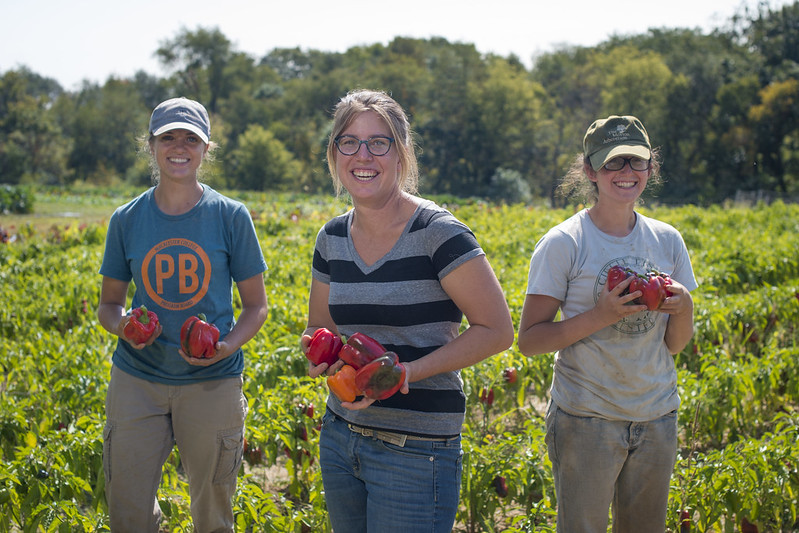
Soil MappingTechnology is always growing, always changing and always evolving. Now, some scientists are using new soil mapping methods to improve one of the most ebbing professions: farming.

The Basics of Soil Mapping

Soil maps catalog features and soil types in an area. Early on,soil mapping was done using field and lab observation. With the advent of more advanced technology, soil mapping is now done digitally while still using data. This data can be collected in multiple ways. It can be as simple as a special drill called a bucket auger and a single aerial photo of the land or as complex as using special geospatial software.

Once collected, the map is created in a grid layout, with each cell representing a different location. Soil mapping often tests the amount of nutrients in soil, allowing for more efficient farming and more effective use of products like fertilizer.

The Upsides of Soil Mapping

  1. Improving farming profit: Creating better soil produces more crops. Many farmers in developing countries use their crops as a form of survival and use what little is left over as products to sell. This is known as subsistence farming. By optimizing the use of fertilizers and other products with soil mapping, more crops are available to market while still feeding producers. The estimated increased yield is about 4-9%.
  2. Creating sturdier crops: Temperature changes and natural disasters can quickly tank a harvest. By using soil mapping, crops become more resilient and more able to survive harsh or fluctuating conditions.
  3. Improving soil health: Continents like Africa struggle with inconsistent soil health and high fertilizer prices due to inflation. Preventing resource waste is critical when costs are so high. Creating detailed soil maps provides important information that can help restore soil and reduce waste. Restoring soil health means more crops can grow, which means more profit for the people who need it most.
  4. Improving nutrition: More nutrients in the soil mean more nutrients in the food that the soil produces. Nutritious food is crucial for preventing malnutrition and health problems in low-and middle-income countries.
  5. Long-lasting solution: Soil maps are a local solution to food insecurity. They are more sustainable than direct aid because they allow for more output year after year. Providing more than just food, the extra crops taken to market can provide other critical needs.

The Global Soil Partnership

Soil mapping supports improvised communities globally, especially through government-run programs. The biggest program of this type is the Global Soil Partnership. The program uses 500 experts from 52 countries to create soil maps and databases to combat problems like food insecurity. These mapping programs are especially helpful in Africa and South America, where the climate can be volatile and many people are malnourished.

What’s Ahead?

Soil mapping demonstrates that technology and progress can also help end poverty. Large problems require innovative and scalable solutions and soil mapping qualifies. It is not necessary to only use traditional human labor to assist those who need help. Technology can assist grassroots and nonprofit groups in providing lasting solutions. The results show the power of human advancement.

– Meredith Wyrick

Meredith is based in Magnolia, TX, USA and focuses on Good News and Global Health for The Borgen Project.

Photo: Flickr

July 3, 2024
https://borgenproject.org/wp-content/uploads/borgen-project-logo.svg 0 0 Hemant Gupta https://borgenproject.org/wp-content/uploads/borgen-project-logo.svg Hemant Gupta2024-07-03 07:30:072024-07-03 01:20:22Fighting Poverty with Dirt: Soil Mapping
Global Poverty, Innovations, Nonprofit Organizations and NGOs

Agastya International Foundation: Sparking Curiosity via Science

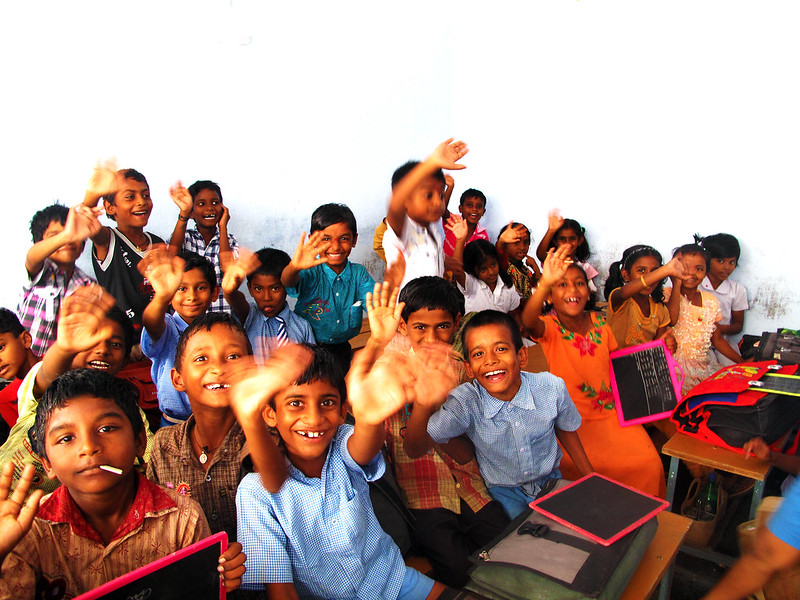
Agastya International FoundationImagine a world where a single mobile science lab can ignite curiosity in millions of underprivileged children. A lab that will transform their futures and bridge the educational gap across rural India. Welcome to the revolution led by Agastya International Foundation. This story unfolds the remarkable journey of an organization determined to redefine education through hands-on science learning.

A New Era of Learning

In the late ’90s, Ramji Raghavan returned to India with a vision to revolutionize education. Inspired by conversations with experts about the lack of hands-on learning in the Indian education system, he co-founded Agastya International Foundation in 1999. The mission was clear: to enhance government school curricula through innovative, hands-on methods. To make education accessible to all children regardless of their economic or social backgrounds. Agastya’s team, composed of dedicated teachers, scientists and volunteers, promotes inquiry and curiosity, aiming to transform lives through education.

Agastya’s approach to education is unique and impactful. The foundation uses inexpensive, everyday materials to create science experiments and models, enabling children to replicate them at home. This hands-on method not only demystifies science but also empowers children to think critically and creatively. Older students with a passion for science often become mentors, guiding younger children during large science fairs and ensuring that curiosity is met with answers.

Transforming Education: Impact and Vision

Since its inception, Agastya has positively influenced more than 300,000 teachers and 20 million students across more than 22 states in India. The foundation’s vision is to foster a nation of creators, tinkerers, solution-seekers and leaders who are humane and connected. With programs like teacher training, mobile science labs and science centers, Agastya addresses critical educational gaps through scalable, hands-on experiential learning.

The foundation’s flagship initiative, the Mobile Science Lab, features more than 80 low-cost experiments. It brings interactive science education to schools and makes learning enjoyable.

Agastya’s core programs are designed to spark curiosity through science, art and mathematics. These programs support both teachers and remedial students, all integrated within the Kuppam campus’s ecology classroom. Agastya fosters innovation to solve theoretical and practical problems, focusing on creating economical teaching methods and training teachers. Its diverse offerings include lab-on-a-bike, lab-in-a-box, lab-on-a-tab, media labs and a gifted children’s program. Additionally, night schools and extensive teacher training programs have further extended its reach and impact.

Scaling New Heights

Interest from the Indian Government and private donors has helped Agastya scale rapidly, reaching two million children annually. The foundation’s 170-acre campus in South India transformed from an arid wasteland into an ecological marvel and serves as a world-class center for learning, hosting more than 600 students daily. This campus supports Agastya’s innovative teaching methods, making it a beacon of hope and progress.

Conclusion

Agastya International Foundation stands as a testament to the power of innovative education. By transforming how scientific knowledge is acquired, Agastya is not just educating children but igniting a lifelong passion for learning and discovery. Through its programs, millions of underprivileged children have been given the tools to dream big and achieve remarkable academic and personal successes. As Agastya continues to expand its reach, the foundation’s vision of an enlightened, curious and innovative India moves closer to reality.

– Sandeep Kaur

Sandeep is based in Manchester, UK and focuses on Good News for The Borgen Project.

Photo: Flickr

June 24, 2024
https://borgenproject.org/wp-content/uploads/borgen-project-logo.svg 0 0 Hemant Gupta https://borgenproject.org/wp-content/uploads/borgen-project-logo.svg Hemant Gupta2024-06-24 07:30:402024-06-23 13:37:27Agastya International Foundation: Sparking Curiosity via Science
Aid, Developing Countries, Innovations, Poverty Reduction

Water Poverty in Zimbabwe: Save the Children’s Approach

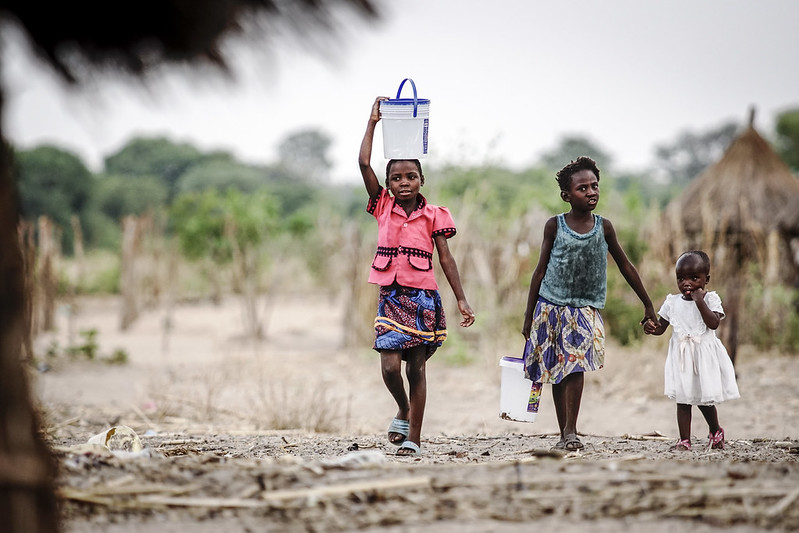
Water Poverty in Zimbabwe: Save the Children’s ApproachZimbabwe, situated in southern Africa, grapples with serious poverty-related issues, including widespread water poverty. The World Bank reported that 42% of the country’s population lived in extreme poverty in 2019, primarily in remote, poorly connected and densely populated rural areas susceptible to poverty traps. The COVID-19 pandemic may have been responsible for the rise in poverty levels in the country.

The Water Problem

Save the Children emphasizes that water is a basic human right and that the absence of clean, safe water increases the risk of contracting preventable diseases. In April 2024, Zimbabwe’s President, Emmerson Mnangagwa, declared a national disaster over the drought gripping the country, requesting $2 billion in aid to secure food and safe water for millions. The drought has severely impacted not only food and water supplies but also electricity production, which relies heavily on hydroelectric power. Furthermore, the scarcity of clean, safe water led to a significant cholera outbreak, underscoring the urgent nationwide need for constructing boreholes.

Save the Children’s Efforts

Save the Children collaborated with the Beitbridge District Water and Sanitation Sub Committee to provide clean and safe water for drinking and household use. This effort received financial backing from the European Union (EU) through UNICEF as part of the Enhanced Resilience for Vulnerable Households in Zimbabwe (ERVHIZ) project. The initiative focused on rehabilitating dysfunctional boreholes, enabling local access to clean water without the need for long-distance travel.

This safe and clean water serves multiple purposes beyond drinking. Communities can use it to grow vegetables, enhance their diet and improve both health and well-being. Additionally, selling surplus produce can generate profit, creating employment opportunities for many women and girls.

Empowering Communities Through Water Access

Projects like the ERVHIZ have not only improved access to clean water but also empowered communities to take ownership and manage their resources. With functioning boreholes, some communities have established Water Point Management Committees comprising both men and women. Save the Children has provided training to ensure the boreholes are well maintained. A functioning and well-maintained borehole protects the community from cholera and enhances safety for women and girls.

Overall, the rehabilitation of 45 dysfunctional boreholes has improved access to clean water for more than 125,000 people. Moreover, this is just one example of the impactful work Save the Children undertakes to alleviate poverty. It illustrates the transformative effects that providing safe and clean water can have on communities.

Looking Forward

The revitalization of water resources by Save the Children and its partners promises a sustainable path toward community resilience and economic stability. The effective management and maintenance of these resources could be pivotal in breaking the cycle of water poverty in Zimbabwe and ensuring long-term health benefits for the communities involved.

– Cordelia Moore

Cordelia is based in Lewes, UK and focuses on Good News for The Borgen Project.

Photo: Flickr

April 25, 2024
https://borgenproject.org/wp-content/uploads/borgen-project-logo.svg 0 0 Precious Sheidu https://borgenproject.org/wp-content/uploads/borgen-project-logo.svg Precious Sheidu2024-04-25 01:30:232024-04-24 03:50:20Water Poverty in Zimbabwe: Save the Children’s Approach
Global Poverty, Innovations, USAID

Lake Malawi REFRESH Project

Lake Malawi Waters Undergo REFRESH Project Initiatives Malawi is a landlocked country that borders Tanzania, Mozambique and Zambia. It is also one of the poorest countries in the world with a population of 20.4 million and 70% living beneath the international poverty line. The nation relies on Lake Malawi and the support provided by the REFRESH project.

Lake Malawi is integral to the social, economic and environmental well-being of Malawi and its people. It proves to be an indispensable part of the country’s infrastructure, covering a total area of 22,490 square kilometers, employing more than 500,000 people and contributing 4% to the nation’s GDP.

The Lifeline of Malawi: Lake Malawi

Lake Malawi, Africa’s third-largest lake, is crucial for Malawi’s economy and ecology. As a landlocked country, local communities depend on the lake for drinking water, transportation, leisure, power generation, irrigation and notably, fishing.

The lake’s fish significantly contributes to the country’s nutrition and economy, supplying 70% of the animal protein intake. It supports the livelihoods of Malawi’s residents through both local consumption and exports to neighboring countries, making it a crucial economic resource.

Lake Malawi also serves as a vital trade route, facilitating the transportation of goods to neighboring countries. The trade activity positions Lake Malawi as a hub for expansive business networks, essential for the mass production and distribution of natural goods, benefiting not only Malawi but also its neighboring communities through robust trade partnerships.

Residents in the area benefit from job opportunities created by the businesses managing these goods, reinforcing a cycle of employment and food security. Lake Malawi’s wealth of natural resources not only sustains jobs but also underpins food security, laying a strong foundation for the local economy and community wellbeing. Its tributaries hold the key to renewable energy through hydroelectric power generation, diversifying the country’s energy sources. This sustainable energy supports the nation’s industries, homes and various sectors, further stabilizing the country’s economic and environmental landscape.  

Malawi Takes Advantage

Lake Malawi supports the livelihoods of 20.4 million Malawians, surrounding communities and more than 910,000 refugees from Mozambique. With a population growth rate of 3.3%, the lake’s resources are under strain and require restoration. While Lake Malawi is vital for the economy and job creation, Malawi’s low GDP per capita of $554.20 challenges the local population’s ability to sustain and enhance these benefits.

In addition, nationwide poverty significantly challenges individuals in making decisions crucial for the long-term sustainability of natural resources. This difficulty arises from their urgent short-term needs. In addition to the impact on local communities, large-scale commercial fishing operations also contribute to overfishing in Malawi.

Moreover, local reliance on Lake Malawi for sustenance has led individuals to fish in shallow areas, away from large commercial operations. In addition, this practice threatens fish breeding grounds as small-scale fishermen navigate these regions in canoes designed for shallow waters. The impact of these activities presents significant economic and environmental challenges for Malawi and neighboring countries relying on the lake’s resources.

REFRESH Project

The U.S. Agency for International Development’s (USAID) REFRESH project, aimed at enhancing Lake Malawi’s fisheries management and conserving fish biodiversity, spans from October 2019 to September 2024. Recently, USAID provided the Malawian government with an advanced electronic catch assessment survey (eCAS) system and refurbished patrol boats, significantly boosting data collection and surveillance efforts.

The electronic catch system compromises smart tablets, desktop computers and servers which allows them to have an accurate analysis of catch data. This high technology gives Malawi the advantage of being able to estimate fisheries production and evaluate the sector’s economic and food security contributions. 

Additionally, USAID recently upgraded patrol boats for the Salima District Council with new engines to strengthen surveillance against overfishing, promoting adherence to fishing regulations and local laws. This effort aims to preserve the lake’s biodiversity. However, residents of fishing villages, who have depended on Lake Malawi for their livelihoods, sometimes struggle to see these restrictions as measures to sustain the lake’s benefits rather than to limit their use.

Furthermore, regular monitoring of Lake Malawi allows for the identification and education of those overfishing, aligning them with the goals of the REFRESH Project for the lake’s restoration. These efforts, supported by USAID through the provision of operational guidelines and scientific equipment, highlight a deep commitment to sustainable fishing practices and the protection of Malawi’s aquatic ecosystem.

Nurturing Sustainability

The USAID REFRESH project is pivotal for sustainable development in Malawi, particularly for Lake Malawi. It focuses on improving fisheries management, enhancing scientific knowledge and strengthening governance. Its approach not only preserves the lake’s natural environment but also supports the economic well-being of the people who depend on its resources.

The REFRESH project is actively engaging local stakeholders and promoting an ecosystem-based approach to fisheries management. This strategy is designed to ensure a brighter, more sustainable future, harmonizing the well-being of Malawi’s people with the sustainability of the iconic Lake Malawi.

– Tristen Jerkins

Tristen is based in Tampa, FL, USA and focuses on Technology and Solutions for The Borgen Project

Photo: Flickr

March 27, 2024
https://borgenproject.org/wp-content/uploads/borgen-project-logo.svg 0 0 Precious Sheidu https://borgenproject.org/wp-content/uploads/borgen-project-logo.svg Precious Sheidu2024-03-27 07:30:372024-03-26 05:05:48Lake Malawi REFRESH Project
Global Poverty, Innovations, Nonprofit Organizations and NGOs

Innovations For Poverty Action: The Ripple Effect

Innovations For Poverty Action: The Ripple Effect According to World Vision, around 1.2 billion people across the globe live in multidimentional poverty. Given the widespread nature of poverty, several organizations are making efforts to find solutions. Among such organizations is Innovations for Poverty Action (IPA). IPA is an organization that plays a significant role in the global effort against poverty by utilizing evidence-based research to identify effective alleviation strategies.

Evidence-Based Solutions

IPA, based in New York City and Washington D.C., operates in 20 countries and manages projects in more than 50 nations. This nonprofit focuses on using evidence-based research to determine effective poverty alleviation strategies, aiming to eliminate models that do not work.

Furthermore, IPA collaborates with governments, donors and organizations to conduct research and advocate for evidence-based solutions to global poverty. It bases its operations on a Theory of Action, focusing on the “Ripple Effect” of its impact. Sarah de Tournemire, Chief Partnerships and Philanthropy Officer at IPA, discussed with the Borgen Project the significance of evaluating the broader consequences of its initiatives.

The Origin and Mission of IPA

IPA’s Ripple Effect begins with its founder, Dean Karlan, who, while working with a microfinance institution in Latin America, found himself asking “‘How do you know whether your program is working? How do you know what your clients think of the program?’” Karlan realized through this project that, as Tournemire put it, “there is more to learn about how to effectively monitor, evaluate and learn from development projects.”

With this experience, as Karlan watched more and more organizations make new steps in the pursuit of ending global poverty, each project required new research, new trials and new people, opening up room for more error in determining effective poverty alleviation models. As thorough as each project group was, Karlan saw a need for a system, not just to organize and manage the data collected, but to create efficient, data-backed, large-scale solutions.

As he explained in an interview with Startups for Good, if researchers were conducting meaningful research in some communities, “the reality is, those awesome [data collecting teams] in those countries can help more than just that small set of researchers.” Once researchers were “experienced and knowledgeable [on] how to do that kind of work, then there’s a huge economy of scale that can be had by helping other researchers also use that knowledge, that infrastructure or that human capital to help coordinate their similar studies.”

Karlan went on to pursue a PhD in Economics at MIT, where working with his doctoral advisor, Esther Duflo, as explained by Tournemire, started asking the question that would directly prompt his creation of IPA: “How do we know what works and what doesn’t work to alleviate poverty?”

Concept to Global Impact

After completing his graduate research, Karlan began seeking evidence that the research and data collection were creating a ripple. As he wrote in his book More Than Good Intentions, he noted, “I wanted to make sure that my research and the research of other like-minded professors, did not simply get published and sit on dusty bookshelves in academic halls. I saw a void, a real need for a new kind of organization with a head for academia, but with its feet squarely in the real world. It would serve as a loudspeaker and an advocate for policy-relevant research and be full of people ready and eager to help generate research results and most importantly, it would work to scale up the ideas that are proven to work.”

Demonstrating the Ripple Effect of Innovations

How has the Ripple Effect manifested? Since its inception, IPA has conducted 950 evaluations demonstrating significant impacts across various initiatives. These include unconditional cash transfers, free malaria bed nets, targeted education strategies, chlorine dispensers for water purification, deworming programs and many more, according to Tournemire.

In its first decade, Innovations for Poverty Action (IPA) focused on conducting thorough research to identify effective and ineffective poverty alleviation strategies. Tournemire stated, “In roughly the last 6 years we have been intentionally growing our work with decision-makers to create a ripple effect. Though we still create rigorous evidence we are increasing our advisory and policy work with governments in countries where we have a long-term presence.”

The Success of the Graduation Approach

IPA conducted a comprehensive review of the Targeting of the Ultra Poor Model, also known as the Graduation Approach. This program aims to provide multifaceted support to assist individuals in escaping poverty. A 2015 study analyzing results from 21,000 people across six countries found that participants experienced increased savings and enhanced physical and economic stability. Remarkably, the program demonstrated cost-effectiveness, yielding returns between 133% and 433% on the investment.

Partnerships and Policy

However, after demonstrating the effectiveness of the Targeting of the Ultra Poor Model, IPA expanded its impact by joining forces with several organizations within the Poverty Alleviation Coalition. Together, they embarked on an ambitious mission to lift 500,000 households out of poverty within five years. As Tournemire explains, “So it was sort of at that point where we had all this information, now we had to push it out to the world. We need policymakers and decision-makers to take up and use this evidence.”

IPA established a policy unit to enhance collaborations with ministries through initiatives like Embedded Evidence Labs for integrating evidence-based programs in government functions. Additionally, it formed Evidence-to-Policy Groups to foster dialogue between researchers and policymakers and it incorporated Policy and Impact Focus areas within IPA to tailor projects to decision-makers needs, among other policy-driven initiatives.

Linking Evidence to Policy for Poverty Relief

As Tournemire summarizes IPA’s mission, she explains that the organization continues “to generate evidence and informed data but almost a third of its work is now focused on this policy piece of making sure that the questions that need to be asked are being asked and there is a culture of evidence-based decision making being built.”

IPA brings forward a truth valuable to any person or entity working to alleviate global poverty. Tournemire argues “Decisions made upon rigorous data and evidence are the strongest weapons. If we want to have a real impact it’s about much more than just good intentions.” In other words, it’s the Ripples of our tangible progress that have the greatest potential in our battle to end global poverty for good.”

– Aria Desai
Photo: Unsplash

March 27, 2024
https://borgenproject.org/wp-content/uploads/borgen-project-logo.svg 0 0 Precious Sheidu https://borgenproject.org/wp-content/uploads/borgen-project-logo.svg Precious Sheidu2024-03-27 01:30:012024-03-26 04:48:34Innovations For Poverty Action: The Ripple Effect
Global Poverty, Innovations, Technology

Navigating the Nuclear Battery Promise

Nuclear BatteryThe recent buzz surrounding Betavolt’s nuclear battery has ignited excitement about a potential clean energy revolution. However, it’s crucial to approach this development with a balanced perspective, acknowledging its potential and the significant challenges. The Borgen Project aims to provide a comprehensive analysis, separating hype from hope by exploring this technology’s science, safety, feasibility and responsible development. Here, continued research and development efforts are crucial to fully understand the potential of nuclear batteries and their role in the future energy mix. 

Nuclear Battery: Potential and Hurdles

Nuclear batteries, like those developed by Betavolt, utilize the decay of radioactive isotopes to generate electricity for extended periods. Proponents highlight their potential for long-lasting, clean energy in remote locations or applications requiring consistent power, like medical devices or spacecraft. However, significant hurdles remain.

Firstly, regulatory approval is a complex and lengthy process. Nuclear technology faces stringent safety regulations and navigating these hurdles can be time-consuming and expensive. Additionally, the long-term management of radioactive waste generated by these batteries needs careful consideration and robust infrastructure, ensuring responsible disposal and environmental protection.

It’s important to note that advancements in areas like waste minimization and recycling could play a significant role in overcoming these challenges and paving the way for the wider adoption of nuclear batteries.

The Proven Path of Renewables

While nuclear batteries hold promise for specific applications, it’s crucial to recognize the established and rapidly advancing field of renewable energy. Solar, wind and other renewable sources offer a proven path towards a clean energy future, with significant advantages over nuclear technology in the near term. Continued investment and strategic policies are vital in accelerating the widespread adoption of renewables.

Success stories like the dramatic cost reduction of solar panels and the increasing efficiency of wind turbines demonstrate the immense potential of this sector. Additionally, innovative solutions like energy storage technologies address intermittency concerns, paving the way for a reliable and sustainable energy future powered by the sun, wind and human ingenuity. Beyond these established technologies, promising avenues exist to explore within the renewable energy sector. Research into advancements like geothermal, tidal and even algae-based biofuels can further diversify the clean energy portfolio.

Building Trust in Renewables

Investors play a crucial role in scaling up renewable energy solutions. By showcasing successful case studies, highlighting renewables’ economic and environmental benefits and fostering transparency in project development, we can build trust and attract investments crucial for accelerating the transition towards a clean energy future.

Focusing on the Future

Nuclear batteries may hold promise for niche applications in the distant future. However, for the immediate and foreseeable future, focusing on proven and rapidly advancing renewable energy solutions offers a more realistic and achievable path toward a sustainable and clean energy future. By harnessing the power of innovation, fostering responsible development and building trust in established technologies, we can collectively chart a clear course toward a brighter tomorrow powered by clean energy.

– Vincenzo Marino
Photo: Wikipedia Commons

March 26, 2024
https://borgenproject.org/wp-content/uploads/borgen-project-logo.svg 0 0 Hemant Gupta https://borgenproject.org/wp-content/uploads/borgen-project-logo.svg Hemant Gupta2024-03-26 07:30:382024-03-25 05:21:30Navigating the Nuclear Battery Promise
Development, Global Poverty, Innovations

Innovations Against Poverty: Prosperity Through Cooperation

Innovations Against Poverty (IAP): Prosperity Through Cooperation Poverty rates in a region often hinge on specific local conditions, necessitating tailored solutions. Innovations against poverty are essential in this context. Yet, other factors affecting socio-economic well-being, like infant mortality and global food security, present uniform challenges across different areas. Establishing a fund dedicated to innovation in combating poverty can tackle both specific and widespread issues.

It enables the development of creative solutions for unique challenges and fosters large-scale collaboration among diverse stakeholders to address global problems. As a World Bank official emphasized in 2015, “Without collaboration that is both broad and deep, we have little hope of ending extreme poverty by 2030 and to boost shared prosperity.”

The Innovations Against Poverty (IAP) Challenge Fund

The program aims to carefully select innovative projects for their potential to benefit large numbers of people living in poverty and their scalability. It challenges private sector companies in the agriculture, energy, wash and ICT sectors across Cambodia, Ethiopia, Uganda and Zambia to innovate products.

Acting as a risk-sharing mechanism, the fund effectively supports innovative producers, offering them economic protections otherwise unavailable. This approach assists companies that fall between the cracks of microfinance and commercial lending. The top proposals receive up to €200,000 in funding per company.

The Challenge Fund is financed by the Swedish International Development Cooperation Agency (SIDA). It aims to support ambitious entrepreneurs overcome a lack of capital to innovate. The fund works via an announcement that the fund is looking for proposals for the best solution to a pre-defined development problem that is not addressed by market forces.

Competitors are assessed against each other. The businesses that best fill several pre-set criteria are given a grant to implement their ideas. Following the first round of investments in companies from the four countries, more than 1.5 million people were calculated to have benefitted from improved access to basic goods and services, as well as more than 500,000 benefitting from cost savings and income, with knock-on effects for the wider communities.

The multi-stakeholder partnership approach plays a crucial role in reducing poverty. It brings together innovators, NGOs and investors, each contributing unique skills and experiences. Numerous instances document the success of this process through the Innovations Against Poverty program.

Agriculture: Afriseed

The  IAP program demonstrates its effectiveness through the financing of Afriseed. IAP not only provides initial funding but also helps entrepreneurs build relationships with local financiers. With an IAP grant exceeding €300,000, Afriseed expanded its legume production. It engaged more smallholder farmers and aimed to enlarge its market share in Southern Africa. Consequently, smallholder farmers enjoyed better access to quality seeds, higher crop yields and incomes, better integration into value chains and new market connections.

Sustainable Business: Raising Gabdho Foundation (RGF)

RGF, a social enterprise, provides clean cooking solutions and energy-efficient products. Through its collaboration with the IAP, RGF launched a new factory in June 2023 to develop effective ways to reduce air pollution from production. This partnership has already led to more than a doubling of the enterprise’s bio-briquette production capacity, with potential for even more expansion.

Furthermore, RGF introduced its Zeed Energy brand in Uganda, serving as a community marketplace for clean energy products. As the business expands, it will create more jobs, increase local revenue and benefit the environment by reducing the carbon footprint and promoting more sustainable practices among consumers and producers.

The initial opportunity presented to RGF has grown and grown into something with huge potential. RGF aims to establish a waste collection system to secure the biomass needed for briquette production. The foundation also aims to expand its sales routes beyond the capital city.

Looking Ahead

When we challenge creative individuals and small companies to innovate, the results can be transformative. Supporting anti-poverty innovations through targeted ventures that unite stakeholders seeking profit with workers aiming to improve their living conditions enhances the well-being of entire communities.

An independent impact assessment measured the success of the IAP. It revealed customers experienced better quality of life and access to new products and services. Additionally, 80% of female customers generating income from these offerings reported improved decision-making power over their earnings.

Incentivizing innovations against poverty among various stakeholders yields widespread and significant benefits for local communities. Encouraging and initiating creative solutions to persistent poverty-related issues across the developing world is well-supported by evidence.

– Arshiya Eslamdoust
Photo: Pixabay

March 5, 2024
https://borgenproject.org/wp-content/uploads/borgen-project-logo.svg 0 0 Precious Sheidu https://borgenproject.org/wp-content/uploads/borgen-project-logo.svg Precious Sheidu2024-03-05 01:30:232024-03-04 02:15:31Innovations Against Poverty: Prosperity Through Cooperation
Page 7 of 7«‹567

Get Smarter

  • Global Poverty 101
  • Global Poverty… The Good News
  • Global Poverty & U.S. Jobs
  • Global Poverty and National Security
  • Innovative Solutions to Poverty
  • Global Poverty & Aid FAQ’s
Search Search

Take Action

  • Call Congress
  • Email Congress
  • Donate
  • 30 Ways to Help
  • Volunteer Ops
  • Internships
  • Courses & Certificates
  • The Podcast
Borgen Project

“The Borgen Project is an incredible nonprofit organization that is addressing poverty and hunger and working towards ending them.”

-The Huffington Post

Inside The Borgen Project

  • Contact
  • About
  • Financials
  • President
  • Board of Directors
  • Board of Advisors

International Links

  • UK Email Parliament
  • UK Donate
  • Canada Email Parliament

Get Smarter

  • Global Poverty 101
  • Global Poverty… The Good News
  • Global Poverty & U.S. Jobs
  • Global Poverty and National Security
  • Innovative Solutions to Poverty
  • Global Poverty & Aid FAQ’s

Ways to Help

  • Call Congress
  • Email Congress
  • Donate
  • 30 Ways to Help
  • Volunteer Ops
  • Internships
  • Courses & Certificates
  • The Podcast
Scroll to top Scroll to top Scroll to top