• Link to X
  • Link to Facebook
  • Link to Instagram
  • Link to TikTok
  • Link to Youtube
  • About
    • About Us
      • President
      • Board of Directors
      • Board of Advisors
      • Financials
      • Our Methodology
      • Success Tracker
      • Contact
  • Act Now
    • 30 Ways to Help
      • Email Congress
      • Call Congress
      • Volunteer
      • Courses & Certificates
      • Be a Donor
    • Internships
      • In-Office Internships
      • Remote Internships
    • Legislation
      • Politics 101
  • The Blog
  • The Podcast
  • Magazine
  • Donate
  • Click to open the search input field Click to open the search input field Search
  • Menu Menu

Archive for category: Innovations

Economy, Global Poverty, Innovations

How HUSK and RGF Are Fighting Poverty

HUSK and RGFIn many parts of the world, access to sustainable energy and agricultural innovation is essential for economic growth and poverty alleviation. Women-led initiatives such as the Raising Gabdho Foundation (RGF) in Uganda and HUSK Ventures in Cambodia demonstrate that innovative solutions can drive economic empowerment and environmental sustainability. These organizations lead women-led sustainable development, transforming local communities and proving that grassroots innovations can make a global impact.

RGF

Sarah Basemera founded RGF with a modest $3,000 grant and an ambitious goal: to address Uganda’s reliance on charcoal while creating employment opportunities. Uganda’s high dependence on charcoal for cooking and heating—used by more than 85% of households—posed an environmental and economic challenge. In response, RGF developed biomass briquettes as an alternative energy source, ultimately shaping the foundation into a thriving social enterprise.

RGF’s success is built on a women-led sustainable development model, utilizing a retail strategy that centers on women vendors. Instead of dealing with hundreds of small-scale buyers, RGF streamlined its sales through market agents, all women. This model has not only increased efficiency but has also empowered female entrepreneurs within local marketplaces.

Today, RGF produces four different types of briquettes, operates a factory and has implemented a digital sales platform. While adopting digital transactions remains slow, its app, Zeed Energy, has started gaining traction. By promoting online payments, RGF breaks traditional barriers and encourages financial inclusion.

Households using Zeed Energy solutions have seen a 40% reduction in energy costs, improved business productivity by 60% and reported a 30% increase in disposable income. RGF’s innovations in clean energy and business operations demonstrate the power of women-led sustainable development in driving economic progress.

HUSK Ventures

While RGF is making strides in Uganda, HUSK Ventures, co-founded by Heloise Buckland and Carol Rius, is reshaping sustainable agriculture in Cambodia through biochar technology. Grounded in the conviction that businesses can be powerful drivers of social and environmental change, Buckland and Rius established HUSK to combat soil degradation and improve farmer livelihoods.

HUSK’s method is highly scientific and deeply rooted in traditional agricultural practices. Agriculture experts, engineers and specialists in regenerative agriculture are among the organization’s diverse workforce and they collaborate to create sustainable, long-term solutions for small-scale farmers. Understanding that climate vulnerability and soil degradation pose serious risks to food security, HUSK incorporates a low-cost, high-impact technique to restore farms while reducing carbon emissions.

Biochar, a soil supplement that improves fertility, holds onto water and captures carbon, is at the core of this innovation. HUSK modernizes this centuries-old method by repurposing rice husks—a common agricultural byproduct—into biochar, carbon-based fertilizers and biopesticides using a practical, smokeless process called pyrolysis. This reduces the impact of climate instability by lowering waste and emissions while trapping carbon in the soil for hundreds of years. The organization’s innovative work has resulted in the first biochar plant installed inside a rice mill, marking a significant advancement in sustainable agriculture.

Through their work, Buckland and Rius are proving that women-led enterprises can drive meaningful transformation in both agricultural and environmental spheres. Their model offers a blueprint for balancing economic growth with ecological responsibility, reinforcing the vital role of women-led innovation in shaping a more sustainable future.

The Impact of Women-Led Sustainable Development

Both RGF and HUSK Ventures highlight the potential of women-led enterprises to drive social and environmental change. Their business models prioritize community engagement, sustainability and economic empowerment. The success of these initiatives demonstrates the importance of investing in female entrepreneurs tackling some of the world’s most pressing challenges.

The journey of these organizations serves as a testament to the resilience and ingenuity of women entrepreneurs in the fight against poverty. With continued investment and support, women-led sustainable development initiatives like RGF and HUSK Ventures will continue transforming economies, empowering communities and contributing to a more sustainable world.

– Linnéa Matlack

Linnéa is based in Boston, MA, USA and focuses on Good News and Technology for The Borgen Project.

Photo: Pexels

April 8, 2025
https://borgenproject.org/wp-content/uploads/borgen-project-logo.svg 0 0 Lynsey 2 https://borgenproject.org/wp-content/uploads/borgen-project-logo.svg Lynsey 22025-04-08 01:30:182025-04-07 13:11:38How HUSK and RGF Are Fighting Poverty
Cultural Heritage, Global Poverty, Innovations

Aranmula Kannadi: Sustaining Livelihoods in Kerala

Aranmula KannadiThe ancient art of making handmade metal mirrors, known as Aranmula Kannadi, passed down through families, is more than just a tradition in the small state of Kerala, located in the southern part of India. This traditional livelihood expresses the power of Indigenous knowledge in sustaining livelihood and preserving cultural heritage. 

The Unique Craft of Aranmula Kannadi

Aranmula Kannadi is distinct from ordinary glass mirrors. Unlike conventional mirrors that reflect images off a glass surface backed by a silver coating, Aranmula Kannadi is made entirely of a special metal alloy that reflects directly from its polished surface. The secret behind its unique composition is closely guarded by a few artisan families in Aranmula, a village in Kerala, ensuring that the knowledge remains within their lineage.

Making these mirrors requires a precise combination of metals, an elaborate hand-polishing process and meticulous craftsmanship, making each piece a true work of art. Hence, the original Aranmula Kannadi can only be legally made in this location due to its geographical indications certification.

Sustaining Livelihood Through Indigenous Knowledge

For generations, the skilled artisans of Aranmula have dedicated themselves to perfecting this traditional craft. Making these mirrors is labor-intensive, requiring high precision and expertise. The mud is carefully prepared, the metal alloy is melted and cast and the surface is manually polished for several days to achieve the desired reflective quality.

Each piece is a labor of love, requiring patience, skill and a deep understanding of metallurgy. However, in an era dominated by mass production and digital advancements, the survival of such indigenous crafts faces significant challenges. The artisans of Aranmula Kannadi rely on traditional techniques that machines cannot replicate, making the production process slow and limited in scale. Despite these constraints, their commitment to preserving the craft remains unwavering.

The livelihood of these artisans depends heavily on the demand for their products. Efforts to promote Aranmula Kannadi as a luxury heritage product have helped sustain the community. Government initiatives, cultural exhibitions and collaborations with heritage organizations have played a crucial role in ensuring that the craft continues to thrive. Furthermore, the artisans have started adapting to modern marketing strategies, leveraging e-commerce platforms and social media to reach a global audience.

Economic and Social Impact on Local Communities

The livelihood of many families in Aranmula depends on this craft. The intricate process of mirror-making provides employment opportunities for local artisans, metalworkers and traders, forming an essential part of the region’s economic framework. However, the survival of this craft is often challenged by modern manufacturing techniques and mass-produced imitations.

Despite these hurdles, the dedication of traditional artisans ensures that authentic Aranmula Kannadi continues to thrive. The craft is also deeply tied to the social fabric of Aranmula, as it fosters a sense of identity and community pride. Many artisans see their work as more than just a means of income. It is an inherited responsibility to preserve the cultural heritage of their ancestors. The mirror holds religious and spiritual significance in Kerala’s temple rituals, wedding ceremonies and traditional festivals, reinforcing its value beyond a mere artifact.

Challenges and the Way Forward

Despite Aranmula Kannadi’s recognition, the artisans face multiple challenges, including the high cost of raw materials, competition from counterfeit products and a decline in the number of skilled artisans willing to take up the trade. Younger generations often hesitate to continue the legacy due to the economic uncertainties associated with traditional craftsmanship.

Awareness campaigns that highlight the uniqueness of Aranmula Kannadi can also help combat counterfeit products and ensure that customers recognize the value of authentic handmade mirrors. Sustainable tourism initiatives promoting heritage crafts can also create new opportunities for artisans. Craft villages, workshops and experiential tourism centered around the making of Aranmula Kannadi could attract enthusiasts and collectors worldwide, further boosting the local economy.

Conclusion

The story of Aranmula Kannadi is one of resilience and dedication, reflecting the strength of indigenous knowledge and its role in sustaining livelihoods. As globalization and modernization continue to shape industries, safeguarding traditional crafts that hold cultural and historical significance has become increasingly important. By supporting artisans, raising awareness and fostering innovation while respecting tradition, we can ensure that the legacy of Aranmula Kannadi continues to shine for generations to come.

– Syam Kumar

Syam is based in Roorkee, India and focuses on Good News for The Borgen Project.

Photo: Wikimedia Commons

March 30, 2025
https://borgenproject.org/wp-content/uploads/borgen-project-logo.svg 0 0 Lynsey 2 https://borgenproject.org/wp-content/uploads/borgen-project-logo.svg Lynsey 22025-03-30 07:30:482025-03-29 05:05:35Aranmula Kannadi: Sustaining Livelihoods in Kerala
Global Poverty, Innovations

A City on the Sea: Floating Cities and Infrastructure to the Maldives

Floating Cities in the Maldives: Building Jobs and ResilienceFor decades, the Maldives has been an oasis of beauty and tranquility. Located at the tip of the Indian Peninsula, it serves as a touch of paradise for wealthy tourists seeking an escape from the busy modern world. Yet, the island nation faces a growing challenge: a shortage of space for both its rising tourist population and the 500,000 inhabitants who power its economy. With tourism growing by 16% annually, the Maldives now confronts the pressing issues of overpopulation and land scarcity.

The Maldives relies heavily on tourism, which directly contributes 40% to its economy and a projected indirect contribution of 79% in 2022. Its limited natural resources—primarily fish and timber—leave the country dependent on external investment for infrastructure development. While allies like the UAE, India and China have historically provided aid, private European investment has emerged as the most viable path forward.

A Floating Solution: Jobs and Opportunities

In response to this challenge, Dutch Docklands, in collaboration with architectural firm Waterstudio, has proposed an ambitious solution: a floating city designed to house up to 20,000 residents. This innovative project not only promises to expand living space but also offers a significant economic boost by creating thousands of jobs, particularly for Maldivian locals. Beyond job creation, the floating city could transform local communities by promoting skills development and increasing access to essential services. As the project evolves, prioritizing local hiring, vocational training and knowledge transfer will be key to ensuring that Maldivians, not just foreign investors, benefit from this development.

Social and Environmental Impact

The project extends beyond economic benefits. Floating infrastructure can mitigate the long-standing threat of coastal erosion, a problem that has plagued Maldivian communities for generations. By creating more resilient housing and infrastructure, the floating city offers protection against rising sea levels, safeguarding both homes and livelihoods.

Dutch Docklands has emphasized the project’s sustainability, claiming it will be powered by renewable energy and designed to minimize environmental impact. However, the success of these initiatives will depend on how well they integrate with existing Maldivian efforts to promote sustainable tourism and protect marine ecosystems. Moreover, the project could improve access to education and health care, especially if planners include community centers, clinics and schools within the floating city. For low-income families in the Maldives, these services could be life-changing, breaking cycles of poverty while strengthening community resilience and improving the infrastructure in the Maldives.

Balancing Opportunity with Local Autonomy

While the floating city offers promising opportunities, concerns remain regarding local autonomy. The Maldives currently maintains control over key infrastructure through its central bank and firms like Dhiraagu, the country’s primary telecommunications provider. Handing over control to a Dutch firm raises questions about long-term ownership and decision-making power. To align with the Maldives’ national interests, project agreements should ensure that the Maldivian government retains oversight and that local communities remain key stakeholders. Promoting community-led development and ensuring profits are reinvested locally could be essential for maximizing the project’s benefits while preserving national sovereignty.

A Model for Vulnerable Communities Worldwide

If successful, the Maldives’ floating city could serve as a blueprint for other vulnerable coastal regions, from Thailand to Panama. Floating infrastructure could provide sustainable housing and job opportunities for millions living in flood-prone areas, reducing poverty while enhancing climate resilience. Prioritizing local employment, education and health care access can potentially ensure that this initiative does more than just expand the infrastructure in the Maldives—it could build resilience and opportunity for the communities that need it most.

– Caspian Davies

Caspian is based in the UK and focuses on Technology and Solutions for The Borgen Project.

Photo: Flickr

February 28, 2025
https://borgenproject.org/wp-content/uploads/borgen-project-logo.svg 0 0 Precious Sheidu https://borgenproject.org/wp-content/uploads/borgen-project-logo.svg Precious Sheidu2025-02-28 01:30:532025-02-27 02:44:09A City on the Sea: Floating Cities and Infrastructure to the Maldives
Global Poverty, Innovations, Poverty Eradication

Innovations in Poverty Eradication in Honduras

Poverty Eradication in HondurasHonduras is the second poorest country in Central America. COVID-19 and multiple hurricanes in 2020 exacerbated Honduras’s already high poverty rates, taking the percentage of the population living below the national poverty line from 48.3% in 2018 to 60% in 2024. However, to tackle these rising numbers, recent innovations in poverty eradication in Honduras have focused on agricultural practices and production. 

Nearly a third of Hondurans work in the agricultural sector and nearly half of the population live in rural areas, where the poverty rate is around 75%. From enabling farmers to develop climate-resilient agricultural practices to connecting them with supply chains, here are some examples of agricultural innovations in poverty eradication in Honduras. 

Coffee Farming

The coffee industry is a vital part of Honduras’s rural economy. Indeed, Honduras is the largest coffee producer in Central America and the fifth largest globally, with coffee accounting for 5% of GDP and 23% of exports.

The non-profit organization TechnoServe launched the MOCCA project in 2018 with funding from the USDA. The project has trained more than 11,000 Honduran coffee and cacao farmers to develop climate-resilient agricultural practices. 

In September 2024, TechnoServe launched Avanza Café to build on MOCCA’s success and train 35,000 small producers in regenerative agricultural practices. The project aims to increase yields and household incomes by 25%, while reducing carbon emissions and ensuring that 40% of participants are women and young people. 

Sustainable Practices 

The MAS Project 2.0 works to increase productivity and facilitate access to better markets for Honduran coffee farmers. In 2017, trainers from the program visited the village of Subinara, inhabited by the Indigenous Pech people and located in the Río Plátano Biosphere Reserve, where coffee production is limited to protect the local environment. 

The trainers helped the farmers to establish “climate-smart” practices, such as planting shade trees, using coffee pulp as fertilizer and employing natural pest control solutions. These practices improved production by 200% and increased the community’s profits by 66%.

Access to Markets

The De Mi Tierra program enables farmers to gain direct access to markets, with training by the nonprofit Foundation of Rural Business Development (FUNDER) and distribution across the 46 stores of the La Colonia supermarket chain. 

In cutting out the middleman and enabling farmers, 70% of which are smallholders, to reach larger markets, the De Mi Tierra program improves farmers’ profits and forges domestic supply chains that reduce the need for importing products.

Looking Ahead

In October 2024, Reuters reported that Honduras’ coffee exports in the 2024/25 season were up 14.5% from the previous year, an achievement that Pedro Mendoza, head of IHCAFE, attributes to the fact that “The farms are better, farmers have given them more care this year.” The increased yield and export volume could well be due to climate-resilient techniques and the development of direct market links. 

If done right, the more coffee Honduras exports, the better for the country’s efforts to eradicate poverty. However, the EU might ban sales of coffee if companies cannot prove that the product hasn’t come from a deforested area. As Europe accounts for 55% of Honduras’ coffee exports, ensuring sustainable practices will be essential for maintaining and improving upon the successes already achieved by innovations in poverty eradication in Honduras.

– Oliver Tanner

Oliver is based in London, UK and focuses on Technology and Politics for The Borgen Project.

Photo: Flickr

February 22, 2025
https://borgenproject.org/wp-content/uploads/borgen-project-logo.svg 0 0 Jennifer Philipp https://borgenproject.org/wp-content/uploads/borgen-project-logo.svg Jennifer Philipp2025-02-22 01:30:312025-02-22 01:22:29Innovations in Poverty Eradication in Honduras
Electricity and Power, Global Poverty, Innovations

Renewable Energy in Bulgaria

Renewable Energy in Bulgaria
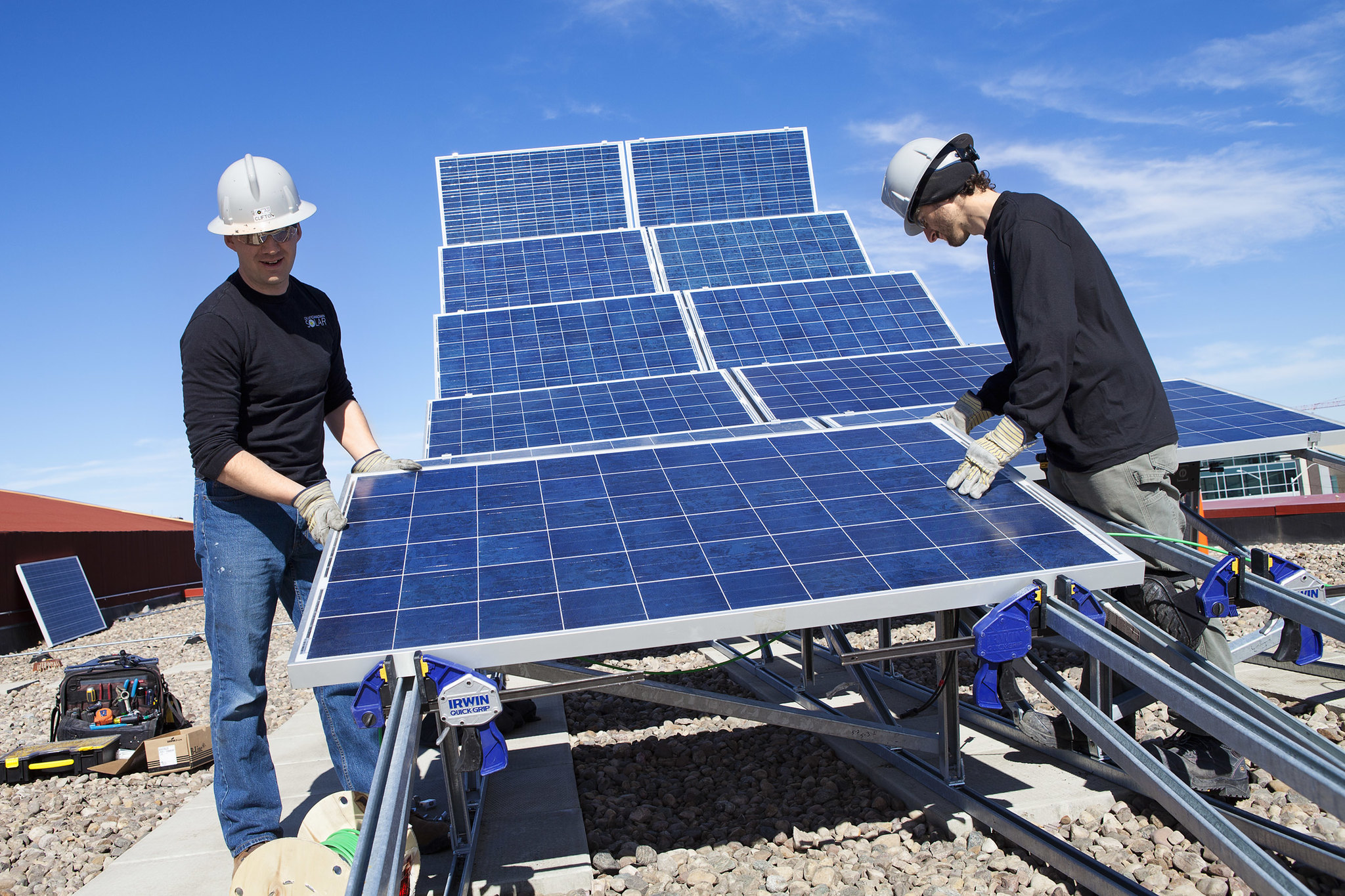
Bulgaria stands at a pivotal moment in its energy transition, with renewable energy playing an increasingly vital role alongside its traditional reliance on nuclear power and coal. Solar generation represents a key driver in the country’s pursuit of the EU renewable energy target of 27% by 2030 and net zero emissions by 2050. Backed by international investments and streamlined energy legislation, Bulgaria is accelerating the development of renewable infrastructure while modernizing its power grid. The country is positioning itself as a regional leader in sustainable energy production with a decentralized energy system set to help reduce energy poverty in the country.

The Current Energy Landscape of Bulgaria 

The two major energy sources for Bulgaria’s domestic energy consumption are nuclear power and coal. Nuclear power accounts for around 40% of energy supply and has been a major energy source for Bulgaria since the 1950s. Additionally, in 2023/24, there was a steadily growing use of solar generation contributing almost 13% of total electricity generation.

Renewable Energy Investments 

Renewable energy in Bulgaria aims to account for 27% of domestic production by 2030, contributing to the EU renewable energy target for 2030. The country is also aiming at a net zero emissions target for 2050. A large portion of this is currently being exploited via solar generation.

The European Bank for Reconstruction and Development (EBRD) is a major leader in climate finance and one of the primary investors in renewable energy in Bulgaria. In late-2024, the EBRD announced that it would lend €50 million to Bulgaria to build a 237 MW solar plant, a huge step for its renewable energy agenda. The investment is part of a wider pledge to further UN Women’s Empowerment Principles in the Bulgarian energy sector. The shift away from fossil fuel use is beneficial in the Bulgaria’s plans to reduce energy poverty. This topic has been high on the country’s agenda since 2022 when the war in Ukraine increased import prices of Russian natural gas and coal. More than a quarter of Bulgarians in 2022 were unable to adequately heat their homes due to energy poverty.

Simplification of Administrative Frameworks 

The past year has hailed a stream of new investment in renewable energy in Bulgaria – not just because of a push for EU climate goals. The country simplified the administrative frameworks required for renewable energy infrastructure in 2023, making projects easier to plan and implement. Other changes to the country’s energy legislation enabled clarity on investing in renewable energy plants with batteries for energy storage during off-peak production periods.

Bulgaria also clarified steps to establish a more interconnected power grid which should decentralize energy and reduce the country’s state of energy poverty.  This would be enabled through the empowerment of households and democratizing of the energy system coming as a result of more energy suppliers and better energy infrastructure. A more robust domestic energy supply divested away from fossil fuels would help shield the Bulgarian energy sector from fossil fuel import fluctuations and over-reliance on Russian imports of coal and natural gas. This shift to renewable energy infrastructure in turn aids households through the stabilization and lowering prices of energy.

Following the 2023 changes, 2024 saw €65 million investment from the EU Modernization Fund in Bulgaria’s GREENABLER project to modernize the country’s power grid for the integration of renewable energy. Further, calls by the Bulgarian Ministry for Energy for renewable energy plants with energy storage (crucial to divest reliance away from fossil fuels) have stipulated project deadlines for March 2026. This push in funding programs has allowed for the development of 249 renewable energy projects in Bulgaria. Such short project deadlines and investment flows are positive news for massively accelerating renewable energy infrastructure in the country to meet 2030 energy targets. 

The Future of Nuclear Supply

Bulgaria does seem to be expanding outside renewables into nuclear energy – a low carbon energy solution. Though not renewable, nuclear power production in Bulgaria has merits over traditional fossil fuels, such as curbing reliance on countries such as Russia for fossil fuel imports. Contracts have been entered between Hyundai Engineering (South Korea) and Westinghouse (U.S.) to develop additional capacity and replace the aging reactor units at the Kozloduy nuclear power plant in Bulgaria. As domestic demand for energy has remained stable over the decades, it is likely an expansion of energy production would be a bid to increase energy exports to neighboring countries. Alongside a growing industry of renewable energy in Bulgaria, nuclear investment could boost Bulgaria’s economy as well as create new jobs and opportunities for its population.

– Autumn Joseph

Autumn is based in London, UK and focuses on Business and New Markets for The Borgen Project.

Photo: Flickr

January 24, 2025
https://borgenproject.org/wp-content/uploads/borgen-project-logo.svg 0 0 Jennifer Philipp https://borgenproject.org/wp-content/uploads/borgen-project-logo.svg Jennifer Philipp2025-01-24 07:30:282025-01-24 04:25:29Renewable Energy in Bulgaria
Aid, Global Poverty, Innovations

5 Innovative Solutions to Reduce Poverty in Developing Nations

5 Innovative Solutions to Reduce Poverty in Developing Nations In 2022, about 670 million people lived in extreme poverty, which marks an increase of 70 million from pre-pandemic projections. Innovative solutions are essential for reducing poverty in developing nations. These strategies emphasize sustainability, empowerment and long-term change, revealing measurable progress in marginalized communities. The following explores five lesser-known innovative solutions to reduce poverty, including blockchain and biogas plants, that are transforming lives worldwide.

Blockchain for Transparent Aid Distribution

Blockchain is revolutionizing aid distribution in developing nations by ensuring transparency and reducing corruption. Example of Impact
the United Nations (U.N.) World Food Programme (WFP) introduced the Building Blocks initiative in Jordan in 2017 to distribute aid to Syrian refugees. This blockchain-based system tracks cash assistance for more than 100,000 refugees monthly, cutting fraud and saving $1.5 million in banking fees in 2018 alone. Blockchain creates a secure and trackable digital ledger, ensuring that every transaction is transparent and reliable. It has the potential to be scaled to other developing nations where corruption and inefficiencies hinder aid effectiveness.

AgriTech for Urban Food Security

Urban food insecurity in developing nations can be addressed with AgriTech innovations like vertical farming and hydroponics. Hydroponic farming in Kenya’s Kibera settlement is helping residents grow vegetables in small urban spaces. These systems use less water, no soil and minimal space. As of 2022, the initiative has benefitted thousands of households, reducing food costs and improving nutrition. The benefits
hydroponics allows families in urban areas to grow fresh produce while generating income from surplus crops. This model addresses food insecurity and unemployment, two significant challenges in densely populated areas.

Biogas Plants for Rural Clean Energy

Biogas plants are providing clean, renewable energy to rural households in developing nations, reducing reliance on harmful cooking fuels. Barefoot College has installed biogas plants in more than 600 villages across India since its establishment in 1972. These plants turn animal and agricultural waste into clean energy. By 2020, the initiative reached more than 100,000 rural families, reducing respiratory illnesses and saving money on fuel. Biogas systems are environmentally friendly, economically beneficial and easy to maintain, making them ideal for rural areas. They reduce deforestation, indoor air pollution and household fuel costs.

Indigenous Knowledge for Climate Resilience

Indigenous knowledge systems are helping communities in developing nations adapt to climate challenges while preserving cultural traditions. Ethiopia’s Sustainable Land Management Programme (SLMP), launched in 2008, incorporates traditional terracing methods to combat soil erosion. By 2020, this approach had restored 1.9 million hectares of degraded land and improved food security for 6 million farmers. These traditional practices are cost-effective and promote community participation, ensuring sustainable agricultural practices while preserving local ecosystems.

Social Franchising for Women Entrepreneurs

Social franchising models are empowering women in developing nations, creating economic opportunities and addressing community needs. Solar Sister, a program launched in 2010, operates in Nigeria, Uganda and Tanzania. By 2023, it had trained 9,000 women as entrepreneurs selling solar-powered products, bringing clean energy to more than 4 million people. Women participating in the program reported a 40% increase in household income. Social franchising provides women with business training, mentorship and sustainable supply chains. These businesses contribute to gender equality while driving local economic growth.

Looking Ahead

These five innovative solutions to reduce poverty—blockchain, AgriTech, biogas, Indigenous knowledge systems and social franchising—are making a difference in developing nations while empowering communities. Each strategy has demonstrated measurable success, with scalable potential to benefit millions more. By investing in innovative and proven methods, governments, NGOs and private organizations can accelerate poverty reduction and build a sustainable future for the world’s most vulnerable populations.

– Fiza Meeraj

Fiza is based in London, UK and focuses on Good News and Technology for The Borgen Project.

Photo: Flickr

December 8, 2024
https://borgenproject.org/wp-content/uploads/borgen-project-logo.svg 0 0 Precious Sheidu https://borgenproject.org/wp-content/uploads/borgen-project-logo.svg Precious Sheidu2024-12-08 07:30:142024-12-07 12:18:395 Innovative Solutions to Reduce Poverty in Developing Nations
Education, Global Poverty, Innovations

Luminus Education Model in Jordan

Luminus: New Education Model Emerges in JordanThe Middle East and North Africa have some of the highest youth unemployment rates in the world; 24% of individuals aged 15 to 24 are unemployed, which is double the global average. In Jordan, the rate reached 40.8% among 15 to 24-year-olds in 2023, with women in that age group experiencing an even higher rate of more than 47%. Traditionally, young Jordanians have pursued university education, while vocational training has been considered a secondary option. However, the university route has resulted in 25% of graduates remaining unemployed, lacking the skills the job market demands.

Bridging the Skills Gap Through Vocational Training

To address this issue, the Jordanian social enterprise Luminus offers high-quality vocational education tailored to meet labor demands and bridge the skills gap for young people. Focused on supporting low-to-middle-income households, refugees and women, Luminus provides financial assistance to underrepresented groups in the labor market. Remarkably, 40% of its students are refugees or from underserved communities. With more than 40,000 graduates, Luminus has achieved significant success; 80% of its students secure employment upon completing their courses.

Transforming Education and Cultivating Entrepreneurship

Since Ibrahim Safidi took over Al-Quds College from his father in 1999, his primary mission has been to improve the lives and incomes of Jordanian youth. He identified a significant gap between the skills of Jordanian youth and the demands of the job market and he responded by emphasizing vocational training tailored to those needs. Under his leadership, Luminus Education set three main goals: job security, social stability and economic growth. In 2017, Al-Quds College transformed into Luminus Technological University College and expanded its offerings to include 10 specialized schools. These schools focus on disciplines such as civil, construction, mechanical and electrical engineering, computing, medical sciences, automotive technology, beauty, media, tourism and hospitality. Additionally, the university introduced an entrepreneurship pathway that has incubated more than 120 startups.

Empowering Vulnerable Communities

Luminus Education’s employment hub model uniquely combines building strong relationships with employers, analyzing private sector demands and providing thorough career and interview training for students. This approach is successfully countering the cultural norm that values theoretical education as the only desirable path for school-leavers. In 2018, half of its students had the qualifications for university but opted for Luminus’ vocational pathways instead. The system is holistic and caters to both students and employers by maintaining connections with hundreds of employers across Jordan, monitoring workforce demands and skills and incorporating these into its vocational training programs. Additionally, Luminus offers English language and soft skills training alongside career counseling services, which are essential for enhancing student employability.

Accessibility for the Vulnerable

Luminus Education initially provided Syrian refugees, who make up 10% of Jordan’s population, with scholarships covering 50% of tuition fees but soon realized this was insufficient. Consequently, the institution secured $37 million in grants through international partnerships to support refugee education further. Additionally, its new campus in Irbid, ShamalStart, enhances access to education for the northern population, particularly the significant refugee community there. This initiative has led to refugees comprising 25% of the student body, with 40% of all students receiving full scholarships. Luminus Education also plays a crucial role in upskilling vulnerable youth and young adults. In collaboration with Jordan’s Ministry of Labour, which funds vocational training for these groups, Luminus ensures students secure employment upon completing their courses.

Advocacy and Expansion

In 2023, female unemployment in Jordan ranked as the 10th highest globally, reaching an alarming 47%. In contrast, in 2018, 44% of Luminus Education’s student body were women. Luminus actively seeks to shift perceptions of women in the workforce and address family concerns through initiatives like “bring your father to work days” and one-to-one counseling with parents. The institution collaborates with employers across Jordan to adapt workplaces to be more inclusive for women, including advocating for hospitality sector employers to permit women to wear the hijab at work.

Looking Forward

Local enterprise Luminus Education addresses Jordan’s need to upskill its youth through international partnerships, including the International Finance Corporation, Agence Française de Développement and the European Union (EU), providing crucial education grants. With a campus already established in Iraq, Luminus Education Group plans to expand its tailored programs to new campuses in Jordan and throughout the Middle East, including Lebanon and Egypt, in the coming years.

– Miriam Hulley

Miriam is based in Cheltenham, Gloucestershire, UK and focuses on Business and Good News for The Borgen Project.

Photo: Flickr

December 3, 2024
https://borgenproject.org/wp-content/uploads/borgen-project-logo.svg 0 0 Precious Sheidu https://borgenproject.org/wp-content/uploads/borgen-project-logo.svg Precious Sheidu2024-12-03 01:30:332024-12-05 05:10:34Luminus Education Model in Jordan
Advocacy, Development, Economy, Education, Global Poverty, Innovations, UNICEF

Strengthening Education in Brazil

Strengthening the Education System in BrazilBrazil, South America’s largest country with a population of 216.4 million, shows mixed results in education. Student performance declined in the latest Programme for International Student Assessment (PISA), conducted by the Organization for Economic Cooperation and Development (OECD). Despite this, illiteracy rates dropped from 6.1% in 2019 to 5.6% in 2022, indicating some improvement in basic education. The country is experiencing increased outbound student mobility, driven by rising tertiary enrollments. Projections suggest Brazil will rank among the top five nations globally for total tertiary enrollments by 2035 despite an aging population. To address these ongoing challenges, the OECD and other organizations are collaborating to enhance Brazil’s education system.

Brazil’s Education System and Socioeconomic Progress

Education in Brazil is a guaranteed social right under the Federal Constitution, providing free public access at all levels. The education system is divided into basic and higher education. Basic education encompasses early childhood, primary and lower secondary and upper secondary education. Compulsory education begins at age 4 with pre-school and continues for 14 years through the end of upper secondary education. Historically, Brazil’s economic growth has benefited from favorable demographics and robust commodity prices. This growth, coupled with specific policies, has significantly improved living standards. Between 2003 and 2014, these efforts lifted more than 29 million people out of poverty, reduced child mortality by 73% from 1990 to 2011 and broadened access to basic education.

OECD’s 5 Steps to Strengthen Brazil’s Education System

  1. Impact of COVID-19 on Brazil’s Educational Funding. COVID-19 significantly affected Brazil’s economy, resulting in reduced education spending. The OECD criticizes the rigidity of this funding, which merely satisfies spending requirements without addressing effectiveness. The organization recommends a more flexible, outcome-focused approach to funding. According to the OECD, increased investment in education would substantially improve the quality of education that students receive.
  2. Enhancing the Teaching Profession in Brazil. To enhance Brazil’s education system, the OECD recommends upgrading the teaching profession. This upgrade should include better salaries, career progression and working conditions for teachers. The organization also suggests that new teachers pass a licensing test and receive induction support during their early years to ensure they have adequate training.
  3. Improving Teacher Effectiveness and Student Outcomes. Boosting student outcomes involves enhancing teachers’ effectiveness in the classroom. This could include proper teacher training and skill improvements in areas such as classroom management. Providing incentives, such as promotions and performance-based payments, can also motivate teachers.
  4. Creating a Positive School Environment. There is a need for improvement in handling bullying and harassment on school grounds, with appropriate punishments for offenders. Schools should strive to create a positive environment for both students and teachers to improve well-being and learning outcomes, reducing the risk of dropouts.
  5. Supporting Disadvantaged Students and Preventing Dropouts. Disadvantaged students should receive continuous support from early childhood education until they complete their education. To address dropouts, teachers should focus on supporting the weakest and least motivated students, possibly through individual teaching and tutoring. Students at risk should also receive additional funding and support to remain in education.

Looking Ahead

Brazil’s commitment to advancing its education system reflects the country’s efforts to prepare for future socioeconomic challenges. Prioritizing innovation, equity and effective resource allocation can potentially address long-standing disparities in education. By fostering collaborative partnerships and emphasizing strategic improvements in education, Brazil aims to create opportunities for all students, supporting both national development and individual growth.

– Indira Smith

Indira is based in Manchester and focuses on Global Health for The Borgen Project.

Photo: Flickr

November 30, 2024
https://borgenproject.org/wp-content/uploads/borgen-project-logo.svg 0 0 Precious Sheidu https://borgenproject.org/wp-content/uploads/borgen-project-logo.svg Precious Sheidu2024-11-30 07:30:542024-11-30 03:21:22Strengthening Education in Brazil
Advocacy, Aid, Global Poverty, Innovations

3 Innovations Reducing Poverty in Kosovo

3 Poverty Reduction Innovations in KosovoThe Republic of Kosovo lies in Southeast Europe, bordering Albania to the southwest and Serbia to the North. The nation has struggled with poverty over the years. According to the BTI project, Kosovo is one of the poorest countries in Europe, with more than 40% of Kosovo’s population of 1.67 million living below the poverty line. The nation faces high unemployment rates in an economy heavily dependent on remittances from its diaspora, leaving it vulnerable to economic shifts abroad and rising corruption levels. However, recent initiatives by the government and various organizations have successfully reduced poverty rates in Kosovo.

Economic Growth

According to the World Bank, since declaring independence in 2008, Kosovo has experienced a 50% increase in per capita income and a 35% decrease in poverty. Instead of relying on foreign aid for economic growth, the government has increased investments, with help from projects and a stronger financial system. Kosovo has also faced challenges like inefficient economic management and a weak government, which have impacted the economy’s growth.

As a result, the Kosovo Economic Governance Activity (KEGA) was implemented, which is a five-year initiative funded by USAID to help the Kosovo government make reforms in policies to promote growth in the private sector and strengthen public financial management. This initiative resulted in €1.2 billion in formalized buildings that secured citizens’ property rights and an 86% increase in tax revenues, rising from €457 million in 2018 to €852 million in 2023. 

Decrease in Unemployment

Focus Economics reported the rate of unemployment in 2019 at 26.7%, and in 2023, it decreased to 10.9%. This rapid decrease resulted from initiatives such as the electronic platform K-GenU, which UNICEF launched to provide opportunities for Kosovo youths to access paid internships and to establish connections with employers. The platform helps young people with skills in job searching. Another initiative by UNICEF, Generation Unlimited, prepares young people for the labor market and has provided internships for around 500 young people in 57 businesses.

Social Protection Initiatives

Many people in Kosovo do not have access to health care, education and protective services. This is due to the ineffective programs to help reduce this shortcoming. To combat this, UNICEF increased support for the Law on Social and Family Services, which aims to broaden services and ensure that everyone in need has the right to access these services. UNICEF in Kosovo also focuses on ensuring that policies that are aimed at aiding children lead to real change in their lives. This involved planning and managing the money for certain programs and directly helping municipalities to ensure that children most in need are receiving the help. 

Moving Forward

While Kosovo faces challenges ranging from high rates of unemployment and ineffective social programs, the Kosovo government and international organizations have taken successful steps to tackle this problem. The World Bank reports on a new strategy called the Country Partnership Framework (CPF) for Kosovo for the years 2023 to 2027. This aims to help the country improve its economy over the next five years to create more jobs and improve living standards. 

– Nouf Hunaiti

Nouf is based in Rancho Cucamonga, CA, USA and focuses on Good News for The Borgen Project.

Photo: Flickr

October 27, 2024
https://borgenproject.org/wp-content/uploads/borgen-project-logo.svg 0 0 Precious Sheidu https://borgenproject.org/wp-content/uploads/borgen-project-logo.svg Precious Sheidu2024-10-27 07:30:552026-04-16 09:57:443 Innovations Reducing Poverty in Kosovo
Global Poverty, Innovations, Technology

Tackling Malnutrition with Sanku’s Dosifier Technology

Sanku’s dosifier technologyFood insecurity and malnutrition remain critical global issues, with 821 million people worldwide suffering. Among the most affected regions are countries like Nigeria, Somalia, Yemen and South Sudan. Malnutrition affects 52 million children under 5, with $3.6 billion needed annually to combat the issue. To combat this, Sanku is using innovative technology with fortified flour and equipping small-scale flour mills in Africa. By doing so, it is bringing essential nutrients to millions of people in some of the most vulnerable communities. 

The Problem of Micronutrient Malnutrition

Micronutrient malnutrition, often referred to as ‘hidden hunger,’ affects 2 billion people globally. This type of malnutrition results from a lack of essential vitamins and minerals, which can lead to severe health issues. In rural communities in Africa, where poverty rates in Africa are high, nutritious food is limited. In Tanzania, 95% of the population, more than 50 million people, do not benefit from large-scale food fortification programs because they rely on small-scale mills that cannot fortify their flour. These people mainly consume maize flour. Maize flour, although calorie-dense, is nutritionally low. This, in turn, makes them susceptible to preventable diseases and increased mortality rates. 

Sanku’s Innovative Dosifier

Sanku’s solution to this is its award-winning dosifier, a device designed specifically for small rural mills in East Africa. The dosifier adds precise amounts of critical nutrients such as iron, zinc, folic acid and vitamin B12 to the calorie-dense maize flour during the milling process. By partnering with local millers, the organization ensures that the fortified flour reaches those who need it most. Sanku has installed nearly 500 dosifiers across 400 mills in Tanzania and Kenya and, therefore, provides this fortified flour to 7.1 million people. The dosifier allows millers to sell the fortified flour at the same price as unfortified flour. 

Leveraging IoT

To further expand its reach, Sanku had partnered with Vodafone, incorporating Internet of Things (IoT) technology into its dosifiers. This partnership allows for real-time monitoring of the fortification process, ensuring they are working effectively. With Vodafone’s IoT SIM cards, one Sanku working can now monitor 100 mills, fortifying flour for 500,000 people. This real-time data helps Sanku track maintenance needs, power supply and fortification levels remotely. Moreover, Vodafone’s mobile payment service, M-Pesa, simplifies financial transactions for millers, making it easier for them to purchase fortification premix. 

Reaching Millions

Sanku’s ambition is to reach 25 million people in East Africa by 2025, ultimately preventing malnutrition-based diseases, In 2023, the organization also launched a nutrient-premix facility in Tanzania, giving it more control over its supply chain and reducing cost. Sanku’s impact extends beyond just health improvements. By providing fortified flour to vulnerable communities, the organization saves billions in GDP and helps boost productivity. In 2019, Sanku’s dosifier technology was recognized by Time Magazine as one of the top 100 inventions of 2019, highlighting its potential to transform food insecurity globally. 

Vision 2030

Sanku’s long-term goal is to reach 100 million people with fortified flour by 2030. The organization is already scaling its efforts beyond Tanzania and Kenya with plans to expand into Malawi and Rwanda. With the continued support of partners like Vodafone, it is set to make a significant dent in global malnutrition. Sanku’s dosifier technology represents a breakthrough in the fight against hidden hunger by enabling small-scale mills to fortify flour with essential micronutrients. With ambitious plans to scale further and reach 100 million people by 2030, Sanku is on its way to making a lasting impact on global food security. 

– Ellisha Hicken

Ellisha is based in London, UK and focuses on Technology and Solutions for The Borgen Project.

Photo: Flickr

October 20, 2024
https://borgenproject.org/wp-content/uploads/borgen-project-logo.svg 0 0 Precious Sheidu https://borgenproject.org/wp-content/uploads/borgen-project-logo.svg Precious Sheidu2024-10-20 07:30:022024-10-20 07:07:05Tackling Malnutrition with Sanku’s Dosifier Technology
Page 5 of 7«‹34567›»

Get Smarter

  • Global Poverty 101
  • Global Poverty… The Good News
  • Global Poverty & U.S. Jobs
  • Global Poverty and National Security
  • Innovative Solutions to Poverty
  • Global Poverty & Aid FAQ’s
Search Search

Take Action

  • Call Congress
  • Email Congress
  • Donate
  • 30 Ways to Help
  • Volunteer Ops
  • Internships
  • Courses & Certificates
  • The Podcast
Borgen Project

“The Borgen Project is an incredible nonprofit organization that is addressing poverty and hunger and working towards ending them.”

-The Huffington Post

Inside The Borgen Project

  • Contact
  • About
  • Financials
  • President
  • Board of Directors
  • Board of Advisors

International Links

  • UK Email Parliament
  • UK Donate
  • Canada Email Parliament

Get Smarter

  • Global Poverty 101
  • Global Poverty… The Good News
  • Global Poverty & U.S. Jobs
  • Global Poverty and National Security
  • Innovative Solutions to Poverty
  • Global Poverty & Aid FAQ’s

Ways to Help

  • Call Congress
  • Email Congress
  • Donate
  • 30 Ways to Help
  • Volunteer Ops
  • Internships
  • Courses & Certificates
  • The Podcast
Scroll to top Scroll to top Scroll to top