Human Trafficking in Sierra Leone
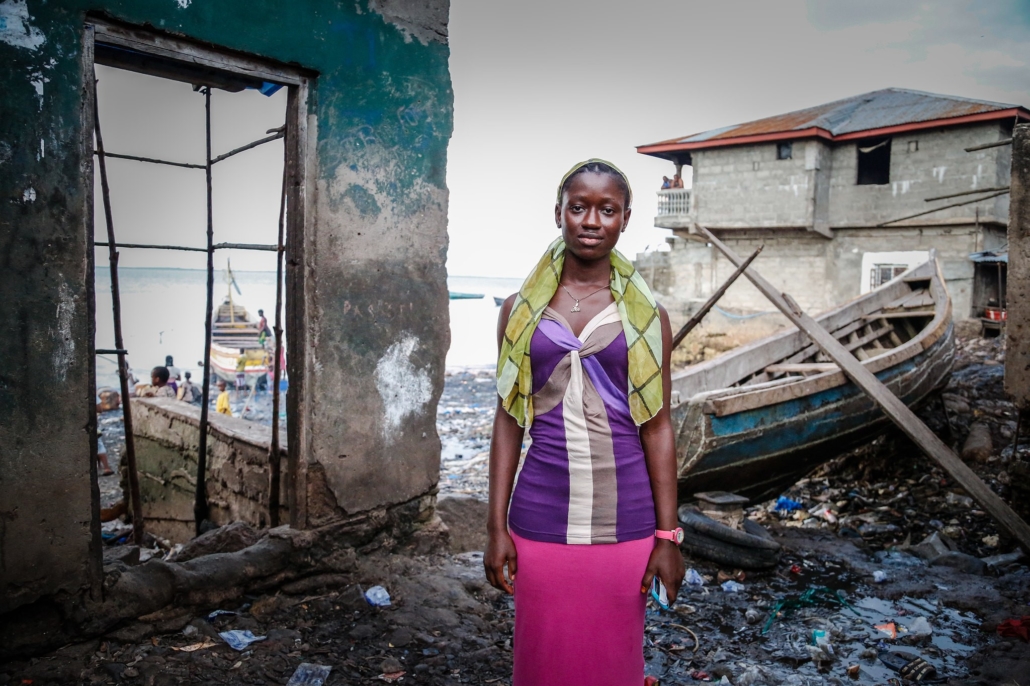 Sierra Leone is a small country off the west coast of Africa where human trafficking is rife due to a concept called “Temple Run.” The phrase “Temple Run” refers to operations that traffickers run to lure young men and women into paying large sums of money to embark on risky journeys that victims believe will lead them to employment or educational opportunities, allowing them to escape poverty. Here is some information about human trafficking in Sierra Leone.
Human Trafficking in Sierra Leone
Authorities did not address human trafficking in Sierra Leone up until 2005 when Sierra Leone’s government instated the 2005 anti-trafficking law. “The 2005 anti-trafficking law criminalized sex trafficking and labor trafficking,” making the punishment “up to 10 years’ imprisonment, a fine or both.” This law is a step in the right direction but is not without flaws. The law allows for perpetrators to avoid jail time by paying a fine instead — a provision that received backlash from citizens seeking justice.
Even though there was finally a law against human trafficking in Sierra Leone, the ability to pay a fine in place of facing jail time makes trafficking a less punishable offense than rape. Sierra Leone decided to make a change. On August 28, 2012, Sierra Leone passed the Sexual Offenses Act. This act criminalized sex trafficking under its “forced prostitution” and “child prostitution” provisions and prescribed penalties of up to 15 years of imprisonment. This amendment made the crime of sex trafficking equal to the punishment for rape in Sierra Leone. Sierra Leone decided to update the law again in 2019 to legislate harsher punishments for sexual offenses, including sex trafficking.
First Human Trafficking Convictions
Even with the 2005 Anti-Trafficking Law and Sexual Offenses Act in place, it was not until February 11, 2020, that the Sierra Leone High Court finally convicted perpetrators for human trafficking. One Sierra Leonean woman received a 20-year sentence and another woman faced an eight-year-long sentence for money laundering and human trafficking charges — the first two human trafficking convictions in Sierra Leone’s history. Sierra Leone is also currently working to replace the 2005 anti-trafficking law to increase penalties, improve victim protection and remove the option of paying a fine as an alternative to imprisonment, but this still remains as a pending draft to date.
How IOM Assists
The International Organization of Migration (IOM), an organization with links to the United Nations, is taking significant steps to help reduce human trafficking in Sierra Leone. In April 2019, the IOM launched a project called Reducing the Risk of Irregular Migration through Promotion of Youth Employment and Entrepreneurship Support for the Youths. This project’s goal is to prevent human trafficking by reducing the struggles within the country that would influence migration out of the country. For example, in March 2021, the IOM held a $4.3 million vocational training program to help prepare “2,000 unemployed young men and women to meet the domestic demand for skilled jobs.” With more job opportunities, fewer citizens may be lured into human trafficking. The IOM is also trying to raise awareness about ‘Temple Run” lures and the dangers victims potentially face.
With these efforts, human trafficking in Sierra Leone should reduce as the overall quality of life in Sierra Leone improves.
– Ethan Douglas
Photo: Flickr
