• Link to X
  • Link to Facebook
  • Link to Instagram
  • Link to TikTok
  • Link to Youtube
  • About
    • About Us
      • President
      • Board of Directors
      • Board of Advisors
      • Financials
      • Our Methodology
      • Success Tracker
      • Contact
  • Act Now
    • 30 Ways to Help
      • Email Congress
      • Call Congress
      • Volunteer
      • Courses & Certificates
      • Be a Donor
    • Internships
      • In-Office Internships
      • Remote Internships
    • Legislation
      • Politics 101
  • The Blog
  • The Podcast
  • Magazine
  • Donate
  • Click to open the search input field Click to open the search input field Search
  • Menu Menu

Archive for category: Housing Security

Global Poverty, Homelessness, Housing Security

The Housing Market and Homelessness in Australia

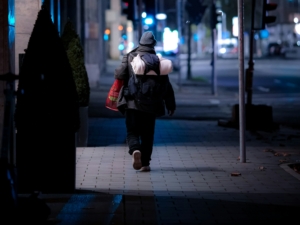
Homelessness in AustraliaIn 2025, Australia is introducing new legislation to address the volatile housing market in Australia, which is affecting the country’s growing unhoused population. Australia is focusing on enforcing a new bill, which the Australian Capital Territory Greens leader, Shane Rattenbury, introduced. Now that Australian law has deemed the housing crisis inhumane, sufficient action to resolve the problem is imperative. 

The Human Rights Act begins January 2029 providing several years to lay the groundwork and set the plan into action with more than “3,400 approved applicants on the ACT’s public housing waitlist,” as the Australian Broadcasting Corporation stated. As a result of the passing of this new bill, those who do not have housing because of the unaffordable Australian housing market will likely benefit from this positive shift.

The Importance of Building More Houses

Building more houses is essential to the housing market in Australia. According to Bloomberg News, housing in Australia costs 14 times the annual disposable income. Acknowledging housing as a human right in the Australian Capital Territory is the first step toward addressing Australia’s housing crisis.

In 2024, the British Broadcasting Corporation (BBC) found that 122,000 people were homeless in Australia. The price of rent continues to rise as employment wages remain stagnant. Australia’s housing shortage, in combination with various underlying economic issues, contributes to the lack of shelter. Meanwhile, the current social housing structure is insufficient for providing temporary housing to those in need due to waitlists. The shortage is so severe that homelessness is affecting the elderly, one of the most vulnerable populations in the region.

Consequently, the UNSW City Futures Research Centre found that homelessness in Australia is mostly due to rent increases that have escalated for several years. Rent inflation has reduced the quality of living and increased the number of unhoused people by an “extra 10,000” per month, according to The Guardian.

As a result, the need for social housing has skyrocketed with the need for thousands of homes to undergo construction to provide enough homes for the unhoused population. For this to become a reality, a reasonable amount of funding for homelessness services is essential before the problem is resolved.

In October 2025, homelessness services for children in Brisbane, Australia, surged to 48%; a portion of these children are toddlers. Micha Projects chief executive, Karyn Walsh, says to reporters from the Australian Broadcasting Corporation, “Poverty is growing in Australia, and we can’t take our eye off it. People’s lives are impacted; people die from it.”

Addressing Poverty and Homelessness in Australia

Since many families are suffering from poverty, the Brisbane Zero collaboration has involved itself with campaigns to end and mitigate homelessness, assisting 2,125 children and 1,230 families. In addition, the Queensland government has increased the state budget with a 20% increase in funding for homelessness services over a set time. Support from the state government is essential for solving the homelessness crisis in Australia.

In turn, several charities are offering assistance. According to Katy Watson, a BBC Australia correspondent, “Supermarkets donate food” and other charitable efforts include “a laundry service, a mobile doctor surgery and a hairdresser.” Additionally, chaplains give meals to the hungry. These resources are necessary for the unhoused community.  

Looking Ahead

Fortunately, several regions in Sydney will obtain new homes. The state government developer Landcom has outlined a plan to add more than 1,000 homes in Chatswood, New South Wales. Affordable living spaces and shopping centers are involved in this plan. In addition, 220 homes for essential workers are undergoing development in Annandale, Queensland.

– Lala McCullough

Lala is based in Brentwood, CA, USA and focuses on Good News for The Borgen Project.

Photo: Unsplash

November 15, 2025
https://borgenproject.org/wp-content/uploads/borgen-project-logo.svg 0 0 Jennifer Philipp https://borgenproject.org/wp-content/uploads/borgen-project-logo.svg Jennifer Philipp2025-11-15 01:30:152025-11-15 02:33:39The Housing Market and Homelessness in Australia
Global Poverty, Housing Security, Nonprofit Organizations and NGOs

Everything To Know About Poverty in Taiwan

Poverty in TaiwanAccording to official figures, Taiwan has a low poverty rate. With a 2025 GDP per capita of $37,000, Taiwan is a high-income, advanced economy. Taiwan measures the poverty rate officially by classifying only those with an income below 60% of the median income as “in poverty,” which is around 2.6% of the population. Moreover, Taiwan has a range of social welfare policies to address needs, which include social housing, income support, free basic health care and free education.

Definitions of Poverty

Wider definitions of poverty are more appropriate for developed economies. The most common approach is relative poverty, which the OECD defines as those with an income below 50% of the median income, and by this classification, not only are Japan and Korea at 15% but even Scandinavian countries are above 5%. The EU also focuses on those at risk of poverty or social exclusion and includes other measures, such as the affordability of certain basic items, which represent an adequate quality of life. Such wider definitions are important because they focus government attention on policy measures to address relative poverty and mitigate risks of social breakdown.

Most importantly, these comparative figures suggest that the Taiwan figures disguise the actual situation in Taiwan. Applied to Taiwan, a poverty rate of between 10% and 15% would suggest that there are between 2 and 4 million people in relative poverty. This lines up with a 2023 NGO survey in Taiwan, which found that 9% of respondents claimed to live in poverty.

The Causes of Poverty

Unsurprisingly, Taiwan suffers from many of the same conditions that afflict other developed societies. These include a high cost of living – especially high housing costs in Taipei – stagnant median wage levels and increasing income inequality. Recent analyses of wages and living costs have criticized Taiwan’s minimum wage of $900 a month as one of the lowest in advanced economies.

While the cost of living is around 20-25% more expensive in Western European countries, Taiwan’s minimum wage is around 150% higher. In other advanced economies, the minimum wage has been increased to mirror a “living wage” defined as the minimum for an adequate lifestyle. However, in Taiwan, the minimum wage is less than 50% of the “living wage.” Taiwan also has one of the highest income inequality ratios of advanced countries. Finally, Taiwan’s low minimum wage has a correlation with poor performance on a range of social indicators, including high child mortality, road and pollution deaths, homicide and suicide rates, prison population rates and mental health rates.

An NGO Responds

One of the leading domestic NGOs addressing poverty in Taiwan is called Do You a Flavor. Founded in 2014 and focusing on urban poverty, Do You a Flavor works with a range of initiatives with a focus on homelessness. These include collaboration with businesses to establish transitional housing, food distribution, medical aid, skills development and job matching. The NGO also does advocacy work, working with other NGOs and government agencies to achieve legislative change to address urban poverty.

Public Policy Responses

As mentioned, Taiwan does have a range of social welfare policies in place. However, many of these policies are actually quite restrictive. A key issue is that the household rather than the individual is the basis for poverty definitions and welfare eligibility. Another is that anyone 16-65 years old in the household is assessed as employed at the minimum wage, even if unemployed. These are just two of many restrictions that derive from viewing the household as the core economic unit rather than the individual.

Improving access to welfare is only one part of what many view as much-needed policy reforms. These include increasing the minimum wage and improving workers’ rights. Increasing the availability of social housing in Taipei, as well as other measures to dampen property costs, are also seen as essential to ensuring affordability.

– Trinity Prasadam

Trinity is based in Taiwan and focuses on Business and Technology and Solutions for The Borgen Project.

Photo: Pixabay

October 29, 2025
https://borgenproject.org/wp-content/uploads/borgen-project-logo.svg 0 0 Jennifer Philipp https://borgenproject.org/wp-content/uploads/borgen-project-logo.svg Jennifer Philipp2025-10-29 03:00:372025-11-04 05:29:22Everything To Know About Poverty in Taiwan
Global Poverty, Homelessness, Housing Security

Homelessness in Norway Eliminated Through “Housing First” Policy

Homelessness in NorwayNorway is on a mission to reach zero homelessness and it’s making real progress. The country proves that homelessness reduction is possible and sustainable. The Norwegian Housing First policy is based on research, coordination and a social approach to the problem. Here is all you need to know about the Norwegian recipe to eliminate homelessness.

Homelessness in Norway

Norway defines homeless people quite broadly. It widens the group to include people without permanent accommodation under many circumstances beyond simply living on the streets. This includes individuals who do not own or rent a home, those temporarily staying with friends or family and people about to be released from a facility or institution within the next two months who have nowhere to stay or go.

In 2020, 3,325 people were homeless in Norway, representing 0.06% of the country’s population. This is one of the lowest homelessness rates in Europe and nearly a 50% reduction compared to 1996. This result is a phenomenon on an international scale, matched only by Finland.

Norway and its fellow Scandinavian neighbors are pioneers of the Housing First approach. However, comparisons are challenging, as there is no generally accepted definition of homelessness and statistical methodologies differ between countries.

Plan, Divide and Conquer

In Norway, housing policies and homelessness reduction programs are a shared responsibility of the central and local governments, the private sector and nongovernmental organizations (NGOs). The state provides the legal framework and financial resources, while municipalities and NGOs implement the policies. Social and health services also play a key role in supporting people experiencing homelessness.

Such cooperation is crucial in addressing homelessness, as individuals affected by it often face complex challenges in multiple areas of their lives. The first homelessness survey in Norway was conducted in 1996. Since then, the country has implemented five projects aimed at eliminating homelessness.

The latest program, the National Strategy for Social Housing Policies (2021–2024), titled “Everyone Needs a Safe Home,” also incorporates the Housing First approach. The government focused on two groups that are especially disadvantaged in the current housing market: children and young people and people with disabilities.

Provide Housing First

The philosophy behind Housing First is simple: a safe and stable place to call home is the foundation for everything else. Indeed, once housing is secured, pursuing employment or addressing substance use becomes much more manageable.

Beneficiaries of the policy only need to be experiencing a housing crisis to receive support—there are no additional requirements. Participation in other programs is voluntary. The initiative recognizes housing as one of the four pillars of well-being, alongside health, education and work.

This is a significant difference in Norway’s approach compared to other solutions. Every action, plan and program is designed to provide a solid foundation to build. Like a house, a person needs a stable base to grow and become self-reliant.

– Patrycja Pietrzak

Patrycja is based in Cyprus and focuses on Good News for The Borgen Project.

Photo: Unsplash
October 20, 2025
https://borgenproject.org/wp-content/uploads/borgen-project-logo.svg 0 0 Lynsey 2 https://borgenproject.org/wp-content/uploads/borgen-project-logo.svg Lynsey 22025-10-20 01:30:442025-10-20 00:37:14Homelessness in Norway Eliminated Through “Housing First” Policy
Global Poverty, Housing Security

Addressing South Africa’s Housing Crisis

South Africa's Housing CrisisIn the developing country of South Africa, the issues of environmental sustainability and a lack of affordable housing for its citizens have permeated throughout the country. Here’s an in-depth look at the environmental and housing crisis within South Africa and a potential solution that could go a long way toward fixing these issues.

Climate Instability in South Africa

Starting with South Africa’s efforts to combat climate hazards, a recent Sustainable Development Report ranked the country 111th out of 167. This ranking measures progress toward the Sustainable Development Goals (SDGs), a set of targets adopted by the U.N. in 2015 to address climate change and other global challenges.

The report outlines that sustainable housing in South Africa has “major challenges remaining.” This suggests that South Africa is a long way from being considered a green country and that significant strides need to be made in sustainable housing.

Housing Crisis in South Africa

Moving on to South Africa’s housing crisis, there are once again hurdles that the country needs to clear. First, South Africa works on a contract-based system, where the government issues contracts for people needing houses. The South African government adopted this model in 1994, which was successful at the onset. According to an article by The Guardian, from 1998 to 1999, South Africa’s government built more than 235,000 houses a year.

However, due to budget cuts and the pandemic, in 2022-2023, that number has dropped to 34,000, even though the municipality’s housing needs register lists more than 375,000 applicants. The article goes on to talk about how many people have died on the waiting list to get a house. This evidence makes it clear that there is a need for a solution to this sustainable housing crisis in South Africa.

Potential Solution for Sustainable Housing in South Africa

A recent study by Alireza Moghayedi and Bankole Osita Awuzie proposes a framework that would, in theory, build low-cost, sustainable housing for low-income citizens in South Africa. Indeed, the study suggests that South Africa could focus on net-zero housing concepts, which are housing models that generate as much renewable energy as they consume through things like solar panels. This model could ensure that new houses don’t add to South Africa’s carbon footprint, bringing it closer to achieving the Sustainable Development Goals.

In addition, the article states that constructing these Low-Income Net Zero Energy Houses (LINZEH) takes only three days to complete, compared to 12 for a conventional low-income housing unit. This efficiency could allow the government to reduce the backlog of people on the waiting list and provide homes for those who desperately need them.

Finally, due to budget cuts in South Africa, these housing units would need to cost less to justify their implementation. According to the article, a conventional low-income house costs $31,555, whereas the proposed LINZEH costs $17,244. To summarize, the proposed LINZEH model for sustainable housing in South Africa would be better for the environment, take less time to construct and cost about half as much as a conventional low-income housing unit.

Conclusion

South Africa’s housing crisis, was brought on by a backlog of people who needed homes and the pandemic, resulted in a budget cuts. A proposed LINZEH housing model would not only greatly assist the government in South Africa by providing energy-efficient, cost-effective and streamlined housing. It would also provide a roof over the heads of thousands of South Africans who need it.

– Charlie Means

Charlie is based in Denver, CO, USA and focuses on Technology and Global Health for The Borgen Project.

Photo: Flickr

October 18, 2025
https://borgenproject.org/wp-content/uploads/borgen-project-logo.svg 0 0 Lynsey 2 https://borgenproject.org/wp-content/uploads/borgen-project-logo.svg Lynsey 22025-10-18 07:30:412025-10-18 02:43:20Addressing South Africa’s Housing Crisis
Global Poverty, Housing Security, Nonprofit Organizations and NGOs

Brazil’s Informal Housing: Pathways To Secure Land Titles

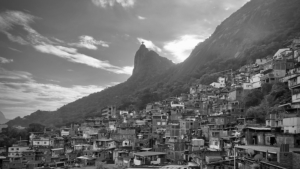
Brazil’s Informal HousingMillions of Brazilians live in informal housing without secure land titles, leaving them vulnerable to eviction and excluded from essential services like water, sanitation and credit. This insecurity is not new—it reflects centuries of unequal land distribution and weak property rights. In recent decades, however, the government has launched land regularization programs. These are aimed at converting informal possession into legal property, thereby providing families with greater stability and economic opportunities.

At the same time, NGOs such as Habitat for Humanity Brazil have mobilized to defend housing rights and equip communities to advocate for stronger protections. To better understand the economic importance of secure land tenure, The Borgen Project spoke with Victor Menaldo, Professor of Political Science at the University of Washington. Menaldo’s expertise in property rights and regulation offers insight into the broader stakes for poverty reduction and development.

Historic and Persistent Challenges With Securing Land Titles

Brazil’s struggle to secure land titles has deep historical roots. When the Portuguese Crown colonized Brazil in the 16th century, the land was divided into large captaincies granted to nobles. These nobles then distributed smaller plots, known as sesmarias, to settlers. While this system was intended to accelerate colonization, it concentrated land in the hands of a few. It often left small farmers without legal rights to the soil they worked.

After independence in 1822, Brazil spent nearly three decades without any formal land law. This vacuum allowed large estates to expand unchecked, often at the expense of smaller occupants. The 1850 Land Law attempted to regulate ownership. However, it required the purchase of land for cash. This policy excluded formerly enslaved people and impoverished farmers who lacked resources. Instead of democratizing access, it entrenched land inequality. The 1988 Constitution reaffirmed property rights but also required that land serve broader social purposes.

More recent programs—such as Minha Casa, Minha Vida (2009) and the 2017 Regularização Fundiária Urbana (REURB) law—have introduced mechanisms to convert informal possession into legal property, aiming to regularize urban settlements. These efforts represent significant progress; yet, millions of Brazilians still live without formal land titles, leaving them vulnerable to eviction and exclusion from credit and public services.

Land Regularization Programs

Land regularization programs have greatly aided Brazil’s recent attempts to address the historical causes of weak land title rights. In order to address contemporary issues of Brazil’s informal housing, the Land Regularization Program, which was initially connected to the Social Development Fund in the 1990s (Act No. 8,677/1993), has recently been revived. Brazil’s government has made continuous efforts to curb informality and increase access to legitimate land titles.

It has continued to evolve: in 2025, the Periferia Viva initiative increased support for Brazil’s informal housing improvements in neighborhoods that are at risk. The Regulatory Instruction No. 26 further updated the program’s rules. The program now prioritizes securing tenure and improving housing conditions for residents in Brazil’s informal settlements and low-income families. This is being done through revised regulations, such as Resolution No. 225 (2020) and Normative Instruction No. 2 (2021).

These changes demonstrate that Brazil’s land policies are dynamic and part of a continuous endeavor to improve the right to safe housing and lessen informality. Scholars also warn that poorly designed titling programs can have unintended consequences if not carefully designed. Menaldo noted that once neighborhoods are regularized, “rents and taxes rise; poorer households sell under pressure and re-informalize elsewhere.” He emphasized that while secure titles are powerful, they are “not a panacea.” Better-connected buyers scoop up newly titled plots at low prices when courts and registries are weak, commodifying land and pushing out the very families the programs were meant to protect.

NGO Advocacy for Housing Rights

In Brazil, the lack of affordable housing forces thousands of families into unsafe, informal living situations, often without legal tenure. Habitat for Humanity Brazil advocates for housing as a constitutional right and defends the right to the city, as guaranteed under the 2001 City Statute, which requires land and property to serve a social purpose. Habitat for Humanity Brazil collaborates with organizations such as the Zero Eviction Campaign, the Brazilian Institute of Urban Rights and the Observatory of Evictions. Together, they campaign against forced evictions and the displacement of low-income and informal settlement residents.

Beyond advocacy, Habitat Brazil equips communities with training on sustainable housing, financial literacy, gender equality and human rights. During the COVID-19 pandemic, the group worked with social movements. It even engaged the U.N. Special Rapporteur on Adequate Housing, successfully pressuring Brazil to suspend eviction orders. It also conducted large-scale community interviews in 30 cities to monitor rights violations. The organization mobilized grants for local initiatives that empowered residents to defend their housing rights.

For families in Brazil’s informal housing settlements, weak property rights create what Menaldo calls a “precarious equilibrium.” Without recognized tenure, households often pay more for basic services through intermediaries, face risks of disconnection and underinvest in home improvements due to fear of eviction. NGOs like Habitat for Humanity Brazil work to break this cycle by both defending residents against forced evictions and equipping them with tools to advocate for their rights.

Looking Forward: Balancing Rights and Regulation

Menaldo emphasized that governments should not view property rights and regulation as opposing forces. “They are different tools specialized to solving different problems,” he explained. Assigning property rights can prevent land grabs or overuse, while regulation can address broader challenges, such as pollution and encourage positive practices through subsidies and information sharing. In this way, the state can provide leadership and coordination where markets or civil society fail to do so.

Menaldo also highlighted why secure land titles are central to reducing poverty and expanding economic opportunity. When families trust that they can “use, exclude and transfer” a plot without arbitrary loss, they are more willing to invest in durable improvements such as brick walls, sanitation or even small shops. Clear titles also unlock access to credit by making land legible as collateral for lenders. Lower transaction costs—through reliable courts and predictable registries—make it easier to buy, sell or lease property.

At the same time, official addresses expand the government’s fiscal capacity to tax and deliver services. Over time, these dynamics can strengthen markets, boost productivity and generate a cycle of greater investment in both physical infrastructure and human capital.

– Isaac Nelson

Isaac is based in Florianópolis, Santa Catarina, Brazil and focuses on Politics for The Borgen Project.

Photo: Flickr

October 10, 2025
https://borgenproject.org/wp-content/uploads/borgen-project-logo.svg 0 0 Lynsey 2 https://borgenproject.org/wp-content/uploads/borgen-project-logo.svg Lynsey 22025-10-10 07:30:202025-10-10 02:29:33Brazil’s Informal Housing: Pathways To Secure Land Titles
Economy, Global Poverty, Government, Housing Security

The Portuguese Housing Crisis: Rising Rents and Solutions

The Portuguese Housing CrisisIn a 2025 survey, residents of Portugal were asked what they believed to be the country’s biggest issue. About 43.4% identified the housing crisis as the main problem, ranking it second to the health care system. The Portuguese housing crisis intensified in 2025. With soaring property prices and limited affordable housing, many residents find it increasingly difficult to feel secure in their current living situations.

In early 2025, property prices in Portugal experienced a record annual increase of 16.3%, exacerbating the housing crisis, particularly in urban centers like Lisbon and Porto. In addition, rent prices are projected to rise by 2.16%, impacting tenants across the country. However, recent government initiatives and policy reforms aim to alleviate these challenges and provide sustainable solutions for residents.

Government Measures To Expand Affordable Housing

The government launched a more than $2.2 billion package to address Portugal’s housing crisis and build around 33,000 new homes by 2030 for low-income families. Of these, 10,000 will have full non-refundable financing, with the remaining homes benefiting from public grants covering 60% of construction costs. Together with previous investments under the Recovery and Resilience Plan (RRP), the total committed public housing units are closer to 59,000 by 2030.

Parallel to this, the government signed an agreement with the European Investment Bank for a $1.5 billion credit line to build and renovate approximately 12,000 controlled-rent homes. These homes are meant to be affordable and are part of the housing policy, which is being treated as a core priority under the current administration.

The Construir Portugal strategy deploys more than 30 measures to address the housing crisis. These measures focus on increasing supply (public, private, cooperative), simplifying licensing, restoring confidence in the rental sector and ensuring legislation supports affordable housing.

These large-scale investments and policy reforms are central to tackling Portugal’s housing crisis. They aim not only to expand housing stock but also to improve terms of access and ensure affordability for vulnerable and middle-income households.

Policy Reforms To Stabilize the Market

Beyond construction, policy reform is also a critical part of addressing Portugal’s housing crisis. The government has introduced tax incentives for young buyers, such as exemptions from property transfer tax and stamp duty for people younger than 35 purchasing homes valued up to $369,800.

Portugal’s parliament has approved a major reform that has allowed rural land to be reclassified for urban use, with at least 70% being reserved for affordable public housing. The law has set the maximum sale prices below the market rates to curb speculation.

“The housing crisis in Portugal is serious and we need more cheap homes,” stated Territorial Cohesion Minister Castro Henriques in parliament. However, these reforms have been criticized by up to 21 different environmental NGOs. They warn that these reforms could trigger “uncontrolled urban expansion” despite existing urban land not being used and 720,000 homes still vacant.

Yet with Lisbon rents up 94% and house prices rising 186% since 2015, the government has argued that these reforms are essential to end Portugal’s housing crisis.

Private Sector Innovation and Modular Construction

Private sector innovation is becoming essential to solving Portugal’s housing crisis. Analysts stress that government efforts alone will not meet demand, meaning developers and construction companies must step in with scalable, cost-effective solutions.

A recent report by DWF highlights the need for regulatory reform and financial incentives to unlock new supply. Proposals include reducing or eliminating building fees, lowering VAT on housing projects to 6% and simplifying licensing procedures. These changes would reduce costs and delays, making it easier for private developers to respond to soaring demand.

At the same time, modular construction is gaining traction. Offsite building methods cut costs, shorten delivery times and improve sustainability. This has offered a practical way to increase housing stock a lot quicker. By delivering homes faster and at lower prices, modular housing can help offset supply shortages that have left many Portuguese families struggling.

Yet the urgency is clear, experts warn that Portugal still needs around 150,000 homes to balance the market, with banks cautioning that Portugal’s housing crisis is becoming “unsustainable.” The private sector can help ease Portugal’s housing crisis through innovation and public-private collaboration.

Long-Term Outlook

The Portuguese housing crisis remains one of the most urgent social and economic issues plaguing the country. With rent and property prices outpacing wages, thousands of families risk being priced out of their homes. While government investment packages, policy reforms and new regulatory frameworks signal a serious commitment to change, private sector contributions, from modular construction to cooperative developments, are vital in closing the ever-growing housing gap.

Yet, experts continue to warn that the shortfall of affordable homes remains severe. Environmental concerts of many NGOs over urban expansion also highlight the delicate balance between rapid development and sustainable planning.

Ultimately, solving the Portuguese housing crisis will require long-term collaboration between government, industry and local communities. If these measures are effectively implemented, they offer a chance to stabilize the market and restore hope to the many families who want an affordable, secure place to live.

– Charlie Wood

Charlie is based in West Yorkshire, UK and focuses on Business and Politics for The Borgen Project.

Photo: Pixabay

October 8, 2025
https://borgenproject.org/wp-content/uploads/borgen-project-logo.svg 0 0 Lynsey 2 https://borgenproject.org/wp-content/uploads/borgen-project-logo.svg Lynsey 22025-10-08 07:30:582025-10-07 23:51:54The Portuguese Housing Crisis: Rising Rents and Solutions
Global Poverty, Housing Security, Innovations

Nigeria’s Promise of Plastic Bottle Bricks

Plastic Bottle BricksNigeria faces a critical housing deficit, estimated at more than 20 million units. As the population exceeds 220 million and continues to grow, the demand for affordable and adequate housing far outpaces supply. This shortage has led to overcrowded urban areas, substandard living conditions and increased socioeconomic stress on low-income households.

A Parallel Plastic Waste Problem

Traditional construction methods, reliant on expensive materials like cement and concrete, remain out of reach for much of the population. At the same time, Nigeria is also battling a major plastic waste crisis. The country is the world’s second-largest plastic polluter and inadequate waste management services mean that plastic often accumulates in public spaces or is burned, creating further environmental hazards.

The Rise of Plastic Bottle Bricks

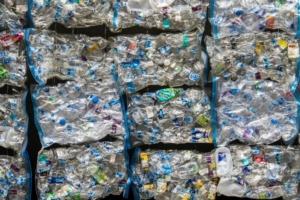
In response to these pressing challenges, several communities, engineers and social enterprises are exploring an unconventional but promising solution: building homes using plastic bottle bricks. This method involves filling discarded plastic bottles with sand or other materials and using them in construction as a substitute for conventional bricks.

Research and field trials have shown that these bottle bricks are cost-effective, up to 30–50% cheaper than traditional bricks and structurally sound. Compacted sand inside the bottles is nearly 20 times stronger than regular bricks. Additionally, these structures offer thermal insulation, making them well-suited to Nigeria’s hot climate.

One notable example is the work of Yahaya Ahmed from Nigeria’s Development Association for Renewable Energies. According to Ahmed, homes made from bottle bricks cost only a third of traditional concrete structures. These homes also help reduce plastic waste, a significant environmental benefit given Nigeria’s growing consumption of bottled water.

Pilot Projects Showing Promise

Pilot projects across Nigeria, including in Yelwa village and Paipe community, have shown successful implementation of this technology. In Paipe, a prototype home was built at 35% of the cost of a standard house and integrated renewable energy and water systems. These projects address the housing and waste crises and provide employment and technical training for young engineers and local workers.

Social enterprises like Brickify are also contributing to this movement. Founded in 2019, Brickify recycles plastic waste into interlocking “Lego-style” bricks for building low-cost homes, schools and public toilets. The organization has recycled more than 50,000 tons of plastic waste and engages local communities by offering incentives, such as school fees or meals, for collecting plastic waste. Its water, fire and wind-resistant bricks significantly reduce construction time and material costs.

Barriers and the Path Forward

Despite its promise, bottle brick technology faces several challenges, including a lack of skilled labor, insufficient government incentives and limited research funding. For wider adoption, sustained collaboration between government bodies, private investors and environmental organizations will be necessary.

Ultimately, while plastic bottle brick homes are not a complete solution to Nigeria’s housing crisis, they offer a practical and sustainable model that addresses multiple issues at once: housing, waste, unemployment and environmental degradation.

– Sriya Regulapati

Sriya is based in Vancouver, Canada and focuses on Business and Technology for The Borgen Project.

Photo: Flickr

September 11, 2025
https://borgenproject.org/wp-content/uploads/borgen-project-logo.svg 0 0 Lynsey 2 https://borgenproject.org/wp-content/uploads/borgen-project-logo.svg Lynsey 22025-09-11 03:00:522025-09-11 00:57:07Nigeria’s Promise of Plastic Bottle Bricks
Global Poverty, Housing Security

The Push for Social Services in Nigeria

Social Services in NigeriaNigeria, Africa’s most populous country, is home to more than 200 million people. That number could double by 2050, placing a lot of pressure on the nation’s ability to provide resources like affordable housing and other social services. For many Nigerians, especially young adults striving for independence, affording a home of their own is already a major challenge. Without financial support, this problem is set to worsen.

The Struggle to Find Social Services

Housing is more than just shelter for a lot of people. It also relates to stability and a quality of life. In Nigeria, where millions of people live in poverty, the housing crisis is high due to the lack of accessible social support systems. Many citizens are left to navigate high living costs, underemployment, and rising rent prices without government aid.

The housing crisis emphasizes the broader issue of limited access to social services in Nigeria. Social services are typically defined as essential resources that governments or nonprofit organizations usually provide to help individuals meet their basic needs. These services may include health care, food assistance and subsidized housing. While it is important to avoid long-term dependency, many individuals facing poverty, displacement, or other challenges need temporary support to regain stability and move forward.

Property and Perspective

James Sosan, a property owner from Nigeria currently residing in the United States, shares his perspective on the affordable housing crisis. With properties in both Nigeria and the U.S., Sosan has noticed major differences in affordability and government involvement. He told The Borgen Project, “In Nigeria, it is difficult to live on your own, especially without help.” He goes on to say the cost of living is high, and there is not much government support that helps people make ends meet.

Sosan explains that many young Nigerians who attempt to live independently often struggle to maintain housing. “They end up returning home,” not because they want to, but because they have no choice. It delays independence and creates this cycle where people stay financially dependent on their families for much longer than many would like. This kind of dependency could have an effect on long-term success and trap individuals in cycles of poverty that are difficult to break. James is disappointed by the lack of social services in Nigeria and wishes for more to be done.

Solutions

While access to such services remained limited, some initiatives in Nigeria are working to reverse this trend. One of the most prominent initiatives is the Renewed Hope Agenda. The agenda was launched under the Tinubu administration to enhance the quality of life for Nigerians. A significant part of this agenda involves working with the National Directorate of Employment (NDE). A multi-phase approach is in progress to create job opportunities. Recently, the second phase was approved, focusing on providing citizens with practical job skills in various industries. The NDE is working to strengthen the nation’s employment rate while providing people with important skills.

To further support the overall goal, the government has also launched the 3 Million Technical Talent Program. Led by the National Information Technology Development Agency (NITDA) and the Ministry of Communications, the program aims to train 3 million Nigerians in high-demand digital fields like artificial intelligence, software development, and more.

This initiative could allow Nigerians to establish a strong footing in the tech world. Furthermore, it could foster a community of skilled professionals who can participate in the rapidly growing digital economy.

Lastly, the Renewed Hope Housing Program is addressing Nigeria’s severe housing deficit by developing affordable housing across multiple states. These units are made for low-income families and are supported by public-private partnerships. These efforts aim to tackle both economic instability and the social barriers that trap many Nigerians in cycles of poverty.

– Knia Parks

Knia is based in Pepper Pike, OH, USA and focuses on Politics for The Borgen Project.

Photo: Flickr

August 2, 2025
https://borgenproject.org/wp-content/uploads/borgen-project-logo.svg 0 0 Naida Jahic https://borgenproject.org/wp-content/uploads/borgen-project-logo.svg Naida Jahic2025-08-02 07:30:082025-08-01 14:39:53The Push for Social Services in Nigeria
Global Poverty, Housing Security, Slums

Indian Slums: Why People in India Won’t Be Slumming It Anymore

Indian SlumsFrom “Slumdog Millionaire” to “Gully Boy,” Indian slums have been the iconic backdrop of several movies and the root of several inspiring rags-to-riches stories. However, a recent series of slum demolitions in New Delhi has left low-income residents displaced. The action has drawn criticism from United Nations (U.N.) human rights experts, who called it an “aggravated form of human rights violation.”

Three Makes a Pattern

The Delhi Development Authority (DDA), established to promote and construct large-scale affordable housing in Delhi, recently demolished Loni Road in northeast Delhi’s Gokalpuri locality. This marks a pattern, following two earlier demolitions of homes in areas such as Ashok Vihar, Wazirpur and Madrasi Camp. It demolished neighborhoods described as “illegally encroaching on government land,” like the Jailorwala Bagh JJ Cluster in Ashok Vihar on June 16.

Many slum structures were torn down, leaving many low-income wage workers displaced without a home. According to a piece in the Times of India, DDA did not inform the slum-dwellers about the demolitions. Another neighborhood in the DDA demolition list, Batla House, received some relief when residents approached the High Court. However, the public interest litigation filed by MLA Amanatullah Khan was dismissed. The petition argued that some targeted residents were not in the disputed zone.

The DDA initiated these demolition drives following High Court orders to resolve the flooding issues caused by the narrow drains that obstructed water flow during heavy rains.

Criticism and Future

U.N. experts have issued a warning to India to halt demolitions that disproportionately affect people living in poverty. Long-time residents of these areas are now forced to watch their homes being destroyed. According to the U.N. special rapporteur on the right to housing, India is leading the front in illegal home demolitions.

The U.N. experts, in their statement, pointed out that the demolitions are carried out without any investigation into the presence of these “illegal immigrants.” They added that concerns such as “national security” and motivations like the “anti-enforcement campaigns” are used to justify the actions. These “bulldozer drives” affect low-income household minorities and migrants who are not qualified for resettlement and cannot afford housing.

Dharavi, one of Asia’s largest slum clusters, is currently in the process of redevelopment, with its first list of slum households eligible for housing being released. Chief Minister Rekha Gupta on June 20 said that the Delhi government is considering studying Dharavi’s model for the redevelopment of 675 slum clusters in the national capital. Gupta asked the residents of Indian slums in Delhi to consider their safety and security when they build their homes near the railway line.

Innovation Amid Crisis

Being one of the fastest urbanizing countries in the world, India is estimated to have a huge growth in population. The U.N. has estimated a whopping 164 million addition to India’s population between 2015 and 2030 in urban areas.

Researchers are exploring ways to improve slum conditions amid India’s rapid urbanization. A scientific trial led by the Wellcome Trust-backed project is trying to solve the heat problem, especially as heat waves intensify every summer in places like Ahmedabad.

Roofs of Indian slums were painted with a reflective white coating to send the sun’s radiation back to the atmosphere. This one-year trial involving 400 households in Ahmedabad was started earlier this year and residents already see a difference in temperature and electricity bills.

Conclusion

Although steps are being taken, urban growth is outpacing the development of adequate housing, sanitation, clean water and waste management in many areas. The demolition drives are displacing poverty-stricken communities, depriving them of their means of livelihood, deepening divisions and violating human rights.

– Sahana Shastry

Sahana is based in Newtown Square, PA, USA and focuses on Global Health for The Borgen Project.

Photo: Flickr

July 28, 2025
https://borgenproject.org/wp-content/uploads/borgen-project-logo.svg 0 0 Lynsey 2 https://borgenproject.org/wp-content/uploads/borgen-project-logo.svg Lynsey 22025-07-28 03:00:112025-07-27 16:26:15Indian Slums: Why People in India Won’t Be Slumming It Anymore
Children, Global Poverty, Housing Security

Grassroots Movements Are Shaping Pro-Poor Policies in Brazil

Pro-Poor Policies in BrazilBrazil is incredibly diverse, comprising 26 states, more than 5,000 municipalities and 205.3 million people of diverse races, ethnicities and gender identities. Stark contrasts mark the nation. While it exudes cultural diversity, systemic discrimination and inequalities perpetuate intergenerational poverty in Brazil. According to the World Bank, as of 2021, 12.5 million Brazilians lived below the international poverty line. Against this backdrop, grassroots organizations have emerged as key agents of change. By focusing on community-driven solutions, these organizations are reshaping the pro-poor policies in Brazil and creating tangible improvements for its most vulnerable citizens.

National Union for Popular Housing (UNMP): Housing Justice

Brazil faces a severe housing crisis, with a deficit of more than six million homes and 25 million Brazilians living in inadequate conditions. This includes overcrowding, limited access to water and insufficient sewage systems. The city of São Paulo alone has more than 400,000 families residing in precarious housing. The UNMP, founded in 1989, has become one of Brazil’s leading advocates for addressing poverty and its housing crisis. The organization currently has mobilized 350,000 members across 23 Brazilian states.

The UNMP combines action and negotiation, aiming to provide affordable housing for the most vulnerable in Brazil. The UNMP’s strategies include occupying buildings, shaping housing laws through policy advocacy and collaborating with the government to develop cooperative housing projects under programs such as My Home My Life (MCMV). One of the UNMP’s most notable achievements was including Article 183 in the 1988 constitution. It guaranteed that the social aspect of property would take precedence over profit-driven motives, thus enshrining the right to suitable housing as a human right under Brazilian law.

Pastoral da Criança (PDC): Tackling Child Malnutrition

Child health remains a critical issue in Brazil. Undernutrition, stunting and dental caries disproportionately affect Black and low-income children, whose stunting rates are approximately 11% higher than those of white children. The pandemic and economic crises have worsened these challenges as food insecurity reached 15% in 2022, reversing earlier reductions in poverty in Brazil. Poor-quality parental education, low income and inadequate housing have perpetuated the unfavorable conditions experienced by Brazilian children.

Founded by Dr. Zilda Arns Newman, the PDC is a Catholic social organization that seeks to improve this. It focuses on developing children below 6 years old, particularly those in vulnerable circumstances. Volunteers for the PDC visit homes to monitor child malnutrition, arranging Weigh Days to ensure that children develop steadily. They teach families how to properly nurture their children’s growth, demonstrating how to cook affordable yet nutritious meals.

They also inform mothers how to recognize and treat common illnesses in children. These efforts have significantly reduced infant mortality rates, helping Brazil meet a U.N. Millennium Development Goal ahead of schedule. Thus helping to shape pro-poor policies in Brazil. However, rising poverty and food insecurity threaten to undo this progress, underscoring the need for sustained grassroots intervention.

Marielle Franco Institute (IMF): Empowering

The brutal assassination of Marielle Franco (a Black, favela-born councilor and fearless human rights defender) in 2018 sent shockwaves throughout Brazil and became a galvanizing moment in the fight for social justice. Her legacy endures through the IMF, which has evolved into one of Brazil’s most vital organizations combating systemic oppression through three key pillars of action.

The Institute acts as a watchdog against police brutality against marginalized communities and advocates for climate justice, particularly for those living in the urban peripheries. The IMF offers programs and opportunities to marginalized groups that aid the development of their leadership skills and teach them how to exercise their political rights. This multifaceted approach demonstrates how the Institute goes beyond traditional activism, building an entire ecosystem for structural change.

Looking Forward

Grassroots initiatives such as the UNMP, Pastoral da Criança and the IMF exemplify how organized communities can influence pro-poor policies in Brazil. Their achievements illustrate that change is achievable when marginalized voices lead. Nevertheless, Brazil’s shifting poverty rates highlight the vulnerability of these advancements.

Ongoing progress necessitates grassroots activism and a steadfast commitment from the government toward equity. These movements demonstrate that the quest for justice is ongoing, but it is a struggle that can be won.

– Emilia Bartle

Emilia is based in Watford, UK and focuses on Good News and Politics for The Borgen Project.

Photo: Wikimedia Commons

June 12, 2025
https://borgenproject.org/wp-content/uploads/borgen-project-logo.svg 0 0 Lynsey 2 https://borgenproject.org/wp-content/uploads/borgen-project-logo.svg Lynsey 22025-06-12 07:30:322025-06-12 02:00:26Grassroots Movements Are Shaping Pro-Poor Policies in Brazil
Page 2 of 3123

Get Smarter

  • Global Poverty 101
  • Global Poverty… The Good News
  • Global Poverty & U.S. Jobs
  • Global Poverty and National Security
  • Innovative Solutions to Poverty
  • Global Poverty & Aid FAQ’s
Search Search

Take Action

  • Call Congress
  • Email Congress
  • Donate
  • 30 Ways to Help
  • Volunteer Ops
  • Internships
  • Courses & Certificates
  • The Podcast
Borgen Project

“The Borgen Project is an incredible nonprofit organization that is addressing poverty and hunger and working towards ending them.”

-The Huffington Post

Inside The Borgen Project

  • Contact
  • About
  • Financials
  • President
  • Board of Directors
  • Board of Advisors

International Links

  • UK Email Parliament
  • UK Donate
  • Canada Email Parliament

Get Smarter

  • Global Poverty 101
  • Global Poverty… The Good News
  • Global Poverty & U.S. Jobs
  • Global Poverty and National Security
  • Innovative Solutions to Poverty
  • Global Poverty & Aid FAQ’s

Ways to Help

  • Call Congress
  • Email Congress
  • Donate
  • 30 Ways to Help
  • Volunteer Ops
  • Internships
  • Courses & Certificates
  • The Podcast
Scroll to top Scroll to top Scroll to top