• Link to X
  • Link to Facebook
  • Link to Instagram
  • Link to TikTok
  • Link to Youtube
  • About
    • About Us
      • President
      • Board of Directors
      • Board of Advisors
      • Financials
      • Our Methodology
      • Success Tracker
      • Contact
  • Act Now
    • 30 Ways to Help
      • Email Congress
      • Call Congress
      • Volunteer
      • Courses & Certificates
      • Be a Donor
    • Internships
      • In-Office Internships
      • Remote Internships
    • Legislation
      • Politics 101
  • The Blog
  • The Podcast
  • Magazine
  • Donate
  • Click to open the search input field Click to open the search input field Search
  • Menu Menu

Archive for category: Housing Security

Global Poverty, Homelessness, Housing Security

Are Mushrooms The Solution To Namibia’s Housing Shortage?

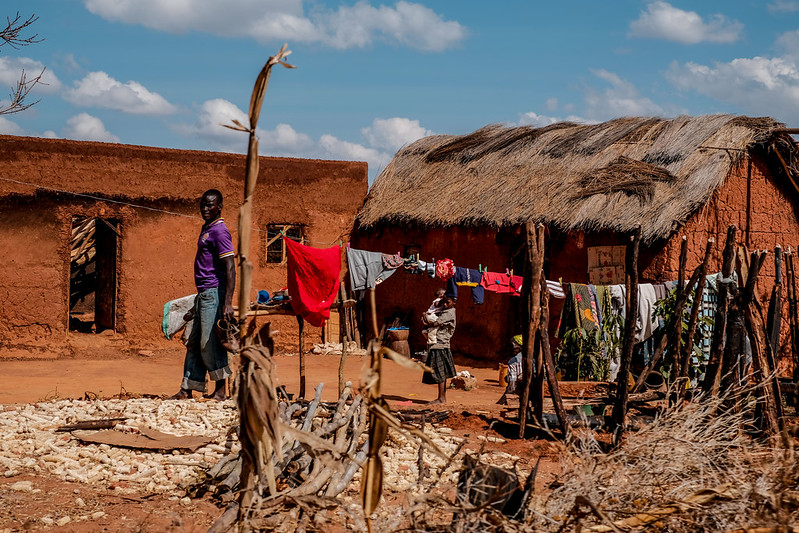
Namibia’s Housing ShortageNamibia is a country on the southwest coast of Africa. It was a German colony from 1884 to 1919. Under German control, Namibia suffered a genocide as well as economic depletion. In the aftermath of WWI, South Africa took control of Namibia. After a decades-long resistance movement, the country gained independence in 1990, creating a democratic multiparty system. Unfortunately, the effects of colonial exploitation continue to make the country economically vulnerable. For instance, 64% of Namibia’s population still lives below the poverty line, contributing to Namibia’s current housing shortage.

MycoHAB

MycoHAB is a nonprofit organization that researches and produces mycelium to create building materials that can be used to develop infrastructure in African communities. The company also strives to end food insecurity, create jobs and maintain a carbon-negative impact through its mycelium technology. The company began as an initiative alongside MIT’s Center for Bits and Atoms under the direction of the Standard Bank Group, Africa’s largest bank. Although now independent of both MIT and the Standard Bank Group, the company’s approach was born from Standard Bank’s Buy-A-Brick program that works to alleviate homelessness in Namibia. The program was created to help fund the building of brick homes for those living in informal structures.

With this foundation, MycoHAB focused its mycelium structures into MycoBlocks, creating a more sustainable and community-forward approach to building houses. MycoHAB still donates 100% of its proceeds to its inspiration charity, the Buy-A-Brick Foundation.

Namibia’s Housing Shortage and Poverty

Namibia has a population of around 3 million people. It is considered a lower-middle-income economy, with half of its population living in rural areas. Mining is the country’s largest industry, accounting for 30% of its gross GDP, yet less than 10% of the overall workforce is employed within said industry, with unemployment rates only rising, according to Encyclopedia Britannica. Currently, one in five Namibians lives in a makeshift house built from found materials or zinc sheets. Studies estimate that approximately half a million new homes are necessary to address Namibia’s housing shortage, The Guardian reports.

Giving Hope to Namibia

Starting in 2019, the MycoHAB Namibia project, entitled BioHAB, has been working to solve the housing crisis in Namibia by providing sturdy and eco-friendly homes to the unhoused as well as partnering with local communities to create jobs. The process begins by gathering the invasive encroacher bush that is causing significant damage to Namibia’s ecosystems to create a nutrient base for mycelium to grow through, MIT Sloan School of Management reports. The project then harvests the edible mushrooms and, partnering with community members, sells the product to local markets and hotels. It then takes the leftover mycelium waste and forms constructible bricks.

MycoHAB offers professional and agricultural training to community members who wish to contribute to the program, according to the MIT Sloan School of Management. Once trained, individuals can work for the project and receive a reliable income. When the bricks are no longer necessary, people can grow them and turn them into fertilizer for regional farming. Overall, the company is providing not just shelter but real homes to unhoused people in rural regions of Namibia who are most affected by poverty and social and environmental obstacles.

Namibia’s Housing Shortage: The Future

Homelessness exists in a cycle of poverty in which shelters can be the first step in breaking. Without shelter, the possibility of securing a paycheck, making a meal and getting adequate sleep is slim. For children alone, the opportunity of growing up in a home as opposed to on the street offers a 21% increased chance of escaping lifelong poverty. By providing a home, MycoHAB not only offers a solution to Namibia’s housing shortage but also the chance for millions to gain a healthy and productive life.

– Amelia Dutch Player

Amelia is based in Savannah, GA, USA and focuses on Technology and Solutions for The Borgen Project.

Photo: Flickr

April 18, 2025
https://borgenproject.org/wp-content/uploads/borgen-project-logo.svg 0 0 Naida Jahic https://borgenproject.org/wp-content/uploads/borgen-project-logo.svg Naida Jahic2025-04-18 01:30:222025-05-06 06:01:14Are Mushrooms The Solution To Namibia’s Housing Shortage?
Global Poverty, Housing Security

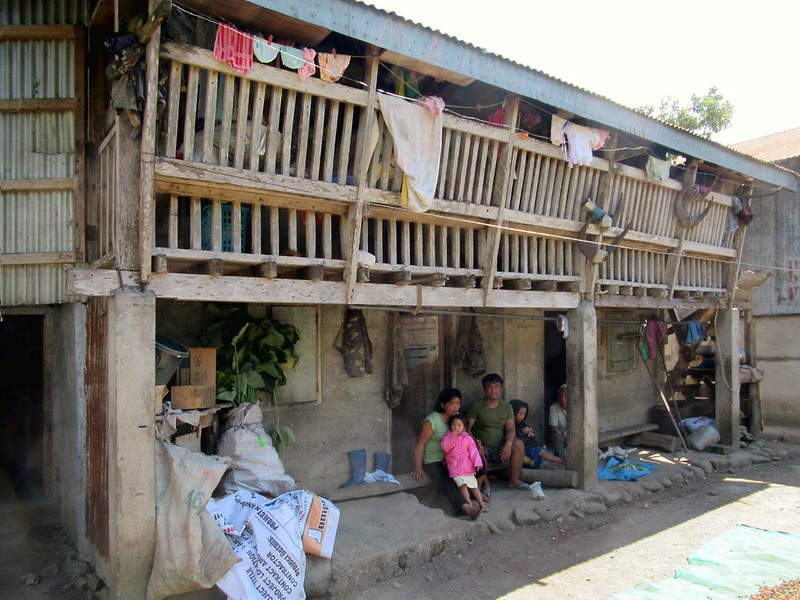
Philippines National Housing Authority and Population Growth

Philippines Faces Housing Shortage Amid Population GrowthAs of 2025, the Philippines has a population of approximately 121 million people. However, the country faces a housing shortage of 6.5 million units, a figure projected to rise to 22 million by 2040 if unaddressed. This significant gap leaves millions of families enduring substandard living conditions.​

Several factors contribute to this housing crisis, including poverty, rapid population growth and limited land availability. In 2023, the Philippines constructed more than 100,000 residential structures. However, the number of households increased by 3.42 million from 22.98 million in 2015 to 26.39 million in 2020, averaging about 684,000 new households per year during that period. This construction rate falls short of meeting the growing demand. Urban areas, in particular, experience intensified pressure as more individuals migrate to cities in search of better opportunities, leading to overcrowded informal settlements and straining existing infrastructure. ​

Philippines National Housing Authority

To meet the growing demand, the Philippines National Housing Authority (NHA) initiated several projects. In 2023, the NHA launched five new projects that will provide 3,651 housing units to those impacted by national infrastructure developments. In total, the NHA started 9,600 housing units and completed 15,856, achieving 118% of its target for starts (8,123 units) and 42% of its target for completions (37,913 units). Despite these ongoing efforts, the NHA operates with an annual budget of about 2 billion pesos, which constrains its capacity to effectively address the housing backlog.

Budget Disparities and Challenges

In contrast, the Department of Education received a 2025 budget of 977.6 billion pesos (approximately $17.5 billion). This disparity highlights the limited financial resources allocated to housing initiatives. Given these constraints, the Philippine government may need to explore external support and innovative financing solutions to bolster housing development. In addition, public-private partnerships and international collaborations could provide additional funding and expertise to accelerate housing projects.​

Promising Projects on the Horizon

A significant initiative is the Pambansang Pabahay Para sa Pilipino Program, a housing project launched in September 2022. The program aims to build 6 million housing units by 2028.

The program initially aimed to build about 1 million houses annually, totaling 6 million units by the end of President Ferdinand Marcos Jr.’s term. However, as of August 2024, the Department of Human Settlements and Urban Development (DHSUD) adjusted its target to launching 4 million housing units by 2028, citing construction issues and delayed loans. ​

The Pambansang Pabahay Para sa Pilipino Program offers affordable housing solutions for low-income families, with units priced up to 1.4 million pesos. Beneficiaries can access subsidized interest rates through the program, reducing their monthly amortization costs and making homeownership more attainable. Local government units (LGUs) play a crucial role in implementing these projects by identifying housing sites, developing project concepts with chosen developers and contractors and endorsing housing proposals to DHSUD. If successful, the initiative could serve as a model for future government-led housing programs.

Looking Ahead

Addressing the Philippines’ housing shortage requires a multifaceted approach involving increased funding, policy reforms and international cooperation. Strengthening partnerships with private sector entities and international allies could provide the necessary resources and expertise to accelerate housing development. Additionally, implementing policies that streamline construction processes and promote affordable housing could help bridge the gap between supply and demand. Through concerted efforts, the Philippines can potentially work toward providing adequate housing for its growing population, thereby improving living conditions and fostering national stability.

– Nicholas East

Nicholas is based in Ashby, MA, USA and focuses on Politics for The Borgen Project.

Photo: Flickr

April 16, 2025
https://borgenproject.org/wp-content/uploads/borgen-project-logo.svg 0 0 Precious Sheidu https://borgenproject.org/wp-content/uploads/borgen-project-logo.svg Precious Sheidu2025-04-16 01:30:222025-04-15 10:14:03Philippines National Housing Authority and Population Growth
Developing Countries, Global Poverty, Housing Security

Boateng’s Plastic Bricks Offer Affordable Housing for Ghana

Affordable Housing for GhanaIn 2015, in Accra, the capital of Ghana, a devastating fire exacerbated by plastic pollution ended up killing 250 people. While this was a horrible accident, Nelson Boateng, the Chief Executive Officer of Nelplast, a big plastic-producing company in Ghana, took accountability and decided to start creating an impactful solution from this loss. He became inspired to invent and invest in bricks made out of shredded plastic and sand to mitigate the issues of plastic arising in Ghana.

This invention also helped save his company, as the Ghanaian government was considering a ban on single-use plastics due to health and safety hazards associated with plastic pollution. Boateng told “Africa Calling” podcast correspondent Zubaida Mabuno Ismail, “I had to find a way of dealing with the plastic in a more sustainable way.”

Waste Management in Ghana

A major factor driving plastic repurposing efforts in Ghana is the country’s significant plastic pollution problem. The National Library of Medicine reports a link between public health issues in Ghana and inconsistent waste management practices, a concern shared by many Ghanaians. Indeed, Gbeddy Phanuel’s online survey on household waste management practices in Accra found that 83% of respondents consider quality service to be the top priority. Many feel that current waste management practices are unpredictable and lack professionalism.

As a developing country, Ghana has yet to establish fully functional waste management sites, making it challenging for residents to dispose of waste properly. In fact, 62% of Ghana’s waste reaches landfills. Furthermore, the remaining 38% is disposed of through unregulated methods, including 14.5% in waterways and 16.5% in gutters. This poses health risks for Ghanaians as inadequate waste management solutions compromise water sources.

Fortunately, Gbeddy’s survey of more than 200 Ghanaians revealed that 81% are willing to participate in waste management initiatives. Plastic waste ranks third highest in Africa and due to its long lifespan, finding sustainable ways to reduce its usage is crucial for the health and safety of people in Ghana.

Beautiful Plastic Homes for a Low Price

In an interview with Voice of America, Boateng offers an inside look at the plastic brick manufacturing process and its final results. He showcases his home, which is built entirely from Nelplast bricks made of recycled plastic. Constructing a one-bedroom apartment with these bricks costs around $11,000, making it an affordable housing option for low-income families in Ghana.

Each home uses about 13,400 kilograms (approximately 29,542 pounds) of plastic. Boateng and his company developed these bricks by heating and compressing a blend of plastic and sand, creating durable materials that leverage plastic’s resilience against decay—a promising solution to Ghana’s housing shortage.

Boateng introduces an innovative solution for both the housing shortage and plastic waste problem, providing a hopeful path forward for affordable housing in Ghana.

– Madeline Star Heintz

Madeline is based in Los Angeles, CA, USA and focuses on Business and Solutions for The Borgen Project.

Photo: Flickr

November 13, 2024
https://borgenproject.org/wp-content/uploads/borgen-project-logo.svg 0 0 Lynsey 2 https://borgenproject.org/wp-content/uploads/borgen-project-logo.svg Lynsey 22024-11-13 07:30:242024-11-13 00:02:49Boateng’s Plastic Bricks Offer Affordable Housing for Ghana
Global Poverty, Housing Security, Human Rights

Cage Homes in Hong Kong

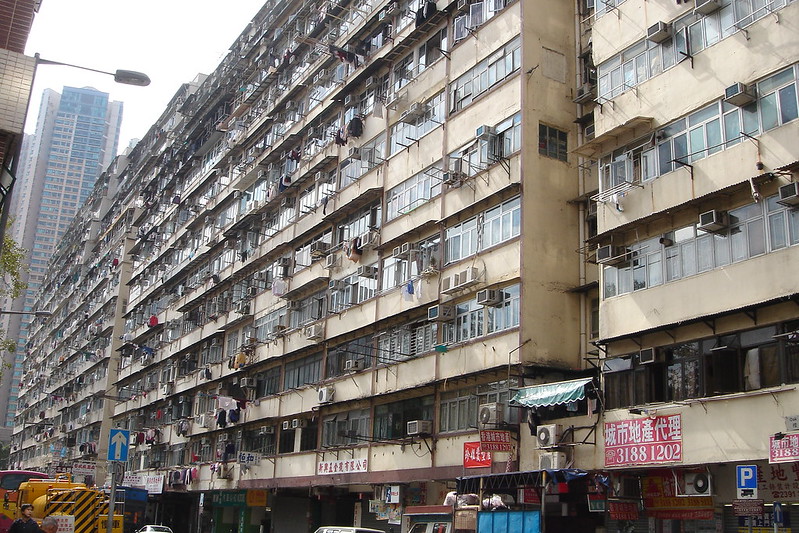
Cage Homes in Hong KongIn a hidden corner of Hong Kong, one of the “Four Asian Tigers” with the most developed Asian economy, more than 220,000 people live in “subdivided flats“—a delicate term for cramped living spaces measuring just 4 by 4 by 6 feet. Historically, the British colonial administration introduced the Small House Policy in 1972 to expand Hong Kong’s territories. This policy, which the post-handover Hong Kong government has maintained, has limited land availability for nonindigenous residents.

As a result, the limited land availability has driven the creation of smaller living units. Property developers have responded to the demand for affordable housing by continuously downsizing unit areas. The city’s mountainous terrain also restricts development space, with 75% of the territory comprising green spaces or protected country parks.

Simon’s Story

Simon had lived in a 12-square-foot “cage home” for eight years. As a retiree, he has given up hope of securing public housing, where the waiting list stretches five years and includes more than 100,000 families. He receives $867 a month from the government. After paying $330 for rent, the remaining amount is too scanty to support him until the end of the month.

These tiny living spaces, often no larger than 20 square feet, are cramped and used for living and storage, providing barely enough room for one person. They frequently fail to meet safety regulations, have poor insulation, receive little maintenance and can significantly impact tenants’ physical and psychological well-being.

Nutritional Crisis in Cage Homes in Hong Kong

A recent study by Crystal Ying Chan, a research assistant professor at the Chinese University of Hong Kong, found that children living in these units face higher risks of food insecurity and nutrient deficiencies. In a survey of 469 “cage home” families, 25% of children aged 6 to 8 were overweight or obese, nearly double the citywide average of 13%. Additionally, almost one in four children from infancy to age 17 were underweight, compared to the citywide average of one in a hundred. Moreover, children in half of the surveyed households had experienced food insecurity in the past year.

Solutions

Many projects and institutes are working to support people living in cage homes in Hong Kong. A program led by Crystal Ying Chan has partnered with a team of nurses, social workers and dietitians to deliver food and care services to residents of subdivided flats. Chan’s community intervention model aims to offer essential services directly to these families, reducing their reliance on an overburdened health care sector and overcoming language and cultural barriers foreign workers face. This model emphasizes grassroots experiences and tailors support to each family’s unique circumstances.

Furthermore, to address the housing crisis, the Hong Kong government has planned the development of a Northern Metropolis near the China border, which aims to provide housing for 2.5 million people. Additionally, city officials have pledged to prevent developers from constructing extremely small homes, specifically those less than 200 square feet.

Final Note on Cage Homes in Hong Kong

Cage homes in Hong Kong reveal serious housing challenges, with more than 220,000 people living in spaces as small as 12 square feet. This leads to significant health issues and food insecurity, especially among children. While community support and government plans for new developments offer hope, substantial challenges persist until these solutions are fully implemented.

– Cindy Hong

Cindy is based in Milpitas, CA, USA and focuses on Good News and Global Health for The Borgen Project.

Photo: Flickr
August 26, 2024
https://borgenproject.org/wp-content/uploads/borgen-project-logo.svg 0 0 Lynsey 2 https://borgenproject.org/wp-content/uploads/borgen-project-logo.svg Lynsey 22024-08-26 01:30:342024-08-25 08:32:48Cage Homes in Hong Kong
Developing Countries, Global Poverty, Housing Security

Affordable Housing and Poverty Reduction

Creating Affordable Housing in Developing Nations In the age of urbanization, access to affordable, sustainable housing has become increasingly diminished, burdening developing nations aiming to provide their growing populations with necessities for survival. It is estimated that 40-75% of individuals located within rapidly growing sittings are densely concentrated in squatter settlements, with higher legal standards in housing, zoning and public services restricting many of the rights to home ownership.

According to the United Nations (U.N.) Department of Economic and Social Affairs, there are more than 1.1 billion people currently living in slums or slum-like conditions, with an additional two billion expected within the next 30 years. Yet, creating affordable housing has proven itself to be a multifaceted operation, balancing the present needs of pre-existing low-income communities while opening new opportunities for citizens to purchase homes that they can preserve in the long term.

Defining Housing

Housing itself can be a difficult term to entirely define, as it is oftentimes relative to the overarching living conditions within a city, state or nation. The World Health Organization (WHO) defines housing as a residential environment that includes all necessary services…for the physical and mental health and social well-being of the family, indicating adequacy for human habitation. Housing can thus be classified as affordable if it does not surpass 30% of the household income of a family, allowing for financial allocation to other living requirements. Comparatively, slums, in the most fundamental sense, are shelters that do not conform to the degrees established by the WHO or legalized housing codes: they may not have proper sanitation measures, structural qualities or number of permitted occupants.

Constraints to Affordability

Creating affordable housing is not straightforward, especially given the financial resources governments need to expand low-income housing programs. Simply increasing the number of available houses does not automatically make them affordable. Public housing construction often requires additional measures such as rent control and subsidies to be truly accessible. Ira Peppercorn, former deputy federal housing commissioner, argues that subsidies can be inefficient and ineffective if they do not align with long-term sustainability goals and fail to tackle the root causes of illegal ownership.

The creation of modernized homes often involves demolishing existing slums, which disrupts long-established urban communities. Peppercorn points out that slums are not merely residential areas for low-income citizens but also hubs of cultural and economic growth, fostering commercial activity with fruit stands, barber stalls and other small businesses. Instead of demolishing these communities for noncompliance with housing codes, governments could provide access to resources that help residents meet legal standards. While this strategy may not enhance living standards in every aspect, it could prove more sustainable in the long term compared to enforcing home ownership and relocating families.

Success of the National Housing Authority in Thailand

The National Housing Authority (NHA) in Thailand is one program that has been notably successful in creating affordable housing and linking community development measures with access to secure housing. Thailand has one of the highest rates of home ownership throughout the world, previously estimated at 81% in 2010, primarily due to the successes of its NHA programming. The NHA, first established in 1973, combines the interests of private investors—looking for the opportunity to develop highly subsidized land—with the manufacturing of affordable homes. NHA housing hosts a low-selling point, enhancing access for low and middle-income families, while offering subsidies up to $2,000. In 2020, amid the COVID-19 pandemic, the NHA instated more than 141 programs to sell residences at prices less than $31,000, granting thousands the ability to remain in Bangkok in this period of economic turmoil.

Affordable Housing as a Poverty-Reduction Strategy

Creating affordable housing is undoubtedly a prospective strategy for poverty reduction, grounding families in a central, stagnant and safe domestic environment. While owning a home can be beneficial on the individual level, it additionally stimulates economic growth on the national level. Samuel Munzele Maimbo, Director of the IDA Resource Mobilization and IBRD Corporate Finance for the World Bank Group, has stated that “making affordable housing…is key for long-term, sustainable development outcomes,” displaying the power of governmental investment into the housing sector.

Looking Ahead

Addressing the housing crisis in rapidly urbanizing regions requires multifaceted solutions that balance affordability and sustainability. Programs like Thailand’s National Housing Authority demonstrate the potential for success by combining community development with secure housing initiatives. Ensuring access to affordable housing not only benefits individual families but also stimulates broader economic growth, highlighting its importance as a key strategy for poverty reduction and sustainable development.

– Eileen Lincoln

Eileen is based in Oakton, VA, USA and focuses on Technology and Solutions for The Borgen Project.

Photo: Flickr
August 5, 2024
https://borgenproject.org/wp-content/uploads/borgen-project-logo.svg 0 0 Precious Sheidu https://borgenproject.org/wp-content/uploads/borgen-project-logo.svg Precious Sheidu2024-08-05 01:30:072024-08-04 23:54:29Affordable Housing and Poverty Reduction
Global Poverty, Housing Security

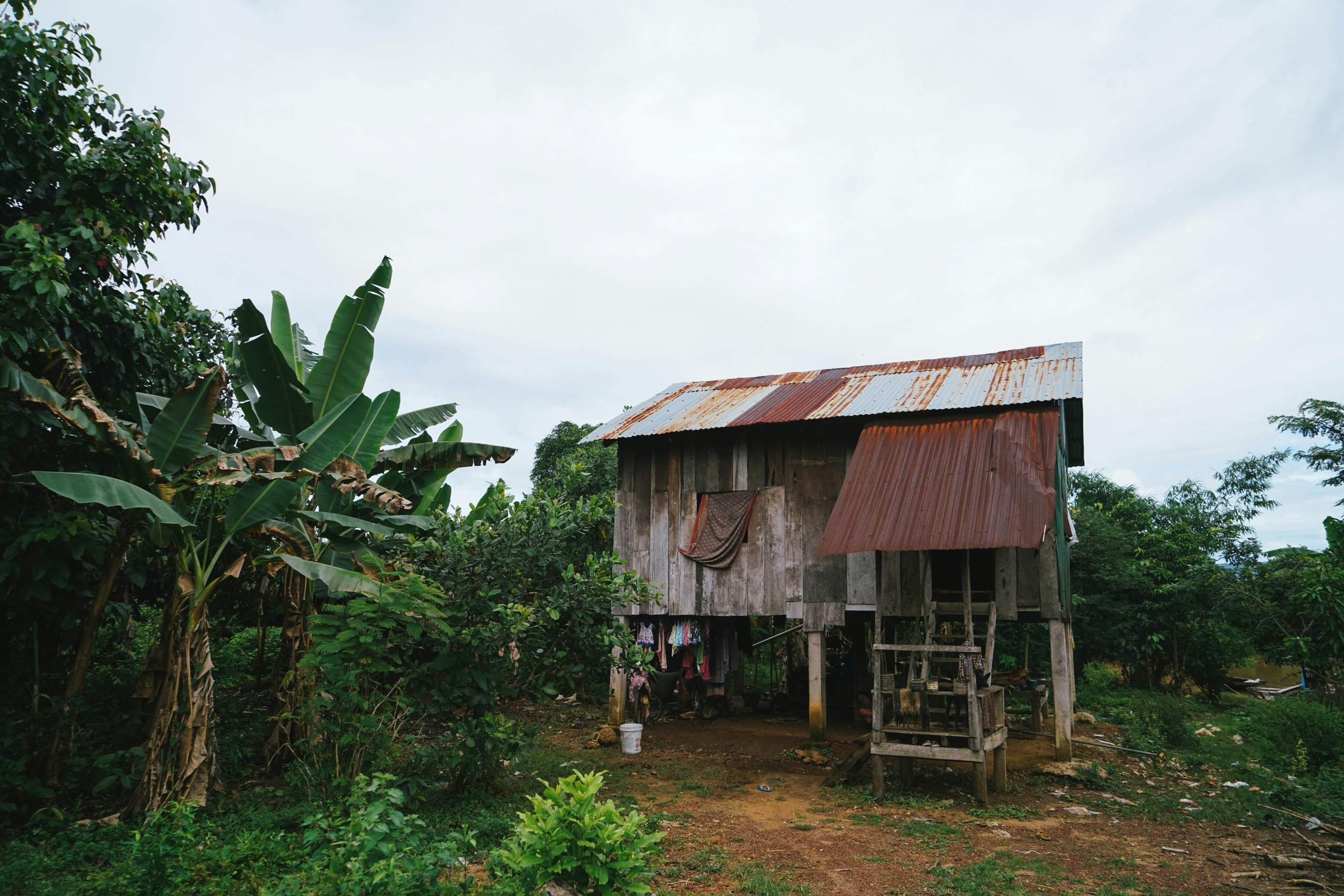
Safe and Sustainable Housing for Rural Communities in Cambodia

Safe and Sustainable HousingDespite the stunning natural landscapes and architecture, Cambodia struggles with poverty among its population. According to the Asian Development Bank (ADB), 17.8% of the population lived below the poverty line in 2019, while “the proportion of employed population below $2.15 purchasing power parity a day in 2023 was 20.5%.” Additionally, 24 per 1,000 children die before the age of 5 and the country struggles with a housing crisis, with many families not having access to safe and sustainable housing. 

Planète Enfants & Dèveloppment (PE&D)

Some of the areas that the housing crisis affects the most are rural villages outside of major cities. Two of the biggest factors include habitat and living conditions and a lack of safe and sustainable housing. Planète Enfants & Dèveloppment (PE&D) launched the Habitat and Living Conditions Improvement project in the hope of helping poor communities in Phnom Penh in 2018. 

This project builds on a previous partnership with local partner Samathepel Khnom Organisation (SKO) and aims to support residents living in informal settlements around the Phnom Penh area. Its primary goal is to improve the security of homes and develop community organization and action. Family support and training also added to the project and this includes domestic and gender-related violence. 

PE&D is a child protection organization that focuses on the safeguarding of vulnerable children. By providing support, education and resources, it focuses on responding to the urgent needs of children in danger to educate, grow and integrate them as the future of the world. For almost 40 years, PE&D’s goal has been to alleviate children from poverty and give them a chance to grow and develop into adults. 

Working With Local Authorities

Another branch of PE&D’s project includes working with local NGOs and meeting with local authorities every six months to strengthen ties with these rural communities and build trust, according to the Urban Sustainability Exchange (USE). A better relationship with local authorities and supporting residence groups enables communities to improve their living conditions and also campaign for land rights to push the government to recognise the basic right for people to have housing. 

In Cambodia, land rights complications make enforcing and practising upgrading housing difficult. However, this project tries to give residents access to finances so that they can make home improvements themselves. This housing project is also addressing issues of gender-based violence inequalities, a theme which PE&D specializes in. 

Through its connections with local aid groups and NGOs, the PE&D project involves eight large informal settlements which are home to around 10,000 people. Vulnerable families are given priority to housing, especially those who are either currently living in unsafe homes and women at risk of or who are experiencing domestic violence, according to the World Habitat.

Sustainability Training

So far, the project has improved 88 homes and upgraded them to structurally safe, trained 297 people (190 women) to use sustainable construction methods and provided social support to 206 families in the area, the World Habitat reports.

PE&D’s work has also allowed 152 people, 124 of which are women to get Participatory Approach for Safe Shelter Awareness (PASSA) training, which refers to a specific method of disaster risk prevention of shelter safety. These people also get supplementary training relating to financial education and gender issues for 140 people, 100 of those being women. Other training topics include savings, credit groups and family support, according to the World Habitat.

Housing and Poverty

Housing is vital to alleviating poverty around the world. Every human should have a basic right to safe and sustainable housing and this project aims to bring just that to struggling communities in Cambodia. Without housing, it is difficult to find a stable income and provide essentials for families such as food and water. 

Unstable living arrangements also often mean an increased risk of domestic violence, health issues, depression, child abuse, neglect and food insecurity. Safer and sustainable living arrangements for people suffering from poverty give them a greater chance of getting out of their current situation.

Before PE&D started its project, in the around 300 informal settlements in and around Phnom Penh, poverty was everywhere and most homes consisted of precarious and makeshift housing. Other issues with these rural communities include poor sanitation and hygiene, makeshift housing, a lack of land for people to live on, high unemployment, and a lack of security and services, according to the World Habitat.

Projects like this are helping alleviate poverty around the world and are providing humans with their right to essentials such as food, water, hygiene and safe and sustainable housing.

– Lachlan Wellington

Lachlan is based in Fareham, Hampshire, UK and focuses on Technology and Global Health for The Borgen Project.

Photo: Unsplash

June 18, 2024
https://borgenproject.org/wp-content/uploads/borgen-project-logo.svg 0 0 Jennifer Philipp https://borgenproject.org/wp-content/uploads/borgen-project-logo.svg Jennifer Philipp2024-06-18 01:30:462024-06-17 10:38:43Safe and Sustainable Housing for Rural Communities in Cambodia
Page 3 of 3123

Get Smarter

  • Global Poverty 101
  • Global Poverty… The Good News
  • Global Poverty & U.S. Jobs
  • Global Poverty and National Security
  • Innovative Solutions to Poverty
  • Global Poverty & Aid FAQ’s
Search Search

Take Action

  • Call Congress
  • Email Congress
  • Donate
  • 30 Ways to Help
  • Volunteer Ops
  • Internships
  • Courses & Certificates
  • The Podcast
Borgen Project

“The Borgen Project is an incredible nonprofit organization that is addressing poverty and hunger and working towards ending them.”

-The Huffington Post

Inside The Borgen Project

  • Contact
  • About
  • Financials
  • President
  • Board of Directors
  • Board of Advisors

International Links

  • UK Email Parliament
  • UK Donate
  • Canada Email Parliament

Get Smarter

  • Global Poverty 101
  • Global Poverty… The Good News
  • Global Poverty & U.S. Jobs
  • Global Poverty and National Security
  • Innovative Solutions to Poverty
  • Global Poverty & Aid FAQ’s

Ways to Help

  • Call Congress
  • Email Congress
  • Donate
  • 30 Ways to Help
  • Volunteer Ops
  • Internships
  • Courses & Certificates
  • The Podcast
Scroll to top Scroll to top Scroll to top