• Link to X
  • Link to Facebook
  • Link to Instagram
  • Link to TikTok
  • Link to Youtube
  • About
    • About Us
      • President
      • Board of Directors
      • Board of Advisors
      • Financials
      • Our Methodology
      • Success Tracker
      • Contact
  • Act Now
    • 30 Ways to Help
      • Email Congress
      • Call Congress
      • Volunteer
      • Courses & Certificates
      • Be a Donor
    • Internships
      • In-Office Internships
      • Remote Internships
    • Legislation
      • Politics 101
  • The Blog
  • The Podcast
  • Magazine
  • Donate
  • Click to open the search input field Click to open the search input field Search
  • Menu Menu

Archive for category: Health

Information and stories on health topics.

COVID-19, Global Poverty, Health

The Impact of COVID-19 on Poverty in Tanzania

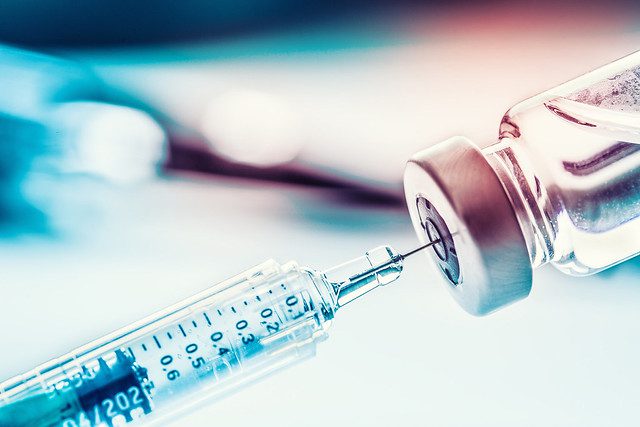
covid-19 and poverty in tanzaniaThe East African country of Tanzania is one of the largest nations on the continent. Despite a population of more than 58 million, Tanzania has reported fewer than 600 COVID-19 cases and just 21 deaths as of July 22, 2021. However, widespread denial of the gravity of the virus is making COVID-19 in Tanzania more dangerous. While Tanzania has experienced minimal physical health impacts of COVID-19 in contrast to other countries, the impact of COVID-19 on poverty in Tanzania has been harsh as the virus has slowed overall economic growth.

Tanzania’s COVID-19 Response

On March 16, 2020, Tanzania reported its first case of COVID-19. Months later, in April, the country’s bustling region of Tanga also reported its first case. To help prevent the further spread of the virus, the government in Tanga began working with the CDC to train health professionals “on case investigation, contact tracing, home and community isolation, quarantine, infection prevention control (IPC) and case management,” providing a strategy to respond to new cases.

Furthermore, the CDC aided Tanzania in hiring and training drug dispensaries to monitor the number of people looking for COVID-19 treatment. This allowed pharmacists to watch out for probable cases in their communities in order to ramp up precautions and prevent the spread of the disease. In total, the CDC helped train 116 healthcare personnel in COVID-19 response strategies, “creating a holistic, community response to detect and respond to the COVID-19 crisis.”

Unreported Cases and COVID-19 Denial

On the surface, Tanzania has done an exceptional job preventing the spread of COVID-19. However, a few less discussed issues have prevented the country from fully recovering. For instance, in June 2020, the country’s then-president, John Magufuli, stopped reporting COVID-19 data, claiming that the country was virus-free even though Tanzania had already reported 509 cases and 21 deaths. Magufuli asserted that a “three-day prayer had saved the country.” Similarly, the secretary of the Ministry of Health, Mabula Mchembe, disregarded accusations that the country’s denial of the virus was only causing more deaths. Overall, the Tanzanian government has “downplayed the seriousness of the pandemic.”

A New President Brings Hope

When the former president passed away on March 17, 2021, President Samia Suluhu Hassan replaced him as the first female president of the country. The mark of Hassan’s presidency also marked the release of Tanzania’s official COVID-19 statistics after “more than a year.” Hassan confirmed 100 new COVID-19 cases since the third wave of COVID-19 began in Tanzania. Bringing hope to Tanzania, President Hassan also allotted $470 million for the purchase of COVID-19 vaccines, helping the country’s citizens protect themselves from the virus.

The Impact of COVID-19 on Poverty in Tanzania

Tanzania has made significant progress in tackling COVID-19, but the pandemic has still worsened poverty in the country. Due to the extensive measures put in place to track the virus, including quarantine and lockdowns, roughly 140,000 formal jobs were lost in June 2020 alone. In addition, 2.2 million “nonfarm informal workers” experienced loss of income. Similarly, the poverty rate increased from 26.1% in 2019 to 27.2% by the end of 2020.

In 2021, however, Tanzania’s economic outlook is much different. In fact, Tanzania’s GDP is projected to rise by up to 5.3% this year due to President Hassan’s COVID-19 programs and vaccine distribution plan. President Hassan has promised to improve infrastructure and resource management, reflecting a vision of future economic growth in the country. As Tanzania moves in a more transparent and positive direction, hope is on the horizon for overall poverty reduction and economic growth.

– Calvin Franke
Photo: Flickr

August 13, 2021
https://borgenproject.org/wp-content/uploads/borgen-project-logo.svg 0 0 Kim Thelwell https://borgenproject.org/wp-content/uploads/borgen-project-logo.svg Kim Thelwell2021-08-13 01:30:492024-05-30 07:56:47The Impact of COVID-19 on Poverty in Tanzania
Children, Developing Countries, Education, Global Poverty, Health

The Benefits of Investing in Intestinal Worm Research

Intestinal Worm ResearchNeglected Tropical Diseases (NTDs) are parasitic, viral and bacterial diseases that largely affect the world’s most impoverished countries. The group of diseases derives its name from the lack of attention NTDs receive in comparison to other diseases. NTDs are most common in regions where people do not have ready access to clean water and proper sanitation as well as adequate healthcare. The National Institute of Allergies and Infectious Diseases (NIH) estimates that more than one billion of the global population suffers from at least one NTD. Intestinal worm infections are among the most common NTDs. For this reason, intestinal worm research can play an important role in eradicating this specific NTD.

Intestinal Worms

Also known as “soil-transmitted helminths,” intestinal worms affect those that come in contact with soil and water contaminated by human defecation and urine. Intestinal worms, such as hookworm, roundworm and whipworm, initially inhabit the intestines of infected individuals. The eggs pass to the ground through human waste. The populations of an estimated 103 countries are affected by intestinal worms. Women of reproductive age and young children are the most susceptible to intestinal worms.

The symptoms for those infected with intestinal worms vary from mild to severe, with some individuals showing close to no symptoms at all. Individuals that display more severe symptoms may develop further conditions such as anemia, malnutrition and stunted growth. Studies currently show that the effects of intestinal worms can be long-term. With the possibilities of “impairment of physical and mental growth” as well as “delayed educational advancement,” cases of intestinal worms can negatively impact a country’s economy by affecting human capital.

Successful Intestinal Worm Research Study

Young children carry a high risk of infection. The health problems that arise as a result of intestinal worms affect more than just a child’s physical life. International Child Support in partnership with the Busia District Ministry of Health conducted a study from 1997-2001 in the Busia district of Kenya.

The study finds that “One-quarter of Kenyan student absenteeism is attributed to abdominal pains that are likely due to intestinal helminth infections.” Furthermore, older children often take time off school to care for younger siblings with intestinal worms.

As part of the study, schools with more than 50% of students infected with intestinal worms received deworming drugs on a six-month schedule. Alongside the medicine, the schools received “public health lectures” and training on prevention methods such as washing hands, “wearing shoes and not swimming in the lake.”

Promising Results

Results showed that treating the intestinal worms decreased primary school absences by nearly 25%. Overall, deworming efforts proved to be a cost-effective way to raise school participation rates. Researchers monitoring the children over a span of 20 years found that the treated children received “13% higher hourly wages” compared to children who did not receive treatment.

Overall, deworming treatment ensured the children remain in school to receive an education, impacting their overall life outcomes with improved economic opportunities to enable them to rise out of poverty. The results of the study have informed humanitarian health-focused efforts, indicating the importance of intestinal worm research. Recognizing the “return on investment,” nations such as India, Nigeria and Pakistan treat hundreds of millions of children affected by intestinal worms every year.

Looking Ahead

Intestinal worms are among the most common neglected tropical diseases, prompting an increased need for further research into the most effective treatments. Results from the study in Kenya show that deworming efforts carry more benefits than harm. Investing in intestinal worm research and treatment can increase the health of those in poverty, allowing children to remain in school, eventually acquiring the tools and knowledge to lift themselves out of poverty.

– Grace Ingles
Photo: Flickr

August 7, 2021
https://borgenproject.org/wp-content/uploads/borgen-project-logo.svg 0 0 Kim Thelwell https://borgenproject.org/wp-content/uploads/borgen-project-logo.svg Kim Thelwell2021-08-07 07:30:572024-05-30 22:24:04The Benefits of Investing in Intestinal Worm Research
Global Poverty, Health

Spreading Awareness About Fistulas in Zambia

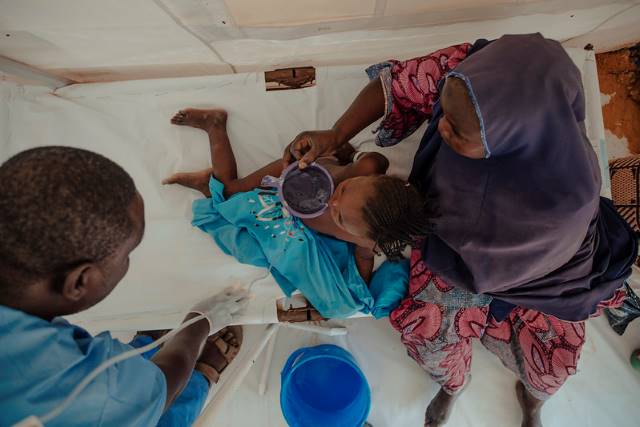
Spreading Awareness About Fistulas in ZambiaFistulas in Zambia are still a devastating problem for impoverished, young mothers despite being preventable. An obstetric fistula occurs when a mother endures prolonged (oftentimes up to five days long) labor in which obstruction occurs. This obstruction then cuts off the blood supply and causes tissue death. Tissue death leads to holes between the vagina and bladder or rectum. Without treatment, fistulas can mean a woman will “uncontrollably leak urine, stool or sometimes both” for a lifetime. The Fistula Foundation and other organizations seek to help women suffering from fistulas in Zambia.

The Cost of Fistula Surgery

The fistulas come with a myriad of infections and chronic pain and can even cause nerve damage to the legs. While fistulas in Zambia are completely preventable and treatable, there are significant barriers to care for mothers. The surgical costs range from $100-400, an expense that is often far higher than what the majority of patients can afford.

4 Factors That Increase the Risk of Fistulas

  1. Malnutrition: Persistent malnutrition is linked to the development of a smaller pelvis, which increases the risk of an obstructed delivery, potentially leading to the formation of a fistula.
  2. Child Marriage: Early motherhood means the narrower pelvises of underdeveloped girls make an obstructed delivery more likely.
  3. Lack of Education: When young women are pulled out of school for marriage and childbearing without proper knowledge about their bodies, the delivery process and their reproductive systems, health consequences ensue. A lack of proper reproductive health education leads to a lack of awareness about the preventability and treatability of fistulas.
  4. Poverty: Poverty augments the chance of food insecurity, younger marriage, childbearing and sacrificing a woman’s education for family duties. Even more importantly, poverty makes access to healthcare that much more difficult. Fistulas are also more prevalent in births that take place outside of medical facilities as women undergoing an obstructed delivery are unable to get a C-section or emergency medical assistance.

In wealthier countries that properly address these four issues, fistulas are virtually unheard of, showing that poor health outcomes and poverty are inextricably linked.

Stigmatization of Fistulas in Zambia

While the medical ramifications of fistulas are devastating, these consequences come in conjunction with complete social ostracization and shame. Husbands often view the typically stillborn births that come with fistulas as a failure of the mother. It is very common for husbands to shame and abandon their wives, labeling the woman’s medical issues as personal failures.

Doctors often do not adequately inform women with fistulas that they have a legitimate medical issue. The abandonment from their husbands is soon joined by the same treatment from family and friends. The isolation and stigma increase the risk of depression among women suffering from fistulas. Lack of proper awareness and education means fistulas have become a source of shame. Hence, many women suffer in silence for decades, even until death.

Spreading Awareness Through Radio

In 2017, the Fistula Foundation, a nonprofit dedicated to providing impoverished young women with proper and free medical attention for fistulas, launched a radio program to educate communities about fistulas in Zambia. The program reached extensively into many provinces of Zambia and mobilized many women to seek proper medical care to repair their fistulas at the six Zambian fistula care centers the organization established to perform the reconstruction surgery for free.

In 2019 alone, the Fistula Foundation performed 319 fistula repair surgeries, all free of charge. In total, the Foundation has aided in the provision of 774 surgeries. The Fistula Foundation also partnered with the famous Zambian singer Wezi to air a song about the dangers of fistulas. The spread of this song, through both radio and CDs, has created a surge in Zambian women seeking treatment. As a direct result of Wezi’s song, 56 women have sought treatment.

Grassroots Activism

In conjunction with the awareness campaigns and Wezi’s song, the Fistula Foundation has encouraged grassroots movements like the Safe Motherhood Action Group (SMAG) to work with community volunteers to spread awareness to help prevent fistulas and end stigma. SMAG leads discussions within communities about the dangers of child marriage with regard to the increased rates of fistulas in young mothers, the necessity of keeping girls in school and the importance of delivering children in medical facilities. SMAG has implemented more than 3,000 community outreach programs, reaching more than 90,000 people with crucial information about fistulas and interconnected social issues.

The Fistula Foundation heavily relies on community leaders to spread the word, designating them the “entry points” to communities and change. The organization’s work highlights the importance of creative community engagement and education initiatives in promoting proper care and destigmatization of fistulas in Zambia.

– Jaya Patten
Photo: Flickr

August 6, 2021
https://borgenproject.org/wp-content/uploads/borgen-project-logo.svg 0 0 Lynsey Alexander https://borgenproject.org/wp-content/uploads/borgen-project-logo.svg Lynsey Alexander2021-08-06 07:30:142021-08-09 09:15:44Spreading Awareness About Fistulas in Zambia
Developing Countries, Health

How SELF Harnesses Solar Energy

SELF
Many developing nations struggle with energy poverty, which is defined as “a lack of access to modern energy services.” According to Energypedia, “access to energy is a prerequisite of human development.” Electricity is also essential for the “provision of social services such as education and health.” Energy access also links to the economic growth and development of a nation. The Solar Electric Light Fund (SELF) is a nonprofit organization with a mission of harnessing solar energy to support social and economic development in disadvantaged communities.

Benefits of Solar Power

According to ZenEnergy, the use of solar energy helps to decrease the effects of climate change by reducing fossil fuel reliance, air pollution and water usage. Solar energy does not burn fuel, eliminating the harmful gas emissions that stem from fossil fuel energy production. Additionally, unlike the finite nature of fossil fuels, solar energy is abundant. Furthermore, solar energy does not require water to generate electricity. Solar power is a cost-effective and sustainable renewable energy source that can help reduce energy poverty throughout the world.

Addressing Energy Poverty

SELF implements solar projects to sustainably create energy, which provides for basic human needs and economic development. When SELF was first established in 1990, the organization began by fitting individual home solar-powered systems. However, the company yearned to make a larger impact with more long-term benefits. As a result, SELF adjusted its goals to include the creation of a business model “that could be self-sustained in communities” in developing countries. Thus, the Whole Village Development Model was born.

This “all-encompassing approach” utilizes solar energy from the sun to power entire villages while improving “healthcare, education and food security.” In 2001, SELF celebrated the opening of its first “solar-powered computer lab” in a high school in Maphephethe, South Africa. Due to these solar-powered capabilities, student enrollment at the school increased by 40% and graduation rates rose by close to 15%.

Solar Power in Developing Communities

Although the entire world can benefit from solar energy, impoverished countries are especially targeted to improve air quality and reduce health issues linked to the burning of fuelwood, reports Science Direct. Solar photovoltaic is a type of technology that can provide renewable energy in impoverished communities. This particular solar source eliminates the financial burden of grid extensions. Grid extensions are not viable options in communities with scarce traditional energy sources. For many developing countries, solar energy provides the opportunity for a better life, and, environmental sustainability is a bonus.

Overseeing Vaccine Refrigerators

Among other projects, in partnership with PATH, “an international nonprofit global health organization” located in the U.S. state of Seattle, SELF recently pledged to enlist evaluation teams to ensure vaccine refrigerators are functioning effectively in vaccination sites around Haiti, Bangladesh, Pakistan and the Democratic Republic of Congo. Developing countries often lack proper mechanisms to monitor the efficiency of vaccine refrigerators. The goal of the partnership is to provide this assurance.

Two solar technicians from SELF are responsible for visiting 42 sites in Haiti to evaluate refrigerators on a monthly basis. After a one-year evaluation, SELF analyzes the data and reports on it to the World Health Organization. As inadequate refrigeration can have adverse public health implications, the vaccine cold storage monitoring project is just one example of the important work SELF does to support global communities aside from solar energy projects.

SELF’s Commitment to Disadvantaged Communities

Presently, SELF is working on several different projects with the main objective of improving living conditions in developing countries. Some of its projects include bringing clean water to West Africa as well as expanding micro-grids and providing solar training in Haiti. SELF continues to light up communities in need with new projects and approaches that harness the sustainable power of the sun.

– Jessica Barile
Photo: Flickr

July 27, 2021
https://borgenproject.org/wp-content/uploads/borgen-project-logo.svg 0 0 Kim Thelwell https://borgenproject.org/wp-content/uploads/borgen-project-logo.svg Kim Thelwell2021-07-27 01:30:042024-05-30 22:23:32How SELF Harnesses Solar Energy
COVID-19, Global Poverty, Health

Italy’s NextGenerationEU Program

NextGenerationEU programThe COVID-19 pandemic has brought to light how nations must be prepared for the most unexpected crises. Countries all over the world have conjured up ideas of recovery plans to help restore and improve the world. One country to look at as a model for the rest of the world is Italy. Specifically, the Italian government has formed ENEA Tech as a Foundation that will invest in new technology and generate jobs in order to jumpstart the economy. Through this Foundation, the NextGenerationEU program formed. The NextGenerationEU program has an approximate budget of €800 billion and will be a temporary tool to aid the recovery of economic and social consequences that COVID-19 caused. This will help Italy heal from the pandemic while changing the lives of Italian citizens and providing them with new opportunities.

The Main Elements

The extraordinary effort will contribute to the recovery of socioeconomic losses that the COVID-19 pandemic inflicted. It will also allow for the transition to a more efficient and sustainable Italy. More than 50% of the funding will go toward research and technology innovations, sustainable environmental and cultural reforms while providing planning and protection within the European Union. Additionally, 30% of the budget will address other issues including climate change, environmental conservation and gender equality. Meanwhile, 20% of the financial resources will support the digitalization of the economy and other technological innovations. Finally, between the years 2026 and 2027, 10% of the yearly investment will go toward preventing and repairing biodiversity degradation. The funding will undergo investment and dispersal to Italy and other European Union countries. Recipients will obtain resources in the form of grants and loans.

The Benefits

Through the NextGenerationEU program, Italy and other European countries will become more sustainable, digitized, healthy and diverse. In addition to the previous investments, the many benefits of the program’s efforts include:

  • Investing in “green” technology, which will introduce more environmentally friendly means of transportation and make infrastructures and public areas more energy efficient.
  • Protecting the environment through conserving water, minimizing pollution, using more sources of renewable energy and improving agricultural practices.
  • Making the internet more accessible and affordable, meaning user data and electronic commerce will have more secure protection. The E.U. will also finance online education training to help people improve their digital abilities.
  • Combatting health concerns by creating new vaccines and treatments, increasing access to medical supplies and investing in professional healthcare training.
  • Creating more opportunities for internships and higher education while allocating more funds to loans and scholarships.
  • Increasing job opportunities for people with disabilities and people living in impoverished communities.
  • Fighting racism and xenophobia and supporting gender equality to honor diversity in all of its expressions.

The Next Steps

The European Commission and the European Parliament have made significant measures to ensure that authority leaders prioritize financial support and seek assistance through various NextGenerationEU mechanisms. Although the NextGenerationEU program is coming to fruition, individuals must continue to urge their respective national government leaders to help in developing and enacting recovery programs.

– Anna Lovelace
Photo: Unsplash

July 22, 2021
https://borgenproject.org/wp-content/uploads/borgen-project-logo.svg 0 0 Kim Thelwell https://borgenproject.org/wp-content/uploads/borgen-project-logo.svg Kim Thelwell2021-07-22 15:15:082021-08-25 04:41:04Italy’s NextGenerationEU Program
Health, Poverty

The Impact of COVID-19 on Poverty in Pakistan

The Impact of COVID-19 on Poverty in Pakistan
As COVID-19 wreaks havoc on the developing world, the World Bank estimates that there will be between 119 to 124 million additional people added to poverty due to economic standstills. Developing countries are at high risk of an increase in poverty, including Pakistan. The impact of COVID-19 on poverty in Pakistan is substantial, but the government and other organizations have been cooperating to minimize the impact.

COVID-19’s Impact on Pakistan

In Pakistan, to date, there have been more than 22,000 COVID-19 related deaths. Vaccination programs have experienced delays, with only about 2% of the population of Pakistan currently vaccinated. To receive the vaccine, residents pay around $78, a luxury that many Pakistanis cannot afford. Due to the U.K. strain, cases are rising again. However, government officials are hesitant to enforce a strict lockdown as they did in March 2020. Rather, the government utilized the popular “smart” or “micro” lockdowns, where only specific areas go into lockdown. However, limited data exists on the success rates of these strategies.

Pre-Pandemic Pakistan

Even before the pandemic, Pakistan’s health system had limitations. According to the United Nations Development Programme (UNDP), before COVID-19, Pakistan had a ratio of one doctor to 963 people and a lack of universal healthcare. Before the virus, the poverty rate in Pakistan declined by 40% over the last two decades. However, the economic impacts of the pandemic halted poverty reduction progress.

The Impact of COVID-19 on Women and Children

COVID-19 has impacted women and children in Pakistan more significantly than men. Due to the virus, these vulnerable groups are suffering several consequences. Children are one of the most vulnerable groups in Pakistan. In June 2020, nearly 42 million children were out of school, with 17 million children younger than 5 missing routine vaccinations.

According to the International Labor Organization (ILO), the shutdowns due to COVID-19 have disproportionately affected women, and in particular, the garment industry, which makes up a substantial part of Pakistan’s exports. In Pakistan, the majority of the population has employment within the garment industry, with approximately one in seven women working in this sector.

To rectify the bleak situation, the Pakistan Workers Federation and the Employers Federation of Pakistan issued a joint statement of cooperation and the government provided wage support. These efforts also included a “no lay off” order and an interest rate reduction for employers who retain their employees.

The Good News

While the situation looks bleak, the government and organizations are taking action to relieve the impact of COVID-19 on poverty in Pakistan. The U.N. Development Programme established a COVID-19 Secretariat at Pakistan’s Planning Commission in 2020 to facilitate the economic and social response to the pandemic in conjunction with U.N. agencies. The Secretariat supported the Pakistani government’s 2020-2021 budget and National Action Plan for COVID-19.

To alleviate the lockdown’s hardships in 2020, the government issued unconditional cash transfers of approximately $70 to 12 million vulnerable households to prevent food insecurity. To continue to support the most vulnerable population, Ehsaas, the federal social protection program, made extra payments to 4.5 million families. Under the Ehsaas Emergency Cash initiative, another 7.5 million households received monetary assistance.

Dr. Sania Nishtar, the leader of Ehsaas, said in an interview with Mckinsey, that Ehsaas “invested” heavily in time, money, energy and effort to build infrastructure, including an SMS-based request-seeking mechanism, which allowed for ease in eligibility determinations and digital payments.

The World Bank ranked Ehsaas as one of the top four social protection programs by coverage. In March 2021, the World Bank issued a statement supporting the program by approving $600 million to expand Ehsaas. The fund allocation will facilitate the expansion of the programs to reach more informal workers.

Looking Ahead

The impact of COVID-19 on poverty in Pakistan is significant, however, the government and organizations are working together to provide social protection to the most vulnerable groups and will continue to do so as vaccination rates increase.

– Lalitha Shanmugasundaram
Photo: Flickr

July 21, 2021
https://borgenproject.org/wp-content/uploads/borgen-project-logo.svg 0 0 Jennifer Philipp https://borgenproject.org/wp-content/uploads/borgen-project-logo.svg Jennifer Philipp2021-07-21 10:58:272021-07-23 00:56:20The Impact of COVID-19 on Poverty in Pakistan
COVID-19, Developing Countries, Health, Poverty

The Impact of COVID-19 on Poverty in Zimbabwe

The Impact of COVID-19 on Poverty in ZimbabweThe effects of COVID-19 have been felt throughout the world. However, countries that were already experiencing poverty and health disparities are in worse shape now. Zimbabwe is one particular country that is struggling with the COVID-19 crisis. The impact of COVID-19 on poverty in Zimbabwe “further complicates Zimbabwe’s economic and social conditions.” With global aid and support, Zimbabwe can successfully recover from the effects of the pandemic.

COVID-19’s Economic Impact on Zimbabwe

According to a June 2021 economic analysis conducted by the World Bank, the number of  Zimbabweans living in extreme poverty increased to 7.9 million in 2020 due to the impact of the COVID-19 pandemic. The study also reveals that the impact of COVID-19 on poverty in Zimbabwe escalated extreme poverty overall to almost 50% in 2020. The COVID-19 crisis has also impacted basic public services in the areas of “health, education and social protection.”

Prior to the pandemic, poverty in Zimbabwe was already on the rise. In 2011, the number of Zimbabweans living in poverty increased from three million people to 6.6 million people in 2019. Before COVID-19, rising fuel and food prices contributed to the rising level of poverty in the country. However, the impact of COVID-19 on poverty in Zimbabwe has only exacerbated the dire circumstances with increased job losses and reduced household income.

It was reported that at least 30% of formal jobs within the country were lost due to the increasing number of COVID-19 restrictions. The country has lost roughly $1 billion from a lack of tourism. Zimbabwe still has restrictions at hotspots such as Mashonaland West, Masvingo and Bulawayo provinces. Intense restrictions require businesses in these areas to trade until 3 p.m. instead of 6 p.m. Limited trading hours economically impact the revenue of businesses.

Avoiding Another Lockdown

As Zimbabwe prepared to enter a third wave of the pandemic, another nationwide lockdown seemed unavoidable. The president of the Employers’ Confederation of Zimbabwe (Emcoz), Israel Murefu, warns that another lockdown would have a disastrous impact on the economy. Due to COVID-19 lockdown restrictions, businesses have suffered nationwide and Zimbabweans suffered extreme job losses.

The impact of COVID-19 on poverty in Zimbabwe has left its mark on the country. The rising level of unemployed Zimbabweans has caused a spike in extreme poverty cases. Murefu states that “adapting production processes to the new normal requires a huge capital outlay and takes time,” adding that the country should avoid another lockdown.

Global Assistance

Aside from internal changes that need to occur such as the government creating policies that will protect the impoverished and provide resources to people hit hardest by the pandemic, aid from world superpowers would help Zimbabwe get back on track.

Zimbabwe is experiencing a significant shortage of vaccines. As cases continue to rise, it is more important than ever that the global community steps in to help. It was reported that China would be providing Zimbabwe with 2.5 million doses of the COVID-19 vaccine by the end of June 2021. As more people receive vaccinations, COVID-19 restrictions can ease and Zimbabwe can find its way to economic recovery.

Zimbabwe has reported more than 43,000 COVID-19 cases as of June 24, 2021. As cases continue to rise, the Zimbabwean government has committed to improves its COVID-19 awareness campaigns across the country in order to help reduce the spread of cases. A reduced burden of COVID-19 cases will decrease the economic burden stemming from strained healthcare services in the country.

It is also important for other countries and international players to provide more vaccine doses to Zimbabwe. Being that the country is unable to acquire enough resources to combat COVID-19, the generosity of other countries will help Zimbabwe regain stability. Though the recovery of Zimbabwe’s economy and job market will take time, recovery progress will accelerate if the global community is able to reach out a helping hand and share resources.

– Jordyn Gilliard
Photo: Flickr

July 21, 2021
https://borgenproject.org/wp-content/uploads/borgen-project-logo.svg 0 0 Lynsey Alexander https://borgenproject.org/wp-content/uploads/borgen-project-logo.svg Lynsey Alexander2021-07-21 07:30:072024-05-30 22:23:53The Impact of COVID-19 on Poverty in Zimbabwe
Global Poverty, Health, Water

Bringing Clean Water to Native Reservations

Clean Water to Native ReservationsBringing clean water to native reservations has long been a problem, with many bills having been proposed to remedy the issue in the past. The Western Tribal Water Infrastructure Act of 2021, proposed in February, aims to amend and expand America’s Water Infrastructure Act of 2018 in order to more effectively help residents on reservations access water.

Lack of Access

Native Americans are 19 times more likely than white people to not have indoor plumbing in their households. This lack of access, prevalent on reservations, is largely due to outdated or broken water systems that reservations do not have the funding to properly repair. If passed, the Infrastructure Act will help provide funding for these repairs, amounting to $150 million over five years.

Poverty on Reservations

The main reason for the inability of Native American reservations to repair these faulty water systems is a lack of funding. This is directly related to the high poverty levels seen on reservations. About 30% of Native Americans are currently living in poverty, with that number climbing up to 63% on reservations. Despite the rising rates of Native Americans attending school, the unemployment rate has increased and wages have decreased.

Water and Poverty

There is a well-established link between a lack of clean water and poverty levels. Without clean water, individuals and communities are unable to properly clean, wash their hands, bathe or have successful agriculture. A lack of water can also lead to increased conflict and exacerbate gender inequalities. Women are more likely to spend their time going to get water which takes away from time that could be spent in school. Water is particularly necessary for women at key hygienic times, such as during menstruation or childbirth.

COVID-19 and a Lack of Water

This lack of access to clean water leads to increasing health issues as well, something that has been painfully obvious in the last two years as a result of the pandemic. Native Americans are 3 times more likely than non-Hispanic white people to contract the virus. Pre-existing racial and health care inequalities also pose challenges to receiving the same standard of care. If everyone had access to drinking water and could access adequate sanitation, global disease could be reduced by as much as 10%.

Water Infrastructure Act

Improving access to clean water on native reservations is imperative. This act, Senate Bill 421, will work directly in the Columbia River Basin to target Native American reservations in that area. It directs the Environmental Protection Agency to fix the water systems that serve the basin. The bill will expand the Indian Reservation Drinking Water Program and work to alleviate the problems that come with a lack of access to clean water.

If passed, this bill will help many residents of native reservations. Currently, the program only helps the Missouri River Basin and the upper Rio Grande Basin, but this bill will work to change that. Access to clean water is a fundamental need for all humans. Passing this bill will help the country take a step forward in ensuring this need is met for all people.

– Alessandra Heitmann
Photo: Flickr

July 20, 2021
https://borgenproject.org/wp-content/uploads/borgen-project-logo.svg 0 0 Kim Thelwell https://borgenproject.org/wp-content/uploads/borgen-project-logo.svg Kim Thelwell2021-07-20 18:29:252024-05-30 22:25:12Bringing Clean Water to Native Reservations
Global Poverty, Health, Women and Children

The Issue of Female Genital Mutilation in Chad

Female Genital Mutilation in ChadThe World Health Organization defines female genital mutilation as “any procedure that involves partial or total removal of the external female genitalia or other injury to the female genital organs for non-medical reasons.” Despite constituting an international human rights violation, FGM remains a pervasive issue affecting the lives of many women, especially in developing countries. According to UNICEF, at least 200 million girls and women have undergone genital mutilation globally. FGM is particularly prevalent in Chad, a landlocked country in Northern Africa, despite laws banning female genital mutilation in Chad. Over the years, steps have been taken to reduce the prevalence of FGM in Chad.

The Prevalence of Female Genital Mutilation in Chad

BMC Public Health explains that, in Chad, the citizenry continues FGM practices in both religious and traditional contexts. FGM is a hazardous practice, often done without anesthetic, putting girls and women at risk of both short and long-term health effects. These effects include genital swelling, bleeding, the inability to pass feces and urine, urinary tract infections and birth complications, among other consequences.

A BMC Public Health research article based on data from 2014-2015 indicates that, in Chad, 50.2% of women and 12.9% of girls have been genitally mutilated, endangering their health. There are multiple conditions that affect this staggering statistic. First, BMC Public Health explains that women with lower levels of education are more likely to experience FGM. Poverty levels also drive the practice as impoverished families have their daughters undergo FGM with the intention of marrying them off, granting impoverished families dowries and the benefits of marrying into a wealthier family. The practice of FGM tends to follow ethnic and religious traditions and is most common among the Sara ethnic group and other Muslim tribes.

Addressing FGM in Chad

While FGM prevalence has been decreasing throughout much of the world, Chad, Mali and Sierra Leone have seen an increase of 2–8% over the last 30 years. This increase in prevalence demonstrates the importance of efforts addressing FGM in Chad, especially now, when poverty rates are heightened due to COVID-19. With the help of NGOs, the U.S. government and tribal leaders, Chad is fighting the deeply entrenched traditions of FGM to protect the well-being of young women and girls.

NGOs play a vitally important role in the creation of long-term programs aimed at changing societal and cultural norms surrounding female genital mutilation in Chad. These NGOs can expand their reach with support from the Chadian government. For example, the Chadian government aided the Chadian Association for Family Well-Being in its work surrounding FGM education and awareness. This education includes seminars, campaigns and conferences explaining the dangers of FGM.

The Role of the US

Not only has Chad’s government stepped up to combat FGM but the U.S. has played a critical role in education surrounding FGM practices. From 1997 to 1999, the U.S. Embassy’s Democracy and Human Rights Fund supported a locally implemented FGM education program to change norms surrounding FGM in Chad. This resulted in a roundtable meeting with “doctors, judges, parliamentarians and NGO representatives, a national seminar” and four regional seminars, all of which helped spread awareness of the dangers of FGM in Chad.

Mobilizing Tribal Leaders to Fight FGM

Due to the cultural and ethnic ties surrounding the practice of female genital mutilation in Chad, tribal leaders have played an important part in the movement to end FGM. Because of the trust bestowed upon tribal leaders, they can increase awareness about FGM’s consequences and generate support for the laws banning its practice among ethnic groups throughout the country. In order to motivate and educate tribal leaders, the Red Cross of Chad set up an advocacy program that creates initiatives and training sessions for tribal leaders to combat FGM in their communities.

While the inhumane practice of FGM continues in Chad due to deeply entrenched cultural roots, the U.S. and Chadian governments play consequential roles in combating the prevalence of FGM. This support is crucial as female genital mutilation in Chad severely harms girls’ and women’s health, impacting their futures and their abilities to rise out of poverty.

– Haylee Ann Ramsey-Code
Photo: Flickr

July 19, 2021
https://borgenproject.org/wp-content/uploads/borgen-project-logo.svg 0 0 Jennifer Philipp https://borgenproject.org/wp-content/uploads/borgen-project-logo.svg Jennifer Philipp2021-07-19 01:30:052024-05-30 22:23:52The Issue of Female Genital Mutilation in Chad
Developing Countries, Global Poverty, Health, Women & Children

Female Genital Mutilation in Tanzania

Female genital mutilation in TanzaniaThe WHO estimates that more than 200 million women and girls across the world have experienced female genital mutilation (FGM). The culturally entrenched practice holds no benefits for girls and women. In fact, FGM puts girls and women at risk of severe health complications. Despite constituting an international human rights violation, in countries such as Tanzania, cases of FGM persist. The government of Tanzania, individuals and organizations aim to address incidents of female genital mutilation in Tanzania.

Female Genital Mutilation in Tanzania

In the year 1998, female genital mutilation became illegal in Tanzania through the Sexual Offences Special Provisions Act. However, the legislation only criminalized the act for women younger than 18. Law enforcement officials intervened in rituals where young girls received their rite of passage through mutilation. The country hopes to end all harmful actions against women and children by 2030. This includes FGM practices.

A few issues surrounding the prosecution of FGM cases include victims refusing to testify against the perpetrators, especially if they are family members. Additionally, bribery by perpetrators is common to avoid prosecution. Inadequate evidence and “witnesses failing to appear in court” also contribute to low prosecution rates.

At times, “community leaders pretend to abandon the practice then organize alternative rite of passage festivals for girls only to continue with female genital mutilation in disguise.” Despite these barriers, Tanzania has seen a decrease in mutilations from 18% in 1996 to around 10% in 2021.

Recommendations From WHO

According to the World Health Organization, nine out of 10 Tanzanian women are against FGM practices. Because the practice is culturally entrenched, it is more difficult to completely abolish. The WHO recommends raising awareness about FGM in order to communicate the dangers the practice holds for girls and women. Furthermore, health professionals should be trained to “manage and prevent” cases on FGM. Furthermore, law enforcement needs to be better supported in order to ensure cases are investigated and prosecuted.

Solutions to FGM in Tanzania

Tanzania has developed a national strategy to address FGM in the country. The strategy launched on March 15, 2021, and will run for four years. The strategy involves “running campaigns on the health consequences of FGM for girls and women, recruitment of change agents from within the communities and the enforcement of legal mechanisms.” Though FGM rates in Tanzania have reduced to 10%, the fight to abolish the practice continues.

Men in the community have also joined the fight to end FGM. Chief Girihuida Gegasa Shulumbu is a traditional leader in the Mara village of Tanzania. As a father of three daughters, Shulumbu works with other male leaders to end the practice and find “alternative rites of passage.” Shulumbu recognizes that FGM impacts the most impoverished people and impacts education by keeping girls out of school due to recovery time and health complications that may ensue.

A lack of education keeps women in poverty, economically impacting Tanzania as a whole. Due to individual efforts and efforts from organizations, in the past three years, 96 ritual leaders have stopped FGM practices in Mara. Furthermore, more than 1,500 girls between 9 and 19 were protected from FGM practices through campaigns and programs.

Efforts to decrease female genital mutilation in Tanzania have proven successful. Although the fight continues, there is much promise that the practice may be eliminated by 2030.

– Selena Soto
Photo: Flickr

July 18, 2021
https://borgenproject.org/wp-content/uploads/borgen-project-logo.svg 0 0 Jennifer Philipp https://borgenproject.org/wp-content/uploads/borgen-project-logo.svg Jennifer Philipp2021-07-18 07:30:472021-07-15 05:27:55Female Genital Mutilation in Tanzania
Page 78 of 212«‹7677787980›»

Get Smarter

  • Global Poverty 101
  • Global Poverty… The Good News
  • Global Poverty & U.S. Jobs
  • Global Poverty and National Security
  • Innovative Solutions to Poverty
  • Global Poverty & Aid FAQ’s
Search Search

Take Action

  • Call Congress
  • Email Congress
  • Donate
  • 30 Ways to Help
  • Volunteer Ops
  • Internships
  • Courses & Certificates
  • The Podcast
Borgen Project

“The Borgen Project is an incredible nonprofit organization that is addressing poverty and hunger and working towards ending them.”

-The Huffington Post

Inside The Borgen Project

  • Contact
  • About
  • Financials
  • President
  • Board of Directors
  • Board of Advisors

International Links

  • UK Email Parliament
  • UK Donate
  • Canada Email Parliament

Get Smarter

  • Global Poverty 101
  • Global Poverty… The Good News
  • Global Poverty & U.S. Jobs
  • Global Poverty and National Security
  • Innovative Solutions to Poverty
  • Global Poverty & Aid FAQ’s

Ways to Help

  • Call Congress
  • Email Congress
  • Donate
  • 30 Ways to Help
  • Volunteer Ops
  • Internships
  • Courses & Certificates
  • The Podcast
Scroll to top Scroll to top Scroll to top