• Link to X
  • Link to Facebook
  • Link to Instagram
  • Link to TikTok
  • Link to Youtube
  • About
    • About Us
      • President
      • Board of Directors
      • Board of Advisors
      • Financials
      • Our Methodology
      • Success Tracker
      • Contact
  • Act Now
    • 30 Ways to Help
      • Email Congress
      • Call Congress
      • Volunteer
      • Courses & Certificates
      • Be a Donor
    • Internships
      • In-Office Internships
      • Remote Internships
    • Legislation
      • Politics 101
  • The Blog
  • The Podcast
  • Magazine
  • Donate
  • Click to open the search input field Click to open the search input field Search
  • Menu Menu

Archive for category: Health

Information and stories on health topics.

Aid Effectiveness & Reform, Disease, Global Health, Global Poverty, Health

The Global Burden of Disease: Bringing Data to the People

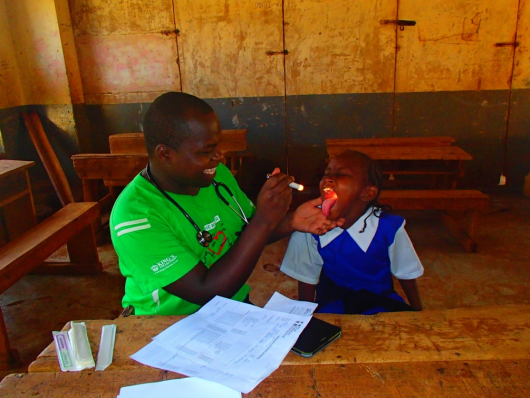
Global Burden of DiseaseChris Murray, a professor of global health at the University of Washington Institute for Health Metrics and Evaluation, wanted to understand one simple question, “Why do people get sick and die?” To get the answer, he created a comprehensive database known as the Global Burden of Disease (GBD).

The tool is incredibly useful to policymakers and health care providers whose mission is to keep people healthy. Health is affected by a variety of factors including one’s demographics. Where someone lives play a role in his or her vulnerability to certain health risks; some countries experience higher rates of heart disease due to cultural dietary influences while others lose children at early ages because they do not have access to necessary vaccinations.

In order to effectively address health issues in a given country, there needs to be a clear picture of what the biggest health culprits are. While data that could help paint that picture has existed for years, it has been scattered among researchers, hospitals and governments, making it inaccessible and consequently less useful.

Murray created the GBD data collection to provide information to health workers, policymakers and the general public. It is the largest effort to measure epidemiological levels and health trends globally and contains the collected and analyzed data of more than 1,000 researchers in more than 100 countries.

The GBD is open to everyone and contains a visualization of data that allows for greater contextualization of what has been collected and observed. Experts from around the world have collaborated and continue to update the database to ensure it stays as accurate as possible.

In the 2013 systematic analysis for the Global Burden of Disease, researchers found that since 1990 the global life expectancy for both sexes has increased from 65.3 years to 71.5 years. However, an individual’s life expectancy and the likely cause of death differs based on where he or she lives and the economic status of his or her home country, which understandably plays a considerable role in the individual’s health.

For instance, while there have been reductions in the number of child deaths attributed to diarrhea, lower respiratory tract infections and neonatal causes in low-income regions, these health complications are still the leading cause of death in children younger than 5 years and are more prominent in poor countries compared to wealthy countries.

The GBD delivers information to the hands of people who can provide solutions. It allows health care workers to pinpoint the problem in order to begin addressing it. If governments know their citizens are vulnerable to certain health risks they can work toward identifying the causes and implementing solutions. There has always been power in knowledge, and the GBD allows for the consolidation of knowledge, thereby increasing its untapped power.

– Brittney Dimond

Sources: WHO, The Gates Notes, IHME

Photo: Flickr

October 21, 2015
https://borgenproject.org/wp-content/uploads/borgen-project-logo.svg 0 0 Borgen Project https://borgenproject.org/wp-content/uploads/borgen-project-logo.svg Borgen Project2015-10-21 12:20:292020-06-25 21:32:17The Global Burden of Disease: Bringing Data to the People
Development, Global Health, Global Poverty, Health

Clinton Global Initiative Launches Health Plan

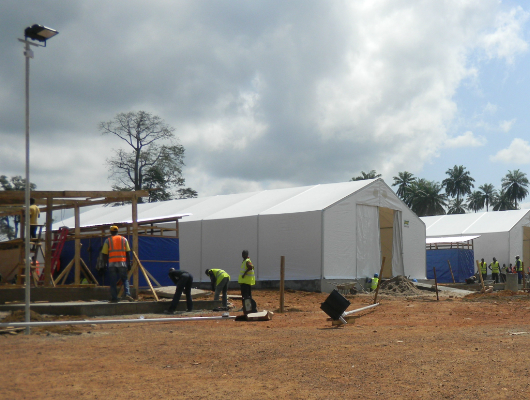
Clinton Global InitiativeA lack of access to adequate health care is often a risk factor or symptom of poverty, as the inability to prevent or treat illnesses in a timely, affordable manner can devastate communities.

Following the aftermath of the Ebola crisis, USAID, the Clinton Global Initiative and other organizations have teamed up to create the Aspen Management Partnership for Health.

The Aspen Management Partnership for Health (AMP Health) is the first multi-sectoral partnership in the community health sector to focus on the leadership driving community health systems in developing nations.

Specifically, AMP Health hopes to strengthen the leadership and management of community health organizations. AMP Health combines the power of several different organizations in order to facilitate effective change.

This multi-sectoral partnership utilizes the power of USAID, the Aspen Institute, MDG Health Alliance, Born Free Africa, Margaret A. Cardill Foundation, GlaxoSmithKline, Partners in Health, the Harvard School of Public Health and McCann Health.

The partnership was announced at the Clinton Foundation’s 2015 Annual Meeting as one of their Commitments to Action for the Clinton Global Initiative.

“In addition to establishing mentor networks and cross-country convenings, the partners will recruit, train, and deploy in-country management professionals to work side-by-side with Ministries of Health on high-priority community health projects, ultimately strengthening health systems,” Clinton Foundation Vice Chair Chelsea Clinton said at the meeting.

The networks of trained, values-oriented health care professionals will be critical in advancing community health systems in developing nations.
Initially, the partnership will be utilized in sub-Saharan Africa, where community health interventions could save up to three million lives per year.

It will prove particularly relevant to reducing child and maternal mortality rates.

AMP Health incorporates businesses, governments, educational institutions, think tanks, multilateral organizations, and philanthropic foundations in order to affect change for community health systems.

While this may be just one of the Clinton Foundation’s 3,200 Commitments to Action, it carries much power and support from myriad organizations.

As a result of the multi-sectoral partnership, AMP Health can support sub-Saharan Africa as it works to prevent future epidemics, lower child and maternal mortality rates, and manage the treatment of chronic, non-communicable diseases.

– Priscilla McCelvey

Sources: Aspen Institute, Market Watch
Photo: Flickr

October 19, 2015
https://borgenproject.org/wp-content/uploads/borgen-project-logo.svg 0 0 Borgen Project https://borgenproject.org/wp-content/uploads/borgen-project-logo.svg Borgen Project2015-10-19 01:30:552020-06-25 21:42:11Clinton Global Initiative Launches Health Plan
Extreme Poverty, Global Health, Global Poverty, Health

Health Poverty Action: Combating Poverty and Poor Health

health_poverty_action
Extreme poverty and poor health conditions are inextricably linked. According to the World Health Organization, about 1.2 billion people worldwide are currently living on less than $1 a day, which places them in the extreme poverty category.

This is why it is important to tackle the causes of poor health, which will in turn help to drastically improve poverty levels and vice versa.

In developing areas of the world, poverty increases people’s chances of getting sick due to poor nutrition, overcrowding and a lack of clean water. Some people are forced to put themselves into dangerous, health-hazardous situations in order to provide for and keep their families safe.

On the flip side, poor health causes an increase in poverty when a family loses a source of income due to an inability to work, perhaps causing them to sell assets such as livestock or equipment and tools essential to their work.

This will significantly decrease a family’s ability to fight poverty, especially during times of extreme political, economic or natural shocks.

In order to combat and tackle both issues at once, which will significantly reduce the prevalence of both extreme poverty and poor health conditions, Health Poverty Action, a nonprofit dedicated to fighting both poverty and poor health, suggests several things:

1. Aid should be more long term and have a stable, predictable structure. When tackling health concerns, the focus should be on improving the country’s health system and not just on one specific disease.

2. There is a need for more health workers to be trained in their own countries and to stay where they are most needed. Wealthier countries should avoid taking away sorely needed health professionals.

3. Emphasis needs to be placed on prioritizing health and reasonable global health coverage.

4. Issues such as nutrition, education, clean water and sanitation much be addressed.

5. It is important that there be affordable, easy access to a variety of medicine for the poor.

All around the world, organizations like Health Poverty Action are already enacting change.

Along the border between China and Burma, there is a high risk of malaria infection. Health Poverty Action is giving communities their access to treatments and prevention. A similar story is true of TB in Cambodia and HIV in South Omo, Ethiopia.

The poverty rate has been steadily decreasing but it is time for the world to take the next big steps as one. By implementing initiatives to address the points above, we have a true shot at ending global poverty and poor health conditions.

– Drusilla Gibbs

Sources: Health Poverty Action 1, Health Poverty Action 2, World Health Organization, Inequality Watch
Photo: Pixabay

October 19, 2015
https://borgenproject.org/wp-content/uploads/borgen-project-logo.svg 0 0 Borgen Project https://borgenproject.org/wp-content/uploads/borgen-project-logo.svg Borgen Project2015-10-19 01:30:472024-12-13 18:05:15Health Poverty Action: Combating Poverty and Poor Health
Global Poverty, Health

UNAIDS And Faith-based Organizations Strengthen HIV Response

UNAIDSUNAIDS and United States President’s Emergency Plan for Aids Relief (PEPFAR) collaborated with faith-based organizations (FBOs) in East Africa to launch a two-year initiative to strengthen their capacity to respond to HIV.

On Sep. 15, 2015, in the seventieth session of the United Nations General Assembly in New York, it was revealed that the five focus areas of the U.S. $4 million program are: collecting, analyzing and disseminating data; challenging stigma and discrimination; increasing demand for HIV services and retaining people in care; improving HIV-related service provision; and strengthening leadership and advocacy.

This new program is the result of suggestions made by faith leaders at a deliberation in April 2015. The conference hosted over 50 faith leaders from Kenya, Rwanda, Uganda and the United Republic of Tanzania.

The faith leaders called for more access to data, heightened accountability and better collaboration between FBOs and international partners.

The report, Building on Firm Foundations, which was released by the United Nations General Assembly, UNAIDS, PEPFAR and Emory University last month, highlights the impact of faith-based responses to epidemics in the four East African countries.

FBOs provided a majority of health services and sustained collaborative communities which maintain a disease-free environment for future generations.

PEPFAR’s partnership with FBOs has allowed them to reach 7.7 million people with lifesaving antiretroviral treatment, and treat 14.2 million pregnant women, thus decreasing mother-to-child transmission of HIV.

The recently launched PEPFAR 3.0 – Controlling the Epidemic: Delivering on the Promise of an AIDS-free Generation set the ambitious goal of 90-90-90.

By 2020, PEPFAR aims to achieve: 90% of people living with HIV who know their status, 90 percent of people who know their status and are receiving treatment and 90% of people on HIV treatment who have a suppressed viral load.

Thus it is important to strengthen partnerships with FBOs, as they are primary health providers for many communities, and allow UNAIDS and PEPFAR to expand their impact.

Luiz Loures, UNAIDS Deputy Executive Director, stated that “Faith-based organizations are essential partners, particularly in the areas of health service delivery and addressing stigma and discrimination. The partnership with faith-based organizations is critical to ending the AIDS epidemic and making sure that no one is left behind.”

– Marie Helene Ngom

Sources: UNAIDS, PEPFAR Report
Photo: Flickr

October 18, 2015
https://borgenproject.org/wp-content/uploads/borgen-project-logo.svg 0 0 Borgen Project https://borgenproject.org/wp-content/uploads/borgen-project-logo.svg Borgen Project2015-10-18 01:30:012020-06-25 21:47:41UNAIDS And Faith-based Organizations Strengthen HIV Response
Global Poverty, Health

Polio Eradication in Afghanistan Accelerated by Vaccine

Polio Eradication in Afghanistan
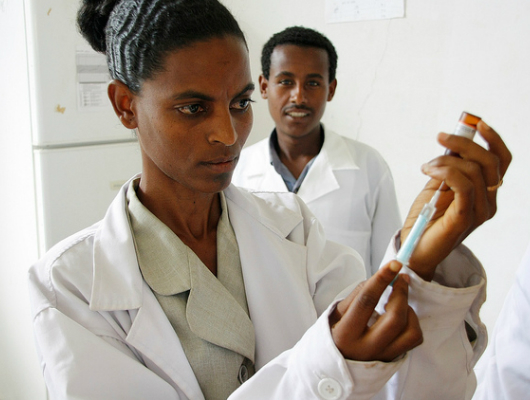
On Sept. 30, 2015, the Minister of Public Health of Afghanistan, Dr. Ferozuddin Feroz, officially introduced the Inactive Polio Vaccine (IPV) into the vaccination program for all children under the age of 1 in Afghanistan. The vaccine is now available, free of charge, at health facilities across the country.

There were 12 reported cases of polio in Afghanistan in 2015. Afghanistan is one of three countries in the world which are still labeled “polio endemic” by the World Health Organization (WHO). The goal of this new vaccine is to enable polio eradication in Afghanistan.

The IPV, coupled with the Oral Polio Vaccine (OPV), which is already in the routine immunization schedule, boosts the immunity of children against polio and prevents polio transmission. IPV provides immunity to all three types of polio viruses.

Dr. Richard Peeperkorn, World Health Organization country representative, stated, “The introduction of IPV is a crucial step towards securing a polio-free Afghanistan and protecting the health of children.”

“Provision of the IPV vaccine is a key step to protect children from polio, and this should be supported by an ongoing effort to make parents and caregivers of children aware of the importance of IPV and all other vaccines,” said Akhil Lyer, UNICEF representative in Afghanistan.

The introduction of IPV would eventually require the removal of OPV once polio transmission has been interrupted in order to sustain a polio-free environment. However, since polio in Afghanistan is still prevalent, it is suggested that Afghans accept OPV and IPV when offered.

– Marie Helene Ngom

Sources: Health Canal, WHO
Photo: Polio Eradication

October 16, 2015
https://borgenproject.org/wp-content/uploads/borgen-project-logo.svg 0 0 Borgen Project https://borgenproject.org/wp-content/uploads/borgen-project-logo.svg Borgen Project2015-10-16 01:30:352024-12-13 18:05:13Polio Eradication in Afghanistan Accelerated by Vaccine
Global Poverty, Health, Technology

Mobile Phone App Helps With Dengue Fever Prediction

Dengue Fever PredictionThe ability to determine where and when epidemics will break out may soon be available at the touch of your fingertips.

In Pakistan, dengue fever was largely endemic in the southern city of Karachi; however, in recent years it has been appearing in a previously unaffected area — northeast Pakistan.

The World Health Organization (WHO) states that dengue fever is transmitted by the infectious bite of a mosquito, and currently there is no vaccine or specific medication for this illness, which usually results in a range of symptoms including “mild fever, to incapacitating high fever, with severe headache, pain behind the eyes, muscle and joint pain and rash.”

A recent article by SciDev describes the possibilities of a mobile phone app which can effectively predict epidemics by tracking the patterns of people.

“As the transmission of the virus that causes dengue fever is partly driven by human travel, analyzing how people move across the country allows researchers to predict when and where epidemics may break out,” SciDev says.

Telenor, a Norwegian mobile provider that operates in Pakistan, teamed up with researchers to track the call records from close to 40 million subscriber SIM cards within the last seven months of 2013.

Mathematical data pertaining to traveling patterns could be tracked and was later published in Proceedings of the National Academy of Sciences.

This information combined with clinical and climate data helped serve as a “model retroactively to predict the likely location and timing of epidemics across the country.”

This newfound data provided encouraging results that would enable researchers to “effectively target interventions, surveillance and clinical response” for where and when to expect dengue epidemics.

“The travel model predicted the geographic spread and timing of outbreaks in 2013 in both recently epidemic and emerging locations, the paper says. For example, it showed good overlap with the actual pattern of the first dengue cases in the northeastern cities of Lahore and Mingora,” says SciDev.

Predictive models may be the solution for mapping and creating early warning systems for diseases such as dengue. With such success regarding Dengue Fever prediction in Pakistan, it is possible for other Asian countries to adopt the same technology for other diseases, such as measles, malaria and influenza.

Soon, the very touch of a button may be able to save thousands from experiencing the disease via dengue fever prediction.

– Nikki Schaffer

Sources: WHO, SciDev, PNAS
Photo: Pixabay

October 15, 2015
https://borgenproject.org/wp-content/uploads/borgen-project-logo.svg 0 0 Borgen Project https://borgenproject.org/wp-content/uploads/borgen-project-logo.svg Borgen Project2015-10-15 01:30:002024-12-13 18:05:14Mobile Phone App Helps With Dengue Fever Prediction
Food & Hunger, Global Poverty, Health

How Fortified Ingredients Can Stop Hidden Hunger


With one in three affected by malnutrition globally, hidden hunger is a prevalent but treatable epidemic. Africa is currently home to the highest levels of hidden hunger.

The UN stated in a report that, “of the 34 countries that account for 90% of the global burden of malnutrition, 22 are in Africa,” with 56 million children suffering stunted growth as a result.

But the good news is that an affordable solution appears to be on the horizon.

Marie Konaté, founder of Protein Kissèe-La (PKL), has created a key vitamin and mineral fortified cereal for children. Sourced locally from Côte d’Ivoire, the children’s cereal is targeted at the group most susceptible to hidden hunger: children under the age of 5.

As 46% of the African staple-based diet is composed of cereals, according to the Food and Agriculture Organization (FAO), Marie’s cereal is an affordable and delicious way to fight micro-malnutrition.

The Global Alliance for Improved Nutrition (GAIN) has teamed up with PKL to provide the powdered supplements that are added to the cereal, thus keeping the costs even lower to consumers.

The fortification of food staples has already been implemented in a variety of products, from Nestlé’s bouillon cubes with added iron and iodine in Western and Central Africa to cooking oil with iron and vitamin A in Senegal.

Yet, one of the simplest ingredients used globally could be one of the most effective in fighting hidden hunger: iodized salt.

Commonly used in developed nations, iodized salt looks, smells and tastes the same as non-iodized, costing only 5 to 10 cents per person per year, reports Aljazeera America.

Iodine Deficiency Disorders (IDDs), including goiter, hypothyroidism, reproductive problems in adults and mental and structural defects in infants, can all be combated through the simple consumption of iodized salt.

GAIN estimates that the number of children dying under the age of 5 could be halved if they received better nutrition.

Given that a whole host of staple ingredients, including salt, grain and oil are able to be fortified without compromising the taste and appearance of the product, it’s only a matter of funding to drastically reduce the numbers of micronutrient deficient people globally.

At the 2015 Future Fortified summit in Tanzania, GAIN, the African Union, the Bill and Melinda Gates Foundation, the World Health Organization, UNICEF, the World Food Program and USAID hashed out a viable global plan to put an end to hidden hunger.

They estimated that for every dollar spent on ending malnutrition, $138 would be saved on healthcare and previously lost productivity.

Since then, the African Union has requested $150 million in donations to fund food fortification and progress analytics in 25 nations.

Going forward, as more countries commit to mandating fortification, hidden hunger is closer than ever to being a problem of the past.

– Claire Colby

Sources: Aljazeera America, Associated Press, EurActive, Food and Agriculture Organization, GAIN, Global Post, New York Times, UN, UNICEF
Photo: LinkedIn

October 11, 2015
https://borgenproject.org/wp-content/uploads/borgen-project-logo.svg 0 0 Borgen Project https://borgenproject.org/wp-content/uploads/borgen-project-logo.svg Borgen Project2015-10-11 01:30:312024-05-27 09:28:02How Fortified Ingredients Can Stop Hidden Hunger
Global Poverty, Health

Poverty and Mental Health: How are They Connected?

depression_and_poverty
Most people have encountered something like it: When you spend a long period under high stress, you wind up with a cold because your immune system is down. And vice versa: when you’re sick for a long period, you start to feel down in the dumps.

They’re both examples of the interplay between mental and physical health, something that scientists are learning more and more about. In terms of global poverty, there are many possibilities that could arise from an increased focus on the mental health of those living in the third world. Poverty becomes a third factor in this cyclical relationship.

Those who have mental disorders are more likely to be sick, and also to be impoverished (because they can’t find jobs due to feelings of inadequacy, discrimination or inability to function.) When a person is impoverished, they are less able to afford health care and are also more vulnerable to mental disorders such as depression. And the convoluted cycle continues.

In fact, way back in 1963, in a study by Langner and Michael, it was conceded that generally there is a cause and effect relationship between poverty and mental health.

The link between all three is almost inextricable. The World Health Organization (WHO) offers a few statistics that make this point all too clear.

  • The percentage of HIV/AIDS patients suffering from depression may be higher than 60 percent.
  • Depression occurs approximately twice more often in low-income groups than it does among the rich.
  • “Babies of depressed mothers are 5 times more likely to be underweight and stunted than babies of non-depressed mothers.”

Furthermore, according to WHO, 31 percent of countries don’t have a specific budget dedicated to health. Seventy-six to 85 percent of people with serious mental health conditions do not receive treatment in developing countries.

But this isn’t a depressing indicator that the doom of the world is coming quickly and imminently. On the contrary, understanding the nature of the cycle means that aid can enter into it at any point to keep it from perpetuating itself.

Aid for physical health and economic disparity are most commonly offered to those in the developing world. Perhaps, by taking a look at poverty from a new angle – through the lens of mental health – huge strides could be made towards improving all three areas on a global scale.

WHO’s website states, “Mental health issues cannot be considered in isolation from other areas of development, such as education, employment, emergency responses and human rights capacity building.”

Knowing that that is not what is being done gives humanitarians the perfect opportunity to reconsider what to prioritize in the fight against global poverty and chronic diseases, whether physical or mental.

– Emily Dieckman

Sources: Journals of The Royal College of Psychiatrists, Europa, WHO 1, WHO 2
Photo: Google Images

October 11, 2015
https://borgenproject.org/wp-content/uploads/borgen-project-logo.svg 0 0 Borgen Project https://borgenproject.org/wp-content/uploads/borgen-project-logo.svg Borgen Project2015-10-11 01:30:232024-05-27 09:27:49Poverty and Mental Health: How are They Connected?
Global Poverty, Health, Women & Children

Genetic Counseling for Developing Countries

Genetic Counseling for Developing Countries
Genetic disorders are diseases that are caused by a mutation in the genetic structure of the cell. These mutations can arise from a modification of the nucleic chromatin material, as well as an alteration of one of the coding bases in the DNA structure.

Genetic mutations arise from many different causes and manifest in various ways as well. The genetic mutations can arise at two different levels: at a nucleotide level, or at a chromosomal level. A nucleotide is a building block of DNA- the hereditary, genetic material of any living cell.

Each nucleotide triplet can code for an amino acid, which is, in turn, a building block of proteins. Any insertion or deletion of a nucleotide can lead to a wrong protein structure.

At the chromosomal level, portions of the chromosome- which contains huge portions of the DNA strands- can be altered. Both of these mutations can lead to an alteration of protein structure, which is the physiological and anatomical basis for life.

Genetic mutations can lead to many devastating consequences for those affected by it. Cystic fibrosis, hemophilia, and neurodegenerative diseases like muscular dystrophy are some of the more familiar genetic diseases with terrible implications for the patient.

Genetic diseases are not generally preventable after an individual’s phenotype has been determined. Treatment of certain genetic diseases, such as cystic fibrosis, requires constant medication and therapy. The treatment is also expensive and experimental in most cases and inaccessible in many developing countries.

Genetic counseling is becoming widely popular in the Western, resource-rich countries as a preventative measure for genetic disorders. Genetic counseling involves advising at-risk patients–or those with familial histories of a disease–of the chances of transmitting or developing a disease.

Genetic-Counseling

Many genetic disorders have now been classified on the basis of their mode of transmittance, and parents can be advised of how probable it is for their children to develop the disease. If the probability of affected children is high, they can also be advised of alternative options, as well as the severity of disease if a child is affected.

Unfortunately, genetic testing and genetic counseling are facilities that are unavailable in many places where they are needed. For instance, sickle-cell anemia is a disorder where the red blood cells in the body are of a distorted structure. If untreated or undiagnosed, the disease can have fatal complications for the patient.

Genetic research has indicated the high rate of prevalence of the disease in mid-African populations. Similarly, the risk of genetic diseases is high in many Arab countries, due to inter-family marriage practices.

Despite the high genetic frequency of the sickle cell anemia trait in central Africa, little to no counseling resources are available. For example in Nigeria- where the trait occurs in 20-30 percent of the population- there is not one genetic counseling clinic available.

Studies have reported equally low genetic education in many Arab countries. The lack of knowledge and informative resources for genetic disorders inhibit the prevention of such diseases, which in turn can be a considerable strain on resources as well.

In light of these statistics, there is an exigent need for the establishment of genetic counseling clinics. The stance of many scientists is to spur the research in Western countries to ultimately come up with highly efficient and cost-effective solutions.

However, the high instance of genetic disease and genetic susceptibility to diseases is an issue that needs to be addressed in the present.

The prevention of serious diseases in the developing world can only be partially successful if genetic counseling and testing are omitted. Healthy nations are, after all, capable of realizing their potential to the fullest and providing a better life for their citizens.

– Atifah Safi

Sources: Afro, AJOL, BMJ, Genome, NIH, State
Photo: Google Images, Pixabay

October 8, 2015
https://borgenproject.org/wp-content/uploads/borgen-project-logo.svg 0 0 Borgen Project https://borgenproject.org/wp-content/uploads/borgen-project-logo.svg Borgen Project2015-10-08 01:30:542024-12-13 18:05:00Genetic Counseling for Developing Countries
Health, Poverty Reduction

Moringa: The Miracle Tree

Moringa
Moringa oleifera, the moringa tree, has been aptly nicknamed the miracle tree for its nutritional value and medical qualities. The moringa tree is native to South Asia and is known for how quickly it grows.

Many parts of the tree are edible, making it a valuable source of food in impoverished, rural areas especially in times of drought because the tree is very hardy.

Nearly every part of the moringa tree can be used. Although the wood from the tree is not very high quality, the fruit, leaves and pods are all edible.

The moringa tree leaves have a very high level of protein, calcium, iron, vitamin C as well as vitamin A. One cup of moringa leaves offers two grams of protein and more than 10 percent of the recommended daily allowance of vitamin C, vitamin B6, iron, and riboflavin. One cup of moringa pods offers 157 percent of the daily allowance for vitamin C.

The leaves have twice as much calcium and protein as whole milk when compared ounce for ounce. Considering approximately 670,000 children die from a vitamin A deficiency every year, the moringa’s nutrients are very valuable.

Moringa oil is extracted from the seed of the tree. This oil’s special quality is that it does not quickly go rancid. In impoverished areas where refrigeration is not an option, the oil can be a very good alternative to other vegetable oils.

One of the significant attributes of the moringa tree in light of global poverty is the purification quality of the seeds. There is a coagulant found in the crushed seed that can be used to reduce turbidity and alkalinity in water. There is also an antiseptic property withing the seed that helps purify it.

The nutrition within the tree makes the moringa a valuable asset in the alleviation of global hunger. The success of the moringa tree is evident as organizations have incorporated it into their programs for hunger alleviation. The Peace Corps in specific implements the use of the tree into the programs.

– Iona Brannon

Sources: Epoch Times, Fox News, International Journal of Development and Sustainability, Kuli Kuli, SABC
Photo: Flickr

October 7, 2015
https://borgenproject.org/wp-content/uploads/borgen-project-logo.svg 0 0 Borgen Project https://borgenproject.org/wp-content/uploads/borgen-project-logo.svg Borgen Project2015-10-07 13:19:482024-06-04 01:17:42Moringa: The Miracle Tree
Page 166 of 212«‹164165166167168›»

Get Smarter

  • Global Poverty 101
  • Global Poverty… The Good News
  • Global Poverty & U.S. Jobs
  • Global Poverty and National Security
  • Innovative Solutions to Poverty
  • Global Poverty & Aid FAQ’s
Search Search

Take Action

  • Call Congress
  • Email Congress
  • Donate
  • 30 Ways to Help
  • Volunteer Ops
  • Internships
  • Courses & Certificates
  • The Podcast
Borgen Project

“The Borgen Project is an incredible nonprofit organization that is addressing poverty and hunger and working towards ending them.”

-The Huffington Post

Inside The Borgen Project

  • Contact
  • About
  • Financials
  • President
  • Board of Directors
  • Board of Advisors

International Links

  • UK Email Parliament
  • UK Donate
  • Canada Email Parliament

Get Smarter

  • Global Poverty 101
  • Global Poverty… The Good News
  • Global Poverty & U.S. Jobs
  • Global Poverty and National Security
  • Innovative Solutions to Poverty
  • Global Poverty & Aid FAQ’s

Ways to Help

  • Call Congress
  • Email Congress
  • Donate
  • 30 Ways to Help
  • Volunteer Ops
  • Internships
  • Courses & Certificates
  • The Podcast
Scroll to top Scroll to top Scroll to top