• Link to X
  • Link to Facebook
  • Link to Instagram
  • Link to TikTok
  • Link to Youtube
  • About
    • About Us
      • President
      • Board of Directors
      • Board of Advisors
      • Financials
      • Our Methodology
      • Success Tracker
      • Contact
  • Act Now
    • 30 Ways to Help
      • Email Congress
      • Call Congress
      • Volunteer
      • Courses & Certificates
      • Be a Donor
    • Internships
      • In-Office Internships
      • Remote Internships
    • Legislation
      • Politics 101
  • The Blog
  • The Podcast
  • Magazine
  • Donate
  • Click to open the search input field Click to open the search input field Search
  • Menu Menu

Archive for category: Health

Information and stories on health topics.

Children, Developing Countries, Global Poverty, Health

How Surfing Helps Relieve Global Poverty

surfing helps relieve global poverty Surfing is one of the oldest but most under-appreciated sports in the world. In California and Hawaii, it is more widespread than in the rest of the U.S. combined. Australia is the only other country that hails surfing as one of its national pastimes. The birth of the sport came about in Polynesia where natives would draw cave paintings of people riding on waves as far back as the 12th century. At some point, the Polynesians traveled to the Hawaiian Islands. There, the Polynesians transferred the sport of surfing where it transcended to religious-like status for Pacific Islanders everywhere. Surfing has become an altruistic tool for the less fortunate around the world. Despite surfing’s lesser-known status in America, the sport has made an impact in underprivileged countries, particularly regions in Southeast Asia. Here is how surfing helps relieve global poverty.

SurfAid

SurfAid, a nonprofit organization founded in 2000, comes from a grassroots background. It has grown in the U.S., Australia and New Zealand. Over the years, it has become one of the top charities in surfing, assisting local governments and communities to prevent mother and child deaths. In Indonesia, a mother dies every three hours and 20 babies die every other hour. SurfAid offers support by providing materials to observe the health of mothers and children.

For example, a simple, yet important material like a weighing scale allows doctors to ensure that patients’ body weight is on par with their age. Other materials include measuring tapes, record books and materials for teaching. Most importantly, SurfAid helps improve water and sanitation issues through building water tanks, water taps and toilets. Having clean water and sanitation prevents diarrhea for children under the age of five, giving them a better chance to survive.

SurfAid staffers also provide equipment and seeds for gardens as well as malaria nets. With this increase in practical support, basic hygiene has decreased diarrhea by more than 45%. Antenatal care also has been implemented into programs to educate mothers about healthy pregnancies. This care and education help prevent complications from occurring during pregnancy and childbirth. Additionally, through birth spacing, the process of mothers giving birth every two to three years, women can potentially “reduce infant mortality by 20%.”

SurfAid’s Work in Indonesia

SurfAid has also aided the island of Sumba. Located in Eastern Indonesia, the island is plagued by poverty, food insecurities and famine, making daily lives difficult. This has resulted in more than 60% of its children under five suffering from malnutrition.

SurfAid developed a project called the HAWUNA program, meaning ‘unity’ in Indonesian. The program works with more than 7,500 people in 16 different communities in the sub-district of Lamboya Barat to improve food insecurity. Additionally, the program educates parents on childcare in order to combat malnutrition. With access to clean water, sanitation and healthcare, there have been massive improvements in healthcare and healthy weight gain across the community.

SurfAid’s project development also includes the availability of support services. The organization’s collaborations with the communities are developed through detail-oriented results. Collaborations take into account the health, livelihoods, beliefs and social structure the people of each community have.

The Story of Dharani Kumar and Moorthy Meghavan

Another way to see how surfing helps relieve global poverty is through the story of Dharani Kumar. A 23-year old native Indian fisherman, Kumar started surfing in his teens in Kovalam Village using polystyrene foam as surfboards. After surfing for nine years under his mentor, Moorthy Meghavan, Kumar became a surfing champion in his homeland in 2015. The hobby he picked up as a teen did more than just provide an outlet for Kumar’s talent. Surfing also allowed Kumar to improve his networking opportunities around the world, as well as learn the English language.

In 2012, Kumar’s mentor, “Moorthy Meghavan founded the Covelong Point Social Surf School.” As a result of this school, Kumar and his group of friends pledged to stay away from drugs and alcohol. As a rule, if students started using or drinking, they were kicked out. Through this school, Meghavan was able to turn his dream of guiding poor, disadvantaged children away from addiction into a reality.

When Meghavan dropped out of school in sixth grade, he started fishing for a living to provide for his family. Though passionate about surfing, Meghavan was virtually unknown in the international surfing community. However, he still forged a plan to help children fight their way out of poverty through surfing.

Meghavan’s slogan, “No Smoke, No Drink, Only Surf”, has become instilled in the program. The program has paid dividends for locals looking for direction in their lives. Though substance abuse is somewhat prevalent in Kovalan Village, his guidance through his own experiences mixed with his passion for the sport has reflected on others. Though not a household name in surfing, Moorthy Meghavan has become a local legend by not only helping Dharani Kumar rise as a surfing star but also in guiding children to a better life.

The Impact of Surfing

What started out as an ancient art form by native Polynesians has now become an international phenomenon. Whether it’s providing assistance to those living in impoverished conditions or guiding children to a better lifestyle, there is no doubt that surfing helps relieve global poverty.

– Tom Cintula 
Photo: Flickr

June 13, 2020
https://borgenproject.org/wp-content/uploads/borgen-project-logo.svg 0 0 Jennifer Philipp https://borgenproject.org/wp-content/uploads/borgen-project-logo.svg Jennifer Philipp2020-06-13 01:30:062020-06-12 18:55:51How Surfing Helps Relieve Global Poverty
Global Poverty, Health

A Profile of Health Care in South Korea

healthcare in South Korea
South Korea is one of the many countries in the world that provides universal health care for its citizens. This universal health care is both a source of relief and national pride for many South Koreans. This pride is further amplified by the fact that modern health care in South Korea rose out of the devastation of the Korean War. With the recent COVID-19 global pandemic, South Koreans rely, now more than ever, on their health care system.

History of the South Korean Health Care System

South Korea’s health care system was developed at the end of the Korean War in 1953. One of the first projects that aimed to help South Korea was the Minnesota Project, launched in September 1954. Under the Minnesota Project, Seoul National University agreed to receive medical education and equipment from the University of Minnesota. The U.S. Department of State also contracted the University of Minnesota to assist Seoul University with staff improvement and equipment aid.

This project allowed the health care system to grow and flourish over tte next couple of decades. In 1977, the Korean government mandated all companies with more than 500 employees to provide health insurance programs for employees.

How South Korean Health Care Works

Established in 2000, the National Health Insurance Corporation (NHIC) is still in charge of national insurance enrollment, collecting contributions and setting medical fee schedules. To provide coverage for all Korean citizens, the NHIC gathers contribution payment from all citizens as part of their taxes. In addition to the contribution payment, the NHIC gather their funds through government subsidies, outside contributions and tobacco surcharges. This wide range of funding sources allows South Korea to provide clinics that are both modern and efficient.

Prevailing Issues

The South Korean health care system does have some issues, however. While the overall quality of health care in South Korea is excellent, access to high-quality medical care can still be difficult for rural residents. According to a WHO case study of South Korea, 88.8% of physicians in South Korea were employed by non-governmental clinics. These non-governmental clinics are usually located in urban areas. About 25% of all elderly over the age of 65 years reside in rural areas, where they are at high risk of falling and other physical injuries. With physicians mainly located in urban areas, the South Korean government recognizes the need to improve health care in rural areas.

A more recent issue that the South Korea health care system is facing is the treatment of foreign nationals. In the past, there were some foreigners who forewent payment after their medical treatment in South Korea. Termed “health care dine and dash,” the Korean government now requires all foreign nationals to sign up for the National Health Insurance scheme within their first six months of living in the country. Once a foreign national receives their Alien Registration Card, they can benefit from Korea’s National Health Insurance Scheme and private insurance.

A Model of Universal Health Care For the World

Developing out of the devastation of the Korean War, the excellent quality of health care in South Korea is a prime example of how a country can implement and sustain universal health care. Despite needs for improvement, the South Korean health care system remains an international model for universal health care. With the recent COVID-19 pandemic, South Koreans recognize the importance of their continuous support for the universal health care system.

 – YongJin Yi 
Photo: Pixabay

June 10, 2020
https://borgenproject.org/wp-content/uploads/borgen-project-logo.svg 0 0 Lynsey Alexander https://borgenproject.org/wp-content/uploads/borgen-project-logo.svg Lynsey Alexander2020-06-10 07:35:382024-05-29 23:17:28A Profile of Health Care in South Korea
Child Marriage, Children, Global Poverty, Health

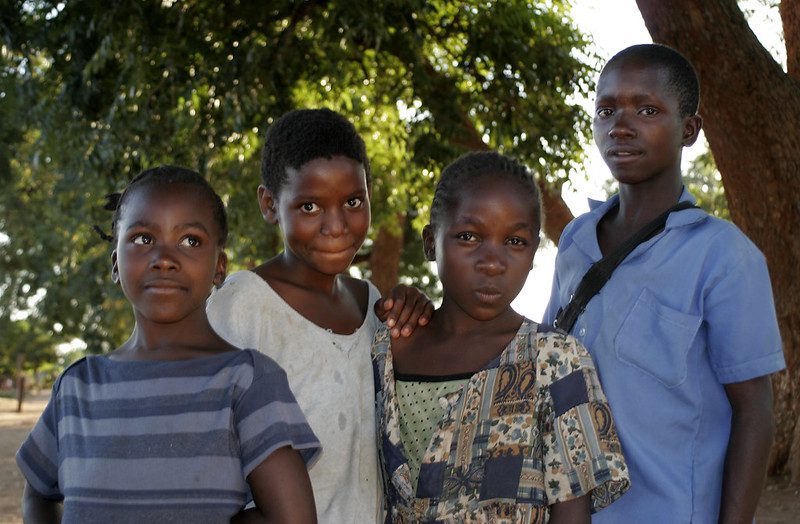
Ending Child Marriage in Zambia

child marriage in ZambiaIn Zambia, about two in every five girls are forced into marriage. Currently, the country is renewing its efforts to eradicate child marriage. In 2017, the President of Zambia along with presidents from Uganda and Malawi held an event where they declared they would prioritize ending child marriages by 2030. The President of Zambia stated, “Girls who marry young are often denied their rights. Ending child marriage by 2030 will require a range of actions, including making sure girls have access to quality education, legal reforms and changing traditional harmful practices.”

Already, rates of child marriage in Zambia have drastically decreased. Zambia’s Demographic and Health Surveys in 2002 found that the child marriage rate was 42%. In 2014, however, the child marriage rate had dropped down to 31%. Despite these numbers, Zambia still has a lot of work to do to save these young girls.

Common Reasons for Child Marriage

There are many factors contributing to child marriage. Here are three of the more common reasons for child marriage in Zambia.

  1. Poverty: Some families see child marriage as a way to reduce the financial burden of having young girls. Often, families in poverty will marry off their young daughter(s) to receive a payment of dowry. This dowry gives them great financial relief. In addition, they are saving money because they no longer have to provide for their daughter(s).
  2. Vulnerability: While all children are susceptible to being vulnerable to child marriage, orphans and stepchildren are even more vulnerable, specifically once they hit puberty. Some families feel that their job of taking care of them is done at that time, so they marry them off young. Stepchildren and orphans are also more widely mistreated than biological children. They may feel getting married is an escape from an otherwise unbearable situation.
  3. Protecting a Girl’s Sexuality: Parents may believe that if they marry their girls off young, they can protect them from engaging in “inappropriate behaviors,” like having multiple sexual partners. This way the girl only has sexual intercourse with her husband, and her family’s honor remains preserved. Some also consider child marriage as a protection for the girl against HIV or unwanted pregnancy.

The After-Effects

  • Increases Poverty: Child brides tend to drop out of school. As a result, any opportunities they may have had at getting a good job and helping their families out of poverty disappear.
  • Health Risks: Child brides are more likely to suffer from depression or PTSD due to abuse from their spouses or the fast-paced way they are forced to grow up. Also, child marriage in Zambia is often correlated with pregnancy, which can lead to higher death rates for the mother or child because the mother is not developmentally mature enough to carry a baby.
  • Risk of Violence: Child brides are more likely to deal with domestic violence including physical, sexual and emotional abuse.

The Good News

Despite these practices still occurring, the citizens and government of Zambia have begun taking steps to eradicate child marriages by 2030. Plan International is a humanitarian organization that works to advance children’s equality and rights. The organization’s Regional Director for both Eastern and Southern Africa, Roland Angerer, says change begins with education. He states, “It is essential that we promote education and encourage dialogue if we want to change social norms . . . Governments must ensure schools are accessible, inclusive and safe […] to enable more girls to attend and stay on in school.” This education helps not only young girls but also their families.

Senior Headman, Davison Shafuluma, in the Mumbwa district, holds meetings where he teaches parents and other family members that child marriage hurts more than it helps. He shares with them the effects a young girl can suffer through by marrying and carrying a child at too young an age. He also explains that they, as a family, can say ‘no’ to anyone who propositions marriage.

Beyond education, the UNFPA-UNICEF Global Programme on Ending Child Marriage helped establish 550 Safe Spaces in Zambia. In these Safe Spaces, young girls learn that they are equal to their male counterparts. The young girls learn that school, homework and their futures should be their focus and priority.

International Work to Eradicate Child Marriage

Aside from better education, “Zambia also co-sponsored, along with Canada, the first U.N. General Assembly (UNGA) resolution on child, early and forced marriage in 2013.” In 2014, eight Ministers from Zambia also committed to addressing child marriage and continuing the conversation. The country has also legislated a minimum age requirement for marriage beginning at the age of 18.

Although many more improvements are still necessary, Zambia is making much progress to diminish child marriage. The conversations in Zambia and across the world are finally giving these young, vulnerable girls a voice.

– Stacey Krzych 
Photo: Flickr

June 8, 2020
https://borgenproject.org/wp-content/uploads/borgen-project-logo.svg 0 0 Lynsey Alexander https://borgenproject.org/wp-content/uploads/borgen-project-logo.svg Lynsey Alexander2020-06-08 07:30:282024-12-13 18:02:04Ending Child Marriage in Zambia
Developing Countries, Global Poverty, Health

5 Facts About Healthcare in Guatemala

Healthcare in Guatemala
For far too many citizens living in Guatemala, healthcare is not feasible and the results of this are catastrophic. Guatemala has the fourth-highest rate of malnutrition, and although the Guatemalan constitution guarantees healthcare, many fail to access the care that they need. Here are five facts about healthcare in Guatemala.

5 Facts About Healthcare in Guatemala

  1. The Guatemalan government spends very little money on healthcare. In fact, Guatemala only spends about $97 per person on healthcare. Comparatively, the United States spends $7,825 per person, and healthcare is not even an explicit “right” under the U.S. constitution. This leads to an underfunded, understaffed and underpaid system that oftentimes does not have the resources necessary to deal with complex diseases. According to a 2017 Health Policy Plus report, the Guatemalan government simply does not have the economic ability to fully fund its healthcare system. The report states that “Limited public resources have inhibited the Government of Guatemala’s ability to meet the health needs of the growing population and comply with its constitutional obligation to provide health services as a public good.”
  2. If a person wants specialists, they have to travel. About 80% of doctors in Guatemala work in Guatemala City. As a result, rural and poorer areas of Guatemala lack the resources they need to get the proper care. Subsequently, in order to receive certain tests, people living in rural areas often have to travel long distances, sometimes taking a day or two off of work. In many cases, people live paycheck to paycheck and cannot afford to miss out on a day of pay.
  3. There is a language barrier. Medicine is complex, and trying to explain medical treatment to someone who does not speak the same language is oftentimes impossible. Guatemala possesses a whopping 25 languages. In Guatemala City, where the specialty doctors are located, the primary language is Spanish. As a result, a person who does not speak Spanish and needs special treatment may have serious challenges.
  4. Rural areas are less advanced. As previously mentioned, the overwhelming majority of doctors work in Guatemala City. For those living in rural areas, access to care is often non-existent. This can lead to a slew of medical ailments, but it also means that these people practice a less advanced version of medicine. For example, in 2009 only 46% of rural Guatemalans utilized modern contraceptives.
  5. Maternal mortality is higher among minorities. Despite making up 43% of the population, more indigenous people suffer from maternal mortality than any other group. Of the 452 maternal deaths in 2013, 68% were indigenous women. In addition, the indigenous maternal mortality ratio was 159 per 100,000 and only 70 per 100,000 for non-indigenous women. One possible explanation is the language barrier. Most doctors work in Guatemala City with a primary language of Spanish. In cases where an indigenous person speaks one of the other 24 languages, it can be difficult for doctors and patients to communicate.

Looking Forward

Although the Guatemalan government considers healthcare in Guatemala a right, for a large fraction of the population it is not. People simply do not have the means to travel or take a day off of work just go see a specialist. Thankfully NGOs are stepping up. One NGO, The GOD’S CHILD Project, is currently fundraising to fight malnourishment in Guatemala. This NGO claims to have helped 4,000 orphaned and impoverished children, as well as 7,000 widowed, abandoned and single mothers and their dependents across Guatemala.

Another NGO named Wings fights exclusively for issues relating to Guatemalan healthcare. Wings’ subsidizes things like contraception and education in rural areas with patients who have serious medical conditions. In 2018 alone, this group helped 3,658 adolescents and young adults with contraceptive access and education. With the help of these NGOs, improved healthcare for Guatemala is on the horizon.

– Tyler Piekarski 
Photo: Flickr

June 6, 2020
https://borgenproject.org/wp-content/uploads/borgen-project-logo.svg 0 0 Jennifer Philipp https://borgenproject.org/wp-content/uploads/borgen-project-logo.svg Jennifer Philipp2020-06-06 07:30:382024-05-29 23:15:575 Facts About Healthcare in Guatemala
Developing Countries, Global Poverty, Health

5 Apps Changing Lives in Southeast Asia

apps that are changing lives
Technology continues to march onward, bringing with it exciting new opportunities to make a difference in the lives of others. Indeed, in Southeast Asia, innovative minds are utilizing the power of smartphones to enrich lives in ways previously unthinkable. From health to finance, from the dense forests of Cambodia to the food markets of Vietnam, here are five apps changing lives in Southeast Asia.

5 Apps Changing Lives in Southeast Asia

  1. It’s Our Forest Too: Illegal logging is a dire issue in Cambodia’s Prey Lang Forest, where in some cases up to 80% of villagers’ income derives from the extraction of resin from the forest’s many trees. To help combat this problem, Web Essentials has developed an Android app called It’s Our Forest Too. Its goal: to give activists the tools they need to discreetly monitor and report illegal activity within the Prey Lang. Here is how it works. Villagers use the app to take photos and record audio they deem suspicious. Then, after categorizing the recordings with the aid of a user-friendly pictorial decision-tree, users upload the data and its associated GPS coordinates to an encrypted Dropbox database. Since the entire process is quick and anonymous, activist organizations like the Prey Lang Community Network can then make use of the information they receive from the app without putting at risk any of the villagers who recorded the data. Thus, saving both lives and livelihoods.
  2. Halodoc: Recent years have seen a severe doctor shortage in Southeast Asia. This has led to excruciating wait times for patients and difficult travels for those living outside of the region’s urban areas. Enter Halodoc, the Indonesian app that allows patients to consult their doctors from the convenience of their own homes. The way it works is surprisingly simple. Patients select a doctor from a list, then immediately receive an option to schedule a video call. In many cases, the meeting lasts no more than 10 minutes. Patients can also use the app to purchase medicine, which is then delivered directly to the location of their choosing. This combination of convenience and user-friendly design has made the app a favorite of Southeast Asia’s medical community. As a result, Halodoc is now home to more than 2 million users and a database of 20,000 doctors.
  3. Foody: With a stated goal of being the Yelp! of Vietnam, Foody has more than surpassed expectations. Indeed, aside from serving as a community where users can review, discuss and order from Vietnam’s restaurants, Foody also plays an important role in the country’s struggles with food safety. The World Bank currently estimates that food safety issues cost Vietnam $740 million in productivity losses. The topic also frequently tops the list of the Vietnamese public’s biggest concerns, surpassing even corruption and cost of living. As a result, many have turned to Foody as a vital source of knowing where it is safe to eat. Foody’s user reviewers are careful to detail the food practices of the restaurant they cover, and by reporting incidents of food poisoning, their readers gain the ability to make smart decisions about where they eat.
  4. Spean Luy: Only 27% of the Southeast Asian population currently possesses a bank account, with the number as low as 5% in nations like Cambodia. With so many lacking access to financial services, start-ups like DIGICRO’s Spean Luy are looking to fill the gap by offering smart, technological solutions for Southeast Asia’s disadvantaged. Specifically, Spean Luy tackles two major problems that depress financial service: a lack of bank availability in the region’s remote, rural regions, and a lack of official documentation or collateral to provide for loans. How does it accomplish this? For one, although physical bank branches are hard to come by, more than 60% of Cambodians have internet access, which makes a mobile banking option attractive. Secondly, thanks to the clever application of machine learning techniques, Spean Luy is able to offer microloans to those who would otherwise be turned away by more stringent documentation requirements. So far, the results have been promising. Since its launch in early 2019, Spean Luy has disbursed more than $400,000 to users, with a repayment rate of 97%.
  5. Mind Palace: The growth of Virtual Reality (VR) technology has become a major talking point in recent years. More than just a tool for gaming, however, people are using VR apps like Eugene Soh’s Mind Palace to bring promising new benefits to those not typically thought of as VR consumers. For dementia patients, Mind Palace offers an immersive virtual environment in which they can revisit the familiar sights and sounds of their youths. This helps relieve the social isolation that burdens many with dementia, while also expanding their physical boundaries. Thus far, Mind Palace has seen extensive testing among Singaporean hospitals and nursing homes with very promising results. While not yet available on smartphones, Soh sees a mobile future for the app in the years to come.

These five apps offer a glimpse into the many ways that tech experts are using technology for social good in Southeast Asia. As the world’s brightest minds continue to innovate, the region will likely benefit from even more apps that are changing lives.

– James Roark
Photo: PxHere

June 6, 2020
https://borgenproject.org/wp-content/uploads/borgen-project-logo.svg 0 0 Jennifer Philipp https://borgenproject.org/wp-content/uploads/borgen-project-logo.svg Jennifer Philipp2020-06-06 01:30:552024-05-29 23:15:575 Apps Changing Lives in Southeast Asia
Global Health, Global Poverty, Health

What You Should Know About COVID-19 in Belarus

COVID-19 in Belarus
With a population of nearly 10 million, Belarus is one of the largest countries in Eastern Europe, and its problems with COVID-19 are just as great. Since its first cases were reported, the country has struggled with treating the virus and limiting its spread. Outbreaks of COVID-19 in Belarus have already revealed flaws in the country’s health infrastructure that could cause problems even after the pandemic ends.

What You Should Know About COVID-19 in Belarus

  1. The true scale of the outbreak remains unknown. Although Belarus began testing for COVID-19 in January, the country reported its first case on February 28. As of May 18, there were 30,572 confirmed cases and 171 deaths resulting from the pandemic. The majority of confirmed cases have occurred in the country’s urban areas on account of their high population density, with the Belarusian capital of Minsk reporting over 4,000 cases on April 24. The Ministry of Health has not provided a cumulative total of recovered patients, making it difficult to know the total number of infections.
  2. Belarus’ government has not enacted strict social distancing policies. While many countries adopted shelter-in-place policies in March and April, Belarus’s government has yet to implement a country-wide shutdown of non-essential businesses. So far, individual cities have decided how to protect their citizens, with some canceling social gatherings and extending school vacations. Unfortunately, this approach has led to an inconsistent response that has failed to slow the spread of the virus.
  3. Medical supplies are limited. Despite having 11 hospital beds per 1,000 people – one of the highest ratios in the world – the lack of quarantine protocols quickly overwhelmed Belarus’ healthcare system. Patients treated for COVID-19-related pneumonia observed that nurses and other healthcare officials were uninformed and inadequately equipped to handle the growing number of cases. Due to supply shortages and limited social distancing, epidemiologists predict that between 15,000 and 32,000 people could die of COVID-19.
  4. The pandemic could force the country into a recession. One reason Belarus lacks a comprehensive social distancing policy is that the country may not be able to afford it. Even before the crisis, Belarus’ economy had started to slow down, with GDP growth dropping from 3% to 1.2% between 2018 and 2019. Economists predict that reduced trade with Western Europe and Russia due to the pandemic could push the country into a recession. While the economic impact of COVID-19 is still unclear, it could cause Belarus’ economy to contract by up to 4%. This may require Belarus to cut spending on programs for vulnerable populations such as low-income households.
  5. The international community is stepping up. Due to the shortage of personal protective equipment and medical supplies in Belarus, other countries have begun shipping supplies over. On April 17, 32 tons of medical equipment such as thermometers, goggles, and gloves arrived in Belarus from China. At the same time, the European Union announced a 3 billion euro relief fund for 10 Eastern European countries, including Belarus. Belarus may require more aid in the future, but these contributions will help ease the country’s financial strain.

Although the full implications of the pandemic are still unknown, foreign aid will reduce the impact of COVID-19 in Belarus. Such aid is vitally important for the country’s ability to protect its sick and vulnerable populations.

– Sarah Licht
Photo: Flickr

June 4, 2020
https://borgenproject.org/wp-content/uploads/borgen-project-logo.svg 0 0 Jennifer Philipp https://borgenproject.org/wp-content/uploads/borgen-project-logo.svg Jennifer Philipp2020-06-04 07:00:482020-06-03 11:55:18What You Should Know About COVID-19 in Belarus
Global Health, Global Poverty, Health

The Effects of Mustard Gas in Warfare

Mustard Gas EffectsSulfur mustard gas is a potent chemical agent that people infamously used in World War I because of its devastating effect. Upwards of 120,000 people died from the effects of mustard gas during the first World War, leading the international community to ban the use of mustard gas in the Geneva Protocol. Despite being banned nearly 100 years ago, the threat of mustard gas remains in the 21st century, as evidenced by its use in Iraq by the Islamic State against American forces several years ago in 2016.

The Function of Mustard Gas

Mustard gas has a distinct smell, often described as a potent mixture of garlic, gasoline and rubber, making the presence of the vaporized gas extremely apparent. People can also release mustard gas into water, exposing unsuspecting people using water resources for drinking, cooking, cleaning and agriculture.

Under average weather conditions, mustard gas may last one to two days. Cold weather conditions allow the liquid form to linger for several months. Additionally, when released into the air as a vapor, mustard gas can travel by wind for miles.

Symptoms from Mustard Gas Exposure

Once released, the effects of mustard gas are not immediate and symptom onset may take anywhere from hours to days. Within three to 12 hours of mild to moderate exposure, the victim’s eyes become bloodshot and watery. Severe exposure causes the same symptoms to onset within one to two hours, but may also cause sensitivity to light, and blindness for up to 10 days. Substantial exposure may lead to permanent blindness in the victim.

Additional symptoms include the skin becoming red and irritated, eventually leading to shallow blisters. Acute severity is generally in moist areas, including under the armpits and palms. Making matters worse, blisters commonly become infected after popping. Severe skin burning may prove fatal due to the infection. The mustard liquid is more likely to produce second-and-third degree burns and scarring when compared to exposure through vaporized mustard gas.

Further, the victim will develop a cough 12 to 24 hours after a mild exposure, and within two to four hours of severe exposure. Additionally, the victim may experience a runny nose, shortness of breath, sneezing, hoarseness, sinus pain, and a bloody nose. Exposure to mustard gas may lead to an increased risk of lung and respiratory cancer.

Finally, mustard gas can affect the digestive tract as well. The victim will often experience abdominal pain, diarrhea, nausea, fever and vomiting. Mustard gas also decreases the formation of red and white blood cells, leading to weakness, bleeding and an increased risk of fatal infection. Many scientists have studied the effects of mustard gas on victims after the first World War; one of which determines one of the greatest ailments these victims face is the psychosocial disorders developed.

Treatment for Mustard Gas Symptoms

Unfortunately, there is no antidote for mustard gas exposure, only symptom treatments. If exposed to mustard gas, the CDC recommends to immediately depart the area. Mustard gas is heavier than air, causing accumulation in low-lying areas. Therefore, it is imperative to reach higher ground immediately.

Additionally, recommendations state to remove any clothing with liquid mustard gas and transfer to a sealable bag, if possible. One should also promptly and thoroughly wash any body parts that became exposed to sulfur mustard, rinsing eyes every five to 10 minutes. Most importantly, those who experienced mustard gas exposure should immediately receive medical attention. If one receives proper medical treatment, exposure to mustard gas is not fatal.

Prohibited Use of Mustard Gas

The Chemical Weapons Convention treaty started to receive signatures on January 13, 1993; this a United Nations arms control prohibiting the production, acquisition, transfer and stockpiling of chemical weapons. The Convention, comprising 165 signatories, declares that states must destroy any chemical weapons stockpiles, as well as the facilities that produced them. The Convention includes a “challenge inspection” clause, which allows signatories to request a surprise, involuntary inspection on states suspected of noncompliance. Due to the Chemical Weapons Convention, as well as the Geneva Protocol, the use of sulfur mustard in warfare has become uncommon.

– Angus Gracey
Photo: Wikimedia

June 2, 2020
https://borgenproject.org/wp-content/uploads/borgen-project-logo.svg 0 0 Jennifer Philipp https://borgenproject.org/wp-content/uploads/borgen-project-logo.svg Jennifer Philipp2020-06-02 07:30:592020-06-01 11:06:00The Effects of Mustard Gas in Warfare
Developing Countries, Global Poverty, Health, Poverty

5 Facts About Tuberculosis in Eastern Europe

tuberculosis in Eastern Europe
One of the oldest diseases, tuberculosis is still prevalent in hundreds of countries and nearly every continent. Although many countries have been able to reduce their number of cases through medical intervention and policies, Eastern Europe remains affected by the disease. Despite the rising cases of tuberculosis in Eastern Europe, European and other governments are coming up with new solutions to better treat individuals with TB and potentially eradicate the disease. Here are five facts about tuberculosis in Eastern Europe.

5 Facts About Tuberculosis in Eastern Europe

  1. Most of Europe’s tuberculosis cases are in Eastern Europe. According to the World Health Organization (WHO), Europe has the lowest incidence of tuberculosis in the world. However, the cases that do exist concentrate in Eastern Europe. The WHO found that 18 countries in Eastern Europe bear 85% of the tuberculosis burden for the continent. Over the past decade, cases of tuberculosis have halved throughout Europe. Despite this decrease, however, the number of cases in Eastern Europe is almost eight times higher than that of Central and Western Europe.
  2. Eastern Europe has the highest rates of drug-resistant tuberculosis. Multidrug-Resistant Tuberculosis (MDR tuberculosis) is currently the most prevalent form of TB in Eastern Europe. MDR tuberculosis occurs when the bacteria that causes tuberculosis becomes resistant to at least isoniazid and rifampin, the two most common drugs doctors use to treat tuberculosis patients. Typically, this resistance occurs when patients do not finish their antibiotics or when tuberculosis infects a person more than once. In all of Europe, 99% of MDR tuberculosis cases occur in Eastern Europe. As a result, scientists need to develop new antibiotics or treatments for patients in that region.
  3. Tuberculosis outbreaks are more common in poorer regions. In general, researchers tend to find tuberculosis in poorer and developing countries. Similarly, the levels of TB in Eastern Europe could connect to the overall poverty rates in the region. The poverty rates in Central and Western European countries such as the Czech Republic are as low as 10%. However, in Eastern European countries, such as Romania, the poverty rates are as high as 25%. In poorer countries, access to medical treatment and preventative care decreases. Thus, in Eastern Europe, a common struggle for individuals with tuberculosis is finding health care that is effective and affordable.
  4. Problems with tuberculosis are worsening due to COVID-19. The COVID-19 pandemic has led countries to implement social distancing and stay-at-home policies. As a result, the circumstances for individuals with tuberculosis in Eastern Europe may worsen. A recent modeling study looked at the rate of incidence of tuberculosis and the tuberculosis mortality rate during the lockdown. The study predicted that both the number of cases and the number of deaths will rise as people remain in close quarters. For example, imagine the lockdown in a high-risk country such as Ukraine lasting for 3 months with a 10 month recovery period. The rate of incidence would increase by 10.7% and the mortality rate would increase by 16%. One reason for this increase is the lack of medical care available during the pandemic. As more supplies and medical officials go towards fighting COVID-19, other diseases such as tuberculosis could go unchecked during the lockdown.
  5. Better diagnostic services are currently in progress. This year, in 2020, the European Lab Initiative (ELI) on tuberculosis, HIV and Viral Hepatitis, a regional center that has dedicated itself to the treatment of those three diseases, released its goals for 2020 and 2021. These goals, which include improved drug treatments and better tracking algorithms, hope to allow doctors in Eastern Europe to diagnose patients with tuberculosis faster. By diagnosing people earlier, the transmission of tuberculosis will slow, and those who test positive for tuberculosis will have a higher chance of recovery.

Although the rates of TB continue to drop in Western and Central Europe, wealth inequality and the COVID-19 pandemic are keeping the number of cases up in Eastern Europe. However, if progress on better diagnostic services continues, the occurrence of tuberculosis there will decrease.

– Sarah Licht 
Photo: Flickr

May 31, 2020
https://borgenproject.org/wp-content/uploads/borgen-project-logo.svg 0 0 Kim Thelwell https://borgenproject.org/wp-content/uploads/borgen-project-logo.svg Kim Thelwell2020-05-31 07:30:322024-05-29 23:17:355 Facts About Tuberculosis in Eastern Europe
Global Poverty, Health

5 Celebrities Donating to Fight COVID-19

Celebrities Donating to Fight COVID-19
COVID-19 continues to threaten the world. Although celebrities cannot be on the frontlines, they are doing their part in the battle against the virus. From creating their own nonprofit organizations to donating to global charities, these public figures continue to support the improvement of global poverty and health. Here are five celebrities donating to fight COVID-19.

5 Celebrities Donating to Fight COVID-19

  1. Justin Bieber: Back in February 2020, before COVID-19 began largely affecting the U.S., Canadian-born singer Justin Bieber made a donation to the Bejing Chunmiao Children Aid Foundation. The organization, a public charity, focuses on bringing health, home and joy to underprivileged children in China. In Bieber’s donation announcement post on Instagram, he said, “China, we stand with you as a collective humanity.” Bieber recognized the importance of donating globally as countries fell one by one to COVID-19. A month later, he canceled his 2020 U.S. national tour to protect the well-being of his fans.
  2. Lady Gaga: When COVID-19 struck, singer sensation Lady Gaga took it upon herself to do more than just donate. She wanted to give voice to underprivileged communities, essential workers and volunteers risking their lives to help others. In collaboration with international advocacy organization Global Citizen, Gaga created the “One World: Together at Home” broadcast. This 8-hour fundraising phenomenon included performances and videos from superstars like John Legend and Beyonce. The event raised $127 million. All of the money is for the World Health Organization (WHO), the Coalition for Epidemic Preparedness Innovations and UNICEF.
  3. Priyanka Chopra Jonas: At the end of March 2020, Priyanka Chopra and husband Nick Jonas announced that they donated undisclosed amounts to 10 organizations, including UNICEF and Doctors without Borders, to do their part in fighting the COVID-19 pandemic. Chopra, an Indian actress, also has her own organization, The Priyanka Chopra Foundation for Health and Education. The Foundation works to support underprivileged children across India. A global UNICEF Goodwill Ambassador, Chopra is part of many efforts to protect child rights and promote education for girls.
  4. Rihanna: Popstar Robyn “Rihanna” Fenty created The Clara Lionel Foundation (CLF)  in 2012. The nonprofit aims to protect and improve education and emergency response programs around the world. The organization donated $5 million to global COVID-19 response organizations including the World Health Organization (WHO) and the International Rescue Committee. Additionally, CLF also joined forces with Twitter/Square CEO Jack Dorsey and Jay-Z’s Shawn Carter Foundation to donate $6.2 million to 11 organizations responding to COVID-19’s global impact.
  5. Jack Dorsey: Along with partnering with Rihanna and Jay-Z, billionaire Jack Dorsey pledged $1 billion, 28% of his net worth, to his own limited liability company called Start Small. Furthermore, Dorsey intends the fund to support global COVID-19 relief and girls’ health and education. Although he has not specified how much of the $1 billion will go to COVID-19 relief, Dorsey is maintaining transparency. He tracks all donations on a spreadsheet open to the public. If 10% of the fund goes to supporting the COVID-19 crisis, the donation would be the largest from a public philanthropist in the U.S. during this pandemic.

These five celebrities donating to fight COVID-19 show that while some celebrities invest money into existing global charities and others create their own, all fight to improve people’s livelihoods. These celebrities serve as a reminder to use privilege and societal standing to benefit those who are less privileged, especially during a global pandemic when the entire world is struggling.

– Kiyomi Kishaba 
Photo: Flickr

May 30, 2020
https://borgenproject.org/wp-content/uploads/borgen-project-logo.svg 0 0 Kim Thelwell https://borgenproject.org/wp-content/uploads/borgen-project-logo.svg Kim Thelwell2020-05-30 07:30:522020-05-29 07:06:135 Celebrities Donating to Fight COVID-19
Global Poverty, Health, Life Expectancy

10 Facts About Life Expectancy in Tonga

Life Expectancy in Tonga
Tonga is a country located in the South Pacific Ocean, within the South Pacific archipelago. The sovereign state consists of a total of 176 islands that spread across 270,000 square miles, 36 of which contain a fast-growing population of 100,651 people. About 70% of the 100,651 people live on the main island, Tongatapu. While life expectancy is on the rise throughout the country, there are still many health concerns. Here are 10 facts about life expectancy in Tonga.

10 Facts About Life Expectancy in Tonga

  1. Life expectancy rates in Tonga have been steadily rising for the past 70 years. In 1950, the average life expectancy was 55.78 years. Today, the life expectancy is 70.97 years. As of 2018, male life expectancy was 68.9, and female life expectancy was 72.8. This is most likely due to improvements in sanitation, housing and education. According to the U.N.’s projections, Tonga’s life expectancy will continue to increase and grow to 74.30 by 2050.
  2. The leading cause of death for all ages in Tonga is non-communicable diseases (NCDs). According to the Tongan Ministry of Health and the World Health Organization (WHO), NCDs account for the majority of deaths in Tonga. These include cardiovascular disease, cancer, respiratory diseases, diabetes and more. Factors such as lack of physical activity, smoking daily, alcohol use, obesity, high blood pressure and eating less than five servings of fruit and vegetables per day increase the risk of developing NCDs. Of the population, 60.7% is at high risk of developing or having an NCD and 39.2% at moderate risk. One study even found that one out of every ten hospital patients in Tonga was admitted due to an NCD.
  3. The NCD that kills most people in the country is coronary heart disease. The latest data from 2017 reports that of every 100,000 Tongans, 128.72 (16.64% of the population) die from coronary heart disease.
  4. Tonga’s fertility rate has been decreasing since the 1950s. However, despite the steady decrease, Tonga’s fertility rate remains high compared to other countries. In 1955, the fertility rate in Tonga was 7.3 births per woman. Today, it is currently at 3.2 births per woman. In comparison, in Australia, there were 3.0 births per woman in 1950 but only 1.86 births per woman in 2015.
  5. Obesity is extremely prevalent among Tonga’s population. An important risk factor to NCDs, obesity has been increasing in Tonga since 1975. In 1975, 47.8% of people 18 and older were obese. In 2016, the obesity rate had jumped to 75.6%. This year, Tonga ranks number two in the world for the highest body mass index (BMI) with its population having an average BMI of 31.9. Tonga falls just below the world’s most obese country, Nauru, which has a BMI of 32.5. Tonga’s obesity rate is due to a couple of factors, including low levels of physical activity and poor diets.
  6. The diet of Tongans plays an important role in the level of obesity throughout the country. Most Tongan’s diets once consisted of root vegetables, coconuts and fish. Since joining the global economy, diets have become highly processed and fatty. The average diet is now made up of rice, bread, canned fish, sugar, salt and packaged noodles.
  7. Tobacco use, another risk factor for NCDs, has been slowly decreasing in Tonga. In 2000, 36.3% of the population used tobacco. The most recently projected smoking rate puts tobacco use at 27.9%.
  8. Health-related issues make up most of Tonga’s other top causes of death. Other top causes of death in Tonga include diabetes (13.63%), stroke (9.91%), influenza and pneumonia (7.26%), breast cancer (2.83%) and lung disease (4.60%).
  9. More people have slowly moved into Tonga’s urban areas in recent years. In 1955, the urban population was at just 15%, while today the percentage has risen to 76%. This urbanization results in a more sedentary lifestyle, which, in turn, becomes a risk factor for developing obesity.
  10. Tonga is the first country in the Pacific Islands to develop a plan to fight obesity. In 2017, the Tongan government implemented a tax on imported foods in hopes of discouraging people from purchasing them. The tax included items such as mutton flaps, industrial chicken and turkey tails. There are also groups such as Tonga Health Promotion Foundation (TongaHealth) that fight obesity in hopes of improving life expectancy. TongaHealth was established in 2007 by the Health Promotion Foundation Act. Dedicated to the prevention of NCDs in Tonga, the group recognizes the urgency in the country’s rising number of NCDs. It fights the risks by focusing on educating the population on topics such as healthy eating, physical activity, tobacco control and alcohol control.

While life expectancy rates are on the rise in Tonga, there is still work to be done to improve the health of Tongans and further increase life expectancy. Tobacco use, alcohol use, a lack of physical activity and poor diet are all putting Tongans at risk for obesity and NCDs. Moving forward, the government and other humanitarian organizations must focus their efforts on improving health and life expectancy in Tonga.

– Marlee Septak
Photo: Flickr

May 29, 2020
https://borgenproject.org/wp-content/uploads/borgen-project-logo.svg 0 0 Lynsey Alexander https://borgenproject.org/wp-content/uploads/borgen-project-logo.svg Lynsey Alexander2020-05-29 07:00:132024-05-29 23:15:5710 Facts About Life Expectancy in Tonga
Page 114 of 212«‹112113114115116›»

Get Smarter

  • Global Poverty 101
  • Global Poverty… The Good News
  • Global Poverty & U.S. Jobs
  • Global Poverty and National Security
  • Innovative Solutions to Poverty
  • Global Poverty & Aid FAQ’s
Search Search

Take Action

  • Call Congress
  • Email Congress
  • Donate
  • 30 Ways to Help
  • Volunteer Ops
  • Internships
  • Courses & Certificates
  • The Podcast
Borgen Project

“The Borgen Project is an incredible nonprofit organization that is addressing poverty and hunger and working towards ending them.”

-The Huffington Post

Inside The Borgen Project

  • Contact
  • About
  • Financials
  • President
  • Board of Directors
  • Board of Advisors

International Links

  • UK Email Parliament
  • UK Donate
  • Canada Email Parliament

Get Smarter

  • Global Poverty 101
  • Global Poverty… The Good News
  • Global Poverty & U.S. Jobs
  • Global Poverty and National Security
  • Innovative Solutions to Poverty
  • Global Poverty & Aid FAQ’s

Ways to Help

  • Call Congress
  • Email Congress
  • Donate
  • 30 Ways to Help
  • Volunteer Ops
  • Internships
  • Courses & Certificates
  • The Podcast
Scroll to top Scroll to top Scroll to top