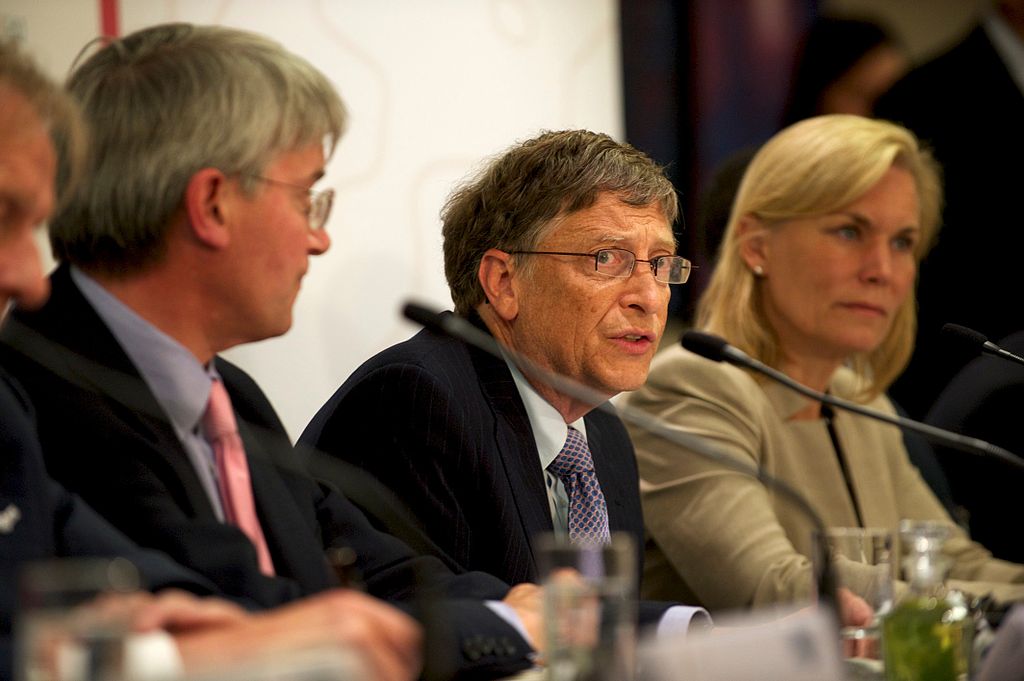
Gavi, the Vaccine Alliance is an international organization that Bill and Melinda Gates conceived and cofounded in the late 1990s. Its mission is to supply low-income countries with vaccinations they might otherwise have gone without. The organization has helped vaccinate more than 760 children. Additionally, it has saved more than 13 million lives in developing countries across the world. Gavi has recently aimed rigorous funding and supply distribution towards fighting COVID-19. The Vaccine Alliance has set aside $200 million for protective equipment, health care workers and increased testing with funding going towards low-income countries such as Myanmar, the Democratic Republic of the Congo, Ethiopia, Malawi, Sudan, Afghanistan, Liberia and Zimbabwe. Gavi’s 2020 initiatives and COVID-19 response plans are all efforts to prepare and provide for global health in the coming years.
The Alliance’s Fifth Phase
Gavi operates using a five-year strategic model and what it calls “phases”. With Phase I beginning in 2000, the alliance has followed this plan to the present day. In December 2019, the organization approved Phase V, a model that it will implement in 2021 and complete in 2025. Gavi tracks its success throughout these phases by creating specific goals in areas such as vaccines, equity and sustainability.
- The Vaccine Goal: The vaccine goal focuses on effective medical outreach and accessibility. It calls for the positive integration of vaccines into countries with the highest need. Gavi will then work with each country to identify its most prominent infection to decide which vaccination would be most helpful, also considering population when determining quantity. Further criteria of the vaccine goal include the continued introduction of immunizations that in turn will pave the way for proper health care and preparedness against preventable diseases.
- The Equity Goal: By bolstering health care systems, the equity goal promotes the importance of accessibility. With Gavi’s financial support, governments can prioritize “reaching the unreached.” This goal primarily deals with immunization delivery services and supply chains that will ensure the sustainability of accessible health care in that country. By ensuring that each individual receives what they need, the organization will cultivate further trust in immunization.
- The Sustainability Goal: The sustainability goal works to strengthen administrative support for immunizations. This support will hopefully call for a nationwide commitment towards eradicating death from preventable infections. By promoting public resources, instituting a system within the country to continue to fund immunizations and adding a system to ensure post-transition support, Gavi can safeguard accessible vaccines in developing countries.
The Gavi COMAX AMC
Inspired by its 2019 pneumococcal AMC commitment, Gavi announced The Gavi Advanced Market Commitment for COVID-19 vaccines (COMAX AMC) as one of its COVID-19 response plans at the Geneva June 2020 summit. Similar to previous market commitments for infections such as pneumococcal pneumonia and Ebola, this financial plan works to encourage vaccine makers to produce large quantities of immunizations without the worry of over-investing. Stock-piling now can guarantee that vaccines are available and have the ability to be distributed quickly in the future.
Gavi’s COMAX AMC has set a fundraising goal of $2 billion for a vaccine plan-ahead preparation. The first vaccine manufacturing company to contribute to this 2020 plan is AstraZeneca in partnership with the University of Oxford. Once a vaccine emerges, AstraZeneca promises to make 300 million dosages available to the world’s poor for distribution. AstraZeneca and Oxford have pledged to work without compensation through the entirety of the pandemic. Additionally, the Coalition for Epidemic Preparedness Innovations (CEPRI) will collaborate with COVAX AMC. Furthermore, CEPRI has offered to provide manufacturing funds.
The COVAX Facility
This global access facility works as an extension of the advanced market commitment. The Vaccine Alliance is calling for worldwide participation in a new fair-trade financial plan. Under the COVAX Facility umbrella, upper-middle and high-income countries will pool resources and share risk to create a structurally sound vaccine economy. These joint investments will embolden vaccine companies to intensify manufacturing. As a result, the price of a single vaccine will decrease, making distribution to lower-middle and low-income countries easier. The plan looks to take the uncertainty out of vaccine creation and vaccine investment. In this economic proposition, Gavi argues that COVID-19 is a global catastrophe that will require a global engagement to contain.
Gavi’s 2020 initiatives and COVID-19 response plans reference the importance of a unified approach when it comes to the creation and distribution of critical vaccines. Right now, there has been no successful formulation of a COVID-19 immunization, but Gavi, The Vaccine Alliance is doing what it can to provide monetary aid now as well as for the future.
– Alexa Tironi
Photo: Wikimedia
 While it may have been one of the first nations in the Americas to take significant preventative actions against the coronavirus, Peru is still reporting
 The system used today for providing healthcare in Argentina was developed during a period of economic glory for the country. This economic reform was achieved throughout the 1940-50s period of