• Link to X
  • Link to Facebook
  • Link to Instagram
  • Link to TikTok
  • Link to Youtube
  • About
    • About Us
      • President
      • Board of Directors
      • Board of Advisors
      • Financials
      • Our Methodology
      • Success Tracker
      • Contact
  • Act Now
    • 30 Ways to Help
      • Email Congress
      • Call Congress
      • Volunteer
      • Courses & Certificates
      • Be a Donor
    • Internships
      • In-Office Internships
      • Remote Internships
    • Legislation
      • Politics 101
  • The Blog
  • The Podcast
  • Magazine
  • Donate
  • Click to open the search input field Click to open the search input field Search
  • Menu Menu

Archive for category: Global Poverty

Key articles and information on global poverty.

COVID-19, Development, Global Poverty, Homelessness

5 Facts About Homelessness in Ghana

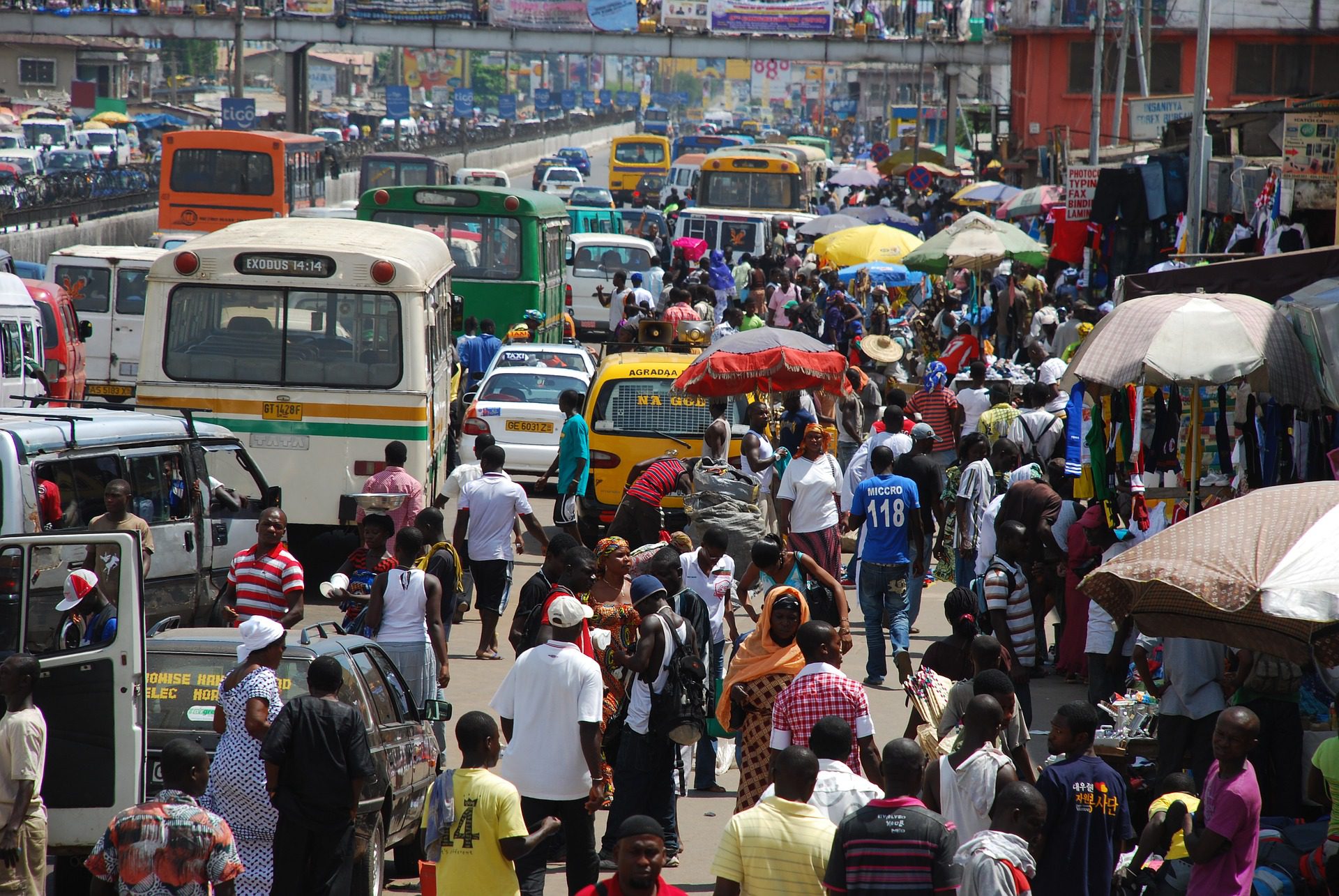
Homelessness in GhanaGhana has a population of 30.4 million people, and over 100,000 of these people are homeless on any given night. Though most of the population does have access to safe, affordable housing, not every Ghanaian does. Here are five facts about homelessness in Ghana.

5 Facts About Homelessness in Ghana

  1. Around 39% of Ghana’s urban population lives in slums. This equates to roughly 5.5 million people. Poor households and domestic violence victims are at higher risk for homelessness. In urban areas, single women with children are also at risk for homelessness. Obtaining ownership of a house can be difficult for some women because in matrilineal tribes when a man dies, there are limits for women regarding inheritance of spousal property.
  2. In urban areas, there is a shortage of housing. These shortages are caused by a lack of adequate financing, costly building materials and delays in getting permits to build. It is also challenging to gain access to urban land in order to build there. There are not enough governmental rental properties available, and those that do exist are mostly inhabited by government workers.
  3. COVID-19 has made things worse. Many homeless Ghanaians cannot comply with lockdown orders, and do not always have access to masks, gloves and hand sanitizers. Their previous jobs of carrying shoppers’ wares or helping to load passengers became obsolete during the pandemic. Some volunteers are helping to distribute food and water to the homeless, though others argue that the government should distribute raw ingredients and money instead of cooked food.
  4. Housing policies and programs are being implemented. One such project is the Tema-Ashaiman Slum Upgrading Facility (TAMSUF). This project aims to upgrade slums, develop low-cost housing and facilitate urban development projects. TAMSUF completed its first housing project in 2011, which involved constructing a building that contained 31 dwelling units and 15 commercial shops. In addition, it also involved a commercial toilet and bath facility. TAMSUF also constructed a sanitation facility containing six bathrooms, which can hold 12 people. Similarly, The Ghana Federation of the Urban Poor Fund (G-FUND) seeks to grant homeless Ghanaians access to funds in order to provide for themselves. Created in 2010, this fund provides low-income households in Ghana with credit for housing and business development. This funding also improves infrastructure.
  5. The Urban Poor Fund International is working to improve living conditions. UPFI has built over 60,000 houses and improved 3,000 dwelling units in various countries. Examples of their projects include a community-led waste management initiative and also a housing construction in Amui Dzor, Ashaiman, in Ghana. The Amui Dzor housing project has housed 36 families and provided many dwelling units, bathrooms and rental stores since its creation in 2009. One of the project’s most famous sponsors was the Bill and Melinda Gates Foundation.

Many of Ghana’s homeless require help from the government and housing projects to get back on their feet. Efficient rental control laws and housing for low-income individuals are just some of the many policies that can help lower or diminish rates of homelessness in Ghana.

– Ayesha Asad
Photo: Flickr

September 17, 2020
https://borgenproject.org/wp-content/uploads/borgen-project-logo.svg 0 0 Kim Thelwell https://borgenproject.org/wp-content/uploads/borgen-project-logo.svg Kim Thelwell2020-09-17 11:18:072024-05-29 23:23:125 Facts About Homelessness in Ghana
Global Poverty

3 Apps Helping Vertical Farmers in Africa

Farmers in AfricaEstimates predict there will be over nine billion people on the planet by 2050. Of that increase in population, half will be born in Africa. In order to feed the world, food production must increase by 70% in that time. Farmers in Africa are looking for ways to adapt.

When investigating this problem of the future, it is interesting to note that nearly three-quarters of farm production happens on a small scale. There is roughly a small-scale farmer that produces a bulk of this food, and many of them are in need of assistance. The agrarian way of life is common, but not very prosperous across Africa. There is already an abundance of demand, but many African farmers are struggling to produce. Digital innovations are spreading and now helping farmers become more efficient. Here are three apps helping farmers in Africa boost their potential.

WeFarm

WeFarm is a networking app, comparable to LinkedIn or Facebook, but designed specifically for African farmers. A majority of their customer base is in Kenya and Uganda with over a million members in the two countries.

WeFarm helps to disseminate information among farmers. It gives a platform for farmers to connect and crowdsource solutions form their peers. By creating an ecosystem for these farmers to communicate and share best practices, farms will grow to be more efficient.

Many people living in more remote regions of Africa do not have adequate internet access. WeFarm can be used to communicate without internet access. The app facilitates communication across SMS which is much more prevalent than internet access in rural areas for some African countries, so more farmers can get plugged into the conversation.

CowTribe

CowTribe is an award-winning app and a boon for livestock farmers in Africa, particularly in Botswana where cattle account for 85% of agriculture.

This app helps owners take care of their animals’ health very effectively. The app monitors health record, reminds about due vaccinations, connect farmers with vaccinations, and can connect farmers with veterinary assistance. With CowTribe, every $1 spent on vaccination leads to $29 of revenue per year.

As of now, the app keeps track of 240,000 cows belonging to 29,000 different farmers. There are millions of farmers who can benefit from this app, and the membership rate is anticipated to grow 40% year over year.

Modisar

Modisar is another prize-winning app that has brought a new level of sophistication to its farmers in Botswana. The app requires a computer or laptop but can run without an internet connection, which is again very useful for remote, rural regions. Modisar is a platform that helps a farmer understand and better manage their farm. It maintains farm records, keeps track of inventory and livestock, and sends reminders for tasks that need completion. One of the greatest features Modisar offers is an expense and profit tracker. This allows farmers to see their financial history and can educate them on how to increase profits in the future.

Modisar also maintains a library of articles relating to best farming practices, so that farmers have other resources to troubleshoot and further educate themselves. The database also has a photo gallery of different diseases, that a farmer may consult when an unknown infection springs up in the crop. Modisar won the Orange Social Venture Prize in 2014 and has continued helping farmers since.

There is a menagerie of apps helping farmers in Africa with new ones releasing every year. There are seemingly many identical apps in the growing library of farm assistants, but many operate in different regions and have their own unique following. Agriculture, one of the oldest human endeavors, coupled with digital technology growing many small farmers in African countries.

– Brett Muni
Photo: Pxhere

September 17, 2020
https://borgenproject.org/wp-content/uploads/borgen-project-logo.svg 0 0 Kim Thelwell https://borgenproject.org/wp-content/uploads/borgen-project-logo.svg Kim Thelwell2020-09-17 07:30:492024-06-06 00:26:193 Apps Helping Vertical Farmers in Africa
Advocacy, Global Health, Global Poverty

Sen. Bob Casey’s Effort to Combat Global Poverty and What You Can Do

Sen. Bob CaseySen. Bob Casey has been a U.S. Senator from Pennsylvania for 13 years since his election in 2006. Casey is a member of the Democratic Party. He is assigned to four Senate committees: Finance; Health, Education, Labor and Pensions, Agriculture; Nutrition, and Forestry; and the Special Committee on Aging. Consequently, this article shows the efforts made by Sen. Bob Casey to fight against global poverty and help poor people. He has been working to pass two significant bipartisan legislation regarding global poverty, as well as supporting people around the world to improve U.S. national security.

Debt Cancellation for Poor Countries to Combat Global Poverty

In 2007, Sen. Bob Casey (D-PA), Chris Dodd (D-CT) and Dick Lugar (R-IN) introduced the Jubilee Act for Responsible Lending and Expanded Debt Cancellation Act of 2007. Senator Casey sponsored bipartisan legislation to help poor countries that had spent money on repaying debt rather than taking care of their citizens in poverty. He said, “This legislation will help these nations get out of debt and help them free up resources to reduce poverty.” This comment and his support for the bill shows his commitment to reducing global poverty from the early period of his term as a senator.

Global Food Security

With Sen. Johnny Isakson (R-GA), Sen. Bob Casey introduced the Global Food Security Act in 2016. This legislation required the administration to assist targeted communities and nations to improve agricultural productivity and enhance food and nutrition security. It also emphasizes the importance of enhancing maternal and child nutrition. This act additionally recognizes the importance of tackling global food insecurity for developing countries and the U.S. economy and national security.

Sen. Bob Casey said, “The need to address global hunger is an urgent foreign policy and national security priority. It is in the United States’ best interest to promote initiatives that work to eliminate the causes of food and nutrition insecurity.” Likewise, the Global Food Security Reauthorization Act was passed in 2018, introduced by Sen. Bob Casey and Sen. Johnny Isakson. This bipartisan legislation ensures the extension of the Feed the Future initiative until 2023. For example, by 2018, the Feed the Future program helped more than 1.7 million households in 12 targeted countries.

His Support for Women in Afghanistan and People in Syria

To ensure the safety of women and girls in Afghanistan, Sen. Bob Casey introduced the Afghan Women and Girls Security Promotion Act. He also has been working to provide help for women who survived domestic violence or other crimes. Moreover, he has supported food and medical support for Syrian people in need because of the war.

As a representative of Pennsylvania, he has made several efforts to combat global poverty and hunger. In the interview by Penn Political Review, he said, “It is critical that U.S. foreign aid dollars be used efficiently and that they provide relief and promote opportunities for poor and underserved individuals and communities around the world.” It is therefore clear that Senator Casey’s efforts are critical in the fight against global poverty. Calling and emailing him to support these bills would be significant. As a result of helping these people, the U.S. can improve national security and economy.

– Sayaka Ojima
Photo: Pixabay

September 17, 2020
https://borgenproject.org/wp-content/uploads/borgen-project-logo.svg 0 0 Kim Thelwell https://borgenproject.org/wp-content/uploads/borgen-project-logo.svg Kim Thelwell2020-09-17 07:30:382024-05-29 23:23:08Sen. Bob Casey’s Effort to Combat Global Poverty and What You Can Do
Food Security, Global Poverty

Hunger in Fiji

Hunger in FijiFiji is an upper-middle-income country located in the Pacific Islands. In Fiji, the agricultural sector has been steadily declining over the last several decades, resulting in hunger concerns. Here is everything you need to know about hunger in Fiji.

Background of Hunger in Fiji

Traditionally, countries struggling with hunger are thought to be plagued with food insecurity and starvation. This is not the case in Fiji, where food availability is adequate — especially in comparison with other Pacific Islands. Fijians even have above-average access to energy-dense foods. Rather than food security, concerns surrounding hunger in Fiji stem from the double burden of over-nutrition and under-nutrition, caused by obesity and deficiencies in micronutrients. Trade policies, poverty and climate change are further causes of hunger in Fiji.

Main Causes of Hunger in Fiji

  1. Trade Policy: Fiji’s poor nutrition largely stems from increased dependence on cheap imported food, resulting in a decreased intake of traditional Fijian food. This decline in demand has resulted in traditional food being grown for export, thus increasing domestic prices. Consequently, families above the poverty line spend 18% of their income on food, and families below the poverty line spend 29% of their income on food.
  2. Poverty: Although extreme poverty is uncommon in Fiji, according to the World Bank, 35.2% of Fijians live in poverty. Furthermore, the per capita purchasing power parity in Fiji is significantly below the global average. Thus, not only do Fijians generally struggle with poverty, but food is also disproportionately expensive.
  3. Climate Change: Fiji is extremely vulnerable to climate change, experiencing frequent storms, cyclones, floods and droughts — all of which can be detrimental to the agricultural sector. Additionally, 25,700 people in Fiji are annually pushed into poverty as a result of climate change, further exacerbating the problem of poverty leading to hunger.

Traditional Fijian Diet

Traditionally, Fijians consumed a diet of fish, seafood, root crops, fruit, wild plants and legumes. In recent years, this traditional diet has been abandoned. In 2014, 50% of the population ate rice daily, 43% ate roti daily and 15% ate instant noodles daily. These unhealthy choices became popular while fruit and vegetable consumption declined, with only 15% of adults getting the recommended five servings daily.

Health Consequences

The major health consequences that arise from hunger in Fiji stem from obesity. One-third of adult Fijians are obese, and the rate of non-communicable diseases (NCDs) such as type-2 diabetes is correspondingly high. Obesity increases the risk of NCDs, thus increasing the risk of mortality. Consequently:

  • 70-75% of deaths in Fiji are due to NCDs
  • The average life expectancy is low, with 69.2 years expected for women and 65.6 years for men
  • Fiji has a high age-standardized NCD mortality rate of 803, compared to the 417.9 of the United States

In comparison to its Pacific Island neighbors, Fiji possesses great food security. However, Fiji’s problems with poverty, trade policy and climate change perpetuate hunger. For Fijians to be able to afford and consume healthy foods once again, Fiji will need to invest in climate action, limit trade tariffs and promote native crops.

– Lily Jones
Photo: Flickr

September 17, 2020
https://borgenproject.org/wp-content/uploads/borgen-project-logo.svg 0 0 Kim Thelwell https://borgenproject.org/wp-content/uploads/borgen-project-logo.svg Kim Thelwell2020-09-17 07:22:052024-06-06 00:43:15Hunger in Fiji
Global Poverty

Women’s Economic Empowerment in Mexico

Women's Economic Empowerment in Mexico
In recent decades Mexico has made significant changes to close the gender gap. These progressive impacts include a series of legislative initiatives in 2002, 2008, 2014, and the 2015-2018 National System for Equality between Women and Men. Additionally, political parties promise to promote gender equality in nominations and to allocate money towards training women. By promoting women’s economic empowerment in Mexico, women of all backgrounds can achieve financial independence.

Obstacles To Financial Independence

Women in Mexico face several obstacles toward reaching financial independence. Martina Zoldos, a Slovanian writer, described the discrimination she faced while interviewing for a job in Mexico. Zoldos was asked, “whether [her] husband agreed with [her] decision of having a 9-to-5 office job.”

Traditional values are often placed on Mexican women. A study conducted by the Organisation for Economic Co-operation and Development discovered that in Mexico, “only 45% of women between the age of 16 and 64 are employed, yet women perform over 75 percent of unpaid household work and childcare.” Additionally, women face daily violence in the form of rape, domestic abuse, and sexual harassment.

The United Nations identifies Mexico as one of the most violent countries for women. In 2017, The National Institute for Statistics and Geography detailed that 66% of women over 15 experienced some form of violence. In 2018, Mexico’s Security Minister Alfonzo Durazo signed a memorandum with the United Nations Entity for Gender Equality and the Empowerment of Women (UN Women) to “strengthen actions against gender-based violence.” In addition to violence, women also struggle with access to justice, education, and opportunities. However, organizations like UN Women make it possible for women’s economic empowerment in Mexico.

The Work of UN Women

UN Women seeks to improve the financial independence of women. Various international organizations work for women’s economic empowerment, such as the Beijing Platform for Action, the Convention on the Elimination of All Forms of Discrimination against Women, and the International Labour Organization. UN Women prioritizes migrant workers and rural and indigenous entrepreneurs. The agency also develops public systems that recognize the contributions of women to the economy.

The programs encourage women to secure decent jobs, build assets, and influence public policies and institutions. To improve women’s economic empowerment in Mexico, UN Women provides for the most vulnerable women. That work often happens in tandem with civil society groups and grassroots movements. UN Women works to develop financial skills among rural women, domestic workers, and migrants. They aim to help these marginalized women find decent work, earn higher incomes, and gain access to and control of resources. The agency also provides resources for women that face violence.

Government efforts also improve the lives of indigenous women. These women have the highest levels of illiteracy, maternal mortality, domestic violence, and poverty in the country. The government supports groups of indigenous embroiderers that create and sell fair-trade art. These efforts empower indigenous women to take part in local and state elections. While there is more to accomplish in protecting women against violence, financial independence can open doors for many women and generations to come.

– Mia Mendez
Photo: Flickr

September 17, 2020
https://borgenproject.org/wp-content/uploads/borgen-project-logo.svg 0 0 Kim Thelwell https://borgenproject.org/wp-content/uploads/borgen-project-logo.svg Kim Thelwell2020-09-17 01:30:562020-09-18 13:17:01Women’s Economic Empowerment in Mexico
Global Poverty, Malnourishment

Standing With Orphans Supports Orphanages in Myanmar

Orphanages in MyanmarMyanmar, previously known as Burma, is located in Southeast Asia, neighboring countries such as Thailand and Laos. Unfortunately, poverty in Myanmar has risen in recent years. As of 2017, roughly 25% of adults live in poverty. Additionally, The United Nations Children’s Fund (UNICEF) reports that more than 50% of children are impoverished. Due to the rising poverty rate, many adults are unable to support children. They must give them up for adoption or abandon them, creating a large influx of orphans needing shelter. The Myanmar Times reports that in 2018, there were 280 orphanages in Myanmar, many of which had to be newly established, and an estimated 36,000 orphans. That number continues to grow.

Inspiration for Standing With Orphans

Thomas Whitley of Mooresville, Indiana created The Standing With Orphans Foundation in 2012. Whitley explains that his inspiration for starting the project began when he adopted his daughter from China in 2007. He told The Borgen Project that this was his “first insight into orphanages.” Later, a friend of Whitley’s took him to his village in Myanmar to see the orphanages’ conditions there as well. Afterward, his commitment to founding Standing With Orphans was further solidified, and several years later, it came to fruition.

How Standing With Orphans Operates

Food in Myanmar is scarce and often expensive due to natural disasters and trouble with the current economy. Therefore, Standing With Orphans’ main goal is to bring bags of rice and livestock, such as chickens and pigs, to the orphanages. Whitely explained to The Borgen Project that he acquires funds through The Morgan County Community Foundation via the Standing With Orphans website. He withdraws from their allocated funds three times a year and sends it to the orphanages.

The money the organization supplies will typically buy 1,500 to 2,000 pounds of rice. The rice provided through Standing With Orphans allows orphanages in Myanmar to keep the children and workers well-fed. Along with supplying rice, in the past 2 years, Whitely has sent extra funds for buying chickens and pigs. Not only does this livestock give the orphanages a wider variety of food, but Whitley also pointed out that some orphanages have been breeding their pigs and selling them and their piglets as a source of income.

Whitley has also helped to fund solar power equipment installation, pay for school fees, and build two orphanages. While he is more than happy to contribute to various other projects such as these, he reiterated that “feeding the kids will always be the goal.” With around 50% of children living in rural, poor areas of Myanmar dying due to malnutrition in 2017, supplying food is rightly the top-priority for the foundation.

Progress and Plans for the Future

When Whitley first started working in Myanmar, he worked with only 1 orphanage. Today, he helps bring food and livestock to 14 orphanages. Whitely continues to donate and is hopeful to take another trip back to Myanmar this fall to personally deliver rice and livestock to the orphanages. While he is there, he also wants to do what he can to help with any projects they might have. Through his dedication and the donations from Standing With Orphans, Thomas Whitley and his family have greatly helped children in need. The orphanages in Myanmar that he supports were in poor condition, but now they can properly care for hundreds of children.

– Olivia Eaker
Photo: Pixabay

September 17, 2020
https://borgenproject.org/wp-content/uploads/borgen-project-logo.svg 0 0 Kim Thelwell https://borgenproject.org/wp-content/uploads/borgen-project-logo.svg Kim Thelwell2020-09-17 01:30:262020-09-17 07:31:56Standing With Orphans Supports Orphanages in Myanmar
Education, Global Poverty, Water

“Zindagi Gulzar Hai” and Poverty in Pakistan

Zindagi Gulzar Hai
“Zindagi Gulzar Hai” is a popular Pakistani drama based on a book by Umera Ahmad. While the drama first aired on Hum TV in 2012, it is now available on YouTube and Netflix with English subtitles. Since then, the drama has captivated the hearts and minds of an international audience, winning one award after the next. While the drama is first and foremost a love story, what many fans fail to remember is that it provides great insight into poverty in Pakistan. This article aims to draw a comparison between the characters and the lives of millions of people in the country.

Plot Summary

The drama “Zindagi Gulzar Hai” depicts a love story between a lower-middle-class woman named Kashaf Murtaza and a wealthy Pakistani man named Zaroon Junaid. A single mother raised Kashaf and her two younger sisters. Their father abandoned them and remarried after their mother could not produce a male heir. This led Kashaf to distrust men from an incredibly early age, but it also gave her the incentive to receive an education and become self-dependent like her mother.

When she grew older, Kashaf received a scholarship to a prestigious university where she met a man from a wealthy Pakistani family named Zaroon. She instantly grew to dislike him due to his flirtatious and jealous nature once Kashaf outperformed him on several occasions. While Zaroon did not like her at first, he began to see wife-like qualities within her and eventually convinced her to marry him. As the drama progresses, it is clear that there are many differences between his wealthy lifestyle and her lower-middle-class background. Not only do these differences communicate the coexistence of two alternative realities in Pakistan, but they also reveal the challenges that millions of people face in the country today. Here are four aspects that the story reveals about poverty in Pakistan.

4 Aspects that “Zindagi Gulzar Hai” Reveals About Poverty in Pakistan

  1. Polygamy: In the drama, Kashaf’s father married twice because his first wife could not produce a son. While polygamy is not common in Pakistan, it is legal as long as a man obtains permission from his first wife. However, many women, especially in rural areas, do not know that their husband’s second marriage is conditional on their approval. Others fear acting against their husbands because they are economically dependent on them and because of the stigma surrounding divorce in Pakistani culture. This makes the practice problematic.
  2. Education: When Kashaf entered a prestigious university, her father insisted that her mother focus on getting their daughters married instead of having them receive an education. Unfortunately, his mindset is not uncommon in Pakistan. According to Human Rights Watch, more than 22.5 million children are not in school within the country. This includes one-third of primary school-aged girls and about 87% of girls in grade nine. Not only does this problem disproportionately affect females, but it also makes Pakistan one of the worst-performing countries with respect to education.
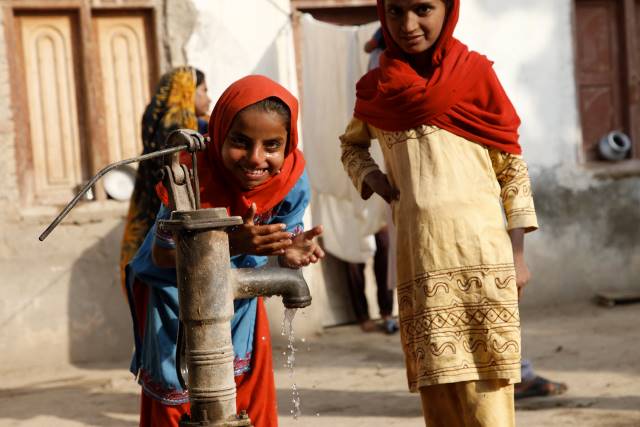
  3. Lack of Clean Water: When Zaroon visited Kashaf’s home soon after their marriage, the water stopped running while he was washing his face. This reflects how Pakistan is one of 36 countries in the midst of a water crisis. Currently, there are less than 1,000 cubic meters of annual water availability for every person within the country. About 80% of those living in 24 major Pakistani cities do not have access to clean water. One can say the same for 16 million people living in the slums of Karachi. This is due to an increase in population, environmental challenges, mismanagement of water systems in the agricultural sector and the overpriced cost of the water that water trucks provide. If resources within the country continue to decline at this rate, the country will be scarce of water by 2025.
  4. Electricity: When Zaroon spends his first night in Kashaf’s home, the electricity goes out. While Kashaf and her family are used to living without air conditioning in Pakistan’s heated climate, it is clear that Zaroon is not. Approximately 25,000 megawatts of electricity are necessary for Pakistan, and the need increases by more than 5% each year. However, the government has only been able to supply 20,000 megawatts of electricity so far. This has left millions of Pakistanis without electricity at any given time.

The drama “Zindagi Gulzar Hai” highlights the challenges that millions of people face as a result of poverty in Pakistan. This will inevitably spread awareness about the problem, instigate much-needed conversations and inspire the world to take action.

– Rida Memon
Photo: Flickr

September 16, 2020
https://borgenproject.org/wp-content/uploads/borgen-project-logo.svg 0 0 Kim Thelwell https://borgenproject.org/wp-content/uploads/borgen-project-logo.svg Kim Thelwell2020-09-16 20:36:462024-06-07 05:08:08“Zindagi Gulzar Hai” and Poverty in Pakistan
Global Poverty, Women and Female Empowerment, Women's Empowerment, Women's Rights

5 Facts About Women’s Rights in Sudan

Women’s Rights in Sudan
For decades, the subject of women’s rights has been at the forefront of media and politics. While progress has been made, women’s rights in Sudan still lag behind other countries. Women in Sudan are fighting for equal rights amid new legislation such as the Personal Status Law of 1991, which allows child marriages and states that women can only marry if they have consent from a father or male guardian. Here are five facts about the women’s rights movement in Sudan.

5 Facts About Women’s Rights in Sudan

  1. Women make up 70% of protesters. As women band together to protest against laws and government officials that want to limit women rights, Global Fund for Women estimates that women account for nearly 70% of protesters in Sudan. The women taking part in these protests have labeled their movement “the women’s revolution.” Although many women have been beaten or flogged, they stand strong and continue to protest.
  2. Many of the laws women are protesting stem from long-lasting traditions. Tradition is important in Sudan’s culture — but tradition does not justify oppressive laws. Laws in Sudan restrict women from wearing pants, enjoying equality and representation in government and escaping child marriage. Modern women demand equal rights; however, rights are difficult to attain when women have a limited voice within government and law.
  3. Women in Sudan have been fighting for their rights for over 30 years. Under the oppressive rule of dictator Omar al-Bashir, women in Sudan have had to fight for basic equal rights since 1989. While inequality did not start with Al-Bashir, he did support and enforce laws that limit women’s rights. Military and government officials beat, rape and murder women for speaking out against years of abuse and inequality.
  4. The women’s revolution movement helped overthrow Al-Bashir. In 2019, women refused to stay silent as Sudan began to rise up against Al-Bashir. Even though they had to deal with persecution from the military, women continued to rise up against their oppressors. According to Harvard International Review, protesters such as Alaa Salah and Lina Marwan stood strong to tell their stories of inequality, continuing to protest even after being harassed by Sudanese military officials.
  5. The “No to Women Oppression Initiative” promises a better future for women in Sudan. As of January 2020, West Kordofan started its first “No to Women Oppression Initiative.” Though currently the only initiative of its kind, this may spark further collaborations between women’s rights organizations across Sudan. These organizations are also continuing to discuss violence against women with Sudan’s government, in hopes of attaining equal rights.

These five facts about women’s rights in Sudan indicate that the country has a long way to go in achieving equal rights for women. But as protests continue and women persist in fighting for their rights, this country can hope for a stronger, more equitable future. Moving forward, it is essential that women in Sudan receive international support for their protests. By working together, conditions for women in Sudan can improve.

– Olivia Eaker
Photo: Flickr

September 16, 2020
https://borgenproject.org/wp-content/uploads/borgen-project-logo.svg 0 0 Kim Thelwell https://borgenproject.org/wp-content/uploads/borgen-project-logo.svg Kim Thelwell2020-09-16 17:36:012020-09-16 17:36:015 Facts About Women’s Rights in Sudan
Education, Food Security, Global Poverty

5 Facts About Transportation in Impoverished Areas

transportation in impoverished areas
Transportation plays a major role in the development of a region. A lack of transportation impacts a large population of the global poor, from those in rural regions looking for urban jobs to students who need to commute to school. There is great potential for transportation in impoverished areas to stimulate growth and increase opportunities for underserved communities. Here are five facts about transportation in impoverished areas.

5 Facts About Transportation in Impoverished Areas

  1. Access to Transportation: Though a seemingly simple topic, transportation is quite complex for many people across the globe. There are many potential obstacles to accessing transportation. For example, public transport remains unaffordable to many poor people. Relatively high fares make public transportation unattainable for the bottom 20% of the income pyramid.
  2. Increased Job Opportunities: In developing regions, a large portion of economically disadvantaged people live in rural areas. Transport conditions are frequently difficult and draining for these rural poor. A study found that transportation services in rural sub-Saharan Africa actually helped reduce poverty and encourage growth. Improved transportation generally increases access to opportunity for the poor, potentially leading to increased income and ownership of assets. Eventually, these improvements support sustained economic growth for individuals, spurring generational change.
  3. Access to Education: Many students in impoverished areas find that commuting to and from school takes a toll on their physical and mental capacity to learn. In many cases, students drop out of primary school because they have to walk long distances to reach school. In fact, in the absence of paved roads, only 21% of rural girls and 58% of rural boys attend school. On the other hand, if a paved road exists, school enrollment rates increase to 48% for girls and 76% for boys.
  4. Food Security: Access to food and the risk of hunger remain major threats to the global poor. Although rural economies in developing countries are predominantly agrarian, approximately 45% of land area in low-income countries is located more than five hours away from the main market. Without proper infrastructure, farmers cannot sell their produce to a larger market. For instance, poor road links were shown to raise transport costs of bananas in Kenya by 14%. Better transportation systems improve the efficiency of food distribution by connecting regions, while also lowering vehicle damage.
  5. Gender Disparities: There is an obvious gap between the number of men and women in poverty. Despite increasing their participating in the labor force, women end up with lower salaries, often working in the informal sector. Unequal access to transportation perpetuates this trend. In Pakistan, where 75% of women engaged in non-agriculture jobs in the informal economy, a lack of access to public services adversely impacted women’s economic security. Due to fear of violent street crime and abuse, a disproportionate share of women’s commutes in cities are walking trips.

Transportation is a necessary investment to fight global poverty and lift living conditions for those abroad. Governments must work hard to improve access to transportation in impoverished areas. However, foreign aid stands to elevate local governments’ abilities to meet citizens’ basic needs.

– Elizabeth Qiao
Photo: Flickr

September 16, 2020
https://borgenproject.org/wp-content/uploads/borgen-project-logo.svg 0 0 Kim Thelwell https://borgenproject.org/wp-content/uploads/borgen-project-logo.svg Kim Thelwell2020-09-16 17:22:122020-09-16 17:22:115 Facts About Transportation in Impoverished Areas
Global Poverty, Women's Empowerment

Innovations in Poverty Eradication in Côte d’Ivoire

Innovations in Poverty Eradication in Côte d'Ivoire
Côte d’Ivoire, otherwise known as the Ivory Coast, is a country nestled in the western panhandle of the African continent. Though the country has been war-torn since 2010, Côte d’Ivoire is becoming a vital part of the world economy. Poverty in Côte d’Ivoire affects more than 46% of the population; however, the country is working to provide more jobs, funding and resources for its citizens. Here are five innovations in poverty eradication in Côte d’Ivoire.

Working with World Organizations

The government of Côte d’Ivoire is working with world organizations to help Ivorian citizens. With aid from the World Bank and the International Monetary Fund (IMF), Côte d’Ivoire is supporting economic growth and the eradication of poverty through Results-Based Management (RBM) and the implementation of Poverty Reduction Strategies (PRS).

Within the PRS document established in 2009, government officials outlined multiple poverty eradication goals. Among these goals are greater accessibility to food and healthcare as well as increased job opportunities for men and women.

Another notable organization working alongside the government to eradicate poverty in Côte d’Ivoire is the Sustainable Development Goals Fund (SDGF). This organization seeks to help vulnerable populations, such as women and children, achieve financial stability through training, counseling and education. Specifically, SDGF provides education for women who have dropped out of school or who are looking to generate their own income.

New Strategies for Ending Hunger

Among the innovations in poverty eradication in Côte d’Ivoire is adopting new strategies for ending hunger. In 2016, the Côte d’Ivoire government, with help from the World Food Programme (WFP), created a National Development Plan (NDP) to facilitate the country’s transition to becoming a middle-income economy by 2020. With help from WFP, the Ivorian government aims to increase access to food banks and work more closely with other organizations to end malnutrition.

Previously, in 2009, the Ivorian government worked with the IMF and World Bank to establish strategies for ending hunger throughout the country. To achieve this goal, Côte d’Ivoire vowed to modernize storage techniques of fresh produce, make food more widely accessible, increase the production of rice and update health standards for food supply.

Other Avenues for Helping Citizens

In Côte d’Ivoire, the mining sector is undervalued. While the mining industry previously focused on gold, there is an increased interest in nickel, iron and manganese. By expanding geographical data of the land, the mining industry could see vast profit and job increases.

Further, enhancing transportation — public and private — could help citizens escape poverty in Côte d’Ivoire, as well as better integrate the country into the international economy. Allocating more funds to road infrastructure, road maintenance and other modes of transport can facilitate domestic trading. Additionally, it could help individual citizens have better access to basic services and economic opportunities.

Becoming an Active Partner in the Global Market

The 2018-2022 Country Strategy Paper (CSP) suggests that to maintain favorable economic growth, Côte d’Ivoire should attract global investments, employ economic reforms and create more agriculture-industrial chains of supply. With support from the CSP and the World Bank, Côte d’Ivoire will receive loans to reach their economic development goals.

Côte d’Ivoire is further strengthening their economy through investments in the mining and electricity sectors, and by simplifying the start-up process and tax-paying procedure for small businesses.

Mending Gender Disparities Associated with Poverty

While gender inequalities still exist in Côte d’Ivoire, the government is working to make employment and educational opportunities more equal. More than 50% of women in Côte d’Ivoire are uneducated, and 73.7% of women are illiterate. In comparison, only 36% of men receive no education, and 46.7% of men are illiterate. To combat these disparities, funding is set aside for activities that specifically empower women. Further, more women are chosen to participate in important projects, thanks to the Affirmative Finance Action for Women in Africa (AFAWA).

With more concentrated funding in education and the job market, impoverished women can establish themselves in society and regain economic stability. According to the World Bank, it is in the country’s best interest financially to incorporate more women in the job market.

Conclusion

These innovations in poverty eradication in Côte d’Ivoire show the government’s focus on addressing this issue. It is imperative that the country continue to receive funding to incorporate itself into the international economy. By sticking to these strategies and working with world organizations, the government will hopefully be able to eradicate poverty in Côte d’Ivoire.

– Danielle Kuzel
Photo: Flickr

September 16, 2020
https://borgenproject.org/wp-content/uploads/borgen-project-logo.svg 0 0 Kim Thelwell https://borgenproject.org/wp-content/uploads/borgen-project-logo.svg Kim Thelwell2020-09-16 16:59:432020-09-16 16:59:43Innovations in Poverty Eradication in Côte d’Ivoire
Page 975 of 2161«‹973974975976977›»

Get Smarter

  • Global Poverty 101
  • Global Poverty… The Good News
  • Global Poverty & U.S. Jobs
  • Global Poverty and National Security
  • Innovative Solutions to Poverty
  • Global Poverty & Aid FAQ’s
Search Search

Take Action

  • Call Congress
  • Email Congress
  • Donate
  • 30 Ways to Help
  • Volunteer Ops
  • Internships
  • Courses & Certificates
  • The Podcast
Borgen Project

“The Borgen Project is an incredible nonprofit organization that is addressing poverty and hunger and working towards ending them.”

-The Huffington Post

Inside The Borgen Project

  • Contact
  • About
  • Financials
  • President
  • Board of Directors
  • Board of Advisors

International Links

  • UK Email Parliament
  • UK Donate
  • Canada Email Parliament

Get Smarter

  • Global Poverty 101
  • Global Poverty… The Good News
  • Global Poverty & U.S. Jobs
  • Global Poverty and National Security
  • Innovative Solutions to Poverty
  • Global Poverty & Aid FAQ’s

Ways to Help

  • Call Congress
  • Email Congress
  • Donate
  • 30 Ways to Help
  • Volunteer Ops
  • Internships
  • Courses & Certificates
  • The Podcast
Scroll to top Scroll to top Scroll to top