The Effects of Fast Fashion in West Africa
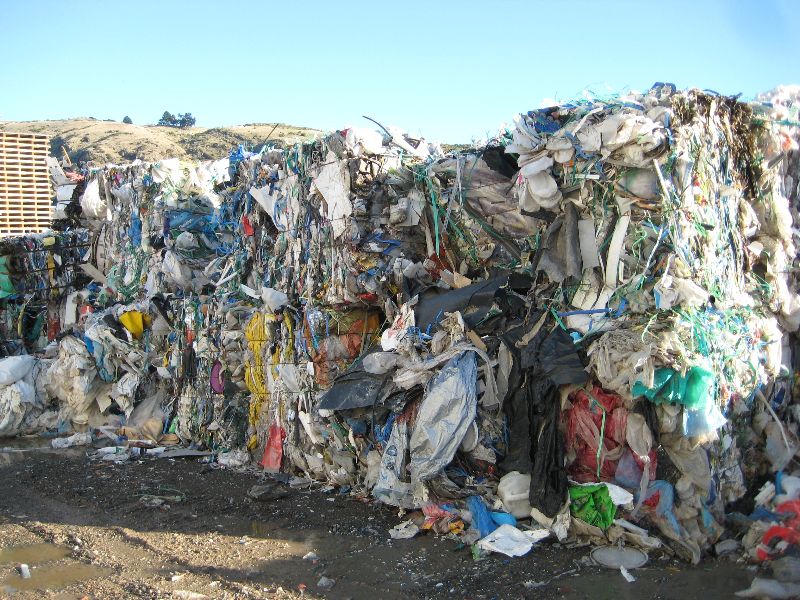 In Accra, Ghana, landfills of rotting garments flood dumpsites. The place is overwhelmed with the results of fast fashion that no longer serves a purpose—but to take up space. In 2018, the United Kingdom’s interest in fast fashion has resulted in as many as 300,000 tons of clothing to be sent to landfills. This has resulted in the Kpone landfill being one of the main targets for the landfills in Accra. With the capacity of the landfills being quickly met, sanitation risks come into play. Residents of places like Kpone are now dealing with the blow of disease and solutions are needed to address the effects of fast fashion in West Africa.
What is Fast Fashion?
Fast fashion is the creation of quickly made cheap clothes that aim to fit the ever-changing trend of fashion. These clothes are likely to be advertised on Instagram and by retailers, such as Zara, BooHoo or ASOS. A majority of its operations are online and due to the popularity, 24% of all U.K. apparel sales were online in 2018. The continuous growth of the fashion industry has resulted in an expansion of landfills being filled with tossed clothing that no longer fit the trend. According to studies, the U.K. sends 10,000 items of clothing to landfills every five minutes, with places like Accra being overflooded.
The Kpone Landfill
In 2013, Accra’s most prominent landfill in Kpone opened. It served the purpose of receiving 700 tons of waste daily. The Accra Metropolitan Assembly (AMA), the local government, has also allocated the pick up of 70 tonnes of clothing waste from Kantamanto, Accra, daily.
This process began in 2016 and four years later Kpone is now overflowing with waste. However, despite Kpone receiving Kantamanto’s clothing waste, most of it does not reach the landfills and instead gets swept into gutters due to AMA’s inability to finance transportation for the waste.
Risks of Fast Fashion
Clothing waste tends to get tangled up in big knots that clutter up gutters and stop the flow of water and waste. These tangled messes lead to life-threatening floods and the spread of diseases such as malaria and cholera, which are especially devastating to the poor. The waste is leading to fatalities.
Kayayei, female transporters for waste, live near landfills in Old Fadama, Accra. These women breathe in the toxic air and carry up to 200 pounds of clothing to transport to retailers. It is not uncommon for these women to die by the weight they carry while on their travels, which could be up to a mile long. The sad reality of this is that women are risking their lives for less than a dollar to transport waste.
Efforts Being Made to Address Fast Fashion in West Africa
As of 2020, 7,800 men and women have worked toward the goal of collecting and recycling the waste in Kpone. These waste pickers are paid for their efforts and the work serves as a key survival tactic for those struggling to find employment. Approximately, 60% of recyclable waste has been collected by these workers.
However, despite the workers’ efforts being beneficial they are often looked down upon and are regularly met with harassment. Also, poor sanitation from the landfills put waste pickers at risk for health hazards. Yet, mobilizations among these workers have become common in recent times. International waste pickers associations have worked to have the local government in Kpone establish health posts near landfills and enforce sanitation rights.
The Future of Fast Fashion
The COVID-19 pandemic seems to have brought fast fashion to a halt. Christian Orozco, an associate of The OR Foundation, is optimistic about the future of fast fashion amid the pandemic. “The coronavirus has forced retailers that support fast fashion to close down their stores. This creates a big impact on the distribution of clothes and can slow it down,” explains Orozco.
Fewer people are purchasing clothing online due to the question of when they will be able to wear them out. Places like H&M, a huge retailer for fast fashion, have also been affected by COVID-19, leading to the closing of 250 stores worldwide. Additionally, clothing sales altogether have dropped by 34%, bringing forth the question of how the future of fast fashion will impact regions like West Africa.
– Ashleigh Jimenez
Photo: Flickr
