• Link to X
  • Link to Facebook
  • Link to Instagram
  • Link to TikTok
  • Link to Youtube
  • About
    • About Us
      • President
      • Board of Directors
      • Board of Advisors
      • Financials
      • Our Methodology
      • Success Tracker
      • Contact
  • Act Now
    • 30 Ways to Help
      • Email Congress
      • Call Congress
      • Volunteer
      • Courses & Certificates
      • Be a Donor
    • Internships
      • In-Office Internships
      • Remote Internships
    • Legislation
      • Politics 101
  • The Blog
  • The Podcast
  • Magazine
  • Donate
  • Click to open the search input field Click to open the search input field Search
  • Menu Menu

Archive for category: Global Poverty

Key articles and information on global poverty.

Education, Global Poverty, Technology

Initiatives to Fight Educational Disparities in Brazil

Educational Disparities in Brazil
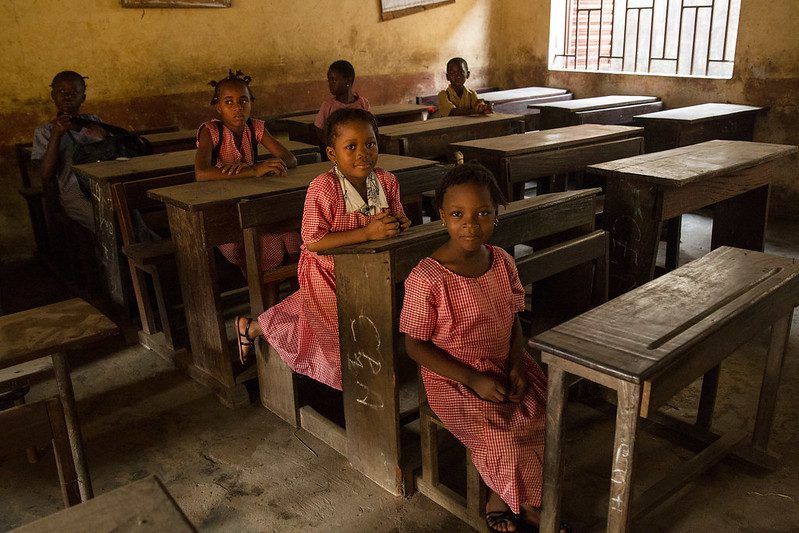
A number of organizations are working with local governments to combat educational disparities in Brazil. In 2021, people are living in a modern world that has deep connections to the internet, so a significant disparity for education in Brazil is access to connected technology. A majority of Latin American students lack access to digital devices with internet connections. A 2018 report stated that less than 30% of students in major countries including Brazil and Argentina had access to the web. One of the few countries with a majority of students connected to the internet is Chile. For context, around 18% of “remote rural” students in Mississippi lack internet connections. Students, especially those in extreme poverty, need access to the web, and educators need the proper equipment to teach their students.

Disparity Between Urban and Rural Students

A few factors play into the educational disparities in Brazil. The country invests one of the lowest shares of its GDP into primary and tertiary education. This may directly link to the fact that approximately 11.5 million Brazilians over the age of 15 are illiterate. A 2017 poll of public school teachers in Brazil found that “two-thirds of Brazilian public school teachers cite poor equipment as a reason for not using technological resources in the classroom.” Research shows that educational equipment and tools along with internet access at schools improve student academic performance. Meanwhile, rural students continue to have access to a limited number of technological resources. 

A large education disparity in Brazil exists between rural and urban students. Both rural and urban students transitioned from in-person to online school during COVID-19. However, teacher Ivonaldo Lopes de Araújo found that half of his class lacked access to the internet. Brazil’s government, international organizations and Google for Education are working to fix these issues.

Google for Education

Google’s parent company, Alphabet, created a program called Google for Education. The mission of the program involves “directing [its] products, people, programs and philanthropy toward a future where every student has access to the quality education they deserve.” Specifically, the program helps fund initiatives and institutions in Brazil that provide technology access for students and teachers. Colégio Agostiniano São José is a reference school for Google. The school has experience using Google Workspace and Chromebooks. The college services early childhood education and grade school educators and classrooms. Certified coaches run workshops for Brazilian educators, in which the coaches teach the educators how to properly utilize the technology in classrooms.

Google also spotlights Latin American innovation projects. In 2018, Google highlighted a few ways that the organization partnered with local governments in Brazil to make computers accessible to students and teachers in public schools. Carol Neris, a high school student, created an app called Hack Health, which gives users information about health resources near the students. The app shows doctor availability, vaccine availability and other information that bridges educational access gaps for locals. Other students from a reference school in São Paulo’s Colegio Magno developed a way to condense local water sources into drinkable water. The students even created a system to purify and use river water to grow vegetables for the cafeteria to use. Students and educators are using the technology resources available to enhance student education and improve local communities.

Resources from UNESCO

The United Nations Educational, Scientific and Cultural Organization (UNESCO) outlined information and technology use in Brazilian education. The U.N. organization developed a program that works with regional governments and institutions to contribute resources to enhance the classroom. The program’s goals include providing policy support, training educators and promoting inclusive education that bridges economic and gender gaps. The program also collects statistics that help UNESCO develop and refine the program.

How Partnerships Help

Educational disparities in Brazil exist because of historical underfunding that has led to a limit on the technological resources available to educators and students. However, local education administrations that partner with Google and UNESCO help bridge the technology gap in public schools. While these programs cannot fix the lack of funding, the initiatives help promote technology and communication access in Brazil, which gives students and educators the necessary resources to succeed in this interconnected world.

– Jacob Richard Bergeron
Photo: Flickr

June 2, 2021
https://borgenproject.org/wp-content/uploads/borgen-project-logo.svg 0 0 Kim Thelwell https://borgenproject.org/wp-content/uploads/borgen-project-logo.svg Kim Thelwell2021-06-02 07:30:302021-06-01 08:34:50Initiatives to Fight Educational Disparities in Brazil
Global Poverty

Tourism in Turkey Could Be Turning a Corner Post-Pandemic

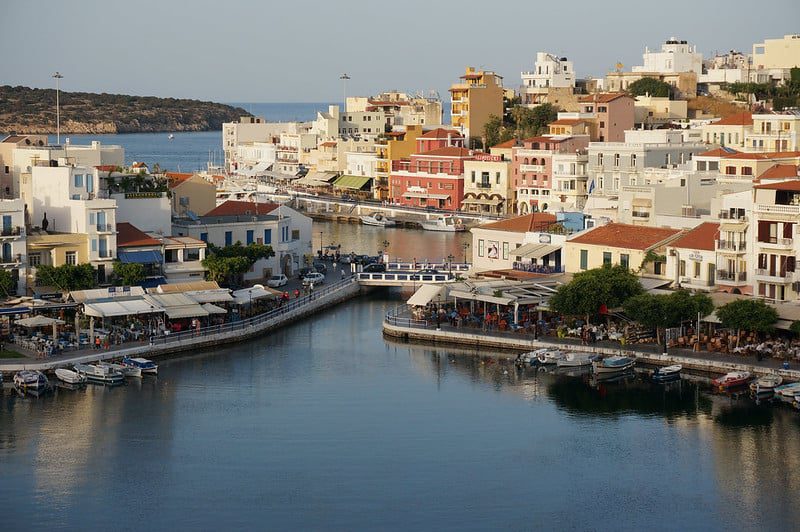
Tourism in TurkeyThe COVID-19 pandemic gripped the world over a year ago and tourism worldwide has since seen a considerable decline. Turkey heavily relies on its tourism industry and previously hosted hundreds of thousands of visitors daily. But in 2020, figures fell significantly due to the virus and subsequent travel restrictions. However, implementation of increased safety measures provides hope for the tourism industry in Turkey. 

The Pandemic’s Effects 

With a rich cultural history, Turkey offers a variety of stunning historic sites and tourist attractions. In recent years, the country has ranked among the top 10 most-visited countries worldwide, according to WorldAtlas. Places like Istanbul and Antalya draw in millions of visitors, creating thousands of jobs as well as revenue for the country. This was before the pandemic. 

The COVID-19 pandemic was devastating for many countries, especially those that relied on tourism and travel for economic stability. For Turkey, the pandemic led to up to $12 billion in lost revenue and slashed tourism rates by 75% in the first half of 2020 compared to the previous year.

Contrasting those dim statistics, Turkey was labeled as a success last year by the WHO due to its fast actions in containing the virus. The Turkish government quickly instituted strict curfews for citizens,  which proved successful and indicated a quick end to the virus. Consequently, President Recep Tayyip Erdoğan loosened restrictions in Turkey’s “controlled normalization” phase in early 2021. Since then, there has been a drastic spike in cases this year. There is an estimated 1000% increase in daily cases, with an average of around 50,000 cases per day. Despite Turkey’s impressive initial control of COVID-19, deaths have doubled since the end of 2020. 

Turning a Corner with Safety

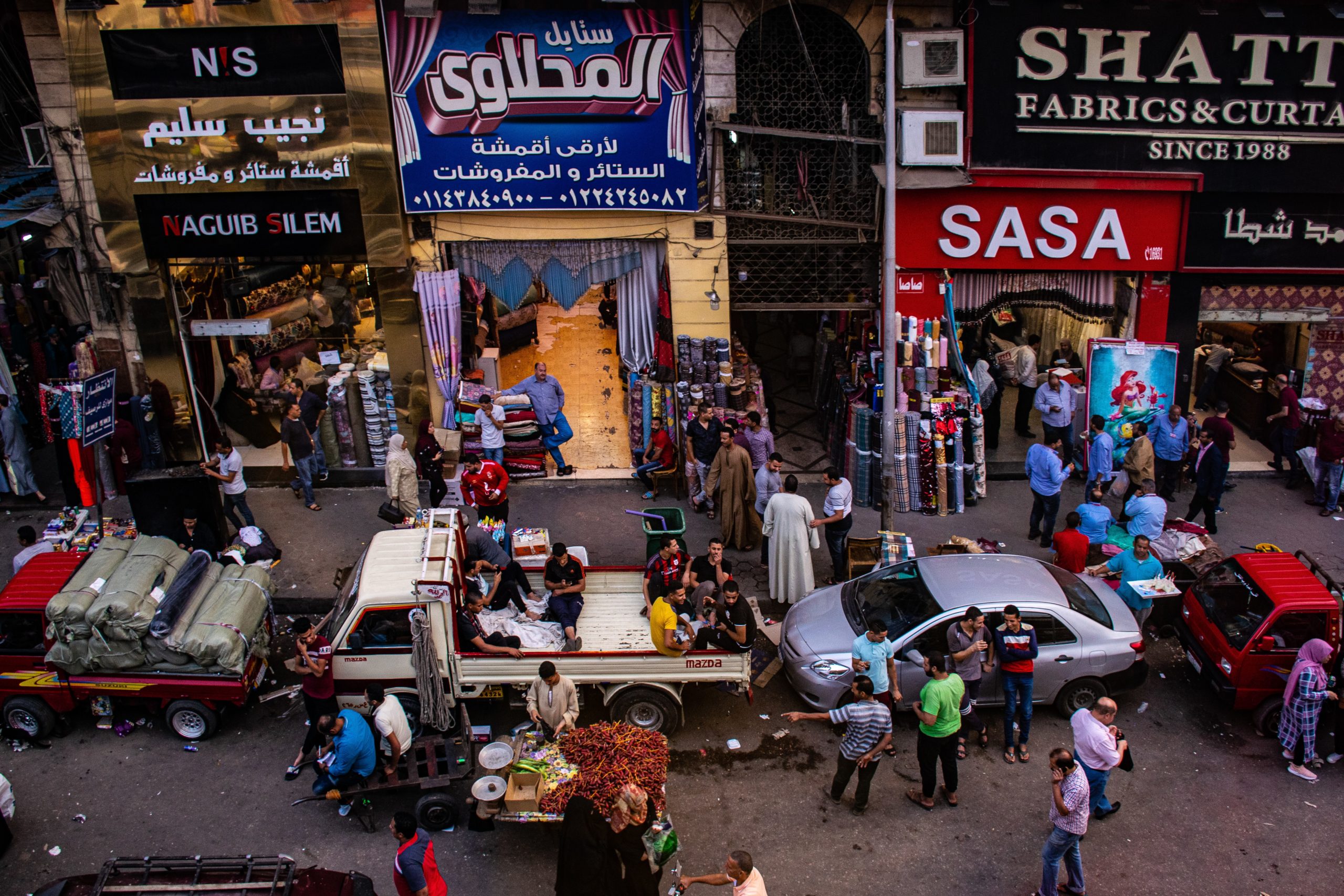
When will former capacity return to sites like Istanbul’s Grand Bazaar? That is the main question business have in 2021. In response, the president of Turkey’s Travel Agencies Union, Firuz Bağlıkaya, stated that tourist agencies plan to create the best experiences possible for tourists rather than increasing tourism rates. As such, the government has begun to roll out what it calls the Safe Tourism Certification Program, which is spearheaded by the Ministry of Culture and Tourism.

The program is mandatory for businesses with 30 or more rooms and optional for smaller businesses. After a company applies, an accredited team comes to assess the safety of the establishment. Companies that pass the inspection are then announced on the Ministry of Culture and Tourism’s website. Certified companies also receive safety logos that are visibly placed throughout the facilities. To ensure continual safety, periodic inspections occur in both a planned manner and secretive visit on a monthly basis. All of this information is made easily accessible to everyone, including guests, by simply scanning the QR code found on every safety logo. 

Tourism Season in 2021

Although small businesses and vendors in Turkey have been hit hard, things are looking up for the country’s tourism industry. According to Firuz Bağlıkaya, European countries rolling out vaccines at higher rates is an encouraging sign for the tourism industry. Tourists from these countries may be more inclined to travel, which is very important since the tourism industry relies on foreign traffic. Additionally, establishments within Turkey are measuring up to safety standards due to the Safe Tourism Certification Program. This will entice more visitors to come back the country and see its famous sites. With increased vaccine rollouts and continued safety protocols, Turkey may be back on its feet for the 2021 tourism season.

– Maddie Youngblood

Photo: Flickr

June 2, 2021
https://borgenproject.org/wp-content/uploads/borgen-project-logo.svg 0 0 Kim Thelwell https://borgenproject.org/wp-content/uploads/borgen-project-logo.svg Kim Thelwell2021-06-02 01:31:262024-05-30 22:23:30Tourism in Turkey Could Be Turning a Corner Post-Pandemic
Food Security, Global Poverty

Promoting Food Security in Odisha through Maize

Food Security in Odisha
According to the World Bank, the poverty rate in Odisha is 33%, making it one of the most impoverished states in the country as of May 2016. Shifting weather patterns, which have imperiled the traditional crops, are further straining food supplies in the region. In 2013, the International Maize and Wheat Improvement Center (CIMMYT) partnered with multiple organizations, both international and local, to introduce maize to the people of Odisha. The ultimate goal of the organization is to improve food security in Odisha. The method centers on new technology, education and female empowerment.

International Aid and Local Know-How

In a widespread effort to address food security in Odisha, CIMMYT partnered with three other organizations, the Cereal Systems Initiative for South Asia (CSISA), the Odisha Rural Development and Marketing Society (ORMAS) and the Integrated Tribal Development Agency (ITDA). On the local level, the organization had the assistance of the State Department of Agriculture of Odisha and two federations of women’s self-help groups. This diverse network combined the financial and technological muscle of international aid with the immeasurable value of local expertise.

From Fallow to Fertile

In Odisha, 60,000 hectares of land are fallow due to farmer aversion to risk and lack of knowledge with regard to resilient farming practices. CIMMYT saw an opportunity, targeting the uncultivated plots as proving grounds for the value of maize, which requires less labor and fertilizer than wheat and paddy. Critically, maize is also cheaper than traditional crops.

CIMMYT and CSISA provided fertilizers, machines to dig up weeds and drills to sow the seeds. These types of technology increase crop yields. The results have been encouraging, as a total of 5,400 hectares of once-fallow lands now include maize crops. In northeastern Odisha, in the Mayurbhanj district, approximately 50 farmers have taken up maize cultivation, which has provided the farmers with a new source of income in December 2020.

Women Taking the Lead

Odisha is a primarily rural state. According to the World Bank, over half of the population work in farming. In order to achieve food security in Odisha, women must be able to play a larger role in the agrarian sector. Traditionally, women have had to care for the children, manage the household and support husbands in a myriad of ways. Even when women worked on the farms, it counted as “day labor,” just another manner of supporting their husbands rather than focusing on true livelihood.

CIMMYT and its affiliates worked to change this trend, relying on local women’s groups in order to foster trust and buy into the program. As a result, women have begun to take on leadership roles, a significant step toward food security in Odisha. CIMMYT boasts that 28% of the farmers who have adopted maize cultivation are women. Furthermore, the women of Odisha are prevalent within the training programs. They are graduating from gaining general awareness to specializing in specific subjects, laying the groundwork for them to take on leadership roles. During COVID-19, with many men out of work, women supported families by selling green corn.

Promising Returns

Encouraged by early indicators of success, people fighting for food security in Odisha are looking to expand efforts throughout the state. As weather patterns continue to shift, farming practices have to become more efficient and resistant. CIMMYT and its affiliates believe that all populations in Odisha, regardless of gender, should reach their full potential.

– Greg Fortier
Photo: Flickr

June 2, 2021
https://borgenproject.org/wp-content/uploads/borgen-project-logo.svg 0 0 Kim Thelwell https://borgenproject.org/wp-content/uploads/borgen-project-logo.svg Kim Thelwell2021-06-02 01:30:242021-05-31 13:36:29Promoting Food Security in Odisha through Maize
Global Poverty, Women

How Unbound is Fighting Global Poverty

Unbound is Fighting Global Poverty
The challenge of addressing global poverty requires a multitude of solutions and approaches. The nonprofit organization Unbound is fighting global poverty one person at a time. Unbound makes poverty personal by connecting the sponsored family with the sponsor supporting them. It formed as a grassroots program built on a foundation of human connection that gives a hand to struggling families worldwide. The nonprofit currently works in 19 nations, creating mothers’ groups and supporting families out of poverty. To discuss how Unbound helps impoverished families worldwide every day, The Borgen Project interviewed Scott Wassermann, the CEO of the organization.

Scott got his start at Unbound volunteering for the board. His wife, Annabella, pushed him to sponsor a child. After sponsoring his first child, he and his wife received an invitation for a homecooked meal from the founders. This is when he realized that Unbound was a community organization that is changing the world. He continued to work on the board while also working as a juvenile lawyer. During this time, Scott grew closer to the founders and their mission.

Unbounds’ Approach to Ending Global Poverty

The Borgen Project asked Scott why the founders had the drive to end global poverty. He said, “We had two principal founders [Bob and Bud Hentzen], about five people total [Bob, Bud, Jim and Nadine Hentzen and Jerry Tolle], but two are really leading it.” They had spent time serving in Latin America, living among the poor. Upon their return to the United States, they longed to continue their work. The founders asked themselves what they valued from their time in Latin America. Scott says the answer was simple: “The people we met, the families we knew.” Unbound built the foundation on community and humanity. It understood from its inception the power that one person can have, no matter how small.

Unbound’s approach to resolving poverty is unique. It makes use of terms such as the airplane view, plaza view and porch view to explain the multiple approaches to poverty. Scott explains these terms as follows: “The airplanes view our global evaluations; the Plaza view is community evaluations and porch view as individual families. And that’s where our heart is, is a porch.” Using this kind of imagery helps others grasp that different approaches are necessary to end global poverty. By working together, more progress can happen.

How Unbound is Fighting Global Poverty and Changing Lives

Unbound helps impoverished people get ahold of the resources they need to thrive. That means providing funding, education and aid to help provide better occupations and standards of life for sponsored families. It does this by setting up a bank account for families and giving them the monthly funds from their sponsor. That money also goes toward distributing resources that would offer the most aid for that person’s specific situation. For example, Unbound helps communities facilitate solar panels or hold classes on how to use a computer. Unbound’s goal is to support impoverished communities to give them the funding and resources to live a happy, healthy life.

Unbound Mother Groups

Mothers groups are more recent programs. These groups offer an added layer of support for women in extreme poverty. Women, in many cases, suffer from a higher level of marginalization in impoverished areas than men do. Unbound addressed this by utilizing the need for community support. Thus, the mother groups emerged, consisting of different mothers from the same community. Scott Wassermann told a story about a mother group that he had met in India.

“Anabella [Scott’s wife] and I were meeting with a mother’s group in Allahabad, India and what was amazing about this group was that there were both Hindus and Muslims in this group. They were telling us that even though they lived on the same block, they had never met each other…They created these lime green saris because we didn’t want any difference between Hindus and Muslims in Unbound. So, they say we all wear the same color of saris.” The group told them that, when one of the mothers in the group fell ill, all the other members cared for her and her family. This story shows the power of humanity and offers a hand up.

The Power of Group Support

The nonprofit’s success demonstrates that giving others the tools that they need to reach their goals produces promising results. Many people living in extreme poverty have no knowledge of where or how to lift themselves out of poverty. Unbound is fighting global poverty and has reached thousands of people in all 19 countries it works in.

– Rachel Wolf
Photo: Unsplash

June 2, 2021
https://borgenproject.org/wp-content/uploads/borgen-project-logo.svg 0 0 Jennifer Philipp https://borgenproject.org/wp-content/uploads/borgen-project-logo.svg Jennifer Philipp2021-06-02 01:30:142021-07-28 08:50:18How Unbound is Fighting Global Poverty
Global Poverty

Mental Health in Finland: The World’s Happiest Country

Mental Health in Finland
The United Nations has ranked Finland as one of the happiest countries on earth for the last eight years. Praised around the world for its low inequality, high employment rate, successful education system and overall high living standards, it is hard to believe that poor mental health is something that plagues the small Nordic country. Here is some information about mental health in Finland.

Mental Health in Finland

Mental illness affects roughly one in every five Finnish people. This is higher than the European average and has a particular effect on the country’s younger population. Due to the country’s global reputation as the happiest country on earth, young people feel less inclined to speak up about their struggles, some even feel that their struggles are invalid due to where they live.

Mental health in Finland is not a new issue. The country dealt with dramatically high suicide rates in the 80s and 90s. This led to the creation of the National Suicide Prevention Project in 1986. The Project focused on preventing suicide by strengthening mental health services throughout the country, educating the media on reporting suicides and improving public conversation on mental health. The project was extremely successful as the country’s suicide rates decreased by 50% since 1990.

Although the country’s approach to mental health improved over the last four decades, people in Finland continue to suffer. Fear of stigmatization regarding mental health is increasing as others continue to paint the country as the land of no worries. Officials recognize this growing issue and have proposed a new Suicide Prevention Plan for 2020-2030. The Finnish Institute for Health and Welfare partnered with the Ministry of Social Affairs and Health to create a list of objectives for the coming decade. Here is a list of its objectives.

The Finnish Institute for Health and Welfare’s List of Objectives

  1. Raising Awareness: The Finnish government aims to raise awareness about mental health and improve public dialogue by training community members to break down prejudices and provide suicide prevention education to the general public. Trained community members would include teachers, police officers, social workers, school counselors, youth workers, pastors and more.
  2. Reduced Accessibility to Means of Suicide: This objective includes improved planning of infrastructure including buildings, bridges and railways to include suicide preventative architecture. This objective also focuses on creating regulation for the storage of toxic substances, prescription drugs and firearms.
  3. Early Intervention: The Finnish government has put particular emphasis on the importance of addressing mental health during the early stages. This objective focuses on improving telephone helplines to be more inclusive. It also will create online help-centers and offer better educational support to those experiencing non-emergency effects of mental illness.
  4. Inclusivity for High-Risk Groups: This objective aims to create suicide prevention programs that are specific to high-risk groups, including the LGBTQ+ community, those living in poverty, asylum seekers, indigenous people, those suffering from substance abuse and victims of violence. The goal is to make individuals feel heard instead of creating blanketed campaigns that do not address any specific issues.
  5. Improved care options. This objective focuses on Finland’s healthcare system and the care options given to those suffering from mental illness. This includes advancements in online outreach programs and training for healthcare providers to identify signs of mental illness. Furthermore, it establishes emergency care for those at risk of committing suicide and assistance for families affected by suicide.

Mental health in Finland is a serious issue. It cannot afford to be brushed off by the reputation of the happiest country on earth. The Finnish Government does not wish to hide the country’s problems behind this title. It would rather live up to it. Through this new program, the people of Finland anticipate a more inclusive future and a public conversation that embraces the ups and downs of mental health instead of ignoring them.

– Kendall Couture
Photo: Flickr

June 1, 2021
https://borgenproject.org/wp-content/uploads/borgen-project-logo.svg 0 0 Kim Thelwell https://borgenproject.org/wp-content/uploads/borgen-project-logo.svg Kim Thelwell2021-06-01 14:10:012021-06-01 14:10:01Mental Health in Finland: The World’s Happiest Country
Global Poverty

Aiding Farmers During Drought in Taiwan

Drought in Taiwan
For the first time in nearly 60 years, not a single typhoon hit the island of Taiwan in 2020. With no typhoons and little rain otherwise, the current drought in Taiwan is the worst the country has endured in decades.

Although droughts occur every few years, the current drought in Taiwan has brought water levels in the country to alarmingly low levels. Reservoirs in the country are very dry, with some reaching less than 10% total capacity. So far, the drought has lasted for more than 18 months. With 2021’s rainy season already nearly over, the end for Taiwanese citizens and farmlands is nowhere in sight.

Affecting the Farmers

Doughts have hit Taiwanese farmers particularly hard. The Taiwanese government has stopped irrigating more than 74,000 hectares of farmland. This was to conserve water and protect the island’s booming microchip manufacturing infrastructure. Manufacturing giant Taiwanese Semiconductor Manufacturing Company (TSMC) reportedly uses up to 156 million liters of water daily while recycling an estimated 86% of consumed water. Farmers have transitioned from traditional crops including rice to low-water crops that include watermelons and sunflowers.

Poverty rates in Taiwan are low in comparison with poverty rates globally — with roughly 1% of the population “poor or belonging to the low-income bracket.” However, the drought in Taiwan will hit the rural poor the hardest. Poor farmers will suffer as landowners accept government subsidies in exchange for leaving farmland fallow. The farmers are unable to speak their minds for fear of angering the landowners.

Manufacturing giants including TSMC can use a portion of the profits to transport truckloads of water from rainier regions in Taiwan. However, farmers have had to resign to sipping tea and bicycling around town as the lands crack under the beating sun. As one Taiwanese farmer, Hsieh Tsai-shan, told the New York Times, “being a farmer is truly the worst.” 

The Struggle to Balance

The historic drought in Taiwan has highlighted shortcomings in the country’s handling of water across the nation. While some chide Taiwanese households for consuming too much water due to low water prices, others clarify that rainfall in Taiwan has been decreasing steadily over the past few decades.

The government has been working hard to address the drought efficiently. Taiwan depends heavily on microchip manufacturers, including TSMC, as a country. The TSMC accounts for “more than [90%] of the world’s manufacturing capacity for the most advanced chips.” Because of this, the Taiwanese government has authorized the companies to continue working within normal capacity. However, the companies recycle water at high percentages. Recycling does not fully make up the 63 million gallons of water TSMC consumed in 2019 across all of its manufacturing facilities. 

Restoring the Water

The allowances for manufacturing companies come at a cost. The recent drought in Taiwan has decimated its farming industry. It is not unusual for the government to shut off irrigation on a large scale in order to save water. However, it has only been six years since the last shut-off and farmers are struggling as a result.

The government is not only helping manufacturers including TSMC. It is also helping farmers by:

  • Offering farmers subsidies in exchange for not irrigating their fields
  • Looking into imposing extra fees on Taiwan’s 1,800 water-intensive factories
  • Drilling extra wells to create more water sources
  • Researching to fix leaky pipes, which can result in the loss of up to 14% of water in transport
  • Dumping cloud-seeding chemicals in hopes of triggering downpours

Only time will tell how long this crushing drought in Taiwan will last. Through the Taiwan government’s work, it may be able to overcome its shockingly low poverty rate of 1%, or at the very least, prevent poverty from rising. 

– Thomas McCall
Photo: Flickr

June 1, 2021
https://borgenproject.org/wp-content/uploads/borgen-project-logo.svg 0 0 Kim Thelwell https://borgenproject.org/wp-content/uploads/borgen-project-logo.svg Kim Thelwell2021-06-01 11:24:442021-06-03 11:24:56Aiding Farmers During Drought in Taiwan
Global Poverty

Progress Against HIV/AIDS in Thailand

Progress Against HIV/AIDS in ThailandIn the last decade, Thailand has made significant efforts to reduce HIV/AIDS transmission and deaths, resulting in a dramatic decrease in one of the world’s most stigmatized diseases and an effective model for other countries to follow.

HIV — first identified in 1981 — is a viral infection that attacks the human immune system and spreads through bodily fluids. If left untreated, it can cause AIDS, a condition with which most people only survive a few years. There is no cure for HIV/AIDS, but there are treatments such as antiretroviral therapy that can keep the infection from progressing to AIDS.

HIV/AIDS in Thailand

The first case of HIV/AIDS in Thailand was in 1985, and the country continues to have one of the highest rates of the disease in Asia and the Pacific. An estimated 470,000 people are living with HIV/AIDS in Thailand, and 14,000 AIDS-related deaths occurred in the country in 2019.

Like in other countries, the Thai populations most at risk for HIV/AIDS are those living in poverty or otherwise on the margins of society. These circumstances can reduce access to healthcare and testing, which is made worse by the heavy stigmatization of the disease.

Progress in Thailand

However, the Thai government has made substantial progress against the virus after making it one of the country’s prioritized health initiatives. In 2006, Thailand incorporated HIV services into its universal healthcare system, and now testing and treatment are free for anyone who might need them.

Awareness campaigns have also had a large impact on the state of HIV/AIDS in Thailand. The government has partnered with civil society groups to increase public knowledge both about the disease and preventative measures. Another important aspect of these partnerships has been specific efforts to reduce the stigma associated with HIV/AIDS.

Since 2010, the rate of new infections in Thailand has dropped 65%, and AIDS-related deaths have fallen 44%. These improvements have directly resulted from the efforts to increase awareness and improve access to healthcare and testing. Of the Thai population living with HIV, 80% are on antiretroviral treatment, and 78% have suppressed viral loads preventing the infection from progressing to AIDS.

Thailand is also the first country that has nearly eliminated mother-to-child transmission of HIV/AIDS. Now, less than 2% of children test positive for HIV after being exposed. This has significantly reduced the number of children who are infected and need antiretroviral care.

Future Goals

With all of this progress, the government is in a strong position to continue reducing the prevalence of HIV/AIDS in Thailand. The country still has not met UNAIDS’ 90-90-90 targets where 90% of those HIV positive are aware of their status, 90% are on antiretroviral treatment and 90% have suppressed viral loads. However, Thailand’s efforts remain an important international model of effective policy against HIV/AIDS.

Through its focus on decreasing the number of new infections and improving access to antiretroviral treatment, the prevalence of HIV/AIDS in Thailand has decreased. Along with its prioritization of spreading information and awareness about the disease and its transmission, Thailand has created an effective method for tackling HIV/AIDS.

– Nicole Ronchetti
Photo: Flickr

June 1, 2021
https://borgenproject.org/wp-content/uploads/borgen-project-logo.svg 0 0 Kim Thelwell https://borgenproject.org/wp-content/uploads/borgen-project-logo.svg Kim Thelwell2021-06-01 07:31:152021-05-31 13:04:57Progress Against HIV/AIDS in Thailand
Global Poverty

Mental Health in Ireland During COVID-19

Mental Health in Ireland
According to the Human Development Index (HDI), Ireland is the second most developed country. The index ranks countries based on life expectancy, schooling and gross national income. However, the number of people with mental illness in Ireland is among the highest in Europe. Moreover, the COVID-19 pandemic has worsened mental health in Ireland.

Pre-Pandemic Conditions

In 2016, records indicated that 18.5% of the Irish population had a mental health illness. In 2018, The Irish Times ran an article about the prevalence of mental health issues. The paper reported that mental health problems cost the Irish economy over €8.2 billion a year. This is equal to roughly $9.9 billion in the United States. The report stated that one in six individuals in Europe received a mental illness diagnosis in 2016 and that more than 84,000 deaths were due to mental illness or suicide in 2015.

Stigma has a vastly negative impact on mental illnesses in Ireland. Just like in many other countries, those with mental illness fear ridicule and isolation. This can delay people in getting the help they need. Although programs to try and lessen the stigma have been circulating over the years, stigma remains an issue that prevents those who need help from getting it.

The COVID-19 Pandemic’s Impact on Mental Health in Ireland

An article from the Irish Journal of Psychological Medicine, published in May 2020, identified health needs that could occur and require addressing during four waves of the COVID-19 pandemic. During the first wave of the pandemic, the idea was that Ireland’s health system should prepare to address health needs that would emerge during the subsequent waves.

The article determined that during the second wave of the pandemic, people would not seek medical care due to a fear they would become infected with COVID-19. In fact, many people with non-serious conditions and preexisting mental health conditions held off from attending regularly scheduled appointments.

Estimates have determined that the fourth wave will be the largest and longest phase of the pandemic. It is not likely to peak until months after the other phases and could continue for months after COVID-19 infections start dropping. In this fourth wave, the healthcare industry could see many new mental illness cases. Indeed, these could involve those mourning COVID-19 losses, frontline workers under stress, COVID-19 survivors and more. There will also likely be many cases of relapse among those who already struggled with mental health illnesses before the pandemic.

In Ireland, the funding for mental health services has remained low, especially compared with other countries. Compared to New Zealand and the United Kingdom, which both have 12% of the overall health budget allocated to mental health services, Ireland allocates roughly 6%. Investments and innovation are urgent to ensure that people do not overwhelm mental health services. Moreover, it is essential that professionals can respond accordingly when necessary. A survey of 195 psychiatrists in Ireland found that there was an increased number of referrals for anxiety disorders and depression as of 2021.

Solutions

Ireland added another €1 billion to the healthcare budget for 2020. This funding went toward extending free childcare and providing additional employment for therapists and nurses. The additional therapists could help curb the state of mental health in Ireland.

In addition, Ireland’s budget for 2021 includes another €4 billion for healthcare. Additionally, new mental health services will receive €38 million in funding. The plan will be for the enhancement of mental health community teams, child and adolescent mental health services, crisis resolution services, development of clinical care programs and investment in peer support workers and employment supports.

Mental illness in Ireland is a pronounced issue to society, and the COVID-19 pandemic has worsened it. The increase in funding for healthcare in the budget shows that the government has taken steps towards improving mental health services. It may take time to overcome the hurdles pertaining to mental health, but Ireland is making an effort.

– Courtney Roe
Photo: Flickr

June 1, 2021
https://borgenproject.org/wp-content/uploads/borgen-project-logo.svg 0 0 Jennifer Philipp https://borgenproject.org/wp-content/uploads/borgen-project-logo.svg Jennifer Philipp2021-06-01 07:30:122021-05-31 12:13:38Mental Health in Ireland During COVID-19
Global Poverty

African Doulas Gaining Popularity

African Doulas
African doulas have been gaining popularity in a variety of ways in recent years. Doula Wambui Wanguhu Wanjau, a native Kenyan, trained as a nurse in Sweden and became a traveling nurse in Australia. While she was there, she met doulas: trained professionals who provide emotional, physical and informational support. Doulas play a role throughout a woman’s pregnancy, labor, delivery and postpartum period. When Wanguhu Wanjau returned to Kenya and personally experienced a difficult pregnancy and delivery, she realized that Kenya needed doulas. Doula Wambui then pursued training from Doulas of North America International (DONA), the world’s leading doula training and certification organization. Doula Wambui began her doula practice slowly. Initially, Kenyan women did not understand a doula’s role and why they had to pay someone to labor with them. As women began to realize the benefits of having a pregnancy, childbirth and postpartum coach, Doula Wambui’s practice grew steadily.

Doulas have slowly been gaining popularity in low- and middle-income countries (LMIC) in Africa during the last decade. Among them are Kenya, Uganda, Senegal and South Africa.

Benefits of Doulas

In 2016, the World Health Organization (WHO) developed a Safe Childbirth Checklist. This checklist includes having the presence of a doula at births. WHO asserted that the globe could avoid many of the 303,000 maternal deaths, 2.6 million stillbirths and 2.7 million newborn deaths that occur annually with the support of doulas.

WHO reported that mothers who have a childbirth attendant (family member, friend or doula) in the room during labor need fewer pain medications and have more vaginal births and fewer cesarean, vacuum or forceps births which have more complications. Doulas recognize danger signs in the labor process or in the newborn and alert medical staff. Newborns whose moms have doulas have stronger Apgar scores and bond better with their moms.

Doula Wambui believes that when a doula is present, patients are more likely to avoid a cesarean section. She noted that women with doulas have shorter births. According to Wambui, doulas help them relax so that their bodies can produce oxytocin which is necessary to progress labor.

African Doulas in Uganda and Senegal

Laura Wando, a doula in Kampala, Uganda, shared in a 2016 Daily Monitor article that during the first prenatal visit she discusses birth experience expectations and preferences. She guides the family on what to look for on a hospital tour. On the second visit, she uses a checklist to discuss birth planning. This includes discussion on the various stages of labor, medication and labor positions. During the third prenatal visit, she reviews comfort choices. Doula Wando is on-call two weeks before the due date and visits the family about four days after the birth.

While most African doulas are female, a new movement in Senegal is introducing male doulas to guide men during their partners’ pregnancies. Traditionally, Senegalese pregnancy and childcare are strictly female responsibilities; men do not accompany their partners as birthing partners. The Senegalese version of a doula, a “Bajenu Gox,” or “Godmother” in Wolof, guides women into motherhood. According to a 2021 Euronews story, a group of Bajenu Gox realized that men would benefit from doulas of their own and promoted the idea of male doulas. Now 54 male doulas called “Nijaayu Gox,” or “Godfathers” in the Dakar area go door-to-door talking to men about ways to involve themselves in their partners’ pregnancies and guide them into fatherhood.

The COVID-19 Pandemic and African Doulas

The COVID-19 pandemic has altered the doula role by restricting the number of people allowed in the labor room. Because most African doulas receive the “non-essential” classification, they have had to perform their duties virtually. A 2021 Frontiers in Sociology research report shared the experiences of a South African doula whose client had to choose between her partner and her doula as the one non-essential person accompanying them. Because the doula’s role is different than that of the partner, she implied that the lack of her presence led to an unnecessary cesarean birth.

The researchers shared that as 2020 continued, most doulas adapted to the restrictions and used technology. Many doulas have attended births virtually during the pandemic. One South African doula had her client wear earphones during labor so she could hear her encouragement and guidance. The report explained that doulas themselves disagree about wanting others to consider them essential and allowing them in the labor room. The report concludes, “Now more than ever we need to recognize and support the essential work that doulas do, as well as invest in strategies that increase access to doula care for women worldwide in sustainable ways.”

When the pandemic is over, Doula Wambui plans to seek funding to train community doulas in Kenya. She hopes that more pregnant women will receive emotional, physical and informational support during their pregnancy, childbirth and the postpartum period.

– Shelly Saltzman
Photo: Flickr

June 1, 2021
https://borgenproject.org/wp-content/uploads/borgen-project-logo.svg 0 0 Kim Thelwell https://borgenproject.org/wp-content/uploads/borgen-project-logo.svg Kim Thelwell2021-06-01 01:31:252024-05-30 22:23:22African Doulas Gaining Popularity
Global Poverty

3 Ways Healthcare in Bahrain is Advanced

Healthcare in Bahrain
Bahrain is an Arab state located on the southwestern coast of the Persian Gulf. The country includes Bahrain Island and around 30 other small islands. Its economy relies on crude oil production and a rising service industry that tourism dominates. While many surrounding countries struggled with COVID-19, Bahrain has adapted well to the pandemic. Not only did the government provide free medical treatment, but Bahrain did this while experiencing Iranian cyber attacks. Bahrain’s Information and eGovernment Authority intercepted 6 million attacks and more than 830,000 malevolent emails from Iranian servers. While Bahrain certainly has challenges to face regarding other regional actors, three critical facts about healthcare in Bahrain indicate a highly successful healthcare program.

3 Progressions of Bahrain’s Healthcare

  1. Healthcare in Bahrain is Universal. While the debate on universal healthcare has recently become a common topic in many Western nations, including the United States, the government of Bahrain has offered comprehensive healthcare since 1960. The system’s services are free for citizens, and non-Bahraini inhabitants receive large subsidizations. The Ministry of Health works alongside the National Health Regulatory Authority and the Supreme Council of Health to provide three tiers of service: primary, secondary and tertiary. With primary care as the cornerstone of healthcare in Bahrain, the Ministry uses its 25 health centers and three health clinics to act as the first line of contact with sick and injured Bahraini people. While this program goes far to expand access to healthcare in Bahrain, that does not mean it is without its fair share of difficulties. Bahrain’s growing population has strained healthcare budgets as the country strives to keep and continue to improve its services. Alongside the growing population, the investment into this program has also increased, but the budget still struggles to meet its increased demands.
  2. Healthcare in Bahrain is Advanced for its Region. With a universal healthcare system, Bahrain’s low-income population does not struggle with a lack of access to healthcare. Not only is access high in Bahrain, but the technology and standard of care far surpass regional actors. The Bahrani healthcare system is one of the most advanced in the Gulf region. Moreover, the country’s facilities are state-of-the-art and have no shortage of doctors, nurses and dentists. Indeed, the standard of care in Bahrain is comparable to the care in Western countries.
  3. Bahrain has Implemented a Vaccine Passport to Help Fight COVID-19. While many countries are still debating the possibilities of a vaccine passport, the government of Bahrain decided to implement vaccination passports as early as mid-February 2021. Bahrain became one of the first countries in the world to use a digital COVID-19 vaccine passport. The country also released its BeAware app that functions as a digital vaccine passport that officials can verify. Health officials expect the technology to aid in tracking and contact tracing to help limit the spread of COVID-19 within the country. Moreover, Bahrain has taken decisive steps to overcome vaccine hesitation prevalent in Arab states. For example, Bahrain, alongside the United Arab Emirates and Saudi Arabia, has made vaccines mandatory for specific jobs.

Looking Ahead

Even though Bahrain has faced challenges from Iran, its healthcare system has been quite successful. Through its decision to implement universal healthcare, all Bahraini citizens, even those with low incomes, can obtain quality healthcare.

– Kendall Carll
Photo: Flickr

June 1, 2021
https://borgenproject.org/wp-content/uploads/borgen-project-logo.svg 0 0 Lynsey Alexander https://borgenproject.org/wp-content/uploads/borgen-project-logo.svg Lynsey Alexander2021-06-01 01:30:232024-06-07 05:08:133 Ways Healthcare in Bahrain is Advanced
Page 766 of 2162«‹764765766767768›»

Get Smarter

  • Global Poverty 101
  • Global Poverty… The Good News
  • Global Poverty & U.S. Jobs
  • Global Poverty and National Security
  • Innovative Solutions to Poverty
  • Global Poverty & Aid FAQ’s
Search Search

Take Action

  • Call Congress
  • Email Congress
  • Donate
  • 30 Ways to Help
  • Volunteer Ops
  • Internships
  • Courses & Certificates
  • The Podcast
Borgen Project

“The Borgen Project is an incredible nonprofit organization that is addressing poverty and hunger and working towards ending them.”

-The Huffington Post

Inside The Borgen Project

  • Contact
  • About
  • Financials
  • President
  • Board of Directors
  • Board of Advisors

International Links

  • UK Email Parliament
  • UK Donate
  • Canada Email Parliament

Get Smarter

  • Global Poverty 101
  • Global Poverty… The Good News
  • Global Poverty & U.S. Jobs
  • Global Poverty and National Security
  • Innovative Solutions to Poverty
  • Global Poverty & Aid FAQ’s

Ways to Help

  • Call Congress
  • Email Congress
  • Donate
  • 30 Ways to Help
  • Volunteer Ops
  • Internships
  • Courses & Certificates
  • The Podcast
Scroll to top Scroll to top Scroll to top