• Link to X
  • Link to Facebook
  • Link to Instagram
  • Link to TikTok
  • Link to Youtube
  • About
    • About Us
      • President
      • Board of Directors
      • Board of Advisors
      • Financials
      • Our Methodology
      • Success Tracker
      • Contact
  • Act Now
    • 30 Ways to Help
      • Email Congress
      • Call Congress
      • Volunteer
      • Courses & Certificates
      • Be a Donor
    • Internships
      • In-Office Internships
      • Remote Internships
    • Legislation
      • Politics 101
  • The Blog
  • The Podcast
  • Magazine
  • Donate
  • Click to open the search input field Click to open the search input field Search
  • Menu Menu

Archive for category: Global Poverty

Key articles and information on global poverty.

Global Poverty, Migration

The Humanitarian Crisis in Ceuta and Melilla

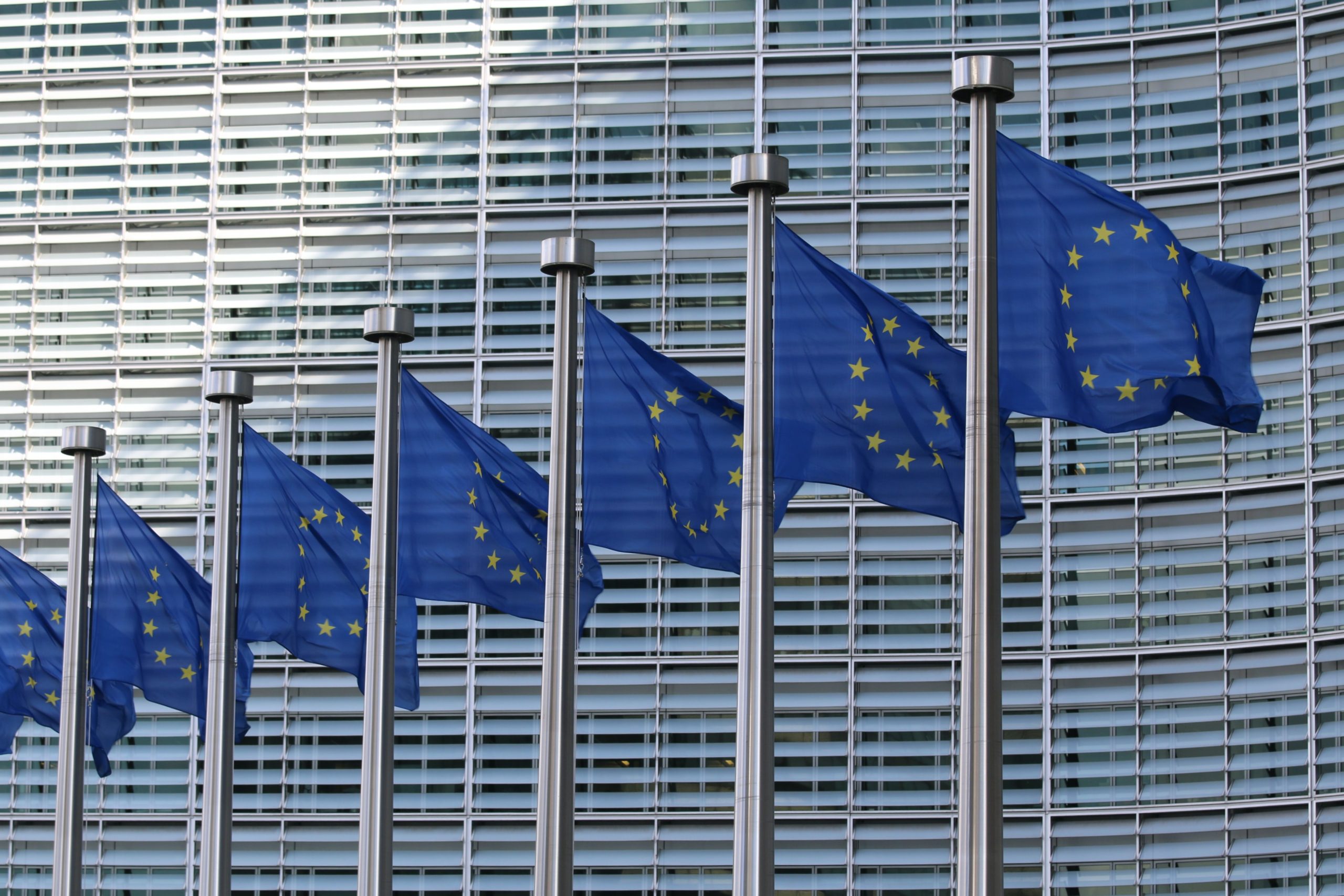
Humanitarian Crisis in Ceuta and MelillaCeuta and Melilla are two enclave coastal Spanish cities in North Africa. They have often been the final stage for thousands of migrants, refugees and asylum seekers looking to reach Europe.  Migrant numbers have been increasing recently, resulting in a humanitarian crisis in Ceuta and Melilla.

History of Ceuta and Melilla

After the 15th century fall of Islamic conquest in Spain, the Spanish Christians retook the Iberian Peninsula and widened the territory to include Ceuta in 1479 and Melilla in 1668. Both cities entered European Union (EU) territory along with Spain in 1986.

In 2005, Spain erected a 20-foot-high fence surrounding Ceuta and Melilla to stop migrants from entering the cities. The fence is topped with barbed wire, hundreds of surveillance cameras and approximately a thousand police and Guardia civil units. Since the fence’s construction, the number of migrants crossing through the cities has only increased. In May, 8-10,000 migrants crossed the borders. Some migrants even swam around the fence that separates Morocco from Ceuta and Melilla.

Reasons for Increased Migration

There are two major reasons behind this increase in migrants. The first reason is the COVID-19 pandemic. COVID-19 severely affected the Moroccan economy. Hence, thousands of citizens crossed the Spanish border looking for better economic conditions and social stability.

The second reason is illegal smuggling. Morocco recently took action against the smuggling trade. Illicit smuggling negatively impacted the country’s economy. Despite this harm, smuggling was the main economic source for Ceuta and Melilla along with many northern Moroccan cities. The full shutdown of this trade left citizens in extreme financial deprivation, which led many of them to migrate.

Government Actions

The influx of thousands of migrants and asylum-seekers into Spain’s enclaves created panic among Spanish authorities, who sent the military to deal with the crisis. Subsequently, the military attacked, beat and tear-gassed migrants to deter them from entering the Spanish cities. This reaction to the humanitarian crisis in Ceuta and Melilla has sparked backlash, especially from nonprofit organizations due to violations of EU law and other legal procedures.

A spokeswoman for the nonprofit organization CEAR said that Spanish authorities sent back thousands of migrants, including children, who were supposed to have protection under Spanish law. The President of Catalonia, Pere Aragonès, said that the autonomous community in Spain is willing to shelter migrant children as a “moral imperative” during a parliamentary debate. In contrast, the far-right Vox party’s Ignacio Garriga supported the army’s use of violence against migrants. Additionally, the Euro-Mediterranean Human Rights Monitor warned Spain against violence and suggested providing safe and legal procedures to migrants pursuing protection during the humanitarian crisis in Ceuta and Melilla.

Volunteer Actions

American Red Cross spokeswoman Isabel Brasero, who helped fatigued migrants in Ceuta, said “the city has the means to take care of all the people that arrived at its shores, but you never imagine that you will face this type of situation.” After the military intervention, volunteers in Ceuta donated clothes and cooked food for the migrants. Locals in Ceuta showed solidarity with the migrants and attended the funeral of a teenager who died swimming around the breakwater to Ceuta.

Ceuta and Melilla witnessed a humanitarian crisis that created chaos and outrage in Spain, which caused military action. Nonprofits, volunteers and many others are actively working to help migrants affected by the aftermath of the crisis.

– Zineb Williams

Photo: Flickr

June 30, 2021
https://borgenproject.org/wp-content/uploads/borgen-project-logo.svg 0 0 Kim Thelwell https://borgenproject.org/wp-content/uploads/borgen-project-logo.svg Kim Thelwell2021-06-30 01:31:502024-05-30 22:23:43The Humanitarian Crisis in Ceuta and Melilla
Global Poverty

How Postnatal Care in Kenya is Improving

Postnatal Care in Kenya
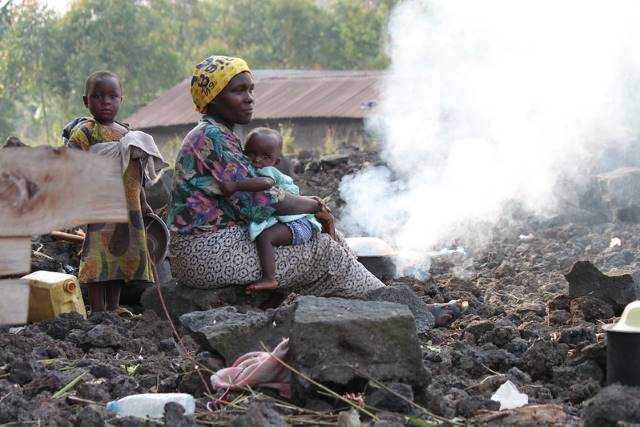
Postnatal care in Kenya lacks proper recognition, however, it is rapidly changing. When it comes to looking after newborn babies and their mothers, the right type of postnatal care is crucial to assure wellbeing. According to the Maternal Health Task Force, more than 60% of the world’s maternal deaths occur during the postnatal period, which is about six weeks after delivery. However, the International Journal of Africa Nursing Sciences reports that this period is the most ignored aspect of maternal care globally. Because of the lack of global acknowledgment, countries suffering from widespread poverty have an even harder time implementing postnatal care policies.

Postnatal Care in Kenya

Kenya tried setting up plans for assistance in the past decades with little success. In 2005, the Ministry of Health in Kenya implemented guidelines increasing the way in which it assesses childcare during the postnatal period. Even though about 80% of the country’s hospitals offer postnatal care, only 42% of Kenyan women give birth in a healthcare facility. This leads to high unreported maternal mortality rates in Kenya. In sub-Saharan Africa, every woman has a one in 16 chance of dying during pregnancy or childbirth.

In order to improve this aspect of the maternal care system, multiple approaches have been proposed as potential solutions to advancing postnatal care in Kenya.

Community-Based Care

Because of these facts, Community Health Workers (CHW) are starting to play a crucial role in healthcare. CHWs can reduce maternal deaths and improve the delivery of healthcare services. Unlike hospitals, CHWs are normally the first point of intersection between the healthcare system and communities. They have more access to mothers who may not be able to afford a hospital birth and can provide them with postnatal care.

Communities select the workers who then serve to give home-based counseling and care services. Because they are well-trained at recognizing diseases, CHWs are held in high regard and receive significant respect in health-related manners. This gives the community the knowledge to know to demand better health services. Additionally, these community workers help link citizens to higher-tier resources.

Better Midwives

In at-home births, midwives are key to ensuring that the whole process occurs smoothly. The Journal of Africa Nursing Sciences states that there should be improved and more professional midwife selections.  There should also be supervision of midwives by supportive initiatives in order to ensure qualifications.

These initiatives support work at all levels of postnatal care while providing midwives with positive encouragement. Strong human resources are also necessary for effectively employing these midwives and securing an improved quality of maternal and neonatal care.

Looking Forward

Access to good postnatal care relates to many broad social issues such as poverty and gender equality. However, many are working for advances in postnatal care in Kenya, laying down the plans to make sure maternal services improve. Hopefully, this will lead to healthier children and fewer deaths during childbirth.

– Jack Parry
Photo: Flickr

June 30, 2021
https://borgenproject.org/wp-content/uploads/borgen-project-logo.svg 0 0 Yuki https://borgenproject.org/wp-content/uploads/borgen-project-logo.svg Yuki2021-06-30 01:30:532021-08-23 00:40:35How Postnatal Care in Kenya is Improving
Global Poverty, Hunger, Technology

MapAction Helps Alleviate Hunger in Africa

MapActionHunger in Africa is an ever-present concern. The issue was heightened in 2020 when climate change and unusual rainfall patterns caused locust swarms to infest East Africa. The area had not experienced such an extreme locust plague in many years. Kenya’s last major infestation was about 70 years prior. On the other hand, Somalia and Ethiopia last experienced a severe locust plague roughly 25 years ago. In 2018, two major cyclones increased the locust population in Saudi Arabia by 8,000-fold, and subsequently, strong winds moved the swarms into the Horn of Africa. In December 2020, a rare cyclone in Somalia created locust groups of more than 15 million per square mile, devouring the crops of 19 million herders and farmers in Ethiopia, Somalia and Kenya. MapAction is bringing in geospatial technology to help better respond to such crises.

Climate Change in Africa

In January 2021, the Famine Early Warning System reported that areas in the Horn of Africa were facing food crises due to the locust swarms. A swarm the size of Manhattan can eat the same quantity of food as the whole population of New York and California in just one day. From March 2021 through May 2021, a lack of rainfall in parts of Ethiopia meant that farmers could not prepare their fields for crops or have adequate grass for pasture. The countries most vulnerable to food insecurity are Ethiopia, Sudan and Yemen. Indeed, the persistent lack of rainfall has brought dry conditions to many parts of East Africa.

The disastrous combination of flooding and drought, along with locust infestation, is harshly impacting communities in the region, even more so due to the effects of the COVID-19 pandemic. With COVID-19 lockdowns, communication between relief organizations is difficult. Since April 2020, an organization called MapAction has been working in the eastern and southern parts of Africa, “applying geospatial expertise to humanitarian situations” to improve results. The organization looks to improve communication between Oxfam and its local partners.

Geospatial Analysis

MapAction believes that expert geospatial analysis can help spread resources to populations affected by famine, drought and other emergencies. MapAction works to ensure that emergency aid responders and disaster management agencies have access to crucial data. This data will allow responders to make decisions that will improve food security and relieve hunger in Africa. The team creates map templates and trains locals to update maps. This helps inform Oxfam’s partners about threats to food security, such as when locust swarms move into new areas. MapAction also maps where work has been done to prevent efforts from being wasted through duplication.

MapAction’s Impact

Rupert Douglas-Bate originally conceived the idea for MapAction. Bate formulated the concept while “working as an emergency water engineer in Bosnia in 1994.” Bate realized “that there was a gap in mapped analysis to support the effective planning and delivery of humanitarian aid.” MapAction first started off supporting Oxfam and partners in Kenya and Somalia but intends to assist in Zimbabwe and Zambia too. In the near future, MapAction would like to extend its scope to Malawi, Mozambique, Namibia, Angola, South Africa and Botswana.

Since its inception, MapAction has supported thousands of emergency aid groups in more than 60 humanitarian crises around the world. Furthermore, the organization has helped millions of people who were in danger of starving. The organization has won four Stevie International Business Awards for Company of the Year and an Association for Geographic Information Award for Excellence due to its Ebola assistance in West Africa.

MapAction continues to develop new technologies to improve the effectiveness of humanitarian aid. In the process, it is subsequently reducing the threat of widespread hunger in Africa, preventing millions from falling deeper into poverty.

– Sarah Betuel
Photo: Flickr

June 30, 2021
https://borgenproject.org/wp-content/uploads/borgen-project-logo.svg 0 0 Kim Thelwell https://borgenproject.org/wp-content/uploads/borgen-project-logo.svg Kim Thelwell2021-06-30 01:30:462021-06-29 07:37:53MapAction Helps Alleviate Hunger in Africa
Education, Food Aid, Global Poverty

Top Two NGOs Tackling Poverty in Malaysia

Tackling Poverty in Malaysia
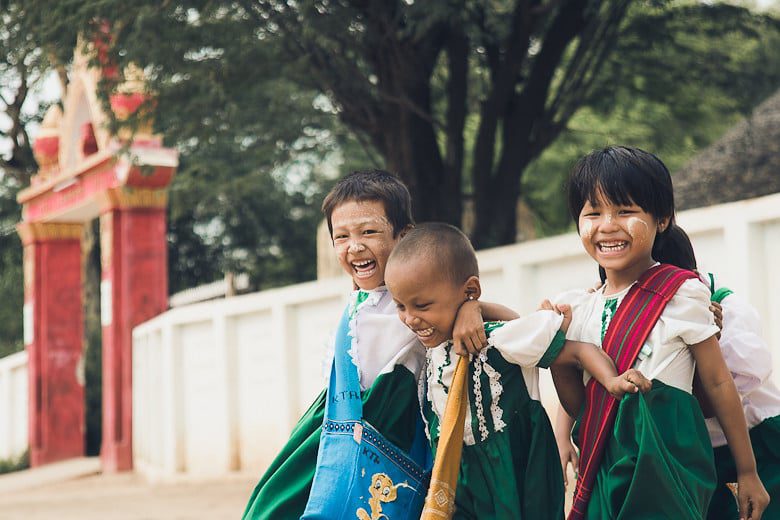
Poverty reduction in Malaysia was steadily progressing until the COVID-19 pandemic hit. The poverty rate decreased from 7.6% in 2016 to 5.6% in 2019, according to Free Malaysia Today. However, due to COVID-19, the poverty rate rose to 8.4% in 2020. Many argue that the strikingly low poverty rate is an inaccurate reflection of the true state of poverty in Malaysia as it does not account for costs of living and overlooks vulnerable populations. According to U.N. human rights specialist, Philip Alston, “Despite near-universal healthcare and high school enrolment rates for citizens and a growing economy, large parts of the population are being left behind and many people living above the official poverty line are in fact in poverty.” Due to these circumstances, several NGOs are tackling poverty in Malaysia.

Poverty in Malaysia

Alston explains that “Undercounting has also led to underinvestment in poverty reduction and an inadequate social safety net that does not meet people’s needs.” As a consequence, people’s rights to food, shelter and education are in jeopardy. Under the current circumstances, more than 2.7 million Malaysian children come from households that cannot afford the costs of school, and according to the World Bank, 15% of Malaysians experienced moderate-to-severe food insecurity in 2018. However, NGOs are rising to the challenge, attempting to close the poverty gap and end the consequences that go along with it. MyKasih and SOLS 24/7 are leaders in tackling poverty in Malaysia by providing inclusive aid to the B40 (bottom 40% household income range) community through education and food security.

MyKasih

The MyKasih Foundation was founded by Tan Sri Dr Ngau Boon Keat and his wife, Puan Sri Jean Ngau, in 2009. The organization is committed to the long-term goal of empowering the Malaysian community by providing more than just short-term relief. Its efforts in tackling poverty in Malaysia are directed into its two main programs, the Love My Neighborhood food aid program and the Love My School education bursary initiative. MyKasih’s food aid program provides impoverished households with at least RM 80 per month for only a year. This ensures people do not become aid-reliant and are empowered to become self-sufficient while being able to meet their basic needs.

By 2019, MyKasih had provided roughly 280,000 families with RM 260 million worth of cashless aid. In 2018, its contributions were recognized. MyKasih received the 2018 U.N. Malaysia Award for the “Leaving No One Behind” category, honoring its effective distribution of aid “through public-private partnerships.”

SOLS 24/7

In 2000, teacher Raj Ridvan Singh along with his father and brother began SOLS 24/7 in Cambodia to provide informal education to impoverished populations. In 2005, Singh replicated the initiative in Timor Leste. Seeing the success of the endeavor, in 2007 he continued the initiative in Malacca, Malaysia. Singh moved the SOLS 24/7 headquarters to Kuala Lumpur five years later.

Through its diverse educational programs, the organization aims to empower the B40 community in Malaysia. Since its establishment, SOLS 24/7 has provided quality education to more than 500,000 people. The organization as provided more than 800 scholarships to the SOLS Solar Academy, equipping students with skills to thrive in the renewable energy sector. SOLS Community Centers provide training to marginalized and impoverished people, helping them improve on English skills, digital knowledge and personal development.

SOLS 24/7’s efforts are vast, showing its commitment to education and empowerment. Through these efforts, the organization helps Malaysians rise out of poverty by providing them with the skills and knowledge to secure jobs and establish businesses.

Looking Forward

Efforts by SOLS 24/7 and MyKasih in tackling poverty in Malaysia have provided aid and educational services for the socio-economic advancement of B40 families. These two NGOs continue to offer benefits that empower Malaysia’s impoverished communities, providing hope for all Malaysians in need.

– Julia Fadanelli
Photo: Flickr

June 30, 2021
https://borgenproject.org/wp-content/uploads/borgen-project-logo.svg 0 0 Kim Thelwell https://borgenproject.org/wp-content/uploads/borgen-project-logo.svg Kim Thelwell2021-06-30 01:30:192021-08-20 06:11:59Top Two NGOs Tackling Poverty in Malaysia
Global Poverty

The Armenian Rugs Society Turns History into Art

Armenian Rugs SocietyBetween 1915 and 1923, thousands of Armenians were massacred in the Armenian genocide. Many Armenian communities now live around the world, with a significant presence in the United States. Committed to remembering the Armenian genocide, the Armenian Rugs Society has dedicated itself to supporting Armenians on a global scale. Through exhibitions of traditional woven arts and the implementation of social programs, the Society has been able to spread awareness of Armenian culture and educate the public on Armenian history.

The Armenian Genocide

During the 600-year reign of the Ottoman Empire, many ethnicities and religions were living within the controlled territories. The Ottoman Empire was an Islamic state and many non-Muslim minorities were subject to discrimination and persecution. Among these populations were Armenians who primarily followed Armenian Apostolic Christianity.

In the early 20th century, the Ottoman Empire, including the modern-day territory of Armenia, underwent drastic political changes. The Ottoman Empire gave way to a Turkish nationalist movement called the Young Turks. The Young Turks aimed to attain a religiously Muslim and ethnically Turkish state. On April 24, 1915, Turkish officials corralled nearly 250 Armenian scholars, intellectuals and leaders with the express intent to execute. The Armenian genocide lasted until 1923 with an estimated 1.5 million Armenians massacred. Forced conversion to Islam occurred for the few ethnic Armenians who remained.

Armenian’s Today

As of 2019, an estimated three million Armenians inhabit Armenia. About seven million Armenians live in more than 100 countries around the world. In the 1970s, the United States saw a mass migration of Armenians from Lebanon, Syria, Iran and the former Soviet Union. In 2003, roughly 1.2 million Armenians lived in the U.S. due to the conflict and discrimination they experienced elsewhere.

San Fernando Valley in California is one community Armenians have migrated to, making up 40% of the city’s total population. However, the size of the community itself does not guarantee Armenian-Americans’ economic or social welfare. The Los Angeles Times found that while some second or third-generation Armenian-Americans may be wealthy, more recent immigrants still struggle to provide for themselves and live in low-income areas.

Poverty in Armenia is also an issue. In 2019, more than a quarter of citizens in Armenia lived below the poverty line. In addition, more than 20% of the country’s population experienced unemployment in 2020. The Armenian government’s deep issues of corruption affect the poverty rates and the attitudes of citizens. Around the world, Armenians still face the material effects of the Armenian genocide as a result of forced migration. The corruption in their homeland comes with government denial of the genocide itself. Without the lack of support from their government, Armenian citizens live lives of struggle.

The Armenian Rugs Society

To overcome poverty and bring awareness to the Armenian genocide, the Washington-based Armenian Rugs Society was established in 1980 and teaches history through rug weaving. As one of Armenia’s oldest art forms, the Armenian Rugs Society highlights the thousands of years of rug weaving within Armenian culture. The tradition traces back to the brave artisans who worked through decades of hardship. To honor this history, one goal of the organization is to highlight rugs made by orphans who survived the Armenian genocide.

The Armenian Rugs Society, using member contributions, has showcased exhibitions of carefully preserved rugs. The organization has also conducted community events in highly-populated Armenian areas like Glendale, California, hosting its Weaving for Survival conference in the city in 2015. The conference focused on expressing the resilience of Armenian genocide survivors, bringing hope to refugees visiting the exhibit. The show displayed woven rugs, embroideries and lacework made in post-genocidal refugee camps throughout the Middle East. The exhibit’s message was positive, aiming to inspire “the groundwork for a better future for themselves and their children,” through the art and history displayed. The Armenian Rugs Society also teamed up with a nonprofit to teach rugmaking to more than 400 learners in nine different Armenian villages, bringing homage to Armenian culture and creating opportunities for income.

Weaving a Brighter Future

On April 24, 2021, President Biden gave U.S. recognition to the Armenian genocide on its 106-year anniversary. Activist groups and Armenians around the world welcomed this recognition. Biden stated, “Let us renew our shared resolve to prevent future atrocities from occurring anywhere in the world.” The Armenian Rugs Society continues its work to “represent, support and preserve Armenian woven arts” as a reminder of Armenian resilience.

– Madeleine Youngblood
Photo: Unsplash

June 29, 2021
https://borgenproject.org/wp-content/uploads/borgen-project-logo.svg 0 0 Kim Thelwell https://borgenproject.org/wp-content/uploads/borgen-project-logo.svg Kim Thelwell2021-06-29 07:31:072021-06-29 06:33:25The Armenian Rugs Society Turns History into Art
Global Poverty

Online Businesses in Ghana Providing New Jobs

Online businesses in GhanaPreviously, issues such as limited internet and bank access and informal home addresses made digital selling challenging for Ghanaian companies. However, advancement in these areas has allowed online businesses to grow, creating jobs in Ghana. Many college graduates in Ghana have started digital companies selling a wide range of products, including bags, footwear, clothes, grocery items, electronic goods and advanced cellular devices, among others. Some start companies also offer services such as repairing, cosmetics, interior decorating and photoshoots digitally. The growth of such companies has enabled them to offer many different types of employment to a greater population in Ghana.

Job Creation

From consumer services to promotions, financing to administrative tasks, retail managing to image consulting, online selling has many job opportunities to offer in Ghana, which had a 4.5% employment rate in 2020. For example, while the digital firm Jumia employs only around 500 people directly in online work, it employs more than 10,000 people indirectly. Online work does not always require people to have advanced technological abilities, only a willingness to learn. Online businesses also create associated non-online jobs.

For example, when people purchase meals and other items digitally, they require delivery. Nowadays, many companies offer delivery by motorcycle or van, creating many delivery jobs. Online businesses in Ghana also provide new jobs through collection posts, which have become more popular during the pandemic. These posts provide a safe and convenient way for customers to collect their goods while minimizing their risk of exposure to COVID-19. Collection posts hire post managers, shipment organizers and receptionists. In addition, some companies, such as Jumia, have encouraged digital businesses to expand by allowing people to collect their online purchases in-store.

Working from Home and New Digitial Stores

Many online businesses offer home-based and other off-site positions. Working from home not only enhances employees’ welfare and decreases stress, but it also helps reduce pollution as fewer people have to travel to work. Virtual connections allow people to associate with a worldwide community and conveniently work and buy what they need without having to travel. Additionally, digital companies can more easily provide short-term work such as contract, part-time and freelance work, which also helps to reduce poverty.

Moreover, in May 2018, a digital food store named Homeshoppa Ghana was introduced in Accra, the country’s capital. Homeshoppa Ghana matches its competitors’ prices in order to provide easily accessible, low-cost, standard groceries to every citizen. Access to stores like Homeshoppa Ghana allows people living in poverty to buy essential items at low prices.

Internet Advancements

The introduction of higher internet speeds and advanced cellphones in Ghana has helped prepare the marketplace for online retailers. By the end of 2017, 10.1 million Ghanaians, or 34%, were using the internet. As of January this year, the number of internet users had increased to 15.7 million. As more people begin to use the internet, online businesses are creating more new jobs in Ghana.

– Jannique McDonald
Photo: Unsplash

June 29, 2021
https://borgenproject.org/wp-content/uploads/borgen-project-logo.svg 0 0 Kim Thelwell https://borgenproject.org/wp-content/uploads/borgen-project-logo.svg Kim Thelwell2021-06-29 07:30:132021-07-29 19:20:50Online Businesses in Ghana Providing New Jobs
COVID-19, Global Poverty

Cuba’s Abdala Vaccine: 4 Things To Know

Cuba's Abdala vaccineCuba’s political and economic conditions have long been mysterious due to the limited information the government publishes. While Cubans have access to free health care and education, the country still suffers from poverty. According to the World Bank, there is no official information available regarding how many Cubans live in poverty; however, estimates put the poverty rate anywhere from 5% to 26% and the extreme poverty at around 15% in Cuba’s urban areas. The lack of tourism caused by the pandemic has worsened economic conditions in Cuba, providing an incentive for the nation to create an effective vaccine. Cuba has produced and begun administering a homegrown vaccine, making it one of the smallest countries to do so. Here are four things to know about Cuba’s Abdala vaccine.

4 Things to Know About Cuba’s Abdala Vaccine

  1. Local authorities say it is 92% effective: According to Cuban health authorities, the Abdala vaccine is roughly 92% effective. Full efficacy requires three doses, according to the BioCubaFarma laboratory. Abdala is only one of five vaccines that Cuba is currently working on. Another is the Soberana 2 vaccine, which shows 62% efficacy after three doses.
  2. Not internationally approved: PAHO (Pan American Health Organization), a local office of the World Health Organization (WHO) for the Americas, urges Cuba to publish the data for the Abdala vaccine and seek approval from COVAX. In doing so, scientists worldwide can peer-review studies on the vaccine. Cuba has yet to provide data to the WHO or COVAX, sparking international concern about transparency and vaccine efficacy.
  3. Authorized in Cuba due to rising COVID-19 cases and a recession: COVID-19 cases are on the rise in Cuba, so the Abdala vaccine is already in use despite not being approved by the WHO. Following this, the Cuban government faced criticism from local medical associations and NGOs. Since November 2020, COVID-19 cases have increased due to the rise of tourism in the country. Moreover, as of June 18, Cuba is running low on syringes to administer the vaccine, an especially disastrous shortage because nurses administer the Abdala vaccine in three doses. Furthermore, the country is in a recession and is experiencing shortages of food, medicine and medical supplies.
  4. Authorized in Venezuela as well: The Abdala vaccine is now being administered in Venezuela, the first country to use the vaccine besides Cuba, despite the WHO and local medical authorities urging Venezuelans against it due to the lack of public information about the vaccine. In June 2021, Venezuela received 30,000 doses of the Abdala vaccine, enough to vaccinate 10,000 people.

Looking Ahead

Cuba has been producing its own vaccines since the 1980s, including an impressive lung cancer vaccine now in clinical trials in the United States. However, Cuba has yet to submit the Abdala vaccine for peer review by the global scientific community. International health authorities worry about the lack of transparency on the science behind the vaccine, as well as its use in other countries. Through international cooperation, vaccine development and approval can commence faster. Hopefully, global authorities will soon review Cuba’s Abdala vaccine, taking the international community one step further in alleviating the effects of COVID-19.

– Ana Golden
Photo: Flickr

June 29, 2021
https://borgenproject.org/wp-content/uploads/borgen-project-logo.svg 0 0 Kim Thelwell https://borgenproject.org/wp-content/uploads/borgen-project-logo.svg Kim Thelwell2021-06-29 07:30:042024-05-30 22:24:01Cuba’s Abdala Vaccine: 4 Things To Know
Global Poverty

US Involvement in the Tigray Region

Involvement in the Tigray Region

At the northernmost border of Ethiopia is the Tigray Region that stretches for more than 19,000 square miles. Tigray is home to about seven million Tigrayans, an ethnic minority that accounts for only about 6% of the country’s population. The region is now experiencing a humanitarian crisis that requires urgent aid. U.S. involvement in the Tigray Region aims to end the conflict and protect the human rights of Ethiopians.

Conflict in Tigray

Decades of conflict regarding the self-determination of the Tigrayan population boiled over in 2020 when Prime Minister Abiy Ahmed postponed the election due to COVID-19. The Tigray People’s Liberation Front (TPLF), a leftist party in control of the regional government, deemed this an “unconstitutional extension” of Ahmed’s term and held elections anyway.

The Ethiopian government declared the election void, leading to an outbreak of violence between the two sides. As the Ethiopian government and the TPLF wage a war against each other, an unprecedented humanitarian crisis has arisen. Ethiopian forces have killed thousands of people in indiscriminate shootings. The conflict has left more than two million people displaced as of January 2021. The violence on the part of the government has been described as a “campaign of ethnic cleansing.” This crisis has caught the world’s attention, with the U.N. and other international organizations working to address it. However, U.S. involvement in the Tigray Region also aims to bring resolution.

The US Takes Action

On May 26, 2021, President Biden released a statement on the crisis in Ethiopia. Biden urged Ethiopian leaders to work toward “reconciliation, human rights and respect for pluralism.” Furthermore, Biden called for a ceasefire, citing a warning from the U.N. Office of Humanitarian Affairs “that Ethiopia could experience its first famine since the 1980s.”

The administration has also implemented visa restrictions targeted at Ethiopian and Eritrean officials responsible for the conflict. The restrictions press for the resolution of the conflict. U.S. involvement in the Tigray Region involved months of failed diplomatic talks between Ethiopia and the U.S. The administration heeds warnings that further action may be taken if Ethiopia does not take steps to address the humanitarian crisis. The actions could include halting U.S. security and economic assistance and possibly leveling sanctions against Ethiopian officials.

In March 2021, Secretary of State Antony Blinken announced that additional humanitarian assistance of $52 million would be provided to the region. This brings the total of U.S. aid to the region to nearly $153 million since the beginning of the crisis. The aid aims to help nearly 4.5 million people in the region in need of shelter, healthcare, food, water, sanitation and hygiene services.

Concerns of Congress

The concerns of members of Congress call for greater U.S. involvement in the Tigray Region as well as greater involvement from the international community. An op-ed by Senator Bob Menendez and Congressman Gregory Meeks called attention to the tragedy unfolding in the region. Menendez and Meeks call for more decisive action to be taken to address the Ethiopian crisis.

The representatives suggest that the U.S. lead “an international arms embargo on the Eritrean regime.” The U.S. should also implement “targeted economic sanctions” and “must oppose the assistance from international financial institutions that would flow to the Ethiopian government.”

On May 28, 2021, Representative Karen Bass introduced H.Res. 445, titled “Condemning all violence and human rights abuses in Ethiopia.” The bill calls on “the Government of Ethiopia and the Government of the State of Eritrea to remove all Eritrean troops from Ethiopia.” The bill also calls for other armed groups to cease hostilities and uphold the human rights of Ethiopians while allowing humanitarian access to provide aid.

Meaningful Action

As the crisis continues, U.S. involvement in the Tigray Region continues to be a topic of discussion. Both the Biden administration and U.S. Congress will have to move forward with policy decisions to ensure meaningful action and outcomes. Every action from the U.S. and other international actors will ensure that the fundamental rights of Ethiopians are protected.

– Taryn Steckler-Houle
Photo: Flickr

June 29, 2021
https://borgenproject.org/wp-content/uploads/borgen-project-logo.svg 0 0 Kim Thelwell https://borgenproject.org/wp-content/uploads/borgen-project-logo.svg Kim Thelwell2021-06-29 01:31:482021-06-30 04:00:58US Involvement in the Tigray Region
Developing Countries, Development, Global Poverty

Algbra is Bridging the Gap in Financial Inclusion

Algbra is Bridging the Gap Algbra is a “global digital program” for the “unbanked and underserved.” Algbra is bridging the gap in financial inclusion by bringing financial security to developing countries. The emergence of cryptocurrency, artificial intelligence and blockchain technology has spawned endless opportunities within the financial industry. Although these accomplishments are impressive, a shocking 1.7 billion people worldwide are still without access to bank accounts. Banking services offer a convenient and secure money management method, a luxury unattainable for many of the world’s impoverished. Millions of people in developing markets are excluded from the financial system due to “insufficient income levels and market discrimination.” Exclusion from financial services prevents an accumulation of savings, investable funds and asset growth. New World Group vows to bridge the financial inclusion gap in developing countries with the innovative global digital platform, Algbra.

The Algbra Fintech Platform

Algbra is the new London-based fintech platform designed to create a multi-faceted, fair and viable banking experience that fulfills the needs of low-income consumers. The company raised £3.75 million in funds for the Algbra platform, with the aim of educating and uplifting underserved and minority populations so that people can move toward financial freedom.

Algbra is also the first platform of its kind to offer services in consideration of faith-based values. This is a more appealing option for those following the Islamic faith, an unbanked demographic of nearly 800 million people. Some of the products offered by Algbra include “current accounts, foreign exchange, remittances and rewards, with lending products to follow shortly thereafter.”

Algbra’s Impact on Global Poverty

In a study involving 35 countries in sub-Saharan Africa, researchers looked at the impact of financial inclusion on poverty levels among low-income households. Using data from 2011, it was concluded that financial inclusion significantly decreased poverty in sub-Saharan Africa by “providing net wealth and larger welfare benefits” for impoverished people.

On May 19, 2021, Algbra announced its partnership with the Patchwork Foundation, a British organization dedicated to advocating for underprivileged and minority communities to partake in issues of democracy and civil society. Through this partnership, Algbra and the Patchwork Foundation will empower promising young leaders with financial literacy skills and other essential skills. These skills will help the youth become informed policymakers capable of establishing practices that promote social and economic inclusion.

It is important for Muslim women to have a share in financial resources and the opportunity to participate in society’s advancement, all while adhering to Islamic teachings. This is instrumental to economic prosperity for developing countries with large Muslim populations.

However, the World Bank found that the Middle East and North Africa, which are predominantly Muslim regions, have the most significant gender gap in bank account ownership. In these regions, a whole 65% of women are without a bank account compared to 48% of men. Zeiad Idris, CEO of Algbra, believes empowering women by facilitating access to financial services is instrumental to increased economic growth.

How Algbra is Bridging the Gap

The financial industry lacks services that meet the faith-based needs of consumers. As a result, many Muslims limit their usage of financial services. A 2018 Thomson Reuters report indicates that religious considerations prohibited 34% of Afghan individuals and 27% of people in Iraq and Tunisia from utilizing financial services. However in Muslim-majority nations like Jordan, providing Shariah-compliant lending products (loans aligned with religious principles) raised application rates from 18% to 22%, according to a study by Professor Dean Karlan of Yale University.

Shariah compliance prohibits profiting from items or services with the potential to cause harm to people or the environment. Additionally, investors must avoid enterprises that deal with “weapons, alcohol and gambling.” Algbra provides solutions for Muslim consumers who seek Shariah-compliant banking services and solutions. The solutions are also beneficial for environmentally conscientious consumers who are mindful of financial imprints.

The Future of the Financial Industry

Adam Sadiq, CEO of New World Group, explains that a significant amount of people in impoverished nations “face financial exclusion because they cannot open an account at a traditional brick and mortar bank. As a result, they are unable to enjoy the opportunities made possible by economic growth, and in many cases, remain stuck in the poverty trap.” Algbra is bridging the gap in financial inclusion as the latest financial technology innovation aimed at resolving these difficulties through faith-based and inclusive banking services.

– Tiara Tyson
Photo: Flickr

June 29, 2021
https://borgenproject.org/wp-content/uploads/borgen-project-logo.svg 0 0 Kim Thelwell https://borgenproject.org/wp-content/uploads/borgen-project-logo.svg Kim Thelwell2021-06-29 01:30:472024-05-30 22:23:43Algbra is Bridging the Gap in Financial Inclusion
COVID-19, Global Poverty

3 Facts about COVID-19 and HIV in South Africa

COVID-19 and HIV in South Africa
HIV is one of the more prominent killers of Africans with over 400,000 deaths in 2019. A third of all new HIV infections stem from South Africa making it the largest HIV/AIDS epidemic in the world. The COVID-19 pandemic further hindered the medical response to HIV/AIDS in South Africa. Consequently, it set the country back from its five-year plan. Here are three facts about COVID-19 and HIV in South Africa.

South Africa’s Plan to Combat HIV/AIDS

South Africa launched a five-year plan to combat HIV, TB and STIs, spanning from 2017-2022. The National Development Plan (NDP) for the country is to reduce the epidemic as a public health crisis by 2030. As of 2016, South Africa has 3.9 million individuals on antiretroviral therapy (ART). It launched eight goals to combat the spread of HIV.

The first three goals involve reducing the spread and mortality of HIV amongst various communities. The NDP recognizes adolescent girls as the most vulnerable population. It plans to target interventions amongst sex workers, drug users, inmates and members of the LGBT+ community as key populations. Goal 4 discusses the plans to reduce the social and structural drivers of the spread of HIV. This includes social behavior as well as gender-based and sexual violence. The last four goals pertain to the stigma, information, governmental response and resources of HIV prevention.

The original launch of this five-year plan did not account for the possibility of a global pandemic entering the scene. COVID-19 and HIV in South Africa made for a very serious and deadly change for all South African citizens.

How the COVID-19 Pandemic Changed Things

Generally, the COVID-19 pandemic affected the ongoing HIV crisis in South Africa by shifting the priority. There were 57,000 COVID-19 deaths since the country’s first confirmed case on March 5, 2020.

COVID-19 placed immense pressure to socially distance in every country. It put a specific strain on healthcare services in South Africa. Fears of contracting COVID-19 via healthcare facilities slowed down health-related services for HIV patients. Upwards to 80% of South Africans live without medical insurance and rely on the availability of public health services.

The Long-Term Implications for South Africa

Lower-income workers in South Africa face greater rates of unemployment and income loss due to the pandemic. At the same time, impoverished communities are at a higher risk of contracting COVID-19. This is due to population density and a lack of access to sanitation. Expectations have determined that inequality disparity will worsen as poverty-stricken populations face greater economic hardships and disease infection.

A combination of COVID-19 and HIV in South Africa drastically affected the response of healthcare workers and medical availability. South Africa’s healthcare system was spread thin prior to the pandemic. With COVID-19 receiving medicinal priority, the NDP’s five-year plan for combating HIV ended up set back.

South Africa ordered a total of 31 million vaccine doses from companies Johnson & Johnson and Pfizer. The country also entered an agreement with the United Nations to receive another 12 million vaccinations.  This is the first step in order to get the country back on track to combat the HIV epidemic as well as social inequality.

– Camdyn Knox
Photo: Flickr

June 28, 2021
https://borgenproject.org/wp-content/uploads/borgen-project-logo.svg 0 0 Lynsey Alexander https://borgenproject.org/wp-content/uploads/borgen-project-logo.svg Lynsey Alexander2021-06-28 11:21:232021-08-04 14:07:163 Facts about COVID-19 and HIV in South Africa
Page 753 of 2162«‹751752753754755›»

Get Smarter

  • Global Poverty 101
  • Global Poverty… The Good News
  • Global Poverty & U.S. Jobs
  • Global Poverty and National Security
  • Innovative Solutions to Poverty
  • Global Poverty & Aid FAQ’s
Search Search

Take Action

  • Call Congress
  • Email Congress
  • Donate
  • 30 Ways to Help
  • Volunteer Ops
  • Internships
  • Courses & Certificates
  • The Podcast
Borgen Project

“The Borgen Project is an incredible nonprofit organization that is addressing poverty and hunger and working towards ending them.”

-The Huffington Post

Inside The Borgen Project

  • Contact
  • About
  • Financials
  • President
  • Board of Directors
  • Board of Advisors

International Links

  • UK Email Parliament
  • UK Donate
  • Canada Email Parliament

Get Smarter

  • Global Poverty 101
  • Global Poverty… The Good News
  • Global Poverty & U.S. Jobs
  • Global Poverty and National Security
  • Innovative Solutions to Poverty
  • Global Poverty & Aid FAQ’s

Ways to Help

  • Call Congress
  • Email Congress
  • Donate
  • 30 Ways to Help
  • Volunteer Ops
  • Internships
  • Courses & Certificates
  • The Podcast
Scroll to top Scroll to top Scroll to top