 Most girls begin menstruating at the age of 12, however, it is also common for a girl’s first cycle to happen as early as 10 years old or as late as 15 years old. Afterward, young girls and women can anticipate having a period for about 40 years of their life. For these 40 years, all women must have access to feminine hygiene products such as pads or tampons to ensure their health is not at risk. Despite this, as many as 500 million women do not have access to essential feminine hygiene products or sanitary facilities. These women often also lack hygienic bathroom facilities to use during their cycles and have to deal with any cultural or societal stigmas that treat their periods as impure or unclean. Period poverty occurs globally and Caribbean countries such as Barbados are no exception.
Period Poverty After COVID-19
According to a 2020 UNICEF report, about 21% of women in Barbados live in poverty, while specific groups of women, such as single mothers or women with disabilities, “continue to be disadvantaged.” These facts make it clear that many girls and women are facing poverty in Barbados and, consequently, period poverty.
According to the United Nations Population Fund (UNFPA), short and long-distance travel restrictions during COVID-19, along with the shutdown of multiple health centers, still affect reproductive and sexual health services for Latin American and Caribbean countries. This has resulted in a continued lack of care available to women suffering from conditions like endometriosis, as well as restricted access to female hygiene products such as pads and tampons.
Katrina Endometriosis Fund Association (KEFA)
Katrina Endometriosis Fund Association (KEFA), founded in 2016, has made addressing and preventing period poverty in Barbados one of its top priorities. The association began hosting the Endo Drive in 2018, which collects feminine hygiene products and distributes them to young girls and women, according to Loop Barbados News. This drive benefits hundreds of women on the island and the number of women reaching out to the organization for assistance has grown tremendously.
According to the founder, Katrina Alleyne, 2022 alone was full of successes for the Endometriosis and Women’s Health Association. The association broadened its reach to ensure that as many women and girls received sanitary napkins and other care packages as possible. KEFA intends to broaden the reach of its services even further this year while fully launching its BodyTalk project within schools. The BodyTalk project will educate many young girls in Barbados on what to expect during puberty and menstruation, Loop Barbados News reports.
The Lady Box Project
The Lady Box Project is another nonprofit organization based in Barbados that aims to aid women suffering from period poverty. The organization’s Instagram page describes it simply as a group of friends on a mission to end period poverty. The Lady Box Project is pursuing this goal by collecting donations of feminine hygiene products and assorting them into boxes before distributing them to vulnerable girls and women. The boxes are packed generously with pads, tampons, soaps and even menstrual cups before reaching thousands of Barbados women.
During its first year of operation in 2021, The Lady Box Project distributed more than 16,000 packs of sanitary napkins. It continues to support young girls and women by issuing boxes to those receiving services through organizations such as the Barbados Alliance to End Homelessness, the Barbados Family Planning Association, the Barbados Shelter for Abused Women, and many more.
Continuing to Fight Period Poverty
Period poverty is still affecting many girls and women in Barbados. Organizations such as Katrina’s Endometriosis Fund Association and The Lady Box Project are working hard to combat this issue and their efforts are ensuring that more women have access to essential feminine hygiene care products.
– Kimber Peters
Photo: Flickr


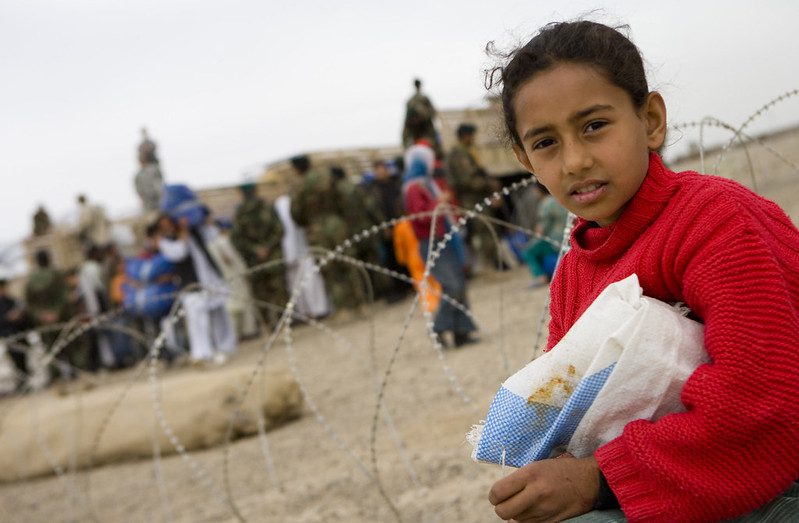 It is crucial to recognize the significant impact that global poverty reduction can have on the United States (U.S.) and its thriving economy, particularly for companies operating on a global scale. By proactively investing in poverty reduction efforts worldwide, companies can unlock a multitude of benefits that not only contribute to their long-term success but also drive local and national economic growth. In this article, we will explore the various advantages that companies can derive from these poverty reduction initiatives, underscoring the mutually beneficial relationship between poverty alleviation and sustainable business development.
 Receiving an education is a characteristic of childhood all around the world. But for children suffering from hunger, enjoying all the benefits education can offer may not be possible. While education is vital for integrating into society, the need for food outweighs the need for education. Food falls under the
  The Maldives, the smallest country in Asia, has made notable progress in
  For one day in 2020, 10-year-old Melany of the Dominican Republic
  Monaco, a country hosting
 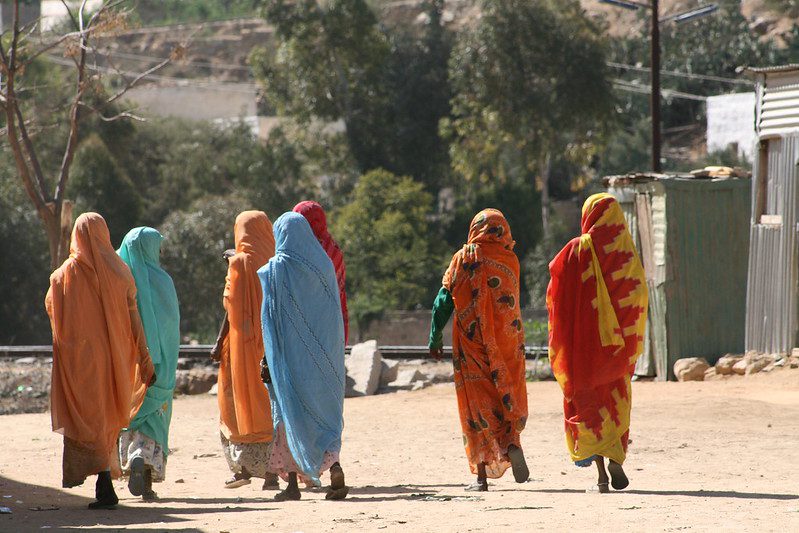 Women have played a pivotal role in the building of the Northeastern African country of Eritrea. After a 30-year-long conflict, Eritrea achieved independence from its neighboring country of Ethiopia. During the war, Eritrean women made up