• Link to X
  • Link to Facebook
  • Link to Instagram
  • Link to TikTok
  • Link to Youtube
  • About
    • About Us
      • President
      • Board of Directors
      • Board of Advisors
      • Financials
      • Our Methodology
      • Success Tracker
      • Contact
  • Act Now
    • 30 Ways to Help
      • Email Congress
      • Call Congress
      • Volunteer
      • Courses & Certificates
      • Be a Donor
    • Internships
      • In-Office Internships
      • Remote Internships
    • Legislation
      • Politics 101
  • The Blog
  • The Podcast
  • Magazine
  • Donate
  • Click to open the search input field Click to open the search input field Search
  • Menu Menu

Archive for category: Global Poverty

Key articles and information on global poverty.

Global Poverty

Countries That Halved Their Multidimensional Poverty Index

Multidimensional Poverty IndexFrom 2000 to 2022, 25 countries successfully halved their Multidimensional Poverty Index (MPI), according to the United Nations Lead Agency on International Development (UND). The MPI measures poverty across three sections: monetary poverty, access to education and infrastructure. Here are some of the reasons five of these countries have been able to halve their Multidimensional Poverty Index.

India

Between 2015–2016 and 2019–2021, 135 million people escaped multidimensional poverty, with the largest decline in the north of India. The different methods of the multi-layered approach are:

  • Access To Clean Water and Sanitation: WaterAid provides access to clean water and sanitation through donations and liaison with governments. A personal story is that of Shyamala, a mother of five living in a remote village and having to defecate outside with little access to clean water. WaterAid provided a septic tank and eventually a toilet, ensuring not only sanitation but also her dignity.
  • Access to State Education: Education is a fundamental tool to escape poverty and charities are ensuring access to it, such as the United Nations Children’s Fund (UNICEF) education program, which provides access to primary school education and enrolment in 17 states. Udaan India Foundation, which provides support for 4 to 22 age groups, ensures that pupils are up to an academic standard as well as communication and problem-solving skills.

Indonesia

Having made substantial progress in reducing the MPI, 19.1% of the population in 2000 lived in multidimensional poverty. In 2022, this was 9.5%.

  • Social Protection Programs: Schemes such as the Family Hope program, provide cash transfers and reaches almost 10 million people. Also, as part of the United Nations (U.N.) No Poverty program in Indonesia, there are 17 key activity programs in Indonesia. One of these is the Youth Employment and Entrepreneurship Support Services program, which provides youth training and development in rural areas.
  • Debit Cards: About six years ago, the Indonesian government introduced debit cards to help the disadvantaged population purchase more food. This digitization has meant that now those in need can buy the exact amount of food required, rather than having an estimation delivered to them. From a randomized controlled study it has been found by the researchers that “for the poorest 15% of households when the study began, switching to debit cards reduced the overall poverty rate by 20%.”

Morocco

Morocco has managed to reduce its multidimensional poverty from 16.2 in 2010 to less than 9% in 2020. 

  • Slowing the Population Numbers: In the last 30 years, the fertility rate has dropped to 2.3 children per adult woman from 5.5. This has meant household budgets are less squeezed and eased pressure on public spending, which has meant investing the money saved into infrastructure, resulting in more access to clean water and electricity.
  • International Support: Moroccan families sending their relatives back home with financial support and investing in state projects help raise living conditions for those left behind. Furthermore, charities and nongovernmental organizations (NGOs) coordinate to provide support to people in need.

Cambodia

Cambodia has made commendable strides in reducing poverty levels, with two million Cambodians escaping multidimensional poverty.

  • Infrastructure Investment: According to the World Bank, “470 kilometers of Cambodia’s national and provincial road network have been rehabilitated with improved climate resilience and road safety as part of the rehabilitation process.” This has meant that travel time has been reduced from 2 to 1.6 hours per 100 km. The initiative also prioritized climate resilience and road safety and strengthened the government’s ability to manage roads.
  • Cash Transfers: UNICEF in 2020 worked with the Cambodian government to provide cash transfers for poor households. This meant support for an estimated 540,000 households.

China

In China 62% of the population in 2010 lived in Multidimensional Poverty to 24% in 2019, China has managed to lift millions of people out of poverty. 

  • Economic Growth: The rise of China’s economy is widely known and debated, but from a GDP of 360.86 in 1990 to $17,820.46B in 2021. This cosmic growth has meant China can dedicate vast amounts of money to social policies.
  • Targeted Poverty Alleviation Program: This strategy started in 2013 and is an initiative aimed at tackling absolute poverty. It involved a multilevel approach that takes into account regionalism, education, skill development and the necessary financial support. This approach meant that in 2021, China will declare victory over absolute poverty.

– Jack Timmins
Photo: Unsplash

February 16, 2024
https://borgenproject.org/wp-content/uploads/borgen-project-logo.svg 0 0 Lynsey 2 https://borgenproject.org/wp-content/uploads/borgen-project-logo.svg Lynsey 22024-02-16 15:00:082024-02-15 04:30:04Countries That Halved Their Multidimensional Poverty Index
Aid, Global Poverty

Grassroots Humanitarian Efforts In Ukraine

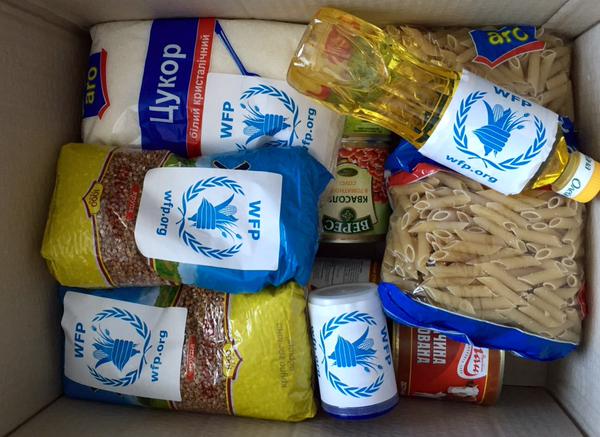
Grassroots Humanitarian Efforts In UkraineThe latest estimate from the World Bank put the cost of Ukraine’s recovery at $411 billion. This figure encompasses the expenses associated with rebuilding damaged infrastructure, agriculture, housing and education in the country. The World Bank, as of November 2023, has given $29 billion to support basic social services in Ukraine, with more than $20 billion spent on the salaries of civil servants, teachers, health workers, first responders and pensions.

Furthermore, charitable contributions have also been widespread. In December 2023, Ukrainian President Volodymyr Zelensky said that the government-run United24 had raised $500 million from donations across the globe. The significant aid received by Ukraine has led to the impression that the country relies solely on external assistance. However, from the outset, it is crucial to recognize grassroots humanitarian efforts in Ukraine have played a pivotal role in their recovery. 

Civil Society in Ukraine

Vyacheslav Hardikov, a deputy director in the Ukrainian Ministry of Justice, said in October 2023 that since the resumption of the invasion, 9,000 charities and 6,000 public organizations had officially registered with the Ukrainian government. In its 32 years of independence from the Soviet Union, Ukraine has gone through periods of democratization and regression to authoritarianism. When democracy or independence has been perceived as being under threat, participation in grassroots humanitarian efforts has spiked. Thinktank Chatham House has put it that Ukrainians have a “strong sense of autonomy from the state.” 

As of September 2023, a survey by the Center for Insights, funded by the United States Agency for International Development (USAID), found that 33% of Ukrainians were volunteering part-time and 6% full-time. Another found that after 18 months of war, 68% of Ukrainians had volunteered in some capacity. The remaining 32% primarily consists of individuals who, for the most part, require assistance. Volunteerism is more prevalent among 18-29-year-olds, with 75.8% actively participating, compared to 49% among those aged 60 or above. Additionally, volunteering was more common among those who reported living well (85.9%) than those who reported barely making ends meet (46.7%). Among the 15,000 new organizations are groups formed spontaneously in reaction to the Russian invasion. Likewise, organizations that already existed altered themselves almost completely to the needs of the war.

Feminist Workshop in Ukraine

Feminist Workshop (FemWork) was formed in Lviv in 2014. For the last decade, Ukrainian women have earned more than 20% less than men, equivalent to $6000. Additionally, two out of three women have experienced gender-motivated violence. Apart from holding workshops and lectures, Femwork was created as a space “that would allow the feminist community of Lviv and Ukraine to feel safe.”

Located near the border with Poland, millions of refugees passed through Lviv. At its height, the city of 700,000 had 100,000 people moving through it daily. Speaking with The Borgen Project, FemWork said that in early 2022, they planned to close due to a lack of funding. “But when a full-scale war started, our community organized itself.”

Like thousands of others in Lviv, FemWork found refugee beds in their friends’ apartments, gave out food and clothes and helped at the train station. A psychological support workshop was revived on the night of the invasion. “Then there was no time to think, doubt or fear,” FemWork said. “Each of us did everything we could and even more.”

With Ukraine’s GDP dropping by more than 30% and poverty rising from 5.5% to 24% in 2022, what was once the basics of living have become out-of-reach for millions of Ukrainians. The 51% of 60-year-olds who had not volunteered are often pensioners with no means to move or find alternative income. FemWork coming to help grannies, as they put it, reflected that with food and medicine prices rising, the “pensions of many elderly women don’t come close to covering their basic needs.”

Trouble Getting International Help

Ukrainians have faced difficulties in receiving assistance from international organizations due to their large size. The bureaucratic processes they are obligated to employ are often impossible for ordinary people to navigate, let alone those who have been forced from their homes, leaving passports and documents behind. “We often work with elderly people who don’t even know how to use a phone,” FemWork told The Borgen Project, “so it’s obvious that they are afraid to send their documents to someone or they don’t even understand what is required of them.” People need help getting to the help waiting for them. In other words, “(We) go to the bank with them, help collect documents, defend their rights to receive assistance, explain what is required of them and what personal information is safe to transfer.”

Grassroots humanitarian efforts in Ukraine, in tandem with funding from international organizations, have been able to meet some of the daily needs of the Ukrainian people, during a time of instability and war within the country. 

– Frederick Lake
Photo: Flickr

February 16, 2024
https://borgenproject.org/wp-content/uploads/borgen-project-logo.svg 0 0 Lynsey 2 https://borgenproject.org/wp-content/uploads/borgen-project-logo.svg Lynsey 22024-02-16 15:00:062024-02-15 04:19:22Grassroots Humanitarian Efforts In Ukraine
Charity, Global Poverty, Technology

Tech Firms Take On Poverty

Tech FirmsOver the last three decades, technology has profoundly influenced our lives, with a handful of tech firms, notably Alphabet and Meta, attaining substantial profitability. These companies play a pivotal role in shaping the future through technological advancements. However, their philanthropic endeavors, aimed at contributing to a better future for all, often go underappreciated. These are examples of how the cornerstones of modern-age technology firms are alleviating poverty.

Alphabet (Google)

As the leading powerhouse in the search engine industry, according to Forbes, Google has established itself as the second-largest brand in the world while turning in $279 billion in revenue as of 2023. Google has been actively involved in philanthropic initiatives through Google.org, its charitable arm established in 2005. The organization has engaged in various poverty alleviation projects across the globe. Google.org has invested more than $250 million into closing educational gaps worldwide, especially in impoverished areas. This includes supplying technological resources to facilitate learning, a collaboration that extends to partnerships with entities like Khan Academy.

Furthermore, the organization has contributed to economic empowerment across countries in the Middle East, Asia and Africa by supporting those who suffer from systematic barriers as small to medium-sized business owners. One of Google’s more recent contributions is a $5 million grant provided to underserved businesses worldwide during the peak of the COVID-19 pandemic. Google.org is an example of how technology firms are alleviating poverty by supporting various communities. This support includes ensuring access to education and fostering financial stability, which helps to lift households out of poverty.

Meta

Recently rebranded from Facebook, Meta holds significant control over media consumption through platforms like Instagram, Facebook and WhatsApp. The multinational technology company has expanded its philanthropic efforts through the founders, Mark Zuckerberg and his wife, Priscilla Chan. Having pledged to donate more than 99% of their fortune throughout their lifetime, estimated to be around $45 billion, the couple established the Chan Zuckerberg Initiative (CZI) in 2015.

The initiative has become an important player in lobbying U.S. legislators, leveraging its substantial funding to address social issues on a global scale. Furthermore, it has given away more than $4.9 billion in grants to various nonprofit organizations globally, with a keen focus on medical research, which can positively contribute to impoverished communities across the globe by improving living standards.

CZI contributes significantly to the fight against poverty by making global venture investments in emerging companies. These investments aim to alleviate poverty through research and innovation, particularly in the discovery of new techniques to establish food security and ensure equal access to education on a global scale, leveraging the power of technology.

While it may be challenging to entirely separate the philanthropic motives of tech firms from their corporate social responsibility branding, potential tax breaks and other benefits, it is nonetheless encouraging to see these companies actively alleviating poverty through generous donations and efforts aimed at creating positive change.

– Matthew Fung
Photo: Wikimedia Commons

February 16, 2024
https://borgenproject.org/wp-content/uploads/borgen-project-logo.svg 0 0 Lynsey 2 https://borgenproject.org/wp-content/uploads/borgen-project-logo.svg Lynsey 22024-02-16 07:30:522024-02-15 03:55:18Tech Firms Take On Poverty
Gender Equality, Global Poverty, Women's Rights

Women’s Rights and Gender Equality in Lithuania

Gender Equality in LithuaniaThe principle of equal opportunity and equal treatment has been held since 1992, but recent years have marked a period of change in gender equality initiatives in Lithuania. Before then, few movements or government legislations existed that encouraged great institutional change in gender equality, particularly in industries such as science and research.

Governmental Gender Equality Initiatives

The Ministry of Social Security and Labour is in charge of equality policy in Lithuania and ensuring that their strategies are effectively implemented.  In 2021, this government group took on responsibility for ensuring gender equality as a core value in the work of the nation’s central government. The ministry also had an internal structure named the Equal Opportunities and Equality between Women and Men Group, which oversees government policy on anti-discrimination and gender equality. This group has eight employees, two of whom work strictly on gender-based issues.

Initiatives in the Workplace

In 2016, the Ministry of Social Security and Labour implemented the initiative “Municipal Success Code- Gender Equality.” This project aims to reduce gender disparities regarding both the right to work and rights at work by purposely targeting issues such as the wage gap between genders and public education on the impacts of this inequality. This project ran until December 2019.

This program tackled the gender pay gap in municipalities by raising public awareness, identifying factors that determine equality and developing targeted solutions. Consequently, in 2017, a list of gender-based inequality indicators was compiled, encompassing nine key factors: “demography, knowledge, participation in the labor market, access to social services, economic power (resources), authorities and decision-making, health and health services, domestic violence and time.” This list of specifics meant that the correct targeted measures could be issued to the appropriate people and areas.

Lithuania’s movements towards women’s rights in the workplace have made an impact. The percentage of unemployed females (5.5%) stands slightly lower than the unemployment rate of men, which is currently at 7%. However, there is still progress to be made in this sector, as the proportion of females spending time on unpaid chores remains at 18.7%, which is notably higher than the male figure of 9%.

Women’s NGOs in Lithuania

“According to data from the Lithuania’s Women’s Information Centre, there were 63 women’s NGOs in existence on 1 January 1999.” Although there is no “umbrella term” involving all organizations for women in Lithuania, the Lithuanian Women’s Association embraces 12 member organizations. Additionally, 18 women’s organizations are involved in this association’s coordination council and the Women’s Information Centre was founded as a mediator for all the organizations in the nation. This has been monumental for women’s rights.

For instance, these initiatives sped up the implementation of the Law on Equal Opportunities, which benefits women’s rights in the opportunity to and ability to engage in public life. Additionally, it focuses on improving sectors such as transport and infrastructure. Another significant example was their cooperation to engage in protests against “quotas established for men during the entrance examinations at the Kaunas Institute of Technology in 1998.” These quotas were put in place by the university itself, demonstrating the severity of institutional gender bias. This powerful initiative meant that these quotas were soon abolished.

Initiatives Against Violence Against Women

Violence against women is a serious problem in Lithuania. The 2014 European Union Agency for Fundamental Rights survey data results demonstrated that, since the age of 15, 31% of women in Lithuania have experienced physical and/or sexual violence. The Network of Specialized Assistance Centres was set up by NGOs and has been in place since 2012. This initiative set up centers to support victims of violence, educate them on how and where they can receive this aid and help in restoring interpersonal relationships with family members.

Further, in 2012, the Lithuanian government initiated an Inter-Institutional action plan focused on crime prevention and the control of violence, with a particular emphasis on violence against women. In 2015, more than 8,000 women received assistance through these centers. Lithuania currently operates 17 specialized support centers to aid women who are victims of domestic violence.

Looking Ahead

Thanks to these efforts, Lithuania ranks ninth globally for gender equality, as reported by the World Economic Forum’s Global Gender Gap Report for 2023. Elements of gender equality can be seen in the social aspects of everyday life in Lithuania. For instance, the literacy rate of males and females aged 15 and above stands at 99.8%. With the ongoing support of the Lithuanian government, the fight for gender equality is certainly progressing in the right direction and can be expected to strengthen even further.

– Eva McMonigle
Photo: Flickr

February 16, 2024
https://borgenproject.org/wp-content/uploads/borgen-project-logo.svg 0 0 Lynsey 2 https://borgenproject.org/wp-content/uploads/borgen-project-logo.svg Lynsey 22024-02-16 07:30:242024-02-15 03:46:38Women’s Rights and Gender Equality in Lithuania
Education, Global Poverty

The KIND Fund in Malawi


The KIND Fund in MalawiAccording to the World Bank, Malawi is ranked as the fourth poorest country globally. Approximately 70% of the population lives on less than $3 a day and this income level has remained unchanged since 2010, despite a steadily increasing population. Moreover, at least 50% of households in Malawi lack adults with completed education. Education plays a crucial role in helping a country combat poverty in the long term. Malawi only implemented free public schooling in 1994, significantly improving children’s attendance rates. However, as of 2021, the country still faces one of the highest dropout rates in the world, estimated at 84% and the KIND fund has been fighting for children’s education in Malawi.

The KIND Fund

In a developing country like Malawi, children attend classes on the ground, similar to a pre-school. As the children grow older, this arrangement becomes less practical for an advanced learning environment. The children have to balance paper on their knees to write. Since soap is expensive in Malawi, kids skip school if they dislike being seen in dirty clothes after a week of sitting on the ground. This is particularly true for girls who prefer to miss several school days rather than spend all day on the dirty ground during their periods and having to jump up and down to answer questions.

The KIND Fund, short for Kids in Need of Desks, was created by MSNBC reporter Lawrence O’Donnell and the United Nations Children’s Fund (UNICEF) in 2010 to provide desks to all ages of schoolchildren in Malawi. Since 2010, the program has raised $38 million to help kids get desks and school supplies. The provision of desks not only yields tangible benefits such as improved penmanship but also enhances the overall attitude of children towards school.

Scholarships for Girls

Desks are not the only focus of the KIND Fund. KIND also provides secondary scholarships for girls to move forward in their education. A scholarship package from them will fund a girl’s tuition, boarding, transport and school supplies fees and include everything from socks to mentorship at school. The program has provided scholarships to more than 27000 girls across Malawi.

Keeping girls in school, even until age 18, is a small win against child marriage, a serious problem in developing countries. About 47% of women are married before age 18 in Malawi. The KIND fund conducted interviews with girls, posing the question of what they would do without the scholarship. Fifteen-year-old Happiness Ndawu responded, “Here in Malawi, girls marry at early ages. So, at 15, maybe I would have been married by now.” Happiness aspires to become a journalist. Being in school has protected her from potential domestic violence, risky pregnancies and other challenges that child brides often encounter. It has also opened her eyes to the potential she possesses.

Conclusion

Education plays a crucial role in lifting a country out of poverty, serving as one of the most essential pathways for socioeconomic advancement. When people think about education, they often take things like furniture and supplies for granted, items that other countries lack. A well-made desk can last decades and serve dozens of children over generations.

– Varsha Pai
Photo: Flickr

February 16, 2024
https://borgenproject.org/wp-content/uploads/borgen-project-logo.svg 0 0 Lynsey 2 https://borgenproject.org/wp-content/uploads/borgen-project-logo.svg Lynsey 22024-02-16 03:00:492024-02-15 03:33:20The KIND Fund in Malawi
Global Poverty, Sanitation

Facts About Women Sanitation in Indonesia

Women Sanitation in IndonesiaIndonesia is a developing country with many social inequalities, especially regarding sanitation. Data from the Ministry of Health shows that 28 million Indonesians do not have access to clean water and millions of households still defecate in the open due to lack of clean toilets. Addressing proper sanitation for the Indonesian people became a government concern in 1993 when only 11% of the population had access to adequate sanitation. This is despite the U.N. stating that access to adequate sanitation is a basic human right. Although this has improved over the decades, this issue persists and is more pronounced for women in Indonesia, who face a multitude of problems related to sanitation.

Period Poverty

Period poverty can be defined as a lack of access to menstrual products, hygiene facilities, waste management and education, affecting many women globally and causing physical, mental and emotional challenges. Women in Indonesia also cannot afford proper menstrual sanitation products such as tampons and sanitary napkins. They only use one pad for one day. Most women depend on their husbands’ salary, which averages less than IDR 2,000,000 to IDR 3,000,000 (approximately $128 to $192).

Only 34% of Girls Receive Menstruation Education

More than 50% of girls in Indonesia do not receive menstruation education from their mothers. Menstruation is considered abnormal and abject, so girls are not able to talk about menstruation when they experience it. The negative stigma attached to menstruation makes menstruation taboo to talk about. About 25% of teenagers in Indonesia “never discussed menstruation before they had their first menstruation” and 17% of them do not know that “menstruation is a sign of puberty.”

Lack of proper education regarding menstrual and reproductive hygiene can lead to unwanted pregnancies and reproductive diseases. Schools often fail to provide education about menstruation and proper reproductive health for girls experiencing puberty, along with adequate facilities for those undergoing menstruation. A recorded 42% of girls do not change sanitary napkins at school due to the lack of cleanliness in school toilets.

Sanitation Has a Significant Impact on Stunting

Many women and girls cannot access proper sanitation at home. Poor maternal health and hygiene have a significant impact on stunting. Data shows that 1 in 3 children in Indonesia experience stunting. The World Health Organization (WHO) defines stunting as “the impaired growth and development that children experience from poor nutrition, repeated infection and inadequate psychosocial stimulation.” The impact of stunting does not occur instantly but will have an effect on children’s health and nutrition in the long term.

Poor Sanitation Kills More Women Than HIV and Aids

Poor sanitation is closely related to death. Not washing hands when handling deliveries and after giving birth causes mothers to contract infectious diseases. About 12% of mothers die during childbirth due to infection. Zainal I Nampira, the Head of the Water Health and Basic Sanitation Sub Division of the Directorate of Environment Health at the Ministry of Health, hopes that as access to basic sanitation improves, the maternal mortality rate can be reduced to 24 per 1,000 people.

Looking Ahead

To combat women’s sanitation-related issues in Indonesia, the World Bank, in collaboration with the Indonesian government and other organizations, implemented the National Rural Water Supply and Sanitation Project (PAMSIMAS) in 2008. The program successfully provided access to drinking water to 24.5 million people in 35,928 villages across 408 districts in Indonesia by the end of 2021.

– Afra Amirah
Photo: Flickr

February 16, 2024
https://borgenproject.org/wp-content/uploads/borgen-project-logo.svg 0 0 Lynsey 2 https://borgenproject.org/wp-content/uploads/borgen-project-logo.svg Lynsey 22024-02-16 03:00:302024-02-15 03:36:19Facts About Women Sanitation in Indonesia
Children, Global Poverty

Fotokids: Helping Children in Guatemala

Children in GuatemalaFotokids, originally known as “Out of the Dump,” is a nonprofit that has been working to help vulnerable and at-risk children for the last 30 years. Founded in 1991 by the award-winning, former Reuters news service photographer Nancy McGirr, the organization began by teaching basic photography skills to children from Guatemala. It has evolved into teaching other classes, such as “digital imaging, computer-generated graphic design, video, creative writing, theater, advertising, ecology and English.”

History of the Organization

While conflict-stricken areas undoubtedly give rise to vulnerable populations, children become the most highly affected by this vulnerability, demanding special attention to protect them from spiraling into poverty. In 1991, Fotokids began with only six children from the garbage dump in Guatemala City. Intending to break the cycle of poverty through training children in visual arts and technology, the organization expanded in 1996 to include communities outside of Guatemala, such as the areas covered under the “Children in Conflict” program. Over the years, Fotokids grew and evolved even further, providing services to children from poverty and violence-stricken areas around the world.

The Program

The organization has focused on developing monetizable and employable skills among the children. They teach them to use photography, writing and computers to better their lives and bring them to par with the rest of the globalized and digitalized world. The goal is to help “small groups of Central American young people from the poorest of barrios.”

Fotokids is an integrated program that mandates enrolled children to attend schools, offering full or partial scholarships to support their education while simultaneously learning essential skills provided by the program. Upon entering, each student is given a camera and taught the basic skills of black-and-white photography, which then evolves and develops into teaching them newer and more complicated skills. Throughout this process, the program relies highly on long-term teacher-student relationships as a means of learning and guidance.

Impact

Since its inception, the organization has helped more than a thousand children escape their state of poverty and desolation, impacting the lives of more than 500 families. Students from the program have gone on to give back to the organization, assuming roles in program management. About 14 of the program graduates have become a part of the Fotokids’ Guatemalan staff, playing a pivotal role in extending assistance to children in Guatemala.

Exhibitions and Galleries

The work done by the organization and its children has been exhibited in various museums and galleries over the years: Colombia, France, the Netherlands, the United Kingdom and the United States of America, among others. Additionally, due to its work and impact, Fotokids has also been featured in numerous lectures held at Harvard University, Bowdoin College and Boston University in the U.S. Further, it has been presented at international conferences in countries like Brazil, Guatemala, Japan, Spain and the U.S.

With its wide-ranging and highly positive impact, Fotokids continues its program today, still working to provide an alternate life to children from six different communities in Guatemala and the farms of the Central Valley of California.

– Manasvi Kadian
Photo: Flickr

February 16, 2024
https://borgenproject.org/wp-content/uploads/borgen-project-logo.svg 0 0 Lynsey 2 https://borgenproject.org/wp-content/uploads/borgen-project-logo.svg Lynsey 22024-02-16 01:30:282024-02-15 03:26:33Fotokids: Helping Children in Guatemala
Global Poverty

Ripple Effect: The Organization Empowering Ugandans With Cows

Ripple EffectUganda, with a population of around 50 million, has 70.7% of its residents living in rural areas. As of 2022, the unemployment rate was recorded at 4.8%, maintaining a relatively stable level since the early ’90s. Uganda heavily relies on three main sectors of work: agriculture, industry and services. Fortunately, the Gross Domestic Product (GDP) in these sectors experienced a 0.6% growth in the last year. Despite this recent increase, farming initiatives, particularly “the Ripple Effect,” have been implemented in Uganda since the mid-’80s and have been instrumental in supporting the population ever since.

Ripple Effect: The Original Mission

Initiatives like “The Ripple Effect” have been implemented in Uganda to aid farmers and improve their quality of life. These initiatives provide families with cattle, such as cows, offering benefits like milk, meat, hides, manure for fertilizer and the potential for profit through the sale of the animals, effectively utilizing animals as assets. In Uganda, there are approximately 14.2 million cattle, along with millions of other farming animals, thanks to the efforts of numerous organizations.

The mission of “The Ripple Effect” was originally to address malnutrition among children in Uganda, as in 2018, malnutrition was affecting 24 million children in East Africa. Beyond providing food and drink to the animals, the initiative ensures financial security for farmers by facilitating the buying and selling of the gifted cattle. More specifically, smaller animals play a role in helping women in Uganda manage their savings and invest, enabling them to actively participate in their local community and contribute to its overall health and prosperity.

Recycling Back Into the Community

Through organizations like Ripple Effect (previously Send a Cow), cows are provided to local farmers who, in turn, contribute to their community. The initiative enables individuals to raise and nurture cows as assets and through breeding, they can then pass on cows to other farmers. This method sustains the rural economy, extending its impact beyond a single farming family. For every family assisted by the charity, three additional families benefit. As of 2020, “The Ripple Effect” had helped more than two million people across the continent, not limited to Uganda, through their agricultural support.

The Challenges and Vision for the Future

While the future appears promising for Ugandan farmers, challenges persist, particularly due to limited assistance and the remoteness of many communities. These rural areas are challenging to reach and the necessary resources may not be readily available to help them achieve their goals. Moreover, recent issues such as the COVID-19 pandemic and conflicts within the nation have further affected efforts to reach individuals in rural communities.

Despite the difficulties, the Ripple Effect is committed to helping the communities in need. The “Send a Cow” mission has been noticed and replicated by other organizations, such as the Livestock Project, with a mission to help those in need. The cows have pulled people out of hunger, poverty and malnutrition, which is a rife issue across Africa and the missions see no sign of stopping.

– Lily Thornhill
Photo: Pexels

February 16, 2024
https://borgenproject.org/wp-content/uploads/borgen-project-logo.svg 0 0 Lynsey 2 https://borgenproject.org/wp-content/uploads/borgen-project-logo.svg Lynsey 22024-02-16 01:30:142024-02-15 03:14:11Ripple Effect: The Organization Empowering Ugandans With Cows
Education, Global Poverty, Technology

The Fourth Revolution – Cambodia’s Digital Innovation

Cambodia’s Fourth Revolution- The Age of Digital InnovationPrime Minister Hun Manet of Cambodia at the United Nations (U.N.) General Assembly in September 2023 stated “My government is committed to taking transformative actions…The five key priorities are people, roads, water, electricity and technology – especially digital technology to address the fourth industrial revolution and digital transformation of Cambodia’s economy.” Furthermore, he highlighted the importance of Cambodia’s digital innovation and the 2030 Sustainable Development Goals (SDGs).

History and Economic Situation

With a tumultuous history of civil war, political unrest and economic instability under the regime of the Khmer Rouge, the Kingdom of Cambodia has tackled the aftermath of genocide with years of widespread poverty and injustice. Within the last two decades, however, Cambodia has developed exponentially, sustaining an annual economic increase of approximately 8% between 1998 and 2019, making it one of the fastest-growing economies in the world.

While this indicates Cambodia’s desire to leave history in the past, radical socioeconomic transformation is being implemented through the government’s Pentagonal Strategy to achieve the U.N. SDGs by 2030 and high-income status by 2050.

Cambodia’s Pentagonal Strategy

For the first time in two decades, Cambodia’s economy contracted at the onset of the COVID-19 pandemic in 2020. In response, the nation has pledged to diversify its economy through the implementation of phase one of its Pentagonal Strategy. This plan focuses on growth, employment, equity, efficiency and sustainability. A cornerstone of Cambodia’s Pentagonal Strategy, in alignment with the Sustainable Development Goals (SDGs), is to roll out initiatives at the local level. These initiatives aim to encourage Cambodia’s digital innovation and entrepreneurship, modernizing the rural landscape and paving the way for a more resilient and diverse economic future.

Cambodia has made remarkable strides in reducing poverty, cutting the rate of those living in multidimensional poverty from 36.7% to 16.6% in recent years. Despite these achievements, a significant gap persists between rural and urban areas, positioning Cambodia at the brink of transitioning from least developed country (LDC) status. In the country’s poorest regions, many people still depend on subsistence farming for their livelihoods, with agriculture comprising 39% of total employment in 2021. This situation underscores the ongoing challenges and the critical need for targeted development strategies to bridge the urban-rural divide and foster sustainable economic growth across all communities.

This government incentive has created significant opportunities for technological development, positioning Cambodia’s startup and tech ecosystems as some of the fastest-growing markets. When startup enterprises and technological advancements receive adequate resources, they can profoundly impact rural communities. Here are two examples of initiatives that leverage digital technology to fuel Cambodia’s fourth industrial revolution, demonstrating the potential for innovation to drive sustainable development and economic growth in even the most remote areas.

Tap Effect

According to a report given by the World Bank in 2022, only 29% of Cambodia’s population has access to safely managed drinking water. Tap Effect is a Cambodian-based tech startup and social enterprise providing clean and affordable water to underserved rural and semi-rural communities. Tap Effect’s mission is to bridge systemic barriers often associated with clean water such as expensive set-up and maintenance costs by overseeing the entire value chain from installation to remote management. Their ethos views water supply as an ongoing process rather than a one-off installation, with their pioneering model combining technology, engineering and finance.

One water system can sustain up to 10,000 households while ‘Internet of Things’ technology allows for remote monitoring. Tap Effect’s first project, completed in 2020, covered the communes of Kouk Ballangk and Sambuor and provided clean and affordable water access to 19 villages and more than 14,000 people, including 12 schools and two health care facilities.

The BlocRice Project

The BlockChain project BlocRice was pioneered in Cambodia by Oxfam in partnership with Amru Rice, the largest producer and exporter of organic rice in Cambodia. The BlocRice project’s vision aims to bring greater representation to organic rice farmers in Preah Vihear Province who experience a living income gap of 31%. BlocRice introduces an app that enhances the connection between rural farmers and international exporters, offering a platform for farmers to access information about price fluctuations and the international value chain.

Historically, many farmers have lacked the knowledge and resources to negotiate effectively with middlemen, often resulting in underpayment and continued poverty. By implementing blockchain strategies, the BlocRice project aims to ensure transparency and traceability throughout the production chain. It provides digital access to contracts and payments, helping to prevent the exploitation of farmers in rural areas and promoting fair trade practices. This initiative represents a significant step toward empowering Cambodia’s agricultural sector in the global marketplace.

A Digital Future

Cambodia’s march toward a digital future sheds light on its dynamic socioeconomic and political landscape. Concentrating on bridging the rural-urban divide, the successful implementation of the Pentagonal Strategy will bolster Cambodia’s economy through collaboration with stakeholders, private and public investors. Additionally, closing the technology gap empowers the most vulnerable—those living in poverty—by leveraging digital solutions to foster a more equitable and sustainable future. This approach not only strengthens the national economy but also ensures that technological advancements benefit all segments of society, paving the way for inclusive growth and development.

– Zoe Winterfeldt
Photo: Flickr

February 15, 2024
https://borgenproject.org/wp-content/uploads/borgen-project-logo.svg 0 0 Precious Sheidu https://borgenproject.org/wp-content/uploads/borgen-project-logo.svg Precious Sheidu2024-02-15 15:00:532024-06-11 00:18:09The Fourth Revolution – Cambodia’s Digital Innovation
Developing Countries, Development, Education, Global Poverty

8 Key Ways to Strengthen Global Supply Chains

8 Key Ways to Strengthen Global Supply Chains Reliable and consistent global supply chains are essential for the maintenance of life-saving services in some of the world’s hardest-hit developing countries. In fact, they provide the key foundations of sanitation and hygiene, water, education, nutrition and health systems in countries that need the most charitable support.

The United Nations International Children’s Emergency Fund (UNICEF) has committed greater resources to ensure the protection of these crucial supply chains. Hence, working with governments to ensure that all the crucial stages of product selection, strategic procurement and the contracting of logistics services meet as few hindrances as possible.

In addition, UNICEF outlines that post the COVID-19 pandemic, the value of equitable and resilient supply chains is more crucial than ever to ensure access to lifesaving supplies to countries most in need of humanitarian support.

UNICEF Tackle Insecure Supply Chains

In a recent report, UNICEF outlines two key objectives to address the issue:

  1. To create a collection of resources to deal with the most critical hindrances that directly affect supply chains.
  2. To analyze key areas affecting supply chain barriers that affect access to services, products and treatments that are essential.

As a result, UNICEF has compiled data based on the knowledge of key organizations and governments to address these two objectives. These include the Bill and Melinda Gates Foundation, the Global Alliance for Vaccines (GAVI), the United States Agency for International Development (USAID), the Global Fund, the African Centre for Disease Control, the World Health Organisation (WHO), United Nations Population Fund (UNFPA) as well as the private sector.

Ways to Strengthen Global Supply Chains

Furthermore, after compiling the experiences and knowledge of its partners, UNICEF has outlined eight key ways to strengthen global supply chains. Also, these recommendations aim to enhance access to essential, high-quality and life-saving services and supplies in the future.

The following are the eight key ways to strengthen global supply chains:

  1. Foster global sharing partnerships.
  2. Empower supply chain workforces.
  3. Enhance private sector involvement, multi-partner coordination and governance.
  4. Assist local manufacturing supplies and local production, using ‘market shaping’ as a key method. This could include pooled procurement and tools like volume guarantees on products.
  5. Reform fiscal policies and increase funding for the public financing of supplies.
  6. Create a strong service delivery system ensuring quality of care for supplies to their end user.
  7. Ensure the sustainability of social, economic and environmental elements connected to the supply chain.
  8. Quicker access to reliable data and technology to support decision-making.

Global Supply Chain Improvements

Therefore, UNICEF’s investment and collaboration with the mentioned partners and governments have resulted in the implementation of supply chains through projects such as:

  • Nutridash, an online interactive platform that analyzes, stores and captures data from nutritional programs of more than 100 countries.
  • The Vaccine Independence Initiative, a $234 million fund accessible to many governments for procuring nutrition and health supplies, benefiting tens of millions of children annually.
  • The Traceability and Verification System, developed by the organization to authenticate health products including vaccines to ensure patient safety.
  • The Effective Vaccine Management Initiative and Maturity Model, the EVM initiative is a tool that monitors how vaccine supply chains help developing countries improve resource allocation and identify key areas that need development.
  • People that Deliver, this is a branch of UNICEF’s supply chain workforce that supports countries in developing the supply chain workforce through its close association with private and public partnership networks.

These initiatives and projects have helped raise $7.2 billion in supplies and services, enhancing the provision for supply storage and the transportation of vaccines, medicines and other critical supplies. In addition, they have also resulted in increased procurement of Ready-to-use Therapeutic Food (RUTF), a crucial item for treating severe wasting in children. Through these efforts, UNICEF met two-thirds of the global demand for RUTF production.

Progress and Promise

Despite facing significant challenges, the strides made in improving child survival rates in developing countries offer a beacon of hope. UNICEF’s call to action for strengthening global supply chains highlights a path forward to addressing critical needs, from vaccine accessibility to combating severe wasting and enhancing sanitation in schools. Furthermore, with concerted efforts and continued focus, the gap in essential services can be bridged, promising a healthier, more secure future for millions of children around the world.

– Domenico Palermo
Photo: Flickr

February 15, 2024
https://borgenproject.org/wp-content/uploads/borgen-project-logo.svg 0 0 Precious Sheidu https://borgenproject.org/wp-content/uploads/borgen-project-logo.svg Precious Sheidu2024-02-15 15:00:082024-02-14 03:49:378 Key Ways to Strengthen Global Supply Chains
Page 349 of 2161«‹347348349350351›»

Get Smarter

  • Global Poverty 101
  • Global Poverty… The Good News
  • Global Poverty & U.S. Jobs
  • Global Poverty and National Security
  • Innovative Solutions to Poverty
  • Global Poverty & Aid FAQ’s
Search Search

Take Action

  • Call Congress
  • Email Congress
  • Donate
  • 30 Ways to Help
  • Volunteer Ops
  • Internships
  • Courses & Certificates
  • The Podcast
Borgen Project

“The Borgen Project is an incredible nonprofit organization that is addressing poverty and hunger and working towards ending them.”

-The Huffington Post

Inside The Borgen Project

  • Contact
  • About
  • Financials
  • President
  • Board of Directors
  • Board of Advisors

International Links

  • UK Email Parliament
  • UK Donate
  • Canada Email Parliament

Get Smarter

  • Global Poverty 101
  • Global Poverty… The Good News
  • Global Poverty & U.S. Jobs
  • Global Poverty and National Security
  • Innovative Solutions to Poverty
  • Global Poverty & Aid FAQ’s

Ways to Help

  • Call Congress
  • Email Congress
  • Donate
  • 30 Ways to Help
  • Volunteer Ops
  • Internships
  • Courses & Certificates
  • The Podcast
Scroll to top Scroll to top Scroll to top