• Link to X
  • Link to Facebook
  • Link to Instagram
  • Link to TikTok
  • Link to Youtube
  • About
    • About Us
      • President
      • Board of Directors
      • Board of Advisors
      • Financials
      • Our Methodology
      • Success Tracker
      • Contact
  • Act Now
    • 30 Ways to Help
      • Email Congress
      • Call Congress
      • Volunteer
      • Courses & Certificates
      • Be a Donor
    • Internships
      • In-Office Internships
      • Remote Internships
    • Legislation
      • Politics 101
  • The Blog
  • The Podcast
  • Magazine
  • Donate
  • Click to open the search input field Click to open the search input field Search
  • Menu Menu

Archive for category: Global Poverty

Key articles and information on global poverty.

Developing Countries, Global Poverty

Poverty in Nauru: The Country That Had and Lost It All

Poverty in NauruNauru is a small island country in the Pacific Ocean with a population of slightly more than 12,000 people. Once known as the world’s wealthiest nation, it now ranks among the lowest in national income, with an average gross domestic product (GDP) per capita of $10,000 to $12,000. About one in four people live below the basic needs poverty line, giving Nauru the worst human development indicators in the region.

In Nauru, poverty often reflects a lack of opportunity to participate fully in socioeconomic life and insufficient resources to meet household and community needs, according to the 2006 Household Income and Expenditure Survey (HIES) report. Living in poverty in Nauru is challenging due to limited social services and resources, which can lead to restricted access to education, health care and other necessities.

Historical Background

Nauru gained independence from Australia in 1968 and simultaneously became the owner of a highly profitable phosphate industry. Considering the size of its population and territory, which can be equated to that of an international airport, the income generated from phosphate mining made Nauru one of the wealthiest countries in the world. From 1970 to the early ’80s, Nauruans benefited from universal health care and education and many were unemployed by choice.

Yet, inadequate governmental management and the notion that the nation’s financial standing was never-ending drove it into its current impoverished state. By 1990, the land had been stripped of its natural resources and the phosphate mining industry collapsed, sending Nauru into a deep socioeconomic crisis. In an attempt to reestablish its vigorous economy, the government attempted to sell banking licenses and passports. However, this decision further fueled Nauru’s debacle as, in 2002, the U.S. treasury defined it as a “money-laundering state” for allowing the “establishment of offshore banks with no physical presence.”

Health Care

Health care specialists and Nauruans consider the health care system unsatisfactory and less equipped to serve the community. The Nauruan government faces a worsening health crisis. Although Australia invests considerably in Nauruan health facilities, the medical treatment is still inadequate.

Patients often required medical treatment overseas, as many doctors and residents alike described the Republic of Nauru hospital as “substandard, poorly staffed and ill-equipped,” according to Dr. Nick Martin in an article for The Guardian. Nonetheless, many have been denied transfer to Australian hospitals, which has led to exacerbated health concerns and fatal consequences.

Food Poverty

One of the most prominent issues in Nauru is food poverty and malnutrition. The original Nauruan diet mainly consisted of seafood and various vegetables. However, after 20 paradisiacal years that transformed Nauru into a consumer society and left behind an environmental wasteland, the people moved away from fishing and agriculture in favor of less expensive and more convenient imports.

Mass imports of alcohol and industrial foods further encouraged a sedentary lifestyle, which Nauruans still need to recover from. Consequently, Nauru has the highest obesity and type 2 diabetes rates in the world, with 71% of the population classified as obese and more than 90% considered overweight.

In a 2021 ministerial statement at the U.N. Food Systems Summit, Rennier Gadabu, Nauru’s minister for commerce, industry and environment, called for increased cooperation to prevent price spikes and food shortages in “vulnerable countries,” as Nauru relies heavily on imported food. Gadabu also reaffirmed Nauru’s commitment to restructuring its agriculture to boost domestic food production and improve food security and nutrition.

Education

Nauru is currently facing high levels of truancy, which results in decreased youth literacy and numeracy rates. A lack of job prospects primarily fuels this as graduates fail to see returns from their investment in education. In response, the Waqa government implemented the Nauru Education Assistance Trust Scheme (NEATS). NEATS provides trust funds for primary and secondary school students, who receive $5 each day they attend school.

According to teachers and school officials, this scheme has already produced efficient outcomes in reversing truancy rates. “Every day the children come to school, they’re investing in their future with the allowance they receive, because it’s not given to them on a daily basis but put into a trust fund which they can access when they leave school,” said Charmain Scotty, Nauru’s Minister for Education. In addition, the scheme will be monitored to encourage responsible spending and the money saved will be invested toward a bright future, “such as starting a business or buying a home.”

Measures and Possible Solutions

Australia is Nauru’s largest bilateral donor. Australian official development assistance (ODA) to Nauru totaled $32 million in 2022-23, with an estimated $46 million for 2023-24. The aid aims to improve public sector management, invest in infrastructure and support human development. Nauru’s 2024-25 development plan prioritizes health, education and climate-resilient infrastructure. Australia’s program aligns with these goals, supporting broader health initiatives, including funding for talent, training and infrastructure to strengthen medical services and the Ministry of Health.

Furthermore, the Raña Tsimorum (“Look After Your Life”) program will be implemented in 2025 to support specific population groups and bolster the Nauruan health system. The program aims to build a more robust health system through health-strengthening interventions and the efficient delivery of quality health services, including public health. It also seeks to improve health outcomes focused on demand, as prioritized in the National Health Strategy.

Further plans focus on reinforcing governance and resource allocation and enabling an environment for economic diversification through the Nauru-Australia Partnership on Economic Governance. As of May 2024, Australia reassured its commitment to supporting Nauru’s financial sustainability and contributing to its long-term budgetary self-reliance as a Nauru Intergenerational Trust Fund Committee member. More than ever, it is of utmost importance to build a more sustainable culture and society so that Nauruans can return to their once healthy and prosperous lifestyle, alleviating the challenges of experiencing poverty in Nauru.

– Beatriz Cicci

Beatriz Cicci is based in London, UK and focuses on Good News and Politics for The Borgen Project.

Photo: Flickr
November 17, 2024
https://borgenproject.org/wp-content/uploads/borgen-project-logo.svg 0 0 Lynsey 2 https://borgenproject.org/wp-content/uploads/borgen-project-logo.svg Lynsey 22024-11-17 01:30:522024-11-17 01:06:35Poverty in Nauru: The Country That Had and Lost It All
Disability, Global Poverty, Poverty Reduction

Disability and Poverty in Georgia 

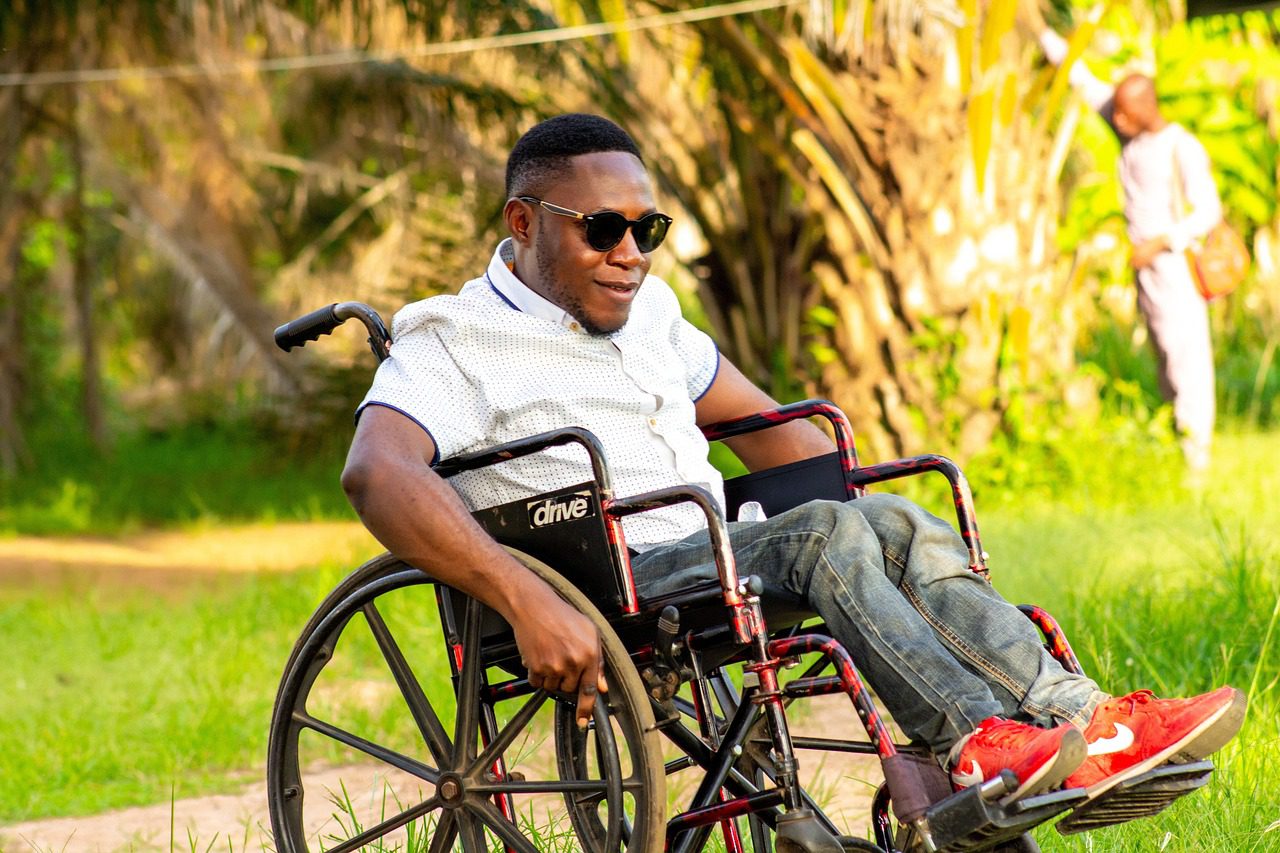
Disability and Poverty in Georgia According to a 2022 UNDP report, disability and poverty in Georgia are still affecting the country, with improvements to such situations only beginning recently. During the Soviet period, Georgia handled those with disabilities and those suffering from poverty because of their disabilities, with a mindset and a practice of “exclusion and institutionalization.” Reformations to this mindset and the subsequent practices are going through implementation and amendments to help people with disabilities lead to a better quality of life.

Background on Disability and Poverty in Georgia

In 2021, the Social Service Agency registered about 128,285 people with disabilities living in Georgia. This number could be greater due to the lack of statistical data on people with disabilities in the country, according to a 2022 UNDP report. The types of disabilities that one may encounter within the country are those with physical, mental, sensory or intellectual long-term impairments, UNDP reports.

Life for those with disabilities within Georgia is incredibly difficult. They often face discrimination due to their impairments and they live out their days in boarding houses and institutions for an indefinite amount of time, according to UNDP. Those with disabilities are more likely to be a part of the impoverished population of Georgia as the society sees them as not being capable of contributing to the workforce within Georgia’s economy, with the right to employment being one of the biggest issues that people with disabilities face within the country, according to UNDP.

The general poverty rate within Georgia stood at 4.3% as of 2022. In 2023, the total population of Georgia is around 3,760,365 people. Given the Social Service Agency of Georgia’s registered amount of people with disabilities in 2022, of 128,285 people, one can assume that the general poverty rate of people with disabilities could be at around 29.3%.

Georgian Young Lawyers Association

To help aid those suffering from disabilities and poverty in Georgia, several NGOs are helping to fight for people with disabilities to have rights in Georgia. One of which is the Georgian Young Lawyers Association (GYLA).

GYLA has been fighting for human rights since its establishment in 1994. It set out to protect human rights, strengthen the country’s democratic institutions and create fair governance by promoting transparency and governance accountability within the country. So far, GYLA has helped to provide Georgia with a Legal Aid Program that has helped to provide Georgians with 1.3 million consultations in free legal aid assistance. The Legal Aid Program that GYLA has established focuses on offering its assistance to those with disabilities, representatives of minorities, women and children, and those that face discrimination, by providing them with lawyer services both in local and international courts.

Organizations such as GYLA, as well as other companies and their consumers, are also helping to fight poverty in Georgia and have been able to see drastic results early this year. Specifically, companies like the Asian Development Bank (ADB) that develop year-long contracts to help provide the country with a more sustainable economy have helped to decrease Georgia’s unemployment rate by 14% in 2024, alone. With the increase in domestic consumption of goods and services within the economy by consumers, it is projected that the GDP will continue to increase in 2025, by about 7%.

Results

The country is not only working to reduce poverty, it is also working toward providing people with disabilities with personal agency. In 2014, Georgia ratified the UN Convention on the Rights of Persons With Disabilities. This ratification would allow them to make reforms to policies and legislation that would enable people with disabilities to be better represented within the country, as well as within their own families and communities. More recently, the country passed a 2020 Law on the Rights of Persons With Disabilities. This law would further allow for people with disabilities to be on an equal basis with their peers, by encouraging deinstitutionalization and essentially shifting the mindset of the country’s views towards people with disabilities to be that of a more inclusive one. 

Conclusion

Not only is Georgia beautiful to visit, but it has also been steadily and successfully addressing disability and poverty in Georgia. Georgia has been fighting against poverty since the early 2000s and has managed to increase GDP and monetary circulation throughout the economy. Overall, it would seem Georgia is headed for a bright future with the consistent fulfillment of the country’s SDG goals for the elimination of poverty and providing rights to those with disabilities and poverty within the country.

– Sadie Treadwell

Sadie is based in Grovetown, GA, USA and focuses on Business and Good News for The Borgen Project.

Photo: Flickr

November 16, 2024
https://borgenproject.org/wp-content/uploads/borgen-project-logo.svg 0 0 Jennifer Philipp https://borgenproject.org/wp-content/uploads/borgen-project-logo.svg Jennifer Philipp2024-11-16 07:30:082024-11-15 10:38:05Disability and Poverty in Georgia 
Africa, Developing Countries, Global Poverty

The Havids’ Initiatives for Youth and Community Development

The Havids’ InitiativesFor years, the people of the Niger Delta, an oil-rich region in Southern Nigeria, have faced staggering challenges, including inadequate access to quality education, limited economic opportunities and environmental degradation. These factors have perpetuated a cycle of poverty, leaving the community’s most vulnerable children, particularly children and youths, without the resources they need to thrive.

Recognizing the urgent need for change, The Havids Center for Environment and Development (The Havids), founded in 1992, has embarked on a mission to empower Nigerian youths living in the delta region and even beyond. To achieve this, The Havids’ initiatives have been implemented, including:

The Scholar Diplomats – Building Future Leaders

The Havids designed the Scholar Diplomats program to nurture a new generation of leaders who are academically proficient and deeply committed to social change. The organization carefully selects bright young minds from the community and provides them with rigorous training in diplomacy, environmental stewardship and leadership. The program equips participants with the skills and knowledge needed to address local challenges while thinking globally.

The Wintersteen Hub: A Beacon of Hope

The Wintersteen Hub is a community center that serves as the focal point of The Havids’ efforts in Bakana (Rivers State, Nigeria) and its environs. The Hub offers a range of programs aimed at combating poverty, including a library, vocational training, entrepreneurship support and environmental education. It also serves as a safe space for community members to access resources, such as Internet services, educational materials and health information.

More than 200 individuals have completed vocational training programs at the Hub, with many going on to start their own businesses or secure gainful employment. Additionally, the Hub’s focus on environmental education has significantly reduced deforestation in the area, as community members have learned about sustainable farming practices and the importance of preserving their natural surroundings.

Reusable Sanitary Menstrual Pads for Schoolgirls

The Havids also addresses period poverty among schoolgirls in the Niger Delta through the Reusable Sanitary Menstrual Pads for Schoolgirls project. In many impoverished communities, young girls often miss school due to a lack of access to sanitary products, leading to significant disruptions in their education.

To combat this, the organization provides reusable sanitary pads to schoolgirls, ensuring they can attend school with dignity and without interruption. The Reusable Sanitary Menstrual Pads for Schoolgirls project has kept more than 500 girls in school, reducing absenteeism and empowering them to pursue their education without the stigma and challenges associated with inadequate menstrual care.

By educating girls about menstrual health and providing sustainable, cost-effective solutions, The Havids not only helps to keep them in school but also empowers them with the knowledge and confidence they need to succeed.

Practical Leadership Awards for Youths (PLAY)

PLAY, another of The Havids’ initiatives, seeks to recognize and empower young individuals who demonstrate exceptional leadership and a commitment to community development. It gives this award to youths who have shown a remarkable attitude toward tackling local issues, whether through innovative projects, community service or environmental conservation efforts.

Recipients of the PLAY award receive not only recognition but also mentorship opportunities, funding for their projects and the chance to network with other young leaders. By shining a spotlight on these young changemakers, PLAY aims to inspire a new generation of leaders dedicated to creating a poverty-free future for the Niger Delta and beyond.

The Havids’ efforts, demonstrated through these initiatives, are a testament to the power of innovative, community-driven solutions to poverty. By focusing on education, leadership and sustainable development, The Havids is not only changing the narrative in the Niger Delta but also inspiring others globally to take action.

– Staff Reports
Photo: Pexels

November 16, 2024
https://borgenproject.org/wp-content/uploads/borgen-project-logo.svg 0 0 Lynsey 2 https://borgenproject.org/wp-content/uploads/borgen-project-logo.svg Lynsey 22024-11-16 01:30:352024-11-15 10:33:48The Havids’ Initiatives for Youth and Community Development
Charity, Global Poverty

Addressing Health Initiatives With Oxfam in South Sudan

Addressing Health Initiatives With Oxfam in South SudanSouth Sudan is a country facing significant challenges due to ongoing conflict and instability. To address this, Oxfam is supporting health and nutrition initiatives that significantly benefit communities in South Sudan. This organization has been active in Sudan for more than 30 years and is helping families rebuild their lives. After becoming an independent state just over a decade ago, South Sudan became caught in conflict when war arose in Juba in 2013, becoming one of the many new hosts of 2.5 million refugees living in poverty.

Taking Action

Oxfam’s health interventions include installing wells remote water and sanitation stations, increasing food security and protecting land rights and natural resources, particularly for farmers. Oxfam has provided aid by distributing food to more than 415,000 individuals and helping more than 140,000 people reach clean water and sanitation stations throughout their time in the country. 

It is increasing access to these resources by prioritizing the islands closest to Nyal, where a majority of families are coming from. To support the influx of people coming in, Oxfam provides emergency services to communities by increasing gardens, water storage points, bathing facilities and providing cooking and farming supplies. This empowers communities to rebuild their livelihoods to support their families long-term. The number of refugees seeking aid in the country has increased 10 times since gaining independence, reaching about 107,000 people in 2012.

Hunger

In addition to an increase in refugees, more than half of the population of South Sudan already lives in extreme hunger. The state relies heavily on imported foods and with the impact of border conflicts making imports less accessible, inflation is at a high. Increasing food prices make it more difficult for people to feed their families, increasing widespread famine and malnutrition. Not only does Oxfam provide families with the tools necessary to restabilize, but it also teaches them efficient farming and planting techniques. These processes could improve their crop yield and soil fertility, ensuring successful food production for future generations. 

Impact of Flooding in South Sudan

The country has faced severe floods for consecutive years since 2018, now leaving approximately 70% of the country covered in water. This destroys homes, farmland, schools and health centers and washes away roads, making transportation and importation incredibly difficult. Due to heavy periods of rainfall, flooding disperses and does not permeate the already saturated soil, making large portions of land inaccessible. This increases displacement as communities lose their homes, farmland and livestock. In turn, this increases the number of individuals requiring food, shelter, clean water and medical aid, increasing Oxfam initiatives throughout the entire country. 

Canoe Vouchers

A town in South Sudan that has been especially welcoming to refugees, Nyal, has become home to many individuals searching for food and shelter. Through support from Oxfam and Irish Aid, the community offers canoe transportation to and from Nyal based on a free voucher system to help displaced individuals access food and medical care. Traveling by foot is considered unsafe for women, making canoe transportation the more efficient and protected route, taking about three days to cross the swamps. This program also provides jobs for community members, allowing both men and women to establish a stable income to support their families for the first time since 2013. 

Supporting Women

Oxfam is specifically addressing issues of under-reported instances of sexual violence against women in South Sudan. In heightened periods of conflict, sexual exploitation is used as a war tool and is often overlooked regarding the outcomes of war. Oxfam is creating safe spaces to offer medical aid and educate women about their rights. Women are encouraged to find a sense of community among each other and to feel empowered to ensure their rights are not violated. 

At the Jamam camp located in the Upper Nile region, Oxfam conducted research to ensure safe and clean access to water collection points and lavatory facilities. A survey revealed that more than 10% of women felt there was not enough privacy in public restrooms, Oxfam increased separation and staffing, prioritizing the safety and wellbeing of these women. Prioritizing privacy as well as sanitation also helps prevent the spread of diseases. Staff is constantly reviewing feedback and comments from community members on how these resources can be improved. 

Overall Impact in South Sudan

These ongoing efforts increase community resilience, improve health and reduce poverty. Oxfam is critical in on-ground relief for refugees and struggling communities in Sudan and regions across southern Africa. Oxfam supports more than 500,000 individuals in these areas with long-term and emergency care. It is actively working to provide access to clean water and sanitation for 90,000 people in South Sudan and is working to reach a goal of $7 million to expand its reach to aid 400,000 people. The organization has been incredibly successful in addressing health concerns and rising poverty levels through life-saving initiatives with Oxfam in South Sudan. These major efforts providing health aid to those displaced have been incredibly beneficial to families looking to reestablish their communities and stability in uncertain times.

– Lauren Sellman

Lauren is based in Rochester Hills, MI, USA and focuses on Good News and Global Health for The Borgen Project.

Photo: Flickr

November 15, 2024
https://borgenproject.org/wp-content/uploads/borgen-project-logo.svg 0 0 Precious Sheidu https://borgenproject.org/wp-content/uploads/borgen-project-logo.svg Precious Sheidu2024-11-15 07:30:122024-11-15 01:44:08Addressing Health Initiatives With Oxfam in South Sudan
Africa, Developing Countries, Global Poverty

Rays of Hope Support Initiative: Path to Healthier Lives in Ibadan

Rays of Hope Support InitiativeNoncommunicable diseases (NCDs) have become a significant public health challenge in Nigeria, particularly in urban areas. Hypertension and diabetes, in particular, have seen a surge in prevalence, disproportionately affecting vulnerable populations. These conditions often lead to severe health complications, disability and premature death, exacerbating poverty and inequality.

Nigeria’s Silent Health Crisis: Hypertension and Diabetes

More than 20 million Nigerians are living and battling with hypertension silently, while more than 11 million live with diabetes. More than half of those affected by these silent killers are unaware of their health status. Even among those who are aware, many are not taking action. Those trying to seek care are hindered by economic challenges and unable to afford or access health care. As a result, they resign to their fate, waiting for the inevitable.

Nearly 30% of deaths in Nigeria, either at the hospital or at home, stem from NCDs. The nation’s potential brightest contributors are lost to these illnesses. The most vulnerable are hit hardest, as a lack of resources cuts their dreams short.

Rays of Hope Support Initiative

Rays of Hope Support Initiative (ROHSI) has been operational since 2017. Located in Ibadan, Oyo State, Nigeria. ROHSI is dedicated to combating the rising burden of NCDs in Ibadan and Nigeria, where it has been implementing innovative solutions to address these pressing issues. As an organization working within the NCD health space, ROHSI has focused on empowering vulnerable populations, such as older people, women and children, who are disproportionately affected by NCDs. This involves providing targeted interventions, addressing social determinants of health and ensuring equitable access to health care services.

The ROHSI team, since inception, has been working closely with local health care providers through collaboration and partnerships to ensure that individuals with NCDs, especially hypertension and diabetes, receive appropriate treatment and care. This includes providing access to essential medications and connecting patients with support services. Through its community-based health education initiative, the organization conducts regular health education programs to raise awareness about NCDs, especially hypertension and diabetes, their risk factors and preventive measures.

These sessions are tailored to the specific needs of the community, ensuring that information is accessible and understandable. Furthermore, the ROHSI early detection and screening program allows for timely intervention, reducing the likelihood of severe complications, therefore saving many lives from avoidable deaths.

Impact of Rays of Hope Support Initiative

ROHSI’s efforts have yielded significant results in improving the health and well-being of the community in Ibadan. It has educated more than 10,000 citizens on disease prevention with an emphasis on hypertension and diabetes. The organization has made an impact across three states, reaching more than 5,000 direct beneficiaries through free screenings and medication.

The nonprofit currently has a thriving online community with access to daily, up-to-date health tips. More than 1,500 members are part of its combined Facebook group, with thousands more across other social media platforms, where they access up-to-date information on health-related issues.

Many of ROHSI’s community members have reported a significant improvement in their quality of life as a result of the team interventions, including reduced symptoms, increased energy levels and greater independence.

Final Note

ROHSI has strengthened its community members’ resilience by empowering individuals to take control of their health and well-being. It has done so through daily health tips and free access to its medical team for guidance on health and wellness issues. The organization has advocated for favorable health policy changes from the Nigerian government and policymakers to address the root causes of NCDs and improve access to health care services in Nigeria. It does this by fostering partnerships and collaborations with like-minded local and international organizations.

– Staff Reports
Photo: ROHSI

November 15, 2024
https://borgenproject.org/wp-content/uploads/borgen-project-logo.svg 0 0 Lynsey 2 https://borgenproject.org/wp-content/uploads/borgen-project-logo.svg Lynsey 22024-11-15 01:32:162024-11-15 01:32:16Rays of Hope Support Initiative: Path to Healthier Lives in Ibadan
Africa, Global Poverty, Mental Health

Mental Health in Benin: Challenges and Progress

Mental Health in Benin
Poverty and mental health are deeply intertwined in Benin, where nearly 38.5% of the population lives below the poverty line. Poverty exacerbates mental health issues, creating barriers to accessing necessary care. Mental health disorders such as anxiety and depression disproportionately affect individuals in low-income settings due to stress, lack of support, and stigma. These findings echo broader trends seen in other low- and middle-income countries, as outlined by the World Bank, which identifies the lack of infrastructure as a key impediment to effective mental health interventions.

Challenges in Mental Health Accessibility

Access to mental health services in Benin is limited, with the majority of specialized care facilities located in urban centers like Cotonou and Porto-Novo, leaving rural populations underserved. According to the World Health Organization (WHO), the country faces critical shortages in mental health professionals, with fewer than one psychiatrist per 100,000 people. Additionally, there are only a handful of psychiatric hospitals, and mental health care is often integrated into general hospitals, which lack the necessary resources and trained personnel. This imbalance between urban and rural health care access is further exacerbated by societal stigma, which discourages individuals from seeking treatment, and the absence of a comprehensive national mental health strategy.

Role of Poverty in Amplifying Mental Health Issues

From a human rights and social justice perspective, this cycle of poverty and poor mental health represents a critical ethical issue. According to the International Covenant of Economic, Social and Cultural Rights, “everyone has a right to the highest attainable standard of physical and mental health”. However, as Paul Farmer notes, the needs of the world’s poor are often overlooked, and the structural inequalities that perpetuate mental health disparities are frequently neglected by global health and foreign policy communities. Addressing these inequalities requires integrating human rights frameworks into public health strategies, emphasizing beneficence, autonomy, and resource equity to empower marginalized populations and break the cycle of poverty and mental illness.

Progress Through Community-Based Interventions

Efforts in Benin such as the “Saint Camille Solution” have made strides in addressing mental health challenges through community-based interventions. These include awareness campaigns, support groups and partnerships with international NGOs for resource mobilization. Such programs highlight the importance of addressing both societal stigma and resource allocation.

Moving Forward: Policy and Investment Needs

While some progress has been made, significant work remains to fully integrate mental health into Benin’s healthcare system. Strengthening the system requires a multifaceted approach, beginning with the training and deployment of specialized mental health professionals across the country, particularly in underserved areas. Existing professionals will need to receive continuous training, supervision, and evaluation to enhance their effectiveness. 

– Olivia Barker

Olivia is based in London, UK and focuses on Global Health for The Borgen Project.

Photo: Flickr

November 15, 2024
https://borgenproject.org/wp-content/uploads/borgen-project-logo.svg 0 0 Jennifer Philipp https://borgenproject.org/wp-content/uploads/borgen-project-logo.svg Jennifer Philipp2024-11-15 01:30:002024-11-28 08:15:17Mental Health in Benin: Challenges and Progress
Aid, Global Poverty, War

Baltic Aid to Ukraine: An example for the international community

Baltic aid to UkraineA shared history of occupation and aggression from their Russian neighbor is what unites the Baltic states and Ukraine. Whilst Latvia, Lithuania, Estonia and Ukraine all gained independence from the Soviet Union in 1991, the Russian invasion of Ukraine in 2022 caused old alliances to form. The continuous support by the Baltic states for Ukrainian refugees and the country’s post-war development sets an example for the wider international community on the importance of ensuring aid to Ukraine is ongoing. Here is a breakdown of Baltic aid to Ukraine.

Aid Compared to GDP

The Baltic states are three out of the five top contributors of aid to Ukraine relative to GDP. Since the beginning of the conflict, Latvia provided 0.9%, Estonia 0.8% and Lithuania 0.4% of bilateral aid as a percentage of GDP. This proves to be starkly different to the level of government aid by other Western countries; the U.S. and U.K. allocated €26.9 billion and €3.8 billion in government support, which amounted to only 0.2% of their GDPs.

Baltic aid to Ukraine is not limited to the allocation of aid to the country but also the number of refugees welcomed into the Baltic states in 2022. Estonia currently hosts 40,000 Ukrainian refugees which amounts to 3% of its population. Latvia similarly has 53,000 refugees which forms 2.7% of its population. 80,000 Ukrainians entered Lithuania, with 50,000 temporary visas issued for temporary protection. The intake of refugees in these countries is considerably larger than other large European countries like the U.K., which currently hosts 246,960 Ukrainian refugees.

Preservation of Ukrainian Culture in the Baltics

The displacement of 6.3 million Ukrainian citizens and the destruction of cultural sites risks the erasure of Ukrainian culture. However, programs within the Baltic states seek to preserve Ukrainian culture. One example is The Freedom School in Estonia which teaches Ukrainian culture and language education for 560 displaced Ukrainians. The school even received praise from the First Lady of Ukraine who told students there that the opportunity to study in two languages will give them the “freedom of knowledge.”

The World Bank, United Nations and European Commission report estimates the cost of rebuilding Ukraine to be around $486 billion. Lithuania has taken steps to ensure that it can reduce the long-term war damages to the country through the implementation of its Future of Ukraine initiative. So far the scheme rebuilt the Borodyanka school in Ukraine and re-modeled the electricity distribution network at Mykolaiv.

The Vice Minister of Foreign Affairs Jovita Neliupšienė explained the aim of the initiative: “Our aim is resolute—to demonstrate unwavering support for Ukraine’s reconstruction in the face of Russian aggression.”

Looking Forward

Whilst other E.U. countries such as Germany look to halve its aid to Ukraine in 2025 to €55 billion, ongoing Baltic aid to Ukraine sends signals to the international community of the ongoing need for support in Ukraine.

– Sofia Brooke

Sofia is based in Oxfordshire, UK and focuses on Politics for The Borgen Project.

Photo: Flickr

November 14, 2024
https://borgenproject.org/wp-content/uploads/borgen-project-logo.svg 0 0 Naida Jahic https://borgenproject.org/wp-content/uploads/borgen-project-logo.svg Naida Jahic2024-11-14 07:30:142024-11-14 00:06:20Baltic Aid to Ukraine: An example for the international community
Africa, Global Poverty, Health

Saving Lives: Tackling Maternal Mortality in sub-Saharan Africa

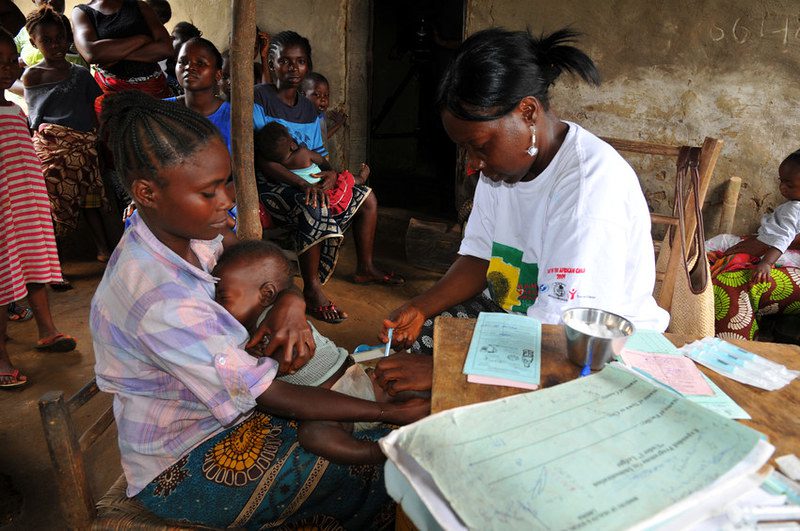
Maternal Mortality in sub-Saharan AfricaMaternal mortality remains one of the most pressing public health challenges in sub-Saharan Africa. In regions like Liberia, Sierra Leone and other underserved areas, the lack of resources, trained professionals and access to essential medications means that around 300,000 women die each year from preventable complications of pregnancy.

Life for African Mothers (LFAM), a U.K.-based charity founded 19 years ago, is at the forefront of tackling this crisis. LFAM operates in some of the world’s most impoverished regions, dedicating its resources to saving mothers’ lives by providing vital medications and training health care workers to improve maternal health outcomes. Entirely volunteer-driven, LFAM’s efforts have become a beacon of hope for thousands of women across sub-Saharan Africa.

The Urgency of Maternal Mortality in sub-Saharan Africa

More than 80% of maternal deaths are preventable, particularly those from postpartum hemorrhage (PPH). The number, 300,000, has remained stubbornly high for more than a decade. Despite the affordability of medication, logistical costs and the high number of mothers in need pose significant challenges. Many clinics in rural and underserved regions lack consistent access to misoprostol, significantly increasing the risk of fatal complications during childbirth. This is where LFAM’s intervention becomes crucial.

The LFAM Project: Two-Pronged Approach

The primary goal of LFAM is to reduce maternal mortality in sub-Saharan Africa, particularly in countries like Liberia and Sierra Leone. LFAM’s project is built on two key pillars: 

  1. Distribution of vital medication: Since its inception, LFAM has been working to procure and distribute misoprostol to hundreds of health facilities across Liberia, Sierra Leone and other sub-Saharan African countries. By ensuring that each clinic has a consistent supply of this life-saving medication, LFAM addresses one of the biggest barriers to reducing maternal mortality.
  2. Training health care workers: In addition to providing medication, LFAM prioritizes the training of health care workers. This training focuses on the proper administration of misoprostol and Emergency Obstetric Care (EMOC). Through partnerships with local midwives and hospitals, LFAM introduces practices in maternal care that can have a lasting impact on the health system. The goal is not only to provide immediate relief but also to foster self-sufficiency in these clinics, enabling long-term improvements in maternal health care.

LFAM’s project implementation involves a comprehensive and continuous process of reviewing the existing needs of each clinic, supplying misoprostol in bulk and delivering these supplies to hundreds of clinics across the region. Regular monitoring of maternal health outcomes ensures that the program can be adjusted to maximize its impact and expand where necessary. This systematic approach helps LFAM address both the immediate and long-term needs of maternal health facilities across the region.

Saving Lives

LFAM has shipped more than 5 million tablets of misoprostol to sub-Saharan Africa, potentially saving around one million lives. The organization has also educated 1,000 midwives, highlighting its dedication to tackling maternal mortality in sub-Saharan Africa. The primary beneficiaries of LFAM’s work are women in rural and underserved areas of sub-Saharan Africa, where access to emergency maternal care is limited or nonexistent.

These women, especially those at risk of life-threatening complications, are often miles from the nearest health care facility. LFAM aims to reach approximately 10,000 mothers annually by working with local clinics to ensure that even the most remote areas receive the necessary supplies and support. This strategy addresses the geographic and socioeconomic disparities that make maternal health care inaccessible for so many women in the region.

Saving mothers’ lives enriches communities and encourages prosperity in the most impoverished countries. Poverty and maternal death rates are inextricably linked. When a mother survives childbirth, she can care for her newborn and contribute to the social and economic fabric of her community. LFAM’s work is helping ensure that more women survive to fulfill this role.

Lasting Solutions

LFAM’s model is designed with sustainability in mind. By investing in training local health care professionals and partnering with governments, the organization is helping to create a system that can continue to function even after LFAM’s direct involvement ends. This long-term approach ensures that the improvements in maternal health care are not temporary but instead form the foundation for a healthier future.

LFAM’s mission is clear: to prevent unnecessary maternal deaths in sub-Saharan Africa. However, this work is only possible with the continued support of donors and partners. Every pound invested in LFAM’s projects helps save lives, empower communities and improve health care systems in some of the world’s most underserved regions. With donor support, LFAM continues to contribute to a brighter and healthier future for thousands of mothers and their families, forging a path toward a world where no mother dies from preventable causes during childbirth.

– Staff Reports
Photo: Flickr

November 14, 2024
https://borgenproject.org/wp-content/uploads/borgen-project-logo.svg 0 0 Lynsey 2 https://borgenproject.org/wp-content/uploads/borgen-project-logo.svg Lynsey 22024-11-14 01:30:082024-11-14 00:00:24Saving Lives: Tackling Maternal Mortality in sub-Saharan Africa
Aid, Conflict, Global Poverty

How Award-Winning Authors Are Showing Support for Palestine

Support for PalestineThe relentless brutality of Israeli forces has reduced Gaza to a state of extreme humanitarian crisis. Catherine Russell, executive director of the United Nations Children’s Fund (UNICEF), reports that “the entire Palestinian population in northern Gaza is at imminent risk of dying from disease, famine or ongoing bombardments by the Israeli military.”

With no sign of an end in sight and access to aid severely restricted, global support for Palestinians is crucial for encouraging leaders of the most powerful nations to act in every way they can to see this reality of horror come to an end. One thousand acclaimed publishing professionals and authors, including the author of “Normal People,” Sally Rooney, have demonstrated their stance of support for Palestine by signing a letter that pledges to boycott Israeli cultural institutions.

The Situation in Gaza

Palestinian rights are increasingly violated day by day as the conflict continues to escalate. Since the conflict began on 7 October 2023, more than 40,000 lives have been lost and a minimum of 97,000 civilians have been injured in Gaza. Intern physician Dr. Amira Qadeeh spoke with The New Humanitarian about the devastating impact of the conflict on those living through this nightmare.

Qadeeh expresses: “Before, I was in the safety and comfort of my home, leading a quiet life … and doing all the things that are normal for any human being. Now we need a miracle to get clean drinking water, enough healthy food, a blanket that warms us in the bitter cold and above all, safe shelter.” Urgent continued support for Palestine is crucial for the restoration of livelihood; however, with many companies, countries and institutions still profiting off this crisis, we are witnessing complicity that actively enables the bloodshed to persist.

Support for Palestine From Book Industry Figures

Rooney, Arundhati Roy and Rachel Kushner are just a few names among more than 1,000 signatories of the pledge to boycott Israeli cultural institutions that “are complicit or have remained silent observers of the overwhelming oppression of Palestinians.” Organized by the Palestine Festival of Literature, the boycott recognizes the existence of institutions profiting from others’ suffering. All those in favor of this campaign express that they will refuse to work with any Israeli publishers, festivals, literary agencies and publications that are complicit in the violation of Palestinian rights.

This also includes those operating “discriminatory policies and practices” or “whitewashing and justifying Israel’s occupation, apartheid or genocide.” Among others, Rooney’s support for Palestine has been unwavering, demonstrated through her history of openly advocating for Palestinian rights and refusing to “sell the Hebrew translation rights of her third novel, “Beautiful World, Where Are You,” to an Israeli publisher in 2021. 

The impact of well-known and loved book industry figures such as Rooney using their influence to speak out about the situation in Gaza, as well as calling for the boycott of institutions, is invaluable for generating as much public support for Palestinian rights as possible. Moreover, this high-profile boycott has the power to influence others and highlight companies and institutions that capitalize on the conflict in Gaza.

– Imogen Prince

Imogen is based in Oxford, UK and focuses on Good News and Politics for The Borgen Project.

Photo: Flickr

November 13, 2024
https://borgenproject.org/wp-content/uploads/borgen-project-logo.svg 0 0 Lynsey 2 https://borgenproject.org/wp-content/uploads/borgen-project-logo.svg Lynsey 22024-11-13 07:30:262024-11-12 23:54:41How Award-Winning Authors Are Showing Support for Palestine
Developing Countries, Global Poverty, Housing Security

Boateng’s Plastic Bricks Offer Affordable Housing for Ghana

Affordable Housing for GhanaIn 2015, in Accra, the capital of Ghana, a devastating fire exacerbated by plastic pollution ended up killing 250 people. While this was a horrible accident, Nelson Boateng, the Chief Executive Officer of Nelplast, a big plastic-producing company in Ghana, took accountability and decided to start creating an impactful solution from this loss. He became inspired to invent and invest in bricks made out of shredded plastic and sand to mitigate the issues of plastic arising in Ghana.

This invention also helped save his company, as the Ghanaian government was considering a ban on single-use plastics due to health and safety hazards associated with plastic pollution. Boateng told “Africa Calling” podcast correspondent Zubaida Mabuno Ismail, “I had to find a way of dealing with the plastic in a more sustainable way.”

Waste Management in Ghana

A major factor driving plastic repurposing efforts in Ghana is the country’s significant plastic pollution problem. The National Library of Medicine reports a link between public health issues in Ghana and inconsistent waste management practices, a concern shared by many Ghanaians. Indeed, Gbeddy Phanuel’s online survey on household waste management practices in Accra found that 83% of respondents consider quality service to be the top priority. Many feel that current waste management practices are unpredictable and lack professionalism.

As a developing country, Ghana has yet to establish fully functional waste management sites, making it challenging for residents to dispose of waste properly. In fact, 62% of Ghana’s waste reaches landfills. Furthermore, the remaining 38% is disposed of through unregulated methods, including 14.5% in waterways and 16.5% in gutters. This poses health risks for Ghanaians as inadequate waste management solutions compromise water sources.

Fortunately, Gbeddy’s survey of more than 200 Ghanaians revealed that 81% are willing to participate in waste management initiatives. Plastic waste ranks third highest in Africa and due to its long lifespan, finding sustainable ways to reduce its usage is crucial for the health and safety of people in Ghana.

Beautiful Plastic Homes for a Low Price

In an interview with Voice of America, Boateng offers an inside look at the plastic brick manufacturing process and its final results. He showcases his home, which is built entirely from Nelplast bricks made of recycled plastic. Constructing a one-bedroom apartment with these bricks costs around $11,000, making it an affordable housing option for low-income families in Ghana.

Each home uses about 13,400 kilograms (approximately 29,542 pounds) of plastic. Boateng and his company developed these bricks by heating and compressing a blend of plastic and sand, creating durable materials that leverage plastic’s resilience against decay—a promising solution to Ghana’s housing shortage.

Boateng introduces an innovative solution for both the housing shortage and plastic waste problem, providing a hopeful path forward for affordable housing in Ghana.

– Madeline Star Heintz

Madeline is based in Los Angeles, CA, USA and focuses on Business and Solutions for The Borgen Project.

Photo: Flickr

November 13, 2024
https://borgenproject.org/wp-content/uploads/borgen-project-logo.svg 0 0 Lynsey 2 https://borgenproject.org/wp-content/uploads/borgen-project-logo.svg Lynsey 22024-11-13 07:30:242024-11-13 00:02:49Boateng’s Plastic Bricks Offer Affordable Housing for Ghana
Page 229 of 2162«‹227228229230231›»

Get Smarter

  • Global Poverty 101
  • Global Poverty… The Good News
  • Global Poverty & U.S. Jobs
  • Global Poverty and National Security
  • Innovative Solutions to Poverty
  • Global Poverty & Aid FAQ’s
Search Search

Take Action

  • Call Congress
  • Email Congress
  • Donate
  • 30 Ways to Help
  • Volunteer Ops
  • Internships
  • Courses & Certificates
  • The Podcast
Borgen Project

“The Borgen Project is an incredible nonprofit organization that is addressing poverty and hunger and working towards ending them.”

-The Huffington Post

Inside The Borgen Project

  • Contact
  • About
  • Financials
  • President
  • Board of Directors
  • Board of Advisors

International Links

  • UK Email Parliament
  • UK Donate
  • Canada Email Parliament

Get Smarter

  • Global Poverty 101
  • Global Poverty… The Good News
  • Global Poverty & U.S. Jobs
  • Global Poverty and National Security
  • Innovative Solutions to Poverty
  • Global Poverty & Aid FAQ’s

Ways to Help

  • Call Congress
  • Email Congress
  • Donate
  • 30 Ways to Help
  • Volunteer Ops
  • Internships
  • Courses & Certificates
  • The Podcast
Scroll to top Scroll to top Scroll to top