• Link to X
  • Link to Facebook
  • Link to Instagram
  • Link to TikTok
  • Link to Youtube
  • About
    • About Us
      • President
      • Board of Directors
      • Board of Advisors
      • Financials
      • Our Methodology
      • Success Tracker
      • Contact
  • Act Now
    • 30 Ways to Help
      • Email Congress
      • Call Congress
      • Volunteer
      • Courses & Certificates
      • Be a Donor
    • Internships
      • In-Office Internships
      • Remote Internships
    • Legislation
      • Politics 101
  • The Blog
  • The Podcast
  • Magazine
  • Donate
  • Click to open the search input field Click to open the search input field Search
  • Menu Menu

Archive for category: Global Poverty

Key articles and information on global poverty.

Global Poverty, Homelessness, Housing Security

Are Mushrooms The Solution To Namibia’s Housing Shortage?

Namibia’s Housing ShortageNamibia is a country on the southwest coast of Africa. It was a German colony from 1884 to 1919. Under German control, Namibia suffered a genocide as well as economic depletion. In the aftermath of WWI, South Africa took control of Namibia. After a decades-long resistance movement, the country gained independence in 1990, creating a democratic multiparty system. Unfortunately, the effects of colonial exploitation continue to make the country economically vulnerable. For instance, 64% of Namibia’s population still lives below the poverty line, contributing to Namibia’s current housing shortage.

MycoHAB

MycoHAB is a nonprofit organization that researches and produces mycelium to create building materials that can be used to develop infrastructure in African communities. The company also strives to end food insecurity, create jobs and maintain a carbon-negative impact through its mycelium technology. The company began as an initiative alongside MIT’s Center for Bits and Atoms under the direction of the Standard Bank Group, Africa’s largest bank. Although now independent of both MIT and the Standard Bank Group, the company’s approach was born from Standard Bank’s Buy-A-Brick program that works to alleviate homelessness in Namibia. The program was created to help fund the building of brick homes for those living in informal structures.

With this foundation, MycoHAB focused its mycelium structures into MycoBlocks, creating a more sustainable and community-forward approach to building houses. MycoHAB still donates 100% of its proceeds to its inspiration charity, the Buy-A-Brick Foundation.

Namibia’s Housing Shortage and Poverty

Namibia has a population of around 3 million people. It is considered a lower-middle-income economy, with half of its population living in rural areas. Mining is the country’s largest industry, accounting for 30% of its gross GDP, yet less than 10% of the overall workforce is employed within said industry, with unemployment rates only rising, according to Encyclopedia Britannica. Currently, one in five Namibians lives in a makeshift house built from found materials or zinc sheets. Studies estimate that approximately half a million new homes are necessary to address Namibia’s housing shortage, The Guardian reports.

Giving Hope to Namibia

Starting in 2019, the MycoHAB Namibia project, entitled BioHAB, has been working to solve the housing crisis in Namibia by providing sturdy and eco-friendly homes to the unhoused as well as partnering with local communities to create jobs. The process begins by gathering the invasive encroacher bush that is causing significant damage to Namibia’s ecosystems to create a nutrient base for mycelium to grow through, MIT Sloan School of Management reports. The project then harvests the edible mushrooms and, partnering with community members, sells the product to local markets and hotels. It then takes the leftover mycelium waste and forms constructible bricks.

MycoHAB offers professional and agricultural training to community members who wish to contribute to the program, according to the MIT Sloan School of Management. Once trained, individuals can work for the project and receive a reliable income. When the bricks are no longer necessary, people can grow them and turn them into fertilizer for regional farming. Overall, the company is providing not just shelter but real homes to unhoused people in rural regions of Namibia who are most affected by poverty and social and environmental obstacles.

Namibia’s Housing Shortage: The Future

Homelessness exists in a cycle of poverty in which shelters can be the first step in breaking. Without shelter, the possibility of securing a paycheck, making a meal and getting adequate sleep is slim. For children alone, the opportunity of growing up in a home as opposed to on the street offers a 21% increased chance of escaping lifelong poverty. By providing a home, MycoHAB not only offers a solution to Namibia’s housing shortage but also the chance for millions to gain a healthy and productive life.

– Amelia Dutch Player

Amelia is based in Savannah, GA, USA and focuses on Technology and Solutions for The Borgen Project.

Photo: Flickr

April 18, 2025
https://borgenproject.org/wp-content/uploads/borgen-project-logo.svg 0 0 Naida Jahic https://borgenproject.org/wp-content/uploads/borgen-project-logo.svg Naida Jahic2025-04-18 01:30:222025-05-06 06:01:14Are Mushrooms The Solution To Namibia’s Housing Shortage?
Food Security, Global Poverty, Malnourishment

How the World Food Programme Tackles Malnutrition in Honduras

How the World Food Programme Tackles Malnutrition in Honduras In Honduras, about 60% of the population lives in poverty. The country continues to face persistent challenges surrounding malnutrition, especially among children in rural and low-income communities. Food insecurity stems from multiple factors, including economic instability, climate-related issues and limited agricultural resources. As a result, many families lack consistent access to nutritious meals.

In response to this issue, the World Food Programme (WFP) has launched several initiatives aimed at improving nutrition and food access across the country. Its school meal program stands out as a key effort, ensuring that students receive nutritious meals to support their growth and learning. Below is a look at the WFP’s impact in Honduras, including statistics on malnutrition and the effectiveness of its school-based efforts.

Understanding Malnutrition in Honduras

Malnutrition is a very serious issue in Honduras, with 48% of the population suffering from malnutrition and about half of the children aged 2 to 6 suffering from anemia. Poverty plays a significant role in this problem, with the majority of the population living below the poverty line. Additionally, Honduras is also susceptible to extreme weather events such as hurricanes and droughts, which can also disrupt food production and supply chains. These economic and environmental challenges make food security a regular concern, leaving many families unable to afford or access nutritious meals.

The World Food Programme’s Efforts

The WFP works to alleviate hunger and improve food security throughout Honduras. Its efforts include emergency food assistance during natural disasters, nutritional support for vulnerable groups such as pregnant women and young children and longer-term programs aimed at strengthening local food systems.

The School Meal Program

Known as the Fresh Ration project, one of the WFP’s most impactful initiatives in Honduras is its school meal program. The program sources food from local farmers and delivers meals to schools across the country. In some areas, children also receive take-home meals to support family nutrition. The initiative has led to broader improvements beyond nutrition. For example, global WFP data reveal a 12% increase in girls’ school enrollment in areas where students receive daily meals.

The program continues to expand alongside the growing capacity of local food producers. As of 2025, the School Meals Coalition reported that the initiative serves 30,130 children in Honduras and sources food from 292 smallholder farmers. By supporting local agriculture while addressing child nutrition, the program contributes to both short- and long-term development goals.

Looking Ahead

The WFP’s efforts in Honduras, particularly through its school meal program, play a critical role in addressing child malnutrition and improving food security. Continued investment in these programs is essential to making long-term progress, especially in combating issues like childhood anemia. Addressing food insecurity requires collective effort across sectors. With sustained support and expanded outreach, WFP’s initiatives in Honduras could provide a scalable model for reducing malnutrition and improving economic resilience across the region.

– Joey Picolli

Joey is based in Boulder, CO, USA and focuses on Global Health for The Borgen Project.

Photo: Flickr

April 17, 2025
https://borgenproject.org/wp-content/uploads/borgen-project-logo.svg 0 0 Precious Sheidu https://borgenproject.org/wp-content/uploads/borgen-project-logo.svg Precious Sheidu2025-04-17 07:30:082025-04-17 02:18:23How the World Food Programme Tackles Malnutrition in Honduras
Global Health, Global Poverty, Women & Children

USAID cuts deprioritizes Women’s Health in Afghanistan

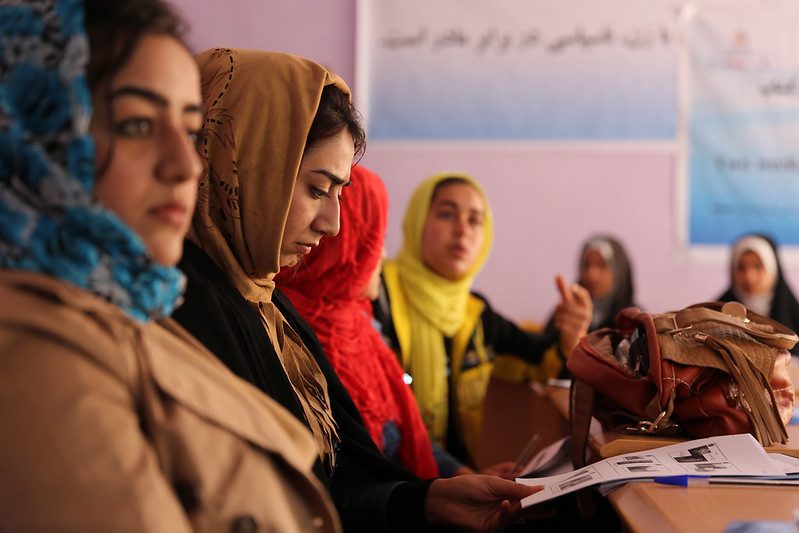
Women’s Health in Afghanistan The Trump Administration’s USAID cuts have affected many in Afghanistan, severely fracturing their already vulnerable health system. The U.S. previously provided more than 40% of foreign aid to Afghanistan, one of the poorest nations in the world, with a population of roughly 40 million. The World Health Organization (WHO) claims that more than 200 clinics have been closed, deprioritizing women’s health in Afghanistan.

Clinics Closing

Midwives in Afghanistan claim that mother and infant deaths have increased since the health clinics in many remote villages have been permanently closed. Women have not been able to reach the leading hospitals in time to receive proper care from a midwife. Many European nations have also revoked their foreign aid, leaving Afghanistan in a grueling position. The WHO believes 200 more facilities will be permanently closed by June 2025, NPR reports. These foreign aid cuts affect the most vulnerable patients in this developing nation: women, children and low-income populations. There is no direct data on complications and deaths due to the 206 clinics that closed as of March 2025. Midwives from village to village are spreading awareness to each other about pregnancy and childbirth deaths. USAID cuts are deeply deprioritizing women’s health in Afghanistan.

Midwives Testimony

In the western provinces of Herat, a midwife, Faezeh, experienced her clinic closing due to aid cuts. Previously, the clinic had been active at all hours. Many health clinics in Afghanistan not only assist with maternal and newborn care but also provide for the most vulnerable patients, including malnourished children and the elderly, NPR reports. The clinics offer vaccination and nutrition. The clinic in Herat was not reopened despite the older generation’s efforts to negotiate with the public health officer. There is no donor funding available to establish a reopening. Faezeh believes that if the clinic had not closed, the women who recently experienced maternal and infant death would have been able to make it, according to NPR. Clinics that remain open are distantly spaced out, making it virtually inaccessible for Afghans to receive care.

Karima, a maternal care doctor at a regional hospital in Afghanistan, believes that maternal and infant death rates are increasing due to the cuts in prenatal and postpartum services, previously provided by foreign NGOs. The NGO cuts only further deprioritizes women’s health in Afghanistan. A woman in a rural area of Herat lost her baby due to a condition known as meconium aspiration syndrome. A condition in which the baby has been in the womb for too long. This condition only occurs in 5% to 10% of births, NPR reports. It is treatable, but not having professional care in her community prevented this mother from having a life with her child. Women already have strict travel regulations imposed on them by the Taliban. The closing of the clinics is imposing a higher risk on women who do seek to travel to a further village to receive maternal care.

Women for Afghan Women

Foreign aid cuts have affected many nations in the developing world. Women for Afghan Women is partnering with organizations in Afghanistan to expand its help. Like many organizations trying to establish aid and funding for Afghanistan, they have been limited in their pursuits due to government control of the nation. Afghan midwives are the hope for maternal care. Private funding is being sought, but grassroots support is limited. International financing is persistently in conversation in U.S. government relations settings. Support from congressional leaders for the International Affairs budget could bring resolution for the deprioritization of women’s health in Afghanistan and developing nations across the world.

– Mackenzie Inman

Mackenzie is based in Washington DC, US and focuses on Global Health for The Borgen Project.

Photo: Flickr

April 17, 2025
https://borgenproject.org/wp-content/uploads/borgen-project-logo.svg 0 0 Naida Jahic https://borgenproject.org/wp-content/uploads/borgen-project-logo.svg Naida Jahic2025-04-17 01:30:552025-04-17 02:14:36USAID cuts deprioritizes Women’s Health in Afghanistan
Global Health, Global Poverty, Nonprofit Organizations and NGOs

Safer Births Bundle of Care Program: Neonatal Care in Tanzania

Safer Births Bundle of Care ProgramNewborn and maternal mortality remain major global health challenges, particularly in sub-Saharan Africa, where nearly 50% of the world’s perinatal deaths occur. While the global maternal mortality rate stands at 211 deaths per 100,000 live births and the newborn mortality rate at 18 deaths per 1,000 live births, Tanzania faces higher rates—556 maternal deaths per 100,000 and 25 newborn deaths per 1,000 live births. Norwegian-backed nonprofit Laerdal Global Health has partnered with Haydom Lutheran Hospital in Tanzania and Stavanger University Hospital in Norway to address these disparities since 2012. Together, they have worked on solutions through research and innovation to save lives during childbirth.
The Safer Births Bundle of Care Program

The Safer Births Bundle of Care (SBBC) program combines simulation-based training and medical innovations to reduce newborn and maternal mortality. Over a decade and 150 research studies have informed its development. Originally launched across 30 health facilities in Tanzania, SBBC is a collaborative effort involving Laerdal Global Health, UNICEF Tanzania, the Tanzanian Ministry of Health and the President’s Office for Regional and Local Government.

The “bundle” refers to their four-step approach: training innovations, clinical innovations, sustainability and scalability and continuous quality improvement. SBBC’s training innovations showcase the effectiveness of simulation-based training. The SimBegin training program, a combination of online learning and on-site training, trains facilitators to run simulation scenarios, mentors to support the implementation of simulation training and faculty to train new facilitators and mentors.

Essential tools used in training include:

  • NeoNatalie Live. A newborn resuscitation manikin for practical simulations.

  • MamaNatalie. A wearable simulator that helps health care workers practice postpartum hemorrhage management.

  • Moyo Fetal Heart Rate Monitor. For fetal heart monitoring during labor.

  • NeoBeat Heart Rate Meter. Helps assess newborns’ heart rate quickly to distinguish between asphyxia, hypoxia or stillbirth.

  • Upright Bag Mask. A resuscitation tool for nonbreathing newborns.

Recent Findings in Tanzania

In a 2025 study published by the New England Journal of Medicine, researchers observed a 40% reduction in neonatal deaths and a 75% reduction in maternal deaths following SBBC implementation. These outcomes were drawn from data collected across 300,000 mother-baby pairs recorded in the 30 hospitals.

The analysis found that the estimated risk of death during the perinatal period—defined as 22 weeks of gestation to seven days after birth—was 18% lower following the implementation of SBBC. This overall decline was largely driven by a nearly 40% reduction in neonatal deaths within the first 24 hours after birth.

The decline has been linked to training on newborn resuscitation using the NeoBeat heart-rate monitor and the Upright resuscitator. Frequent simulation practice appears to have improved health care workers’ preparedness and efficiency during the “golden minute” after birth, when it is critical to ensure the baby begins breathing independently.

Scaling Beyond Tanzania

Initially rolled out in five Tanzanian regions—Manyara, Tabora, Geita, Shinyanga and Mwanza—the SBBC program now operates in 150 facilities. Its success has gained attention beyond Tanzania’s borders. As of 2025, Nigeria has begun introducing SBBC in the Borno and Gombe states. Ethiopia has also expressed interest in adopting the model.

Looking Ahead

The success of the Safer Births program illustrates the potential of targeted training, low-cost innovations and international cooperation. With continued investment and adaptation across low-resource settings, SBBC could support efforts to lower maternal and newborn mortality rates across the Global South. Programs like these reveal that scalable, evidence-based solutions could drive long-term health outcomes in underserved communities.

– Sandhya Mathew

Sandhya is based in Los Angeles, CA, USA and focuses on Global Health for The Borgen Project.

Photo: Flickr

April 17, 2025
https://borgenproject.org/wp-content/uploads/borgen-project-logo.svg 0 0 Precious Sheidu https://borgenproject.org/wp-content/uploads/borgen-project-logo.svg Precious Sheidu2025-04-17 01:30:422025-04-17 02:09:28Safer Births Bundle of Care Program: Neonatal Care in Tanzania
Aid, Global Poverty

The Rebuilding of Eastern Ghouta

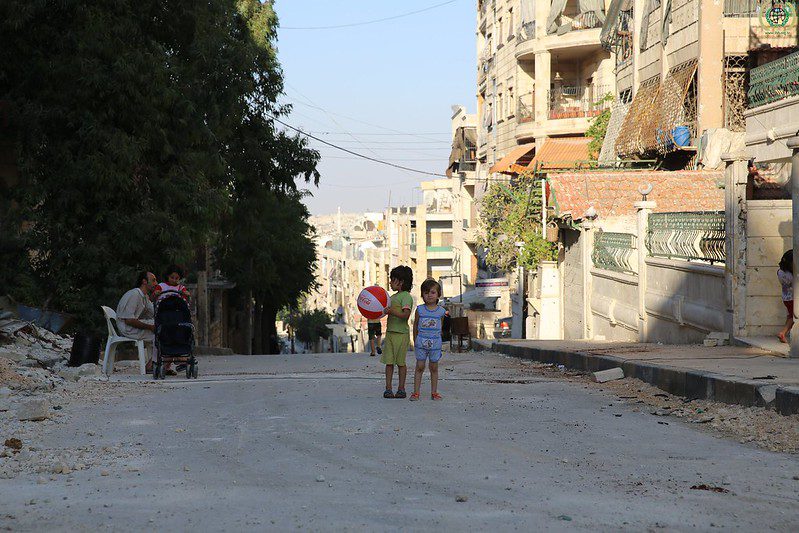
eastern ghoutaEastern Ghouta, a region in Syria previously bombarded with attacks from Syrian Government forces, has finally become accessible for humanitarian aid and support groups following the collapse of the Assad Regime in December 2024. While there is still quite a way to go, several key organizations have proven hugely significant for the reconstruction initiatives within the area that focus not only on aid for civilians but also the surrounding infrastructure and agriculture.

Syrian Civil War

The Syrian Revolution in March 2011 involved large-scale protests across the country, fuelled by popular discontent for the Assad regime. Bashar al-Assad took power in 2000 after his father, Hafez al-Assad, died, and promised to bring a new era of rule to Syria, modernizing the economy and “launching [their] own democratic experience.” However, modernization came at the cost of the well-being of the population. While he promised to move away from the “Arab socialism” that had previously defined the Ba’athist regime, favoring a market-controlled rather than state-controlled economy, it remained that it only benefited the well-connected few.

Separation and privatization to dismantle ubiquitous state rule was done through the deregulation of economic activity rather than the outright sale of public sector enterprises, causing greater instability in pricing and market values that motivated many new private investments into the economy. It was this private sector stimulation that ultimately resulted in the “mushrooming” of private sectors in Syria, such as healthcare, education and banking. State-regulated price ceilings and subsidies gradually phased out, and social stratification became increasingly prevalent as public sector employment shrunk while the cost of living rose exponentially.

Following a drought from 2006 to 2010, socioeconomic inequality hit a record high. The rural population, unable to make a living from unusable farmland, migrated to cities and caused the unemployment rate to soar further.Popular discontent was at its peak, and with the wider Arabian population partaking in the uprising Arab Spring movement, Syria too was inspired and formally began their protests in March 2011.

The Conflict

The Syrian civil war, up until the collapse of the regime, was a complicated conflict with many different sides and proxies operating on different axes that did not only focus on government supporters and opposition. However, the conflict can ultimately be broken down into three sects: the Syrian rebels (and their backers Turkey, Gulf Arab states, the US and Jordan), the Syrian Government (and their backers Russia, Iran, Hezbollah and Shia Muslim militias) and ISIS/ISIL. The rebels and Syrian Government forces fought each other, however, both sides also fought ISIS, who used the conflict to justify the expansion of their territory to create a singular caliphate state across the wider Islamic region.

Eastern Ghouta Region

At the turn of the revolution, Syrian rebel forces quickly set up strongholds in major regions across Syria, with Eastern Ghouta becoming one in November 2012. Because of its proximity to the capital city Damascus, Eastern Ghouta was a hugely geographically significant and advantageous position for the rebels and remained one of the last rebel strongholds until 2018, when Syrian Government forces reclaimed the area.

Eastern Ghouta was bombarded with numerous forms of attack throughout its time as a rebel-occupied area. In the early hours of August 21, 2013, it witnessed a chemical weapons attack, specifically a nerve agent called Sarin, that, along with Western Ghouta, resulting in 1,017 deaths, 989 of which were civilians, out of which 308 were women and 122 children.

In the final weeks before the government recaptured the region, the offensive claimed the lives of 1,473 civilians, including 301 children and 185 women. This “all-out campaign,” with the support of Russia, was the final attack that caused the stronghold to collapse, with evacuations taking place throughout March 2018 until April 12, when the Syrian Government declared the control of the area.

MSF Providing Support

Following the collapse of the Assad regime, humanitarian groups have been working relentlessly to restore the region, providing numerous grants to support the rebuilding of the necessary infrastructure. Médecins Sans Frontières (MSF) is one of the humanitarian groups that has been working particularly closely with the region since the beginning of the conflict, where initially only remote support could be provided due to being denied onsite access to the region by government forces. Following a visit in February 2025, the region “shows little signs of normalcy [and] Eastern Ghouta’s suffering is far from over” and needs urgent support now. However, the organization is making significant progress, operating mobile clinics to tend to basic healthcare needs, consultations, and mental health support and, as of February 2025, has tended to 576 patients, including 77 children under 5 years old.

MSF calls the time “a new chapter of hope” as several of its teams operate both in the Eastern Ghouta region and further afield across Syria to ensure the people gain the healthcare needed. During the Syrian Civil War, MSF originally remotely supported 20 clinics operating in the region. However, as the conflict progressed, this reduced to none either due to abandonment or former government forces taking over the area. Now that the mobile clinics have returned to operation, there seems to be a rekindled sense of life and relief to the people of Eastern Ghouta; “despite what they have seen, people are still able to smile,” said Bilal Alsarakibi, MSF’s medical adviser.

Danish Refugee Council

On the infrastructure side of the reconstruction efforts, the Danish Refugee Council (DRC) grants have proved hugely significant. The conflict caused severe physical damage, such as once fertile fields left dry and barren and water wells broken and contaminated. However, the DRC tells the story of a Syrian man named Samer who took to reviving the greenery of the region and bringing it back to its former beauty: “I want the next generation to grow surrounded by greenery, not the crisis’ leftovers.”

As part of the larger Syrian Resilience Consortium (SRC), the DRC provided grants to build water collection pools and install solar panels, allowing for both agricultural and electricity sustainable practices to take shape in the area. Furthermore, multiple donors within the DRC have supported the Multi-Purpose Cash Assistance (MPCA) program to provide financial support to families in need in the area.

Closing Remarks

While the Assad Regime may have fallen, hardship is still far from over in Syria. Such is the religious and territorial diversity in the country, appointing new leadership for the long term could inevitably cause some tension. However, with the support of humanitarian groups and foreign aid grants gradually uplifting the spirit of the people can be a success story. This is undoubtedly one of the most important objectives in Syria to ensure a community that can come together to grow from their long history of conflict and welcome a new era not only politically, but also socially and economically.

– Helena Pryce

Helena is based in Nottingham, UK and focuses on Politics for The Borgen Project.

Photo: Flickr

April 16, 2025
https://borgenproject.org/wp-content/uploads/borgen-project-logo.svg 0 0 Naida Jahic https://borgenproject.org/wp-content/uploads/borgen-project-logo.svg Naida Jahic2025-04-16 07:30:382025-04-15 10:25:01The Rebuilding of Eastern Ghouta
Global Poverty, Housing Security

Philippines National Housing Authority and Population Growth

Philippines Faces Housing Shortage Amid Population GrowthAs of 2025, the Philippines has a population of approximately 121 million people. However, the country faces a housing shortage of 6.5 million units, a figure projected to rise to 22 million by 2040 if unaddressed. This significant gap leaves millions of families enduring substandard living conditions.​

Several factors contribute to this housing crisis, including poverty, rapid population growth and limited land availability. In 2023, the Philippines constructed more than 100,000 residential structures. However, the number of households increased by 3.42 million from 22.98 million in 2015 to 26.39 million in 2020, averaging about 684,000 new households per year during that period. This construction rate falls short of meeting the growing demand. Urban areas, in particular, experience intensified pressure as more individuals migrate to cities in search of better opportunities, leading to overcrowded informal settlements and straining existing infrastructure. ​

Philippines National Housing Authority

To meet the growing demand, the Philippines National Housing Authority (NHA) initiated several projects. In 2023, the NHA launched five new projects that will provide 3,651 housing units to those impacted by national infrastructure developments. In total, the NHA started 9,600 housing units and completed 15,856, achieving 118% of its target for starts (8,123 units) and 42% of its target for completions (37,913 units). Despite these ongoing efforts, the NHA operates with an annual budget of about 2 billion pesos, which constrains its capacity to effectively address the housing backlog.

Budget Disparities and Challenges

In contrast, the Department of Education received a 2025 budget of 977.6 billion pesos (approximately $17.5 billion). This disparity highlights the limited financial resources allocated to housing initiatives. Given these constraints, the Philippine government may need to explore external support and innovative financing solutions to bolster housing development. In addition, public-private partnerships and international collaborations could provide additional funding and expertise to accelerate housing projects.​

Promising Projects on the Horizon

A significant initiative is the Pambansang Pabahay Para sa Pilipino Program, a housing project launched in September 2022. The program aims to build 6 million housing units by 2028.

The program initially aimed to build about 1 million houses annually, totaling 6 million units by the end of President Ferdinand Marcos Jr.’s term. However, as of August 2024, the Department of Human Settlements and Urban Development (DHSUD) adjusted its target to launching 4 million housing units by 2028, citing construction issues and delayed loans. ​

The Pambansang Pabahay Para sa Pilipino Program offers affordable housing solutions for low-income families, with units priced up to 1.4 million pesos. Beneficiaries can access subsidized interest rates through the program, reducing their monthly amortization costs and making homeownership more attainable. Local government units (LGUs) play a crucial role in implementing these projects by identifying housing sites, developing project concepts with chosen developers and contractors and endorsing housing proposals to DHSUD. If successful, the initiative could serve as a model for future government-led housing programs.

Looking Ahead

Addressing the Philippines’ housing shortage requires a multifaceted approach involving increased funding, policy reforms and international cooperation. Strengthening partnerships with private sector entities and international allies could provide the necessary resources and expertise to accelerate housing development. Additionally, implementing policies that streamline construction processes and promote affordable housing could help bridge the gap between supply and demand. Through concerted efforts, the Philippines can potentially work toward providing adequate housing for its growing population, thereby improving living conditions and fostering national stability.

– Nicholas East

Nicholas is based in Ashby, MA, USA and focuses on Politics for The Borgen Project.

Photo: Flickr

April 16, 2025
https://borgenproject.org/wp-content/uploads/borgen-project-logo.svg 0 0 Precious Sheidu https://borgenproject.org/wp-content/uploads/borgen-project-logo.svg Precious Sheidu2025-04-16 01:30:222025-04-15 10:14:03Philippines National Housing Authority and Population Growth
Africa, Global Health, Global Poverty

Mobile health technology in Uganda

Mobile health UgandaFor years, many issues have plagued Uganda’s health care system. The vast majority of its population lives in rural areas with limited access to health care. Medical professionals are scarce, and their services are often extremely expensive. However, amid these challenges, a solution has emerged: mobile health technology. These innovative platforms connect users with essential healthcare services and provide access to incredible tools through personal devices. Mobile health technology in Uganda is laying a strong foundation for a more equitable future.

Struggles of the Past

The country has one of the worst doctor-to-patient ratios in the entire world. There is roughly one doctor for every 25,000 citizens. This falls drastically short of the World Health Organization’s (WHO) recommendation, which is to have one doctor for every 1,000 people.

Health care in Uganda is largely unaffordable. Brown University’s Kyoko Saito recently traveled to Uganda, where she noted that one night in the hospital costs around $20, a shocking figure when considering that the country’s average monthly income is $78. Furthermore, hospital staff determine whether or not patients are financially stable and turn them away if they cannot pay for treatment.

Ugandan health systems struggle to obtain and restock essential equipment, store reliable health information and ensure quality of overall service.

Put simply, the fundamental structure of the Ugandan health care system is broken. There are not enough resources and not enough medical professionals. Furthermore, to exacerbate the issue, health care is expensive and predominantly located in urban areas, alienating around 70% of the rural population.

What is Mobile Health Technology?

Mobile health technology, commonly referred to as mHealth, is an umbrella term for the use of mobile phones and other personal electronic devices in medical care. Potential uses for mHealth include:

  • Tracking medical data and storing digital records
  • Enhancing communication between doctors and patients with secure messaging channels
  • Offering virtual training programs for essential workers
  • Allowing doctors to evaluate, diagnose and treat patients remotely through video consultation, imaging reports, e-prescriptions, etc.
  • Managing chronic diseases through mobile apps
  • Implementing nutrition monitoring systems

Although mHealth has only been around for a few years, 83% of physicians in the U.S. already use it to provide care. Expanding mobile health technology in underdeveloped countries like Uganda will lead to further benefits.

mHealth in Uganda

Currently, almost 30% of Ugandans have access to the internet, and this figure grows rapidly each year. The increased dissemination of electronics in recent years has allowed for mobile health technology in Uganda to flourish, working to address the fundamental issues that plague its health care system. Here are a few examples of the uses of mobile health technology in Uganda:

  • EVA System: A “mobile, AI-ready colscope that expands expertise on point-of-care cervical cancer screenings and sexual assault forensic examination.”
  • Palliative Care: For patients with cancer who have limited access to in-person physicians, mHealth technology has shown incredible potential in providing necessary palliative care.
  • Smart Health App: Stores patient data, plans for virtual appointments, provides instructions for care relating to immunization, childhood disease, pregnancy and more.
  • Test Results: In southwestern Uganda, health workers utilized text messaging as a means of quickly transmitting results for HIV-positive citizens.
  • Mass Communication: In northern and eastern Uganda, public health officials used text messaging to raise awareness for malaria and to remind patients to take their medication.

Looking Towards the Future

Mobile health technology in Uganda presents an inspiring solution that provides accessible, affordable health care to its citizens. Indeed, with these advancements, individuals in rural areas can now connect with medical professionals. Furthermore, hospitals can spend less on equipment and doctors can become less burdened by the vast overflow of Ugandans that need care. While there are significant hurdles that remain (namely, improving access to technology in rural areas of the country), the results have been extremely promising so far.

Over the next five years, Uganda’s mission will be to provide mobile health technology to over half of its inhabitants. This could ensure that the population can stay healthier (especially those in underfunded, remote locations), working to break the decades-long cycle of poverty that has affected millions of Ugandan citizens.

– Josh Weinstein

Josh is based in Chester Springs, PA, USA and focuses on Technology and Solutions for The Borgen Project.

Photo: Flickr

April 15, 2025
https://borgenproject.org/wp-content/uploads/borgen-project-logo.svg 0 0 Naida Jahic https://borgenproject.org/wp-content/uploads/borgen-project-logo.svg Naida Jahic2025-04-15 01:30:402025-04-22 07:00:28Mobile health technology in Uganda
Africa, Development, Electricity and Power, Global Poverty

Husk Power Systems Fighting Energy Poverty in Africa

husk power systemsIn 2023, Husk Power Systems, an Indian-origin company, announced a $500,000 funding grant from Acumen’s Hard-to-Reach (H2R) initiative to help bring clean and affordable electricity to people in the Democratic Republic of Congo (DRC). With its focus on supporting clean and affordable energy to almost 80 million people in rural African areas, it aims to deploy 2,500 mini-grids across Africa by 2030. Since its launch in 2008 by Indian entrepreneur Manoj Sinha, the “Africa Sunshot” project has emerged as one of the most significant initiatives in the company’s history. It underscores Husk Power Systems’ commitment to providing affordable energy to rural communities, not only in India and Asia, where the company has been actively operating, but also in Africa, where it is now making a transformative impact.
Husk Power Systems Profile

In 2023, Time recognized Husk Power Systems founder and CEO Manoj Sinha as one of the most influential business leaders in climate and as a World Economic Forum Young Global Leader. Sinha, passionate about solving energy access challenges in rural areas through innovative microgrid solutions, has been working for decades to address these issues. He co-founded Husk Power Systems in 2008 alongside partners Gyanesh Pandey and Ratnesh Yadav. Headquartered in Fort Collins, Colorado, with offices in rural areas across Asia and Africa, the company has been launching energy power plants since its inception.

Positioning itself as an energy company dedicated to providing affordable energy solutions to rural areas, Husk Power Systems adopts a pay-as-you-go model, offering flexible, 100% renewable energy solutions. The company focuses on meeting the needs of households, small businesses and community services, ensuring reliable and sustainable power access. Additionally, Husk Power Systems maintains a strong focus on enabling a rapid and cost-effective energy transition. The company aims to align with not only national Indian electrification goals but also global targets, expanding its reach into Asian and, particularly, African markets.

Empowering the African Energy market

Husk Power Systems now has more than 200 operational sites in Africa and Asia, with an average of 16 mini-grids per month. As of 2022, the company was present in 12 communities in Nigeria, with a plan of “nearly 100 additional microgrids for future development.” In addition to providing innovative energy solutions, the company has created 130 jobs, including 80 full-time positions, as of 2023. Under its Africa Sunshot Initiative, Husk Power aims to deploy 2,500 operational mini-grids across six African regions over the next five years, expanding beyond Nigeria and Congo to areas like Nairobi and beyond.

While focusing on innovative energy solutions in Africa with a $2.5 million investment from the International Finance Corporation (IFC), Husk Power Systems also addresses the lack of electricity that limits opportunities for small businesses, agriculture and entrepreneurship. By providing reliable energy, they enable businesses to operate longer hours, increase productivity and create job opportunities in local communities.

Rural Gentrification and Development

Since 2008, Husk Power Systems has provided 400,000 homes and local businesses in rural communities with innovative electricity systems and has no intentions to stop developing innovative electricity solutions in the most vulnerable areas in Africa and Asia. Due to the company’s relentless and intensive work, starting from 2015, Husk Power Systems started to use hybrid systems that allow it to generate power 24/7 by synchronizing dollar and biomass gasification power plants. “Sunshot” project followed by another significant project “Husk Power Systems Investment” where company has decided to expand its work in rural areas of  Sub-Saharan Africa and South Asia powered up by equity investment totalling $43 million coming from International Development Finance Corporation (DFC) and Proparco showed the companies fast growing development and further movements towards the expanding of gentrification in needed areas.

Focusing on gentrification solutions enables companies to branch into connected ideas for enhancing employment in rural African and Asian areas. In addition to achieving high employment rates and fostering a friendly work environment, companies aim to create supportive training schemes that promote career growth for employees. By offering extensive management and technical skills training, the company nurtures talent both globally and locally, creating employment opportunities for a diverse audience.

Looking Ahead

With its fast-growing solutions, innovative approach and development of employment opportunities, Husk Power Systems demonstrates how true dedication and steady determination can transform rural areas, revitalizing their vulnerable economies and infrastructure. And while it begins with one man’s desire to change the world for the better, it eventually unites millions of dollars in investments, thousands of professionals and two continents to achieve its goal of gentrification for a brighter future.

– Liubov Linnyk

Liubov is based in London, UK and focuses on Business and Technology for The Borgen Project.

Photo: Flickr

April 15, 2025
https://borgenproject.org/wp-content/uploads/borgen-project-logo.svg 0 0 Naida Jahic https://borgenproject.org/wp-content/uploads/borgen-project-logo.svg Naida Jahic2025-04-15 01:30:092025-04-14 09:28:36Husk Power Systems Fighting Energy Poverty in Africa
Global Poverty, Human Rights, Nonprofit Organizations and NGOs

Uyghur Muslim Rights: Organizations Making a Difference

Uyghur Muslim RightsThe Uyghur Muslims are a population steeped in history, practicing their religion for centuries. The religion has amassed a rich culture which ranges from unique music known as Muqam, to their very own language. However, as unique as Uyghur culture may be, it is one in decline as a result of continual persecution from the Chinese State.

Since 2017, what China describes as “re-education” centers have appeared across the country’s west. Uyghurs are held in these centers without legal process and, in many cases, are forced to undergo slave labor, such as picking cotton. This horrific situation has continually garnered international condemnation, with the former U.S. Secretary of State, Antony Blinken, describing the situation as an “ongoing genocide.”

With the case being such a high-profile one, many groups are fighting for the freedom of the Uyghurs.

Coalition to End Forced Labor in the Uyghur Region

The Coalition to End Forced Labor in the Uyghur Region is an internationally endorsed initiative united in ending “state-sponsored forced labour and other egregious human rights abuses against people from the Uyghur Region.” It calls on companies and governments to challenge the Chinese government’s oppression against the Uyghurs.

The coalition documents many different stories from those who are subject to this oppression, helping to highlight the awful conditions in the “re-education” centers. Other than calling on action from both companies and governments, the coalition seeks to enhance and protect Uyghur Muslim rights by continually highlighting the abhorrent abuse that Uyghurs face. By highlighting these rights abuses, there is a greater chance of the Uyghur’s fight for freedom garnering public attention as it did in the late 2010s.

Anti-Slavery International

Anti-Slavery International is a nongovernmental organization (NGO) that highlights slavery and human rights abuses. On many occasions, the organization has covered the Uyghur Muslim rights violations, also highlighting how many Western countries enable these violations.

The nonprofit highlights different Chinese exports and links them as products of Uyghur slavery, including tomato paste, solar panels and electric vehicles. The organization calls on governments to ban imports with potential links to slavery as a means of combating the shameful tirade that China imposes on Uyghur Muslim rights.

World Uyghur Congress

The World Uyghur Congress (WUC) aims to “promote democracy, human rights and freedom for the Uyghur people.” The congress has a comprehensive leadership system chosen by more than 170 delegates from 27 countries, outlining how global the group has become. The WUC relies heavily on grassroots mobilization to drive meaningful change.

It encourages individuals to take action through petitions, public demonstrations and letter-writing campaigns addressed to government officials. Amid the ongoing persecution of the Uyghur population in China, the WUC’s role has become increasingly vital in advocating for the protection and advancement of Uyghur Muslim rights within the country.

Conclusion

Organizations like the Coalition to End Forced Labor, Anti-Slavery International and the WUC continue to lead efforts to defend Uyghur Muslim rights. Indeed, by raising awareness, pressuring governments and mobilizing global support, they play a vital role in challenging oppression and keeping the fight for justice alive.

– Andrew Nicoll

Andrew is based in Long Melford, Suffolk, UK and focuses on Business and Politics for The Borgen Project.

Photo: Unsplash

April 14, 2025
https://borgenproject.org/wp-content/uploads/borgen-project-logo.svg 0 0 Lynsey 2 https://borgenproject.org/wp-content/uploads/borgen-project-logo.svg Lynsey 22025-04-14 07:30:152025-04-13 15:00:36Uyghur Muslim Rights: Organizations Making a Difference
Aid, Global Poverty, Women's Empowerment

VSLAs: CARE Continues to Tackle Global Poverty

VSLAsFounded in 1945 after WWII, the Cooperative for American Remittances to Europe (CARE) foundation is one of the oldest organizations focusing on humanitarian relief and global aid. Dr. Lincoln Clark approached 22 American charities to create CARE and deliver immediate relief to those in need in the form of a CARE package. Over the past 80 years, the main priorities have spread to crisis relief, food and water, health, education and work, and empowering young women and girls in over 120 countries. Indeed, CARE’s main goal is to provide “humanitarian assistance to 10% of those affected in major crises, reaching at least 50 million people by 2030.”

Gender Barriers and Financial Inclusion

Using the Women’s Economic Justice (WEJ) programs, CARE creates transformative solutions to address systemic gender barriers. Women in these countries face exclusion from financial services, unequal pay and burdensome unpaid care work. However, CARE recognizes the impact that women could have on the economy, predicting that an additional $10 trillion could go to global GDP once gender gaps are over.

The WEJ program strategies include the Village Savings and Loan Associations (VSLAs), which operate at the community level to bring primarily women together and form savings groups. This entails engaging in financial literacy training, pooling resources and accessing low-risk loans. CARE’s initiative focuses on long-term change by incorporating market access programs, private sector partnerships and policy advocacy with local market actors.

VSLAs are a 12-year initiative formed in 2018 to help 65 million people overall. This works to ensure positive impacts on the U.N. Sustainable Development Goals regarding decent work and economic growth, gender equality and sustainable communities.

CARE Fighting Violence

One of the programs built into VSLAs is incorporating men and young boys into the conversation of gender and household responsibilities. One in three women will experience physical or sexual violence in their lifetime. CARE supports women’s empowerment by educating and leading boys to be advocates instead of pushing harmful social norms.

CARE has impacted 121 countries, with more than 1,400 projects and initiatives reaching 53 million people. The results of humanitarian crises affect millions more, including Manju. As she gave birth to her third child, Manju had to deliver dangerously on the side of the road. Bihar, India is one of the country’s poorest and largest states, and 90% rural. Due to long distances between health centers and poor winter road conditions, it took her almost four hours to get to the hospital.

From this emerged the Bihar Technical Support Program, a joint effort by CARE, the Bill & Melinda Gates Foundation and the Government of Bihar. They were able to confront staggering rates of maternal, newborn and child mortality and malnutrition rates. As a result, Bihar has seen 20,000 fewer newborn deaths from 2011-2016, and the maternal mortality ratio has nearly halved between 2005 and 2018.

CARE has achieved a lot around the world since the 1940s, and it provides many ways to get involved, whether through donations, organizing locally or joining one of the CARE networks or committees.

– Rachael Wexler

Rachael is based in Chicago, IL, USA and focuses on Business and Global Health for The Borgen Project.

Photo: Flickr

April 14, 2025
https://borgenproject.org/wp-content/uploads/borgen-project-logo.svg 0 0 Naida Jahic https://borgenproject.org/wp-content/uploads/borgen-project-logo.svg Naida Jahic2025-04-14 01:30:442025-04-13 14:48:05VSLAs: CARE Continues to Tackle Global Poverty
Page 206 of 2178«‹204205206207208›»

Get Smarter

  • Global Poverty 101
  • Global Poverty… The Good News
  • Global Poverty & U.S. Jobs
  • Global Poverty and National Security
  • Innovative Solutions to Poverty
  • Global Poverty & Aid FAQ’s
Search Search

Take Action

  • Call Congress
  • Email Congress
  • Donate
  • 30 Ways to Help
  • Volunteer Ops
  • Internships
  • Courses & Certificates
  • The Podcast
Borgen Project

“The Borgen Project is an incredible nonprofit organization that is addressing poverty and hunger and working towards ending them.”

-The Huffington Post

Inside The Borgen Project

  • Contact
  • About
  • Financials
  • President
  • Board of Directors
  • Board of Advisors

International Links

  • UK Email Parliament
  • UK Donate
  • Canada Email Parliament

Get Smarter

  • Global Poverty 101
  • Global Poverty… The Good News
  • Global Poverty & U.S. Jobs
  • Global Poverty and National Security
  • Innovative Solutions to Poverty
  • Global Poverty & Aid FAQ’s

Ways to Help

  • Call Congress
  • Email Congress
  • Donate
  • 30 Ways to Help
  • Volunteer Ops
  • Internships
  • Courses & Certificates
  • The Podcast
Scroll to top Scroll to top Scroll to top