Ending Mother-To-Child HIV Transmission in Botswana
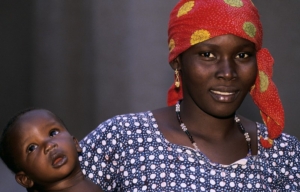 In a landmark achievement for global health, Botswana has become the first country with a high HIV burden to earn the World Health Organization’s (WHO) prestigious Gold Tier certification for eliminating mother-to-child transmission (MTCT) of HIV. As of 2023, Botswana has reduced vertical HIV transmission rates to just 1.2%, with fewer than 100 babies born with HIV annually. This is a remarkable feat given the country’s previously severe HIV epidemic.
A Triumph Against the Odds
Botswana has long been one of the nations hardest hit by HIV/AIDS, with adult prevalence rates among the highest in the world. Yet, through committed public health efforts, the country has demonstrated that even in high-prevalence settings, eliminating new pediatric HIV infections is achievable.
The WHO’s Gold Tier status is awarded to countries that meet rigorous criteria for the elimination of mother-to-child transmission, including maintaining transmission rates below 2% and sustaining this achievement over time. Botswana’s attainment of this status is a testament to its effective health policies, strong political will and dedicated community programs.
Keys to Success: Universal Treatment and Comprehensive Care
Central to Botswana’s success has been the provision of universal free antiretroviral treatment (ART) to all pregnant women living with HIV. This policy ensures that pregnant women receive the medication necessary to suppress the virus, drastically reducing the chance of passing HIV to their babies.
Moreover, Botswana boasts high rates of antenatal care attendance and widespread HIV testing among pregnant women. Early diagnosis and continuous monitoring throughout pregnancy enable timely intervention and care adjustments, maximizing the chances of a healthy, HIV-free birth.
Complementing clinical care, robust community-based health programs have played a critical role. These programs provide education, support and follow-up services, ensuring that women stay engaged in treatment and adhere to prescribed regimens.
A Model for the World
Botswana’s achievement in reducing mother-to-child HIV transmission not only saves countless children from HIV but also offers a blueprint for other countries facing high HIV burdens. It challenges the notion that eliminating vertical transmission is unattainable in resource-limited, high-prevalence environments. The country’s success underscores the power of integrating free, accessible health care services with community engagement and strong political commitment. It also highlights the importance of sustained investments in maternal and child health programs.
While Botswana’s milestone is cause for celebration, continued vigilance is essential. Maintaining low transmission rates requires ongoing support for pregnant women, access to ART and community outreach. Indeed, Botswana’s experience demonstrates that with the right strategies and resources, the goal of an HIV-free generation is within reach, even in the most challenging settings.
As global health organizations and countries worldwide strive to eliminate pediatric HIV, Botswana stands as a beacon of hope, proving that with determination and comprehensive care, vertical transmission of HIV can be stopped.
– Meagan Beaver
Meagan is based in Zephyrhills, FL, USA and focuses on Good News and Global Health for The Borgen Project.
Photo: Flickr
