• Link to X
  • Link to Facebook
  • Link to Instagram
  • Link to TikTok
  • Link to Youtube
  • About
    • About Us
      • President
      • Board of Directors
      • Board of Advisors
      • Financials
      • Our Methodology
      • Success Tracker
      • Contact
  • Act Now
    • 30 Ways to Help
      • Email Congress
      • Call Congress
      • Volunteer
      • Courses & Certificates
      • Be a Donor
    • Internships
      • In-Office Internships
      • Remote Internships
    • Legislation
      • Politics 101
  • The Blog
  • The Podcast
  • Magazine
  • Donate
  • Click to open the search input field Click to open the search input field Search
  • Menu Menu

Archive for category: Global Poverty

Key articles and information on global poverty.

Education, Global Poverty

New Job Creation in Africa is Reducing Poverty

New Job Creation in AfricaAfrica’s unemployed population is made up mostly of young people. African youth account for 60 percent of the continent’s unemployed. Many of these young people are viable job candidates with college degrees; however, they are often forced to accept work doing menial tasks outside of their area of studies, such as physical labor or hotel maintenance. Development Channel is aiding in job creation in Africa

African Youth and Information Technology

In the last 25 years, unemployment for young people has increased by 80 percent, further contributing to the economic and social divisions these countries already feel. Of those who are employed, many still belong to Africa’s large population of working poor. In an effort to make themselves more marketable to the job markets in Western nations, many African youths are pursuing an education in Information Technology.

Degrees in IT are viewed as sustainable and respectable by young people. Because of this, IT has become one of the most popular avenues of study by African university students. This creates huge potential for new job creation in Africa in the IT sector as a solution to some of these continent’s youth unemployment disparities.

Development Channel in Africa

Development Channel is a collection of companies that seek to bridge the divide between developing and developed nations by improving access to resources that will offer financial assistance, affordable nourishment and other resources that will improve quality of life. These programs are all available through the Development Channel “Mother App.” The introduction of this app also brings positive news for the many young people across Africa with training in IT as Development Channel’s app is creating more than 5,000 jobs.

The position, “Mother App Trainer,” will focus on teaching others how to access the myriad platforms for aid that Development Channel offers. The position offers room for a continual increase in a salary based on performance as well as healthcare coverage and discounts on items sold by their food stores. The job is even more appealing as it can be performed from one’s home, with all training done online and over the phone.

More Than Just a Job

The company itself is contributing to the fight against global poverty and disparity. Development Channel’s slogan is “bridging the development divide.” The platform offers aid in myriad services, including food stability, credit cards, homeownership, emergency relief infrastructure, water infrastructure, community development, information technology, philanthropic income support, student loans, vehicle ownership, legal defense, women’s empowerment, waste management, education and more.

For example, Development Channel believes malnourishment and a lack of access to viable food sources greatly contribute to the poverty cycle. This is why the platform has a chain of “corner stores” called SISCHI that offer easily accessible, affordable food. Another of its companies, Flow, makes it easier for people to access lines of credit in locations where citizens formerly had no basic bank accounts at all.

Not only is Development Channel initiating new job creation in Africa for the largely untapped market of educated African youth but the companies housed under Development Channel are aiding in creating a better quality of life for people in developing nations.

– Gina Beviglia

Photo: United Methodist News Service

August 23, 2019
https://borgenproject.org/wp-content/uploads/borgen-project-logo.svg 0 0 Kim Thelwell https://borgenproject.org/wp-content/uploads/borgen-project-logo.svg Kim Thelwell2019-08-23 01:30:062024-06-06 00:16:49New Job Creation in Africa is Reducing Poverty
Developing Countries, Global Poverty, Water, Water Quality, Water Sanitation

8 Facts About Ghana’s Water Crisis

Ghana’s Water Crisis
Much like many other countries in Africa, Ghana’s water crisis is straining the nation. The local government has taken steps to try and minimize the damage, but a growing population, faulty equipment and rapid urbanization are outpacing most improvements. Here are eight facts about Ghana’s water crisis.

8 Facts About Ghana’s Water Crisis

  1. While some African countries suffer from a lack of water, Ghana suffers from too much polluted water. The problem lies in a lack of functioning water filters. The government plans to replace these defective filters, but the costs can run to an estimated $35 million. Despite this, the government is going ahead with the project with the support of outside companies, such as Native Energy and NGOs.
  2. The rapid urbanization in Ghana causes water pollution. Unsafe housing with poor housing facilities like sinks and toilets pour polluted water into waterways. This causes families to resort to water vendors, which are often not sanitary. This leads to a vicious cycle of water pollution, where more people get sick as a result.
  3. One of the leading diseases affecting the people of Ghana is cholera. It spreads primarily through the use of faulty toilets and plumbing. A flash flood further exacerbated the situation in 2014 when copious amounts of polluted water mixed with water supplies, affecting 30,000 people.
  4. The government has taken steps to improve the state of affairs with the Ghana Clean Water Project. This project seeks to improve the water situation by hiring skilled individuals to administer water quality testing as well as teaching communities how to maintain sanitation practices. The cleanliness is especially important since as mentioned before poor sanitation contributes heavily to Ghana’s water issues.
  5. Dry winter winds, called harmattan, also cause water shortages in Ghana. This leads to water rationing, which of course leads to protests and public discontent. Deforestation and illegal gold mining further exacerbate the problem by further polluting the limited water supply.
  6. Seventy-three percent of the population, or about 23 million people, use water that may not follow sanitary standards. This would mean that only 3.9 million people in Ghana can access water that is safe. Everyone else has to sift through contaminated water.
  7. Population growth, alongside rapid urbanization, also causes water pollution. Between 2016 and 2050, projections estimate that the population of Africa will double. For Ghana, this means that while new economic activities could crop up, the strain on water resources will also increase. Ghana’s situation can only get worse as time goes on if it leaves these issues unchecked.
  8. The African Development Bank calculated that granting universal access to water across Africa would cost $66 billion. This does not even include the $170 billion necessary to create a sustainable infrastructure to keep water supplies high. Officials in the government say that Ghana will need a better allocation of resources to see through possible improvements.

Unless the government receives outside help, however, it may be some time before it acquires any substantial gain in sanitation or water production. This is why these eight facts about Ghana’s water crisis are so important.

– Collin Williams
Photo: Flickr

August 22, 2019
https://borgenproject.org/wp-content/uploads/borgen-project-logo.svg 0 0 Kim Thelwell https://borgenproject.org/wp-content/uploads/borgen-project-logo.svg Kim Thelwell2019-08-22 15:00:202024-05-29 23:00:338 Facts About Ghana’s Water Crisis
Global Poverty, Technology

Humanitarian Drones: How This Poverty-Solving Technology is Changing the World

Poverty-Solving TechnologyWhen thinking of drones, the image that comes to mind for many people is of warfare drones and precision strikes. This is not all drones can be used for, however. WeRobotics is an organization that uses drones for humanitarian practices. This organization utilizes the positive impacts of robotic technology to address global problems such as poverty, health and post-disaster reconstruction.

WeRobotics established itself as a not-for-profit organization in December 2015. Since then, their progress has been astounding. WeRobotics and its Flying Labs work with NGOs, government agencies and universities in over 20 countries to spread this beneficial poverty-solving technology.

The company sets up Flying Labs in various countries that serve as a “hub of robotics technology, where staff host training sessions, webinars and teach people how to use technology.” These labs are also “incubators” for the formation of new, local businesses. There are now flying labs in Jamaica, Panama, the Dominican Republic, Peru, Chile, Sierra Leone, Senegal, Côte d’Ivoire, Burkina Faso, Benin, Cameroon, Uganda, Kenya, Tanzania, Zambia, Réunion, India, Nepal, the Philippines, Japan, Papua New Guinea and Fiji.

The robotic technology in these Flying Labs is used for a variety of purposes.The drones can be used for mapping, cargo delivery, drone journalism and conservation. In Nepal, for example, the drones were used to map out the damage done to a region after an earthquake. The map made by the drones was then printed out and annotated by locals to determine strategies and priorities for reconstruction. They also used swimming drones to better understand glacial lakes, which lakes formed by the melting of Himalayan glaciers. These lakes, when forming, have a “tsunami” effect on the areas around them. The swimming drones are used to understand how these lakes are formed and to predict new formations and determine vulnerable areas.

In Peru, the drones are primarily used for cargo delivery of important medicines and vaccines. In the Peruvian Amazon, many people live in areas that are not close to roads or highways. Thus, the main form of transportation is river boat, which can be slow, unreliable and costly. The drones are able to make deliveries of important medicines, such as anti-venom, in a fraction of the time it takes the river boats. In one example, anti-venom was delivered by a drone in 35 minutes, when it would have taken a river boat 6 hours. This can be the difference between life and death. In this way, the drones become poverty-solving technology as they remove barriers created by regional poverty.

One of the most important tenets of WeRobotic’s work is their focus on democratization and localization of technology. This means giving the technology and training to locals with no strings attached. They train locals to be able to use the technology themselves so that the project is respectful of local communities’ autonomy and is also sustainable. Locals in Nepal were able to complete an unfinished map on their own after the WeRobotics team left the site. Because the locals are given access to the information that makes the technology work, they are able to come up with solutions to problems themselves.

Some things that the company notes can be improved are the affordability, repairability, durability, simplicity and battery life of the drones.

This poverty-solving technology has a promising future. It has already provided local communities with means of mapping and transportation, things that are underappreciated in well-off countries, but necessary for civilian life. The possibilities for these humanitarian drones are far-reaching. With more and more people being trained around the world at these Flying Labs, there is more possibilities for improvements and innovative solutions.

– Sarah Faure
Photo: Pixabay

August 22, 2019
https://borgenproject.org/wp-content/uploads/borgen-project-logo.svg 0 0 Kim Thelwell https://borgenproject.org/wp-content/uploads/borgen-project-logo.svg Kim Thelwell2019-08-22 14:44:062024-12-13 18:01:51Humanitarian Drones: How This Poverty-Solving Technology is Changing the World
Children, Developing Countries, Development, Global Poverty, Health

Kerala’s Innovative Health Policy

health policyKerala, a state within India, is renowned for its effective policies in education, literacy, and healthcare. Kerala has the second-lowest rate of poverty in India, and that figure has been steadily declining since 1994. Health policies that provide affordable and accessible healthcare to the state’s low-income populations have been critical in its success defeating poverty, but relatively high levels of inequality and emerging health challenges, including an aging population and lifestyle diseases like diabetes, remain policy challenges for Kerala moving forward.

Kerala’s Current Health Needs

One of Kerala’s most pressing healthcare challenges is caring for its rapidly aging population. Kerala’s population over the age of 60 is expected to double by 2050, and as a larger proportion of people are retired, the state needs a healthcare infrastructure designed to support the health needs of the elderly.

A trustee of an NGO focused on healthcare for the underprivileged in Kerala, who wished to remain anonymous, pointed out changing lifestyles as the cause of some of Kerala’s growing health issues. Non-communicable diseases are on the rise; cancer and diabetes have become the two largest causes of death in the state.

While infectious diseases remain under control compared to other parts of India, re-emergence of certain diseases have led to rather high morbidity in some areas. Additionally, despite significant efforts on the part of the state to place healthcare in the hands of local authorities, and what the NGO trustee says is the highest ratio of doctors to the public in rural areas of any state in India, rural parts of Kerala still do not receive the same quality of care as do urban areas. Likewise, although Kerala has the lowest infant mortality and maternal mortality rates of any Indian state, the government still aims to reduce these rates further.

Policy Solutions

Because healthcare in India is managed at the state level, Kerala’s state government is responsible for formulating its own comprehensive healthcare policy. The state has a history and culture of providing health services to the public; as early as 1879, vaccinations were made mandatory for specific subsets of the population. Since India’s independence in 1947, Kerala has worked to expand easy, community-based access to primary care, prevention services, and specialized treatments.

Kerala’s decentralized healthcare model is a key component of its success in providing affordable and accessible care. After a statewide movement towards expensive private healthcare in the 1980s due to a lack of resources in the public health sector, in 1996, Kerala’s state government decentralized public healthcare through the People’s Campaign for Decentralized Planning. Decentralization shifted approximately 40 percent of state healthcare funding to local governments, prioritizing creating community-based services that are accessible to all regardless of income or caste, as a private-dominated system was consistently barring the poor from accessing care across Kerala.

Looking to the Future

Another key element of Kerala’s healthcare successes has been its willingness to generate policies anticipating future healthcare needs. As the state’s population ages rapidly, policy is already being generated to combat this coming issue. Senior care facilities are already being constructed across the state, existing facilities are being made more equipped for geriatric care, and the Pain and Palliative Care Policy of 2008 has increased the amount of home-based care at the local level.

Likewise, to combat the re-emergence of infectious diseases like diarrhea, typhoid, and Dengue fever, Kerala has invested in information-gathering at the household level in order to observe the spread of such illnesses. As diabetes, cancer, and cardiovascular disease came to account for more than half of all deaths in Kerala, the National Programme for Prevention of CVD, Diabetes, Cancer and Stroke (NPCDCS) was introduced in Pathanamthitta district in 2010 and has since been expanded statewide.

This year, Kerala’s government passed a policy for comprehensive healthcare reform. This new policy seeks to reshape the state’s health services to better account for an aging population, re-emerging infectious diseases and non-communicable lifestyle diseases like diabetes and cardiovascular disease, and to expand mental healthcare. It will increase public spending on healthcare more than eightfold in order to further lower the price of public health services as well as providing treatment guidelines to ensure a more even quality of treatment across the state. This comes at the same time as the state is expanding its public health insurance coverage.

Impact on Poverty

Despite the government’s continued efforts to decrease the cost of healthcare and the fact that privatized healthcare services are still largely inaccessible to the poor, Kerala has accomplished several significant victories in providing affordable and accessible healthcare. According to the NGO trustee, no one needs to travel more than 10 kilometers to a primary health centre (PHC), and medicines are provided for free at PHCs across Kerala. Decentralization of healthcare has cut costs significantly, and the state’s new health policy seeks to encourage subsidized public healthcare even further while increasing insurance coverage.

Certainly, Kerala’s innovative health policy is a critical component of its low and steadily decreasing poverty rate. However, underprivileged individuals–including the poor, those in rural areas, women, and the elderly–continue to receive lower quality care and less of it. That is why NGOs and nonprofits like the trustee’s organization must continue to exist, and why the government continues its fight for constant improvement of Kerala’s health policy.

– Macklyn Hutchison
Photo: Flickr


August 22, 2019
https://borgenproject.org/wp-content/uploads/borgen-project-logo.svg 0 0 Kim Thelwell https://borgenproject.org/wp-content/uploads/borgen-project-logo.svg Kim Thelwell2019-08-22 14:41:182024-05-29 23:10:42Kerala’s Innovative Health Policy
Global Poverty, Life Expectancy

10 Facts About Life Expectancy in Belarus

10 Facts About Life Expectancy in Belarus
Belarus is a former member of the Soviet Union, located between Russia, Poland and Lithuania. Like most post-Soviet states, Belarus has experienced substantial economic and societal problems since attaining sovereignty. The country has developed under a dictatorship and today Belarus has virtually full employment and an official poverty rate of less than six percent. However, the country still faces significant obstacles to public health and economic development. Here are 10 facts about life expectancy in Belarus.

10 Facts About Life Expectancy in Belarus

  1. There is a Stark Gender Gap: The first of the 10 facts about life expectancy in Belarus is that the average life expectancy is 73 years, but there is a significant disparity in life expectancy between males and females. While women in Belarus have an average life expectancy of 79 years, men in the country live until only 67.8 on average. Non-communicable diseases are the leading cause of death in Belarus. While a genetic predisposition is typically the leading risk factor for non-communicable disease, lifestyle choices are commonly to blame in Belarus. The biggest risk factors for both Belarusian men and women are alcohol consumption, tobacco use and a lack of exercise.
  2. Alcoholism is a Major Problem: Belarus is one of the heaviest alcohol consuming countries in the world. In 2010, Belarusian males consumed an average of almost 29 liters of pure alcohol per capita annually. By 2016, this number was down to 18 liters per capita, which was still triple the global average. Alcohol abuse has concrete consequences for life expectancy in Belarus as alcohol consumption was the cause of over half of liver disease in Belarus in 2016.
  3. There is a Culture of Male Tobacco Use: Almost half of all adult men in Belarus smoke daily, while less than 10 percent of women do. Despite laws establishing an age minimum of 18 for purchasing tobacco, one in every 20 boys between 10 and 14 years old identified themselves as daily smokers in 2016 alone. That same year, tobacco use related to over a quarter of deaths from non-communicable diseases among males in Belarus.
  4. Men Often Die Early: Premature death is very common, particularly among males, skewing data for the average life expectancy for men in Belarus. In contemporary Belarus, an average of close to 40 percent of men dies prematurely between the ages of 30 and 70. Non-communicable diseases are the leading cause of death in Belarus, accounting for almost 90 percent of all mortalities and the vast majority of premature deaths.
  5. Belarus Guarantees Health Care: The Constitution of Belarus guarantees that the government will provide free, accessible health care to all Belarusians. This does not translate into universally free health care but does include free emergency care, vaccinations, hospital stays and childbirth. According to the 2019 Bloomberg Health Efficiency Index, Belarus ranks within the top 50 most efficient health care systems globally.
  6. Suicide is Prevalent: In 2019, Belarus had the fifth-highest suicide rate in the world. Further, men were reportedly six times more at risk than women. This is largely linked to alcoholism, which is far more common among Belarusian men than women.
  7. Premature Death Hurts Economically and Demographically: According to a 2018 report by the World Health Organization, the loss of productivity and government expenditure associated with premature deaths cost the Belarusian economy over five percent of its GDP every year. Belarus is one of the fastest shrinking countries due to its net population decline of 750,000 since 1990.
  8. Substance Abuse is a Rural Problem: Rural regions of Belarus, particularly those bordering Russia and Lithuania, experience many alcohol-related deaths at a disproportionate level. This is largely due to increased poverty, which fuels the widespread production of homemade alcohol. One of the first-ever studies on rural alcoholism and homemade alcohol took place in 2016, but due to its significant impact on life expectancy in Belarus, as well as its unregulated nature, the government has made the alcohol black market a legislative priority.
  9. Many Slavic Countries Have Similar Problems: Russia, Belarus’s closest ally, has higher rates of suicide, substance abuse and premature mortality than its neighbor. It has a similar gender gap in life expectancy and is also experiencing a decline in population. Belarus’ cultural, political and geographic proximity to countries like Russia, which have similar cultures of unhealthiness, strengthen may of its problems.
  10. The Government Has Made Steps: The government of Belarus has taken action recently to improve the country’s health standards. In 2018, the World Health Organization reported that the total alcohol consumption per capita had fallen to just 10 liters. In February 2019, the Belarusian president instituted new regulations on the tobacco industry in order to decrease its use, particularly around children.

These 10 facts about life expectancy in Belarus show that the tradition of substance abuse impacts the country’s life expectancy gravely, which Belarus largely ignored until recent years. Belarus’ robust health care system shows that the government has an interest in public health. Until recent years, state-run and international health organizations alike had difficulty combating the country’s culture of unhealthiness. This has become a clear governmental priority as reflected in the gradual shift toward more restricted access to tobacco and alcohol.

Since 2015, more studies on alcoholism in Belarus have published than ever before, and the issues of premature death and life expectancy have become common pieces of the national dialogue. Although Belarus has not yet definitively solved the problem of premature death and substance abuse, the country is certainly on the right path to reversing its health trends.

– Daniel Rothberg
Photo: Flickr
August 22, 2019
https://borgenproject.org/wp-content/uploads/borgen-project-logo.svg 0 0 Jennifer Philipp https://borgenproject.org/wp-content/uploads/borgen-project-logo.svg Jennifer Philipp2019-08-22 13:34:262024-05-29 23:11:1110 Facts About Life Expectancy in Belarus
Child Labor, Children, Developing Countries, Global Poverty

10 Facts About Child Labor in Morocco

10 Facts About Child Labor in MoroccoOutside of tourists’ eyes, child labor still operates throughout Morocco in the form of forced labor and agricultural work. Little choice resides in the child, his or her guardians signing the contract instead. Some children, however, do make a choice to enlist themselves, previously working at younger ages and unable to find another way to make a living. Below are 10 facts about child labor in Morocco describing its harshness and prevalence.

10 Facts About Child Labor in Morocco

  1. Worst Forms of Child Labor: The Worst Forms of Child Labor Convention (Convention No. 182) established a list of the worst activities a child could work. Some categories this list included were forced domestic work and begging. UNESCO data shows that 4.5 percent of children ages 10 to 14 work, which equates to 150,178 children. These kids participate in the listed worst activities including working in illegal sand extraction, restaurants or houses and begging for food and money.
  2. Female Child Labor and Sex Trafficking: The families of rural Moroccan girls between the ages of 6 and 15 often send them to work in homes in Morocco and other African countries. They are often vulnerable to abuse in these situations, and in some cases, commercial sexual exploitation.
  3. Lack of Education: Besides the unfortunate act of trafficking, children in Morocco face other blockages that prevent them from obtaining a fulfilling education. Living long distances from established schools, including a lack of security and fees for attending school limits the inclusiveness of rural or disabled children. The requirement of a present birth certificate for higher schooling adds to the blockade. This lack of education forces children into labor.
  4. Domestic Work Provides Loopholes for Employers: The Morocco Labor Code allows a maximum of 44 hours a week; however, this limit does not cover domestic workers. In interviews with the Human Rights Watch (a nonprofit organization that investigates human rights), girls reported that they sometimes work 100 hours a week with no breaks or days off. One even detailed a task from 6 a.m. until midnight. Parents and middlemen often lie to the girls, presenting the employers as kind people and working conditions as favorable.
  5. Salaries Almost Never go to the Kids: Interviews that the Human Rights Watch conducted with children showed that parents and employers negotiated almost all agreements to work. Most children received no wages at all, with all wages going to the parents or guardians. Furthermore, the monthly salary that the children in domestic work earned totaled only $61 on average. In Morocco’s industrial sector, salaries reach up to $261 per month.
  6. Self-Employed Children Do Not Follow the Labor Code: Similar to domestic work, Morocco cannot enforce the 44-hour limit for children who work as artisans or ones who even tend to private farms. These children risk exploitation and some may even feel obligated to work overtime in their self-employed job to cover expenses for their families.
  7. Work in Other Industries Can Also be Dangerous: Besides domestic work, some children operate in carpentry or repairing automobiles. Children use dangerous tools daily, exposing them to dust, chemicals and loud noise. Cutting trees, another option for work, involves the use of dangerous equipment and tools as well. Meanwhile, fishing presents a danger for children because they could drown. While some jobs are less binding than others, children still unwittingly expose themselves to constant risks.
  8. Morocco’s Trafficking Spreads to Other Countries: Reports detail that child prostitution not only occurs in local cities but in the capital and coastal ones as well, Rabat and Casablanca among the list. Both boys and girls fall victim to sex tourism in sites attracting customers from the Persian Gulf and Europe. Traffickers send children to these countries for forced labor or sexual exploitation. Children put themselves up for prostitution, usually previous victims of domestic service unable to find shelter.
  9. Labor Inspectors May Solve Some Dilemmas: One challenge is that there is a lack of people to monitor the working conditions of children. The Human Rights Watch suggested effective methods including identifying and removing underage children from households and studying the conditions of those with appropriate age. These recommendations have yet to gain traction, though. With these, however, investigators could enforce the law, and fine or arrest employers that do not follow limitations set in place.
  10. The Situation is Improving…Somewhat: In 2017, the government supported the Law on Setting Up Employment Conditions of Domestic Workers. This passed bill restricts the recruitment of children between the ages of 16 and 18 for domestic work. Morocco’s government also supports the Tayssir Conditional Cash Transfer Program, which directly sends financial aid to families with kids unable to meet school criteria. These improvements are restricting an increasing number of children from dangerous work and causing the issuing of fines for violations of child labor.

While the solutions that these 10 facts about child labor in Morocco present only slightly reduce the overarching problem, child labor should lessen as the issues that people associate with it reach the spotlight of the media. Human Rights Watch suggests that the government take direct action to protect children.

Domestic workers and government actions are currently helping end contracts in houses across Morocco. The steps to ending child labor have only begun, yet the future looks promising. Programs such as the Cash Transfer Program reached 2 million children, allowing kid’s shoes to pass through the school gate. Other social programs give assistance to children at-risk for entering child labor with vocational training.

– Daniel Bertetti
Photo: Flickr

August 22, 2019
https://borgenproject.org/wp-content/uploads/borgen-project-logo.svg 0 0 Jennifer Philipp https://borgenproject.org/wp-content/uploads/borgen-project-logo.svg Jennifer Philipp2019-08-22 10:30:212020-01-28 12:18:0810 Facts About Child Labor in Morocco
Global Poverty, Life Expectancy, Sanitation

10 Facts About Life Expectancy in Sweden

Life Expectancy in Sweden
As one of the more progressive countries in the world, Sweden boasts multiple government agencies and nonprofit organizations actively working toward improving citizens’ health and longevity.  Sweden also possesses an efficient and well-equipped health care system. Thanks to these efforts, the country’s average life expectancy is improving. Below are 10 facts about life expectancy in Sweden, including current initiatives to continue improving the country’s average life expectancy.

10 Facts About Life Expectancy in Sweden

  1. The average life expectancy in Sweden is 82.2 years with men living an average of 80.3 years and women living an average of 84.3 years. Sweden has the 16th-highest life expectancy from birth in the world. The average life expectancy in Sweden is about four years more than the United States’ average life expectancy (78.6 years). The average, including every country in the world, is a little over 79 years.
  2. In the past century, the life expectancy of Sweden improved from about 55-58 years to 82-84 years, a significant jump of about 25 years.
  3. Citizens’ longevity is due in part to Sweden’s commitment to environmental cleanliness. The water quality is satisfactory; 96 percent of those included in a poll approved of their country’s drinking water. A lack of pollutants may also contribute to Sweden’s higher-than-average life expectancy.
  4. A sense of community helps many achieve a high quality of life in Sweden. Ninety-one percent of citizens report that they know “someone they could rely on in time of need.” Along with high voter turnout, the country’s civic engagement keeps citizens socially involved, enhancing their health and well-being.
  5. Sweden’s health care system has one of the highest rankings in the world. The country’s universal health care system enables those in poverty to access important services for themselves and their families. Affordability of services is crucial for many citizens and Sweden is only improving in this regard.
  6. Life expectancy is improving thanks to efforts to curb self-harming behaviors and remedy preventable lower respiratory infections. As the country’s health care system improves, the rates of premature death from preventable causes are declining for those in poverty. Premature death from lower respiratory infections has decreased by 49 percent from 1990 to 2010.
  7. The Public Health Agency of Sweden commits to improving the lives of Swedish citizens. A recent study showed the effectiveness of vaccines for children. Since Sweden offers universal health care, children from varying socioeconomic backgrounds receive the medical treatment they need. New studies are being conducted to measure the effectiveness of treating boys for human papilloma virus (HPV), even though the virus normally afflicts girls. These studies help Sweden continue to improve life expectancy for all its citizens.
  8. Seven percent of Swedes live below the EU’s poverty threshold. This is lower than the average of people living below the poverty threshold in other EU countries (10 percent). While the poverty rate has remained relatively unchanged in recent years, efforts to reduce the poverty rate and enhance life expectancy are growing. The Swedish International Development Cooperation Agency, or Sida, is a Swedish government agency that functions to eliminate global poverty. In the fight to end poverty domestically and abroad, Sida makes enhancing life expectancy a priority in its humanitarian work. The agency is public under the jurisdiction of the Swedish Ministry for Foreign Affairs.
  9. In Sweden, government grants and municipal taxes fund the majority of elderly care. The country’s health care system subsidizes its elderly citizens for medical care. In different municipalities throughout the country, elderly patients can request in-home caregivers or relocation to live-in facilities that provide medical services.
  10. Easy access to sanitation has also helped Swedes live longer than the world average. Just over 99 percent of the urban population has access to sanitation, while 99.6 percent of the rural population have such access. No matter where one lives in the country, Sweden offers sanitation to all citizens, improving the overall life expectancy of Sweden.

The Swedish government involves a large body of agencies dedicated to providing the best health care to its citizens. As a result, life expectancy in Sweden is one of the best in the world. Even those living below the poverty line can still access the services they need, and the life expectancy of all Swedish citizens is improving.

– Aric Hluch
Photo: Flickr

August 22, 2019
https://borgenproject.org/wp-content/uploads/borgen-project-logo.svg 0 0 Jennifer Philipp https://borgenproject.org/wp-content/uploads/borgen-project-logo.svg Jennifer Philipp2019-08-22 08:11:272024-05-29 23:11:1010 Facts About Life Expectancy in Sweden
Global Poverty, Homeless, Refugees, World Hunger

What Else Could the Money for Notre-Dame Repairs Be Used For?

Notre-Dame RepairsThe cathedral of Notre-Dame de Paris is a cultural, religious, and architectural icon that has stood at the center of Paris for nearly a millennium. For many, this cathedral is a sacred place of refuge, an escape from the world or a childhood memory. On April 15, a fire nearly destroyed the cathedral, severely damaging the spire and roof of the building. In the aftermath of this tragedy, news headlines focused on the noteworthy flurry of donations from billionaires and small donors pledged to Notre-Dame repairs.

After reaching nearly $1 billion just days after the fire, several articles marveled at how easy it was to raise these funds when investing the same amount of money and public support for other pressing issues seems so difficult. In a few op-ed pieces, authors even expressed the sadness and disappointment of how vigorous the funding was to repair a church whose religion preaches helping the poor and oppressed. This begs the question of what else could $1 billion be used for? Here are five different ways the funds for the Notre-Dame repairs could have been used.

What $1 Billion in Aid Could Do Around the World

    1. International Aid: In 2017, the United States Agency for International Development (USAID) spent more than $1 billion on agricultural aid worldwide, which includes investment in capital for agricultural and technological development. USAID spent a similar amount on maternal and child health worldwide to treat cases of illness and provide medical technology to assist in childbirth.
    2. World Hunger: Through local partnerships and government leadership, the Feed the Future Inititiaive spent roughly $3.3 billion in agricultural and rural loans between 2011 and 2017 to mobilize farmers and families in developing countries. The average spending per year for this program amounts to about half of what was donated to the Notre-Dame repairs ($0.5 billion), yet the progress made through this initiative has added an estimated value of nearly $42 billion in economic output.
    3. The Refugee Crisis: The Office of the United Nations Higher Commissioner for Refugees (UNHCR) has requested $783 million to aid the South Sudan crisis where there are an estimated 2.4 million refugees. It raised $783 million in just 24 hours after the Notre-Dame fire. The funds UNHCR has requested for the crises in the countries of Burundi, the Democratic Republic of the Congo (DRC) and Afghanistan comes to around $879 million. That money would aid more than a million refugees collectively in the three countries.
    4. Homelessness: In Beijing, China, homelessness is an increasing problem. The Fengtai Shelter, located in Beijing, serves almost 3,000 people annually and receives just $1.2 million each year in aid from the government. With $1 billion, nearly 800 similar homeless shelters could receive $1.2 million in aid.
    5. Climate Change Relief: Alaskan residents have witnessed dramatic changes where whole villages have been sliding into rivers. The United States Army Corps of Engineers (USACE) said relocating one such village, Newtok, would require anywhere between $80 to $130 million. Given this analysis, $1 billion could be used to relocate roughly ten such villages in Alaska, impacting thousands of people who are being displaced by increasing water levels.

Here are just five different ways that $1 billion could be used towards important problems in the world. These examples go to show the magnitude of what can be done with $1 billion to help the poor and oppressed. Although it is hearting to see so many people rally together to help with the Notre-Dame repairs, it would be an amazing leap to see that kid of dedication put towards humanitarian aid efforts.

– Luke Kwong

Photo: Wikimedia Commons

August 22, 2019
https://borgenproject.org/wp-content/uploads/borgen-project-logo.svg 0 0 Kim Thelwell https://borgenproject.org/wp-content/uploads/borgen-project-logo.svg Kim Thelwell2019-08-22 07:30:182024-05-29 23:00:58What Else Could the Money for Notre-Dame Repairs Be Used For?
Global Poverty, Health, Women & Children

Why Families Need the Reach Every Mother and Child Act

Every day, 830 mothers die during childbirth or during their pregnancy while 15,000 children die of preventable diseases such as diarrhea, pneumonia and malaria. Yearly, 2.7 million newborns die and 1 million babies die the minute they are born. With these frightening statistics in mind, families need the Reach Every Mother and Child Act because it is a solution to these issues that gives mothers and children a chance to live safe and healthy lives.

Background

The Reach Every Mother and Child Act (S.1766) is a bipartisan bill led by Sen. Susan Collins (R-ME), Sen. Marco Rubio (R-FL), Sen. Chris Coons (D-DE), Sen. Jerry Moran (R-KS), Sen. Jeanne Shaheen (D-NH), Sen. Richard Blumenthal (D-CT), Sen. Michael B. Enzi (R-WY), Sen. Johnny Isakson (R-GA), Sen. Richard J. Durbin (D-IL) and Sen. Chris Murphy (D-CT). At the time of writing, the bill has 49 other co-sponsors in addition to the aforementioned original sponsors.

A previous version of the bill (H.R.4022 / S.1730) gained strong bipartisan support in the 115th Congress, with 212 co-sponsors of the House of Representatives version and 49 co-sponsors of the Senate version.

The bill was reintroduced in the 116th Congress and outlines a five-year plan to eliminate preventable maternal and child deaths in countries across the world. S.1766 would also work to establish a plan that would allow children to live healthy and happy lifestyles by 2030. This Act is especially necessary for places in Central Africa where maternal and child death rates remain at an all-time high.

Benefits

One of these countries is Sierra Leone which has the highest maternal and child mortality rate in the world with 1,360 deaths per every 100,000 births. Sierra Leone remains one of the world’s poorest nations, which means that many expectant mothers do not get the care they need to deliver a child safely. Limited access to basic health care needs also leaves young children at risk during the first 1,000 days of their lives.

The country with the second-highest death rate in the world is the Central African Republic where out of every 100,000 births, 882 result in death. Access to proper health care for women as well as for their children is severely lacking, considering that it is the third poorest nation in Africa. Of note, 45 percent of children are born at home due to a lack of women’s clinics or difficulty access same. There are also only eight OBGYNs in the entire country. Other countries that have incredibly high maternal and child death rates are Chad, Burundi, Liberia, Somalia and South Sudan.

On the brighter side, the majority of these statistics have decreased significantly; child mortality rates have been cut in half since 1990. Families need the Reach Every Mother and Child Act because it would allow for mothers and children in these impoverished nations to receive the care they so desperately need while also providing a foundation for them grow and continue to live healthy lifestyles. Because the U.S. already has the expertise in ending preventable maternal and child deaths, we must play a larger role in this global fight to help mothers and their children.


Send an email to your Senators today asking them to support the Reach Every Mother and Child Act.


– Sydney Toy
Photo: Flickr

August 22, 2019
https://borgenproject.org/wp-content/uploads/borgen-project-logo.svg 0 0 Kim Thelwell https://borgenproject.org/wp-content/uploads/borgen-project-logo.svg Kim Thelwell2019-08-22 01:30:552024-05-29 23:11:11Why Families Need the Reach Every Mother and Child Act
Global Poverty

How Impact Investing Can Change the World

Impacting Investing
Investing in the right organizations has the potential to change the world. Impact investing is a type of investment that focuses on social or environmental benefits as well as financial or capital returns. Impact investing can be done through for-profit or nonprofit organizations that are looking to improve the world. It can be done in emerging or developed markets anywhere in the world as part of a growing market that provides capital to address global issues in sectors like “sustainable agriculture, renewable energy, conservation, microfinance and affordable and accessible basic services including housing, healthcare and education,” as the Global Impact Investing Network (GIIN) says. The market is estimated to be at around $502 billion as of April 2019.

According to GIIN, there are four primary characteristics of impact investing:

  1. Intentionality – The intention is one of the main things that differentiates impact investing from regular investing. The intention behind impact investing must be the desire to create measurable social or environmental benefits.
  2. Use evidence and impact data in investment design – Investments must have evidence or data that indicates the investment will have social or environmental benefits.
  3. Manage impact performance – Investments must be managed toward the specific intention of the investment. This would mean having feedback loops and means of communicating performance information to ensure that the investment is working toward the intention of the investment.
  4. Contribute to the growth of the industry – Impact investors must use shared industry terms to communicate their goals, strategy and growth. They also share information so that others may learn from their experience and adjust their investments accordingly.

Examples of Impact Investments

  • The Omidyar Network – Pierre Omidyar, the founder of eBay, and his wife Pam obtained large quantities of wealth after the company went public and wanted to do some good with it. He set up a limited liability company (LLC) to make investments in early-stage innovations that are able to generate profits. He also set up a 501(c)3, a tax-exempt nonprofit, to provide grants for public goods and assistance to disadvantaged communities as well as subsidize the production of beneficial goods. The use of both of these allows the Omidyar Network to use for-profit capital and nonprofit grants to benefit society.
  • Actiam Impact Investing – Actiam Impact Investing invested in Pro Mujer Bolivia, an organization that provides training and financial services to women in Bolivia. Janeth Villegas is one of many women who benefited from the program. Pro Mujer taught Villegas a number of skills including accounting and business management which empowered her to start her own chocolate company that she is now teaching her kids to run.
  • Salkhit Wind Farm – Impact investors invested capital in Salkhit Windfarm, the first renewable energy generator connected to the central grid in Ulaanbaatar, Mongolia. The installation of this wind farm has reduced coal burning by 122,000 tons annually and has created over 3,000 local jobs.
  • General Electric – General Electric (GE) provides impact capital through its Ecomagination Accelerator to finance energy conservation efforts. Ecomagination investments totaled $1.4 billion in 2014. “We want to inspire more companies to work together and tackle the world’s greatest resource problems,” Ecomagination’s global executive director Deb Frodl said. With this goal in mind, the company also aims to decrease reliance on fossil fuels in order to reduce greenhouse gas emissions.
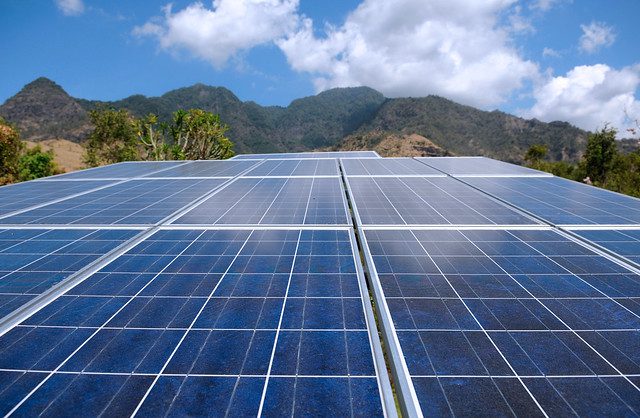
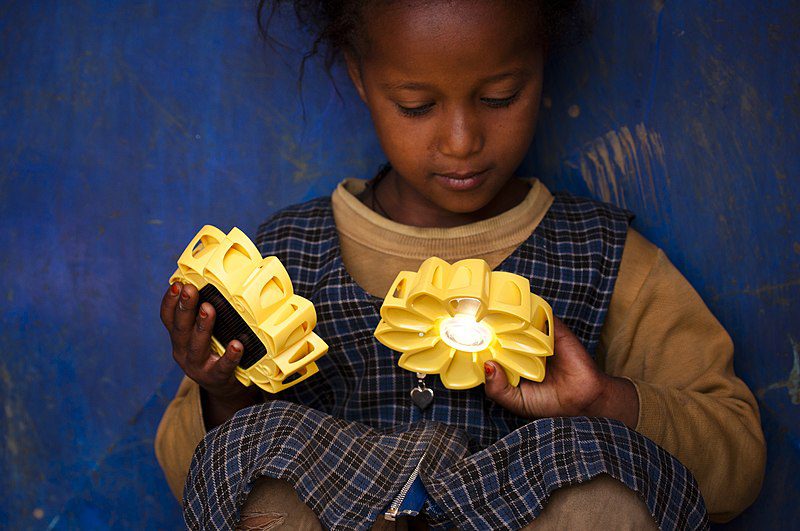
  • d.light – This for-profit company invests in and manufactures solar energy and distributes its products through the developing world. d.light’s mission is “To create a brighter future by making clean energy products universally available and affordable.” The focus here is on providing clean energy to the developing world which helps reduce dependence on fossil fuels and provides electricity to people who might not otherwise have it.

– Sarah Faure
Photo: Wikimedia Commons

August 22, 2019
https://borgenproject.org/wp-content/uploads/borgen-project-logo.svg 0 0 Kim Thelwell https://borgenproject.org/wp-content/uploads/borgen-project-logo.svg Kim Thelwell2019-08-22 01:30:452024-06-07 05:07:57How Impact Investing Can Change the World
Page 1228 of 2162«‹12261227122812291230›»

Get Smarter

  • Global Poverty 101
  • Global Poverty… The Good News
  • Global Poverty & U.S. Jobs
  • Global Poverty and National Security
  • Innovative Solutions to Poverty
  • Global Poverty & Aid FAQ’s
Search Search

Take Action

  • Call Congress
  • Email Congress
  • Donate
  • 30 Ways to Help
  • Volunteer Ops
  • Internships
  • Courses & Certificates
  • The Podcast
Borgen Project

“The Borgen Project is an incredible nonprofit organization that is addressing poverty and hunger and working towards ending them.”

-The Huffington Post

Inside The Borgen Project

  • Contact
  • About
  • Financials
  • President
  • Board of Directors
  • Board of Advisors

International Links

  • UK Email Parliament
  • UK Donate
  • Canada Email Parliament

Get Smarter

  • Global Poverty 101
  • Global Poverty… The Good News
  • Global Poverty & U.S. Jobs
  • Global Poverty and National Security
  • Innovative Solutions to Poverty
  • Global Poverty & Aid FAQ’s

Ways to Help

  • Call Congress
  • Email Congress
  • Donate
  • 30 Ways to Help
  • Volunteer Ops
  • Internships
  • Courses & Certificates
  • The Podcast
Scroll to top Scroll to top Scroll to top