• Link to X
  • Link to Facebook
  • Link to Instagram
  • Link to TikTok
  • Link to Youtube
  • About
    • About Us
      • President
      • Board of Directors
      • Board of Advisors
      • Financials
      • Our Methodology
      • Success Tracker
      • Contact
  • Act Now
    • 30 Ways to Help
      • Email Congress
      • Call Congress
      • Volunteer
      • Courses & Certificates
      • Be a Donor
    • Internships
      • In-Office Internships
      • Remote Internships
    • Legislation
      • Politics 101
  • The Blog
  • The Podcast
  • Magazine
  • Donate
  • Click to open the search input field Click to open the search input field Search
  • Menu Menu

Archive for category: Global Poverty

Key articles and information on global poverty.

Global Poverty, Homelessness

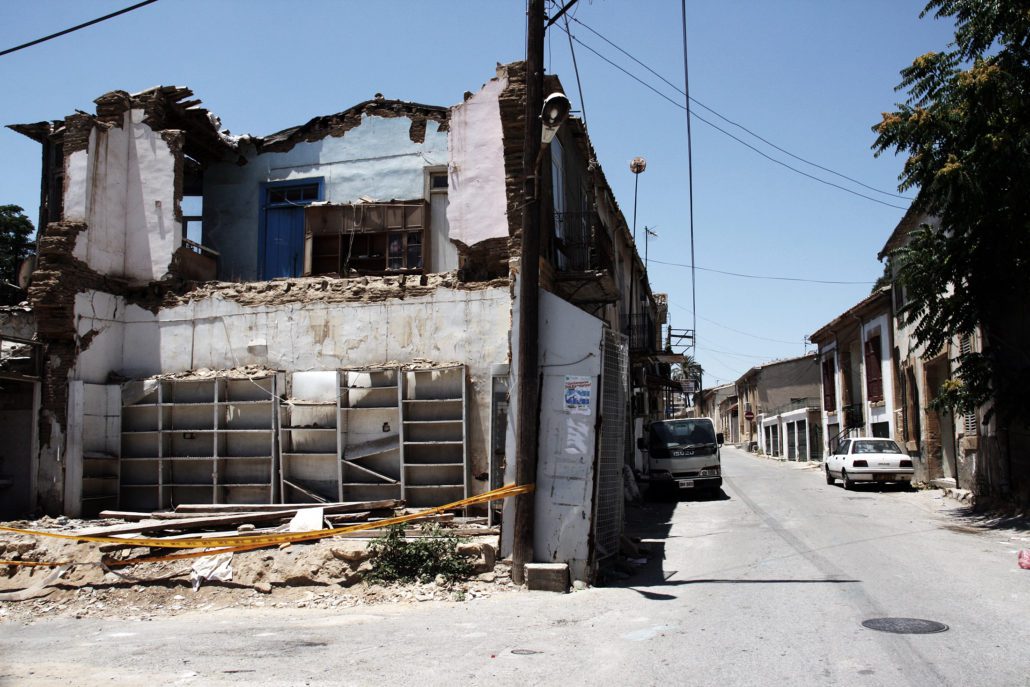
Fighting Homelessness in Kosovo

Homelessness in Kosovo
Although the Kosovo war has ended, there are still citizens who remain displaced. The U.N. Refugee Agency reported that 90,000 people still need housing assistance, and there lacks a clear strategy set to combat homelessness. Although a cogent strategy has yet to reveal itself, there are key issues that the government and various aid organizations need to look at in order to combat homelessness in Kosovo. These include domestic abuse, the development of housing projects and the fate of internally displaced people (IDP).

Domestic Abuse

Many women and children suffer from domestic abuse in Kosovo. In 2016, reports determined that there were 870 cases of domestic violence in Kosovo, with women mostly being the target. Currently, officials lack adequate housing assistance for those who suffer from domestic abuse. There are two components that make housing assistance inadequate: financial instability in the shelters, and the low chance of adequate housing for women and children after they leave the shelter. These factors leave women and children at risk of homelessness in Kosovo. The shelters have been improving in recent times. According to a report from the Organization for Security and Co-operation in Europe, over 400 women along with their children received assistance and shelter from the operating shelters in Kosovo between January and November 2018.

Housing Projects

 The Kosovo war, which lasted from 1998 to 1999, has also put a number of its citizens at the brink of homelessness. The chaos from war has resulted in the destruction of 120,000 housing structures. The state of homelessness in Kosovo is also hard to define because the nation does not address the level of homelessness at the national level and instead diverts these responsibilities to different regional agencies. These circumstances have forced many refugees into a state of uncertainty. Thankfully, officials that have received the designation to work on housing projects had begun constructing housing projects for the refugees beginning to return home. Contractors begun building the R121 million-dollar housing project in the summer of 2019 and residents were able to move in the following year.

Internally Displaced People

Kosovo’s long-lasting conflict has left many of its people to fall into the category of IDPs. The term describes internally displaced people who flee their homes but still remain on the borders of their nation. A majority of the people reside in Serbia, where they have access to healthcare and social services. IDPs have the unfortunate risk of facing discrimination in the process of obtaining these rights. To add, many IDPs may lack identification which puts them into a stateless position within their own country. IDPs mainly tend to go back to rural areas rather than urban areas because they face the threat of violence upon their return. The government of Kosovo has been making slight progress on the issue of violence through services for the homeless called “do no harm” innovations. The innovation makes it required that refugees and IDPs returning home shall not be harmed. Although the act is small and not groundbreaking, it is a step towards positive change for homelessness in Kosovo.

– Ashleigh Jimenez
Photo: Flickr

August 27, 2020
https://borgenproject.org/wp-content/uploads/borgen-project-logo.svg 0 0 Jennifer Philipp https://borgenproject.org/wp-content/uploads/borgen-project-logo.svg Jennifer Philipp2020-08-27 10:00:472024-05-30 07:52:11Fighting Homelessness in Kosovo
Global Poverty

Plastic Waste in India and the UNDP

Plastic Waste in IndiaIndia produces 15 million tonnes of plastic waste annually, and most cities and towns in the country do not have the means to manage this. The lack of integrated solid waste management systems leads to numerous health and ecological crises. The burden of this issue falls on the Safai Saathis, or waste pickers, who collect and sort through waste daily. The job is dangerous and has little reward. Stepping in to tackle this issue is the United Nations Development Program’s Plastic Waste Management Programme. This project improves upon existing waste management systems to mitigate the dangerous effects of plastic waste in India. Before delving into the project, it is important to understand why plastics are so harmful in the first place.

Why Are Plastics so Harmful?

First, there is enough plastic waste on this planet to cover it four times over. Plastic waste can be found from the deepest depths of the ocean all the way to the clouds in the form of air pollution. There are even microplastics in people that come from food and water. Plastic waste build-up clogs sewage systems, thereby polluting rivers, groundwater resources and the air.

There are numerous implications of plastic waste in India. The waste harms animals who ingest or entangle themselves in it. The carcinogenic chemicals found in plastic can cause severe issues for human health, such as hormonal or genetic disorders, interference with the endocrine system and damage to reproductive health. Land pollution is yet another consequence of plastic waste. The plastics leach hazardous chemicals into the land, which destroys its capacity to support life.

More than this, plastic waste never actually goes away, and 95% of that waste does not get recycled. According to the Environmental Protection Agency, almost every piece of plastic ever made is still on Earth today. This is why it is mandatory to have waste management systems that can recycle old plastic and manufacture new things out of it. In other words, plastic waste is the ideal candidate for a circular economy.

UNDP Plastic Waste Management Programme

The work of this project can greatly aid in the fight against plastic waste in India. The main objective of the project is to establish a sustainable, community-led approach to efficient recycling. The initiative operates in 20 cities throughout India with 22 Swachhta Kendras (material recovery centers). It is designed to lower the devastating impacts on environmental and human health through the enhancement of sustainable plastic waste management practices.

According to the UNDP, the four main components of this project are to:

  1. “Create a socio-technical model for taking plastic waste management from informal to formal economy.
  2. Establish Material Recovery Centres for sustained practices in waste management.
  3. Institutionalize Swachhta Kendras within governance framework structures and improved socioeconomic conditions of waste pickers.
  4. Develop technology-supported knowledge management: Promote Cloud-based traceability, accountability and digital governance along waste value chain through our technical partner Mindtree through field implementing partners.”

According to a source from UNDP India, the greatest challenges to this program lie within the general lack of awareness by citizens of the threats related to handling plastic waste in India. For example, better waste management programs and access to education can prevent deadly practices like burning plastic waste and open dumping in channels and gutters. This project enhances methods of material recovery, separation and recycling. In addition, it also creates jobs, addresses better social security measures and positively impacts the livelihoods of waste pickers.

Safai Saathis

One of the most profound outcomes of this ongoing project is the initiative to improve the standards of living of Safai Saathis. Before the UNDP stepped in, waste pickers worked without the use of any safety equipment. Exposure to so much waste puts their health at risk. Because of the UNDP Waste Management Programme, the lives of many Safai Saathis strengthen in safety and social security.

Safai Saathis are deprived of social benefits and stuck in an abusive system. A great emphasis of the UNDP’s work is to ensure their dignity and social inclusion, as well as to increase their access to health care and self-help groups. As a result of the help of the UNDP, many have seen an increase in income. The workers also experience social upliftment from opening bank accounts and improved working conditions.

The fight against plastic waste in India is multifaceted and constantly progressing. Circular innovations like this Waste Management Programme turn unfathomable amounts of waste into new and useful materials, empowers communities and protect the health and safety of everyone in India.

– Rochelle Gluzman
Photo: Flickr

August 27, 2020
https://borgenproject.org/wp-content/uploads/borgen-project-logo.svg 0 0 Kim Thelwell https://borgenproject.org/wp-content/uploads/borgen-project-logo.svg Kim Thelwell2020-08-27 09:48:412024-05-29 23:22:32Plastic Waste in India and the UNDP
COVID-19, Global Poverty

5 Facts about Paraguay’s COVID-19 Response

Paraguay's COVID-19 ResponseParaguay is a landlocked country in South America surrounded by Bolivia, Brazil and Argentina. As many South American nations grapple with the spread of the coronavirus, Paraguay appears to have control of the disease. In total, the country has only had a few dozen deaths from the disease. Here are five facts about Paraguay’s COVID-19 response efforts.

5 Facts about Paraguay’s COVID-19 Response

  1. Paraguay, with a population of about 7 million people, has had about 5,338 confirmed cases of COVID-19 and 49 deaths. This is drastically different from its neighboring countries of Bolivia and Brazil. Bolivia has about 11 million inhabitants, with 76,789 recorded cases and 2,977 deaths. Similarly high, Brazil has a population of roughly 210 million, with about 2.71 million confirmed cases and 93,616 deaths.
  2. According to epidemiologist Dr. Antonia Arbo, the reason that Paraguay’s COVID-19 response has had success in mitigating the effects of the virus is because of the stern measures put in place by the government as well as the “good behavior” from its citizens. “The government of President Mario Abdo Benítez was one of the first in the region to implement containment measures after just the second confirmed case of COVID-19 on March 10.”
  3. Unlike other responses, Paraguay’s containment measures are effective due to the “fast and forceful” nature in which authorities acted. The country was in a consistent lockdown from March 20 until May 3. During this time, the Ministry of Health increased testing and improved contact-tracing capabilities. This allowed the country to initiate a “gradual reopening program.” Additionally, the country is still maintaining precautions even while they ease social distancing restrictions. Masks are still mandatory and medical professionals conduct temperature checks in the entrances to public spaces.
  4. Despite these successes in Paraguay’s COVID-19 response, the country’s economy has definitely suffered. In January, prior to the pandemic, most predicted the economy to grow as agriculture began to bounce back following the droughts and floods of 2019. Since then, however, the lockdown has severely impacted the country’s economy. There was a stark decrease in overall consumption, investment, imports on capital goods, tourism and trade. Though it is difficult to accurately predict the exact impact of the recession, experts predict that the GDP will decrease by 5% in 2020.
  5. The pandemic halted a project between Paraguay’s government and the Food and Agriculture Organization, which would have provided more opportunities for rural communities. Many Indigenous community members in Paraguay live in abject poverty and have no choice but to earn income through marijuana crop cultivation. Unfortunately, this has resulted in severe deforestation. The joint plan, named the Poverty, Reforestation, Energy and Climate Change (PROEZA) Project, intends to provide aid to these vulnerable, low-income families. However, this project has halted for the time being due to the pandemic.

Going forward with Paraguay’s COVID-19 response, as the country’s economy prepares to reopen, Paraguay is working to reduce the deficit and repair the damage to public finances. It is hopeful that with the implementation of social plans for low-income households, Paraguay will be able to truly prosper.

– Shreeya Sharma
Photo: Flickr

August 27, 2020
https://borgenproject.org/wp-content/uploads/borgen-project-logo.svg 0 0 Kim Thelwell https://borgenproject.org/wp-content/uploads/borgen-project-logo.svg Kim Thelwell2020-08-27 09:27:052020-08-27 09:27:055 Facts about Paraguay’s COVID-19 Response
COVID-19, Global Poverty, Health

5 Beauty Brands Making a Difference Amidst COVID-19

Beauty brands making a differenceMakeup brands are generally known for their aesthetically pleasing cosmetics and the confidence they provide their consumers. However, what is less well known is that many makeup brands are actively creating initiatives to help those in need. Most recently, many of these companies have spearheaded relief efforts to ease the impacts of the global pandemic. Here are five popular beauty brands making a difference amidst COVID-19.

5 Beauty Brands Making a Difference during COVID-19

  1. Milk Makeup. Milk Makeup is one of the beauty brands making a difference during this time. It is a popular brand best known for its minimalist makeup products. However, the company has gained recent attention for its assistance with COVID-19 in New York. On April 10, the brand partnered with the Wu-Tang Clan to donate 100 % of its proceeds from that day to the New York City COVID-19 relief effort: the event raised a total of $106,000 in just 24 hours. Additionally, the brand donated $250,000 in beauty products to frontline workers.
  2. L’Oreal. In response to COVID-19, this international drugstore brand has implemented a new initiative called “L’Oreal for the Future.” The program plans to donate 100 million euros to help combat global climate change. L’Oreal will also donate 50 million euros to support vulnerable women living in societies severely impacted by economic deficiencies. Further, the brand donated 400,000 hygiene products and 400,000 bottles of hand sanitizer to frontline hospital and retail staff in Great Britain and Ireland.
  3. MAC. MAC is another one of the beauty brands making a difference during these difficult times. Since 1994, MAC Cosmetics has held an annual “Viva Glam Campaign.” In previous years, the money from this campaign was dedicated to combating HIV/AIDS; however, in light of 2020’s recent events, the campaign has shifted to target COVID-19. Through this campaign, the beauty company has committed to donating $10 million to 250 U.S. and international organizations working to help those impacted by COVID-19.
  4. Avon. This cosmetics brand has partnered with Feed the Children for the past 16 years. However, in response to COVID-19, Avon has significantly strengthened its support of this nonprofit organization. The company has donated more than $2 million in personal care products and over $40 million in necessities to impacted families across the country.
  5. Thrive Causemetics. Thrive Causemetics is another one of the beauty brands making a difference. It has created a $1 million initiative to aid COVID-19 relief efforts. As part of this commitment, the company donated $10,000 to the University of Washington Virology Lab to help expand access to COVID-19 testing. Additionally, Thrive Causemetics gave $350,000 to various other United States organizations diligently working to fight COVID-19 such as Meals on Wheels, Baby2Baby and Feeding America.

These beauty brands are prime examples of companies utilizing their influences and platforms to impact their communities for good. In the future, cosmetics companies will hopefully continue working beyond their products to improve the lives of their consumers.

– Kira Lucas
Photo: Flickr

August 27, 2020
https://borgenproject.org/wp-content/uploads/borgen-project-logo.svg 0 0 Kim Thelwell https://borgenproject.org/wp-content/uploads/borgen-project-logo.svg Kim Thelwell2020-08-27 09:10:452020-08-27 12:13:545 Beauty Brands Making a Difference Amidst COVID-19
Global Poverty, Water Crisis, Water Sanitation

10 Facts about Sanitation in Libya

sanitation in Libya
Libya is an arid country that has been facing sanitation and water inadequacies for decades due to its geographic location. The Sahara Desert covers most of Libya, and political turmoil has embroiled the country for years, aggravating its problems. Many humanitarian groups that act in the region, like UNICEF, have aimed to improve access to clean water and sanitation in Libya. Despite new funding, the region requires significantly more work.

These 10 facts about sanitation in Libya illustrate its problems with sanitation and water access, as well as different organizations’ efforts to improve the quality of life in one of the driest and most turbulent countries in the world.

10 Facts About Sanitation in Libya

  1. Ninety-five percent of Libya receives 100 millimeters or less of rainfall annually. This makes Libya one of the most arid countries in the world. Libya has consistently suffered from water scarcity and ranks 20th among the top 36 water-stressed countries. Political instability and military conflict have held the country back from meeting the water security and sanitation needs of its people. Currently, only 60% of all households in the country are connected to a reliable water source.
  2. The man-made river project (MMRP) provides 95% of Libya’s water. Despite being one of the largest civil engineering constructions in the world, the pipeline provides water that is considered unfit for drinking. Safer, bottled water is hard to come by. As such, many Libyans rely on the pipeline’s poor-quality water for drinking.
  3. Libya’s dependence on the pipeline creates risks for the country. Both people looking to sell parts on the market and political groups looking to gain influence in the capital have disabled wells throughout the MMRP.  In May 2019, a militant group forcefully shut down all pipelines to Tripoli for three days, depriving the city of water. These strains, as well as inadequate chemical treatment and equipment shortages, have damaged water quantity and quality. Badr al-Din al-Najjar, head of the National Center for Disease Control, declared that “all water is contaminated,” and “there is no drinking water” in the country.
  4. Unsafe drinking water increases Libya’s risk of waterborne illness. In July 2019, UNICEF spokesman for Libya Mostafa Omar estimated that nearly 4 million people out of Libya’s 7 million people would not have access to safe water in the event of a pipeline disruption. Diseases like cholera, hepatitis A and diarrhea may spread as a result of this lack of sanitation in Libya.
  5. Bacteria often contaminates each of Libya’s water sources. In fact, coliform bacteria has contaminated piped, well and transported water sources at a certain level. Piped water presents the largest risk, making up 55% of contaminated water samples. Additionally, 26% of contaminated samples came from well water, with the remaining 19% coming from transported water. In this environment, finding a reliable clean source of water is a struggle for many Libyans.
  6. UNICEF delivered drinking water to 106,000 Libyans in response to heightened needs in 2019. Approximately 41,000 of these people were located in conflict-affected areas. UNICEF also established services providing sanitation in Libya for 166,000 people and delivering hygiene items and information to 57,000 Libyans.
  7. This lack of water and sanitation has a particularly negative effect on girls. Girls who bring water to their homes or travel to use a latrine risk sexual assault when they venture out. Additionally, poor sanitary conditions make menstrual hygiene difficult to maintain, especially at school. In 2018, the Humanitarian Response Program invested $5.3 million in helping school-age children with a focus on helping girls navigate these problems.
  8. On average, 71 students share one toilet in Libyan schools. The Ministry of Education standard is 25 students per toilet. In these school bathrooms, there is soap 49% of the time, and 17% of schools have soap on occasion.
  9. In Libyan schools, 54% of water contains potentially harmful bacteria. Some of these bacteria raise serious concerns. For example, E.Coli has emerged in 10% of water samples. UNICEF and the National Center for Disease Control have prioritized funding projects that brought water and sanitation improvements to schools. Such projects benefited conditions for 10,000 school children only months after their implementation, improving sanitation in Libya.
  10. In 2019, there were 267,000 people in need of safe drinking water, improved sanitation facilities and hygiene-related items and information. In 2020, only 242,000 people are in need of UNICEF’s WASH services. However, the effects of COVID-19 and continued violence through the pandemic are likely to create more work for humanitarian groups over the next few years.

These 10 facts about sanitation in Libya address concerns that have existed for years. Clean water is scarce, and many citizens drink water unfit for consumption. Military conflict has destabilized the country, and many Libyans are having increased difficulty finding clean water and taking proper sanitary measures during the COVID-19 pandemic. Despite the incredible circumstances in the country, however, many organizations working to ensure that thousands of Libyans receive access to the resources they need.

– Brett Muni
Photo: Flickr

August 27, 2020
https://borgenproject.org/wp-content/uploads/borgen-project-logo.svg 0 0 Jennifer Philipp https://borgenproject.org/wp-content/uploads/borgen-project-logo.svg Jennifer Philipp2020-08-27 07:30:332024-05-29 23:22:2410 Facts about Sanitation in Libya
Global Poverty, Women's Rights

How Hair Trade is Not Fair Trade

hair trade
Poverty comes in various forms: lack of education, malnutrition, preventable diseases, and, in some cases, loss of hair. Hair, like poverty, comes in different appearances: long, wavy, short, brown, curly, red, mid-length or white. Some people covet certain styles, particularly those whose hair cannot naturally conform to the latest trend. Therefore, alternatives such as natural or synthetic hair stand in as solutions. For years, India was the primary provider of natural hair to African American women in the United States. However, in recent years, Cambodia, a Southeast Asian country riddled with poverty, took the spotlight, sending hundreds of locks of hair to America, Europe, South Africa and Nigeria, with the American market accounting for 80% of sales in the hair trade industry. Eyes dote upon these pristine locks, which fall into consumers’ hands at a reasonable price, but the hair trade rarely comes at a fair price to the proprietor.

Injustice in the Industry

In Cambodia, women’s hair typically sells for $8 to $30, depending on the length of the lock. Companies then clean, sew and sell it for an average of an outstanding $500 in the United States. The hair that sells online and in American shops generally come from the heads of poor Khmer women. These women often experience coercion to sell their hair for an unfair price. These women are unaware of the value of their hair and do not know how to barter. In return, the women end up with split ends, bald spots, jagged edges and low self-esteem.

Poverty in Cambodia

Poverty forces unwanted decisions. It includes numerous losses, such as the loss of hair, which signifies beauty and strength. However, the blazing light of poverty is beginning to fade in Cambodia. Prior to the COVID-19 outbreak, Cambodia had one of the fastest-growing economies in the world. In fact, over the course of the past 20 years, Cambodia has reduced its poverty level by half. Infant mortality rates have decreased and primary education enrollment has increased. Statistically speaking, Cambodia is on the rise.

NGOs (Non-Governmental Organizations) have played an instrumental role in the economic climb. One NGO, Open Arms, provides vocational training through various methods, including hairdressing and salon maintenance. Through Open Arms, women, who once had to sell their hair to make financial ends meet, now have the privilege of empowering other women through the simplicity of a haircut.

The shift in the country’s economy has shed light not only on Cambodia’s best but also on her worst, which includes the hair trade industry. With the injustice of the hair trade industry making the pages of prominent news outlets, such as NBC, there is potential for change. After all, awareness is the building block for action. While Cambodia is on an uphill climb, she still has a long way to go. However, she is moving in a positive direction, gaining prominence with each step she takes.

– Chatham Rayne Kennedy
Photo: Pixabay

August 27, 2020
https://borgenproject.org/wp-content/uploads/borgen-project-logo.svg 0 0 Kim Thelwell https://borgenproject.org/wp-content/uploads/borgen-project-logo.svg Kim Thelwell2020-08-27 01:30:292020-08-26 13:32:21How Hair Trade is Not Fair Trade
Global Poverty, Humanitarian Aid

5 Celebrities Who Advocate For Yemen

Celebrities who advocated for YemenYemen is currently facing the largest humanitarian crisis in the world. In fact, 80% of 24 million Yemen citizens are in dire need of humanitarian aid and around 50% of them are children. On top of battling high poverty and famine rates, Yemen has also had to handle the rapid spread of COVID-19. Many healthcare workers are volunteering their services while not receiving a salary. Meanwhile, 10.2 million children do not have access to basic healthcare and now their futures are uncertain. Additionally, the ecology issue in Yemen is partially responsible for political instability. Yemen’s lack of a main water source has led to a low supply of food. This unfortunate problem has created many disputes in rural areas over food and water supplies. The quarrels are responsible for about 4,000 deaths each year. These conflicts have led many American celebrities to advocate for the country. Below are five celebrities who advocate for Yemen.

5 Celebrities Who Advocate For Yemen

  1. Halsey: Halsey is an American singer, songwriter and activist who advocates on her social media about the humanitarian crisis Yemen is currently experiencing. She shared that she made a $20,000 donation to help the children who are suffering. Halsey encourages her supporters to shed a light on Yemen’s issue by sharing her post and donating.
  2. George Clooney: Back in 2017, George Clooney, an American actor, film producer, director and activist, began advocating on the crisis in Yemen and other neighboring countries. People know him well for his humanitarian services. At the time, he encouraged all Americans to contribute donations for those suffering on impoverished lands.
  3. Gigi Hadid: The American fashion model Gigi Hadid advocated about Yemen’s crisis through an Instagram story. She brought awareness by sharing a post from an Instagram account named @muslim. In addition, Hadid provided a post with links for her fans to donate.
  4. Ben Stiller: Since 2017, Ben Stiller, an American actor, comedian, film producer, film director and writer has been urging citizens to pay attention to countries facing huge humanitarian crises. These countries include Somalia and its neighboring territories. He posted a two-minute video on his Twitter, informing viewers of how citizens are dying due to the lack of resources in countries like Yemen.
  5. Mark Ruffalo: The American actor and producer who many know for his role in “Avengers: Endgame” has called for citizens to help stop the ongoing illegal war in Yemen. In a video he recorded, Ruffalo informed his viewers that the United States is providing weapons to Saudi Arabia and that Saudi Arabia is using starvation as a tactic of war. He stated that the U.S. involvement is unconstitutional and needs to stop. Ruffalo has urged people to call Congress and vote for the Sanders-Lee Resolution to end the “unauthorized U.S. war in Yemen.”

When celebrities advocate on behalf of countries in need of aid, such as Yemen, they are bringing awareness to millions of their social media followers who were possibly unaware of foreign issues. By informing fans and making generous donations, the celebrities who advocate for Yemen can change and improve the living conditions of the country’s citizens.

– Megan Ha
Photo: Flickr

August 27, 2020
https://borgenproject.org/wp-content/uploads/borgen-project-logo.svg 0 0 Kim Thelwell https://borgenproject.org/wp-content/uploads/borgen-project-logo.svg Kim Thelwell2020-08-27 01:30:292024-05-29 23:22:235 Celebrities Who Advocate For Yemen
Global Poverty

What to Know About Period Poverty in Venezuela

Period Poverty in Venezuela
Having access to menstrual products is essential to a woman’s life. Lacking these products can interrupt women’s daily schedules, including their education and work. As Venezuela’s economy declines, many Venezuelan women are unable to afford feminine products. Period poverty in Venezuela is now a challenge that women must overcome by creating alternative menstrual products.

Venezuela’s Inflation Crisis

Two decades ago, Venezuela took pride in being Latin America’s richest economy, boasting the world’s largest oil reserves. However, the past two governments’ corruption, mismanagement and debts have led Venezuela’s economy to fall apart, causing many companies to stop working and leading to hyperinflation and shortages of many products and basic services.

Feminine hygiene products did not escape this economic crisis. Today, these products are so expensive that many women cannot afford them. Two packs of pads can consume up to a third of a women’s minimum salary, according to a 2018 source. Plafam, an association for family planning in Venezuela, stated that 90% of medicine and healthcare products are in shortage. Many women cannot afford to spend their salary on menstrual products when they also need to buy other essentials. Forced to choose between food or tampons, many women are looking for other affordable options.

Creative Solutions to Period Poverty

In an interview with Voice of America, a young woman named Desiree Rodriguez said that instead of pads, she uses pieces cut from old sheets of cotton and plastic bags. Other women are using similar methods to tackle period poverty in Venezuela. Raquel Pérez said that she can buy either pads for herself or diapers for her children; she chooses to buy diapers and handcraft her own pads.

VICE interviewed women in Venezuela who invented similar ways to deal with menstruation. America Villegas, a past vice-chancellor of the National Experimental University of the Arts, is making her own pads. In 2016, Villegas decided to quit using the low-quality pads that were — and still are — flowing on the market. “They gave me horrible irritation and allergies,” Villegas said.

With her teenage daughter and mother, Villegas began creating ecological pads made of fabric, cotton and plastic, which she sells through MercadoLibre, an online marketplace. Her pads are washable and reusable. Despite a myth that reusable pads are bad for women’s health, according to Women’s Health Magazine, they are safe if cleaned correctly. However, many Venezuelan families lack access to clean water, soap or detergent.

Lahaie Luna Lezama

Three young women decided to tackle period poverty in Venezuela in another way. In 2018, Marianne Lahaie Luna, Véronique Lahaie Luna and Rosana Lezama founded Lahaie Luna Lezama, an NGO dedicated to improving access to menstrual products and rights in Venezuela.

These women partnered with Plafam to distribute an alternative to pads: the menstrual cup. Because of taboo and myths around menstruation in Venezuela, most women are disinclined to use tampons or products like a menstrual cup. But with proper education about women’s health and the sustainable use of menstrual cups — which women can use for up to seven years — women in Venezuela are now using these products as another solution to period poverty.

In 2019, Lahaie Luna Lezama started collaborating with a Colombian organization called CEPAZ, reaching out to Venezuelan women who migrated to Colombia. Because of their uncertain legal status, these women are prone to sexual exploitation and solicitation, lower-wage jobs and poverty. Lahaie Luna Lezama distributed around 400 menstrual and sexual kits to these women, as well as many women in Venezuela’s capital, Caracas.

Conclusion

Period Poverty in Venezuela causes a great deal of distress. The government has not adequately addressed the importance of menstrual and sexual products. The lack of these products obstructs Venezuelan women’s education and work. Innovative women are introducing creative, handcrafted and sustainable solutions to period poverty in Venezuela, but widespread change is necessary to improve the lives of women who cannot afford traditional menstrual products.

– Alannys Milano
Photo: Flickr

August 27, 2020
https://borgenproject.org/wp-content/uploads/borgen-project-logo.svg 0 0 Kim Thelwell https://borgenproject.org/wp-content/uploads/borgen-project-logo.svg Kim Thelwell2020-08-27 01:30:132024-05-29 23:22:27What to Know About Period Poverty in Venezuela
Global Poverty, Sanitation

WASH in Serbia: The Good News

WASH in Serbia
Water pollution in Serbia is primarily caused by the inadequate discharge of wastewater. Unequal practices of waste removal disproportionately impact rural and Roma communities, as these groups tend to rely on wells and local waterways that are often exposed to industrial contamination. In fact, 22% of the Roma population does not have access to improved water sources, making them especially susceptible to waterborne diseases. Although there is still much work needed to ensure that everyone in Serbia has access to adequate Water, Sanitation and Hygiene (WASH), the situation is far from stagnant. Here are nine facts about how WASH in Serbia is improving.

9 Facts About WASH in Serbia

  1. The OM Christian church started a non-governmental organization in 2014 to assist vulnerable populations in Serbia and other Mediterranean countries. As part of its religious beliefs, the church has enacted a variety of humanitarian work, including establishing adequate sanitation facilities.
  2. The Serbian government has implemented a national program dedicated to the improvement of WASH. Furthermore, the Republic of Serbia now recognizes WASH as a fundamental human right. Through their national program, the government implemented a variety of initiatives promoting hygiene in schools and health facilities. The government has also implemented long-term initiatives dedicated to the sustainability of water supplies.
  3. The United Nations Developmental Agency (UNDP) implemented the Protocol on Water and Health in 2013, which is currently active in 170 countries, including Serbia. Through this program, the organization aims to establish a variety of sustainable development goals in Serbia by 2030. Specifically, goal 6 of the program aims to provide clean water and improved sanitation facilities for all Serbians.
  4. In 2019, the European Investment Bank (EIB) gave a 35 million Euro loan to the Serbian city of Belgrade to fund improved sanitation and a wastewater treatment plant. The EIB has been supporting Serbia by loaning money for WASH development projects since 2000. This latest donation is expected to improve the living conditions of more than 170,000 people in the region.
  5. The KFW Development Bank is working to assist Serbia in funding a variety of infrastructural projects. Through their Financial Corporation, the bank is providing improved WASH facilities for 20 Serbian towns, which sustain a collective population of more than 1.3 million people. In early 2020, Belgrade constructed a water treatment plant through the KFW Development Bank’s funding.
  6. The European Union’s Water Framework Directive is working to improve water quality and ensure the proportionate distribution of water from the Tisza River, a major tributary of the Danube and one of the primary water sources for Serbia and four other European countries. The organization aims to carry out this project through a three-step initiative. These steps include traditional water resources planning, structured participation and collaborative computer modeling.
  7. USAID has been present in Serbia since 2001. In 2014, the organization donated $20 million to create a new reservoir in Preševo, which helped provide water to residents of this region.
  8. Serbia has been a member of the Open Government Partnership since 2012. The country has committed itself to be more transparent about its environmental information and budget allocations, which will promote accountability for the government to improve its water and sanitation facilities.
  9. Ecumenical Humanitarian, a Christian organization, has been assisting the Roma people, Serbia’s most vulnerable population, since 2007. The NGO has been working to build sustainable housing and sanitation units for this marginalized group.

Although there is still much progress to be made, the initiatives and improvements implemented over the past years demonstrate that there is hope for improved WASH in Serbia. Moving forward, these organizations must continue to make water and sanitation in the nation a priority.

– Kira Lucas
Photo: Flickr

August 26, 2020
https://borgenproject.org/wp-content/uploads/borgen-project-logo.svg 0 0 Kim Thelwell https://borgenproject.org/wp-content/uploads/borgen-project-logo.svg Kim Thelwell2020-08-26 16:02:342024-05-29 23:22:30WASH in Serbia: The Good News
Global Poverty, Water, Water Crisis

How the Cape Town Water Crisis Was Averted

 Cape Town Water Crisis
Cape Town, South Africa’s legislative capital, has a population of about four million, which is nearly 8% of the entire South African population. South Africa has been successful in cultivating a democratic country, but it has a persistent inequity issue. In 2015, the bottom 60% of the country only held 7% of South Africa’s net wealth. Although more than 55% of South Africans live below the poverty line, 93% of black South Africans live in poverty. Cape Town, although not exempt from issues of inequity, is a thriving metropolis to South Africa. When the Cape Town water crisis rose to a peak in 2017, it became imperative for the city to make some serious changes before they ran out of water completely. Here is how Cape Town recovered from its devastating water shortage and a look at where the city is today.

How the Crisis Began

Cape Town has long been praised for its award-winning water management achievements and efficient use of the city’s six largest reservoirs, which can hold up to 230 billion gallons of water. The city was well aware of the impending climate changes and took measures to decrease overall water consumption.

Despite their efforts, Cape Town neglected to factor in the steady decreases in annual rainfall. This oversight was minor at the time and the city’s reservoirs were full in 2014. However, a sudden three-year-long drought drained the reservoirs to only 26% capacity by 2017. The city declared they would shut municipal water taps off when they reached 13.5% capacity.

City Measures

The term “Day Zero” became the name for the day that water taps would be shut off city-wide, essentially the day Cape Town would officially run out of water. With Day Zero looming and reservoirs draining, the city and its residents sprung into action to avoid the ultimate Cape Town water crisis.

At the beginning of 2017, the average city resident used 600 liters per day. City officials lowered that daily limit to 50 liters per day. To put that number into perspective, the average Californian used 321 liters of water per day during the 2016 drought. If a household went above that 50 liter limit, it faced hefty fines and a meter installation to shut off the water automatically once it exceeded the daily limit. The city also implemented severe quotas for agricultural and commercial institutions.

Residents Doing Their Part

The Cape Town water crisis could not have been averted if not for innovative action from the residents themselves. People began to recycle shower and washing machine water as well as limit toilet flushes to once a day. Farmers diverted their water supply away from their own farms for the city to use. Swimming pools and lawns were no longer essentials and residents no longer used water for such amenities. Social media played a key role as well by being a platform to share advice with a large audience. Local restaurants and bars started competitions to see who could refrain from washing their clothes the longest. The combination of these efforts is what saved the 4 million people from ever having to experience Day Zero.

The Role of Poverty

Although the Cape Town water crisis affected the entire city, it hit some residents much harder than others. South Africa is already a country known for its inequity issues, and the water crisis exacerbated that fact. Wealthy residents found ways to get around the restrictions by hiring companies to dig $6,000 wells for them, buying large amounts of drinkable water at inflated prices, and even installing filtration systems to make groundwater drinkable. Poor residents, on the other hand, were at the mercy of the city and had to sacrifice buying food to be able to buy water.

Where is Cape Town Today?

Cape Town finally experienced an average rainy season in January 2018, allowing the city to postpone the arrival of Day Zero indefinitely. After the immediate crisis had been averted, the city began planning for ocean water desalination and groundwater extraction as backup water sources. These are more long-term solutions, but they present issues of their own such as the affordability of such intense installations and the impact on local ecosystems.

Limits on water usage have been loosened slightly; however, they still exist and are strictly enforced. This continues to negatively impact the city’s poorest residents. Perhaps the most helpful action taken since the crisis has been the weekly reports on dam capacities. As of July 2020, all the dams are holding steady at around 80% capacity.

Although the Cape Town water crisis never fully culminated in a citywide water shutoff, the impact of the event still resonates with the poor. Moving forward, efforts need to be made to ensure equal water access for all residents.

– Natalie Tarbox
Photo: Flickr

August 26, 2020
https://borgenproject.org/wp-content/uploads/borgen-project-logo.svg 0 0 Kim Thelwell https://borgenproject.org/wp-content/uploads/borgen-project-logo.svg Kim Thelwell2020-08-26 15:28:492020-08-26 15:28:48How the Cape Town Water Crisis Was Averted
Page 1021 of 2171«‹10191020102110221023›»

Get Smarter

  • Global Poverty 101
  • Global Poverty… The Good News
  • Global Poverty & U.S. Jobs
  • Global Poverty and National Security
  • Innovative Solutions to Poverty
  • Global Poverty & Aid FAQ’s
Search Search

Take Action

  • Call Congress
  • Email Congress
  • Donate
  • 30 Ways to Help
  • Volunteer Ops
  • Internships
  • Courses & Certificates
  • The Podcast
Borgen Project

“The Borgen Project is an incredible nonprofit organization that is addressing poverty and hunger and working towards ending them.”

-The Huffington Post

Inside The Borgen Project

  • Contact
  • About
  • Financials
  • President
  • Board of Directors
  • Board of Advisors

International Links

  • UK Email Parliament
  • UK Donate
  • Canada Email Parliament

Get Smarter

  • Global Poverty 101
  • Global Poverty… The Good News
  • Global Poverty & U.S. Jobs
  • Global Poverty and National Security
  • Innovative Solutions to Poverty
  • Global Poverty & Aid FAQ’s

Ways to Help

  • Call Congress
  • Email Congress
  • Donate
  • 30 Ways to Help
  • Volunteer Ops
  • Internships
  • Courses & Certificates
  • The Podcast
Scroll to top Scroll to top Scroll to top