• Link to X
  • Link to Facebook
  • Link to Instagram
  • Link to TikTok
  • Link to Youtube
  • About
    • About Us
      • President
      • Board of Directors
      • Board of Advisors
      • Financials
      • Our Methodology
      • Success Tracker
      • Contact
  • Act Now
    • 30 Ways to Help
      • Email Congress
      • Call Congress
      • Volunteer
      • Courses & Certificates
      • Be a Donor
    • Internships
      • In-Office Internships
      • Remote Internships
    • Legislation
      • Politics 101
  • The Blog
  • The Podcast
  • Magazine
  • Donate
  • Click to open the search input field Click to open the search input field Search
  • Menu Menu

Archive for category: Global Health

Information and stories about global health.

Economy, Global Health, Government, Politics and Political Attention

Is Global Governance Undermining Global Health?

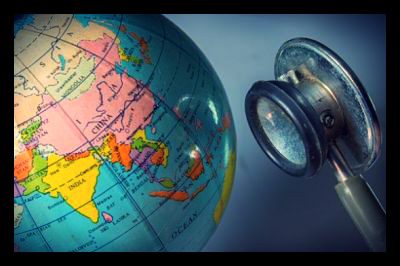
Global governance
On February 11, The Lancet and the University of Oslo issued a joint commission calling for a political commitment to reform the current system of global governance in favor of one that prioritizes human health over wealth. The Commission of Global Governance for Health brought together 18 leaders of research and policy-making, drawn from a number of different backgrounds, to draft the report.

Data was gathered for two years on how socioeconomic inequality between nations is exacerbated by a system of global governance run by a handful of the wealthiest nations. This imbalance of political power between nations is exactly what the commission is trying to fight.

The main agenda it promotes is that health equity should be a top priority of all political, economic and social sectors.

Richard Horton, editor-in-chief of The Lancet, notes, “Economic growth alone will not deliver good health to the most vulnerable sectors of society without addressing the intertwined global factors that challenge or destroy health lives.”

The commission identifies seven areas where political and economic injustice affects population health:

  • The global financial crisis and ensuing austerity policies
  • Knowledge and intellectual property
  • Investment treaties
  • Food security
  • Transnational corporations
  • Migration
  • Armed violence

Within these areas, there are five key “dysfunctions” that are preventing improvements in health outcomes. They are:

  • Democratic deficits (“the exclusion of civil society and marginalized populations from national and global decision making”)
  • Weak accountability (“inadequate means to constrain power”)
  • Institutional “stickiness” (“decision-making processes that fail to adapt to the changing needs of people”)
  • Inadequate policy space for health (“health concerns are too often subordinated to other objectives, such as economic growth and national security”)
  • Absence of international institutions to protect and promote human health

So where does this leave people?

The Commission makes it quite clear that all of these challenges can only be addressed by moving beyond the health sector. In order to promote human health and address global inequities, they argue that people need to reform their current system of global governance in a number of ways:

1. Create a multi-stakeholder platform on governance for health (“a place for deliberation and debate to strengthen accountability for health”)
2. Form an independent scientific monitoring panel (“to measure and track progress in overcoming the political, economic, and social determinants of adverse health outcomes”)
3. Organize health equity impact assessments of all policies and practices
4. Strengthen existing mechanisms to protect health and build commitment to global solidarity and shared responsibility

It is the hope of the Commission of Global Governance for Health that this report will bring health inequities between nations to the forefront of global policy.

– Mollie O’Brien

Sources: Medical News Today, The Hindu
Photo: Masafumi Matsumoto

February 25, 2014
https://borgenproject.org/wp-content/uploads/borgen-project-logo.svg 0 0 Borgen Project https://borgenproject.org/wp-content/uploads/borgen-project-logo.svg Borgen Project2014-02-25 18:04:212014-02-25 18:04:21Is Global Governance Undermining Global Health?
Disease, Global Health, Global Poverty, Health

Common Cold Remedies from Across the Globe

tamagozake_Japanese_Cold_Remedy
In most parts of the rural world, obtaining over-the-counter medication for a cold isn’t an option. Despite Tylenol’s world-wide market and the growing popularity of Vicks and Sudafed, sometimes the availability or the price of these products, or the unmistakably Western feel of them, makes them unappealing to parts of the globe.

There are stubborn old grandmothers in every country who insist they know best while passing on their home-style remedies for curing the common cold. Here’s a sampling of common cold remedies from across the globe:

Iran

A plate of cooked, mashed turnips to ease a cold. The vegetable is full of vitamin C and can ease a cough or ticklish throat.

Europe

Cow or sheep fat is wrapped in cloth, warmed, and placed on the chest to help with congestion. This is still sometimes used in rural areas to keep a deep cough from turning into pneumonia.

Russia and the Ukraine

Similar to eggnog, this hot drink is whisked egg yolk with a teaspoon of honey or sugar. Pour into a half-cup of warm milk prepared with a tablespoon of unsalted butter. Adding rum or cognac turns this into eggnog and promotes a good night’s sleep.

China

Rice porridge, or jook, is thought to be the easiest food to digest and cleanses a sick body of toxins. To prevent a cold some turn to mustard green soup: a pound of broad leaf mustard greens, cooked with a large sweet potato and simmered in water for a few hours. The resulting soup is hydrating and easy to stomach. Some people also burn Ai Ye, or wormwood to fend off a cold or to prevent further infection.

Hong Kong

A soup made up of dried lizards, yam and Chinese dates simmered in water

Italy

Tea with sage, bay leaf, lemon juice and honey. Another is horseradish tea: grate horseradish into boiling water before adding lemon juice and honey. This isn’t always the most enjoyable to drink, but the aroma is known for clearing out the sinuses.

India

Just a spoonful of ginger juice and honey. For sick kids parents will roast ajwaim, or carom seeds. Similar to thyme, this acts as a decongestant.

Turkey

Tea made with eight or more whole cloves, two or three cinnamon sticks, one full-circle star anise, a peeled whole ginger root that has been cracked in a few places. All of this is left to soak for about 45 minutes before being strained and served with honey.

Cuba

Oregano tea.

Vietnam

Broth-based Pho soup: includes chili to clear the sinuses and vitamin-packed veggies.

Japan

Tamagozake; a drink made with sake, one egg and honey. It strengthens the immune system and promotes a good night’s sleep. Another favorite is umeboshi or “pickled plum” which is eaten or steeped in tea with ginger and lemon.

South America and Spain

Lemon, honey and garlic in any combination. Garlic works as a decongestant, lemon thins mucus and honey boosts the immune system.

Morocco

An omelet made with garlic, oil and pepper.

Chad

Tea made by simmering hibiscus flower, fresh ginger, cinnamon, cloves and honey.

Netherlands

Black licorice-root candies and tea. Black licorice root contains glycyrrhizin, which has antiviral and anti-inflammatory effects and works to stop the growth of viruses.

Thailand

Tom Yum soup; traditionally made with shrimp and sometimes called hot-and-sour, this soup is made with coriander, lemongrass and lime leaves.

Korea

a combination of fermented cabbage or radish seasoned with garlic, salt, vinegar, chili peppers and other spices. This particular collection of spices and vitamins is thought to fight off disease.

Try a few and build them into your winter diet!

– Lydia Caswell

Sources: Health & Wellbeing, Health Line, Daniels Fund Ethics Initiative, Fresh Juice
Photo: Method Magazine

February 15, 2014
https://borgenproject.org/wp-content/uploads/borgen-project-logo.svg 0 0 Borgen Project https://borgenproject.org/wp-content/uploads/borgen-project-logo.svg Borgen Project2014-02-15 09:02:532017-03-20 13:20:11Common Cold Remedies from Across the Globe
Global Health, Global Poverty

Childhood Blindness and the Cycle of Poverty

blind_kids_poverty_poor
In developing countries, childhood blindness ruins the lives of millions. In fact, three-fourths of all blind children live in developing countries. A major cause of childhood blindness in developing countries is vitamin A deficiencies.

Vitamin A deficiency happens when children do not receive enough of the foods rich in the nutrient. Orange foods such as carrots, oranges, eggs, liver and sweet potatoes contain this powerful nutrient. Due to poverty, many children have a hard time attaining foods such as these. Lack of foods, along with lack in breastfeeding, which provides vitamin A, results in childhood blindness that cannot be reversed.

Blindness affects 1.4 million children every year; over 50 percent of these children end up dying within 12 months of losing their sight.

The half that do end up surviving end up leading a lifelong struggle with the disability. According to the United States Agency for International Development (USAID,) impoverished families who have blind children have a harder time getting out of poverty then those who do not.

Time that is otherwise used to rise out of poverty is spent caring for the child. It is unnecessarily harder to care for a child who has suffered blindness due to the fact that resources are not attainable. Approximately 90 percent of blind people in developing countries do not have resources available to them. This includes visual aids, services and eye wear. In addition, health care workers are spread thin throughout lower income countries.

Approximately 85 percent of blind children do not attend school. This is usually because parents become fearful of children getting hurt or embarrassed. All of this adds up to a lower quality in life. According to the USAID, children receive a poorer education, suffer isolation, and increased poverty.

All of these attributes follow children into adulthood, where they continue to struggle with lack of employment opportunities and social skills. This eventually creating extra  burdens for the family of blind adults who are unable to function properly and provide for the family. Usually this leaves younger children to care for their blind parents and quit school to do so, adding to the cycle of poverty.

The cost of vitamin A supplementation is a small price for life. Astonishing this cost is the amount someone would pay for a piece of candy (5 cents.) According to the World Health Organization, supplementation would reduce child mortality by 34 percent. Other preventions to childhood blindness are linked to measles.

When programs are promoted in vaccinating against this disease, blindness is lowered. From efforts through these measures, an estimated 1.4 million death have been prevented since 1998.Wonderful news for the poverty stricken areas suffering from lack of vitamin A; however, over 250 million children under the age of 5 still lack access to the vital nutrient and become vitamin A deficient each year.

Even with the continued effort toward combating childhood blindness, more needs to be addressed. There seems to be a cycle of poverty and blindness repeating over and over. More resources and aid should be put toward programs helping the blind instead of trapping them in a constant cycle of poverty.

– Amy Robinson

Sources: Relief Web, WHO, WHO
Photo: Hollows

February 13, 2014
https://borgenproject.org/wp-content/uploads/borgen-project-logo.svg 0 0 Borgen Project https://borgenproject.org/wp-content/uploads/borgen-project-logo.svg Borgen Project2014-02-13 16:36:172024-06-11 00:12:47Childhood Blindness and the Cycle of Poverty
Global Health, Global Poverty

Global Health Problem We Can’t Ignore: Malnutrition

Malnutrition_children

Global Health Fact: 7 million children under 5 years of age die every year

One of the main culprits is malnutrition. When a child’s body becomes malnourished it causes the immune system to become weak. A weak immune system is not a good thing. Especially for children born in developing countries faced with poverty. The immune system cannot fend off the numerous diseases these children face, Pneumonia, Malaria, diarrhea, are just a few of the disease to combat.

Malnutrition occurs when children are deprived of their very basic nutritional needs. Calories, protein, vitamins, minerals, and healthy fats are all essential to a growing body. Food scarcity and poverty is the vital reason these children die every year. Depravation of these basic needs equals malnourishment.

Children who are born premature are at more risk of dying because they were malnourished in the womb. This means they will be born with a weak immune system and possibly become exposed to a deadly disease they cannot fight.

Carolyn Miles, President of Save the Children, stated, “Malnutrition is a largely hidden crisis, but it afflicts one in four children around the world. It wreaks lifelong damage and it is a major killer of children. Every hour of everyday, 300 children die because of malnutrition.”

Here’s a story of a baby girl from Kenya named Umi

This little girl was found at three months old extremely malnourished and on the brink of death.  Umi was quickly taken to the closest hospital for medical treatment and eventually recovered.

Months had passed and Umi continued to be nursed back to health. She was recovering from her brush with death and was a happy, healthy, baby for once. She turned two years old and was thriving as best she could.

However, because of her struggling times with malnutrition as an infant, Umi’s immune system never fully recovered and was not prepared to tackle what was waiting for her. The two year old caught pneumonia and diarrhea, the most common killers among children in developing countries. Tragically Umi died.

Umi died — to put it simply — because of poverty. If it wasn’t for her exposure to malnourishment as an infant she might be with the world today. Her fragile immune system might have been able to fight those horrible illnesses. In addition to these factors Umi did not live close enough to medical help. Her family lived in rural Africa without the ability to travel far. This all stems from poverty.

All of these things together stacked the odds against this child to ever survive.

Many children die every year in developing countries because of these reasons.  Mothers and babies need to remain top priority for organizations fighting to end these preventable deaths. If solutions to these problems can be made quickly then another child like Umi may be able to survive.

– Amy Robinson

Sources: World Hunger, The Guardian, YouTube, Save the Children
Photo: OMI USA

February 10, 2014
https://borgenproject.org/wp-content/uploads/borgen-project-logo.svg 0 0 Borgen Project https://borgenproject.org/wp-content/uploads/borgen-project-logo.svg Borgen Project2014-02-10 21:18:152024-12-13 17:53:49Global Health Problem We Can’t Ignore: Malnutrition
Global Health, Global Poverty

Tuberculosis Crisis Bridges North Korea and U.S. Hostility

North_korea_tuberculosis_crisis_usa_stanford
Despite the Democratic People’s Republic of North Korea’s penchant for holding Americans hostage and despising the United States on principle, the country has nonetheless reached out to a Stanford University-led research team to help solve its mounting tuberculosis (TB) crisis.

North Korean doctors first approached Stanford Medical School and California-based tuberculosis experts in 2008. Since that time, the North Korean government has invited members from the Stanford Medical School to address the state of TB in the country, the worst in the world outside of sub-Saharan Africa.

Tuberculosis affected 8.6 million people in 2012 and claimed 1.3 million lives. While it is largely eradicated in industrialized societies, the respiratory disease still affects developing countries located in Southeast Asia, Africa and the Western Pacific.

North Korea’s problems with TB arose in the 1990’s, when the country was wracked with floods, droughts and ultimately wide-spread famine after the Soviet Union’s collapse in 1990. Without aid from their former Communist ally, widespread malnutrition overwhelmed the country’s inhabitants, resulting in upwards of 2.5 million starvation related deaths.

Improper nutrition coupled with few medical supplies led to a resurgence of TB in the country. In 1998, the Ministry of Public Health began implementing Directly Observed Treatment Short (DOTS) course, a repetitive and now defunct method of TB treatment.

Unlike other regions that evolved their treatment methods (like sub-Saharan Africa,) North Korea continued use of DOTS resulted in Multi-Drug Resistant Tuberculosis (MDR TB,) particularly virulent strains of the disease that do not respond to basic antibiotic therapy.

Although North Korea does not keep drug-resistance records, a report by Eugene Bell, an NGO specializing in patient relapse, revealed large numbers of TB relapse in North Korea, signifying particularly high levels of MDR TB.

“We had anecdotal information from North Korean doctors, who were right on this one. They weren’t able to diagnose drug resistance, but they could see what happens when they treated people with drugs and they came back,” says K.J. Seung, a Eugene Bell doctor and author of the MDR TB report in the Public Library of Science. “Now we have original scientific data that clearly documents drug resistance.”

The notoriously xenophobic regime’s plea for help has resulted in the 2013 installation of North Korea’s first diagnostic laboratory to test drug-resistant MDR TB. In collaboration with the TB Consortium and the Nuclear Threat Initiative, a nonprofit working to strengthen global security, the team is dedicated to improving North Korea’s treatment facilities and teaching North Korean doctors modern methods of controlling the disease.

The invitees must remain apolitical and are constantly monitored by minders, government-appointed tour guides that ‘mind’ what one sees and does in the hosting country. Despite these constrictions, researchers have continued their efforts to bolster MDR TB resistance efforts, noting the health of North Korea and the world depends on their efforts.

– Emily Bajet

Sources: Global Post DDN News, Stanford, Stanford, Stanford Medical School, North Korea Now, Mother Board, World Health Organization
Photo: Vice

February 6, 2014
https://borgenproject.org/wp-content/uploads/borgen-project-logo.svg 0 0 Borgen Project https://borgenproject.org/wp-content/uploads/borgen-project-logo.svg Borgen Project2014-02-06 12:03:522024-12-13 17:49:59Tuberculosis Crisis Bridges North Korea and U.S. Hostility
Global Health, Global Poverty

India Celebrates 3 Years Polio-Free

India_polio_free
This week marked the three-year anniversary of India’s being polio-free. Once viewed as one of the biggest challenges in polio eradication, significant improvements in public health, education and vaccination programs have helped India reach this developmental milestone.

A densely populated country of more than one billion people, India was considered one of the toughest places to tackle the polio endemic. In 2009, India reported 741 polio cases,   comprising nearly half of the world’s polio cases. Two years after this peak level, India saw its last reported case of wild polio on January 13, 2011.

To combat this endemic, India has made vast improvements to its infrastructure, which has advanced public health measures beyond polio eradication. These changes allowed India’s poorest and most rural populations access to vaccinations. Innovative approaches were taken, such as targeting families on trains and accessing the vast rural area of India by foot to deliver vaccinations. They are now being used to tackle other diseases through immunization, such as measles.

The polio eradication efforts also used social mobilizers to educate people on the subject, working with religious leaders to reach parents, specifically targeting the importance for children’s health. Today, they are using these education techniques in counseling pregnant women on breastfeeding and providing newborns with necessary immunizations.

A National Immunization Day has been implemented for further awareness and progress. Each day consists of vaccine doses, vaccinators, vaccine carriers, and supervisors and hundreds of thousands of people mobilizing worldwide to eradicate polio completely by 2018. Past cases provide proof that as long as polio exists, it remains a threat everywhere. A success story, India continues to build its own immunization campaign. Giving hope and providing successful measures to eradicate polio to the three remaining polio-endemic countries: Pakistan, Nigeria and Afghanistan.

– Maris Brummel

Sources: Polio Eradication, UNICEF, Polio Eradication
Photo: India Ink

February 2, 2014
https://borgenproject.org/wp-content/uploads/borgen-project-logo.svg 0 0 Borgen Project https://borgenproject.org/wp-content/uploads/borgen-project-logo.svg Borgen Project2014-02-02 04:00:232024-05-26 23:07:48India Celebrates 3 Years Polio-Free
Disease, Global Health, Global Poverty, Malaria

Malaria 101 and Key Facts

Malaria 101 and Key Facts
Malaria is caused by the parasite called Plasmodium and is transmitted through four different types of mosquitoes. It occurs in tropical and sub-tropical areas, though it is most common in the African Region. Malaria causes high fever, chills and other flu-like symptoms. Plus, if left untreated, this parasitic disease can cause death. Many global health and humanitarian aid organizations are focused on fighting malaria in developing countries while significant scientific research investigations into possible cures for this parasitic disease are also being done.

The World Health Organization (WHO) reports that in 2012, there were 217 million malaria cases and  627, 000 malaria related  deaths, mostly in African children. In fact, one child dies every minute from this disease in the African continent.


Where is Malaria Found?

Malaria is found in tropical and sub-tropical regions where there are warm temperatures, high humidity and lots of rainfall. In order for malaria to occur, the climate must be one in which anopheles mosquitoes can survive and multiply. The Plasmodium parasite must also be able to complete their life cycle inside the mosquitoes.

For example, the most severe strain of malaria cannot be transmitted in temperatures under 68 degrees Fahrenheit because the parasites themselves cannot complete their life cycle inside the mosquitoes. The warmest climates close to the equator thus have the highest rates of malaria transmission. In effect, this parasitic disease occurs year-round in endemic levels within sub-Saharan Africa, New Guinea and South America.


How is Malaria Spread?

Malaria is typically spread through the female anopheles mosquitoes. This particular mosquito is a “dusk-to-dawn” mosquito, meaning it only comes out at night, which is why people in warm climates are encouraged to use sleeping nets. When the mosquito bites someone already infected with malaria and ingests their blood, the parasite is taken in as well, developing inside them and infecting their saliva. Once the parasite has completed a full life-cycle within the mosquito, the disease will be spread to the subsequent humans bitten by the mosquito.


What are the Symptoms of Malaria?

Symptoms can range from mild flu-like symptoms to severe disease and death. However, if this parasitic disease is caught and treated effectively and promptly, it is usually not severe.  Malaria is split into two categories, complicated and uncomplicated. Symptoms of uncomplicated malaria include fever, chills, sweating, headaches, body aches, nausea and vomiting as well as fatigue. In countries where malaria is not common malaria is, in fact, often misdiagnosed as influenza.

Complicated malaria occurs when the organs, blood or the metabolic system are impaired. This can cause severe anemia, acute respiratory distress, low blood pressure, acute kidney failure or cerebral malaria which then causes abnormal behavior, seizures and loss of consciousness.


How is Malaria Treated?

The WHO recommends all suspected malaria cases be tested using parasite diagnostic testing. The most common treatment for malaria is the artemisinin-based combination therapy (ACT); however, resistance to antimalarial drugs is a recurring problem. Furthermore, access to testing and drugs often does not reach the poor communities where this parasitic disease is more prominent.


Who is Vulnerable?

People with delicate immune systems are the most vulnerable to malaria; this includes young children, pregnant women and people infected with HIV. International travelers traveling to warm climates are also particularly susceptible, as are the friends, family, neighbors and co-workers of people who immigrate from countries where malaria is endemic.

– Elizabeth Brown

Sources: CDC, Public Health Agency of Canada, World Health Organization
Photo: Global Biodefense

February 1, 2014
https://borgenproject.org/wp-content/uploads/borgen-project-logo.svg 0 0 Borgen Project https://borgenproject.org/wp-content/uploads/borgen-project-logo.svg Borgen Project2014-02-01 03:40:362024-05-26 23:08:44Malaria 101 and Key Facts
Global Health, Global Poverty

Drug-Resistant TB in South Africa

Drug-Resistant _TB
Several are in shock about the tuberculosis situation in South Africa and no solution has been given. Patients who have drug-resistant tuberculosis are being sent home despite the high likelihood that they will transmit it to their family members. These findings have been released after a study was published in the medical journal, The Lancet.

According to the report, 107 patients were monitored while they were treated for tuberculosis. Out of these people, 78 died in spite of being treated with six drugs to 10 drugs. These South African patients who were diagnosed as untreatable but infectious were discharged due to insufficient beds in hospitals. Several doctors are advocating for funding so that patients can be treated away from the community. Tuberculosis is highly infectious and can just as easily spread like the flu, ultimately infecting the lungs and potentially causing death.

South Africa does not have advanced treatments for tuberculosis and according to the World Health Organization, 450,000 people have multi-drug resistant tuberculosis in Eastern Europe, Asia and South Africa. Research professors are in support of reintroducing old sanatoriums so that these patients will have comfort and long-term care while they struggle with the untreatable disease. According to The Lancet, 42 percent of patients being sent home have drug-resistant tuberculosis. In several cases they were being sent back to their one bedroom homes shared with children and other family members.

Keertan Dheda, a professor of medicine in Cape Town reports that new drugs are urgently needed. Most tuberculosis patients may live for more than a year and are risking the lives of others they come in contact with during that time. Those with virtually untreatable tuberculosis, XDR-TB, pose extreme danger to communities. In one case, one patient passed on the infection to his brother and both died.

Such cases have led to global strategies in the past with development of new forms of tuberculosis control. Due to the current lack of funding, the situation does not look promising. There is a large need for investments in drug development and diagnostics for global tuberculosis research.

-Maybelline Martez

Sources: The Guardian, Reuters
Photo: MSF

January 29, 2014
https://borgenproject.org/wp-content/uploads/borgen-project-logo.svg 0 0 Borgen Project https://borgenproject.org/wp-content/uploads/borgen-project-logo.svg Borgen Project2014-01-29 20:01:282016-02-16 12:05:10Drug-Resistant TB in South Africa
Advocacy, Global Health

Global Health Corps, Creating Global Leaders

Global_Leaders
For individuals who are passionate about improving worldwide living conditions and gaining the skills necessary to further oneself in the field of global health, internships are fraught with worthwhile and unique opportunities to gain knowledge and hands-on experience. With the plethora of diverse internships, the Global Health Corps (GHC) initiative, established in 2009, has stood out as an enriching opportunity for passionate young individuals. The Global Health Corp was engendered by the belief that adequate health is not only a privilege, but also a right for every human across the globe.

GHC aligns interns with top-notch organizations so both parties are able to collaborate-mutually benefiting each other in order to improve global health. According to the GHC, many opportunities to improve global health are not available for individuals who have not already established themselves in the medical field. Thus, another goal of the Corp is to provide opportunities for young people, especially individuals from diverse roots, to achieve their potential and make an impact on worldwide healthcare.

The program offers summer internships at the GHC headquarters in New York City. Furthermore, fellows can also be placed in locales such as Burundi, Rwanda, Uganda and Zambia. The internship provides unique opportunities such as aiding the enhancement of the GHC program, raising money through fundraising, and improving communications support.

According to the Corp, there are a series of six steps taken throughout the internship project. First, fellows are chosen, then they are paired with a host organization and partnered with a participating organization. Additionally, fellows are able to develop their unique skill-sets, establish an educated community and continue to promote global health initiatives long after the internship expires.

The Corp also provides opportunities for interns to work for global change through three key goals. Interns will be able to help increase the impact of prominent organizations by working with such organizations. Additionally, the GHC provides excellent training for aspiring future leaders by engaging interns in a wide-range of developmental activities. Furthermore, interns are able to engage in constructing an international community for change that will continue to flourish even after the yearly internships have been brought to a successful end.

– Phoebe Pradhan

Sources: Global Health Corps, Huffington Post
Photo: Wize Hive

January 29, 2014
https://borgenproject.org/wp-content/uploads/borgen-project-logo.svg 0 0 Borgen Project https://borgenproject.org/wp-content/uploads/borgen-project-logo.svg Borgen Project2014-01-29 20:01:012024-05-26 23:07:16Global Health Corps, Creating Global Leaders
Developing Countries, Development, Disease, Global Health, Global Poverty, Health, Human Rights

A Picture of Polio

polio_immunizations_developing_countries
Since 1979 the United States has been free of the disease that at one point crippled 35,000 people per year. Although Polio has now been stopped in the United States, several countries continue to suffer from the Polio virus. This infectious disease spreads rapidly to the spinal cord and can ultimately lead to paralysis. Unfortunately there is no cure for the disease but thanks to the Polio vaccination, its spread is better controlled. Many are unaware of what causes Polio so an overview including symptoms will be presented. 

“Polio” is short for Poliomyelitis which is caused by a virus that infects the nervous system. Though the virus is usually transmitted through person to person contact, 95% of those infected don’t have any symptoms. The virus tends to remain inside the human body, reaching the environment through either a fecal or oral route. Infection is rampant in areas that are extremely unsanitary and where children are exposed to the fecal material of other infected people. Since the Poliovirus enters humans, for the most part, through the mouth or nose, it is inclined to spread easily. Once in the throat, the virus multiplies until reaching the bloodstream, possibly even infecting the nervous system. Complications that arise from the virus include the following:

  • Pneumonia
  • Shock
  • Urinary tract infections
  • Paralysis
  • Loss of intestinal function
  • Lack of movement
  • Muscle weakness

Several treatments in developing nations have been adopted to help counteract these symptoms including antibiotics for infections, painkillers for muscle pain, physical therapy and surgery for muscle complications. Additionally, the Polio immunization prevents the spread of the virus in over 90% of the population though cases in which the spinal cord and brain are not involved have a positive outlook from the start. This vaccination has proven to be extremely effective as illustrated through the fact that global immunization campaigns have diminished thousands of cases worldwide. Polio outbreaks are, however, still seen in Asia and Africa, but several organizations are continuing to campaign for vaccine accessibility.

Polio

– Maybelline Martez

Sources: Centers for Disease Control, Mayo Clinic, NIH,
Photo: Foreign Policy

January 27, 2014
https://borgenproject.org/wp-content/uploads/borgen-project-logo.svg 0 0 Borgen Project https://borgenproject.org/wp-content/uploads/borgen-project-logo.svg Borgen Project2014-01-27 04:00:192024-05-26 23:03:44A Picture of Polio
Page 38 of 40«‹3637383940›»

Get Smarter

  • Global Poverty 101
  • Global Poverty… The Good News
  • Global Poverty & U.S. Jobs
  • Global Poverty and National Security
  • Innovative Solutions to Poverty
  • Global Poverty & Aid FAQ’s
Search Search

Take Action

  • Call Congress
  • Email Congress
  • Donate
  • 30 Ways to Help
  • Volunteer Ops
  • Internships
  • Courses & Certificates
  • The Podcast
Borgen Project

“The Borgen Project is an incredible nonprofit organization that is addressing poverty and hunger and working towards ending them.”

-The Huffington Post

Inside The Borgen Project

  • Contact
  • About
  • Financials
  • President
  • Board of Directors
  • Board of Advisors

International Links

  • UK Email Parliament
  • UK Donate
  • Canada Email Parliament

Get Smarter

  • Global Poverty 101
  • Global Poverty… The Good News
  • Global Poverty & U.S. Jobs
  • Global Poverty and National Security
  • Innovative Solutions to Poverty
  • Global Poverty & Aid FAQ’s

Ways to Help

  • Call Congress
  • Email Congress
  • Donate
  • 30 Ways to Help
  • Volunteer Ops
  • Internships
  • Courses & Certificates
  • The Podcast
Scroll to top Scroll to top Scroll to top