Women Overcome Obstetric Fistula in Nepal
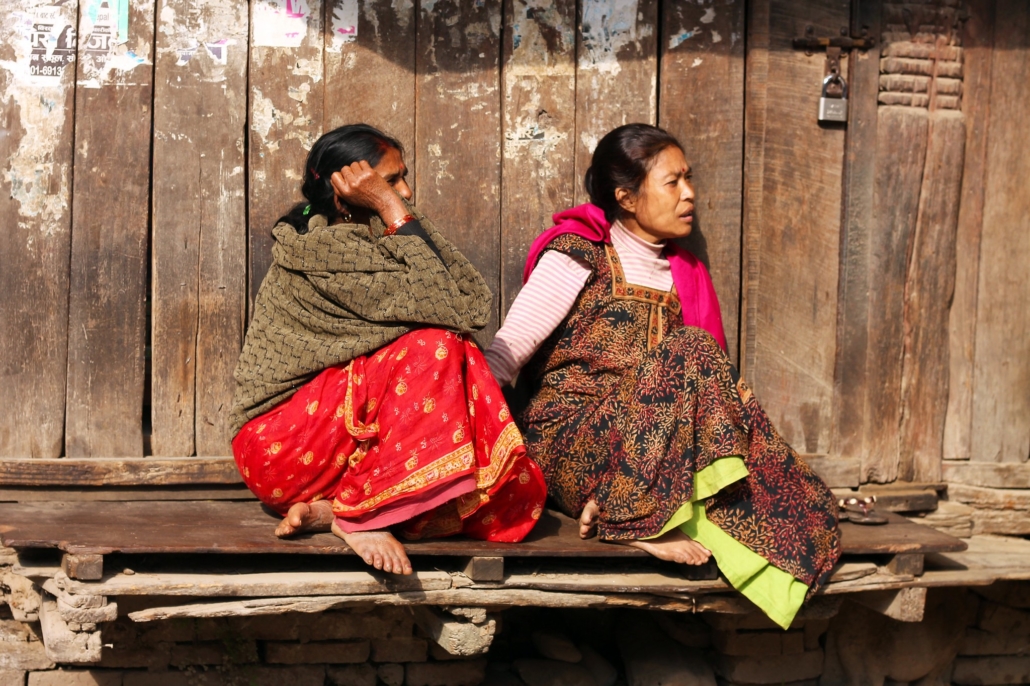
Many women in Nepal are shunned for obstetric fistula, even though they are completely preventable holes in the birth canal. One woman, Dhani Devi Mukhiya, recalls what the villagers in her community told her. They said it was “punishment for a sin” she committed in a previous life. Her relatives ignored her in public and her husband threatened to take a new wife. Unfortunately, this is the story for many women who suffer from obstetric fistula in Nepal, especially in rural areas. Both their communities and families shun them. However, one campaign is working to give them back the lives that have been taken away from them as a result.
What is an Obstetric Fistula?
An obstetric fistula is a small hole in the birth canal that leads to incontinence. The injury often results from childbirth complications, with high frequency in adolescent pregnancies. If left untreated, the hole can cause an infection, pain and depression resulting from severe shunning and social isolation. Obstetric fistula in Nepal is common because of high rates of child marriages, poverty and lack of access to care. The mountainous geography and rough travel conditions prevent many people from receiving the health services they need, as it is difficult to get to a hospital. more than 2 million marginalized women across the globe suffer from this complication. These women include child brides, those without access to money and those without access to maternal services.
Is it Preventable and Treatable?
Obstetric fistula has been practically eliminated in industrialized nations because of how easy they are to prevent and treat with access to maternal care. The main problem is that Nepalese women still lack sexual and reproductive health information and services. Due to this, 4,300 women live with obstetric fistula in Nepal, and there are 200-400 new cases each year. This statistic may not even be accurate; obstetric fistula in Nepal often goes unreported due to its high stigmatization.
The Good News About the Issue
This is the good news: the Campaign to End Fistula is actively working to give these women back their lives. Established in 2010, this program, supported by the UNFPA (United Nations Population Fund), provides surgery and post-op care for women in rural Nepal. The surgeries take place at B.P. Koirala Institute of Health Sciences, the only public, high-tech hospital in the region. Now, it is an obstetric fistula training center.
To these women, the surgery on offer is not just a surgery. It is a life without pain, a life without stigma and a life without isolation; it was like “walking out of prison” for Ms. Rajdhobi. The program resulted in the performance of 487 surgeries since 2012, and the issue is gaining awareness. Because of the efforts of the Campaign to End Fistula, May 23 is now celebrated as the International Day to End Obstetric Fistula in Nepal. The Campaign together with UNFPA has helped the world to recognize obstetric fistula as a public health issue and has enabled numerous advocacy programs. It will take time to end the stigma surrounding obstetric fistula, but great strides have been made.
– Fiona Price
Photo: Flickr
