Childhood Health in Liberia
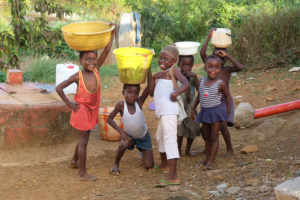 In Liberia, more than 230,000 children are victims of chronic malnutrition. This can limit human potential, reduce economic growth and cause stunting in children. Chronic malnutrition can also cause physical and cognitive delays in a child’s development, however, organizations are working tirelessly to help.
Childhood Malnutrition
Stunting in a child is one of the most worrisome problems associated with childhood health in Liberia. Approximately “one in three children under the age of 5 are stunted or too short for their age.” Childhood health in Liberia is significantly affected by stunting and children can face many challenges because of it. It can negatively affect a child’s brain function, immune system and organ development. A child who experiences stunting may also perform poorly in school and experience decreased productivity. In the future, the child could also develop obesity or diabetes.
In Liberia, the neonatal period is the most challenging time for a child. This is considered the “make or break years.” More than a third of deaths in children under the age of five happen during the neonatal period. This is because of the high maternal mortality rate and children not getting the support that they need. The maternal mortality rate is 1,072 deaths for every 100,000 births. Children may either die with their mother during childbirth or are born without a mother to care for them and provide the proper nutrition.
Children need access to food that provides energy, protein, fatty acids, iron, iodine, zinc and thiamin to grow properly and healthy. If a child is living in poverty and does not have easy access to nutrient-dense food, they are at more of a risk of experiencing stunting. The most significant growth velocity occurs between conception and two years of age.
Childhood health in Liberia has remained stagnant, while other parts of the world are declining in stunting. This is due to the continued high poverty rate, natural disasters and past and present conflict. However, the Liberian government and other organizations strive to solve the issues.
Organizations Here to Help
The United Nations Children’s Fund (UNICEF) supports childhood health in Liberia. The organization is working with the Liberian government to provide women with proper nutrition during pregnancy and children with adequate nutrition during the first two years of their lives. UNICEF also supports Direct Nutrition Interventions, promoting breastfeeding, treatment of malnutrition, hand washing, de-worming, supplements and food fortification.
The Power of Nutrition organization also strives to reduce childhood health in Liberia. The initiative seeks to help “lower coverage of nutrition services, limit capacity of health workers and challenge the nutrition information system.” So far, it has helped more than 950,000 children and more than 517,000 women access nutrition services.
The Actions Against Hunger organization is also active for childhood health in Liberia. It strives to provide childcare services, family planning services, nutrition services for pregnant women and breastfeeding mothers, malnutrition screening for children under five and hygiene kits to 4,000 households.
A Way Forward
Childhood health in Liberia is greatly affected by malnutrition and stunting. There is still a huge problem, but many organizations strive to fight it and give children better opportunities.
– Abby Trussell
Photo: Flickr
