Hunger in Botswana: Causes and Prevention
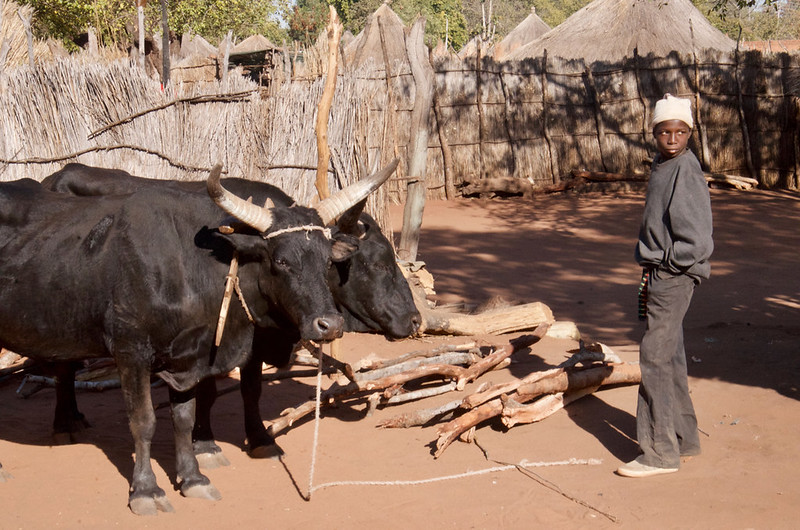 For a wealthier African country, the prominence of hunger in Botswana may be surprising. Botswana is a landlocked country of 2.6 million, surrounded by South Africa, Namibia, Zambia and Zimbabwe. It gained independence from the British in 1966 and was then one of the world’s poorest countries. It is now considered an upper-middle-income country, aspiring to high-income status by 2036.
Background
Botswana has several strong industries, particularly mining diamonds, which comprise approximately 80% of its exports and 25% of the country’s GDP. However, the International Monetary Fund predicted in July 2024 that lower diamond production and a fall in mineral resources, along with global economic weakness and reduced consumer demand would widen the country’s budget deficit from 3.45% to 6%.
Although the country is rich in diamonds, it suffers from a scarcity of food. The Global Hunger Index 2023 ranks Botswana 85th out of 125 countries, with its score of 19.9 classifying the country’s status as moderate, right on the threshold of serious. Its score has been gradually improving over the last two decades, but the proportion of the population considered to be undernourished remains at over 20%. In July 2023, the government estimated almost 37,000 people (1.4%) to require food assistance, a number lower than in the previous year and occurring in “localized pockets.”
Inconsistent Food Production
One of the root causes of Botswana’s food insecurity is poor and inconsistent food production. Although around 46% of Botswana is zoned for agricultural production, agriculture contributes less than 2% of the country’s GDP.
Botswana’s farmers are hampered by a tempestuous climate that threatens frequent droughts. The Kalahari Desert extends into the country and the arid climate causes large temperature fluctuations, making growing crops extremely difficult. In 2023, the cereal harvest was 15% below the five-year average thanks to such fluctuations.
In May 2024, the Ministry of Local Government and Rural Development’s Rural Development Secretariat reported the “devastating impact” of the third consecutive year of drought on water supplies, food production, and nutrition. Cereal production in 2022-23 had already suffered, yielding only 23% of the national requirement.
With only 0.65% of Botswana’s land suitable for farming, around 80% of the agricultural GDP is based on livestock production, mainly cattle.
Moving Toward Food Self-Sufficiency
There is a serious lack of consistent food production in Botswana, and it is responsible for the malnutrition and food insecurity that plague many citizens. As much as 80% of Botswana’s food has been imported from South Africa, with vegetable, fruit and nut food preparations totaling almost $83 million in January 2024.
In January 2022, the Government of Botswana implemented a two-year ban on fresh produce imports. The ban was extended in December 2023 until the end of 2025, and expanded to 32 products, double what it had been. The government intends to increase Botswana’s food self-sufficiency and cut its import bill. This has angered South African farmers, but Botswana sees this as protecting its “nascent industries” that are being squeezed by the cheaper South African imports.
Another approach to a nutritious and sustainable food supply is that of Go Fresh! an award-winning start-up company that has brought Grade-1 vegetable production to Botswana. Using greenhouses and hydroponics, the company can produce quality vegetables throughout the entire year. With this new technology, fresh tomatoes, cucumbers and other large vegetables can be grown locally, requiring only 2% of the water normally needed for vegetable production.
– Staff Reports
Photo: Flickr
Updated: August 22, 2024
