• Link to X
  • Link to Facebook
  • Link to Instagram
  • Link to TikTok
  • Link to Youtube
  • About
    • About Us
      • President
      • Board of Directors
      • Board of Advisors
      • Financials
      • Our Methodology
      • Success Tracker
      • Contact
  • Act Now
    • 30 Ways to Help
      • Email Congress
      • Call Congress
      • Volunteer
      • Courses & Certificates
      • Be a Donor
    • Internships
      • In-Office Internships
      • Remote Internships
    • Legislation
      • Politics 101
  • The Blog
  • The Podcast
  • Magazine
  • Donate
  • Click to open the search input field Click to open the search input field Search
  • Menu Menu

Archive for category: Food Insecurity

Food Insecurity, Global Poverty, Hunger

The Porridge Mums: Community-Led Hunger Relief in Nigeria

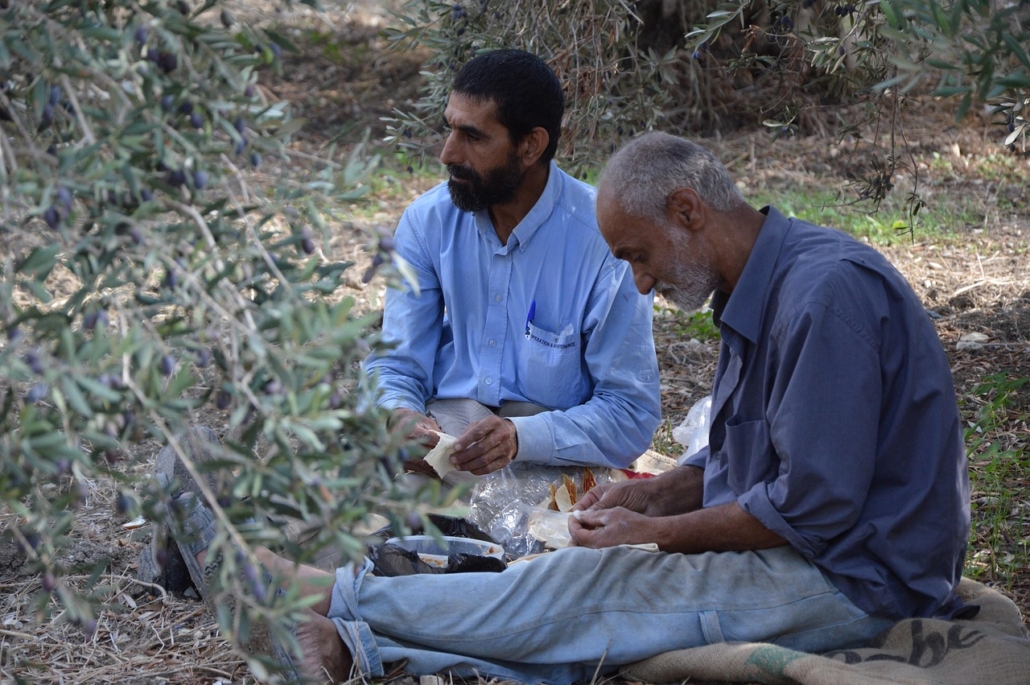
The Porridge MumsIn Borno State, Nigeria, hot meals are provided to women not only to make them feel cared for but also to address food scarcity. The Porridge Mums is the name of this program, which provides community-led hunger relief for mothers and children in Nigeria. It is made up of mothers who provide meals not only to postpartum mothers, but also to pregnant and lactating women and children under 5.

With the support of Action Against Hunger, groups of Porridge Mums work in units across Africa. They operate in areas where nutrition is particularly scarce, with a mission to provide women and children with a single daily meal of porridge.

Food Scarcity in Borno State and Response

Borno State, Nigeria, has been particularly vulnerable since 2009 as a result of the Boko Haram insurgency. Because of the resulting insecurity, Borno has one of the highest numbers of internally displaced persons (IDPs) in the country. In addition to this large displaced population, Borno State also faces severe food insecurity.

According to the World Food Program (WFP), 5.8 million Nigerians living in Borno and two other states face food insecurity in 2026. This is why community-led hunger relief programs for mothers and children in Nigeria, such as the Porridge Mums, are so important. Groups like the Porridge Mums are vital to survival amid the food insecurity that comes with conflict.

Impact of USAID Budget Cuts

While many people recognize the importance of feeding vulnerable populations, grassroots groups like the Porridge Mums sometimes fall through the cracks of the system. Because the Porridge Mums rely on funding from Action Against Hunger, any USAID budget cuts can directly affect the availability of meals for mothers and young children in Nigeria. 

Action Against Hunger is a global charity run by a larger organization called Global Impact. Global Impact is a “trusted philanthropy advisor” to several nonprofits. 

Funding for Action Against Hunger is vital to the Porridge Mums and other community-led hunger relief programs for mothers and children in Nigeria. While these efforts are grassroots, scaling and implementation require some capital to succeed. Funding enables the mothers who run these operations to purchase ingredients, secure facilities for meal preparation and manage the logistics needed to deliver food to those in need of sustenance and comfort.

The Future

It can sometimes feel unnecessary to explain the need for nutrition relief programs. However, many of these programs benefit from outside funding, even if it is not widely advertised. For instance, for the Porridge Mums to provide hot meals across Borno State, there needs to be sufficient usable kitchen space and transportation.

While the mothers may theoretically have these resources, they may not have enough resources to scale the program in a meaningful way. This means they either would not be able to provide daily meals or the reach wouldn’t be very far. The good news is that the Porridge Mums are still operating, even with USAID cuts. The less encouraging news is that the hunger crisis in Borno, Nigeria, is not reducing.

With resources becoming more limited, this presents a challenge. Fortunately, restoring funding for these women and children is not a futile effort.

– Nicole Miller

Nicole is based in Pittsburgh, PA, USA and focuses on Global Health for The Borgen Project.

Photo: Flickr
February 1, 2026
https://borgenproject.org/wp-content/uploads/borgen-project-logo.svg 0 0 Hemant Gupta https://borgenproject.org/wp-content/uploads/borgen-project-logo.svg Hemant Gupta2026-02-01 03:00:112026-02-09 01:27:30The Porridge Mums: Community-Led Hunger Relief in Nigeria
Agriculture, Food Insecurity, Global Poverty

Agricultural Initiatives Bringing Poverty Reduction in Peru

Poverty Reduction in PeruSince the early 21st century, Peru has led Latin America in expanding their economy and improving quality of living. The poverty rate fell from 60% to 24%, while non-traditional agricultural exports rose by 15 times in value. Many of these achievements trace back to the divisive presidency of Alberto Fujimori from 1990 to 2000. Although he ruled with an authoritarian hand, Fujimori enacted drastic market reforms and created programs aimed at building schools and roads in poorer regions.

From 2013 onward, though, Peru’s rapidly expanding economy, including its agriculture industry, slowed. And recently, after COVID-19 hit Peru especially hard, recent events such as the war in Ukraine have skyrocketed inflation, worsening the food crisis. About half of the population is moderately food insecure as staple foods like potatoes suddenly have become unaffordable. Recently, though, effective initiatives expanding the agricultural industry have offered hope of a major turnaround toward economic growth and poverty reduction in Peru.

Why Agricultural Growth Aids Poverty Reduction in Peru

There is ample evidence suggesting an increase in agricultural growth can help lower rates of poverty. Investment in agriculture is two and a half to three times more successful at raising the income of the poor than non-agricultural investment, and in the 1990s and 2000s, countries experiencing exceptionally high agricultural growth rates, such as Malawi, Mozambique and Brazil also saw large reductions in poverty. In fact, higher agricultural growth marked early development in several places, such as Western Europe and Japan. Therefore, in order to decrease rates of poverty in Peru, targeting the productivity and development of the agricultural sector is essential.

World Bank Group Projects

Over the years, the World Bank Group has spearheaded numerous efforts to reduce poverty in Peru through improvements in agriculture. About 189 member countries operate the organization, who act as shareholders and have an impressive history in combating poverty: they built an international system of agriculture research centers in 1971, aided in the reconstruction of Yugoslavia in 1995, and financed $5 billion for education projects in 2010.

Since the early 2000s, the World Bank has been successful in improving Peru’s irrigation sector, especially in coastal areas. In 2010, the World Bank approved an ambitious project directed at improving irrigation for farmers in Peru’s Sierra, or mountainous regions of the Andes. At the time, the Sierra held a third of all irrigated land in the country, and agriculture represented the largest share of household income. Through the implementation of pipes, filters, small reservoirs and promoting the creation of farmers’ groups, crop yields increased, impacting nearly 18,758 farmers.

In 2025, the World Bank approved a 10-year, $200 million program to expand access to clean water in the cities of Lima and Puno. As a result, the hindrance farmers encounter from untreated wastewater and droughts will fall significantly, thereby boosting the agricultural industry. This will build onto the irrigation improvements realized earlier in a country where agriculture employs a quarter of the workforce. As a result, rural areas of Peru with higher poverty rates will experience increased development and economic growth.

The Hand-in-Hand Initiative

The Food and Agriculture Organization (FAO) created the Hand-in-Hand Initiative in 2019, developing into one of its primary programs. The organization has pushed for agricultural development in 83 countries, including Peru.

In the Sierra, the project is connecting smallholder farmers to larger markets and fair contracts with private companies. As a result, farmers such as Irineo Núnez Vargas have brought their crops to global markets through contracting with companies like Tiyapuy thanks to these initiatives.

The Inter-American Development Bank

After World War II, leaders formed the Inter-American Development Bank (IDB) to lead economic development in Latin America. Though the United States is the largest shareholder, nearly every nation in the Western Hemisphere is a member. The IDB achieves its goals through grants, loans and economic research.

In 2024, the IDB approved an $85 million loan with the purpose of increasing productivity in Peru’s agricultural sector. It is set to benefit about 92,000 farmers, especially focusing on women and ethnic groups. Unlike the other initiatives, the IDB plans to enhance agriculture technology and agriculture research throughout the country, not only limited to a single ecosystem.

Takeaways

History shows that if farmers struggle, an entire nation usually struggles too. While focusing on agricultural improvements in Peru might appear slow and indirect at confronting poverty, it is actually one of the best methods at doing so. As a result, these many initiatives are essentially laying the groundwork for economic growth and poverty reduction in Peru for decades to come.

– Ben Anderson

Ben is based in Madrid, Spain and focuses on Business and Politics for The Borgen Project.

Photo: Unsplash

January 30, 2026
https://borgenproject.org/wp-content/uploads/borgen-project-logo.svg 0 0 Jennifer Philipp https://borgenproject.org/wp-content/uploads/borgen-project-logo.svg Jennifer Philipp2026-01-30 01:30:262026-01-28 01:37:10Agricultural Initiatives Bringing Poverty Reduction in Peru
Food & Hunger, Food Insecurity, Global Poverty

Malnutrition and Poverty in India

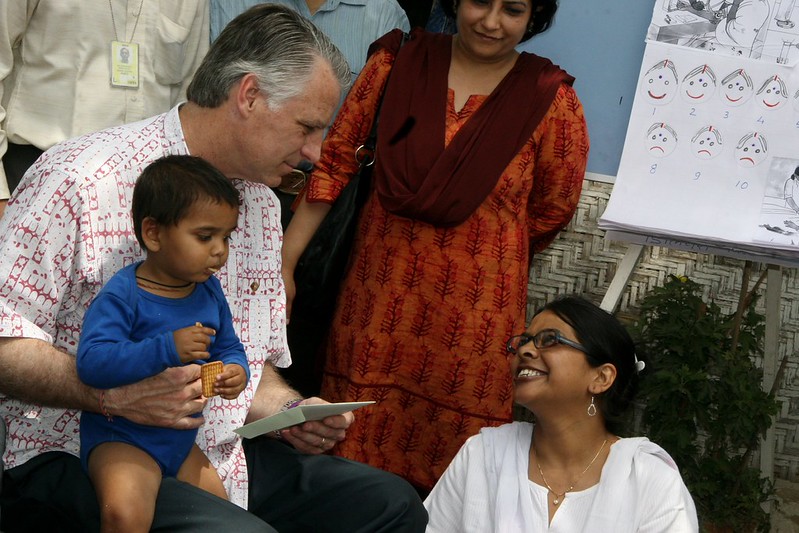
Malnutrition and Poverty in IndiaIn Delhi’s crowded Seemapuri settlement, 32-year-old Savitri Devi begins each morning wondering whether she can feed her children more than one meal that day. “Sometimes we just eat rice and salt,” she says quietly. “I tell my daughter to drink water so she won’t feel hungry.”

For families like Savitri’s, malnutrition is not just a health crisis; it’s a poverty trap that limits learning, weakens productivity and keeps entire communities from escaping hardship. The issue of malnutrition and poverty in India remains deeply intertwined, particularly in urban slums where wages are low and food prices rise faster than incomes.

The Cycle of Poverty and Malnutrition in India

The world’s highest concentration of undernourished people is found in India. The Global Hunger Index 2025 states that 32.9% of children under 5 in India are stunted and 12% of the country’s population is undernourished. This crisis is made worse in Delhi’s urban slums by overcrowding, contaminated water and inconsistent incomes.

Daily-wage families frequently rely on the least expensive, high-calorie foods that are deficient in vital nutrients to make ends meet. Poor nutrition harms both economic and educational outcomes. Malnourished children are more likely to experience cognitive delays, poorer academic performance and lower adult incomes.

According to the Food and Agriculture Organization, chronic malnutrition can result in decreased productivity and lower a nation’s GDP by 2-4%.

A Mother’s Struggle in Delhi

The connection between food and survival is painfully obvious to Savitri, who sells plastic bottles gathered from trash heaps. “I can’t work if I get sick. We don’t eat if I’m not working,” she says. Similar experiences are shared by many Seemapuri women who juggle taking care of malnourished children while working long hours in informal jobs.

According to the National Family Health Survey (NFHS-5), 24% of children under 5 in South Delhi are underweight and 27% are stunted. These figures underscore the severity of nutritional inequality, even in India’s affluent capital.

Government Efforts: ICDS and PM Garib Kalyan Anna Yojana

Through Anganwadi centers, the Integrated Child Development Services (ICDS) program remains India’s premier nutrition initiative, providing food, health examinations and preschool education. The Delhi government operates more than 10,000 centers serving children and pregnant women. Savitri states, “My daughter receives one hot meal per day from the Anganwadi, but occasionally they close early or run out of supplies.”

Delivery irregularities and infrastructure gaps continue to impact the access of the most impoverished families. More than 800 million people received 5 kg of food grains per person per month through the PM Garib Kalyan Anna Yojana (PMGKAY) during the COVID-19 pandemic. This lifeline helped Savitri’s family and many other urban low-income families avoid hunger.

She remembers: “We got rice from the ration shop during those months.” “At least there was something, even though it wasn’t enough.” Under the National Food Security Act, the government continues to distribute free food grains, even though PMGKAY ended in 2023.

Why Nutrition Is an Economic Investment

Malnutrition and poverty in India deplete public resources as well as human potential. According to the World Bank, increased productivity and lower health care costs can result in up to $16 in economic returns for every $1 invested in nutrition. Women who eat healthily are more likely to keep steady jobs and take better care of their families.

Better nutrition could lower health care costs, increase work participation and improve school attendance in Delhi’s informal settlements. The nutritional status of the city’s most vulnerable communities can be improved by enhancing maternal education, ensuring consistent food supply chains and strengthening local Anganwadi infrastructure. India’s poverty and malnutrition problems demonstrate that investing in nutrition is a prudent financial decision, rather than a charitable endeavor.

Breaking the Cycle

More than just distributing food is needed to end malnutrition; social inclusion and accountability are also necessary. “Perhaps they would understand if officials came and asked us what we really need,” Savitri says. Community participation through local monitoring committees and women’s groups can help ensure that programs respond to lived realities rather than relying solely on statistics.

The cycle of poverty can start to end when individuals, governments and nongovernmental organizations collaborate to make nutrition a key component of development. Appropriate nutrition is not charity for the millions of people living on the margins in Delhi; rather, it is a basis for growth, opportunity and dignity. 

– Chhahat Kaur Gandhi

Chhahat is based in New Delhi, India and focuses on Business and New Markets for The Borgen Project.

Photo: Flickr
January 26, 2026
https://borgenproject.org/wp-content/uploads/borgen-project-logo.svg 0 0 Hemant Gupta https://borgenproject.org/wp-content/uploads/borgen-project-logo.svg Hemant Gupta2026-01-26 03:00:202026-01-25 22:51:30Malnutrition and Poverty in India
environment, Food Insecurity, Global Poverty

The Productive Safety Net Program Combats Poverty in Ethiopia

Productive Safety Net ProgramEthiopia launched the Productive Safety Net Program (PSNP) in 2005 to reduce food insecurity and strengthen resilience to climate-related shocks. The program operates through cash transfers, public works and targeted nutrition support. According to the Climate Policy Initiative, the program reaches more than 8 million households each year, representing more than 7% of the population.

Background

The Climate Policy Initiative reports that Phase V of the PSNP began in November 2020 under the Strengthen Ethiopia’s Adaptive Safety Net Project. This project received a $200 million credit and a $312.5 million grant. It also received $430 million from USAID, $281 million from the United Kingdom’s Foreign, Commonwealth and Development Office and $600 million from the Government of Ethiopia.

This phase aims to expand the geographic scope of the program, improve PSNP implementation and strengthen disaster response efforts. These objectives support broader policy goals. According to the European External Action Service, this focuses on reducing extreme poverty in targeted rural areas and strengthening household resilience to recurrent shocks. 

It also aims to prevent harmful coping mechanisms, promote sustainable livelihoods and improve food security and access to essential services for vulnerable populations.

Project Components

The PSNP includes a range of components and policies. The European External Action Service reports that this program provides cash or food payments to about seven million people who participate in public works initiatives. Participants receive benefits for up to six months while engaging in community-building tasks.

One million people identified as chronically impoverished or unable to work receive unconditional benefits for 12 months. The program implements public works projects in both livestock-based and non-livestock-based areas to protect residents from resource losses linked to poverty and disasters. These projects focus on strengthening infrastructure, improving soil and water conservation and supporting environmental protection efforts.

Some policies include developing roads and schools, planting seedlings for reforestation, preventing soil erosion and creating or rehabilitating irrigation systems. PSNP provides financial and social services to beneficiaries. This program facilitates grants and loans for farming and nonfarming activities to support poverty reduction.

This program connects beneficiaries to social support services across nutrition, health and education. The Shock Responsive Safety Net administers assistance to beneficiaries facing food insecurity, particularly those affected by droughts and other shocks.

Environmental Shocks

Environmental policy plays a key role in the PSNP. As stated by the European External Action Service, integrating climate shift adaptation into public works projects helps minimize the impact of climate shocks on food insecurity. For example, watershed rehabilitation and area closures can promote vegetation growth for livestock feed.

In addition, environmental management efforts can lessen the risk of landslides, floods and soil erosion. According to the World Bank, a significant portion of Ethiopia’s population depends on rain-fed agriculture. The country has endured recurrent droughts in previous decades, historically occurring every three to five years.

While the frequency of environmental shocks has varied over the years, they remain a consistent concern that has shaped Ethiopia’s social protection response. The World Bank further states that droughts and famines have affected millions of people over multiple periods. Environmental degradation, weak resource management and shrinking landholdings driven by constraints in policy implementation have worsened the effects of droughts.

These factors have led to the degradation of productive assets and the erosion of household and community resilience.

Economic Impacts

Programs like the Productive Safety Net Program help stabilize incomes and productive assets, enabling households to participate in local and regional markets. By reducing financial uncertainty connected to recurrent shocks, PSNP helps create a predictable economic environment that supports trade and investment. Over time, these factors can expand consumer markets and reinforce supply chains, creating trade opportunities for companies based in the U.S. and the U.K.

– Sasha Banaei

Sasha is based in San Diego, CA, USA and focuses on Business and New Markets for The Borgen Project.

Photo: Flickr
January 23, 2026
https://borgenproject.org/wp-content/uploads/borgen-project-logo.svg 0 0 Hemant Gupta https://borgenproject.org/wp-content/uploads/borgen-project-logo.svg Hemant Gupta2026-01-23 03:00:462026-01-22 01:01:37The Productive Safety Net Program Combats Poverty in Ethiopia
Agriculture, Food Insecurity, Global Poverty

Aquaculture Mapping: Fighting Hunger and Poverty in Côte d’Ivoire

How Côte d’Ivoire is Using Aquaculture Mapping to Fight Hunger and Poverty The Republic of Côte d’Ivoire, or Ivory Coast, sits on the coast of West Africa and uses aquaculture mapping to fight hunger and poverty as part of its development strategy. From 1842 to 1960, France ruled Côte d’Ivoire. After gaining independence from France, Côte d’Ivoire established itself as a model of stability and economic prosperity in Africa. In 1999, Côte d’Ivoire experienced its first military coup, which caused the economy to collapse and triggered a civil war that split the country in two.

Persistent Food Insecurity

Côte d’Ivoire has made strides toward economic improvement and poverty reduction since this period of political destabilization. Yet progress remains limited and is especially apparent in the nutritional deficiencies that keep many citizens food insecure.

According to the World Bank, 44.2% of citizens experience moderate and severe food insecurity and about 7.7% of the total population is malnourished. Children face the most severe impacts, with 8% suffering from acute malnutrition and 20.2% experiencing impaired growth.

Stable production of basic staple crops has eased some of these issues, but it does not provide the necessary nutritional value for a healthy life. To improve outcomes for its people, the government created the Strategic Program for the Transformation of Aquaculture in Côte d’Ivoire (PSTACI), focusing on broader efforts in aquaculture mapping to fight hunger and poverty.

PSTACI

The Strategic Program for the Transformation of Aquaculture in Côte d’Ivoire (PSTACI) aims to combat poverty and food insecurity by strengthening the aquaculture sector. Its goals include:

  • Increasing employment for youth and women
  • Creating a self-sufficient fisheries sector in the economy
  • Eliminating Côte d’Ivoire’s deficit in aquaculture production

To accomplish these goals, the government partnered with PROBLUE, an Aquainvest platform created by the World Bank to support sustainable aquaculture development. PROBLUE’s aquaculture mapping methodology uses a multi-criteria evaluation (MCE) to identify the most productive locations in Côte d’Ivoire for aquaculture sites.

Multi-Criteria Evaluation (MCE)

The MCE evaluates site suitability using three categories:

  • Infrastructure. Evaluations consider distance from water sources, roads, urban areas, hatcheries, airports and communications installations.
  • Natural conditions. Evaluations consider soil type and land topography.
  • Land constraints. Evaluations consider whether a site lies in a protected area, military zone or urban area.

After applying these criteria to Côte d’Ivoire, World Bank analysts concluded that 99% of the country’s topography offers suitable land for aquaculture. They found that the soil types most suitable for aquaculture contain 18% to 35% clay.

When analysts accounted for land constraints, they found that 76% of the country lies outside protected areas, military zones and urban pockets. Based on infrastructure criteria, PROBLUE identified at least 70% of existing infrastructure as potentially suitable for aquaculture.

The Future of Aquaculture in Côte d’Ivoire

PSTACI plans to develop Sustainable Aquaculture Economic Zones at 30 sites that meet the necessary criteria. This plan offers an opportunity to rebuild the country’s food systems and reduce poverty and malnutrition. By attracting investors and entrepreneurs to these areas, Côte d’Ivoire can build a more stable economy. Additionally, this could lead to expanded opportunities for young people and the continued use of aquaculture mapping to fight hunger and poverty.

– Sachin Kapoor

Sachin is based in Atlanta, GA, USA and focuses on Technology and Solutions for The Borgen Project.

Photo: Flickr
January 17, 2026
https://borgenproject.org/wp-content/uploads/borgen-project-logo.svg 0 0 Precious Sheidu https://borgenproject.org/wp-content/uploads/borgen-project-logo.svg Precious Sheidu2026-01-17 03:00:102026-01-16 10:39:03Aquaculture Mapping: Fighting Hunger and Poverty in Côte d’Ivoire
elderly poverty, Food Insecurity, Global Poverty

Addressing Elderly Poverty in Equatorial Guinea

Elderly People in Equatorial GuineaElderly poverty in Equatorial Guinea has serious consequences. The World Bank reports that widespread poverty limits access to adequate food, health care and living conditions across the country. Older adults, who often lack stable income or social protection, are particularly vulnerable to these conditions, which can worsen health outcomes and reduce quality of life in old age.

Elderly Poverty in Equatorial Guinea

The elderly population individuals aged 65 or older accounts for an estimated 4.94% of the nation’s population, according to demographic data. While specific data on income levels and employment for older adults are limited, national poverty figures suggest that many senior citizens are vulnerable due to limited financial resources and low social nets.

Public spending on health, education and social protections remains low in Equatorial Guinea, at approximately 2% of GDP, which gives access to essential services for vulnerable groups, including older adults. This limited investment in public services can make it difficult for elderly citizens to secure regular income, manage health conditions or find a good amount of social support.

Access to health care remains limited for much of Equatorial Guinea’s population. According to the World Bank, the country continues to face challenges related to health system capacity and overall access to essential services. These limitations can be especially difficult for older adults, who are more likely to require ongoing medical care due to age- related health conditions.

Poverty can also limit access to adequate food and shelter. Reports on living conditions note that food insecurity and struggles to afford necessities affect many households in Equatorial Guinea. Older adults living in low income families may be particularly at risk, as they often depend on family members or community support to meet the basic needs.

Government Initiative: Social Assistance 

To address the needs of vulnerable populations, the Ministry of Social affairs and Gender Equality launched an initiative in 2015 to establish social assistance centers for elderly citizens. These centers were designed to reduce social isolation by providing communal spaces where seniors do not lack in areas of social activities, basic health support and community services.

While these centers aim to improve the wellbeing of elderly adults, publicly available data on the number of individuals served and specific outcomes remain limited. Most centers are concentrated in urban areas, which may leave rural older adults without access to similar services.

In addition, inadequate social protection systems can place extra strain on families who care for elderly relatives while also trying to meet their own economic needs. Strengthening support for older citizens can help improve quality of life and reduce the long term effects of poverty in later life.

Conclusion

Elderly poverty in Equatorial Guinea reflects broader social and economic inequalities within the country. Despite oil wealth, limited investment in public services and social protection has left many older citizens vulnerable. Programs such as social assistance centers for elderly people, partnerships with international health agencies and efforts to improve food security represent steps toward improving conditions for vulnerable populations. However, sustained and expanded support is essential to ensuring that older adults can live with dignity, secure basic needs and participate fully in society.

– Nishanth Pothapragada

Nishanth is based in London, Ontario, Canada and focuses on Global Health for The Borgen Project.

Photo: Pixabay

January 8, 2026
https://borgenproject.org/wp-content/uploads/borgen-project-logo.svg 0 0 Jennifer Philipp https://borgenproject.org/wp-content/uploads/borgen-project-logo.svg Jennifer Philipp2026-01-08 03:00:472026-01-08 02:25:00Addressing Elderly Poverty in Equatorial Guinea
Food Insecurity, Global Poverty, Water Crisis

Water Scarcity, Inadequate Sanitation and Food Insecurity in Chad

Food Insecurity in ChadChad has been experiencing severe food insecurity and water scarcity, combined with insufficient sanitation services, for several years now. The main contributors to these disasters have been flooding, drought, conflict and inadequate infrastructure. According to the World Food Programme (WFP), Chad is now facing its sixth consecutive year of crisis-level hunger.

These crises have been worsened by the influx of refugees entering the country from Sudan, the Central African Republic, Nigeria, Cameroon and other neighboring states. According to UNHCR data, more than 1.45 million refugees currently reside in Chad. According to the World Health Organization (WHO), nearly 90% of these refugees are women and children.

There are also nearly 226,000 internally displaced Chadians. In addition, children account for 57% of Chad’s total population, according to UNICEF.

Food Insecurity in Chad

Chad is currently the sixth most food-insecure country in the world. The WFP reports there are currently more than 3.4 million Chadians facing extreme hunger, a 240% increase since 2020. UNICEF has stated that there are more than 2 million Chadian children in need of treatment for severe wasting, which is the most life-threatening stage of malnutrition.

Additionally, according to the Global Nutrition Report, 31.1% of children in Chad under the age of 5 are stunted. The Food and Agriculture Organization of the United Nations (FAO) reports that in Chad, “the 2024/25 agricultural season is marked by the destruction of 819,370 hectares of sown land, primarily due to floods, plant pests and straying livestock. Conflict has also disrupted agriculture, adding to food insecurity in Chad.

The International Crisis Group has reported that between 2021 and 2024, farmer-herder conflict claimed the lives of more than 1,000 Chadians and left more than 2,000 injured. According to FEWS NET, agropastoral clashes have led to significant loss of life: “Since May 2025, 42 people were killed in Logone Occidental, 16 in Ouaddaï, 17 in Mayo Kebbi Ouest and six in Salamat due to these conflicts.” FEWS NET also reported that as of late June, only 11.8% of people earmarked for Chad’s 2025 humanitarian assistance plan had received food aid.

Humanitarian Aid

The WFP reported that between June and August 2024, it had disbursed food, cash and nutritional support to up to 1 million people and provided aid to an additional 400,000 people who had been impacted by flooding. Furthermore, it aims to assist 1 million breastfeeding and pregnant women, along with children aged 6-59 months, with treatment for malnutrition.

According to the FAO, in 2024, the United Nations (U.N.) provided 58.7 tonnes of crops and 3.5 tonnes of vegetable seed to more than 22,800 households in Chad. As a result, 42,660 tonnes of staple foods and 14,400 tonnes of fruits and vegetables were cultivated. Thirty percent was consumed and the remainder was sold for more than $5 million, distributed in average payments of $280 per household, which was sufficient to supply food for up to six months.

Additionally, in early 2025, the European Commission announced that it had allocated €74.5 million (approximately $83.9 million) to Chad for humanitarian assistance. According to UNICEF, in April, the organization appealed for $114.2 million in aid for Chad, with more than $50 million allocated for nutritional support and more than $24 million dedicated to WASH services. However, only 34% of the required funding has been secured.

Water Scarcity and Sanitation

According to the Interactive Country Fiches (ICF), “Chad has the third-lowest level of access to safe water and the lowest level of access to adequate sanitation in all of Africa.” Only 52% of Chad’s population has basic access to drinking water. However, Gannet’s Data Friendly Space (DFS) has reported that only 18% have access to safely managed sources and merely 10% of Chadians have access to basic sanitation.

Doctors Without Borders (DWB) reports, “In refugee camps across the Ouaddaï, Wadi Fira and Ennedi Est provinces, most refugees are receiving far less than the recommended 20 liters (nearly 5 gallons) of clean water per day. This shortage disproportionately affects women and children.” According to UNICEF, Chad’s mortality rate for children under the age of 5 is approximately one in 10. Gannet’s DFS reports that malaria is the leading cause of these deaths, while noting that insufficient sanitation, stagnant water and overcrowded camps further increase the risk of transmission.

Additionally, according to UNICEF, 68% of the population practices open defecation. This stems in part from the lack of latrines in refugee camps; DWB reports that many camps fail to meet the minimum standard of one latrine for every 50 people. With such a high rate of flooding, open defecation and inadequate water management, waterborne disease has wreaked havoc, leading to outbreaks of hepatitis E, cholera and typhoid. According to the WHO, between January and April 2024, there were 2,092 suspected cases of hepatitis E.

Cholera Outbreak

Regarding the recent cholera outbreak, the chief of WASH in Chad, Oumar Doumbouya, stated: “As of 20 October, we have 2,770 cases of cholera and 156 deaths, including 69 in communities. The disease remains active in three provinces: Ouaddaï, Sila and Guéra.” In 2024, the International Water Association reported that more than 78% of the population in N’Djamena, Chad’s capital, obtained water from hand pumps.

Doumbouya noted that UNICEF is working to improve water sources across the country. “Just to give you a figure, we have been recently working on trying to upgrade water points in Chad to put this from a simple hand pump to a solar motorized water supply system and basically, we were able to identify more than 5,000 water points that needed to be upgraded.”

UNICEF has reported that in February 2024, it facilitated funding for the installation of two water treatment units in Baga Sola and Bol, which, combined, provide 20 liters of water per person to 4,000 people each day. DWB has also made significant contributions to improving conditions in refugee camps. According to the organization, “In the last two years, MSF [DWB] treated 43,908 patients for acute malnutrition and responded to hepatitis E and typhoid outbreaks in Adré, Aboutengue and Metché.”

In the Adré transit camp alone, water systems built by DWB produced 654,000 liters of water per day in May. The organization also restored 229 latrines, constructed 80 long-term latrines and cleaned 539 existing ones in Adré.

Final Remarks

The battle against food insecurity, water scarcity and poor sanitation in Chad is far from over. However, with the help of international organizations, the nation is making progress every day.

– Owen Armentrout

Owen is based in Detroit, MI, USA and focuses on Global Health and Politics for The Borgen Project.

Photo: Flickr
November 18, 2025
https://borgenproject.org/wp-content/uploads/borgen-project-logo.svg 0 0 Hemant Gupta https://borgenproject.org/wp-content/uploads/borgen-project-logo.svg Hemant Gupta2025-11-18 03:00:022025-11-18 01:41:44Water Scarcity, Inadequate Sanitation and Food Insecurity in Chad
Education, Food Insecurity, Global Poverty

Kyrgyzstan: What the McGovern-Dole Cutoff Means for Schools

McGovern-DoleFor more than a decade, schools in Kyrgyzstan have benefited from the McGovern-Dole Program of International Food for Education and Child Nutrition (MGD). MGD is operated by the U.S. Department of Agriculture (USDA) through its Foreign Agricultural Service (FAS). The program supports education, child development and food security in low-income, food-deficient countries.

It does this by donating U.S. agricultural commodities and providing financial and technical assistance to implement school feeding and maternal and child nutrition projects. Mercy Corps has implemented the MGD program in Kyrgyzstan since 2012. It has provided fortified flour, rice, peas, lentils and vegetable oil, along with infrastructure upgrades such as kitchen rehabilitation and hygiene improvements.

Impact and Recent Developments

Between 2012 and 2021, the program supported approximately 510 schools. It delivered around 3,810 metric tons of commodities, reaching more than 100,000 children in kindergartens and primary schools. During the 2022–2023 academic year, the U.S. Embassy in Bishkek reported that about 24,000 schoolchildren in 120 rural primary schools received fortified food supplies.

These include 40 metric tons of vitaminized sunflower oil and 500 metric tons of staple foods. In May 2025, Reuters reported that the USDA canceled 17 McGovern-Dole projects as part of a reduction in U.S. international food aid, affecting countries including Kyrgyzstan.

The Impact of School Meals on Learning and Nutrition

Baseline and endline studies conducted in Kyrgyzstan have examined the relationship between school feeding, nutrition and educational outcomes. The International Security and Development Center (ISDC) report “McGovern-Dole Food for Education and Child Nutrition in Kyrgyzstan – Baseline Study on Nutritional Variables” (2020) documents the nutritional status of primary school students and their households. It shows that better diet diversity and nutrition knowledge correlate with improved cognitive and learning outcomes.

A follow-up Phase II study on child development under the same program surveyed more than 4,500 students and households. It found that the program improved nutrition knowledge, attitudes and behavior among participating families. Similarly, the Life in Kyrgyzstan (LiK) research conference paper “Child Development in the Context of a School Feeding Program in Kyrgyzstan” highlights that exposure to school meals and nutrition education supports better cognitive function and school performance.

The USDA emphasizes that MGD programs are designed to be sustainable, with the goal that “communities served… can ultimately continue the sponsored activities on their own or with support from other sources such as the host government or local community.”

Why the Program Matters

The MGD program’s objective is “to reduce hunger and improve literacy and primary education, especially for girls.” In Kyrgyzstan, where many rural families face limited access to nutritious meals, the school feeding initiative has become an important support system for children’s education and health. Studies from ISDC and Mercy Corps show that the combination of school meals, parental nutrition education and improved school infrastructure leads to healthier, better-performing students.

Globally, organizations such as the World Food Programme (WFP) and the School Meals Coalition note that school feeding programs serve as major social safety nets and generate long-term economic benefits. Analyses cited by these groups estimate that every U.S. dollar invested in school meals can yield up to $9 in returns through improved health, education and productivity.

Looking Ahead

Evidence from Kyrgyzstan shows that school feeding can improve nutrition knowledge, attendance and learning outcomes when implemented consistently. Mercy Corps and ISDC studies demonstrate that combining food provision with education, infrastructure and parental engagement strengthens long-term sustainability. However, the future of the McGovern-Dole Program remains uncertain as U.S. budget debates continue. Lawmakers have yet to confirm whether the program will receive renewed support, leaving schools and implementing partners in Kyrgyzstan without clear guidance on long-term funding.

Ensuring that Kyrgyz children continue to receive nutritious meals at school will help sustain progress in education, health and equality.

– Clara Garza

Clara is based in Los Angeles, CA, USA and focuses on Global Health and Politics for The Borgen Project.

Photo: Flickr
November 6, 2025
https://borgenproject.org/wp-content/uploads/borgen-project-logo.svg 0 0 Hemant Gupta https://borgenproject.org/wp-content/uploads/borgen-project-logo.svg Hemant Gupta2025-11-06 07:30:532025-11-11 05:09:21Kyrgyzstan: What the McGovern-Dole Cutoff Means for Schools
Child Malnutrition, Food Insecurity, Global Poverty

Maternal and Child Malnutrition in Afghanistan

Malnutrition in AfghanistanWith more than 15 million people in Afghanistan experiencing acute food insecurity, women and children are facing the brunt of this harsh reality. Afghanistan is among the most dangerous countries for babies, children and mothers, with soaring rates of malnutrition and access to health care beyond reach for many.

Causes of the Afghan Food Crisis

The high levels of food instability in Afghanistan are driven primarily by a fragile economy, exacerbated by sociopolitical turmoil and environmental disasters. These disasters have recently had an especially severe impact on food security, as about 80% of Afghanistan’s population consists of farmers who rely on their own production for sustenance and income. Because of environmental instability, harvests are often lost or missed due to displacement, leaving markets empty.

Social mores and low health literacy also hinder women’s access to and understanding of proper nutrition for themselves and their children. Taliban restrictions on women’s education and mobility have severely curtailed their access to care. Additionally, increased poverty means that many women, especially pregnant women, are unable to utilize health care services such as perinatal visits.

Women are also unable to travel without being escorted by a male relative, hindering their access to pre- and postnatal care. The systematic stripping of women’s autonomy in Afghanistan means that malnutrition is having disastrous consequences for pregnant women, mothers and their children. On top of these, donor funding and NGO intervention were cut following the Taliban takeover in 2021, as Taliban policies limited how much donors were willing to help.

Health Care System

Afghanistan’s health care system is highly reliant on foreign aid. When this abruptly stopped in 2021, preventative education and care for those malnourished ceased, affecting women and children the most. Sanctions were imposed on the Taliban government, further restricting Afghan citizens’ access to food and medical supplies.

This crisis has been exacerbated by Afghanistan’s largest donor, the U.S., halting nearly all aid earlier this year. John Aylieff, the WFP’s country director, underscored the impact of these cuts, stating, “Food assistance kept a lid on this country hunger and malnutrition… The lid has now been lifted. The soaring of malnutrition is placing the lives of more than three million children in peril.”

Consequences of Malnutrition for Mothers and Their Children

The year began in Afghanistan with one of the highest recorded increases in child malnutrition, with only 12% of children aged 6 to 24 months receiving adequate quantities and quality of food. The food crisis also has a deeply gendered dimension. According to UNICEF, women are disproportionately affected and the gender gap in food access continues to widen.

Women’s and girls’ health is crucial to infants’ health, as malnutrition creates an intergenerational cycle. When women lack adequate nutrition, rates of undernourished children rise, with devastating consequences for growth and learning. According to the U.N., nearly half of all Afghan children are stunted due to limited diets.

Since the Taliban takeover, the situation has only continued to worsen and new insights have come forth in a report by Johns Hopkins titled “The Crisis of Maternal and Child Health in Afghanistan.” One third of the health professionals interviewed have perceived that infant and maternal mortality have increased. Another lamented that women in labor or those with sick children do not come to clinics for lack of money or fears of the Taliban.

The rise in child mortality is visible across Afghanistan. At the Sheidaee graveyard, BBC journalists counted graves with no official records. They found that roughly two-thirds belonged to children. They also visited the malnutrition ward of Badakhshan Regional Hospital, where 26 children shared 12 beds.

The youngest patient, Sana, was only three months old and suffered from malnutrition, acute diarrhea and a cleft lip. When journalists followed up with her family, they learned that Sana had sadly passed away.

What Is Being Done?

Despite this, there has been a shift toward community-based prevention efforts to aid malnutrition in women and children. In August this year, UNICEF and the WFP launched a joint plan to stop child wasting in Afghanistan. This action reinforces the importance of maternal nutrition, local food solutions and the convergence of community-based services.

What is evident here is a renewed push to address the root causes of malnutrition. They have pledged to ensure malnourished children receive treatment and help break the intergenerational cycle by improving breastfeeding practices and nutrition education. The WFP has also offered women safe spaces through its skills training and livelihood programs, which offer women the opportunity to earn an income and build a community.

While there have been significant strides to address malnutrition in Afghanistan, aid is under constant threat of being slashed due to funding cuts. As UNICEF Executive Director, Catherine Russell commented, “When a girl or woman does not get adequate nutrition, gender inequality is perpetuated.” A well-balanced diet is the bedrock of child survival, so it is integral that life-saving support is directed to those who need it most.

– Libby Foxwell

Libby is based in Sherborne, Dorset and focuses on Global Health for The Borgen Project.

Photo: Flickr

November 1, 2025
https://borgenproject.org/wp-content/uploads/borgen-project-logo.svg 0 0 Hemant Gupta https://borgenproject.org/wp-content/uploads/borgen-project-logo.svg Hemant Gupta2025-11-01 01:30:292025-11-01 02:45:06Maternal and Child Malnutrition in Afghanistan
Food Insecurity, Global Poverty, Hunger

Fighting Food Insecurity in Georgia

Fighting Food Insecurity in Georgia Georgia, a country located between Europe and Asia, has seen steady improvements in poverty and food insecurity. However, recent events including the Russia-Ukraine conflict, mean that actively fighting these issues is still essential.

Food Insecurity in Georgia

The New Humanitarian reported in 2022 that while Georgia typically did not experience high levels of food insecurity due to its reliance on Russia and Ukraine, the war between the two has caused food insecurity and poverty to rise. Wheat imports to Georgia were significantly reduced after the start of the war, with “105,000 tons in the first three quarters, compared to 283,000 tons in 2021 and 368,700 tons in 2020,” and 30% of people who responded to a poll in Georgia said they could not afford the food they needed every month.

More recent statistics from the Asian Development Bank (ADB) show that of Georgia’s 3.7 million population, 11.8% were living below the national poverty line. Additionally, between 2021 and 2023, 4% of the total population was undernourished. While food insecurity and undernourishment are not as high in children, with 0.6% malnourished (wasting), the Global Hunger Index reports that the growth of 5.1% of children under the age of 5 is stunted and 0.9% of children die before turning 5. Therefore, while Georgia ranks low on the Global Hunger Index, fighting food insecurity in Georgia remains essential.

Organizations Making a Difference in Georgia

While food insecurity remains a problem, numerous charities and organizations are working to tackle the issue. Action Against Hunger has 34 employees in Georgia and has worked to reduce food insecurity in the country since 1993. In 2024, it helped 35,460 people. The organization focuses particularly on helping Ukrainian refugees in Georgia, providing food and hygiene support to 886 refugees. The organization also tackles food insecurity at its source by supporting projects focused on job creation and agricultural livelihood training so that families experiencing poverty and food insecurity become more self-reliant.

Another organization fighting food insecurity in Georgia is People in Need, which collaborated with the European Union in launching Georgia’s first food bank initiative. This program takes a sustainable approach by redistributing unsold food to those in need. It also addresses the causes of food insecurity, not only by reducing food waste through community-level awareness campaigns but also by cutting greenhouse gas emissions and farm losses.

Looking Forward

Through the continued efforts of these organizations dedicated to fighting food insecurity in Georgia, the percentage of those in the country experiencing hunger has stayed low. However, due to the unpredictability of the Russia-Ukraine war, it is crucial that these organizations continue to receive support so they can carry on their important work.

– Victoria Adrados

Victoria is based in London, UK and focuses on Good News and Technology for The Borgen Project.

Photo: Flickr

October 15, 2025
https://borgenproject.org/wp-content/uploads/borgen-project-logo.svg 0 0 Precious Sheidu https://borgenproject.org/wp-content/uploads/borgen-project-logo.svg Precious Sheidu2025-10-15 01:30:002025-10-15 01:12:41Fighting Food Insecurity in Georgia
Page 3 of 31‹12345›»

Get Smarter

  • Global Poverty 101
  • Global Poverty… The Good News
  • Global Poverty & U.S. Jobs
  • Global Poverty and National Security
  • Innovative Solutions to Poverty
  • Global Poverty & Aid FAQ’s
Search Search

Take Action

  • Call Congress
  • Email Congress
  • Donate
  • 30 Ways to Help
  • Volunteer Ops
  • Internships
  • Courses & Certificates
  • The Podcast
Borgen Project

“The Borgen Project is an incredible nonprofit organization that is addressing poverty and hunger and working towards ending them.”

-The Huffington Post

Inside The Borgen Project

  • Contact
  • About
  • Financials
  • President
  • Board of Directors
  • Board of Advisors

International Links

  • UK Email Parliament
  • UK Donate
  • Canada Email Parliament

Get Smarter

  • Global Poverty 101
  • Global Poverty… The Good News
  • Global Poverty & U.S. Jobs
  • Global Poverty and National Security
  • Innovative Solutions to Poverty
  • Global Poverty & Aid FAQ’s

Ways to Help

  • Call Congress
  • Email Congress
  • Donate
  • 30 Ways to Help
  • Volunteer Ops
  • Internships
  • Courses & Certificates
  • The Podcast
Scroll to top Scroll to top Scroll to top