• Link to X
  • Link to Facebook
  • Link to Instagram
  • Link to TikTok
  • Link to Youtube
  • About
    • About Us
      • President
      • Board of Directors
      • Board of Advisors
      • Financials
      • Our Methodology
      • Success Tracker
      • Contact
  • Act Now
    • 30 Ways to Help
      • Email Congress
      • Call Congress
      • Volunteer
      • Courses & Certificates
      • Be a Donor
    • Internships
      • In-Office Internships
      • Remote Internships
    • Legislation
      • Politics 101
  • The Blog
  • The Podcast
  • Magazine
  • Donate
  • Click to open the search input field Click to open the search input field Search
  • Menu Menu

Archive for category: elderly poverty

elderly poverty, Global Poverty, Health

Elderly Poverty in Uruguay: Lowest Rate in Latin America

Elderly Poverty in Uruguay
Elderly poverty in Uruguay presents extreme challenges for individuals and society. Although Uruguay leads the region in social welfare and maintains one of Latin America’s lowest elderly poverty rates of 2.2%, gaps in the nation’s safety nets reveal ongoing struggles. This article explores the overlooked realities of elderly poverty in Uruguay and examines its impact on social isolation, mental well-being and the growing strain on the country’s renowned social security system.

Why Elderly Poverty in Uruguay Exists

Social isolation often compounds these difficulties, as financial constraints can limit mobility and access to community resources, leaving many elderly individuals feeling disconnected and unsupported. While programs like the Non-Contributory Pension provide vital assistance, some seniors still rely on family support or informal work. These challenges highlight the need for continued investment in social protection and targeted initiatives to address the unique vulnerabilities of Uruguay’s aging population.

Considering that one in four elderly individuals in the country lives alone, the issue of social isolation becomes an increased risk. Living alone often exacerbates feelings of loneliness and disconnect, particularly for those already struggling with limited mobility or financial constraints. Addressing this issue requires not only expanding economic assistance but also fostering a more inclusive social environment that ensures all elderly individuals can age with dignity, connection and support.

The Overlooked Realities

Uruguay’s relatively low elderly poverty rate in Latin America does not eliminate the significant consequences of this issue. The country’s robust social security system and progressive policies aim to support its aging population. However, even in a nation lauded for its social safety nets, elderly poverty still affects many individuals and creates far-reaching problems.

Limited financial resources often force elderly individuals to live in inadequate housing. Additionally, social isolation, often a byproduct of financial hardship, undermines their mental and emotional well-being which leads many to navigate their golden years in loneliness and insecurity. These realities impact not only individuals but also strain Uruguay’s social infrastructure. This demonstrates the need for focused strategies to address the unique challenges that elderly poverty in Uruguay poses.

The PNC’s Impactful Programs

Uruguay significantly reduced its elderly poverty rate through pioneering social protection programs such as the Non-Contributory Pension for the Elderly and Disabled (PNC). Established in 1919, this initiative provides critical financial support to individuals over 70 and those with disabilities who lack the means to cover basic living expenses. The Banco de Previsión Social (BPS) administers the program, which ensures a monthly cash benefit of $135 for eligible recipients. This offers a lifeline to the most vulnerable.

Two decades later, Uruguay continues demonstrating its commitment to social protection. By 2022, the elderly poverty in Uruguay dropped to just 2.2%. Remarkably, this low rate exists alongside a significant elderly population, as 17.3% of Uruguay’s residents fall within the age of 65 or older. This proportion ranks remarkably high among other countries. In perspective, the United States stands at 16.5% while Canada is at 16.3%.

Additionally, Uruguay’s dual pension system combines mandatory savings for higher earners with non-contributory support for those in need, creating economic stability for its aging population. With social security spending accounting for 8.7% of the GDP as of 2012, the PNC not only reflects Uruguay’s strong political commitment to income security but also serves as a model for addressing elderly poverty across Latin America.

In contrast, 29% of Latin America’s population lived in poverty in 2022, including 11.2% experiencing extreme poverty. These challenges disproportionately affect women, indigenous communities and rural populations, highlighting the need for strategies like Uruguay’s to alleviate poverty among seniors.

Empowering Elders to Avoid Isolation

Social isolation deeply harms mental health, often leading to loneliness, anxiety and depression. Prolonged isolation increases risks of cognitive decline, weakens immune systems, and raises the likelihood of substance abuse.

On a societal level, social isolation undermines social infrastructure by weakening community bonds, reducing civic engagement and diminishing the collective sense of trust and support. This erosion of social cohesion can lead to less effective collaboration in addressing shared challenges, from economic inequality to public health crises.

There are some countries reporting that up to one in three older people feel lonely. With the likeliness of this, investing in initiatives that foster connection and inclusivity is essential not only for individual well-being but also for maintaining a resilient and thriving society.

Latin America’s Most Robust Social Welfare System

Uruguay’s social security system, considered one of Latin America’s most comprehensive, supports nearly 90% of the elderly population through a mixed system of public and private schemes. In 2018, social security spending accounted for 11% of Uruguay’s GDP, surpassing funding for sectors like health and education.

Despite the challenges, this robust welfare system highlights the commitment to reduce elderly poverty in Uruguay by showcasing the potential of comprehensive social welfare frameworks. However, experts and policymakers, stress the urgent need for reform—such as raising the retirement age and recalibrating pension formulas—to ensure long-term stability.

While these reforms face political resistance and public opposition with 69% of Uruguayans opposing the raise of retirement age, they are crucial for maintaining Uruguay’s pioneering social welfare model, which has become a cornerstone of the nation’s commitment to addressing elderly poverty.

How Other Countries Can Reduce Elderly Poverty

Uruguay’s approach to addressing elderly poverty offers valuable lessons for nations aiming to build robust social welfare systems. Its combination of non-contributory pensions for the most vulnerable and mandatory savings for higher earners ensures broad coverage while mitigating economic disparity among seniors.

Other nations could adopt similar policies by implementing means-tested financial support programs and promoting inclusive pension systems. Additionally, initiatives aimed at reducing social isolation—such as community centers, digital literacy programs and intergenerational projects—can help protect the mental and emotional well-being of older adults. By allocating meaningful resources to social security, governments can reduce elderly poverty, strengthen social cohesion, and create a more equitable society where aging populations receive the dignity and care they deserve.

– Bailie Cross

Bailie is based in Pensacola, FL, USA and focuses on Global Health for The Borgen Project.

Photo: Flickr
February 8, 2025
https://borgenproject.org/wp-content/uploads/borgen-project-logo.svg 0 0 Jennifer Philipp https://borgenproject.org/wp-content/uploads/borgen-project-logo.svg Jennifer Philipp2025-02-08 01:30:152025-02-08 01:44:04Elderly Poverty in Uruguay: Lowest Rate in Latin America
elderly poverty, Global Poverty, Health

Aging in Deprivation: Elderly Poverty in Trinidad and Tobago

Elderly Poverty in Trinidad and TobagoThe Caribbean islands of Trinidad and Tobago are grappling with their ability to support the elderly members of their country as life expectancy increases. The older community is the fastest growing part of the population, with a current estimate of 14%, which is putting a natural strain on the government’s ability to provide for their housing and health care needs. It is unclear exactly how many of the elderly are in poverty, but due to their estimated growth to 30% of the population by 2050, protective measures are being taken.

When they can no longer support themselves, the elderly are “the prime target to be victims of poverty, exclusion and marginalization, and may suffer from the effects of negative stereotyping.” It grows increasingly more difficult for them to meet their daily needs as they struggle with unexpected health costs and no source of income. Members of a lower socioeconomic status, and without family to financially support them, are left lonely and in a position of hopelessness when they reach the age of retirement.

Exacerbating Elderly Poverty in Trinidad and Tobago

There are a multitude of factors that can contribute to or exacerbate poverty. Two of the larger contributors to elderly poverty in Trinidad and Tobago are the development of chronic illnesses and health care costs. These unpredicted costs force the elderly into making sacrifices in order to financially support their health needs.

Multimorbidity is the development of multiple chronic medical conditions, and its prevalence is found to increase with age. Multimorbidity is not seemingly more common in low socioeconomic communities, however, its occurrence in those members is far more detrimental. The correlated increased hospital visits, medicinal costs and medical bills would only push the elderly further into poverty and unhealthy living conditions. 

The majority of the population of Trinidad and Tobago does not receive coverage from health insurance, while “inequalities in coverage persisted across socio-economic status: only 4% of the population among the poorest income quintile” had coverage. Additionally, long term care facilities are highly dependent on pensions to meet costs. This is marginalizing the proportion of the population that does not receive a pension and makes escaping the cycle of poverty more difficult.

Solutions

Government programs from the Ministry of the People and Social Development have already been implemented to support the health of the elderly. A few of these programs being: Necessitous Patients Programme/Medical Aid Programme, Adult Cardiac Surgery Programme and the Memory Clinic. All of these programs and the continual betterment of national health services sets a positive precedent for the elimination of elderly poverty in Trinidad and Tobago.

A major success is the adoption of the Chronic Disease Assistance Programme (CDAP). This program provides government funded medication to people with “non-communicable diseases such as hypertension, diabetes, heart disease and certain cancer therapies.” Alleviating the factors contributing to elderly poverty in Trinidad and Tobago displays progress towards a better future and provides the aging community with some sense of relief and care.

Habitat for Humanity

There are a multitude of organizations that are dedicated to finding solutions to the issue of elderly poverty in Trinidad and Tobago. One of those organizations is Habitat for Humanity, which approaches tackling poverty by facing the demand for housing throughout the country. The organization helps people who do not qualify for loans, due to either their age or income, by providing housing solutions.

It has worked in Trinidad and Tobago since 1997 and has since then served 845 individuals through building and repairing homes. It began its program in the country after the release of an estimate that 200,000 people were living in informal settlements and the wait for government housing was 25 years. In order to provide aid, it utilizes both donations and volunteers.

Looking Ahead

A lot of commendable work has occurred to combat the issue of elderly poverty in Trinidad and Tobago. The government has made strides in noticing and addressing the needs of the older community, specifically in regards to their health care needs. There are still areas to address in order to lift the community out of poverty, but there are numerous volunteer and support opportunities to help achieve that goal.

– Sydney Morrow

Sydney is based in London, UK and focuses on Global Health, and Politics for The Borgen Project.

Photo: Freepix

January 29, 2025
https://borgenproject.org/wp-content/uploads/borgen-project-logo.svg 0 0 Jennifer Philipp https://borgenproject.org/wp-content/uploads/borgen-project-logo.svg Jennifer Philipp2025-01-29 01:30:392025-02-22 02:39:04Aging in Deprivation: Elderly Poverty in Trinidad and Tobago
elderly poverty, Global Poverty, Health

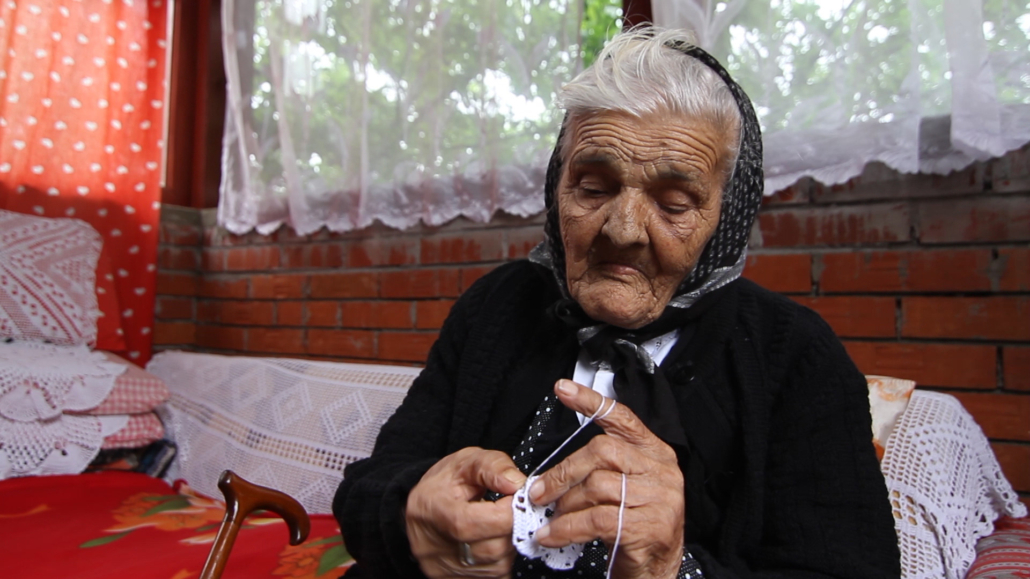
Elderly Poverty in Bosnia and Herzegovina

Elderly Poverty in Bosnia and HerzegovinaAccording to the Swiss Cooperation Programme, elderly poverty in Bosnia and Herzegovina is a concern. Predictions state that more than 30% of the population will be above the age of 65 by 2060. More than 16.9% of Bosnians live below the poverty line but the post-war economy in Bosnia and Herzegovina has significantly restricted the ability for economic prosperity. Following the Bosnian War, many Bosnians lost economic assets and experienced displacement, and they are still experiencing those effects today. In the words of the Wiley Online Library, “Bosnia-Herzegovina still experiences political instability, genocide denial, and growing poverty levels that particularly impact the aging war victims.”

Pension System Struggles

Bosnia and Herzegovina’s pension system consists of two different pension funds, The Federation (FBiH) and Republika Srpska (RS). However, The International Journals of Integrated Care (IJIC) reports that nearly 60% of the elderly population lacks access to pension benefits and social care. Due to the financial consequences of the Bosnian war, a proper pension system became necessary for the people of Bosnia. In 2011, Republika Srpska (RS) launched a pension reform to reduce pension contribution arrears. In 2018, The Federation (FBiH) took on a similar reform in hope for a better pension system for Bosnians. According to a 2021 weekly briefing by the China-CEE institute, both pension systems will be stable for the next decade. However, for future sustainability both systems would need further reformation such as labor incentive policies and making these systems administrative friendly.

A Need for Long-Term Health Care

Without a universal healthcare system, the large elderly population of Bosnia has had unequal access to health care. Those who do have access to health care have to spend an undesirable amount on health care and “almost entirely consisting of out-of-pocket payments which are mainly spent on medicines and therapeutic appliances” according to the European Observatory. Bosnian citizens spend twice as much for health care than European Union citizens.

The Bosnian War, which physically and emotionally scarred many citizens, has made access to adequate health care vital. According to the World Bank, the Bosnian government spends only 9% of its GDP on health care, which is three times lower than any other country in the EU. As a result, Bosnia and Herzegovina has one of the lowest-quality healthcare systems in Europe. The COVID-19 pandemic only set back years of positive work done for health care in Bosnia however, with humanitarian groups like World Bank, many Bosnians will likely have more adequate health care in the years to come.

Positive Change Incoming

Humanitarian groups such as the World Bank, have made strides to tackle elderly poverty in Bosnia and Herzegovina through projects like the Strengthening Transparency and Accountability of Bosnia and Herzegovina’s Health Systems Project. The Project, which started in 2022, focuses on improving the transparency and efficiency of Bosnian health systems. One goal of the project is to ensure better health care for all citizens with an emphasis on the elderly individuals who are disproportionately effected.  Other groups such as the United Kingdom Agency for International Development (UKAID) and the UK Good Governance Fund (GGF) have been working closely with specifically health ministries in Bosnia for health care reformation. With the BiH working in partner with these groups, elderly Bosnians can have hope once again.

Looking Ahead

Elderly poverty in Bosnia and Herzegovina has continued to overwhelm the BiH for more than 30 years, failing to provide adequate social support and healthcare systems. However, with current social system reforms and outside humanitarian groups, Bosnians have hope. While conditions are improving, sustained collaboration between the government and other outside groups is vital for reducing elderly poverty in Bosnia and Herzegovina.

– Naseem Rahman

Naseem is based in Highland Village, TX, USA and focuses on Global Health for The Borgen Project.

Photo: Flickr
January 25, 2025
https://borgenproject.org/wp-content/uploads/borgen-project-logo.svg 0 0 Jennifer Philipp https://borgenproject.org/wp-content/uploads/borgen-project-logo.svg Jennifer Philipp2025-01-25 07:30:142025-02-22 02:47:49Elderly Poverty in Bosnia and Herzegovina
Africa, elderly poverty, Global Poverty

Aging in Need: The Struggles of Elderly Poverty in Liberia

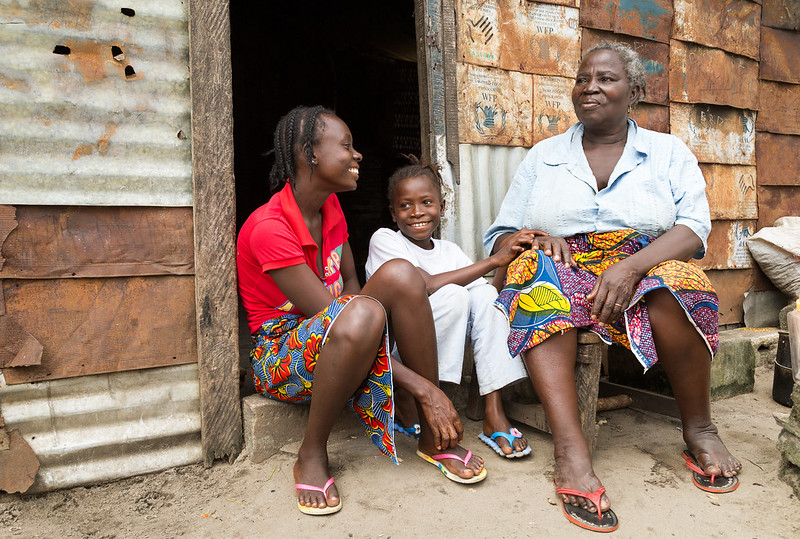
elderly poverty in liberiaLiberia is a country on the west coast of Africa with a population of around 5.5 million and ranks as “the ninth poorest country in Africa and the world.” Still recovering from years of civil conflict and the Ebola crisis over the past decade, Liberia has achieved significant development progress, focusing on reducing poverty and enhancing basic service delivery for its population, while successfully transitioning between democratically elected governments This essay will discuss the state of the elderly poverty in Liberia, the work that the government has been doing to address this growing crisis.

Elderly Poverty in Liberia

The elderly living in poverty in Liberia face significant challenges, as it lacks a “universal statutory social security system for its older population.”  The highest level of poverty is among individuals aged 60, with more than 60% living in absolute poverty, 48% facing food poverty and 22.2% in extreme poverty.

As most elderly citizens have not participated in the formal labor market, they are not eligible for pension schemes that could provide income security. At present, the only available option is a contributory national pension scheme. Unlike high-income countries that provide comprehensive pension systems, few African nations including Liberia, offer similar protections.

For those who do have pensions, coverage remains inadequate, lacking the support systems for surviving spouses and children that are typical in wealthier nations. According to the International Monetary Fund (IMF) study, there is only a small fraction—approximately 300,000 people—qualifying for the national pension scheme.

NASSCORP

The Liberian government operates the National Social Security and Welfare Corporation (NASSCORP), a statutory public trust established in 1975. NASSCORP administers the country’s social insurance program, providing benefits for individuals who contributed premium fees while employed. The program addresses “income loss due to injury, invalidity, old age, or the death of a breadwinner.”

Despite this framework, Liberia faces significant unemployment challenges, with many citizens unable to secure formal-sector jobs and, consequently, not contributing to NASSCORP. As they age, a majority rely on family support rather than a pension. NASSCORP aims to pay a monthly pension equal to at least 25% of a retiree’s average monthly earnings, funded by contributions from employers (3%) and employees (4.75%)—a total of 7.75% of monthly wages. To qualify for this pension, individuals must be at least 60 years old and have made contributions for a minimum of 100 months, with additional contributions increasing the pension.

However, many eligible citizens struggle to prove their entitlement due to the loss of records during 15 years of civil war, and a significant number lack any history of formal employment, particularly in rural areas. Consequently, elderly individuals often depend on family care, which is more sustainable in rural communities than in urban areas, where higher living costs and weaker traditional bonds complicate support systems.

PAPD

The Pro-Poor Agenda for Prosperity and Development (PAPD) 2018-2023 aims to address elderly poverty as part of Liberia’s broader national development strategy, according to the IMF report. This agenda builds on previous strategies and lessons learned from past poverty reduction efforts and focuses on enhancing the welfare of vulnerable populations, including the elderly poverty,

The four major pillars of the PAPD are:

  • “Power to the people:” Empowering citizens, including the elderly, with necessary skills and tools for better life control.
  • “The economy and jobs:” Fostering private sector-led growth and job creation, with an emphasis on economic inclusion,
  • “Sustaining the peace:” Promoting social cohesion to support sustainable development
  • “Governance and transparency:” Strengthening state capabilities for inclusive governance.

As for the way forward on empowerment, stakeholders consistently cited access to good quality education and health as the top priorities for the PAPD. Demand for more and better health and education facilities and, for good quality instruction, was high. Water and sanitation facilities were also high in demand. Moreover, special programs targeting youth, empowerment of women and people with disability and support for the elderly were high on the order of priorities, the IMF reports.

Conclusion

Liberia’s elderly population faces a significant crisis of poverty. The absence of a universal pension system, coupled with high unemployment rates and the historical impact of civil conflict, has left many older citizens without the means to support themselves. While the National Social Security and Welfare Corporation (NASSCORP) offers some relief through a contributory pension scheme, its coverage is limited and many eligible individuals struggle to access these benefits due to lost documentation and a lack of formal employment history.

– Hoi Ieng Chao

Hoi is based in Macau and focuses on Politics for The Borgen Project.

Photo: Flickr
January 12, 2025
https://borgenproject.org/wp-content/uploads/borgen-project-logo.svg 0 0 Naida Jahic https://borgenproject.org/wp-content/uploads/borgen-project-logo.svg Naida Jahic2025-01-12 01:30:562025-01-10 05:44:40Aging in Need: The Struggles of Elderly Poverty in Liberia
elderly poverty, Global Poverty, Health

Tackling Elderly Poverty in Somalia  

Elderly Poverty in Somalia
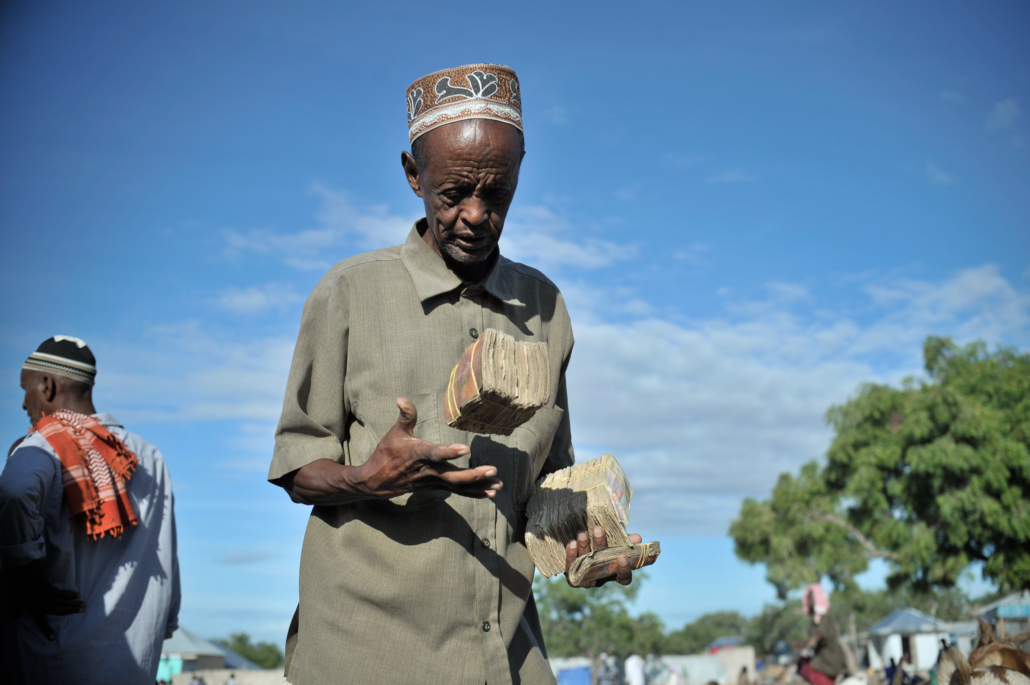
Since the collapse of Somalia’s central government in 1991, the country has faced decades of civil war and lawlessness. Political instability and ongoing conflict have driven widespread poverty, leaving Somalia as one of the world’s poorest nations. Regarding this, 69% of the population lives below the poverty line, earning less than $2.15 a day. Estimates indicate that the poverty rate among the vulnerable and the elderly ranges between 70% and 80%. As the country’s infrastructure deteriorated, so did its ability to provide services to its vulnerable demographic. Elders, who once held revered position in Somali society, now largely depend on their families for survival. However, widespread poverty among younger generations has weakened these traditional support systems. Instead, international organizations are implementing systems to tackle elderly poverty in Somalia.

Conflict Issues

 Years of armed conflict between government forces, militant groups like Al-Shabaab and clan-based factions have caused mass displacement across Somalia. As of 2024, there are more than 3 million internally displaced persons (IDPs) in Somalia. Many elderly individuals, who often lack the physical ability to flee quickly, experience relocation into overcrowded and poorly resourced IDP camps. In these camps, elders endure harsh living conditions with limited access to food, clean water and health care.

Moreover, elderly-headed households are often more susceptible to impacts of violence than households headed by younger people. In contrast, households in the top 20% of the consumption distribution manage to weather these crises better because they typically have savings or alternative income sources. This financial shield allows them to soften the economic shock from terrorist activities and maintain their consumption levels. Consequently, when violence occurs, poverty-stricken elderly individuals suffer more than those in Somalia’s wealthier communities.

Health Care Difficulties

Conflict has decimated Somalia’s already fragile health care system, leaving the population, including the elderly, without essential medical care. However, as the Somali government channels most of its resources into military and security operations, it underfunds and neglects health care facilities. As a result, Somalia faces an alarming doctor-to-patient ratio of 0.4 doctors per 10,000 people.

Environmental Challenges

Somalia has experienced recurring droughts over the past decade, and as of 2024, it grapples with its worst drought in 40 years. With five consecutive failed rainy seasons, Somalia’s agricultural sector has been severely damaged.

Exacerbated by the droughts, heavy rainfall has caused devastating floods in parts of the country. As a result, the World Food Programme (WFP) reports that these environmental disasters killed 4 million livestock and pushed 6.6 million Somalis to crisis levels of hunger. Farmers will take years to restore ruined farmlands and pastures, which puts Somalia in urgent need of humanitarian aid.

Fighting Elderly Poverty in Somalia

“Understanding the magnitude and importance of income shocks, such as drought or conflict, in causing and perpetuating poverty is critical to designing policies aimed at building reliance and contributing toward the goal of ending poverty,” says Utz Pape, lead economist in Poverty and Equity Global Practice at the World Bank Group (WBG). This underscores that to tackle elderly poverty in Somalia, policymakers must address the root causes of these crises by focusing on safety nets and enhancing health care infrastructure.

HelpAge, in partnership with Horn International Relief and Development Organization (HIRDO), are working to provide critical support. They are offering cash assistance to help elderly individuals purchase food and medicines, as many do not receive aid directly and struggle to afford treatment for health conditions. In addition to financial assistance, the initiative also includes referrals for medical care and mental health support to address the physical and psychological toll of poverty crises on older populations. These efforts are crucial as food prices soar and the elderly, who no not have pensions, face increasing hardships.

Additionally, the Somali Help-Age Association (SHAA) has introduced innovative policies and practices with strategies aligned with the Sustainable Development Goals (SDGs) to fight poverty and hunger among vulnerable communities in Somalia. Their efforts specifically target the most at-risk elderly individuals through relief, recovery and development programs. SHAA works to address immediate needs while advocating for basic social, economic and cultural rights of elderly people. As a result of their initiatives, SHAA has reduced hunger by providing food vouchers and cash relief to elderly and disabled individuals living in IDP camps and rural areas. This approach successfully met 60% of the elderly’s immediate needs, making a substantial impact on their survival and well-being.

Looking Ahead

By aligning emergency relief with long-term development, Somalia can make progress toward reducing elderly poverty and achieving broader eradication goals. These efforts not only respond to immediate challenges but also work to break the cycle of poverty that entraps vulnerable communities.

– Nour Mostafa

Nour is based in Gloucester, UK and focuses on Good News and Global Health for The Borgen Project.

Photo: Flickr
January 5, 2025
https://borgenproject.org/wp-content/uploads/borgen-project-logo.svg 0 0 Jennifer Philipp https://borgenproject.org/wp-content/uploads/borgen-project-logo.svg Jennifer Philipp2025-01-05 01:30:062025-01-04 03:25:29Tackling Elderly Poverty in Somalia  
elderly poverty, Global Poverty, Poverty Eradication

Alleviating Elderly Poverty in Jordan

Elderly Poverty in Jordan
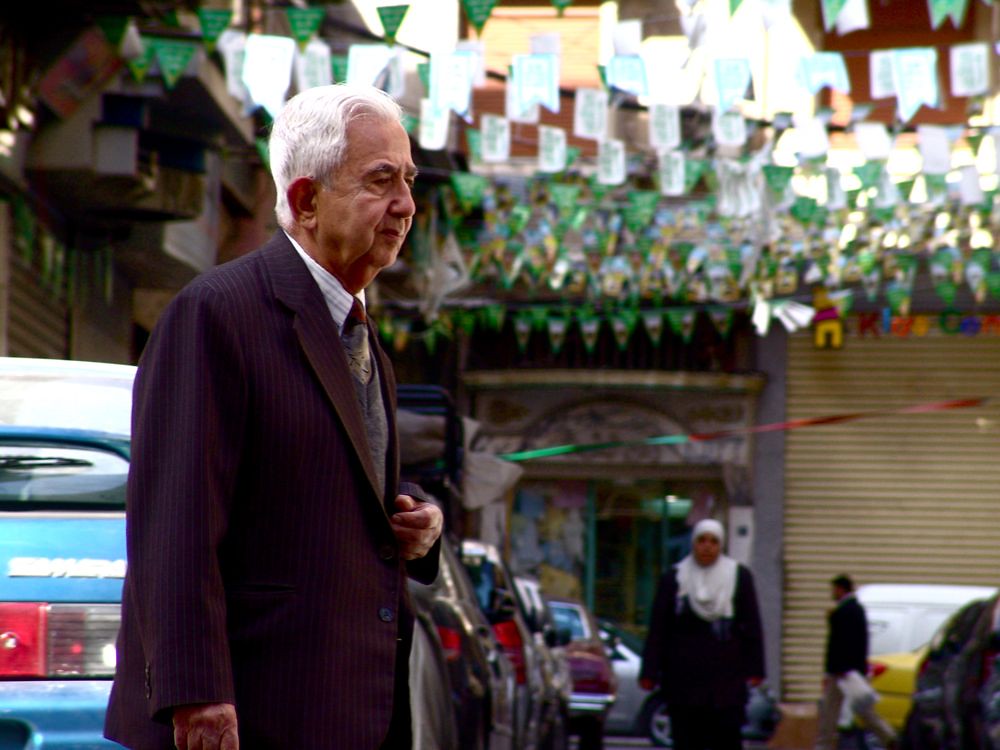
Jordan suffers from a pension system which is not high enough for the cost of living nor accessible enough to elderly people, particularly women or refugees. This issue has been exacerbated by economic conditions which have worsened since the COVID pandemic and the cost of living crisis – the poverty rate increasing from 13% in 2006 to 24.1% in 2022 – and may continue to worsen with the expected economic fall-out of the Gaza war.

The Issue

Jordan has an ageing population but with additional pressures on its social services from the influx of displaced people. In 2021, only 45.8% of the elderly population in Jordan received pensions and 66% of pensions were below the national poverty line. According to the 2018 HelpAge International survey, two-thirds of older Jordanian men and women had debts.

Older women and elderly refugees are particularly affected: only 16% of older women receive pensions and elderly refugees cannot receive their pensions from Syria, instead they rely on humanitarian assistance. As one older Syrian refugee said: “Having access to my pension would allow me to get back some dignity and live a dignified life. I wish for it every day,” according to HelpAge.

According to HelpAge International, 80% of women in Jordan had never been in official work and were reliant on their husbands’ pensions or provisions from their male children. Reliance on male relatives financially is not only a source of embarrassment for older women but is also insufficient: in 2017 (before the COVID pandemic and cost of living crisis) the annual food and non-food expenditures of a 1–2-member household in Jordan were double an individual annual pension. While employment among women under the age of 60 has increased in recent years, participation of women in the workforce in Jordan is among the lowest in the world, HelpAge International reports.

In addition, although there are positive features to the intergenerational model of “growing old,” this societal expectation stops the proliferation of care-homes and maintains the expectation for daughters and daughter-in-laws to fulfil hands-on caregiving duties, according to the 2021 article.

Syrian Refugees

Jordan is one of the countries which has been highly affected by the Syrian crisis and has absorbed the third highest number of Syrian refugees in the world. It has taken in more than 643,000 and is among the top five highest host countries for refugees per capita.

In 2018, 80% of Syrian refugees in Jordan lived below the poverty line. UNHCR considers old people as one of the most at-risk groups of displaced people.

With less capacity to work, limited access to health care and experiencing loneliness, elderly Syrian refugees cannot return to Syria to obtain the paperwork required for a pension. Even for refugees of working age, it is hard to contribute consistently to the voluntary pension scheme when they often participate in informal forms of work or not at all.

Governmental Efforts

Jordan spends more on social protection systems for the elderly than most countries in the Middle East, evidenced by its many and sometimes duplicated systems: National Aid Fund (NAF), National Zakat Fund (NZF) and Ministry of Social Development (MoSD) all provide emergency cash transfers for the vulnerable. Elderly people in Jordan experiencing poverty can receive the bread subsidy, monthly aid or winter aid programmes of the NAF and the MoSD pays for places in care homes for elderly Jordanians who cannot afford them.

The recent National Strategy for Senior Citizens (2018-2022) focuses on eradicating elderly poverty in Jordan, building a platform for elderly voices in decision-making, providing health care services and establishing care homes. Although its implementation requires reform, these reforms are the basis for a newly formed strategy for 2025-2030. The government also aims to achieve universal health coverage by 2030 and in the meantime has subsidized health care for more than 1.3 million Syrian refugees

These efforts prove the government’s commitment to supporting the vulnerable and elderly living in poverty but cannot replace a social pension which would provide for women, refugees and those who have not been in formal work and are therefore unable to make consistent payments.

NGOs

Jordanian NGO, Tkiyet Um Ali, founded by Princess Haya bint Al Hussein in 2003 is a shining example of a local initiative to eradicate hunger. Tkiyet Um Ali serves across every governate of Jordan those who live below the food poverty line and who do not receive any form of financial contribution. In 2023, it served more than 5 million food parcels and 500,000 hot meals. This is necessary aid and immediate relief for the elderly provided their income is below $19.95 a month, do not receive a pension, are not homeowners nor have an employable male relative over the age of 18 in their family.

HelpAge International provides financial support for the elderly, in cash payments and finding ways for elderly people to create income, particularly within the refugee community in Jordan. They advocate for the strengthening of Jordan’s pension system to a social pension system which does not require previous contributions.

Looking Forward

The good news is that there is a vision to alleviate elderly poverty in Jordan through long-term governmental strategies as well as immediate relief delivered by governmental and non-governmental bodies. These objectives aim to tackle a lot of needs and improvement and reform are paving the way. Strengthening Jordan’s pension system to a non-contributory system would provide necessary access to pensions for all elderly Jordanians, particularly women and refugees. This would be key in restoring dignity and independence in old age. Until then increasing the number of women and refugees in the formal workforce remains a gradual process but one that would lead them to receive pensions.

– Miriam Hulley

Miriam is based in Cheltenham, Gloucestershire, UK and focuses on Good News and Global Health for The Borgen Project.

Photo: Flickr
December 4, 2024
https://borgenproject.org/wp-content/uploads/borgen-project-logo.svg 0 0 Jennifer Philipp https://borgenproject.org/wp-content/uploads/borgen-project-logo.svg Jennifer Philipp2024-12-04 01:30:562025-05-09 09:28:09Alleviating Elderly Poverty in Jordan
elderly poverty, Global Poverty, Poverty Reduction

Addressing Elderly Poverty in Zambia

Elderly Poverty in Zambia
Elderly poverty in Zambia is a growing concern in a country where more than 60% of the population lives below the poverty line. Older Zambians face unique challenges, often compounded by a lack of formal pensions, leaving many reliant on informal family networks or charity. As poverty continues to affect much of the population, elderly individuals are especially vulnerable to economic hardship, with limited resources to meet their basic needs.

The Social Cash Transfer (SCT) Programme, which the Ministry of Community Development and Social Services initiated in 2003, plays a crucial role in supporting vulnerable households, including those headed by elderly individuals. The primary goal of the program is to “reduce extreme poverty” and disrupt the intergenerational cycle of poverty within these households. Through regular cash transfers, recipients report improvements in food security, school attendance for children and overall household stability.

The State of Poverty in Zambia

Poverty in Zambia remains widespread, with rural populations disproportionately affected. According to the World Bank, more than 60% of rural Zambians live in poverty. Subsistence farming is the primary source of livelihood for these households, but unpredictable weather conditions and poor infrastructure make it difficult to sustain their livelihoods. Those living in poverty typically lack access to basic services such as clean water, health care and education, trapping them in a cycle that is hard to break.

Older Zambians, particularly those without family support, face significant challenges. The situation is dire for households headed by older individuals, with 83% of these households living in poverty and 66% classified as extremely poor. These households are often burdened by health issues that make it difficult for older people to work, while also increasing their medical expenses. The country’s current social security system falls short in addressing these needs, with very few older adults having access to pensions due to lifetimes spent working in the informal labor market. As a result, most elderly individuals have no financial safety net. Additionally, “less than 12% of Zambia’s current labor force is covered by any form of social security,” meaning that future generations of older adults are likely to face similar challenges in the absence of substantial reforms.

How the SCT Program Helps

The SCT Program has shown positive results in reducing poverty among Zambia’s elderly population. Recipients report that the cash transfers allow them to purchase essential goods such as food and clothing, as well as household items. This financial support is critical, particularly for the elderly, who often suffer from age-related health conditions or disabilities that prevent them from earning an income. According to a 2022 UNICEF report, elderly people who receive these transfers experience less hunger and improved access to health care services.

However, the program faces ongoing challenges. Many elderly individuals, especially in remote areas, struggle to access the program due to poor infrastructure and a lack of awareness about the services available. Rising inflation and increasing costs of living further strain the cash transfers, making it difficult for recipients to meet all their needs.

Looking Forward

Zambia’s elderly population continues to face significant challenges, but the Social Cash Transfer Program provides a vital lifeline. Expanding the program to reach more of the elderly population, improving infrastructure for better accessibility, and ensuring that payments keep pace with inflation are essential steps toward reducing elderly poverty in Zambia. Addressing the specific needs of older people remains crucial for Zambia’s overall poverty reduction efforts as the nation’s population continues to age.

– Isabel Gallagher

Isabel is based in Dorset, UK and focuses on Celebs and Politics for The Borgen Project.

Photo: Pexels

November 8, 2024
https://borgenproject.org/wp-content/uploads/borgen-project-logo.svg 0 0 Jennifer Philipp https://borgenproject.org/wp-content/uploads/borgen-project-logo.svg Jennifer Philipp2024-11-08 01:30:312024-11-07 12:35:20Addressing Elderly Poverty in Zambia
elderly poverty, Global Poverty, Tourism

Everything to Know About Elderly Poverty in Antigua and Barbuda

Elderly Poverty in Antigua and Barbuda 
Antigua and Barbuda is a Caribbean country consisting of the two main islands and several smaller islands with 97% of the country’s population located in Antigua. The British colonized the country in the 17th century and transported a large population of enslaved Africans to work on sugar and tobacco plantations. After the emancipation of slavery in 1834, the economy struggled due to the heavy reliance on sugar production. In 1981, the country gained full independence from the U.K. and opted to remain in the Commonwealth. The country’s legacy of colonialism still affects the current economic state. 

Economic Effect on Elders

People aged 60 years and older have a higher likelihood of suffering from extreme poverty at 4.2% than the rest of the population at 3.7%. Poverty is more prevalent in rural areas due to limited access to services, transportation and economic opportunities. Access to affordable health care is also a major issue caused by elderly poverty in Antigua and Barbuda. The costs of medical care, including medications and treatments for chronic conditions strain the limited resources of those who experience elderly poverty in Antigua and Barbuda.

Many charitable and nonprofit organizations provide health care services in Antigua and Barbuda. St. John’s Hospice is a charity that provides hospice care to the terminally ill. The organization provides both in-home and inpatient care through the proceeds from a shop run by the charity located in Antigua, as well as fundraising and donations.

The Environment and Tourism

Caribbean countries are more vulnerable to extreme weather events and natural disasters. Environmental devastation affects the ability to conduct tourism and the economy since the tourism industry makes up more than 50% of the country’s GDP and is responsible for more than 46% of the national employment. 

Elderly poverty in Antigua and Barbuda is disproportionately affected by hits to the labor market. According to a 2018 Labour Force Survey Report, the employment-to-population ratio is lowest in seniors 65 and older. Both environmental issues and the tourism industry affect housing. Environmental disasters destroy buildings. The tourism industry pushes locals away from coastal land and into areas with fewer resources. Jamaica Kincaid describes tourism as a neo-colonial structure that exploits the land and local population and is responsible for the economy. 

USAID/OFDA provided disaster relief services for Antigua and Barbuda, including getting resources to more than 400 hurricane-affected households in 2018. Since 2010, it has provided $95 million to support disaster risk reduction programs in Latin America and the Caribbean.

Conclusion

Despite challenges from Antigua and Barbuda’s colonial past and a heavy reliance on tourism, the country is home to a vibrant community working towards a brighter future. With continued efforts from local and international groups, there is hope for sustainable development and a better quality of life for all citizens, especially those affected by elderly poverty in Antigua and Barbuda.

– Nina Bujewski

Nina is based in San Luis Obispo, CA, USA and focuses on Politics for The Borgen Project.

Photo: Pexels

November 5, 2024
https://borgenproject.org/wp-content/uploads/borgen-project-logo.svg 0 0 Jennifer Philipp https://borgenproject.org/wp-content/uploads/borgen-project-logo.svg Jennifer Philipp2024-11-05 01:30:422024-11-10 22:38:58Everything to Know About Elderly Poverty in Antigua and Barbuda
elderly poverty, Global Poverty, Poverty

Elderly Poverty Among Algerian Migrant Workers 

Algerian Migrant Workers Abdelkader Bounaga, an Algerian pensioner living in Marseille, was “enlisted” in the 1960s to fill the labor deficit in post-war France. He arrived in Marseille in a wooden boat carrying French soldiers being repatriated after Algeria’s independence. He is in the “Chibanis” group, meaning “grey-haired” in Arabic. Elderly Poverty in Algeria could deteriorate due to demographic changes. In 1966, the ratio of people at working age to people at retirement age was 6.7:1. In 2008, the ratio rose to 8:1, but in 2021 it fell again to below 6:1. This means that more old people are relying on the support of their employed family members today that in 1960.

Therefore, elderly poverty in Algeria could worsen as the demography changes over the coming years. However, the Chibanis who left Algeria in the 1970s looking for a more stable income face the additional challenge of isolation. Tahar Ben Jelloun expresses a common sentiment when he calls the state of the Chibanis “the highest solitude.” Here is more information about Algerian migrant workers in France.

Immigration to France

Poverty in Algeria was one of the reasons for immigration to France in the 1960s. French colonialism in the region had left the natives in a worse position. With the appropriation of land and exploitation of labor, it was hard to earn a living in Algeria.

In general in France, poverty rates decrease with age, dropping to 10% of people over 65. On the other hand, the poverty rate among elderly migrants in Europe is much higher at 25%. Among the migrant population, elderly poverty has increased by 4%, whereas for their native-born counterparts, it has decreased. Accommodation for elderly people has improved over the last few years, but elderly migrants are more likely to live in substandard housing.

Rather than relying on their younger family members, Chibanis often continue to support their families back home in Algeria using their pensions and social benefits. With their families back home and little community or purpose in France, the Chibanis become stuck in perpetual exile. This is what the sociologist Malek Sayad calls the “double absence.” Absent at home, they miss out on key milestones with their families. Absent in France, they struggle to integrate or form a community, and their language skills fall behind.

In addition to the solitude of their lifestyles, the Chibanis did not find the economic prosperity in France that they hoped for. When they arrived in the 1960s, the work available was arduous and menial, paying as little as 80 cents per hour. Today’s Chibanis were the hands that built the roads, factories and school buildings of modern France. Yet, many experience elderly poverty due to the difficulty in obtaining their pensions.

French Bureaucracy

The complex French bureaucracy standing between them and their pensions is hard to navigate for people whose language and literacy skills are low. If a Chibani mistakes the month on which he or she left France for Algeria, and accidentally stays too long, they return to huge debts.  If they exceed the six-month limit, the government revokes their benefits and demands a refund of the amount paid.

Movement between France and Algeria has been commonplace since France’s colonization in 1830. Algerians, especially from the impoverished area of Kabylia, emigrated to France to do the hardest and lowest-paid jobs, according to Musée de l’histoire de l’immigration. This was a method for active young men to support their families back home. The influx of cheap labor suited the managerial class, who also used them to break workers’ strikes.   

Raising Concerns

Concern about the elderly poverty of Algerian migrant workers spread in France in the early 2000s. One article cites the 2007 film Indigènes as a catalyst for public engagement with the question of the treatment of foreign veterans. That year Rachid Bouzidi, a special adviser for the Employment, Social Cohesion and Housing Ministry, stated “We believe that everyone has the right to live with their family in a decent and dignified way,” according to Radboud Repository article.   

However, the Chibanis have experienced several years of precarious social status due to their migratory lifestyle between France and Algeria. They must reside in France to keep their benefits, but their homes and families are overseas. 

Activists like Zohra Hamani fight for the visibility and security of Chibanis. President of the charity Les Bons Samaritains Fisabillillah, Hamani said to Al Jazeera.: “We owe all these beautiful French cities to the Chibanis.” Les Bons Samaritains Fisibillillah provides a free breakfast every morning at the centre, which is followed by the opportunity to receive legal and health advice. 

Conclusion

Algerian migrant workers living in France are more likely to live in poverty and face the additional challenge of isolation from their communities back home. The French government’s six month stipulation forces these elderly people into isolation and estrangement. However, there are charitable organizations fighting to amplify their voices and rectify the neglect of the French government. 

– Io Oswald

Io is based in Paris, France and focuses on Politics for The Borgen Project.

Photo: Flickr
October 17, 2024
https://borgenproject.org/wp-content/uploads/borgen-project-logo.svg 0 0 Jennifer Philipp https://borgenproject.org/wp-content/uploads/borgen-project-logo.svg Jennifer Philipp2024-10-17 01:30:372024-10-17 00:08:49Elderly Poverty Among Algerian Migrant Workers 
elderly poverty, Global Poverty, Mental Health

How Elderly Poverty in Madagascar Impacts Mental Health

Elderly Poverty in MadagascarMadagascar, located off the southeastern coast of Africa in the Indian Ocean, is the fifth-largest island in the world. With a population of more than 30.8 million people, Madagascar is renowned for its rich biodiversity and unique ecosystems, including the infamous lemurs and lush rainforests. Despite its natural wealth, Madagascar faces significant challenges in poverty alleviation, consistently ranking among the world’s poorest countries. Its citizens navigate poverty through various means, including subsistence agriculture, fishing and small-scale entrepreneurship, while also relying on community support networks and resilience in the face of adversity. However, the mental and emotional toll elderly poverty in Madagascar causes heavily disturbs the culture, beauty and essence of its climate and people.

Poverty and Mental Health in Madagascar

When examining the ramifications of poverty on mental and emotional well-being, it is crucial to note its pervasive role among senior citizens. According to “Face of Poverty in Madagascar,” a poverty, gender and inequality assessment that the World Bank created, “Only 2.4 percent of the population in 2010 was 65 and older, and elderly poor represented only 2 percent of the poor population.” According to ScienceDirect, “Antananarivo-Renivohitra, the capital district of Madagascar, had an estimated population of 1,275,207 in 2018 (RGPH-3, 2018), of which only 5.5% were over 60 years old.”

While the population and poverty in Madagascar predominantly have a youthful demographic, this does not mean that poverty affecting the island is not detrimental to the psychological well-being of older Malagasies. Poverty leads to food insecurity, lack of safe housing, limited employment opportunities, reduced social mobility and education disparities. The World Bank reports, “The highest prevalence of illiteracy in 2010 was among the elderly population of 64+ years old (50 percent).” Without academic instruction, obtaining secure employment becomes increasingly difficult, forcing Madagascar’s elders to pursue jobs that require less intellectual prowess and more physical stamina, a skill that diminishes with old age.

The Impact of COVID-19 on Madagascar

SARS-CoV-2 (COVID-19) arrived in Madagascar with airborne passengers traveling from Europe in March 2020. While the country took preventative measures to limit the spread of the virus, illness struck Madagascar’s population predictably targeting those of older age. According to original research conducted by BMJ Global Health, due to COVID-19, life expectancy in Madagascar has dropped by 0.8 years for men and 1.0 year for women, primarily due to increased risks of death among individuals over the age of 60. The National Library of Medicine explains, “The probability of testing positive increases with age with the highest adjusted odds ratio of 2.2 [95% CI: 1.9‐2.5] for individuals aged 49 years and older.”

Not only did the virus risk and claim the lives of Malagasy elders, but dealing with its harshness and the majority of its symptoms, “(The most common symptoms of illness onset among confirmed cases were cough (27.2%), fever (18.7%), weakness (14.7%), runny nose (13.3%), and headache (13.1%))” prevented elders from returning to their jobs and continuing to support themselves and their families. The elderly population in Madagascar, already vulnerable to nutritional issues, faced heightened anxiety due to COVID-19, as concerns about their health, life expectancy, and ability to make a living increased.

Food and Health of the Elderly in Madagascar

A 2023 study by GSC Biological and Pharmaceutical Sciences examined the food and health practices of people aged 60 and over in the urban commune of Antsirabe I and the rural commune of Andranomanelatra in the Vakinankaratra Region. The study found that while the elderly were concerned about their health, hygiene practices—such as treating drinking water and washing hands before meals—were inadequate. The evaluation of nutritional status revealed that 37.5% of elderly individuals in rural areas were underweight (BMI < 18.5), compared to 17.9% in urban areas. Factors associated with poor nutritional status included education level, housing comfort, monthly income, food expenditure, dietary diversity and average energy intake.

The MDGs

While the intersection of poverty and psychological distress presents a formidable challenge for Madagascar, addressing this issue necessitates not only measures to alleviate poverty but also immediate, sustainable solutions to safeguard emotional and mental health. The Millennium Development Goals (MDGs), as outlined in the UN’s Millennium Declaration, represent a global commitment to eradicating extreme poverty, particularly in resource-limited countries like Madagascar.

One of the key focuses of Madagascar’s efforts to meet these goals is the conservation of its natural resource base and promoting sustainable development, as emphasized in the Madagascar Action Plan. This approach acknowledges that poverty reduction is not just about economic growth but also about protecting the environment, which many rural elderly Malagasy depend on for their livelihoods. As the government has pointed out, “Madagascar cannot do it alone and should not do it alone,” underscoring the need for international collaboration to address both poverty and environmental degradation in tandem. The global partnership called for in the eighth MDG reflects the notion that overcoming poverty will require support from multiple sectors and countries, aiming for sustainable development that benefits current and future generations.

The Madagascar Action Plan

The government of Madagascar has taken strides in linking health improvements with economic growth, as outlined in the Madagascar Action Plan. The commitment to improving access to health care, especially in rural areas where elders reside and elderly poverty in Madagascar is prevalent, plays a crucial role in enhancing productivity and reducing the pressure on natural resources. With the president’s “Madagascar Naturally” vision, the country emphasizes biodiversity conservation, protect the environment and reduce poverty. Through such initiatives, Madagascar is working to ensure that its population can both thrive economically and sustain its natural resources. As highlighted, “Developing countries’ debt problems” and the need for “sustainable access to safe drinking water” are critical components that will drive Madagascar’s progress toward achieving the MDGs and alleviating poverty.

Through techniques like observing the country’s natural resource base, the effect of demographic trends on development, and the importance of health as a prerequisite for development, it fosters adaptive coping strategies and enhances mental well-being. Implementing MDGs offers promise in improving the lives of Malagasians, potentially breaking the cycle of poverty and mental health challenges, providing those of older age peace and fulfillment when dealing with mental turmoil alongside impoverishment.

– Ryley Anthony

Ryley is based in Grand Prairie, TX, USA and focuses on Good News for The Borgen Project.

Photo: Pixnio

September 19, 2024
https://borgenproject.org/wp-content/uploads/borgen-project-logo.svg 0 0 Jennifer Philipp https://borgenproject.org/wp-content/uploads/borgen-project-logo.svg Jennifer Philipp2024-09-19 07:30:122024-09-19 01:32:54How Elderly Poverty in Madagascar Impacts Mental Health
Page 5 of 7«‹34567›»

Get Smarter

  • Global Poverty 101
  • Global Poverty… The Good News
  • Global Poverty & U.S. Jobs
  • Global Poverty and National Security
  • Innovative Solutions to Poverty
  • Global Poverty & Aid FAQ’s
Search Search

Take Action

  • Call Congress
  • Email Congress
  • Donate
  • 30 Ways to Help
  • Volunteer Ops
  • Internships
  • Courses & Certificates
  • The Podcast
Borgen Project

“The Borgen Project is an incredible nonprofit organization that is addressing poverty and hunger and working towards ending them.”

-The Huffington Post

Inside The Borgen Project

  • Contact
  • About
  • Financials
  • President
  • Board of Directors
  • Board of Advisors

International Links

  • UK Email Parliament
  • UK Donate
  • Canada Email Parliament

Get Smarter

  • Global Poverty 101
  • Global Poverty… The Good News
  • Global Poverty & U.S. Jobs
  • Global Poverty and National Security
  • Innovative Solutions to Poverty
  • Global Poverty & Aid FAQ’s

Ways to Help

  • Call Congress
  • Email Congress
  • Donate
  • 30 Ways to Help
  • Volunteer Ops
  • Internships
  • Courses & Certificates
  • The Podcast
Scroll to top Scroll to top Scroll to top