• Link to X
  • Link to Facebook
  • Link to Instagram
  • Link to TikTok
  • Link to Youtube
  • About
    • About Us
      • President
      • Board of Directors
      • Board of Advisors
      • Financials
      • Our Methodology
      • Success Tracker
      • Contact
  • Act Now
    • 30 Ways to Help
      • Email Congress
      • Call Congress
      • Volunteer
      • Courses & Certificates
      • Be a Donor
    • Internships
      • In-Office Internships
      • Remote Internships
    • Legislation
      • Politics 101
  • The Blog
  • The Podcast
  • Magazine
  • Donate
  • Click to open the search input field Click to open the search input field Search
  • Menu Menu

Archive for category: elderly poverty

elderly poverty, Global Poverty, Nonprofit Organizations and NGOs

The Solutions to Elderly Poverty in Nauru

Elderly Poverty in NauruIn Nauru, the number of citizens aged 55 and older consists of roughly 10% of the total population. The vulnerability of older adults in economically challenged nations like Nauru underscores the importance of international partnerships. Countries such as the United States (U.S.) can play a vital role in collaborating with economically deprived governments to provide necessary support for elderly populations as they transition into their senior years.

In Nauru, 24% of the population lives below the basic needs poverty line, highlighting a persistent issue of elderly poverty. This challenge has been addressed for years through efforts by both the Nauruan government and nonprofit organizations. Given the substantial proportion of elderly individuals in the population, it is crucial to strengthen support systems. These measures not only aim to reduce poverty but also to preserve Nauruan history and cultural heritage, with the help of foreign aid and continued government backing.

Social Protection Programs: Elderly Allowance

Nauru has established Social Protection Programs and activities to support qualified members of its community. Current government initiatives include Birth Claims, Death Claims, Disability Allowance and School Feeding Programs. Additionally, since 2005, the reformed Nauruan government has introduced an elderly allowance aimed at assisting impoverished seniors and providing much-needed financial support for the elderly population.

Eligible members of the community in Nauru receive $50 every two weeks as part of the Elderly Allowance program, supporting individuals aged 60 and above. In 2012, this amount was increased to $75 following efforts by the community to enhance financial support for seniors. However, with an average cost of living in Nauru of $1,000 per month, this assistance falls short of covering basic needs. Additionally, financial aid is not available to those with other income sources or those still on the waitlist, highlighting ongoing challenges in addressing elderly poverty in Nauru.

NIANGO

With only 25 members in 2007, Nauru Island Association of Nongovernmental Organizations (NIANGO) was the only nongovernmental body fighting general poverty in Nauru. NIANGO emphasizes communications, human rights and effective management within Nauru. In addition, the NGO plays a crucial role in facilitating the work of other not-for-profit organizations in Nauru. As one of the most impoverished countries in the world, Nauru depends heavily on foreign aid and organizations like NIANGO work to serve the entire community.

NIANGO functions as a coalition that fosters collaboration among NGOs, offering support in advocacy, information sharing and networking with both international and regional organizations. It also assists in capacity-building activities and institutional strengthening for its members. By amplifying the voices of struggling populations, including older adults, NIANGO helps drive change in Nauru through the mobilization of funds and resources.

Intergenerational Trust Fund for the People of Nauru

The Minister for Finance oversees the Intergenerational Trust Fund (ITF) in Nauru, which receives financial support from countries like Thailand, New Zealand and Australia. Between 2020 and 2021, Nauru received significant funding through the ITF, with cash contributions of $1.8 million from New Zealand and $3.5 million from Australia.

The ITF was initiated in 2009 with the goal of investing in phosphate mining, ensuring that Nauruans would benefit from royalties. Through the support of the ITF, Nauru’s elderly population, along with the broader community, receives financial assistance that helps sustain their livelihoods and improve overall living conditions.

Final Note

While there is still work to be done to address elderly poverty in Nauru, organizations like NIANGO and initiatives such as the ITF are making meaningful progress. The people of Nauru are in urgent need of continued support from governments capable of assisting, such as Australia, New Zealand and China. With increased backing, there is hope that the elderly population can enjoy a higher standard of living in their later years.

– Alena Thomas

Alena is based in Houston, TX, USA and focuses on Good News and Global Health for The Borgen Project.

Photo: Flickr

September 13, 2024
https://borgenproject.org/wp-content/uploads/borgen-project-logo.svg 0 0 Lynsey 2 https://borgenproject.org/wp-content/uploads/borgen-project-logo.svg Lynsey 22024-09-13 07:30:522024-09-13 01:57:38The Solutions to Elderly Poverty in Nauru
Aid, elderly poverty, Global Poverty

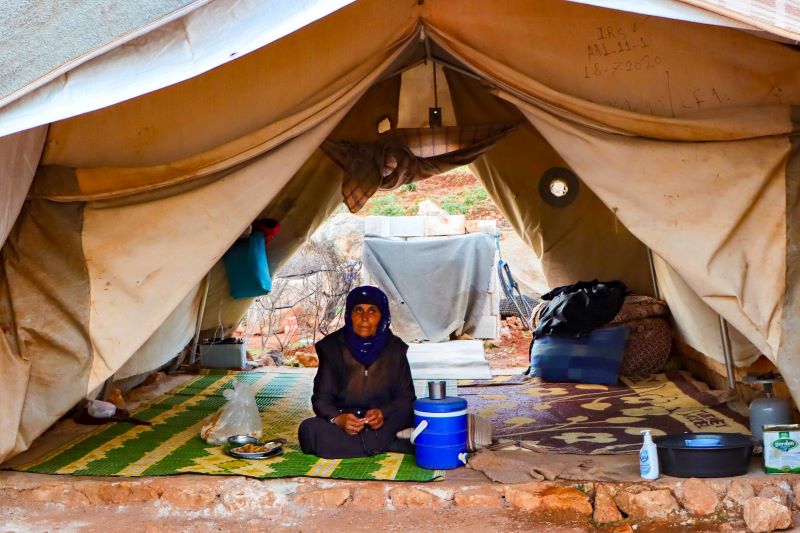
Elderly Poverty in Hong Kong

Elderly poverty in hong kongHong Kong is a city of two halves: while some enjoy wealth and luxury, 23.6% of the population live in poverty, struggling to share in the city’s economic prosperity. Elderly poverty is a significant problem in Hong Kong, with 45% of citizens aged 65 and older—about 583,600 people—living in poverty. Furthermore, Hong Kong has faced criticism for its inadequate poverty measures, which do not accurately represent the true scale of the issue, suggesting that even more people could be affected than officially recorded. Perhaps more concerning than these high rates is the fact that elderly poverty has increased significantly in recent years, up from 27.7% in 1991.

Causes

Elderly poverty in Hong Kong is driven by several factors, including a prevailing attitude that discourages reliance on welfare. As a result, there is limited government assistance available to provide financial protection for those struggling with poverty. Culturally, there is also an expectation for families to care for their elderly, with the Chinese government introducing a law in 2013 that demands children see and “greet” parents regularly, which made little difference. As times are changing, many families do not want to or are not able to care for their elderly.

While values are changing for some, the state has not adapted to this; existing welfare benefits (particularly the Social Security Allowance Scheme) for older people are rarely enough to cover living costs. Therefore, older adults are often seen collecting recyclable rubbish, such as cardboard and glass, in order to make enough money to survive. Pensions are a real concern, with the city having no pension scheme and many retirement funds being continually offset. This means that many are forced to remain in employment well past retirement age.

Furthermore, many cannot afford the help they desperately need; on average, it takes 19 months to receive subsidized home care services, leaving many older people alone without the support they need to live a fulfilling life.

Organizations Providing Aid

Efforts are underway to reduce elderly poverty in Hong Kong. Oxfam has launched the Concerning Home Care Service Alliance’s “service matching” scheme, which connects caregivers with seniors to assist with daily tasks like cooking, cleaning and accompanying them to appointments. Seniors pay just $0.64 for the service, while caregivers receive a stipend in addition to this small fee.

The Society for Community Organization (SoCO) also advocates for better support for older adults, assisting them in applying for existing welfare programs and accessing health care. These support systems are crucial for improving the quality of life for elderly individuals living in poverty. SoCO assists more than 1,000 seniors to apply for “social security or public housing each year.”

Furthermore, the Elder Academy supports the mental well-being of older adults by partnering them with academic institutions, offering opportunities for lifelong learning and fostering a sense of community inclusion. Last year, the organization received $10 million in government funding, demonstrating a commitment to improving the livelihoods of older adults.

– Eryn Greenaway

Eryn is based in East Sussex, UK and focuses on Global Health for The Borgen Project.

Photo: Flickr
September 12, 2024
https://borgenproject.org/wp-content/uploads/borgen-project-logo.svg 0 0 Lynsey 2 https://borgenproject.org/wp-content/uploads/borgen-project-logo.svg Lynsey 22024-09-12 07:30:562024-09-10 23:36:56Elderly Poverty in Hong Kong
elderly poverty, Global Poverty

Communities Fighting Elderly Poverty in Syria

Elderly Poverty in Syria“It is alarming that a simple meal is beyond the reach of families across Syria, and this new data shows humanitarian assistance is the difference between putting a meal on the table and going to bed hungry. Lifesaving support has never been so crucial,” said the World Food Programme (WFP) Representative and Country Director Sean O’Brien. The price of a food basket in Syria was 70% more expensive than it was a year ago. Prices of key ingredients of the basket, such as rice and sugar, have increased from 70% to 140%.
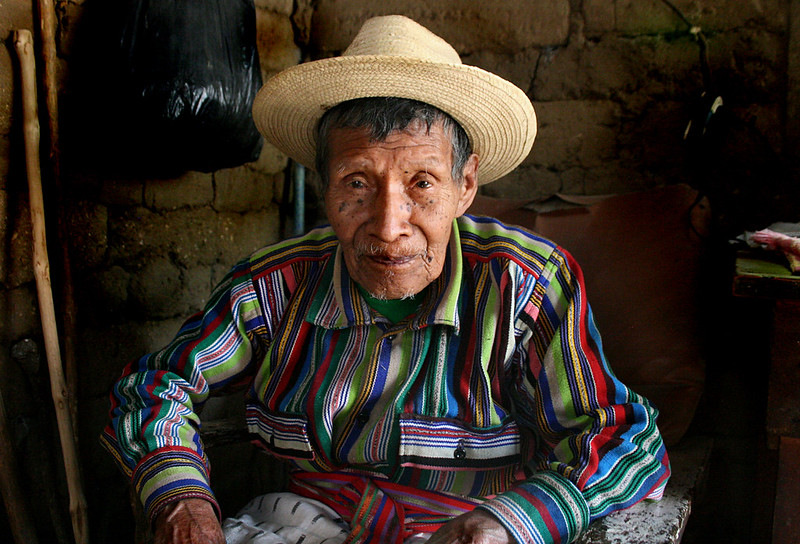
Food that once fed families now leaves them exhausting their savings for every meal. Older persons struggle even harder to find jobs, especially as the conflict has pushed desperation to self-reliance, marginalizing older people and the traditional family structure. An elderly person from North-west Syria comments: “In the past, older people would reach retirement age, and the family would take care of them. However, currently, the responsibility they should rely on self-care […] has increased, placing the burden directly on them.”

Communities in Damascus

Fortunately, many community-led initiatives help fight elderly poverty in Syria. The Syrian Society for Social Development has a home-based care program for Seniors who have specific vulnerabilities. Collaborating with the United Nations High Commissioner for Refugees (NHHCR), a team of volunteers focuses on helping and provide safety to the older population. The program dedicates itself to helping people over the age of 60 through nursing, housekeeping, hygiene, medication organization, as well as food preparation.

Taking place in several community centers of Rural Damascus, care-giving volunteers not only provide different meals and learn to use blood pressure monitors but also socialize with older people through entertaining and engaging activities. Older people are no longer excluded from younger people, therefore improving both their mental and physical well-being. Because of this, elderly people struggle and spend less on medication and health check-ups, as well as food. These responsibilities help combat elderly poverty in Syria by including older people back into a supportive system and engaging the community.

Communities in Aleppo

People residing in Southern Aleppo were suffering from a damaged rainwater drainage network that had begun to flood the streets. There was a high risk of disease as large bodies of wastewater accumulated on the ground. Further threats would ensue if younger children and elderly people fell into the water. The cost of injury and the addition of medication prices would be detrimental to the elderly Syrian population who have a higher risk of suffering from poverty and marginalization.

Successfully, the local community came together to discuss and plan a new drainage foundation. Alongside the UNHCR, both a construction team and members of the local community contributed to the excavation and installation of a new drain filter. As a result, the filter not only improved the appearance of the town and the efficiency of the drainage system but benefited 3000 residents living in Abtein town. Because of this, the town demonstrated strong values of community and kindness. Their uniting demonstration challenges elderly poverty in Syria by preventing expensive medical prices through ensuring the health and safety of the entire community.

Fighting Elderly Poverty in Syria

In conclusion, conflict and soaring expenses have split up traditional family structures. Alienising older people from the young, the older Syrian population has lost a grounded support system and the elderly have been pushed further into isolated poverty. However, community-led projects such as fixing drainage systems, and organisations such as the Syrian Society for Social Development, help to care for the vulnerable population of elders and to protect them from further elderly poverty in Syria. Volunteers and townspeople come together to provide the elderly with entertainment and physical aid, as well as essentials such as food and medication that they might otherwise struggle to afford on their own.

– Chelsey Saya McLeod

Chelsey is based in Southampton, Hampshire, UK and focuses on Good News and Technology for The Borgen Project.

Photo: Unsplash

September 10, 2024
https://borgenproject.org/wp-content/uploads/borgen-project-logo.svg 0 0 Naida Jahic https://borgenproject.org/wp-content/uploads/borgen-project-logo.svg Naida Jahic2024-09-10 01:30:582024-09-10 01:18:27Communities Fighting Elderly Poverty in Syria
elderly poverty, Global Poverty, Nonprofit Organizations and NGOs

Organizations Helping Guatemala’s Elderly Population

Guatemala’s Elderly PopulationGuatemala has among the highest poverty rates in Latin America and Guatemala’s elderly population is among the most vulnerable. In Guatemala, poverty was estimated at 55.1% of the population in 2023. According to the most recent data, Guatemala has serious public health issues. A third of the population suffers from health problems, such as chronic illnesses, malnourishment and limited access to health care. Nearly 1 million people in Guatemala are 60 years of age or older and a sizable percentage of them experience health issues.

Furthermore, more than 60% of the elderly population in Guatemala live in poverty. These staggering numbers are particularly alarming given the lack of a comprehensive social security system that provides financial stability to the country’s older people. Recognizing this struggle, several organizations and local communities have stepped up to create programs and initiatives that address the economic, medical and emotional needs of older people in Guatemala.

The Pan American Health Organization

In 2018, under the “Take Control of Your Health Initiative,” Don Manuel and other adults from San Jose la Communidad, Mixco, attended weekly health workshops led by trainers trained by the Pan American Health Organization (PAHO). The initiative aims to help participants manage chronic illnesses like hypertension and diabetes. Participants are taught how to control their blood pressure, eat healthier, exercise more, and maintain strong social connections.

World Health Organization (WHO) and PAHO representative Oscar Barreneche noted that the “program empowers older adults to take control of their health and prevent life-threatening complications.” More than 2,000 patients have graduated from the initiative since it started in 2015.

International Volunteers HQ

International Volunteers HQ is another noteworthy organization that has been making a difference since 2007. It stresses the importance of community involvement in supporting elderly individuals. The organization works closely with local leaders and volunteers to identify needy elderly citizens and provide them with tailored support.

One of its essential programs is a home visitation service, where volunteers visit elderly individuals in their homes. The visitors offer companionship, assistance with daily tasks and monitoring their health. This initiative ensures that older people are cared for while strengthening community bonds as younger generations learn the value of caring for older people. In 2023, the organization’s volunteers dedicated 111,149 hours to care for seniors in 27 countries, including Guatemala.

A Brighter Future for Guatemala’s Elderly

Although the challenges facing older adults of Guatemala are significant, the solutions emerging across the country offer hope. Organizations like the PAHO and International Volunteers HQ are leading the way in providing essential services and advocating for the rights of older people. Moreover, local communities are also showcasing that even small grassroots initiatives can substantially impact the lives of older people.

These efforts are not just about providing immediate or short-term relief. They restore dignity, foster a sense of community and ensure that all elderly in Guatemala can live their final years with care, dignity and respect. As these programs continue to expand, they inspire others to follow suit, increasing the prospects of a brighter future for Guatemala’s elderly population.

– Irtija Ahmad

Irtija is based in Slough, UK and focuses on Global Health for The Borgen Project.

Photo: Flickr

August 30, 2024
https://borgenproject.org/wp-content/uploads/borgen-project-logo.svg 0 0 Lynsey 2 https://borgenproject.org/wp-content/uploads/borgen-project-logo.svg Lynsey 22024-08-30 01:30:232025-02-11 04:01:05Organizations Helping Guatemala’s Elderly Population
Africa, elderly poverty, Global Poverty

Elderly Poverty in Tanzania

Elderly Poverty in TanzaniaIn Tanzania, life expectancy rose from 43 years in 1960 to 58 years in 2011. This increase has led to 2.7 million people reaching the age of 60, which has heightened their vulnerability and contributed to a 15.5% rise in disability. Many seniors now rely on their families for support or are forced to seek work. This situation urgently requires attention and intervention.

Causes of Elderly Poverty in Tanzania

Numerous factors contribute to the prevalence of elderly poverty in Tanzania. One of the leading causes of elderly poverty in Tanzania is the lack of financial resources and safety nets. Under Tanzania’s gender policy, “Only 1% of Tanzania’s entire population receives formal social security coverages such as pensions and these are largely older men formerly employed in government services.” In Tanzania, some elderly individuals receiving pensions get small amounts, often leaving them in poverty. Even if they are eligible, pension payments are frequently irregular, delayed or unauthorized.

Due to this situation, countless seniors have no choice but to depend on family support or reenter the workforce in their advanced years. Insufficient resources can lead to health issues, including limited access to health care, resulting in illness and decreased ability to carry out daily tasks, including work. HelpAge International in Tanzania reported that older men and women lacked sufficient access to community resources and services, such as safe latrines and sanitation, increasing their vulnerability to poverty and poor health.

Who Suffers More: Men or Women?

In Tanzania, women experience higher levels of poverty compared to men, mainly due to factors such as limited access to education, lower social status and unequal access to resources. According to the Tanzania gender policy, households headed by older women face a 7% higher risk of poverty than those headed by older men.

Widowed women in Tanzania, who often have low social status, are particularly vulnerable to poverty, lack of opportunities, limited access to support systems and exposure to violence. For instance, the lack of proper education among women and girls leaves them reliant on informal support systems.

Organizations Providing Aid

Several nonprofit organizations are working to end elderly poverty in Tanzania. One key initiative, HelpAge International, has been assisting seniors in Tanzania since 1992. The organization has secured regular income for more than 620,000 older people through the Tanzania Social Action Fund. Additionally, it has advocated for the Zanzibar Government to introduce a universal pension for all individuals aged 70 and above.

Tushikamane Pamoja Foundation (TPF) is another organization supporting Tanzania’s elderly population. The Foundation aims to assist vulnerable older adults by providing access to essential humanitarian, social, material and economic support to help them lead dignified lives. In October 2010, the foundation raised approximately $741, which was used to purchase essential items for older people at Msimbazi Old Peoples’ Home. This effort helped improve living conditions and provided much-needed support to the residents.

Final Remark on Elderly Poverty in Tanzania

Although Tanzania still faces significant development challenges, there is hope that one day, its older people will be able to enjoy the retirement they deserve.

– Destiny Lynn Cobos

Destiny is based in Brooklyn, NY, USA and focuses on Good News for The Borgen Project.

Photo: Pickpik

August 22, 2024
https://borgenproject.org/wp-content/uploads/borgen-project-logo.svg 0 0 Lynsey 2 https://borgenproject.org/wp-content/uploads/borgen-project-logo.svg Lynsey 22024-08-22 07:30:262024-08-22 00:54:38Elderly Poverty in Tanzania
elderly poverty, Global Poverty

3 Solutions to Elderly Poverty in Japan

Elderly Poverty in JapanJapan has some of the world’s highest rates of elderly poverty. While the average poverty rate for seniors among the Organization for Economic Cooperation and Development (OECD) countries is 14%, Japan’s rate is notably higher at 20%. There are many potential causes, the most obvious being the country’s rising population of older adults. In 2020, 29% of Japan’s population was older than 65.

Many seniors rely on national pensions for necessities like food and medical expenses. However, a 2019 survey found that approximately $10,000 is needed annually to cover these daily necessities. In contrast, individuals above 65 receive an annual basic pension of only about $6,000, falling significantly short of the required amount. The pension system is also heavily patriarchal, as single, divorced and widowed women are at a heavy disadvantage. For example, around 44.1% of elderly, single Japanese women live in poverty and that rate is much lower for men (30%).

One reason for this could be from the post-war era when women were socially expected to raise children. At the same time, their husbands would work and earn money for the family. The pension system was therefore built to support men and families, not single women. To address this issue of elderly poverty, Japan has offered solutions that include the continuation of employment, improving health care and city accessibility. 

Encouraging Lifelong Work

By encouraging lifelong work, older people can continue to earn money and support themselves. Almost 40% of Japanese companies keep elderly employees and these companies have started programs that aim to keep elderly employees with specialized skills. And company jobs aren’t the only source of work.

More than “70% of the temporary or part-time workers at convenience stores and supermarkets, security guards, custodial workers, care providers, workers at call centers and so on” are above 65. Taxi firms are also increasingly hiring elderly drivers. In addition to these job markets, each municipality in Japan has a “Silver Work” center that helps older adults find jobs.

Improving Health Care

Improving health care can help older individuals stay healthy and remain in the workforce, reducing their reliance on pensions. Better health also decreases the costs associated with medical care and medication, thereby mitigating elderly poverty. One foundation, in particular, has made it its mission to achieve this goal.

The Nippon Foundation and MetLife Foundation initiated the “Better Life Better Place” for the Elderly and Children Program. The program aims to develop 12 care facilities for older people and children by the end of the year. These care facilities will operate like hospice care homes for older people, with volunteers from MetLife Japan employees helping run the homes.

Making Cities More Elderly-Friendly

Creating more elderly-friendly cities can support active lifestyles among seniors, leading to improved health, reduced health care costs and decreased elderly poverty, ultimately fostering happier lives. Some Japanese cities have begun implementing such changes. For instance, Akita has launched initiatives to encourage social engagement among older adults, including a one-coin bus service that provides affordable transportation for seniors.

Conclusion

These three solutions aim to ensure that the elderly remain healthy, enabling them to earn income and lead fulfilling lives. Since health care costs are a significant driver of elderly poverty, improving health and reducing these costs can greatly alleviate financial burdens. By fostering better health, seniors’ overall cost of living could decrease significantly.

– Hannah Chang

Hannah is based in Philadelphia, PA, USA and focuses on Good News and Politics for The Borgen Project.

Photo: Wikimedia Commons

August 11, 2024
https://borgenproject.org/wp-content/uploads/borgen-project-logo.svg 0 0 Lynsey 2 https://borgenproject.org/wp-content/uploads/borgen-project-logo.svg Lynsey 22024-08-11 07:30:552024-08-10 14:35:363 Solutions to Elderly Poverty in Japan
Developing Countries, elderly poverty, Global Poverty

Elderly Poverty in Botswana

Elderly Poverty in BotswanaWith Botswana’s extended family system, different generations keep closely in touch and often live under the same roof. It is refreshingly different from the isolating nuclear family set-ups common in other parts of the world. However, it also means that the responsibility of the young orphans of HIV and AIDS victims falls disproportionately on older generations, who bear the brunt of the financial obligations that come with caregiving. Thus, elderly poverty in Botswana is a considerable challenge.

Elderly Poverty in Botswana

Many elderly are impoverished but unable to take part in productive economic activity comfortably. Some force themselves to partake in hard labor like land tilling and alcohol brewing to keep afloat. Caregiving further strains those who suffer from non-communicable age-related health problems, like arthritis, according to the Journal of Nursing Scholarships. These issues, however, are not restricted to caregivers. They are symptomatic of the wider condition of the Botswanan elderly.

More and more people are reaching old age in Botswana, with the number of older people (60+) as a proportion of the population reaching 7% in 2020. Yet, socio-economic development has not kept pace with this increase. Elderly poverty in Botswana is a salient issue, with 91% of the older population living below the poverty datum line, or the level of income needed by a household to achieve minimal levels of well-being across different parameters.

Vulnerability to Poverty

One answer is that many Botswanans tend to leave the labor force relatively earlier, beginning at age 50. This is often because of ill health, participation in lower-productivity activities like subsistence farming, and obligations to undertake unpaid care work, as outlined above. This significantly reduces the period over which their retirement savings can build up. It also increases the number of years that such savings must provide for, according to the 2022 UNFPA report.

For those who do not exit the workforce so early, the legal retirement age is 60, according to the Journal of Nursing Scholarships. The five-year gap between this and the state pension age – 65 – leaves many in financial insecurity.

Households headed by older persons in Botswana tend to have relatively lower per capita income and more dependents than wage-earners, UNFPA reports. A more detailed individual-level analysis finds that the elderly show higher levels of multidimensional poverty than any other age group.

Although the old-age public pension scheme mentioned above is a step in the right direction, many have trouble accessing benefits. This is because of lengthy commutes to pay points and delays in processing life certificates.

Inadequacies in Public Health Care

Botswana has an effective public health care system, with minimal out-of-pocket expenses for citizens. Recent advances have reduced the incidence of communicable diseases. But it is yet to adapt to the increasing burden of non-communicable diseases: for example, 36% of 50 to 59-year-olds now self-report hypertension. Close to 34.5% of older men and 65.8% of older women are overweight or obese.

BMC Proceedings reports that there is a lack of expertise in treating such diseases across health care providers, especially in rural areas. National health care guidelines are not adhered to strictly. It follows that those who already suffer because of elderly poverty in Botswana are hit even harder by the uneven access to high-quality health care.

Additionally, studies estimate that only 3% of older adults have a good diet. Assessment scores show poor intake of dairy, fruits and vegetables. Many older people also report irregular access to drinking water, according to the 2022 UNFPA report.

Support and Empowerment

The government has responded to these difficulties by developing a National Healthy Ageing strategic programme, in collaboration with the World Health Organization (WHO). This includes a more thorough public health response to the needs of the elderly population. According to WHO, it also adopted the WHO’s Integrated Care for Older People guidelines to roll out a comprehensive health monitoring tool in 2022.

Masego Leepile’s Beno Society, founded in 2004, focuses on empowering the elderly to be self-reliant. Along with providing palliative care, it also encourages their social well-being by organizing “community wellness days, festivals and campaigns.”

The Sisters of the Charity of Nazareth administer the Pabalelong Hospice close to the capital city of Gaborone. Its experienced team provides home care to more than 90 patients nearby, and accessible palliative care services to people throughout the country.

Botswana has witnessed remarkable economic growth since its independence and has successfully lifted thousands of citizens out of poverty.

– Shiveka Bakshi

Shiveka is based in London, UK and focuses on Good News and Global Health for The Borgen Project.

Photo: Flickr

August 2, 2024
https://borgenproject.org/wp-content/uploads/borgen-project-logo.svg 0 0 Jennifer Philipp https://borgenproject.org/wp-content/uploads/borgen-project-logo.svg Jennifer Philipp2024-08-02 01:30:592024-08-01 05:27:09Elderly Poverty in Botswana
Developing Countries, elderly poverty, Global Poverty

Elderly Poverty in Guinea

Elderly Poverty in GuineaAlthough life expectancy was previously low due to health issues leading to early death, advancements in technology, urbanization and globalization are expected to increase the elderly population in low-income African countries. With an overall lack of resources in line with few studies and policies made for older adults, elderly poverty is a concerning issue in sub-Saharan Africa, a region with the world’s highest poverty rates. “In Guinea, the country is currently facing problems related to aging, not because of the low demographic weight of the elderly (about 6% of the total population) but because of their increasing number.”

Reasons behind Elderly Poverty

Most of the elderly population live in rural areas (65%) and have not received education (82%). As they age and become less able to perform labor, it is hard for older adults to earn income. Deterioration in body function also leads to malnutrition, diseases and illness. Formally, in a traditional family, family members and offspring cared for older people.

However, recently, Africa has been going through a change initiated by colonialism. With development and modernization, change was made toward a Western family structure of a nuclear family or young people moving to urban areas and leaving older people behind. As a result, older adults are often left vulnerable. They have little or no support they would otherwise have had in a traditional setting.

Strategy of Governance

Some solutions to combat poverty emphasize the need for stronger governance and a more effective social pension system. A study that simulated pension systems in 15 low-income sub-Saharan African countries found that considering fiscal capability and operational feasibility, a non-contributory pension program targeting poor elderly individuals was ideal. A targeted social pension was deemed more practical than a universal pension system.

A “Poverty Reduction Strategy Paper” by the Guinean government in 2013 stated that the urban-rural divide and low-income distribution to the poor contribute negatively to national poverty. While the paper does not exclusively cover the topic of elderly poverty in Guinea, it emphasizes efforts regarding policy-making, governance and economic development to combat issues of regional growth, employment and poverty.

A Pan-African Way

However, there is another way of dealing with issues, especially in regard to older people. It is to embrace the African culture and approach rather than implement Western values and modernized social structures. Pan-Africanism is a term that calls for unity within the African region and criticizes colonialism. The book “Aging in Africa” emphasizes the importance of providing support to older adults through family generations. It writes that “this is how Africa had its strength in the decades past and this should be where it draws its strength in the future.”

Conclusion

While there are nongovernmental organizations such as the World Food Program and Helen Keller International operating inside Guinea for poverty allegations, there are not many significant measures taken to deal with elderly poverty. Continuous interest and an in-depth understanding of elderly poverty in Guinea are required. A Pan-African approach, embracing and preserving the African culture of valuing older people, can be implemented to deal with poverty.

– Minji L. Kim

Minji is based in Preston, Lancashire, UK and focuses on Global Health for The Borgen Project.

Photo: Flickr

August 1, 2024
https://borgenproject.org/wp-content/uploads/borgen-project-logo.svg 0 0 Lynsey 2 https://borgenproject.org/wp-content/uploads/borgen-project-logo.svg Lynsey 22024-08-01 03:00:552024-08-07 00:26:49Elderly Poverty in Guinea
Developing Countries, elderly poverty, Global Poverty

Elderly Poverty in Mauritius

Elderly Poverty in MauritiusMauritius is an island country in East Africa with a current population of approximately 1.3 million. Most of the population resides in the capital, Port Louis. In 2020, the World Bank projected the poverty rate in Mauritius to be around 15.8%. Though the economy of Mauritius suffered as the country gained independence, diversifying its economic activities over the years has helped with its economic growth. However, poverty still prevails in the country. Elderly poverty in Mauritius is still a concern for the country.

Elderly Population in Mauritius

As of 2024, around 13.9% of the total population of Mauritius consists of people from the age group of 65 years and above, according to The World Factbook. The dependency ratio of a country is determined by the number of people who are currently not in the labor force, or those aged 0-14 years and 65 years and above and it stands at 40.7% in Mauritius. The elderly dependency ratio constitutes 17.3% of the total.

A matter of concern for Mauritius is that the dependency ratio has been increasing recently, which means an increase in the dependent population of the country. A decline in fertility rates from 2.3 in 1990 to 1.41 in 2021 and a recent “brain drain” could be some of the reasons for an increase in the elderly population.

According to the U.N., elderly poverty represents the percentage of people aged 65 or above whose income is lower than half the income that is available to a household to spend and save. Reasons for elderly poverty can be both income (reducing working hours and earning lower wages) as well as health-related.

Integrated Care for Elder People Approach

Every one in 10 old-age people in Mauritius are victims of elderly poverty. The number of elderly people who are prone to mental health issues like Alzheimer’s and Dementia is increasing day by day. To tackle this low-income and health situation, the World Health Organisation (WHO) has initialized an Integrated Care for Elder People Approach (ICOPE) plan to take a step towards ensuring that elderly people have access to proper health and well-being.

Development Context of the ICOPE involves understanding the challenges that older people face in terms of health care and social care and catering to these challenges. Strategic planning aims to improve the general health and well-being of older people by providing prioritized health services, according to WHO. The methodology and processes of the ICOPE aim to understand elderly health care by conducting various workshops.

The guiding principles propose that access to free health care for elderly people should be a right. These principles pose the relationship between human rights and elderly health care, thereby suggesting that elderly health care is a right as much as it is a necessity. The vision, mission and goal of this approach is to ensure that older people enjoy their rights alongside receiving proper integrated health care services.

Strategic Objectives

The strategic objectives are a set of goals that aim to improve elderly health care from the very base. From early screenings recognizing diseases in elderly people to integrated health care which involves the coming together of different social sectors to cater to all the needs of the elderly, the cover everything related to elderly health care. The objectives also focus on influencing legislation and policies to increase government funding for health care, according to WHO.

Poverty and health care are interrelated terms in the sense that good health leads to a better quality of life. Elderly poverty in Mauritius is being tackled through things like health care schemes for this very same reason. Organizations like the WHO are taking various steps to be able to ensure better standards of living for the country’s aging population.

– Adya Umesh

Adya is based in Bangalore, Karnataka, India and focuses on Good News and Global Health for The Borgen Project.

Photo: Wikimedia Commons

June 23, 2024
https://borgenproject.org/wp-content/uploads/borgen-project-logo.svg 0 0 Jennifer Philipp https://borgenproject.org/wp-content/uploads/borgen-project-logo.svg Jennifer Philipp2024-06-23 07:30:452024-06-23 01:36:06Elderly Poverty in Mauritius
elderly poverty, Global Poverty

Elder Poverty in Czechia: What You Should Know 

Elder Poverty in CzechiaIn 2022, the estimates showed that half a million elderly people in Czechia were living on the verge of poverty. High inflation has influenced this figure, as it has been rising year on year and was at a staggering 17% in 2022. In addition to this, most Czech senior citizens are surviving on their old age pensions alone, which is not sufficient enough to live on in the face of increasing living costs.  This is because the basic government pension has shown little change to the average wage working-age citizens receive. While the pension amounted to 30% of the average working wage in 1991, it had decreased to be worth just 10% in 2019.

The age dependency ratio in the country, otherwise known as the number of children and elderly people to the number of people of working age, is 58%. This figure is higher than that of other countries such as Bosnia and Herzegovina and the United States, which have an age dependency ratio of 50% and 54% respectively. Therefore it is clear that the elderly make up a significant amount of the population.

Behind Elder Poverty in Czechia

The age dependency ratio in the country, otherwise known as the number of children and elderly people to the number of people of working age, is 58%. This figure is higher than that of other countries such as Bosnia and Herzegovina and the United States, which have an age dependency ratio of 50% and 54% respectively. Therefore it is clear that the elderly make up a significant amount of the population, and so the fact that so many people are experiencing poverty is concerning.

In 2016, nine out of 10 elderly Czech people living in poverty were female, placing Czechia on the higher end of the scale of the EU’s table of statistics on the number of elderly women living in or at risk of poverty by country. A possible cause of this is the fact that elderly Czech women tend to receive less pension money, with their average monthly pension in 2014 amounting to just 10,000 crowns, and men’s averaging at 12,200.

Organizations Helping

While these figures may make the situation seem bleak, organizations are helping reduce the rate of elderly poverty in Czechia. The Olga Havel Foundation has introduced a program that aims to support the ageing population of Czechia. It makes contributions towards the cost of nursing care that elderly people, provides crisis helplines, contributes a transport allowance for care services and much more.

Apart from the governmental funding, members of the public and non-profit organizations can also make contributions. The scheme improves the quality of life of elderly people by removing the pressure of having to pay to access nursing and allows them to maintain their independence by giving them the option to be cared for in their own homes instead of in a retirement facility.

The Caritas Czech Republic also aims to help elderly people and other vulnerable groups in Czechia. It provides health and social care to a total of nearly 150,000 people a year. One of its projects is the Brno Diocesan Charity Rescue Network, which aims to assist vulnerable populations by enabling them to access health care and fulfill other basic needs.

Closing Remarks

While elder poverty in Czechia is a significant problem, it is evident that efforts are being made to lessen the extent of the issue. The Olga Havel Foundation, for example, is especially instrumental in the effort to prevent elder poverty in Czechia, with its program to cover the costs of in-home nursing care and other allowances that reduce the financial burden the elderly have to shoulder to meet their daily needs. The Caritas Foundation also makes valuable contributions to help those affected by poverty of all ages access health care and other necessities that their own money may not sufficiently cover.

– Sue-Joyce Headon

Sue-Joyce is based in Liverpool, UK and focuses on World News for The Borgen Project

Photo: Unsplash

June 15, 2024
https://borgenproject.org/wp-content/uploads/borgen-project-logo.svg 0 0 Jennifer Philipp https://borgenproject.org/wp-content/uploads/borgen-project-logo.svg Jennifer Philipp2024-06-15 01:30:352024-06-14 04:40:22Elder Poverty in Czechia: What You Should Know 
Page 6 of 7«‹4567›

Get Smarter

  • Global Poverty 101
  • Global Poverty… The Good News
  • Global Poverty & U.S. Jobs
  • Global Poverty and National Security
  • Innovative Solutions to Poverty
  • Global Poverty & Aid FAQ’s
Search Search

Take Action

  • Call Congress
  • Email Congress
  • Donate
  • 30 Ways to Help
  • Volunteer Ops
  • Internships
  • Courses & Certificates
  • The Podcast
Borgen Project

“The Borgen Project is an incredible nonprofit organization that is addressing poverty and hunger and working towards ending them.”

-The Huffington Post

Inside The Borgen Project

  • Contact
  • About
  • Financials
  • President
  • Board of Directors
  • Board of Advisors

International Links

  • UK Email Parliament
  • UK Donate
  • Canada Email Parliament

Get Smarter

  • Global Poverty 101
  • Global Poverty… The Good News
  • Global Poverty & U.S. Jobs
  • Global Poverty and National Security
  • Innovative Solutions to Poverty
  • Global Poverty & Aid FAQ’s

Ways to Help

  • Call Congress
  • Email Congress
  • Donate
  • 30 Ways to Help
  • Volunteer Ops
  • Internships
  • Courses & Certificates
  • The Podcast
Scroll to top Scroll to top Scroll to top