• Link to X
  • Link to Facebook
  • Link to Instagram
  • Link to TikTok
  • Link to Youtube
  • About
    • About Us
      • President
      • Board of Directors
      • Board of Advisors
      • Financials
      • Our Methodology
      • Success Tracker
      • Contact
  • Act Now
    • 30 Ways to Help
      • Email Congress
      • Call Congress
      • Volunteer
      • Courses & Certificates
      • Be a Donor
    • Internships
      • In-Office Internships
      • Remote Internships
    • Legislation
      • Politics 101
  • The Blog
  • The Podcast
  • Magazine
  • Donate
  • Click to open the search input field Click to open the search input field Search
  • Menu Menu

Archive for category: Disease

Information and news about disease category

Disease, Global Poverty, Health

Strengthening Disease Prevention in Sudan 

Disease Prevention in SudanSudan has faced severe conflicts creating detrimental humanitarian crises, crippling its health care systems and leading to increases of fatal diseases, including malaria and cholera. This humanitarian crisis has left 15.8 million people in need of humanitarian aid. With this conflict increasing constantly, it has now left half of Sudan’s population (30.4 million) people in desperate need of aid. Where refugee camps have been set up to provide aid to people has contributed to this increase in diseases by providing poor sanitation, enabling the spread of these diseases. Here is information about disease prevention in Sudan.

Health Challenges Under Conflict

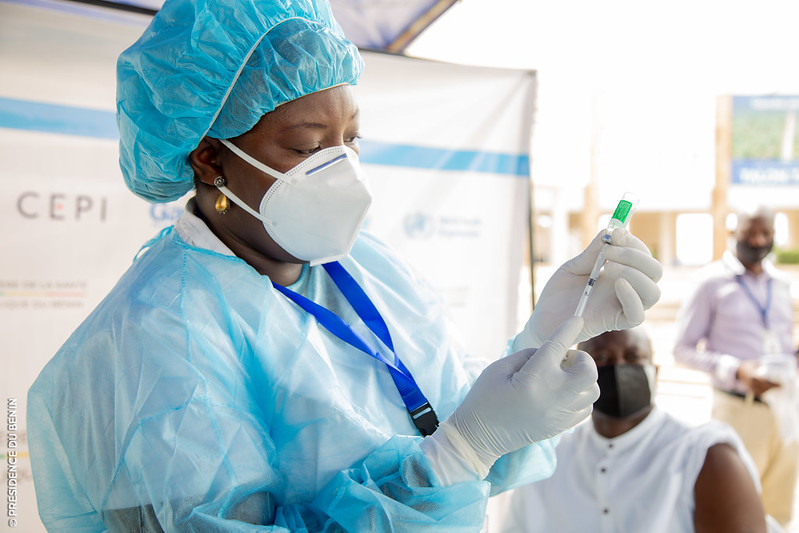
A major challenge Sudan faces in tackling the spread of disease and poverty begins with child immunization. The most prevalent diseases within Sudan include malaria, cholera, measles and dengue fever affecting 3.4 million children under the age of 5 years old. Ongoing conflict has severely disrupted vaccination efforts, worsening children’s access to aid as well as making it increasingly difficult to reach these children with essential, life-saving immunizations. While UNICEF continues to provide critical support in delivering vaccines, sustained investment and stability are essential to protecting public health. UNICEF has been providing support to Sudan since 1952, and in 2024, it helped more than 9.8 million Sudanese individuals access sanitary water and provided education and psychosocial care to 2.7 million children and caregivers. To effectively prevent the spread of infectious diseases, Sudan must prioritize the restoration and continuity of its national immunization program.

Non-communicable diseases (NCDs) represent the leading cause of morbidity worldwide, accounting for 71% of global deaths, and they are becoming more and more prevalent in Sudan. Data from the NCD Progress Monitor shows that the percentage of NCD related mortality had increased from 32% in 2015 to 54% in 2022. Sudan’s progress in implementing NDC policies has been slow as the country achieved five of the 19 NCD targets in 2022.

Organizations Assisting Sudan

Despite immense challenges, several global aid organizations are making an impact, including UNICEF and World Vision who have enabled Sudan’s development by helping individuals who have been directly affected by this ongoing conflict by providing necessary education, food and water and shelter. World Vision has been able to reach more than 3 million individuals, providing them with emergency assistance in Sudan’s unstable climate, making a significant impact. These organizations help to boost social development in Sudan, ultimately aiding them to reduce levels of poverty and increase individual’s livelihoods.

Action Against Hunger is an organization that is fixated on providing care to individuals experiencing this violence and ongoing conflict. It has been working in Sudan since 1985 to provide fresh water and food as well as malnutrition treatment to those deprived of food. From 2023-2024, it has helped more than 815,000 Sudanese people access food by working in 15 different locations in Sudan to reach the optimum number of people. This organization has also been growing rice in flood waters and farming onions, helping to create new emergency services and rebuild livelihoods, ultimately contributing to the resistance of poverty in Sudan.

Advancing With Sustainability and Purpose 

After the breakout of the war in 2023, the International Rescue Committee (IRC) established a prevalent presence in Al Jazirah State where health and nutrition services were provided and assisted 400,000 Sudanese refugees prior to the War. The IRC established a WASH program – which is an integrated water, sanitation and hygiene program – to help disease prevention in Sudan. 

– Carise Wallbank

Carise is based in the UK and focuses on Global Health for The Borgen Project.

Photo: Unsplash
August 3, 2025
https://borgenproject.org/wp-content/uploads/borgen-project-logo.svg 0 0 Jennifer Philipp https://borgenproject.org/wp-content/uploads/borgen-project-logo.svg Jennifer Philipp2025-08-03 01:30:092025-08-01 14:56:23Strengthening Disease Prevention in Sudan 
Disease, Global Health, Global Health

Health Care Crisis: 4 Diseases Impacting Kenya

Diseases Impacting KenyaKenya’s health care system has profoundly suffered as problems like corruption, lack of adequate resources, systemic malpractice, suboptimal policy-making, and Kenya’s ever-increasing poverty rates, amongst other severe issues, pervade Kenya’s fragile health care sector. The current climate crisis has also ignited further issues regarding Kenya’s health care system, as the rate of Neglected Tropical Diseases (NTDs) has drastically increased in recent years. Here are four diseases impacting Kenya.

Malaria

In 2022, Kenya reported around 5 million cases of malaria, with more than 12,000 Kenyans dying as a result of the outbreak. Lack of rainfall and high temperatures have exacerbated the already dire risk of Malaria contamination, as Kenya’s lack of rainfall has created environmental conditions that are highly conducive to Malaria exposure.

Extreme changes in Kenya’s weather patterns have attracted a breed of mosquito, Anopheles Stephensi, which serves as an avid transmitter of malaria. Studies have concluded that the resurgence of the Anopheles Stephensi population in Kenya could potentially expose around 126 million Kenyans to Malaria.

HIV/AIDS

Kenya currently has the seventh largest percentage of people infected with AIDS/HIV globally. Due to the erroneous distribution of health care facilities across Kenya, faulty educational policies and cultural/systemic gender norms, AIDS/HIV reigns as one of the leading causes of death in Kenya. The HIV/AIDS epidemic disproportionately affects women, especially young women (15-24), as women and young girls make up two-thirds of the current percentage of Kenyans living with AIDS/HIV. The current U.S. foreign aid freeze has only exacerbated this issue, as foreign aid has historically accounted for 40% of Kenya’s HIV/AID preventative resource supply.

Cholera

Kenya has historically been a hotspot for frequent Cholera outbreaks and has continued to affect the Kenyan population due to poor sanitation infrastructure and lack of access to clean water. Heavily populated areas like refugee camps, informal settlements, and other highly populated and poorly regulated areas have especially served as hotspots for Cholera contamination.

While efforts like nationwide vaccine distribution, an increase in research towards Cholera prevention/preparedness, and an increase in policy highlighting health care reform in Kenya have helped mitigate outbreaks in recent years, Kenya has had a Cholera outbreak almost every single year since its first outbreak in 1971.

Tuberculosis

In 2016, Tuberculosis was the fourth-leading cause of death in Kenya, and the reported cases of TB contamination have increased sixfold in the last 15 years.  The COVID-19 pandemic only exacerbated these rates, as the percentage of Kenyans who contracted Tuberculosis increased from 49% in 2019 to 61% in 2020. While the spike in Tuberculosis rates has since decreased as the turbulence of the pandemic has decreased, the 2020 Tuberculosis outbreak represents the severe fragility of Kenyan’s health care sector, as statistics have repeatedly shown that the slightest economic, political, health care, or societal issue can seriously exacerbate an already extremely vulnerable healthcare system.

The Future

Though many issues continue to fray the fabric of the health care sector in Kenya, there is hope for the welfare of Kenyan citizens. In 2024, President William Ruto implemented the Social Health Insurance Fund, mandating health care coverage for citizens nationwide.

NGOs like UNICEF and the World Health Organization (WHO) continue to implement immunization programs to reduce diseases impacting Kenya.  Though much work is still necessary when it comes to health care reform in Kenya, the shift in political attention towards healthcare reform, coupled with the persistence of NGO efforts to supply Kenya with the proper resources to combat disease outbreaks, establish that hope for the improvement of Kenya’s fractured healthcare system remains steadfast.

– Ava Lachini

Ava is based in Los Angeles, CA, USA and focuses on Global Health for The Borgen Project.

Photo: Flickr

August 2, 2025
https://borgenproject.org/wp-content/uploads/borgen-project-logo.svg 0 0 Naida Jahic https://borgenproject.org/wp-content/uploads/borgen-project-logo.svg Naida Jahic2025-08-02 03:00:452025-08-01 14:12:16Health Care Crisis: 4 Diseases Impacting Kenya
Disease, Global Health, Global Poverty

Combating Mold and Poor Air in Informal Settlements

Invisible Threat: Combating Mold and Poor Air in Informal Settlements to Boost HealthInformal settlements, often characterized by dense populations, inadequate infrastructure and precarious living conditions, house millions of people worldwide. While visible challenges like the lack of sanitation and access to clean water are widely recognized, a serious and often overlooked threat exists within the very structures these communities rely on: mold and poor air quality. This ongoing issue significantly affects public health, contributing to chronic illnesses and undermining the overall well-being of residents.

The built environment in informal settlements worsens the problem. Residents often construct dwellings from salvaged or low-cost materials that provide minimal insulation and poor ventilation.

Overcrowding is common, further limiting air circulation and increasing humidity. Additionally, many residents rely on open fires or rudimentary stoves for cooking and heating and this releases harmful pollutants into the already confined spaces. The combination of moisture, poor ventilation and indoor pollution creates ideal conditions for mold growth and contributes to dangerously poor air quality in informal settlements.

Health Impacts of Mold and Poor Air

Exposure to mold and poor air in informal settlements has far-reaching health consequences, particularly for vulnerable populations like children, the elderly and individuals with preexisting respiratory conditions.

  • Respiratory Illnesses. Mold spores, when inhaled, can trigger allergic reactions, asthma attacks and other respiratory problems. Chronic exposure to indoor air pollutants, including particulate matter and volatile organic compounds from cooking fires, significantly increases the risk of acute respiratory infections, chronic obstructive pulmonary disease (COPD) and even lung cancer. Children, whose respiratory systems are still developing, are particularly susceptible to these adverse effects.
  • Allergic Reactions and Skin Conditions. Beyond respiratory issues, mold can cause a range of allergic reactions, including skin rashes, itchy eyes and nasal congestion. The damp and unhygienic conditions often associated with informal settlements can also exacerbate existing skin conditions and contribute to new ones.
  • Cognitive and Developmental Impacts. Studies have begun to link exposure to poor indoor air quality, particularly in early childhood, with negative impacts on cognitive development and academic performance. This creates an unfortunate cycle where environmental factors undermine educational opportunities, perpetuating poverty.
  • Mental Health. The constant presence of dampness, mold and poor air in informal settlements can also contribute to stress, anxiety and depression among residents. The feeling of living in an unhealthy and unsafe environment can take a significant toll on mental well-being.

Potential Solutions and Ongoing Efforts

Addressing mold and poor air quality in informal settlements requires a multi-faceted approach that considers the unique challenges of these communities.

  • Improving Housing Design and Materials. Simple design modifications, such as strategically placed windows and vents, can significantly improve airflow and reduce humidity. Educating residents on preventing water intrusion and managing leaks could also play a crucial role. Implementing affordable and moisture-resistant building materials can also help. Organizations like Habitat for Humanity often focus on improving housing conditions, including better ventilation and moisture control. Exploring the use of locally sourced, sustainable materials that offer better insulation and breathability can potentially provide long-term solutions.
  • Enhancing Indoor Air Quality Practices. Promoting access to and adoption of cleaner cooking technologies, such as improved cookstoves or alternative fuels, can significantly reduce indoor air pollution. The Global Alliance for Clean Cookstoves promotes the use of these solutions. Educating residents on simple practices like opening windows when cooking, drying clothes outdoors and maintaining regular cleaning can make a significant difference. Proper waste disposal reduces the presence of damp organic matter that can contribute to mold growth.
  • Community Engagement and Education. Informing residents about the health risks associated with mold and poor air and empowering them with practical solutions is paramount. Supporting local initiatives that focus on improving housing conditions and environmental health can lead to sustainable change. Organizations like Slum Dwellers International (SDI) often work with communities to identify and address their housing and infrastructure needs. Establishing community-based health monitoring programs can help track the prevalence of respiratory illnesses and other health issues linked to indoor air quality, allowing for targeted interventions.
  • Policy and Urban Planning Interventions. Granting secure land tenure to residents of informal settlements can incentivize them to invest in improving their homes and living conditions, knowing they won’t be evicted. Investing in basic infrastructure like drainage systems, piped water and electricity can reduce dampness and the reliance on polluting energy sources.
  • Integrated Urban Planning. Incorporating health considerations into urban planning for informal settlements, with a focus on ventilation, open spaces and access to services, is crucial for long-term public health. UN-Habitat supports inclusive and sustainable urbanization.

A Healthier Future for Informal Settlements

Addressing mold and poor air in informal settlements appears to go beyond improving housing; it also involves safeguarding public health, strengthening resilience and reducing poverty linked to environmental conditions. Implementing strategies that combine improved housing, cleaner practices, community engagement and supportive policies can help mitigate these risks and improve outcomes for affected communities.

– Anoushka Rai

Anoushka is based in Frisco, TX, USA and focuses on Technology and Global Health for The Borgen Project.

Photo: Flickr

August 1, 2025
https://borgenproject.org/wp-content/uploads/borgen-project-logo.svg 0 0 Precious Sheidu https://borgenproject.org/wp-content/uploads/borgen-project-logo.svg Precious Sheidu2025-08-01 03:00:272025-08-01 04:49:16Combating Mold and Poor Air in Informal Settlements
Disease, Global Poverty, Health

Trachoma in Burundi: How Burundi Beat Trachoma

Trachoma in BurundiAfter a long history of trials and tribulations, the WHO has declared Burundi free of trachoma as a public health risk. This marks a major milestone in the country’s health, as only seven others in its region have achieved such a feat. The World Health Organization (WHO) celebrates this milestone not just as Burundi eliminated trachoma, but as the first neglected tropical disease the country has successfully eradicated.

The Impact of Trachoma

Trachoma is a bacterial eye disease caused by Chlamydia trachomatis. It remains a public health problem in 32 countries, primarily in impoverished regions with weak or nonexistent water, sanitation and hygiene infrastructure. The disease spreads through direct contact with the eye and nasal discharge from infected individuals, especially children, or indirectly through flies that have come into contact with these secretions.

In severe cases, blindness from trachoma is irreversible, making early intervention critical. Globally, trachoma is the leading infectious cause of blindness, with millions of people at risk, particularly in sub-Saharan Africa. The disease disproportionately affects women and children, who are often the primary caregivers and more likely to be in close contact with infected individuals.

In Burundi, poor access to clean water and proper sanitation, especially latrines, has historically contributed to the spread of disease. Rural areas often rely on shared or open defecation sites, which attract flies and increase exposure risk. Limited public awareness and inadequate hygiene education further exacerbated the situation, allowing trachoma to persist unchecked for years.

Progress Over Time

According to baseline surveys conducted in 2007-2010, more than 5% of children aged 1-9 had trachoma, indicating that it was endemic in multiple parts of the country. WHO intervened with its SAFE strategy and provided aid across 12 districts. The government of Burundi also cooperated by following WHO guidelines and mapping the disease. Although WHO aimed to eliminate trachoma by 2020, Burundi missed this target due to delays in implementing the strategy across several regions.

From 2018 to 2021, the National Institute of Health (NIH) conducted a public health survey to record the baseline impact of trachoma on Burundi. The results showed that the prevalence of trachoma in Burundi exceeded the ideal threshold and that only around 8% of households had access to sanitary latrines. In 2023, however, things had changed. The WHO reported that, among several other countries, Burundi had met the threshold for eliminating trachoma.

It accomplished this by successfully implementing the SAFE strategy across the country and increasing sanitation (though it is still relatively poor). After two years of consistently meeting the threshold, the WHO declared Burundi free of trachoma as a public health risk.

Final Remarks

Burundi’s trachoma elimination reflects years of persistent effort, collaboration and community health interventions. While challenges remain in sanitation, this success proves the country can overcome major public health threats with sustained action.

– Cayle Harrison

Cayle is based in Columbia, SC, USA and focuses on Global Health and Politics for The Borgen Project.

Photo: Flickr

July 30, 2025
https://borgenproject.org/wp-content/uploads/borgen-project-logo.svg 0 0 Lynsey 2 https://borgenproject.org/wp-content/uploads/borgen-project-logo.svg Lynsey 22025-07-30 07:30:422025-07-30 02:56:14Trachoma in Burundi: How Burundi Beat Trachoma
Disease, Global Poverty, Health

Chagas Disease in Bolivia: A Public Health Crisis in Rural Areas

Chagas Disease in Bolivia: A Public Health Crisis in Rural Areas Bolivia is a landlocked country in South America, bordered by Brazil to the north and east, Paraguay and Argentina to the south and Chile and Peru to the west. With a population of more than 12 million people, Bolivia is one of the most culturally diverse nations on the continent, home to numerous Indigenous groups. Politically, it is a presidential republic and around 78% of its population identifies as Roman Catholic. Despite progress in democratization and economic development, Bolivia still grapples with poverty, limited access to health care in rural areas and stark regional inequalities.

When it comes to public health, Bolivia faces a unique and often overlooked challenge: Chagas disease. Caused by a parasite transmitted by blood-sucking insects, this tropical disease has quietly affected hundreds of thousands, particularly in impoverished, rural communities. Bolivia has one of the highest rates of Chagas infection in the world, making it both a public health burden and a social justice issue. This article explores the reality of Chagas disease in Bolivia and the ongoing efforts to fight it.

Chagas Disease in Bolivia

Chagas disease in Bolivia, caused by the parasite Trypanosoma cruzi, continues to pose a serious public health challenge across Latin America and Bolivia remains one of the most affected countries. The disease is widespread across Bolivia, with seven out of the country’s nine departments considered endemic, regardless of altitude. Although major international health efforts, especially those targeting insect vectors and the safety of blood transfusions, have led to a significant decline in infection rates over the past two decades, the burden is still considerable.

By 2005, Bolivia reported around 620,000 cases of infection, down from more than a million in the mid-1980s. Before large-scale control efforts began in 2000, infection rates in Bolivia were alarmingly high, with 90% of adults infected. In 2025, approximately 80% of Bolivian territory is considered endemic. Despite progress, health authorities still diagnose more than 10,000 new cases each year.

The Knowledge of Citizens

People living in rural parts of Bolivia are much more familiar with the insect that spreads Chagas disease. In many rural communities, more than 80% of people could easily recognize the vinchuca, a blood-sucking bug responsible for spreading the parasite. In contrast, only about half of the residents in cities like La Paz and around two-thirds in Santa Cruz were able to identify it correctly. Many rural communities know when it’s most active—often during hot and dry weather—and describe how it enters homes from nearby forests or hides near animal shelters. Locals also talk about its nighttime activity and blood-feeding habits. Interestingly, some communities have noticed a decline in the number of vinchucas in recent years, though the threat is still very real.

Fighting the Illness

Since 2015, Médecins Sans Frontières has been working with Bolivia’s Ministry of Health to improve care for Chagas disease, especially in remote rural areas. One of its most innovative efforts is eMOCHA, a mobile system that allows people to report sightings of triatomine bugs (vinchucas) via free SMS messages. The system uses GPS technology to send technicians directly to affected homes for fumigation and follow-up. Previously, this process could take up to a month—now it happens within days. The pilot project in Narciso Campero Province has shown promising results and may be expanded nationwide or adapted for tracking other diseases.

MSF has also provided training to rural health centers, donated medical supplies like electrocardiography devices and rapid tests and helped treat hundreds of Chagas patients in areas like Monteagudo. Its model suggests that it’s possible to deliver diagnosis and treatment at the primary care level—even in Bolivia’s most remote communities. MSF is now working on a comprehensive manual, in partnership with the Ministry of Health, to help scale the program to other endemic regions.

Looking Ahead

While often overlooked, Chagas disease remains a daily reality for many Bolivians—especially those in rural areas. With the impact of community knowledge, international support and smart technology, progress is underway. However, the road to full disease control remains long and sustained investment is essential.

– Julia Skowrońska

Julia is based in Wrocław, Poland and focuses on Global Health for The Borgen Project.

Photo: Flickr

July 30, 2025
https://borgenproject.org/wp-content/uploads/borgen-project-logo.svg 0 0 Precious Sheidu https://borgenproject.org/wp-content/uploads/borgen-project-logo.svg Precious Sheidu2025-07-30 02:28:112025-07-31 11:44:56Chagas Disease in Bolivia: A Public Health Crisis in Rural Areas
Disease, Global Poverty, Health

Organizations Advancing Disease Prevention in Serbia

Disease Prevention in SerbiaSerbia, a country in the Western Balkans between Southeastern and Central Europe, faces many diseases. It is suffering from the dual burden of communicable and noncommunicable illnesses to the growing threat of antibiotic-resistant bacteria spreading across Europe. Health organizations are working relentlessly to strengthen disease prevention efforts in Serbia.

European Center for Disease Prevention and Control

Over the past few months, the European Center for Disease Prevention and Control (ECDC) has visited Serbia. It aims to better understand the strengths and weaknesses of Serbia’s handling of communicable diseases, antimicrobial resistance (AMR) or antibiotic-resistant bacteria.

AMR is a major global concern as antibiotic use continues. Within the European Union (EU) alone, 35,000 people die each year from antimicrobial-resistant bacteria. The visits by ECDC experts ensure that roadmaps can be produced to follow AMR trends across the country, focusing on important sectors such as public safety, human and animal health.

The ECDC organized these visits using a “One Health” approach. The approach is a collaborative, multi-sectoral goal to achieve positive health for humans, animals and the environment, recognizing that the health of these three groups is interconnected. Using the approach, the EU hopes to increase disease prevention in Serbia and throughout Europe.

In addition to supporting the One Health initiative, the ECDC visited Serbia to help strengthen the surveillance of communicable diseases. On March 18, 2025, the agency released a report on its visit outlining several key recommendations:

  • Case definition revision. Revise case definitions within Europe’s most recent legal framework to understand “notifiable” diseases at the EU level in 2025.
  • Decrease surveillance burden for data providers. An automatic “integration of clinical and laboratory data” will decrease the chance of error within the system.
  • Improve notification timelines. Hold more meetings with stakeholders to collect overviews of notifications, which will aid in the surveillance of diseases.

The World Bank Group

The World Bank Group began a Noncommunicable Disease Prevention and Control Project for Serbia to aid in improving the Serbian health system. Efforts within the project include five main goals:

  • Improving the competence of providers.
  • Increasing accessibility to services.
  • Strengthening clinical and public health services.
  • Supporting project management, monitoring and assessment.
  • Improve government response in cases of emergency.

The World Bank Group initiated the project in December 2024. Efforts in the project are primarily focused on health facilities and construction, with a secondary focus on health and a tertiary focus on public administration. While the completion ratings and results have yet to be reported, the World Bank Group has reported “satisfactory” reviews for its management and progress in achieving the project goals.

Conclusion

The initiatives taken by groups like the ECDC and the World Bank Group are the first but the most important steps in securing a healthy future for the people in Serbia and worldwide. Suppose projects like the One Health approach improve Serbia’s prevention and control of disease. In that case, the broader application of this method can improve health systems in other developing countries.

– Matthew Perduk

Matthew is based in Chantilly, VA, USA and focuses on Good News and Global Health for The Borgen Project.

Photo: Flickr

July 28, 2025
https://borgenproject.org/wp-content/uploads/borgen-project-logo.svg 0 0 Lynsey 2 https://borgenproject.org/wp-content/uploads/borgen-project-logo.svg Lynsey 22025-07-28 07:30:272025-07-28 01:48:33Organizations Advancing Disease Prevention in Serbia
Agriculture, Disease, Global Poverty

Clearing Invasive Water Weeds in Senegal Fights Disease

Clearing invasive water weeds in SenegalIn rural northern Senegal, a surprising anti-poverty strategy is taking root: cutting down invasive aquatic weeds. These plants, often seen as nothing more than a nuisance, are now at the center of a low-cost, community-led solution to two pressing issues: disease and declining farm productivity. Local villages are improving public health and raising agricultural incomes by removing vegetation that hosts disease-carrying snails and turning it into compost.

Schistosomiasis: A Barrier to Health and Economic Growth

This initiative targets schistosomiasis, a parasitic infection spread by snails that inhabit stagnant water. The disease affects more than 200 million people globally, mostly in sub-Saharan Africa. Infected individuals, especially children, suffer from fatigue, stunted growth and organ damage, which limit both education and income-generating potential. Senegal’s Saint-Louis region has long been a hotspot for the disease.

However, rather than relying solely on drug treatments, researchers from Cornell University and the University of Notre Dame partnered with eight Senegalese villages to try a local intervention: vegetation removal. Over three years, communities cleared more than 400 tons of invasive aquatic weeds from rivers, lakes and irrigation points. Within months, snail populations dropped by and schistosomiasis infections among children declined significantly.

Composting Waste Into Agricultural Wealth

The removed invasive weeds were composted and used to fertilize local crops such as onions, peppers and rice. Farmers who used the compost reported better soil quality, larger harvests and reduced need for synthetic fertilizers. As Molly Doruska, lead author of the study, explained, “This is about really thinking hard about the microeconomics in the cycle of poverty and disease, really thinking hard about households making decisions and the tradeoffs that they’re facing.”

Researchers developed a bioeconomic model to estimate the long-term impact of the intervention. The results were promising: communities that participated in vegetation removal and composting saw improved household incomes and lower rates of schistosomiasis. The low cost of implementation, using only machetes, baskets and compost pits, makes it both scalable and sustainable.

Environmental and Gender Benefits

The strategy yields environmental wins as well. Clearing invasive water weeds in Senegal helps restore freshwater ecosystems, reduces erosion and improves access to water. The composted material replaces chemical fertilizers, cutting input costs and supporting soil health. The approach also has significant gender implications. In many rural households, women are primarily responsible for water collection and caregiving. With fewer children getting sick, women could have more time for farming, education or income-generating activities.

Beyond physical health, the intervention contributes to long-term social development. Reduced infection rates mean more children can attend school regularly without suffering from the fatigue or pain associated with schistosomiasis. In addition, the project has sparked environmental awareness. In participating communities, residents now better understand the link between environmental care and health outcomes and many have begun to self-organize cleanup efforts.

Scalability Across the Continent

Experts believe this “win-win-win” model could be replicated across other parts of sub-Saharan Africa where schistosomiasis and aquatic vegetation are prevalent. Since the required tools are simple and the work is labor-based, it can be easily adapted to local conditions. It also aligns with several Sustainable Development Goals (SDGs), including No Poverty, Good Health and Well-being, Gender Equality and Life on Land.

Clearing invasive water weeds in Senegal has proven that locally driven, low-cost interventions can have wide-reaching benefits. By removing harmful plants and turning them into a resource, communities reduce disease and invest in their economic futures. In the global fight against poverty, sometimes the most effective tools are machetes, compost piles and a little teamwork.

– Mamie Hirsh

Mamie is based in Berkeley, CA, USA and focuses on Good News and Celebs for The Borgen Project.

Photo: Flickr

July 28, 2025
https://borgenproject.org/wp-content/uploads/borgen-project-logo.svg 0 0 Lynsey 2 https://borgenproject.org/wp-content/uploads/borgen-project-logo.svg Lynsey 22025-07-28 01:30:132025-07-27 16:19:41Clearing Invasive Water Weeds in Senegal Fights Disease
Disease, Global Poverty, Health

Diseases Impacting Egypt

Diseases Impacting EgyptEgypt, a country known for its pyramids and ancient civilizations, is facing a public health crisis. Sanitation, lifestyle habits and limited health care access, which are all characteristics of poverty, have led to multiple diseases impacting the Egyptian population. Ischaemic heart disease, kidney disease, liver disease and strokes are the prominent diseases impacting Egypt. Though these illnesses are among the top leading causes of death in Egypt, there are organizations and researchers that are successfully making a change that incorporates ending poverty.

Ischaemic Heart Disease (IHD)

IHD is the leading cause of death in Egypt. Commonly known as coronary artery disease, the AHA describes it as heart damage due to narrowed heart arteries. According to the World Health Organization (WHO), it is responsible for 129.3 deaths per 100,000 in Egypt. Poor diet and low physical activity are both factors that can cause IHD and are also caused by poverty. Low-income communities are more likely to be exposed to unhealthy lifestyles like poor nutrition and limited health care access because of financial instability.

To fight this disease and any others, poverty has to be addressed. Extending clinics to rural regions with affordable care options will help fight the problem. Community education programs will bring awareness about diseases impacting Egypt and aid prevention. To raise awareness, the Egypt Healthcare Authority and the Egyptian Society of Cardiology teamed up to start the “Discover the Undiscovered” campaign. By partnering with 45 health facilities, they have been able to bring vast awareness to this dominating disease. Not only will each of these actions help IHD victims, but it also actively combats poverty.

Kidney Disease

Chronic kidney disease has become an increasing health concern for the adult population and is high among the diseases impacting Egypt. It has become so prevalent that it is among their leading causes of death. According to the Mayo Clinic, chronic kidney disease is the gradual loss of kidney function.

Limited health care access and the lack of annual screenings result in most of their diagnoses occurring at severe stages. Issues due to poverty like contaminated water, limited health screenings and low health literacy have all contributed to the rise in kidney disease. Polluted water can damage kidneys over time, and the effects are more dangerous in areas where there is no proper filtration. In underdeveloped areas, there is a low health literacy and limited access to health care, which leads to a lack of health screenings, and results in the disease advancing. Clean water access, early screening and awareness programs are ways to fight poverty as well as addressing the rise of kidney disease.

The Egyptian Society of Nephrology and Transplantation has begun a mission to raise awareness, gain early detection and research into kidney disease. They have successfully collaborated with other medical societies to exchange knowledge and gain expertise. These efforts have made changes to health access and ending poverty.

Cirrhosis of the Liver

Another disease that is taking hold in Egypt is liver disease, more specifically cirrhosis of the liver. According to the Mayo Clinic, cirrhosis disease causes the advanced scarring of the liver. The most likely cause of cirrhosis is typically alcohol consumption or hepatitis. Poor sanitation, lack of health care access and poor nutrition are poverty factors that have contributed to the rise of this disease. 

The Egyptian Association for Research and Training in Hepato-Gastroenterology (EARTH) aims to advance research and improve treatment for the millions of Egyptians who have liver disease. They have been able to foster research that has led to improved treatment options. EARTH has organized educational conferences with other medical organizations to exchange the latest clinical practices and innovations. They also use peer networking to communicate new knowledge and discoveries that through time leads to research findings that combats this disease. With these new efforts, they are building a stronger domestic health care system by reducing the dependence on foreign aid and making treatment more affordable and accessible. 

Stroke

Strokes are also among the diseases impacting the Egyptian population. According to the Cleveland Clinic, a stroke is a disease in which a blood clot or broken vessel prevents blood from getting to your brain. Low health literacy and financial problems that feed into poverty issues have led to treatment delays, thus the acceleration of the disease. Establishing stroke-ready hospitals in rural areas as well as adapting health care access to reasonable levels will fight strokes and poverty.

The Ain Shams Neurology is an Egyptian research department that has made progress in the research and treatment of stroke victims. Ain Shams established the first stroke units in Egypt, and it remains among the leading units in the country. It has not only been able to treat and manage patients, but the department also provides education programs for students. 

Looking Ahead

The people of Egypt face numerous health concerns. The diseases impacting Egypt are in fact poverty-linked. Fighting poverty as well as disease takes time and resources that Egypt is actively trying to find. Through this hardship, there have come many organizations that have fought to help the sick. Researchers have made substantial progress with the research of these diseases, bringing unprecedented attention and progress to Egyptian health care, and in ending poverty as well. 

– Emily Herlehy

Emily is based in Denton, TX, USAand focuses on Global Health for The Borgen Project.

Photo: Unsplash
July 26, 2025
https://borgenproject.org/wp-content/uploads/borgen-project-logo.svg 0 0 Jennifer Philipp https://borgenproject.org/wp-content/uploads/borgen-project-logo.svg Jennifer Philipp2025-07-26 03:00:462025-07-25 16:50:35Diseases Impacting Egypt
Disease, Global Health, Global Poverty

Drug-Resistant Tuberculosis Treatment in Peru

Tuberculosis Treatment in PeruPeru, located in western Latin America, has one of the highest tuberculosis rates in the region, with 33,000 reported tuberculosis cases in 2023. However, the country is leading efforts to improve treatment.

What Is Tuberculosis?

Tuberculosis is one of the most deadly infectious diseases in the world. It is an airborne disease that attacks the lungs, but it can also affect the kidneys, spine and brain. While antibiotics are used to treat tuberculosis, some people develop drug-resistant strains, meaning the bacteria no longer respond to the usual medications.

Treating drug-resistant tuberculosis requires special medications, which can cause side effects and may take months or even years to work. In comparison, non-drug-resistant tuberculosis typically takes up to nine months to treat.

Tuberculosis Treatment in Peru

Every year, doctors in Peru diagnose around 1,500 people with multidrug-resistant tuberculosis, one of the most difficult forms of the disease to treat. The standard treatment can take up to two years and involves daily pills along with two or three injections a day. That changed in 2024, when Peru became one of the first countries in Latin America to adopt new treatments for drug-resistant tuberculosis: bedaquiline, pretomanid, linezolid and moxifloxacin (BPaLM). These regimens are shorter, take just six months and eliminate the need for injections.

This shorter treatment period comes with several benefits. Patients need fewer visits to the health center, reducing their transportation costs. It also causes fewer side effects than previous treatments. Fewer visits make it easier for people to stay in treatment while continuing to work. Peru did not implement this new treatment program overnight. Since 2023, doctors, nurses and health monitors have been receiving training on how to use the treatment, manage its potential side effects and support patients throughout both treatment and recovery.

The new regimen is also included in Peru’s National Tuberculosis Plan, which makes tuberculosis treatment free for patients. The new treatment, with all its benefits, has proven successful. More than 1,200 people have received the shorter regimen as of March 2025 and treatment success rates have increased from 60% to 90%. Additionally, dropout rates, the number of people who stop treatment, have dropped from 25% to just 7%.

Leading the Way in Tuberculosis Treatment

As a result of its success in implementing the new treatment, Peru is leading the way in tuberculosis treatment. In June, Peru held a regional meeting that brought together 20 different countries to accelerate collaboration and scale-up of the implementation of the new treatment. The meeting was held with PeerLINC, a global peer-to-peer knowledge hub for tuberculosis. About 200 clinicians and health officials participated in the meeting and the training on the new treatment.

Peru’s experience shows that with strong national leadership, targeted training and patient-centered care, even the most challenging forms of tuberculosis can be effectively treated. By cutting treatment time, reducing side effects and improving success rates, Peru is setting a new standard for managing drug-resistant tuberculosis in Latin America and globally. As other countries look to replicate this success, Peru’s progress offers a powerful example of how innovation and commitment can transform public health outcomes.

– Axtin Bullock

Axtin is based in Georgetown, MA, USA and focuses on Technology and Global Health for The Borgen Project.

Photo: Unsplash

July 23, 2025
https://borgenproject.org/wp-content/uploads/borgen-project-logo.svg 0 0 Lynsey 2 https://borgenproject.org/wp-content/uploads/borgen-project-logo.svg Lynsey 22025-07-23 07:30:322025-07-23 00:57:57Drug-Resistant Tuberculosis Treatment in Peru
Disease, Global Poverty, Health

Palliative Peace: Cancer Patients in Syria

Cancer in SyriaThe consequences of war are immense; it impacts every aspect of life, from transportation to crop cultivation and the ash and smoke of conflict taints everything. Countrysides are ravaged, cities are turned to rubble and families are displaced, but all that is widely known; however, what is not frequently discussed is the systematic harm.

For 13 years, Syria was plagued by a violent civil war and during this time, people who had cancer found themselves in a precarious situation. Oncology institutions suffered from scarce supplies, staff and necessary medical equipment. Even in the developed world, cancer remains a prominent reason for mortality. With conflict, this issue is exacerbated and worsened.

Challenges

War affects every aspect of ontology care. For one, the ability of patients to continue financing treatment is hindered. Despite the abundance of humanitarian assistance and aid programs, many Syrians experience severe financial distress, with social support, medical insurance frameworks and affordable treatment being conspicuously absent. This burden results in treatment costs exceeding 40% of a household’s capacity to pay. However, this matter is intensified by the number of internally displaced persons living in the territories of the Idleb and Aleppo governorates. It is a structural predicament, derived from the base of all institutions being shaken by the roar of artillery.

It’s not just patients who suffer; the oncology institutions are also affected. Supplies are limited due to the logistical challenges caused by the conflict. Most advanced oncology centers are concentrated in major cities, making it extremely difficult for people in other parts of the country to access essential care. The Al-Bayrouni center in Damascus is responsible for a significant portion of care; further, such an institution is the only location in the country able to address thyroid care. Uncommon cancers can only be treated in specialized departments, which are only present in specified localities.

Confounding factors, such as cost, location and scarcity, combine to worsen the effects of cancer. These barriers prevent patients from accessing essential palliative care, allowing the disease to progress unchecked. As a result, mortality rates rise, with early-stage cancers advancing rapidly to more severe stages. Between 2019 and 2022, 61% of cancer patients in Syria were stage III or above at diagnosis, which exemplifies the issue. Even at the conception of care, the ailment is too far developed for adequate and affordable remedies, making the process easy to ameliorate.

Solutions and Aftermath

The abdication of Bashar Al-Assad has induced a dramatic shift in the domestic conditions of Syria. The underlying conditions for many of the present maledictions abated with the presence of the new administration. The newfound peace rectifies issues derived from logistical limitations; roads no longer carry the burden of armed militants and paramilitary organizations, which means that both individuals can travel with relative ease and supplies can be rendered more efficiently.

In an important administrative step, the debt of Syria has been paid for by the Gulf States, thereby allowing for additional loans from the World Bank. This exciting opportunity heralds the possibility for the revitalization of infrastructure, such as medical institutions, roads and state-sponsored welfare programs. The creation of a robust framework is not possible and, in topological terminology, a base capable of holding additional structures is now present.

If these corrections are implemented, the people of Syria will benefit greatly. Tangible societal changes could make medical care in Syria more affordable, reducing mortality rates and giving low-income populations access to essential cancer treatment. Affordable health care is a cornerstone for survival; it creates a healthier, more productive population capable of working, saving and contributing to the economy. As the conflict subsides, medical institutions could be revitalized through international support, domestic stability and strengthened oncology infrastructure.

Conclusion

Many of the challenges rooted in the conflict may begin to ease as a transitional state takes shape, fostering a fragile but hopeful peace. This shift will directly benefit people with low incomes, who will gain access to a developing market capable of meeting critical health care needs. Additionally, the rate of brain drain is likely to fall, allowing for a stable labor force. A new horizon is emerging, with a bright future dawning over a land once shrouded in darkness.

– Jackson Hufman

Jackson is based in Glenwood, MD, USA and focuses on Good News and Politics for The Borgen Project.

Photo: Flickr

July 23, 2025
https://borgenproject.org/wp-content/uploads/borgen-project-logo.svg 0 0 Lynsey 2 https://borgenproject.org/wp-content/uploads/borgen-project-logo.svg Lynsey 22025-07-23 03:00:012025-07-23 00:39:08Palliative Peace: Cancer Patients in Syria
Page 8 of 74«‹678910›»

Get Smarter

  • Global Poverty 101
  • Global Poverty… The Good News
  • Global Poverty & U.S. Jobs
  • Global Poverty and National Security
  • Innovative Solutions to Poverty
  • Global Poverty & Aid FAQ’s
Search Search

Take Action

  • Call Congress
  • Email Congress
  • Donate
  • 30 Ways to Help
  • Volunteer Ops
  • Internships
  • Courses & Certificates
  • The Podcast
Borgen Project

“The Borgen Project is an incredible nonprofit organization that is addressing poverty and hunger and working towards ending them.”

-The Huffington Post

Inside The Borgen Project

  • Contact
  • About
  • Financials
  • President
  • Board of Directors
  • Board of Advisors

International Links

  • UK Email Parliament
  • UK Donate
  • Canada Email Parliament

Get Smarter

  • Global Poverty 101
  • Global Poverty… The Good News
  • Global Poverty & U.S. Jobs
  • Global Poverty and National Security
  • Innovative Solutions to Poverty
  • Global Poverty & Aid FAQ’s

Ways to Help

  • Call Congress
  • Email Congress
  • Donate
  • 30 Ways to Help
  • Volunteer Ops
  • Internships
  • Courses & Certificates
  • The Podcast
Scroll to top Scroll to top Scroll to top