• Link to X
  • Link to Facebook
  • Link to Instagram
  • Link to TikTok
  • Link to Youtube
  • About
    • About Us
      • President
      • Board of Directors
      • Board of Advisors
      • Financials
      • Our Methodology
      • Success Tracker
      • Contact
  • Act Now
    • 30 Ways to Help
      • Email Congress
      • Call Congress
      • Volunteer
      • Courses & Certificates
      • Be a Donor
    • Internships
      • In-Office Internships
      • Remote Internships
    • Legislation
      • Politics 101
  • The Blog
  • The Podcast
  • Magazine
  • Donate
  • Click to open the search input field Click to open the search input field Search
  • Menu Menu

Archive for category: Disease

Information and news about disease category

Disease, Global Health, Global Poverty

New Center for Nuclear Medicine in Uzbekistan to be Established

Nuclear Medicine in UzbekistanCancer occurs in roughly 108 people per 100,000 people in Uzbekistan. Compared to the rest of the world, this rate is relatively low. However, Uzbekistan’s cancer mortality rate sits at around 67%, an alarmingly high number. Breast, stomach, and cervical cancers are the most common diagnoses. Luckily, Uzbekistan is working to change this.

New Nuclear Medicine Center in Uzbekistan

The Uzatom Agency, the Uzbek executive authority responsible for implementing state policy for atomic energy use, and the S. Berezin Medical Institute (MIBS) have formed a partnership to open a new medical center to introduce modernized nuclear medicine in Uzbekistan. This project was announced at the St. Petersburg International Economic Forum and will be supported by the Ministry of Health of the Republic of Uzbekistan.

Founded in 2003, the S. Berezin Medical Institute established networks of diagnostic centers and providing new diagnostic technology and treatment methods. MIBS operates more than 80 centers across 60 cities in the Commonwealth of Independent States (CIS). Annually, MIBS provides more than 1.5 million MRI and CT scans, as well as 4,000 examinations every day.

Focusing on Nuclear Medicine in Uzbekistan

The agreement between the Uzatom agency and MIBS aims to focus on implementing nuclear medicine in Uzbekistan as an integral part of improving and modernizing the country’s healthcare system, specifically its oncology care system.

The center will have new, state-of-the-art equipment for numerous procedures and services. It could have technology capable of performing positron emission tomography combined with computed tomography (PET/CT), magnetic resonance imaging (MRI), computed tomography (CT), and high-precision radiosurgery systems, like Gamma Knife and CyberKnife. There are also plans to equip the center with a laboratory for the production of radiopharmaceuticals, radioactive drugs used for diagnostic imaging and treatment. Additionally, the center will provide radionuclide therapy and perform isotopic-based diagnostic research.

This new nuclear medicine center will improve upon Uzbekistan’s health care system by providing doctors with the technology to detect cancer earlier than previously possible, track metastases, and treat a patient’s tumors and complex diseases rather than defaulting to surgery and painful operations.

Improving Uzbekistan’s Health Care System

This project is part of Uzbekistan’s goal to modernize its health care system and to start rolling out reforms by 2026.

A series of reforms have already been established in the Syrdarya region of the country. As of September 2023, some achievements of these reforms include the establishment of a state health insurance fund, a more structured primary health care (PHC) system, new provider payments and contracts with health facilities, and advanced e-health information systems for pharmacies.

A report by the World Health Organization (WHO) specifically emphasizes the successes of the PHC reform in Syrdarya. It holds the following accomplishments in high regard: expanded roles and increased autonomy for nurses, greater capacity for family doctors to spend more time on complex cases, evidence-informed clinical guidelines and protocols, and stronger connections between PHC teams and community health organizations.

More Efficient and Organized

The successful execution of these reforms has laid a foundation for a more efficient and organized health care system beyond Syrdarya and across Uzbekistan. With the introduction of centers for nuclear medicine in Uzbekistan and other healthcare reforms in the works, the country is making great progress towards its goal of modernizing its health care system and creating a healthier country.

– Hannah Fruehstorfer

Hannah is based in Pittsburgh, PA, USA and focuses on Good News and Global Health for The Borgen Project.

Photo: Flickr

July 5, 2025
https://borgenproject.org/wp-content/uploads/borgen-project-logo.svg 0 0 Naida Jahic https://borgenproject.org/wp-content/uploads/borgen-project-logo.svg Naida Jahic2025-07-05 01:30:432025-07-04 12:16:33New Center for Nuclear Medicine in Uzbekistan to be Established
Disease, Global Health, Global Poverty

Disease Prevention in Sierra Leone

Disease Prevention in Sierra LeoneDisease has inflicted much damage across Sierra Leone, causing the country to have an average life expectancy of only 61 years compared to the global average of 73. However, with help from various health organizations and policies, disease prevention in Sierra Leone has improved.

Infection Prevention and Control

During the Ebola outbreak from 2013 to 2015, 8,706 citizens of Sierra Leone were infected with Ebola. At the time, limited awareness of hygiene and infection control was an issue among Sierra Leone’s healthcare providers. To combat this, Sierra Leone’s Ministry of Health and Sanitation created a National Infection Prevention and Control Unit, or NIPCU, to provide oversight in all Health care processes. With the new implementation of policies and standardized training, the NIPCU serves to bring a united front for disease prevention in Sierra Leone. 

As of 2016, the NIPCU established 28 isolation units across Sierra Leone, providing a total bed capacity of 190, and trained a total of 8,221 health workers. The Infection Prevention and Control policies provided a much-needed form of organized education and training within Sierra Leone. However, caring for the ill requires a group effort.

Centers for Disease Control and Prevention

Going hand in hand with IPC, the Centers for Disease Control began helping Sierra Leone during the Ebola epidemic by training healthcare workers. The CDC also supported Sierra Leone during the COVID-19 pandemic, which saw a total of 7,674 confirmed cases. To combat COVID-19, the CDC introduced an IPC Certification Course, whose graduates continue assisting people infected with COVID-19. 

As of March 2021, 43 graduates of Sierra Leone’s Advanced IPC Certification Course serve as mentors and supervisors, providing continued oversight of the practices established by the IPC and CDC. The success of the CDC continues to guide Sierra Leone towards other disease treatments. According to the CDC, Sierra Leone’s National HIV Response is looking at epidemic control by 2030.  

International Federation of Red Cross


Supporting the Sierra Leone Red Cross, the International Federation of Red Cross has helped prepare communities to stop the spread of diseases, such as measles, Acute watery diarrhea, and viral hemorrhagic fever. The IPC and the CDC focus on preparing communities for outbreaks and disease prevention in Sierra Leone. However, the IFRC emphasizes community engagement, resilience building, education, and transportation in addition to their volunteer and training efforts. Activities include:

  • Preparing various sectors on how to  respond to potential outbreaks to maintain the economy
  • Training media to convey important lifesaving information to affected communities
  • Interacting with students, teachers, and schools to prepare them with important epidemic messages and referrals.

The IFRC and Sierra Leone Red Cross have trained over 200 government partners and volunteers in disease preparedness and community surveillance.

The organizations and policies working in Sierra Leone have made strides in creating a standardized system for monitoring, preparation, and prevention in Sierra Leone. While there is still work to be done in improving health in the country, the progress made in education and training in Sierra Leone is essential in the journey ahead.

– Matthew Perduk

Matthew is based in Chantilly, VA, USA and focuses on Good News and Global Health for The Borgen Project.

Photo: Flickr
June 28, 2025
https://borgenproject.org/wp-content/uploads/borgen-project-logo.svg 0 0 Kim Thelwell https://borgenproject.org/wp-content/uploads/borgen-project-logo.svg Kim Thelwell2025-06-28 07:30:372025-06-27 21:42:34Disease Prevention in Sierra Leone
Disease, Global Health, Global Poverty

Sanitation Improvements in Uganda: Empowering Youth Innovation

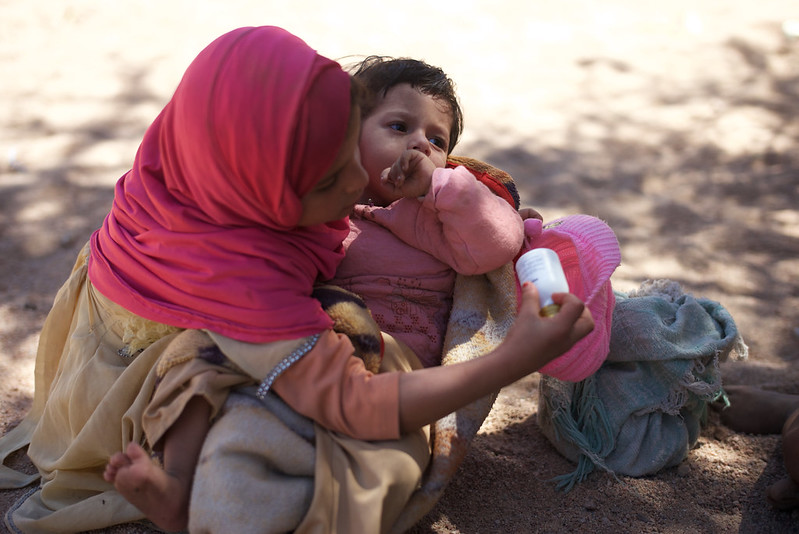
sanitation improvements in UgandaIn Uganda, more than 24 million people—more than 60% of the population—lack access to basic drinking water services. Nearly one in 10 still practice open defecation and two-thirds of households do not use soap when washing. Despite these challenges, the country continues to make progress in improving school hygiene and sanitation. Local youth are leading many of these efforts. Across the country, students and communities collaborate on projects that address public health concerns and support sustainable development. These sanitation improvements in Uganda strengthen education, especially for girls and help protect children from preventable diseases.

Addressing a National Sanitation Crisis

Many Ugandan schools still face serious challenges related to water, sanitation and hygiene (WASH). According to UNICEF, nearly 30% of schools do not have usable toilets and 40% lack access to handwashing stations. These shortages contribute to frequent illnesses, absenteeism and high dropout rates, particularly among girls, who are more likely to miss school during menstruation when hygiene facilities are inadequate.

The Centre for African Justice notes that poor WASH conditions in schools harm students’ health, attendance and dignity. While Uganda has policies like the School Health Policy in place, implementation often falls short, particularly in rural regions. To bridge these gaps, youth-led movements and nonprofit organizations continue to play a vital role in sanitation improvements in Uganda and raising community awareness.

Students Lead Practical Sanitation Solutions

A collaborative project between Wright State University students and a rural Ugandan school offers a clear example of youth-driven innovation. The engineering students co-designed and installed composting latrines, handwashing stations and improved gray water discharge systems. These improvements introduced sustainable technology while strengthening local ownership. Teachers, students and parents reported stronger attendance and a renewed sense of pride in their school environment.

Clean Water Boosts Girls’ Education

Access to clean water directly supports girls’ education. At God’s Hope Primary School, the nonprofit Simone’s Kids installed a clean water system that replaced unsafe, time-consuming water collection, reducing student absenteeism. Previously, children spent hours walking to collect water from unsafe sources. The new system provides safe drinking water and supports regular handwashing practices. Girls, in particular, benefited from private sanitation facilities, which allowed them to manage menstrual hygiene and continue their education without disruption.

Safe Water Unlocks Opportunity

Water for Good, a nonprofit working in Uganda, highlights how safe water systems open new possibilities for children. A young girl shared how a new well at her school enabled her to attend classes regularly and focus on her future goals. These stories show how basic water access can change educational outcomes and help students imagine new possibilities.

A Sustainable Path Forward

Youth-led sanitation efforts in Uganda reflect a broader commitment to health, equity and education. By installing clean water systems, building safe toilets and promoting hygiene, these projects create safer learning environments. Continued investment in school sanitation could support better academic outcomes and strengthen national development. Uganda’s youth remain central to this progress, shaping a future where all students can learn and thrive with dignity.

– Vasara Mikulevicius

Vasara is based in West Bloomfield, MI, USA and focuses on Good News and Global Health for The Borgen Project.

Photo: Flickr
June 22, 2025
https://borgenproject.org/wp-content/uploads/borgen-project-logo.svg 0 0 Precious Sheidu https://borgenproject.org/wp-content/uploads/borgen-project-logo.svg Precious Sheidu2025-06-22 01:30:002025-06-21 13:59:11Sanitation Improvements in Uganda: Empowering Youth Innovation
Disease, Global Health, Global Poverty

TB in India: Fighting a Poverty-Driven Epidemic

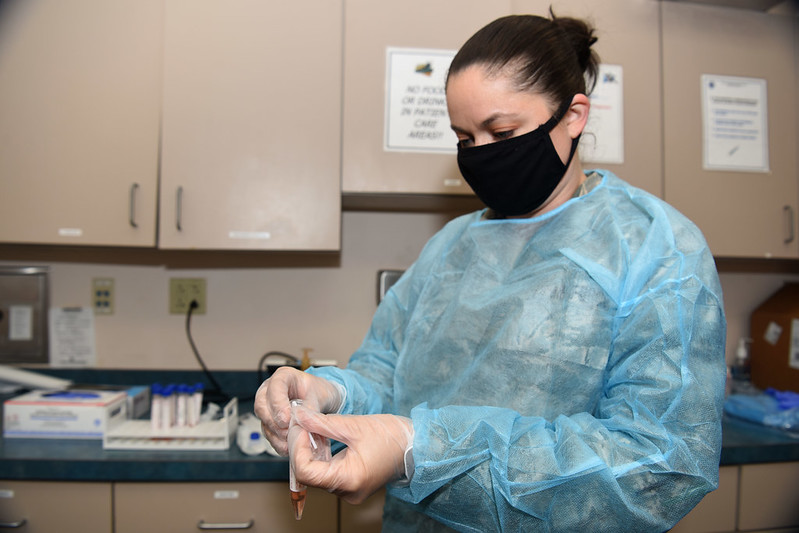
TB Resilience in India: Fighting a Poverty-Driven EpidemicRecently, India’s Tuberculosis (TB) control program has treated more than 19 million patients, yet the country still reports one of the highest TB burdens in the world. Tuberculosis remains the leading infectious disease in India and the growing threat of drug-resistant strains has intensified the challenge. Roughly 300 million Indians continue to live in extreme poverty, facing conditions that heighten their risk of infection, such as undernutrition, overcrowded housing and limited access to timely medical care. Despite these hurdles, a unified effort from the Indian government and global health partners is making measurable progress in reducing TB incidence and strengthening community resilience.

How Poverty Fuels Tuberculosis

India’s long-standing struggle with TB is closely tied to socioeconomic conditions. Families living in poverty often lack access to education, health services and basic sanitation. These ongoing challenges heighten the risk of infection and limit recovery. In recent decades, diseases such as malaria, HIV/AIDS and COVID-19 have similarly exposed how poverty worsens public health outcomes. Although conditions have not improved overnight, recent data shows progress. Between 2017 and 2022, India’s life expectancy and public health infrastructure improved steadily. The government and international partners have worked to strengthen the country’s TB response through increased funding and better community outreach.

Building Resilience Through Partnerships

Multiple global and domestic organizations have joined India’s fight against TB. These include the National TB Elimination Program (NTEP), the United States (U.S.) Centers for Disease Control and Prevention (CDC), the U.S. Agency for International Development (USAID) and SHARE INDIA. Together, they launched targeted programs such as TB Mukt Bharat (TB-Free India) to improve diagnosis, prevention and treatment. The CDC’s Expand ELEVATE  (E2) Project, for example, trained more than 3,000 data analysts in India. These professionals help health authorities track TB outbreaks and respond quickly. The project’s reach now includes more than 600 million people and plays a vital role in India’s health system resilience.

Innovation Driving Change

India has adopted new technologies to diagnose TB faster and monitor cases more effectively. These improvements allow health care workers to detect infections earlier, especially among HIV-positive patients, who face a higher risk and deliver treatment before complications arise. At the 2018 End TB Summit in Delhi, Prime Minister Narendra Modi committed to eliminating TB in India by 2025, five years ahead of the global goal at the time. Since then, the Indian government has increased investments in health care infrastructure and accelerated the rollout of new medical technologies.

Looking Forward

India’s TB response now serves as a model for other countries. The World Health Organization’s Global Tuberculosis Report predicts a 90–95% drop in TB mortality by 2035. Ongoing efforts to test, treat and prevent TB continue to save lives and reduce economic strain on vulnerable communities. By aligning policy, technology and community outreach, India shows that ending TB is within reach. With continued support from both national and international partners, the country moves closer to its goal of a TB-free future—one where poverty no longer determines health outcomes.

– Melody Aminian

Melody is based in Irvine, CA, USA and focuses on Global Health for The Borgen Project.

Photo: Flickr
June 6, 2025
https://borgenproject.org/wp-content/uploads/borgen-project-logo.svg 0 0 Precious Sheidu https://borgenproject.org/wp-content/uploads/borgen-project-logo.svg Precious Sheidu2025-06-06 01:30:272025-06-05 09:22:17TB in India: Fighting a Poverty-Driven Epidemic
Disease, Global Health, Global Poverty

TB in the Philippines: A Persistent Public Health Crisis

TB in the PhilippinesTuberculosis (TB) remains one of the world’s deadliest infectious diseases, with the World Health Organization (WHO) estimating that about 10 million people contract the illness each year. Mycobacterium tuberculosis, the bacteria that cause TB, is currently latent in an estimated 2 billion people worldwide, more than 25% of the global population. While TB affects people globally, the disease has an outsized impact on lower-middle-income countries like the Philippines, where socioeconomic challenges hinder access to treatment and prevention.

The Burden in the Philippines

The Philippines has one of the highest TB incidence rates in Southeast Asia. In 2023, approximately 37,000 people in the country died from TB out of the 739,000 who were diagnosed. This places the national incidence rate more than six times the regional average. The WHO classifies the Philippines as a “high burden” country for multidrug-resistant TB (MDR-TB) and TB/HIV co-infection. Despite recent economic growth, the Philippines remains classified as a lower-middle-income country by the World Bank, with a poverty rate of 15.5% in 2023. TB-related mortality and infection remain elevated, particularly in urban slums, prisons and overcrowded housing environments that allow the bacteria to spread quickly through close human contact.

Link Between Poverty and Infection

TB transmission in the Philippines is not strongly correlated with national wealth, as countries with smaller economies like Cambodia and Laos report fewer cases. Instead, population density, limited health infrastructure and barriers to treatment access help explain the high infection rate. Many patients cannot afford to miss work to complete the full six-month treatment regimen. A 2016–2017 national survey found that 42.4% of TB-affected households spent more than 20% of their annual income on treatment. TB is preventable and curable, but treatment gaps continue to affect the poorest populations most. Patients who cannot access affordable health care risk worsening infections and higher transmission rates. The burden is particularly severe for those with MDR-TB, which requires longer, more expensive treatment courses. TB/HIV co-infection further complicates recovery, especially in vulnerable communities.

Addressing Social Determinants

According to WHO Director-General Dr. Tedros Adhanom Ghebreyesus, “TB is the definitive disease of deprivation.” In this context, tackling TB in the Philippines means improving access to nutrition, housing, education and affordable health care—factors that directly influence disease outcomes.

The Filipino government provides public TB treatment programs, but implementation remains challenging. Many affected individuals cannot afford to complete treatment. In 2024, the U.S. Agency for International Development (USAID) committed $10 million to TB testing and prevention efforts in the Philippines. NGOs like the Global Fund and Doctors Without Borders continue to support screening, awareness and treatment in high-risk communities.

Drug Resistance and the Need for Global Action

Treatment success rates in the Philippines remain below 60%, largely due to the rising prevalence of drug-resistant TB. According to the U.S. National Institutes of Health, emerging TB strains that resist standard antibiotics threaten to undo decades of progress in global TB control. Without sustained investment, the spread of MDR-TB could escalate, placing additional pressure on health care systems.

Looking Ahead

Addressing tuberculosis (TB) in the Philippines necessitates a comprehensive strategy that emphasizes early detection, affordable treatment and community-based care. Enhancing surveillance systems, deploying mobile clinics and integrating TB programs into primary health care networks could improve treatment adherence. Expanding support for individuals living in poverty is also crucial.

According to the World Bank, the treatment success rate for new and relapse TB cases in the Philippines was 78% in 2022, which is below the global average of 88% reported by the World Health Organization. This underscores the need for targeted interventions to improve treatment outcomes.

International partnerships, combined with sustained political commitment, offer an opportunity to reduce TB-related deaths and transmission in the Philippines. While challenges remain, comprehensive efforts focused on health care and poverty reduction could improve outcomes for thousands of Filipinos each year.

– Maxwell Marcello

Maxwell is based in Pittsburgh, PA, USA and focuses on Global Health for The Borgen Project.

Photo: Flickr
May 30, 2025
https://borgenproject.org/wp-content/uploads/borgen-project-logo.svg 0 0 Precious Sheidu https://borgenproject.org/wp-content/uploads/borgen-project-logo.svg Precious Sheidu2025-05-30 07:30:052025-05-30 05:05:22TB in the Philippines: A Persistent Public Health Crisis
Disease, Global Poverty, HIV/AIDS

How USAID Programs in Russia Have Addressed HIV/AIDS and TB

USAID Programs in RussiaAs the U.S. government considers further cuts to international assistance, USAID programs in Russia can show what the U.S. can accomplish when it comes to combating disease and poverty. However, it also can be a cautionary tale of what can happen to a country’s most vulnerable when USAID programs are suddenly cut without an adequate replacement. 

Starting in 1992, after the end of the Cold War and the fall of the Soviet Union, the United States began a robust program of assistance to the new Russian Federation starting with the Freedom Support Act authorizing USAID to begin work in Russia. USAID programs in Russia included initiatives to assist with democratic reform, market assistance, anti-corruption programs, but mostly important disease eradication.

USAID’s Fight Against TB and HIV/AIDS in Russia

USAID programs in Russia fought both tuberculosis and HIV/AIDS. Starting in 1999, USAID began to focus specifically on drug-resistant tuberculosis (TB), which had become a major issue in the former Soviet Union, especially in Russia. According to William B. Taylor, coordinator of U.S. assistance to Newly Independent States, in 1999, USAID was critical to coordinating between Russian authorities, the World Health Organization (WHO) and the Red Cross to combat TB, starting in three provinces and then the rest of Russia. Additionally, USAID also helped provide more than $200 million in critical medical supplies.

By 1999, the spike of TB incidence finally ended and began to decline through the early 2010s. TB mortality rates also declined and experts attributed much of this progress to early detection and prevention programs in Russia. 

Additionally, USAID was instrumental in fighting HIV/AIDS in Russia on several levels; increasing coordination between Russian and American biomedical researchers, assisting with vaccine development, infection prevention, treatment and increasing awareness among Russian business and civic leaders. In 2010, USAID funded the HIV Prevention for At-Risk Populations in Russia program, which treated thousands in the city of Kazan alone.

The Current Situation

According to former U.S. ambassador to Russia, Michael McFaul, “Over the last twenty years, the USAID Mission in Russia has worked with Russian government officials and Russian non-governmental organizations to achieve a remarkable record of success.” However, in 2012, due to rising tensions between the Russian and U.S. governments, Vladimir Putin ordered USAID to cease its operations in Russia.

The Russian government argued that Russian society had moved past the need for external aid. In reality, living conditions in Russia have continued to be extremely difficult. By 2018, Russia became the third-highest country for TB infection, largely due to its inability to follow WHO guidelines.

The Russian Red Cross had to end five different programs dedicated to fighting TB since it received funding from USAID. That being said, thanks to continued funding and cooperation with other international organizations, TB mortality and incidence rate continues to modestly decline, despite setbacks. However, much of the progress in fighting HIV/AIDS in Russia has suffered major reversals. By 2017, Russia had the largest number of HIV-positive individuals in Europe. As of 2024, 30,000 Russians annually are estimated to have died from HIV/AIDS.

Looking Ahead

The history of USAID programs in Russia highlights the danger of suddenly turning off humanitarian aid. In 2025, freezes of USAID funding in places like Ukraine have threatened HIV treatment, endangering more than 116,000 people. However, that history also serves as an encouragement of what is possible with U.S. support.

– Joseph Laughon

Joseph is based in Sacramento, CA, USA and focuses on Good News for The Borgen Project.

Photo: Wikipedia Commons

May 28, 2025
https://borgenproject.org/wp-content/uploads/borgen-project-logo.svg 0 0 Jennifer Philipp https://borgenproject.org/wp-content/uploads/borgen-project-logo.svg Jennifer Philipp2025-05-28 01:30:152025-05-28 01:24:32How USAID Programs in Russia Have Addressed HIV/AIDS and TB
Disease, Global Poverty, Health

WHO and Africa CDC Work To Curb the Spread of Mpox in Africa

Mpox in AfricaIn August 2024, the Africa Centers for Disease Control and Prevention (CDC) declared that Mpox infections had become a Public Health Emergency of Continental Security (PHECS). To combat the spread, the Africa CDC and World Health Organization (WHO) created a Joint Continental Preparedness and Response plan.

The original plan garnered positive results but not at the rate required to diminish the growth of the infection fully. Together, the Africa CDC and WHO are reworking the plan, hoping to accomplish the goals laid out.

Mpox in Africa

When the original plan was created in 2024, the spread of the disease occurred rapidly from sexual or close contact. It began in the Democratic Republic of the Congo (DRC) and quickly traveled to Burundi, Kenya, Uganda and Rwanda. Today, Mpox is present in 28 countries worldwide. However, outside of Africa, the cases are travel-related and rare.

Inside Africa, it is reported to have spread to the Republic of the Congo, South Africa, South Sudan, the Republic of Tanzania and Zambia. Prior to the PCEHS declaration, Mpox vaccines were not available in underdeveloped or developing countries despite originating in the DRC.

The Joint Continental Preparedness and Response Plan

The Joint Continental Preparedness and Response Plan, in its original efforts, focused on 10 key pillars in its efforts: coordination, risk communication and community engagement, disease surveillance, laboratory capacity, clinical management, infection prevention and control, vaccination, research, logistics and maintaining essential health services.

These pillars have managed to get more than 650,000 people vaccinated within the six countries at the highest risk. Of the vaccinations, 90% were administered in the DRC. Overall, more than one million vaccines were administered over the 10 listed countries and efforts to reduce the spread of Mpox in Africa through the implementation of the vaccination plan have not ceased.

The New Plan

The new plan, which still includes these pillars, intensifies the focus on controlling outbreaks and implementing Mpox prevention into routine health services. After the emergency period ends in August of 2025, the WHO and Africa CDC want the health services to continue. The aim is to prevent the further spread of Mpox in Africa.

To ensure this, the organizations agreed to continue to support countries in continuing the PHECS strategies. Beyond this, they aim to expand community engagement to strengthen the effectiveness of health strategies. Essentially, they will enhance and optimize each pillar, intending to finish the changes by the end of May 2025.

Final Remarks

With the reworking of the Joint Continental Preparedness and Response Plan, the WHO and African CDC hope to garner even more success in curbing and eradicating the spread of Mpox in Africa. Combating Mpox is not just a regional issue; it’s a test of our global commitment to health equity.

– Abby Buchan

Abby is based in York, PA, USA and focuses on Global Health for The Borgen Project.

Photo: Pixabay

May 20, 2025
https://borgenproject.org/wp-content/uploads/borgen-project-logo.svg 0 0 Lynsey 2 https://borgenproject.org/wp-content/uploads/borgen-project-logo.svg Lynsey 22025-05-20 07:30:232025-05-20 01:18:23WHO and Africa CDC Work To Curb the Spread of Mpox in Africa
Disease, Global Poverty, Health

Vulnerable Communities: Yellow Fever in Peru

Yellow Fever in PeruThe Amazon rainforest offers amazing natural landscapes, but the dangers of diseases transmitted by tiny mosquitoes, like yellow fever, lie within them. Since early April 2025, Peru has seen an increase in yellow fever cases, mostly in vulnerable populations in the depths of the jungle and agricultural areas.

About Yellow Fever

Yellow fever is a disease transmitted by day-biting mosquitoes. It is considered a “High-threat disease” by the World Health Organization (WHO). Yellow fever does not have a specific antiviral drug to fight it once the virus is in the body. The best way to fight it is by preventing it with vaccination.

In early April, Peruvian authorities reported an outbreak of yellow fever cases in the regions of Amazonas, San Martín and Loreto. Yellow fever could reach a high 60% mortality rate in these regions because only a few people have been vaccinated in the past years.

The reach of vaccination campaigns shrank and vulnerable populations in less accessible areas like the jungle were affected. Twelve people died by the end of the month, all of them from vulnerable areas and without any records of previous vaccinations.

Effects on Vulnerable Populations in Peru

Mortality rates are higher among vulnerable populations, with 37 people already infected. Further, the U.S. Embassy in Peru and the Centers for Disease Control and Prevention (CDC) issued health alerts about the yellow fever outbreak, advising people to avoid areas affected by the disease. These warnings could result in reduced tourism, leading to a loss of income for many businesses that rely on it for their livelihood.

One of the biggest challenges preventing the disease is the logistical difficulty of distributing vaccines to remote areas. Vast distances and difficulty maintaining the cold chain in hard-to-reach regions significantly hinder vaccination coverage.

What Is the Government Doing?

The Peruvian government is trying to reactivate its vaccination campaigns, making resources available for people to find the closest vaccination centers. Peru’s Ministry of Health has announced a free vaccination campaign throughout the summer of 2025.

The Ministry of Health also sent 30,000 vaccines to the Amazon region in the past month, while volunteers are going town by town to vaccinate communities far from the few existing vaccination centers. However, Peru is not fighting the outbreak alone.

Since yellow fever also affects neighboring countries like Colombia and Ecuador, the Peruvian Ministry of Health joined forces in late April to launch a joint vaccination campaign along the border to prevent the disease from spreading between countries.

Final Remarks

Even though yellow fever has already claimed some lives in Peru, the government is taking action to prevent further spread and protect more people. Certain regions will inevitably face the consequences of this outbreak and the full economic impact, especially on families and businesses affected by the drop in tourism, remains uncertain until the epidemic is under control. 

– Luis Felipe Rios

Luis is based in New York, USA and focuses on Good News and Global Health for The Borgen Project.

Photo: Pxhere

May 16, 2025
https://borgenproject.org/wp-content/uploads/borgen-project-logo.svg 0 0 Lynsey 2 https://borgenproject.org/wp-content/uploads/borgen-project-logo.svg Lynsey 22025-05-16 07:30:022025-05-16 04:46:50Vulnerable Communities: Yellow Fever in Peru
Disease, Global Poverty, Health

Diseases Impacting Sri Lanka

Diseases Impacting Sri LankaDiseases impacting Sri Lanka are divided into three categories: endemic, epidemic and pandemic. Notifiable diseases include cholera, diphtheria, yellow fever, malaria and tetanus. Below are some diseases impacting Sri Lanka.

Dengue

One example of an endemic disease that impacts Sri Lanka is dengue. Mosquitos transmit dengue. The same type of mosquito also transmits the viruses that cause zika and chikungunya. It exists in tropical and subtropical climates worldwide. According to the World Health Organization (WHO), heavy monsoon rains, piles of damp garbage, standing pools of water and other breeding grounds that attract mosquitoes all cause dengue. 

“Dengue tends to seek out the poor who live in densely populated places where sanitation is inadequate, rubbish piles up, water pools and mosquitoes thrive,” says Gerhard Tauscher, the operations manager of the International Federation of Red Cross and Red Crescent Societies.

Two of the largest dengue epidemics occurred in 2002 and 2004. During these epidemics, 8,931 cases and 15,463 cases were reported.

Rabies 

Sri Lanka is on the list of high-risk countries for rabies. The bite, scratch, or lick on broken skin of an infected animal is what spreads rabies. Rabies thrives from contact with warm-blooded animals because it is a viral infection. It is a serious and frightening disease, and once developed in humans, it is fatal.

Fever, headache, weakness and paralysis are all symptoms of rabies. People travelling through remote regions are especially at risk. The symptoms can take 5 days to 25 years to develop.

Infected dogs are one reason why 20 to 30 deaths occur annually due to rabies. The main reasons for these deaths are not vaccinating dogs and not getting post exposure treatments.

Chikungunya 

Chikungunya is another virus that mosquitoes spread. In the 1960s, Sri Lanka reports its first chikungunya epidemic. This happened again in November 2006. This virus is spread through the bite of infected female mosquitoes, which also infect their victims with dengue. Symptoms of chikungunya usually appear 4-8 days after a bite from a female mosquito.

“The main symptoms include a sudden high fever, severe joint pain, muscle aches, headache, nausea, fatigue, and skin rashes. While most patients recover within a week, joint pain can persist for months or even years in some cases, particularly among older individuals,” says Consultant Physician Dr. Achalya Balasuriya.

In 2007, more than 5,000 people were infected with chikungunya in Sri Lanka’s far north. During that time, residents were living off of aid supplies coming in from abroad.

Diabetes

Of the diseases impacting Sri Lanka, diabetes is prevalent because Sri Lanka has the highest rate of diabetes in Asia. According to a national survey conducted in 2019, nearly one in four Sri Lankan adults had diabetes, and another one in three had high blood sugar.  

Dr. Ravi Ranniyan-Eliya, lead investigator for the study and Executive Director of the IHP (the Institute for Health Policy) explains that “These findings indicate that Sri Lanka has the highest rate of diabetes in Asia, and in fact one of the highest in the world, since there are only a few countries – some small Pacific Islands and places like Egypt and the Gulf States – with higher rates.”

It is hard to reverse diabetes once it develops, but being diagnosed early and getting treatment can minimize outcomes, like heart and kidney disease. The research showed that more than 1 million Sri Lankans do not know that they have diabetes.

Type 2 diabetes rose in 2011 from 7.6% to 11.3% in 2021, signaling a 68.3% rise. The rate of diabetes has risen sharply over the decades.

The Sri Lanka Government’s Efforts

The Sri Lankan government is working to reduce the transmission of diseases in Sri Lanka. In 2017, the Sri Lankan military increased the number of hospital beds for dengue patients as the Epidemiology Unit of the Ministry of Health (MOH) Sri Lanka requested. Army, police and health staff monitored the high risk areas, visiting house-to-house. They were involved in mobilizing communities for garbage disposal, cleaning mosquito breeding sites and health education.

To target rabies, Sri Lanka has increased dog vaccination, enforced responsible dog ownership, strengthened surveillance for animals and humans and conducted mass awareness programs.

Other Initiatives

In 2006, the International Medical Corps (IMC) set up mobile clinics, supported an information campaign and gave syringes to help fight Chikungunya in Sri Lanka.

The World Diabetes Foundation has organized workshops to strengthen the connection between maternal and child health services, primary health centers and government-established healthy lifestyle clinics in detecting and managing diabetes, diabetic foot and GDM. Sri Lanka has built new health care facilities and facilitated the training of health care professionals. This helps to improve the impact of diabetic care. It has also implemented awareness and prevention activities in schools and workplaces.

Looking Ahead

In 2022, during Sri Lanka’s economic crisis, the shortage of medicine and essential equipment became life-threatening. This has challenged Sri Lanka’s health care system. According to Amnesty International, “From shortages of gauze, intravenous antibiotics and insulin to requests to re-use catheters or endotracheal tubes, the last few months have brought shocking challenges to Sri Lanka’s healthcare system.”

Sri Lanka’s rich ecosystems, biodiversity and close human-animal interactions create an environment in which zoonotic diseases can be dispersed widely. Many diseases in Sri Lanka have their origins in animal populations. Sri Lanka has unique environmental and agricultural practices, which make it challenging to manage diseases. The government is taking steps to ensure that human, animal, and environmental health are managed and maintained.

– Abirame Shanthakumar

Abirame is based in Ontario, Canada and focuses on Global Health for The Borgen Project.

Photo: Unsplash

May 14, 2025
https://borgenproject.org/wp-content/uploads/borgen-project-logo.svg 0 0 Jennifer Philipp https://borgenproject.org/wp-content/uploads/borgen-project-logo.svg Jennifer Philipp2025-05-14 01:30:282025-05-14 01:00:15Diseases Impacting Sri Lanka
Disease, Global Health, Global Poverty

Norovirus in India Pushes New Public Health Plan

Norovirus Impact in India Pushes New Public Health PlanNorovirus, a highly contagious virus causing acute gastroenteritis, has seen a notable increase in India in recent years. This virus primarily affects the gastrointestinal system, leading to symptoms such as vomiting, diarrhea and stomach cramps. In December 2024, the Indian government reported more than 1,000 cases of diarrhea-related diseases, coinciding with a global rise in gastrointestinal illnesses. Poor sanitation of food and water sources has significantly contributed to the spread of norovirus in India.

According to the Minnesota Department of Health, these symptoms can appear as early as 12 hours after exposure. Children under 5 and the elderly are particularly vulnerable. As pandemic-related restrictions have eased, increased person-to-person contact has led to higher transmission rates of various infectious diseases.

Norovirus Transmission and Prevention

Norovirus spreads through direct contact with an infected person, consuming contaminated food or water or touching contaminated surfaces and then touching the mouth. Unlike some other pathogens, norovirus is resistant to alcohol-based sanitizers. The Centers for Disease Control and Prevention (CDC) emphasize that proper handwashing with soap and water is more effective in preventing norovirus infection than using alcohol-based hand sanitizers. ​

Government Response: National Health Mission

In response to the rising burden of infectious diseases like norovirus, the Indian Ministry of Health and Family Welfare has launched initiatives to improve public health outcomes through the National Health Mission (NHM). The NHM outlines development strategies for improving sanitation, food and water safety and health infrastructure in both rural and urban areas. The mission uses a performance-based framework. States that meet health benchmarks receive increased funding, promoting both accountability and innovation. The 2018–2019 Health System Strengthening Conditionality Report details how these benchmarks are designed to reflect the diverse health needs of India’s states.

Guiding Indicators for Public Health Improvements

To monitor and encourage improvements in health outcomes, NITI Aayog, in collaboration with the Ministry of Health and Family Welfare and technical assistance from the World Bank, developed the State Health Index. This index assesses states and union territories based on health outcomes, governance and key inputs or processes. The index aims to nudge states toward transformative action in the health sector. ​The NHM uses various key indicators to evaluate state-level progress:

  • Incremental performance based on the NITI Aayog Health Index

  • Operationalization of health and wellness centers

  • Implementation of human resource information systems

  • Grading of district hospitals

  • Mental health service expansion

  • Screening of individuals aged 30 and older for noncommunicable diseases

  • Performance ratings of urban and rural primary health centers

These indicators aim to identify specific needs across states and tailor support accordingly. The goal is to encourage cooperation while allowing state governments to focus on the communities ’ most urgent health issues.

Looking Ahead

India’s public health efforts are being shaped by both long-term planning and immediate challenges. The recent increase in norovirus cases has highlighted existing gaps in sanitation and preventive care. Government-led initiatives such as the National Health Mission offer targeted approaches to address these ongoing issues while promoting systemic improvement. Continued implementation of state-specific strategies may help reduce disease incidence and improve health outcomes in vulnerable populations.

– Jonathan Joseph

Jonathan is based in Milwaukee, WI, USA and focuses on Good News and Global Health for The Borgen Project.

Photo: Flickr
April 9, 2025
https://borgenproject.org/wp-content/uploads/borgen-project-logo.svg 0 0 Precious Sheidu https://borgenproject.org/wp-content/uploads/borgen-project-logo.svg Precious Sheidu2025-04-09 01:30:342025-04-07 13:37:03Norovirus in India Pushes New Public Health Plan
Page 10 of 74«‹89101112›»

Get Smarter

  • Global Poverty 101
  • Global Poverty… The Good News
  • Global Poverty & U.S. Jobs
  • Global Poverty and National Security
  • Innovative Solutions to Poverty
  • Global Poverty & Aid FAQ’s
Search Search

Take Action

  • Call Congress
  • Email Congress
  • Donate
  • 30 Ways to Help
  • Volunteer Ops
  • Internships
  • Courses & Certificates
  • The Podcast
Borgen Project

“The Borgen Project is an incredible nonprofit organization that is addressing poverty and hunger and working towards ending them.”

-The Huffington Post

Inside The Borgen Project

  • Contact
  • About
  • Financials
  • President
  • Board of Directors
  • Board of Advisors

International Links

  • UK Email Parliament
  • UK Donate
  • Canada Email Parliament

Get Smarter

  • Global Poverty 101
  • Global Poverty… The Good News
  • Global Poverty & U.S. Jobs
  • Global Poverty and National Security
  • Innovative Solutions to Poverty
  • Global Poverty & Aid FAQ’s

Ways to Help

  • Call Congress
  • Email Congress
  • Donate
  • 30 Ways to Help
  • Volunteer Ops
  • Internships
  • Courses & Certificates
  • The Podcast
Scroll to top Scroll to top Scroll to top