• Link to X
  • Link to Facebook
  • Link to Instagram
  • Link to TikTok
  • Link to Youtube
  • About
    • About Us
      • President
      • Board of Directors
      • Board of Advisors
      • Financials
      • Our Methodology
      • Success Tracker
      • Contact
  • Act Now
    • 30 Ways to Help
      • Email Congress
      • Call Congress
      • Volunteer
      • Courses & Certificates
      • Be a Donor
    • Internships
      • In-Office Internships
      • Remote Internships
    • Legislation
      • Politics 101
  • The Blog
  • The Podcast
  • Magazine
  • Donate
  • Click to open the search input field Click to open the search input field Search
  • Menu Menu

Archive for category: Disease

Information and news about disease category

Disease, Global Poverty, Health

Diseases Impacting Iran

Diseases Impacting IranIran’s health system faces a complex mix of challenges. Chronic illnesses like heart disease, diabetes and high blood pressure are rising quickly, while infectious diseases such as tuberculosis, HIV and leishmaniasis still threaten vulnerable regions. These health issues are shaped not only by biology but also by environment, economy and access to care. Pollution, economic pressures and health care gaps make the picture even more complicated. From the air people breathe in Tehran to the food on their tables, these risks shape daily life and long-term well-being. Here is information about the diseases impacting Iran and the efforts in place to address them.

1. Non-Communicable Diseases (NCDs)

Chronic diseases, especially heart problems, are the most significant health concern. In 2019, cardiovascular diseases caused about 3.6 million disability-adjusted life years (DALYs) and nearly one-third of all deaths. By 2021, CVD was the second leading cause of death and disability, with 4,367 DALYs per 100,000 people.

The IraPEN program, part of a global initiative, targets prevention through primary care. After one year in pilot regions, results showed a reduction in 10-year CVD risk (from 0.198 to 0.177 in men, and 0.119 to 0.109 in women), lower average blood pressure, blood sugar and cholesterol, alongside a drop in smoking among men from 13.8% to 10.5%.

Still, lifestyle-related risks are rising. As of 2021, Iran had around 80 million NCD cases, with women carrying a slightly higher burden. Obesity, diabetes and hypertension are increasingly common. Experts stress raising awareness, healthier environments and stronger prevention programs to address diseases impacting Iran’s population.

Through community health centers and health houses, the program offers free screenings for blood sugar, blood pressure and cholesterol; provides early cancer detection (cervical, breast and colorectal); and includes health education and counseling on smoking cessation, healthy diet and physical activity.

2. Infectious Diseases

While many have been controlled, some persist:

  • Tuberculosis and HIV: From 2018–2021, a study tracked 25,011 new TB cases, 2.68% also HIV-positive. People with both had longer treatments and lower success rates (65%) versus TB alone (83.4%).
  • Leishmaniasis: Leishmaniasis still affects Esfahan, Khuzestan and Ilam provinces. Among military personnel, 2,894 cases were reported between 2018 and 2022. In southeast Iran, cases peaked in 2021 at 318, compared to 81 in 2018. Classified as a “neglected tropical disease,” it still causes suffering yearly.

Other infections such as HIV/AIDS, hepatitis, pneumonia, diarrheal diseases and zoonoses remain concerns in Iran and the wider region. These infectious diseases remain among the most persistent health challenges and diseases impacting Iran today.

3. Environmental Health Risks

Air pollution is one of Iran’s deadliest threats, blamed for around 40,000 premature deaths each year. In 2018, treatment costs and lost productivity from PM2.5 accounted for about 3.7% of GDP.

Despite the Clean Air Act (2017), smog still chokes major cities. In January 2025, the government announced plans to relocate the capital, citing Tehran’s deteriorating air quality. Pollution stands alongside infectious and chronic conditions as one of the key issues and health risks impacting Iran.

4. Access to Health Care

Iran faces a “double burden”: chronic disease and lingering infections. According to WHO’s Health at a Glance: Iran (2021), of 514,446 deaths that year, 57% were due to NCDs, 29% from communicable, maternal, perinatal and nutritional conditions. Medicine shortages and sanctions also undermine health care delivery, worsening the burden of diseases impacting Iran’s health care system.

Poverty significantly deepens Iran’s health challenges. Recent reports estimate that the poverty rate in Iran has hovered around 30% between 2019 and 2024—meaning approximately 25 to 26 million people live below the poverty line. Between 2011 and 2020, the share of Iranians living below the international poverty line rose from 20% to 28.1%. Many low-income households cannot afford nutritious food, safe housing or preventive care, increasing their risk of both chronic and infectious diseases.

5. Government Efforts

Iran has expanded IraPEN and, in 2014, formed the National Committee for NCD Prevention and Control to lead a nationwide response to chronic diseases. The committee, chaired by the Ministry of Health and supported by the Supreme Council for Health and Food Security, coordinates across multiple ministries to integrate NCD prevention into primary health care, promote tobacco control and expand early detection programs. It also monitors national progress toward WHO’s global targets, including reducing premature NCD deaths by 30% by 2030.

Looking Ahead

Chronic illnesses dominate, but infectious diseases and environmental hazards still claim lives and drain resources. Programs like IraPEN show promise, but real progress requires better health care, living conditions, education and infrastructure. Together, these factors illustrate the full scale of diseases impacting Iran and shaping its future.

– Katie Williams

Katie is based in the United Kingdom and focuses on Global Health for The Borgen Project.

Photo: Flickr

September 25, 2025
https://borgenproject.org/wp-content/uploads/borgen-project-logo.svg 0 0 Jennifer Philipp https://borgenproject.org/wp-content/uploads/borgen-project-logo.svg Jennifer Philipp2025-09-25 03:00:132025-09-24 23:56:34Diseases Impacting Iran
Disease, Global Poverty, Health

Diseases Impacting Belize: A Story of Progress and Persistence

Diseases Impacting BelizeIn April 2025, news of a measles outbreak spread through Belize City and lines of anxious parents formed around pop-up clinics. Three months later, health officials announced the containment of the outbreak. This was a promising reminder that while diseases impacting Belize are still a serious threat, public health improvements are very real.

Poverty and Health in Belize

Since becoming independent in 1981, tourism has become the largest economic driver in Belize. Over the past few years, notable progress has occurred in reducing poverty with incidence rates falling from 36.5% in 2021 to 22.1% in 2024. Despite this, the intensity of deprivation among those still affected remains unchanged.

According to the Health Care Access and Quality Index, Belize ranks 55 out of 100, demonstrating visible gaps in both availability and quality of care. Rural populations in particular continue to face the greatest hardships with poverty rates as high as 67.9%. Currently, 23% of health care spending comes out of pocket, leaving low-income families struggling to gain access to essential medical services.

Strengthening Belize’s Health System

In spite of challenges, Belize achieved notable public health milestones, showing that progress is possible amidst poverty. Along with the rapid containment of the 2025 measles outbreak, the country was officially declared malaria-free in 2023.

The Belize Ministry of Health, in partnership with PAHO/WHO, launched the Strategic Plan 2025-2034 to strengthen the health system and modernize health care. This decade-long plan tackles key public health challenges to reduce diseases impacting Belize. Building on this framework, officials established public health campaigns to prevent dengue and implemented rapid immunization response teams, strengthening the nation’s ability to contain outbreaks.

These initiatives demonstrate progress towards improved health outcomes and malaria and measles are no longer a threat. However, there are several diseases that continue to pose significant concern, highlighting areas where continued efforts are essential.

Top 5 Diseases Impacting Belize

  1. Dengue Fever: This mosquito-borne infection causes flu-like symptoms which can become fatal. Cases of dengue fever surged more than 260% over the last year, mostly in rural areas where access to health care is limited. Currently, there is no treatment, and prevention is focused on mosquito control through improved sanitation and  public awareness. Better access to medical services and early detection can lower fatality rates to under 1%.
  2. Heart Disease: Heart disease is the leading non-communicable disease in Belize, accounting for 11.27% of total deaths. Poverty and food insecurity prevent access to proper nutrition, resulting in reliance on inexpensive high-calorie foods that fuel heart disease. Better access to medical services and trained providers is key to prevention and reduced mortality rates. Leading the way forward is the HEARTS program that allows physicians to better manage heart disease risk factors like hypertension and diabetes.
  3. Tuberculosis (TB): TB affects 27 people per 100,000 every year. Treatment rates have increased to 80%, but poverty remains a driving factor. Poor nutrition weakens the immune system and increases vulnerability. Limited health care access also delays diagnosis and treatment. The Ministry of Health’s current strategy includes promoting regular checkups and the use of DOTS (directly observed treatment strategy) to improve early detection and diagnosis.
  4. HIV/AIDS: Belize has one of the highest HIV prevalence rates in Central America. Only 80% of affected individuals are aware of their status with just 60% receiving treatment. Poverty is a significant social factor as low-income populations face limited access to education, health services and prevention resources. Despite these challenges, progress has been made recently in reducing mother-to-child HIV transmission through improved prenatal testing. 
  5. Kidney Disease: Chronic kidney disease is a serious health threat to Belizeans experiencing poverty. Limited access to nutrition, treatment and prevention resources increase the risks and mortality rate. Currently, less than 4% of affected people are aware of their condition. Efforts like the Capacity Building Project for the Prevention and Control of Chronic Renal Failure are now focused on training providers and educating communities to improve prevention and care.

Building on Progress

With diseases impacting Belize still a major concern, efforts to address poverty and expand health care access are vital. The Cornerstone Foundation is currently a key player in those efforts. Through community-driven programs it is:

  • Providing relief and aid through food assistance programs, health care services and job training. 
  • Supporting government initiatives to provide basic nutrition, clean water and healthy sanitation to underserved areas.
  • Offering health programs that include outreach and education, clinical services, senior support and natural healing initiatives. 
  • Raising awareness of the HIV/AIDS epidemic, supporting prevention and disease management. 

Despite these efforts, and those of other organizations, challenges remain to reduce diseases impacting Belize. Poverty is a key barrier, restricting access to proper nutrition, clean water and quality medical services. By expanding health care access, improving clinics, training health care workers and strengthening immunization and prevention programs, Belize can build on its progress and success.

Persistence and continued effort are essential to ensure health improvements for all communities. The quick containment of the 2025 measles outbreak reminds us that progress is real. Sustained commitment will bring healthier futures to all Belizeans. 

– Tina Kusal

Tina is based in Montrose, CA, USA and focuses on Global Health for The Borgen Project.

Photo: Unsplash

September 24, 2025
https://borgenproject.org/wp-content/uploads/borgen-project-logo.svg 0 0 Jennifer Philipp https://borgenproject.org/wp-content/uploads/borgen-project-logo.svg Jennifer Philipp2025-09-24 01:30:052025-09-29 02:19:11Diseases Impacting Belize: A Story of Progress and Persistence
Disease, Global Poverty, Nonprofit Organizations and NGOs

Whooping Cough Outbreak In South Korea: Vaccination Efforts

Whooping Cough Outbreak In South KoreaIn 2024, the Korean Disease Control and Prevention Agency (KDCA) reported a 54.5% rise in non-COVID-19 infectious diseases in South Korea, driven by an increase in respiratory illnesses among children. Pertussis, colloquially known as whooping cough, was the most significant contributor, increasing from 293 cases in 2023 to 48,048 cases in 2024. Between January and April 2025, reported cases increased by 770% compared to the same period the previous year. Despite the country’s 90% vaccination rate among children, a rate that exceeds that of most countries, the acellular pertussis (DTaP) vaccine’s failure to provide long-lasting immunity continues to underscore the effectiveness of vaccination efforts.

Whooping Cough Outbreak In South Korea

Pertussis, or the whooping cough, is a vaccine-preventable infectious disease caused by the Bordetella pertussis bacterium. This infectious disease begins with cold-like symptoms that can develop into more severe symptoms such as a prolonged, uncontrolled cough and vomiting. The cough can last anywhere from a couple of weeks to several months, earning it the nickname “the 100-day cough.”

The KDCA warns that one individual could infect up to 70 others, due to its highly transmissible nature via respiratory droplets. The DTaP vaccine is included in South Korea’s National Immunization Program (NIP), currently scheduled at 2, 4 and 6 months; between 15 and 18 months; between 4 and 6 years; for children aged 11-12; and for all pregnant women, as of 2015. However, immunization efforts have not been able to slow the outbreak, as immunity wanes after two to four years with the current DTaP vaccine.

The 2023 whooping cough outbreak in South Korea began in Gyeongsang Province, primarily linked to transmission in kindergartens, elementary schools and high schools.

Screening and Vaccination Efforts

The KDCA implemented a nationwide screening program for individuals with persistent coughs. In 2024, cases began to surge in four additional regional hotspots. By November 2024, Korea reported its first pertussis-related death since 2011, involving an infant under two months old. In 2025, children and adolescents aged 5–19 accounted for 70% of cases, as pediatric clinics across the country struggled to cope with an overwhelming number of patients. The KDCA currently encourages boosters for children aged 11-12 and all adult/elderly guardians; however, uptake has been low, as the measure has not been fully implemented in the NIP, with only 83% of 11-12 children and less than 2% of adults receiving the booster shot in 2024.

South Korea Rebuilds Health Care System

The whooping cough outbreak comes at a time when the South Korean health care system is under stress from the pandemic, an aging population and the recent medical student strike, which has worsened the current understaffed pediatric and emergency care fields. In February 2024, 10,000 medical students and residents stopped attending classes or submitted resignations to hospitals in protest of the previous administration’s plan to increase medical school admissions from 2,000 to 5,000 as of 2025.

The previous Yoon Suk Yeol administration ordered all medical personnel to resume their duties and medical students to return to classes, threatening penalties for non-compliance. At the time, 8,305 students faced academic consequences and medical staff who continued to strike faced license revocation on the basis of negligence. The 18-month standoff led to procedure postponements and patient backlogs, prompting a mass deployment of military doctors and nurses across the region to fill vacancies.

The drastic increase in admissions, aimed at addressing South Korea’s low doctor-to-patient ratio, was deemed insufficient by the medical students and staff, as it could not address the shortage of doctors in less lucrative fields, such as emergency medicine and pediatrics, or the number of overworked and underpaid doctors across the nation. They further argued that this drastic increase in cohorts would affect the level of schooling received, due to a lack of personnel to teach the additional students. 

End of Strike Action

The end of the strike, as of July 2025, occurred under the new Lee Jae Myung administration, where he promised that students and residents could return to school without penalties and re-establish the number of student admissions to its annual target of 3,000 for Fall 2025. On Sept. 4, 2025, the new administration passed the Special Act on Essential and Regional Health Care and the Regional Doctor Training Act, which aim to reform the current health care system. Under the Regional Doctor Training Act, the government would fully cover the tuition of newly admitted medical students, with the promise of employment in a public health institution post-licensure for a specified period.

South Korea Expands Immunization Efforts

In 2020, South Korea joined the Coalition for Epidemic Preparedness Innovations (CEPI), aiming to accelerate the development of vaccines for infectious diseases to prevent a pandemic situation. In 2017, CEPI launched at the World Economic Forum in Davos in response to the 2014–2016 West Africa Ebola outbreak. Its major contributors include more than 30 national governments, the Bill & Melinda Gates Foundation, the Wellcome Trust, the European Commission and private sector partners. CEPI 2.0, part of the 2022-2026 plan, features the 100 Days Mission to develop vaccines against the next Disease X threat within 100 days.

In 2020, the KDCA and the International Vaccine Institute (IVI) joined CEPI’s Centralized Laboratory Network, which entails the collaboration with 20 labs worldwide to evaluate vaccine candidates under uniform protocols. IVI is a U.N.-founded nonprofit, headquartered in Seoul, South Korea, that focuses on developing and delivering vaccines for low- and middle-income countries, with an emphasis on research, training and global collaboration. Since collaborations began, CEPI has allocated roughly $350 million to South Korean institutions, with the government contributing $51 million, strengthening research, international cooperation and South Korea’s infectious disease response systems.

Looking Ahead

The whooping cough outbreak in South Korea highlights the ongoing challenges this and other infectious diseases present, but recent reforms and expanded vaccine research signal progress. The implementation of strengthened health care policies and global collaborations points toward hope for a more resilient country where populations get more protection from outbreaks.

– Elsa van Blokland

Elsa is based in Gatineau, Quebec, Canada and focuses on Global Health and Politics for The Borgen Project.

Photo: Flickr

September 23, 2025
https://borgenproject.org/wp-content/uploads/borgen-project-logo.svg 0 0 Precious Sheidu https://borgenproject.org/wp-content/uploads/borgen-project-logo.svg Precious Sheidu2025-09-23 03:00:562025-09-23 00:51:09Whooping Cough Outbreak In South Korea: Vaccination Efforts
Disease, Global Poverty, Health

Malaria in South Korea: Poverty’s Hidden Role

Malaria in South KoreaMalaria in South Korea is climbing near the Demilitarized Zone (DMZ), the divide between North and South Korea. The Korea Disease Control and Prevention Agency (KDCA) raised a nationwide malaria warning on August 19, 2025. This came after it detected the year’s first mosquito in Korea carrying the Plasmodium vivax parasite.

This strain hadn’t been prevalent outside of military officials since the ’90s. However, officials and citizens are rallying together to fight for accessible health care and transportation options in rural areas.

Malaria’s Borderland Comeback

The return of Plasmodium vivax malaria in 1993 had spread mainly among soldiers stationed along the DMZ. Studies estimate that 60% and 90% of cases during this period were young men in their early 20s performing mandatory service near the northern edge of Gyeonggi Province, alongside the DMZ. These troops often lived outdoors in field conditions, which increased their exposure to infected mosquitoes.

Since then, malaria in South Korea has persisted in the regions surrounding the border, making the borderland a place vulnerable to disease due to its limited resources and health care. Today, rural civilians and military personnel make up most new cases of malaria. Farms and rice paddies serve as breeding grounds for mosquitoes.

As of August 2025, South Korea reported 373 malaria cases and health officials project the number will rise as the peak season continues through September. Since infected mosquitoes refuse to stop at the border between North and South Korea, transmission continues unchecked as they travel into rural South Korean cities.

Rice Paddies: Perfect Breeding Ground for Mosquitoes

Rice paddies provide perfect breeding grounds for Anopheles mosquitoes, the primary sources of malaria in South Korea. Research shows that more than 50% of Anopheles sinensis larvae are discovered in rice paddies near the western DMZ region, including areas like Ganghwa and Paju. These flood-prone plains and rice fields provide an ideal environment for mosquitoes to breed and spread throughout rural South Korea.

Malaria transmission is especially widespread near border villages, such as Wolgot‑myeon in Gimpo‑si and Naega‑myeon in Ganghwa‑gun. This highlights the urgent need for resources to combat the growing health crisis as malaria spreads in these rural communities.

Poverty: The Quiet Catalyst

Poverty, poor housing and health care gaps drive the spread of malaria in South Korea, reminding us that this is not just a mosquito problem. Malaria outbreaks are inequality crises that demand urgent solutions.

  • Health care gaps: Near the DMZ, clinics are far away and few are between the cities lining the border. Residents often face lengthy journeys and high transportation costs to access care. Delays in diagnosis and treatment give malaria parasites more time to spread and multiply.
  • Housing conditions: Underserved households often lack essential resources, needing mosquito nets, materials to seal windows and proper air conditioning. This leaves residents vulnerable on hot summer nights when mosquitoes are more prone to bite.
  • Outdoor working conditions: Farmers and forestry workers labor at dawn and dusk, right when Anopheles mosquitoes bite the most. In rural areas, these work environments are often highly staffed, which can significantly increase the disease’s transmission rate.
  • Elderly poverty: South Korea has one of the highest elderly poverty rates in the Organization for Economic Co-operation and Development (OECD) and many older residents live in rural DMZ counties. These seniors remain both highly exposed and medically vulnerable due to the lack of support and resources available in rural areas.

The Malaria Trap

Malaria in South Korea not only threatens health but also directly impacts the livelihoods of the rural cities along the DMZ. A review found that families bear most of malaria’s economic burden, accounting for an average of 71% of the total costs, including lost wages and health care expenses. Each infection forces workers to miss days in the fields, reduces wages and drains already limited household resources.

Even under universal health care, costs for medication, hospital visits and transportation weigh heavily on those infected with malaria, as many rural cities don’t have health care facilities available. Although the public transportation system in South Korea is well-developed, vulnerable populations are disproportionately affected by transportation costs to health care facilities.

Globally, malaria traps low-income families in a vicious cycle: illness reduces income, limiting access to transportation, health care and medicine, which in turn makes preventing future infections harder. Experts call this the “malaria trap” because it keeps people in a never-ending loop.

Groups Tackling Malaria in South Korea

Tackling malaria in South Korea requires more than mosquito control and pesticides. The fight demands coordinated efforts between government agencies, international organizations and community-based groups. Several agencies and organizations are working to contain malaria near the DMZ, which is proving difficult to change overnight.

  • The Korean Red Cross: The Korean Red Cross operates mobile clinics, health programs and disaster relief services across South Korea. It often fills gaps where access is limited. While it doesn’t focus specifically on malaria, its outreach and emergency services support rural and border communities that would otherwise go without care.
  • Against Malaria Foundation Korea (AMF Korea): Founded in August 2023 in Seoul, AMF Korea is the local arm of the globally acclaimed Against Malaria Foundation. It distributes long-lasting insecticidal nets (LLINs) to high-risk communities. AMF Korea’s cost-effective, data-driven model and grassroots presence in Korea highlight the potential for local-level malaria prevention efforts.

Additionally, the South Korean government has implemented a five-year plan to eradicate the disease. The strategy focuses on ensuring that everyone can access malaria testing and treatment. It also emphasizes monitoring and evaluating the spread of the disease. The plan also aims to build a network linking public agencies, private organizations and the military to coordinate efforts and contain malaria transmission in South Korea.

Conclusion

The resurgence of malaria in South Korea demonstrates that gross domestic product rankings or international borders cannot deter infectious diseases. The parasite thrives wherever poverty leaves people vulnerable, especially near a Korean rice paddy under the shadow of the DMZ.

Local and global organizations have driven significant progress, but expanding access to health care and medicine in South Korea’s rural communities will have the most profound impact. To eliminate malaria for good, South Korea and its partners must continue fighting mosquitoes and the inequality that allows the disease to persist.

– Nicole Fernandez

Nicole is based in Reno, NV, USA and focuses on Global Health for The Borgen Project.

Photo: Wikimedia Commons

September 21, 2025
https://borgenproject.org/wp-content/uploads/borgen-project-logo.svg 0 0 Lynsey 2 https://borgenproject.org/wp-content/uploads/borgen-project-logo.svg Lynsey 22025-09-21 07:30:522025-09-21 03:05:40Malaria in South Korea: Poverty’s Hidden Role
Disease, Global Poverty, Health

Malaria in Bangladesh: How Bangladesh Struck Back

Malaria in BangladeshMalaria is one of the most prevalent and deadly diseases in South Asia, taking the lives of an estimated 600,000 people globally in 2023. That same year, however, in Bangladesh, it claimed only six. In fact, between 2008 and 2023, the country reduced malaria by 96%. This is a direct result of Bangladesh’s incredible effort to eliminate malaria. This effort is soon to bear fruit.

What Is Malaria?

Malaria is a mosquito-borne disease that can spread to vertebrates. Symptoms can include fever and headaches as well as vomiting and, in extreme cases, death. The World Health Organization (WHO) estimated 263 million malaria cases in 2023 alone.

In fact, travel is a major driver of malaria transmission in Southeast Asia. Understanding how migration influences the spread of the illness is essential to stopping it. Researchers and organizations in Bangladesh have developed several tracking methods, including travel surveys and mobile phone data.

Addressing the Issue

Climates like Bangladesh’s provide ideal breeding conditions for malaria-transmitting mosquitoes to thrive. This threat has been countered for decades with insecticide-treated nets; today, most families own at least one. However, these nets are insufficient to eliminate malaria; they primarily work to reduce transmission rates rather than fully eradicate the disease. To address malaria in Bangladesh, broader and more comprehensive solutions beyond nets are required.

Thankfully, nets are not the only tool Bangladesh has to combat malaria. In 2021, the WHO approved the first malaria vaccine, which Bangladesh quickly adopted and rolled out on as wide a scale as possible. Today, the country has established a strict treatment regimen for those afflicted, using the most up-to-date version of the vaccine to reduce the burden of the disease.

Additionally, in 2021, Bangladesh launched its National Strategic Plan for Malaria Elimination (2021–2025), outlining the ambitious goal of eliminating malaria from the country by 2030. The plan emphasizes early detection and treatment, monitoring evolving malaria strains, distributing insecticide-treated nets to at-risk populations and strengthening advocacy efforts to ensure widespread access to treatment.

Final Remarks

Malaria cases in Bangladesh have been steadily declining for years and the trend is expected to continue. From 2022 to 2023, infection rates fell by 9.2%, with predictions showing further decreases in the future. This consistent decline highlights Bangladesh’s perseverance, persistence and determination in combating the threat of malaria.

Bangladesh’s success proves that with the right mix of time, resources, international aid and strong leadership, no disease is unbeatable, not even one as deadly as malaria. The steady decline in cases shows what’s possible when governments, health organizations and communities work together toward a shared goal.

While challenges remain, Bangladesh’s progress stands as a powerful reminder that elimination is within reach and that with persistence, global health victories once thought impossible can, in fact, become reality.

– Cayle Harrison

Cayle is based in Columbia, SC, USA and focuses on Global Health and Politics for The Borgen Project.

Photo: Wikimedia Commons

September 18, 2025
https://borgenproject.org/wp-content/uploads/borgen-project-logo.svg 0 0 Lynsey 2 https://borgenproject.org/wp-content/uploads/borgen-project-logo.svg Lynsey 22025-09-18 01:30:232025-09-18 00:11:19Malaria in Bangladesh: How Bangladesh Struck Back
Disease, Global Poverty, Health

Ever-Improving: Health Care in Barbados

Health care in BarbadosBarbados is a small island in the eastern Caribbean Sea, northeast of Trinidad and Tobago and east of Saint Vincent and the Grenadines. Since gaining independence in 1966, Barbados has advanced in many areas, with health care being a notable success.

While challenges remain, particularly health care inequality and the rise of noncommunicable diseases (NCDs), Barbados’ system has grown impressively, often ranking near the top globally. Key achievements include robust public health services, universal health care and improved disease screening and data management.

Struggles With Noncommunicable Diseases

The Caribbean has some of the highest consumption of sugary drinks and obesity. This has made NCDs extremely prevalent. Food environments are shifting to less healthy options, increasing sedentary living. These are key factors driving the rise of NCDs. The four main NCDs, cardiovascular disease, diabetes, cancer and chronic respiratory disease, account for eight of 10 deaths in the region. Barbados is not foreign to this issue.

As recently as 2024, 75% of all deaths in the Caribbean were from NCDs. Barbados and its economy also take a hit due to this health crisis, as approximately $75 million is lost annually from the impact of NCDs on the island’s workflow. NCDs account for between 1.36% and 8% of the GDP for Caribbean countries, leading to an impact felt across the region. As recently as 2021, people between the ages of 30 and 70 had a 14% probability of dying from NCDs. However, there is a bright side for health care in Barbados.

Progress in Health Care Services

Barbados has universal health care coverage for all citizens and permanent residents, with the government serving as the main provider of health services. This makes health care in Barbados free at the point of delivery, allowing the public to access the care they need. The country also has a strong primary health care system, supported by nine polyclinics and two satellite clinics, all located along the island’s major road networks.

Health care in Barbados has also improved in terms of data storage and screening procedures. The country’s Information Systems for Health have advanced, as the Ministry of Health and Wellness and the Pan American Health Organization (PAHO) hosted stakeholders in July 2025 to strengthen the health information ecosystem. At this meeting, they identified gaps, strengths and opportunities to make health care systems more data-driven. Additionally, Barbados has enhanced screening and diagnosis for NCDs, particularly breast cancer.

In 2024, the International Atomic Energy Agency helped improve access to cancer care by training 40 medical imaging professionals from 13 Caribbean countries to detect breast cancer better. This effort was supported by the PAHO, the University of Texas MD Anderson Cancer Center and City Cancer Challenge, which collaborated to provide diagnostic training across the region.

Conclusion

Health care in Barbados has seen significant progress despite ongoing challenges. NCDs remain a concern, but advancements in public health offer a clear path forward. With improved screening procedures, stronger data systems and accessible primary care, Barbados continues to demonstrate notable successes in its health care system.

– Amari Jennings

Amari is based in Orlando, FL, USA and focuses on Technology and Global Health for The Borgen Project.

Photo: Wikimedia Commons

September 18, 2025
https://borgenproject.org/wp-content/uploads/borgen-project-logo.svg 0 0 Lynsey 2 https://borgenproject.org/wp-content/uploads/borgen-project-logo.svg Lynsey 22025-09-18 01:30:212025-09-18 00:07:55Ever-Improving: Health Care in Barbados
Disease, Global Poverty, Health

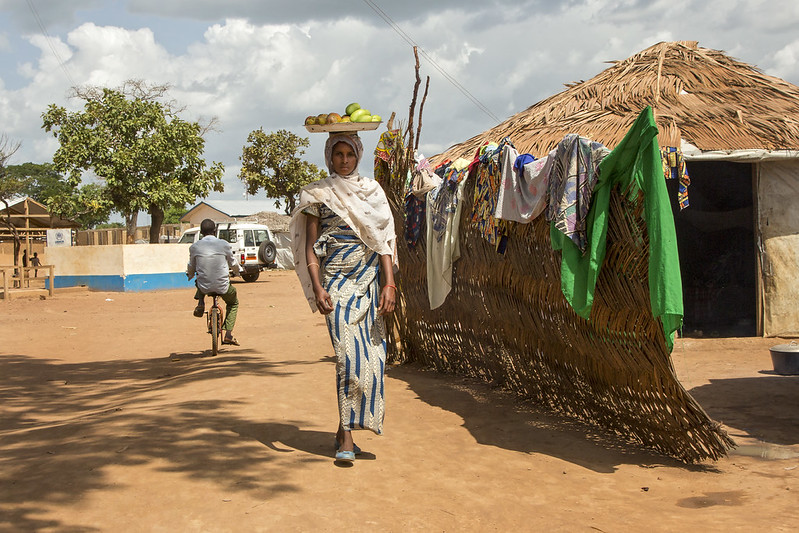
Sleeping Sickness in Kenya Eradicated

Sleeping Sickness in KenyaSleeping sickness was first discovered in the early 20th century in Africa. It became the greatest threat to sub-Saharan Africa in the late ’90s. The region reported more than 40,000 cases every year, with the actual number thought to be much higher because of the remote communities suffering from underdiagnosis. By 2018, WHO statistics showed fewer than 1,000 cases across the entire continent—a historic milestone for Africa.

What Is Sleeping Sickness?

Human African trypanosomiasis (HAT), also known as the sleeping sickness, is a vector-borne parasitic disease. It is caused by protozoans of the genus Trypanosoma, transmitted to humans by bites of tsetse flies (Glossina), which have acquired the parasites from infected humans or animals.

HAT is considered a neglected tropical disease (NTD). NTD is a group of tropical infections that are common in low-income populations in developing regions of Africa, Asia and the Americas. This disease is one of 20 diseases and conditions currently classified by the World Health Organization (WHO).

These flies are very common in sub-Saharan Africa, though only certain species transmit the disease. Rural populations that rely on agriculture, fishing, animal handling or hunting are the most exposed. The disease can spread from single villages to entire regions and the incidence can vary from one village to the next.

Symptoms

Sleeping sickness can be divided into two main categories: West African sleeping sickness and East African sleeping sickness.

The East African sleeping sickness is characterized by a rapid succession of stages. Both stages take about a month and a half to show symptoms. The first stage begins immediately after the fly bites the victim. After a couple of weeks, the parasite starts to infect the brain and central nervous system.

The West African sleeping sickness takes longer to affect a person. Symptoms may be mild during the first few months after a tsetse fly bite introduces the parasite. During the first stage, an infected individual can experience fever, headache, enlarged lymph nodes, itching and joint pains.

In the second stage, once the parasite reaches the nervous system, it can cause behavioral changes, confusion, sensory disturbances and poor coordination. Sleep cycle disruption, which gives the disease its name, is a prominent feature. Without treatment, HAT is usually fatal, although rare cases of self-cure have been reported.

Kenya Eliminates HAT

Now, the disease is almost completely gone, thanks to coordinated efforts, new diagnostic tools, safer treatments and community-based surveillance. These measures help workers respond more quickly to outbreaks.

Kenya has strengthened HAT surveillance in 12 health facilities across six historically endemic counties, which act as sentinel sites. The country also actively monitors tsetse flies and animal trypanosomiasis, supported by the national veterinary health authorities and the Kenya Tsetse and Trypanosomiasis Eradication Council (KENTTEC).

The plan to eliminate this disease in Kenya is entering its final stages, but now it is crucial to ensure that the progress is sustained. WHO is working to prevent any potential resurgence that could lead to another devastating outbreak. WHO has set a goal of eliminating the threat of sleeping sickness across Africa by 2030.

Final Remarks

HAT is the second NTD to be eliminated in Kenya after the country was deemed free of Guinea worm disease in 2018. While there are still challenges involving the sickness, experts say that the trend with the disease is up-and-coming.

Kenya’s success follows similar announcements from nine other African nations: Côte d’Ivoire, Rwanda, Benin, Uganda, Chad, Equatorial Guinea, Ghana, Togo and Guinea.

– Avery Car

Avery is based in Norfolk, Nebraska, USA and focuses on Good News for The Borgen Project.

Photo: Flickr
September 14, 2025
https://borgenproject.org/wp-content/uploads/borgen-project-logo.svg 0 0 Lynsey 2 https://borgenproject.org/wp-content/uploads/borgen-project-logo.svg Lynsey 22025-09-14 03:00:342025-09-14 01:49:23Sleeping Sickness in Kenya Eradicated
Disease, Global Poverty, Health

The Hexavalent Vaccine Program in Senegal

The Hexavalent Vaccine Program in SenegalSenegal stands as one of Africa’s most stable and developing countries. From previous opposing leadership, Senegal now stands as a free country that can restructure its infrastructure. The most recent implementation in Senegal, the hexavalent vaccine program, plans to provide a healthier and more accessible future for health care.

The hexavalent vaccine program was officially introduced in Senegal in early July 2025. Centered on the Vaxelis vaccine, the initiative represents a major step toward ensuring healthier, more efficient lives for citizens by protecting children against multiple deadly diseases with a single shot.

Facts About the Hexavalent Program

The hexavalent program provides new, effective vaccines to combat six different diseases. The Vaxelis shot aims to prevent:

  • Whooping Cough
  • Hepatitis B
  • Diphtheria
  • Poliomyelitis (Polio)
  • Haemophilus Influenzae Type B
  • Tetanus

The hexavalent vaccine replaces the previous, separately administered vaccines. This six-in-one vaccine’s impact can be endless, as it is time and cost-effective. This three-round immunization works on a 14-week schedule for completion. With infancy, this can be a four-round immunization cycle to protect against Hepatitis B preemptively.

This program aims to improve efficiency by reducing costs and the number of injections needed. From 2024 to the present day, the price has ranged from $4.50 to $2.85 per dose. In developing and low-income countries, $2.85 per dose is the average for the three-dose vaccine.

This vaccine will impact and create financial markets that will draw investment efforts. The hexavalent program can promote a flourishing market, rather than destroying it.

Senegal’s Hexavalent Vaccine Rollout

Senegal is among the first low-income countries to adopt this innovation. This vaccine eases the burden on children and parents, strengthens polio defense and aligns with WHO’s optimized immunization schedules. Backed by Gavi (covering most costs) and the Senegalese government (20% contribution), the rollout is expected to prevent 2,300 hospitalizations annually by 2030.

The Minister of Health and Social Action, Dr. Ibrahima Sy, emphasized the importance of this program and how this reinforcing vaccine will offer a healthier future for Senegal: “For the past 18 months, our teams have been working tirelessly to prepare this transition. Hexavalent embodies our commitment to offering Senegalese children simplified and reinforced protection.”

This program signals a healthier future for fragile health care systems struggling with limited resources. Other countries are already studying Senegal’s model to adapt and strengthen their own immunization efforts.

Conclusion

With its strong commitment to universal health care coverage, Senegal is shifting its focus toward addressing the systemic barriers that continue to delay this mission. A critical review is being performed to study these weak points and how to implement successful foundations.

It marks a historic moment for Senegal, reflecting a turning point in its health sector and shaping the trajectory of future health care development across the nation.

– Emma Rowan

Emma is based in Boston, MA, USA and focuses on Global Health for The Borgen Project.

Photo: Flickr

September 13, 2025
https://borgenproject.org/wp-content/uploads/borgen-project-logo.svg 0 0 Lynsey 2 https://borgenproject.org/wp-content/uploads/borgen-project-logo.svg Lynsey 22025-09-13 07:30:442025-09-12 15:14:43The Hexavalent Vaccine Program in Senegal
Disease, Global Poverty, HIV/AIDS

Addressing HIV/AIDS in Kazakhstan

HIV/AIDS in KazakhstanKazakhstan is a large Central Asian country, bordering Russia at its north, and Uzbekistan and Kyrgyzstan at its south. It is a developing country, and international aid plays a large part in disease control. HIV/AIDS in Kazakhstan has been a growing problem for years. A combination of domestic and international aid has been successfully active in Kazakhstan, but this problem is very much ongoing. Furthermore, U.S. budget cuts are threatening aid which Kazakhstan relies on.

Overview of HIV/AIDS in Kazakhstan

The Eastern Europe and Central Asian region (EECA) is the only region in the world where HIV and AIDS infections, as well as AIDS-related deaths, are still rising. A study carried out under Dove Press shows a consistent increase in the percentage of the Kazakh population living with HIV since 2010 – 0.12% of the population in 2010, and 0.27% in 2020. As of 2024, around 43,000 adults aged above 15 live with HIV in Kazakhstan.

Poverty also has some correlation with HIV/AIDS in Kazakhstan. Sex workers are at higher risk of infection, a lifestyle which is generally a product of poverty and desperation. Furthermore, drug-users are at higher risk of HIV than non-drug-users, another practice which has links – cause or effect – to poverty. One way in which Kazakhstan could indirectly address its HIV/AIDS problem would be to help the poorest, and bring people out of particularly vulnerable situations.

There are reasons for optimism: 

  • The HIV epidemic in Kazakhstan is isolated to certain groups, such as people who inject drugs, or men who have sex with other men. It is not a population-wide epidemic, and therefore eradication is more easily attainable. 
  • According to UNAIDS, in 2024, there was a 2% decrease in new HIV cases compared to 2010.
  • The international community is helping Kazakhstan in a number of ways.

The Importance of International Aid

There are multiple NGOs and state-funded organizations which have helped and are helping Kazakhstan. These include:

Centers for Disease Control and Prevention (CDC): CDC is a U.S.-based and government funded organization which works globally. In 2005, the U.S. President’s Emergency Plan for AIDS Relief (PEPFAR) implemented actions, and since then, CDC has supported Kazakh domestic organizations, such as KSCDID, in researching and treating HIV/AIDS in Kazakhstan:

  • CDC has improved online services, making information accessible to the Kazakh population and encouraging informed decision-making.
  • CDC supports five HIV treatment facilities with funding and technology. These accounted for 5,234 patients in 2024, a 34% increase since 2019.
  • CDC claims to have supplied effective treatment to more than 20,000 infected people in Kazakhstan, in collaboration with its government.

The UNDP: The UN Development Program (UNDP) has helped to modernize health care in Kazakhstan:

  • Invested in modern, effective equipment for PCR testing in 15 different AIDS centers across Kazakhstan.
  • Pushed HIV and AIDS testing towards automation – less direct contact with doctors results in lower likelihood of human error or even further spread of infection.

USAID: This was an organization created under President Bush. It is credited with saving 25 million lives worldwide through its work on HIV and AIDS, and was very influential in Kazakhstan:

  • USAID allocated more than $15 million USD to Kazakhstan in 2024. About $8.8 million USD out of this total was invested in health care, with the rest being split between goals such as upholding human rights, stimulating economic development and maintaining peace.
  • In 2020, USAID launched a flagship project in Kazakhstan which tested more than 10,000 people for HIV/AIDS, 600 of which were positive. This project also granted life-saving health care to more than 3,000 people living with HIV.

Threat to International Aid

This year, President Trump aims to decrease government spending by $9 billion USD. One victim of these cuts is USAID, which had to shut down in July 2025 due to lack of funding. Both former-presidents Bush and Obama have condemned this action.

The organization UNAIDS particularly focuses on the significance of the U.S. funding, and impact of the cuts. It projects a 90% reduction in HIV testing and outreach in two regions of Kazakhstan, accounting for 20% of the drug-using population and 9% of men who have sex with men.

The morale of the Kazakh people is another important factor. The fear of HIV and AIDS negatively affects the population, and UNAIDS highlights the significance and growth of this fear with the introduction of the temporary U.S. funding freeze in March 2025, even before the cuts have been fully implemented.

Reasons to Be Optimistic

Under these threatening circumstances, there are multiple actors working to soften the potential blows as much as possible. For example, the Government of Kazakhstan is committed to filling the gaps that the U.S. left with domestic funding. The government already covered 95% of the costs of HIV research and treatment, and so were not entirely reliant on the CDC before the cuts.

Communities in Kazakhstan are also mobilizing. There has been increased volunteering, as well as outreach workers moving to AIDS centers. There has also been dialogue with the Global Fund, which could help in the place of U.S. aid.

Meanwhile, in the case of the U.S. Government, in July 2025, U.S. senators said that they would end a plan to cut $400 million dollars from PEPFAR funding, a decision which many experts are relieved about. This should significantly lessen the potential impact of the cuts on HIV and AIDS relief, in Kazakhstan and across the world.

Looking Ahead

In summary, while HIV/AIDS in Kazakhstan is a significant problem, and the threats to international aid funding are of further concern, there is cause for optimism. The people of Kazakhstan, as well as the international community, are adapting and making the best of their situation.

– Oliver Evans

Oliver is based in Devon, United UK and focuses on Global Health for The Borgen Project.

Photo: Flickr

September 6, 2025
https://borgenproject.org/wp-content/uploads/borgen-project-logo.svg 0 0 Jennifer Philipp https://borgenproject.org/wp-content/uploads/borgen-project-logo.svg Jennifer Philipp2025-09-06 03:00:412025-09-05 15:12:48Addressing HIV/AIDS in Kazakhstan
Disease, Global Poverty, Health

UAE Sends Aid To Help in Fight Against Cholera in Chad

Cholera in ChadSince the start of 2025, more than 390,000 cases of cholera have been reported across 31 countries. At least 4,322 of those cases have been fatal. On paper, these numbers can be hard to grasp.

However, to put them in perspective, the number of infections is nearly four times the capacity of Michigan Stadium, the largest stadium in the U.S. The death toll is equally staggering, approaching one and a half times the number of lives lost in the September 11 attacks.

What is Cholera?

Cholera is a bacterial disease that causes severe diarrhea. According to the World Health Organization (WHO), mild cholera cases can be easily treated with oral rehydration solutions, which replace lost fluids and electrolytes. More extreme cases may require intravenous fluids and antibiotics. Cholera can be fatal if not treated quickly, though if caught in time, treatment is very effective.

Cholera is a waterborne disease, meaning it is primarily spread through contaminated water sources. This fact is particularly sobering in Chad, where only 52% of the population can access clean drinking water. The situation is even more dire in rural areas, where that number drops to just 43.8%.

Cholera in Chad

This global outbreak has hit Chad, a country in north-central Africa, especially hard. Chad has a population of more than 19 million, with 44.8% living on an income below the national poverty line. From July 13 to August 19, Chad recorded 776 cholera cases and 53 deaths, with a case fatality rate of 6.8%.

The disease is believed to have entered Chad from its eastern neighbor, Sudan. Since April 2023, Sudan has been gripped by a violent civil war that has devastated the country. According to the United Nations (U.N.), the ongoing conflict has triggered a massive refugee crisis, forcing approximately 1.2 million Sudanese to flee across the border into Chad in search of safety and stability.

The cholera outbreak has been further worsened by these cross-border movements and the instability caused by the war. Armed conflict often exacerbates disease spread, making it essential to focus on this region now to prevent outbreaks and further human suffering.

UAE Involvement

The United Arab Emirates (UAE) is a small but wealthy country on the Arabian Peninsula. In August 2025, its government sent 30 tons of lifesaving medical supplies to Chad to combat the cholera outbreak.

Dr. Tareq Ahmed Al Ameri, the chairman of the UAE Aid Agency, confirmed that Emirati President Mohamed bin Zayed Al Nahyan’s priority is to continue the country’s “international humanitarian commitment to address health challenges wherever they arise.”

In 2025 alone, the UAE has distributed more than $80 million in health-related aid worldwide, with the primary beneficiaries in West Asia and Africa.

Conclusion

Efforts to contain cholera in Chad are critical. The UAE’s contribution is a meaningful step in the fight against cholera, offering critical relief to one of the regions hit hardest by the outbreak. However, millions remain at risk due to limited access to clean water, basic health care and humanitarian support.

– William Brentani

William is based in San Francisco, CA and focuses on Global Health for The Borgen Project.

Photo: Flickr

September 6, 2025
https://borgenproject.org/wp-content/uploads/borgen-project-logo.svg 0 0 Lynsey 2 https://borgenproject.org/wp-content/uploads/borgen-project-logo.svg Lynsey 22025-09-06 01:30:212025-09-05 15:23:32UAE Sends Aid To Help in Fight Against Cholera in Chad
Page 5 of 74«‹34567›»

Get Smarter

  • Global Poverty 101
  • Global Poverty… The Good News
  • Global Poverty & U.S. Jobs
  • Global Poverty and National Security
  • Innovative Solutions to Poverty
  • Global Poverty & Aid FAQ’s
Search Search

Take Action

  • Call Congress
  • Email Congress
  • Donate
  • 30 Ways to Help
  • Volunteer Ops
  • Internships
  • Courses & Certificates
  • The Podcast
Borgen Project

“The Borgen Project is an incredible nonprofit organization that is addressing poverty and hunger and working towards ending them.”

-The Huffington Post

Inside The Borgen Project

  • Contact
  • About
  • Financials
  • President
  • Board of Directors
  • Board of Advisors

International Links

  • UK Email Parliament
  • UK Donate
  • Canada Email Parliament

Get Smarter

  • Global Poverty 101
  • Global Poverty… The Good News
  • Global Poverty & U.S. Jobs
  • Global Poverty and National Security
  • Innovative Solutions to Poverty
  • Global Poverty & Aid FAQ’s

Ways to Help

  • Call Congress
  • Email Congress
  • Donate
  • 30 Ways to Help
  • Volunteer Ops
  • Internships
  • Courses & Certificates
  • The Podcast
Scroll to top Scroll to top Scroll to top