• Link to X
  • Link to Facebook
  • Link to Instagram
  • Link to TikTok
  • Link to Youtube
  • About
    • About Us
      • President
      • Board of Directors
      • Board of Advisors
      • Financials
      • Our Methodology
      • Success Tracker
      • Contact
  • Act Now
    • 30 Ways to Help
      • Email Congress
      • Call Congress
      • Volunteer
      • Courses & Certificates
      • Be a Donor
    • Internships
      • In-Office Internships
      • Remote Internships
    • Legislation
      • Politics 101
  • The Blog
  • The Podcast
  • Magazine
  • Donate
  • Click to open the search input field Click to open the search input field Search
  • Menu Menu

Archive for category: Disease

Information and news about disease category

Disease, Global Poverty, Health

Diseases Impacting Peru

Diseases Impacting PeruPeru is a Latin American country well known for its gastronomy and fantastic tourist destinations. However, the fact that so many people want to travel to Peru is one of the reasons why so many countries have started evaluating the risks for their nationals. For instance, the CDC in the U.S. emitted an alert and report on several diseases impacting Peru that someone might get when visiting. In that report, they ask people to be careful about where they stay and what they eat.

Some of the diseases listed are strongly rooted in poverty and lack of resources. This means that with proper help, information and resources could be minimized and stop being a threat to Peruvians and tourists. Here is information about the diseases impacting Peru.

Dengue

One of the most known diseases impacting Peru is dengue. According to the Pan-American Health Organization (PAHO), Peru is the Latin American country with the highest fatality rate. Before 2024, Peru had between 4,698 and 68,290 cases per year. However, in 2024, Peru experienced a sudden increase of dengue cases, rising to 273,847 people infected according to the Peruvian Ministry of Health. Dengue is a viral infection transmitted through mosquito bites. Not all mosquitos bring dengue, but it is impossible to identify when one does. Dengue is highly present in communities with fewer resources. The lack of clean water distributed through pipelines makes people store it in open containers, which according to the Peruvian government, is the environment where the Aedes Aegypti mosquito lays down its eggs. Towns with heavy rain are even more vulnerable to dengue outbreaks.

Malaria 

Another mosquito-borne disease, malaria, while not as deadly as dengue, is still a problem the country is trying to tackle as fast as possible. The Peruvian Health Ministry declared malaria as an endemic disease impacting Peru, especially in certain areas of the jungle because of the presence of still water combined with biological materials. Peru has around 17,000 cases of malaria per year, closing 2023 with more than 22,000 reported cases.

According to the UNDP, malaria and poverty correlate; globally, malaria affects lower-income tropical towns and agricultural areas, especially if they do not have the proper resources to prevent the mosquitos from laying eggs, which requires the purchase of certain pesticides to prevent those mosquitos from growing up. Low-income households, especially farmers, do not have the budget for the right pesticides, insecticides or even the protective clothes necessary to prevent malaria. On the other hand, the United Nations Development Program explains how malaria not only is barely impossible to prevent for low-income households, but the treatment from the sickness drives families into poverty.

The Peruvian government already started implementing and funding programs to accomplish its objectives of reducing malaria by 90% by 2030. The “Eliminemos la malaria” plan started in 2022, and since then, the government allocated resources to take the following actions:

  • Capacitate and educate medics and nurses in the furthest regions of the country
  • Provide proper equipment and tests 
  • Provide treatment medicines
  • Monitor constantly the use of these resources

The Peruvian government reported a decrease in the number of cases of malaria in six regions of the Latin American country, all happening in just the first years of the program. Certain regions like Junín reported a decrease of 84%, while others like Amazonas decreased by 24%.

Typhoid 

Typhoid is a type of infectious disease that people catch when ingesting contaminated foods or water. It is mostly present in places without access to clean water and proper sanitation when handling foods. The Peruvian government reported that more than 3 million Peruvians do not have access to drinkable water and more than 6 million to not have access to sewers.

Typhoid is a disease impacting Peru that is directly related to poverty and the Peruvian government is working to address it by providing proper information on how to handle foods. The Peruvian government does not prepare a report solely on typhoid, but it includes it in a report for intense diarrheic disease, in which it had reported approximately 2,345 cases per year.

Tuberculosis

A disease that according to the Peruvian newspaper Peru21, is considered “the sickness of the poor.” Tuberculosis is mainly spread when people spend a lot of time in an indoor space. In Peru, approximately 30,000 people get tuberculosis every year. Thankfully the Peruvian government is taking measures to increase the early detection and avoid it from spreading. Peru is doubling the number of molecular detection equipment nationwide, which will speed the process for labs. The executive director of the tuberculosis department announced at the same time that her department will be conducting regular checkups in vulnerable areas, focusing on markets, to detect early tuberculosis outbreaks in towns far from cities.

The Bright Side

Since several of these diseases impacting Peru are strongly related to poverty, fighting them also means improving the living conditions for vulnerable towns. Several nonprofits are already trying to improve sanitation and bring freshwater to towns. The nonprofit Prisma, which originated in 1986, dedicates its existence to fighting inequality in vulnerable towns. It has implemented several projects to fight diseases that mosquitos transmit.

Water for People is another big nonprofit that has been working to bring fresh water to rural towns since 2008. So far, it has worked with regional governments to bring almost 100% fresh running water to three districts: Cascas, Asunsión and Reque. Lastly, Water.org has been working hard in Peru since 2013, it focuses on lending money through partner institutions so that several communities can access toilets, sanitary installations and water tanks. So far, it has been able to improve sanitation for more than 5 million Peruvians in addition to providing clean water.

Government Investments

At the same time, the Peruvian government is working hard to prevent the spread of several diseases, such as malaria, tuberculosis, typhoid and dengue, by informing people on how to avoid them and with early detection tests. By investing in equipment that is being brought to different clinics around the country, the idea is to decentralize the testing process of detection, making results available at a faster rate for local governments to react. The Peruvian health ministry is launching several campaigns, bringing volunteers and medics to markets around the country for regular tests on vulnerable populations, hoping that the early detection and training of communities will reduce the spread of these diseases impacting Peru.

Helping improve the living conditions of towns will not only save lives but at the same time improve the security for tourists from everywhere and reduce the chances of these diseases impacting Peru to impact other countries that never faced them.

– Luis Felipe Rios

Luis is based in Miami, FL, USA and focuses on Global Health and Politics for The Borgen Project.

Photo: Unsplash

March 29, 2025
https://borgenproject.org/wp-content/uploads/borgen-project-logo.svg 0 0 Jennifer Philipp https://borgenproject.org/wp-content/uploads/borgen-project-logo.svg Jennifer Philipp2025-03-29 07:30:372025-03-31 17:05:58Diseases Impacting Peru
Disease, Global Poverty, Health

Sickle Cell Disease in Tanzania

sickle cell disease in TanzaniaSickle cell disease has been a part of life in sub-Saharan Africa for more than 8,000 years, accounting for approximately 6.4% of under-five mortality, according to the World Health Organization (WHO). Sickle cell disease affects between 8,000 and 11,000 infants in Tanzania each year, with six out of every 1,000 children born carrying this genetic “time bomb”.

Without early diagnosis and consistent treatment, up to 90% of these children may not survive past their fifth birthday. To address this, Texas Children’s Global Hematology-Oncology Pediatric Excellence (HOPE) and Baylor College of Medicine Global Health have launched a low-cost program to combat sickle cell disease in Tanzania.

What Is Sickle Cell Disease?

According to the National Institutes of Health (NIH), sickle cell disease is a genetically inherited blood disorder that affects hemoglobin. Hemoglobin is the protein that binds with oxygen in red blood cells as they travel throughout the body. Generally, red blood cells resemble crimson frisbees, gliding through the blood vessels to various organs and tissues. Upon arrival, they distribute oxygen and carry carbon dioxide from the tissues to the lungs for exhalation.

When a person has sickle cell disease, their red blood cells morph into a crescent shape, resembling a traditional farming tool called a sickle. As they become crescent-shaped, the hemoglobin often hardens, causing the blood cells to turn rigid. The sickled cells can then get caught in the vessels, blocking blood flow and causing severe pain.

Causes and Symptoms

These malformed cells are caused by a gene mutation inherited from parents who are both carriers of the recessive gene. According to the NIH, symptoms can develop as early as five or six months. These symptoms usually include yellowing of the skin or the whites of the eyes, often called jaundice and icterus, respectively, extreme tiredness or fussiness and painful swelling of the hands and feet.

As the affected children age, the symptoms begin to intensify exponentially. The NIH states that common symptoms found in sickle cell patients are severe pain events often referred to as “pain crises” or “vaso-occlusive crises,” fatigue, shortness of breath, irregular heartbeat and chest pain, among other abnormalities. Many of these occur when the sickled cells block the blood flow and restrict oxygen delivery to the rest of the body. Most commonly, this is the catalyst for the pain crises, which occur sporadically and can continue for multiple hours or even days.

Global HOPE and Baylor College of Medicine

Texas Children’s developed the Global HOPE program in 2017 to improve the survival of children with cancer and blood diseases in Africa. Its mission is to accomplish this by leading patient care, education and research to equate survival rates to those of the United States (U.S.). Through its Global Health collaboration with Baylor College of Medicine, the organization has become one of the largest distributors of pediatric HIV care on the planet. Its global programs aim to decrease health disparities and provide creative, forward-thinking solutions for improved care and survival rates.

In January of 2025, with the support of Bristol Myers Squibb, a global biopharmaceutical charitable organization, Texas Children’s and Baylor College of Medicine announced that they would be tackling the devastating threat of sickle cell disease in sub-Saharan Africa. The program will begin by rolling out interventions and treatments for sickle cell disease in Tanzania and Uganda. According to the Texas Children’s website, the interventions it has planned are economically advisable and have proven histories of success. They have been implemented in Western countries, often known for leading medical innovation, since the 1980s, with initial pilot trials also returning impressively positive results in Africa. The interventions are just as simple and effective in controlling sickle cell disease in Tanzania.

Prevention and Treatment

For infants, screening and immunizations will be administered. Screening is often done in newborns by pricking the infant’s heel and recovering a blood sample on a lab card. A lab then uses tests such as high-performance liquid chromatography, capillary electrophoresis and isoelectric focusing to separate and identify the components of the sample and attempt to detect the presence of abnormal hemoglobin proteins. Once a sickle cell has been identified in a child, Texas Children’s and Baylor College of Medicine plan to provide a daily penicillin pill for five years due to the increased susceptibility to bacterial infections such as pneumococcus. This will be administered orally until the child is five years old and should prevent the development of bloodstream bacterial infections.

Finally, they also plan to administer a daily dose of hydroxyurea, an oral medicine approved in 1998 by the U.S. Food and Drug Administration for treating sickle cell disease. Hydroxyurea has been found to prevent pain crises and hospitalizations for children. It does so by maintaining the circular flexibility of the red blood cells, allowing easier flow and oxygen delivery throughout the body. This will come as a big win in a country such as Tanzania, where access to health care, especially for children, is extremely limited due to high rates of multidimensional poverty, an unequipped infrastructure and a lack of access for rural populations.

Conclusion

The work of Texas Children’s Global HOPE and Baylor College of Medicine’s alliance has already proven to be successful in the work they have done in HIV and AIDS prevention and treatment. Their work to detect, educate, treat and research has lofty goals of emulating their success in the U.S. With the determination they have brought to the medical world thus far, their initiative provides a hopeful future for all children struggling with sickle cell disease in Tanzania.

– Jacob Christopher

Jacob is based in Granite Falls, NC, USA and focuses on Good News and Global Health for The Borgen Project.

Photo: Pixabay

March 22, 2025
https://borgenproject.org/wp-content/uploads/borgen-project-logo.svg 0 0 Lynsey 2 https://borgenproject.org/wp-content/uploads/borgen-project-logo.svg Lynsey 22025-03-22 07:30:192025-03-21 04:46:47Sickle Cell Disease in Tanzania
Disease, Global Poverty, Health

Diseases Impacting Vietnam

Diseases Impacting VietnamVietnam is known for its beautiful landscapes, rich culture and an unfortunate, challenging history. After years of war, Vietnam has become one of the fastest-growing economies and has seen the poverty rate decrease to below 4% in 2023. With one of the most successful implementations of universal healthcare in Asia, Vietnam hopes to see more than 95% of its population covered by health care by the end of this year.

The government has also committed itself to increasing the coverage of low-income and marginalized groups in the country’s more rural and mountainous regions. These areas, which are higher in poverty than the larger cities, see the biggest impact when it comes to diseases, as many in these rural areas see lower income rates, which cause people to have health care bills they cannot afford. However, Vietnam continues to make improvements to the health care system and now boasts a life expectancy rate of 2.4 years higher than the world average. However, due to lifestyle changes and limited health care access in some regions, there are still many diseases impacting Vietnam, including communicable diseases like dengue fever, measles and influenza, as well as rising rates of noncommunicable diseases such as cancer, cardiovascular disease and diabetes.

Infectious Diseases 

With a tropical climate, diseases impacting Vietnam include many communicable diseases, such as dengue fever, which the country has had continued struggles with over the years. There were more than 114,000 reported cases of dengue fever in 2024, which is less than half of previous years, such as 2019 and 2022, when the country saw epidemics of dengue fever. In September of 2024, the country rolled out a dengue fever vaccine, Qdenga, which was dispersed in a vaccine drive in more than 200 health centers, in the hopes of slowing future breakouts of the disease.

Vietnam has also experienced several measles outbreaks over the years, which has affected mostly younger children, including an outbreak in 2024, where there were more than 7,500 confirmed cases. These cases have been mostly concentrated in the southern part of the country and attributed to a lack of children being vaccinated in these regions. The government continues to push for greater measles vaccination campaigns to curb outbreaks in these susceptible areas. The VNVC or Vietnam Vaccine Joint Stock Company donated 500,000 doses of the vaccine to be distributed throughout the country. These vaccination campaigns originally targeted for young unvaccinated children ages 1-10 but was expanded to include 6-9 month old children in early 2025. In total, 45 provinces have deployed vaccination campaigns with 28 of them having already completed the first phase.

Noncommunicable Diseases 

As the country sees an increase in urbanization and lifestyle changes, it is also seeing an increase in noncommunicable diseases such as cancer, cardiovascular disease and diabetes. NCDs are still the leading cause of death in Vietnam, with these diseases causing 77% of deaths. The rise in these NCDs is primarily due to an aging population and an increase in unhealthy diets and a lack of exercise. The country has seen a steep rise in inactivity in adolescence, and records show that more than 50% of the female population are overweight. These factors have contributed to a steep rise in diabetes in Vietnam, especially undiagnosed diabetes. With larger cities and more sedentary lifestyles, if not appropriately addressed with methods such as prescreening, and a push for healthier communities, the increase of diabetes could pose a significant risk to the population. 

Looking Forward 

The government has made a lot of progress over the years concerning its population’s health. With more access to health care than ever before, the country’s health should continue improving. However, diseases impacting Vietnam remain a challenge, especially as the rate of urbanization increases dramatically in Vietnam. This brings along accompanying problems, like air pollution, environmental changes and lifestyle changes. If not properly addressed, these issues can lead to the continued rise of cancer, cardiovascular disease and diabetes rates. However, the government plans to expand universal health care and reform health care centers across the country.

A new law concerning health care in the country is set to start July 1, 2025, which will expand the number of health care facilities that citizens can use, along with other changes, such as moving patients with rare or advanced diseases to higher-level facilities without prior approval. The country still has a ways to go, but currently, it is on a steady path to improving public health by reducing the rate of infectious diseases and providing more people nationwide with health care. 

– Collier Simpson

Collier is based in Savannah, GA, USA and focuses on Global Health for The Borgen Project.

Photo: Flickr
March 22, 2025
https://borgenproject.org/wp-content/uploads/borgen-project-logo.svg 0 0 Jennifer Philipp https://borgenproject.org/wp-content/uploads/borgen-project-logo.svg Jennifer Philipp2025-03-22 01:30:472025-03-21 04:31:09Diseases Impacting Vietnam
Disease, Global Health, Global Poverty

Mystery Illness Sparks Public Health Crisis in the DRC

Mystery Illness Sparks Public Health Crisis in the DRCA public health crisis is unfolding in the Democratic Republic of Congo (DRC) as health officials investigate a mystery illness that has claimed at least 60 lives and infected approximately 1,000 people. The disease first appeared in the village of Boloko in the Équateur Province on Jan. 21 and has since spread across the northwestern region. The illness presents hemorrhagic fever symptoms, including vomiting, nosebleeds and internal bleeding, resembling Ebola and yellow fever. However, the World Health Organization (WHO) ruled out these diseases after conducting initial tests on patient samples. Health officials are examining multiple potential causes, including malaria, waterborne pathogens and exposure to contaminated food sources.

Investigating the Source of the Outbreak

Dr. Michael Ryan, WHO’s director of emergencies, suggested the outbreak may be linked to poisoning, though investigations remain ongoing. The African Centres for Disease Control and Prevention (Africa CDC) has also considered malaria as a possible factor, given its high prevalence in the country. Researchers traced the first reported deaths to three young children who had consumed a bat carcass before falling ill. While zoonotic diseases—those transmitted from animals to humans—are common in the region, scientists have not confirmed a direct link. Health authorities are also assessing whether contaminated water sources or food poisoning contributed to the outbreak. The Congolese government has deployed health experts to affected areas to conduct research and assist local health care workers. However, limited resources and a fragile health care system pose challenges to an effective response.

Public Health Crisis: Food Insecurity and Disease Risk

Congo, the second-largest country in Africa by landmass, has a population of 105.8 million, with 73% of people living on less than $2.15 per day. The DRC ranks among the poorest in the world, with widespread food insecurity, displacement and malnutrition. More than 6.9 million people are displaced and 3.7 million children and women suffer from acute malnutrition.

Agriculture remains Congo’s largest economic sector, but it struggles to meet food demands due to climate change, conflict and underdeveloped infrastructure. Production growth slowed to 2.2% in 2023, further limiting access to food. Many rural communities rely on subsistence farming, but disruptions in crop yields and market access leave millions vulnerable to hunger. Deforestation and land degradation further impact food production, driving many Congolese to rely on bushmeat for survival.

Health experts warn that extreme poverty and food shortages create conditions where people turn to wild animals as a food source, increasing the risk of zoonotic disease transmission—infections that jump from animals to humans. Over the last decade, Africa has seen a 60% rise in rare disease outbreaks linked to wild animal consumption. Congo’s vast tropical forests harbor numerous pathogens, making human- wildlife interactions a continuous public health risk.

Dr. Gabriel Nsakala, a public health professor at Congo’s National Pedagogical University, emphasized that as long as poverty, deforestation and food insecurity persist, epidemics will continue to emerge and evolve. Poor sanitation, limited access to clean water and weak health care infrastructure further increase the likelihood of disease outbreaks spreading rapidly in vulnerable communities.

International Response and Humanitarian Assistance

Congo’s public health system lacks sufficient personnel and resources to contain large-scale outbreaks. Fewer than 10 employees work at the country’s national public health agency, making it heavily reliant on the WHO and other international partners.

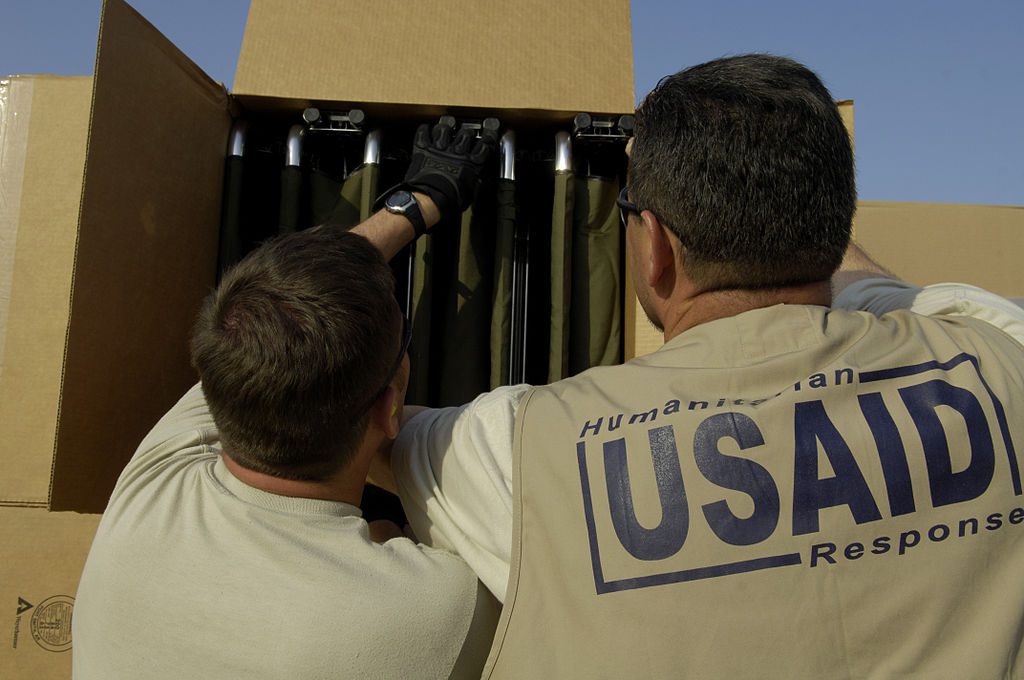
The United States Agency for International Development (USAID) recently reduced funding for foreign health initiatives, limiting the resources available for emergency responses in the DRC. Without international aid, the country struggles to conduct laboratory testing, deploy medical personnel and provide essential treatments. Meanwhile, the World Food Programme (WFP) remains one of the largest humanitarian organizations operating in the DRC. The WFP provides nutrition assistance, cash transfers and food security programs, reaching more than 5.3 million people in 2023. The organization also funds long-term agricultural initiatives, literacy programs and infrastructure projects to improve economic stability.

Looking Ahead

The public health crisis in the DRC coincides with a worsening humanitarian crisis in the country, where ongoing conflict between the Congolese military and the M23 rebel group has displaced thousands. With limited health care infrastructure, high poverty rates and persistent violence, controlling disease outbreaks remains a significant challenge. As investigations continue, health officials emphasize the urgent need for increased funding, stronger health care infrastructure and international support to prevent future epidemics and strengthen public health responses in the region.

– Mackenzie Inman

Mackenzie is based in Washington, D.C., USA and focuses on Global Health and Politics for The Borgen Project.

Photo: Flickr

March 22, 2025
https://borgenproject.org/wp-content/uploads/borgen-project-logo.svg 0 0 Precious Sheidu https://borgenproject.org/wp-content/uploads/borgen-project-logo.svg Precious Sheidu2025-03-22 01:30:442025-03-21 04:38:38Mystery Illness Sparks Public Health Crisis in the DRC
Disease, Global Health, Global Poverty

How USAID Cuts Impact Global Polio Eradication Efforts

How USAID Cuts Impact Global Polio Vaccination EffortsPolio, a highly infectious viral disease, has affected millions of people worldwide. The introduction of the polio vaccine in the 1950s led to an exponential decrease in infection rates. However, access to vaccines remains limited in some countries, keeping the disease circulation alive in certain regions. The Global Polio Eradication Initiative (GPEI) works to vaccinate populations in endemic countries, striving for complete eradication. Recent funding reductions from USAID, a historically significant donor, have raised concerns about the initiative’s progress.

Polio primarily affects children under 5, with about 0.5% of cases leading to paralysis. Though most common in children, unvaccinated individuals of any age remain vulnerable to infection. The disease, once present in more than 120 endemic countries, now persists in only two—Afghanistan and Pakistan. Despite this significant progress, outbreaks of wild poliovirus continue to surface in regions with political instability, such as Gaza, where vaccination campaigns face disruption due to ongoing conflict.

GPEI’s Efforts to Eradicate Polio

The Global Polio Eradication Initiative was launched in 1988 with the goal of eliminating polio worldwide. Since its inception, polio cases have declined by 99%, a testament to the effectiveness of vaccination programs. GPEI focuses on two primary goals: permanently stopping poliovirus transmission in endemic countries and preventing outbreaks in nonendemic regions. GPEI’s strategy includes mass vaccination efforts, political advocacy, community engagement and infection surveillance. By collaborating with governments and organizations such as WHO, CDC, UNICEF and the Gates Foundation, the initiative has successfully reduced polio cases. However, continued progress depends on sustained financial support.

USAID Funding Cuts and Its Impact

GPEI relies on funding from multiple government and nongovernment organizations. The United States (U.S.) has historically contributed $40 billion to the initiative, making USAID a key financial supporter. However, recent reductions in USAID funding have raised concerns about the program’s sustainability. In early 2025, the Trump administration significantly reduced USAID funding, including a $131 million grant for UNICEF and GPEI’s polio immunization efforts. This loss of funding has forced GPEI to extend its five-year strategy to 2029, pushing back its original goal of eradication by three years. While USAID’s funding cut presents challenges, it remains unclear whether the reduction will be permanent. GPEI continues to operate with financial backing from other sources, though long-term funding gaps could slow vaccination efforts.

New Funding Sources and the Future of Polio Eradication

Despite the loss of USAID funding, other nations and organizations have stepped up to support GPEI’s mission. Countries such as Saudi Arabia and the United Arab Emirates (UAE) have pledged $500 million toward polio eradication efforts. Additionally, organizations such as the WHO and the Gates Foundation continue to provide financial support, ensuring that vaccination programs remain operational. Alongside large-scale government contributions, GPEI also relies on small individual donations from supporters committed to eradicating polio within this generation. The organization remains focused on vaccination, public awareness and policy advocacy, working toward its revised goal of eradication by 2029.

Looking Ahead

While USAID’s funding reduction poses obstacles for GPEI, global support for polio eradication remains strong. Ongoing contributions from international donors and nongovernmental organizations continue to drive vaccination efforts, bringing the world closer to a polio-free future. Regardless of the status of USAID funding, GPEI continues its vaccination and eradication efforts with support from international donors and organizations.

– Lizzie Mazzola

Lizzie is based in Raleigh, NC, USA and focuses on Global Health and Politics for The Borgen Project.

Photo: Flickr

March 18, 2025
https://borgenproject.org/wp-content/uploads/borgen-project-logo.svg 0 0 Precious Sheidu https://borgenproject.org/wp-content/uploads/borgen-project-logo.svg Precious Sheidu2025-03-18 01:30:112025-03-18 01:26:42How USAID Cuts Impact Global Polio Eradication Efforts
Disease, Global Health, Global Poverty

Fighting Type 2 Diabetes in India

India’s Fight Against Type 2 Diabetes CrisisAccording to the Lancet, global diabetes rates among adults have doubled since 1990, rising from 7% to 14% in 2022. The most significant increase occurred in middle- and low-income countries. Notably, the study found that 60% of people with Type 2 diabetes lived in just six countries, with India accounting for the largest share at 212 million adults. As India’s economy and population have expanded rapidly over the past 35 years, so has the prevalence of Type 2 diabetes, particularly among the nation’s poorest communities.

Demographic Changes

Since 1990, India’s economy and population have surged, making it one of the world’s fastest-growing nations. The country’s economy has grown tenfold, increasing from $320 billion to $3.57 trillion. Meanwhile, its population has nearly doubled, rising from approximately 870 million to 1.42 billion.

The country has also experienced a significant rise in urbanization since 1990, with 519 million urban residents. While these demographic changes suggest economic progress, rapid population growth and urbanization have placed a strain on infrastructure and public services. Without sufficient investments in health care and education, these shifts can potentially widen inequalities, including access to health care. The increasing rates of Type 2 diabetes in India illustrate this challenge.

Since 1990, the number of people in India living with diabetes or classified as pre-diabetic has risen to 237 million as of 2023. Type 2 diabetes occurs when the body fails to use insulin effectively to regulate blood sugar levels. If not diagnosed early or treated properly, complications can include heart and kidney disease, as well as foot and leg amputations.

Challenges in Diabetes Care Across India

Studies reveal that urbanization in India leads to higher consumption of energy-dense foods and reduced physical activity, increasing obesity rates and the risk of Type 2 diabetes and other cardiometabolic conditions. Low awareness of diabetes among India’s adult population underscores the need for better health monitoring and education. Treatment and control rates remain low, particularly in rural areas and among low-income populations, due to barriers to health care access and high treatment costs. Although low-cost glycemic medications are available, many individuals cannot afford them.

With too few trained diabetes educators in India, physicians bear the burden of patient education. Variations in diabetes education standards among universities lead to inconsistent patient education. The absence of national certification requirements and low-quality diabetes training at some universities hinder efforts to regulate diabetes care and education programs.

Disparities in diabetes funding across Indian state governments likely stem from varying awareness levels and the economic burden of diabetes care. Some states allocate significantly more resources to diabetes management than others, highlighting the need for a more standardized national approach. Without sufficient investment in awareness campaigns, medical training and affordable treatment options, diabetes will continue to pose a growing public health challenge in India.

A Hybrid Approach

Since 2010, the Indian government has introduced several measures aimed at increasing diabetes awareness through both physical and technological initiatives. These programs seek to reach as many people as possible, especially in underserved areas.

  • National Programme for Prevention and Control of Cancer, Diabetes, Cardiovascular Disease and Stroke (NPCDCS) – 2010. Launched in 2010, NPCDCS was designed to curb the growing burden of noncommunicable diseases, which had become more prevalent than communicable diseases. The program focuses on prevention, early screening and disease management while improving access to treatment—particularly for low-income populations.
  • mDiabetes Initiative – 2011. Developed by Arogya World in collaboration with Nokia, this mobile health initiative delivers text messages on diabetes management in 12 languages. It has reached 130 million people. A follow-up study found that 51.9% of participants underwent diabetes screening and 67.3% monitored their glucose levels. The Indian Ministry of Health later adopted the program, recognizing its success in raising awareness.
  • Ayushman Bharat Health and Wellness Centers – 2018. These centers provide comprehensive health care services, including screenings for Type 2 diabetes. The initiative has significantly improved health care infrastructure, with 150,000 wellness centers now operational.
  • E-Sanjeevani Telemedicine Service – 2020. Launched by India’s Ministry of Health and Family Welfare, E-Sanjeevani is a telemedicine platform that has facilitated more than 100 million virtual consultations since 2023. The service has played a vital role in bridging the gap between health care providers and patients, particularly for those in poverty who may struggle to access in-person consultations.

Looking Ahead

India’s rapid economic growth has coincided with a surge in Type 2 diabetes, particularly among low-income communities facing limited health care access and education. While urbanization and dietary shifts have contributed to rising cases, the government has implemented multiple initiatives to address the crisis. Programs such as the NPCDCS, mDiabetes, E-Sanjeevani and Ayushman Bharat have improved awareness, screening and access to treatment, especially in rural and underserved areas. However, continued investment in public health care, education and preventive measures could be essential to curb the growing burden of diabetes and ensure equitable health outcomes across all socioeconomic groups.

– Oliver Hedges

Oliver is based in Lancaster, UK and focuses on Global Health for The Borgen Project.

Photo: Flickr

March 13, 2025
https://borgenproject.org/wp-content/uploads/borgen-project-logo.svg 0 0 Precious Sheidu https://borgenproject.org/wp-content/uploads/borgen-project-logo.svg Precious Sheidu2025-03-13 01:30:112025-03-13 01:25:30Fighting Type 2 Diabetes in India
Disease, Global Health, Global Poverty

High-Risk Diseases in Botswana and Their Impact

High-Risk Diseases in Botswana and Their ImpactBotswana, a landlocked country in Southern Africa, is known for its economic stability and reliance on diamond exports. The government maintains strong trade partnerships with nations such as the United States (U.S.) and the United Kingdom (U.K.), but economic disparities persist. Unemployment remains high at 27.6% and Botswana’s Gini index—a measure of income inequality—stands at 53.3, indicating significant economic inequality. Public health challenges further compound economic hardships. Diseases in Botswana are a challenge. The country faces a high disease burden, particularly from HIV, tuberculosis (TB) and Kaposi sarcoma. While the government has made strides in addressing these conditions, limited resources, health care infrastructure challenges and economic instability continue to hinder progress.

HIV in Botswana: Progress and Challenges

Human immunodeficiency virus (HIV) remains a critical public health issue in Botswana. HIV attacks the immune system by targeting CD4 cells (T cells), weakening the body’s ability to fight infections and diseases. If untreated, it progresses to acquired immunodeficiency syndrome (AIDS), increasing vulnerability to opportunistic infections.

To combat HIV, Botswana’s Ministry of Health (MOH) partnered with the U.S. Centers for Disease Control and Prevention (CDC) to expand testing, prevention and treatment services. This collaboration has resulted in an extensive network of more than 200 HIV prevention sites nationwide. The Botswana AIDS Impact Survey collects critical data on sexual behaviors and risk factors, allowing policymakers to tailor interventions effectively. Additionally, the country has invested in widespread antiretroviral therapy (ART) programs to ensure HIV-positive individuals receive life-saving treatment.

Efforts have yielded significant progress. By 2021, Botswana achieved a 97% viral suppression rate among HIV patients on ART. Additionally, more than 334,000 people received antiretroviral treatment, contributing to a 9% decrease in HIV transmission over the past decade. Despite these advancements, challenges remain, including stigma, treatment adherence and reaching remote populations.

Tuberculosis: A Persistent Public Health Threat

Tuberculosis (TB) is an infectious disease that primarily affects the lungs but can also spread to other organs. TB is airborne and spreads when an infected person coughs or sneezes, releasing bacteria into the air. Symptoms include persistent cough, chest pain, fever, fatigue and weight loss.

Botswana has seen a rise in HIV-related TB cases, as individuals with weakened immune systems are more susceptible to the disease. The government has taken several measures to address TB, including expanding screening programs at hospitals and clinics, increasing access to diagnostic tools for early detection and ensuring the availability of effective TB medications, including aminoglycoside antibiotics.

Despite these interventions, co-infection rates of HIV and TB remain high, making TB prevention and treatment more complex. Ensuring consistent medication access, early detection and public awareness campaigns are essential to further reducing TB cases in Botswana.

Kaposi Sarcoma: Botswana’s Leading Cancer

Kaposi sarcoma (KS) is the most prevalent malignancy in Botswana. It affects the lining of blood and lymphatic vessels and is strongly associated with human herpesvirus 8 (HHV-8). KS is especially common among individuals with weakened immune systems, such as those living with HIV.

Kaposi sarcoma presents significant health risks, causing purple or dark-colored skin lesions, swelling, enlarged lymph nodes and respiratory complications if the disease spreads to the lungs. To address KS, Botswana’s government has established four public oncology centers that provide cancer treatment services, including chemotherapy and radiation therapy. However, the country continues to face significant challenges, such as limited access to advanced diagnostic tools, shortages of experienced oncologists and delays in treatment due to resource constraints.

Increasing investments in cancer research, early detection programs and expanded health care infrastructure is crucial for improving Botswana’s ability to manage and treat Kaposi sarcoma effectively.

Strengthening Health Care Response in Botswana

While Botswana has made notable progress in combating HIV, tuberculosis and Kaposi sarcoma, challenges remain. Limited health care resources, economic instability and high co-infection rates continue to strain the public health system. Ongoing government initiatives and international partnerships—such as those with the CDC—are vital in ensuring continued progress in fighting diseases in Botswana. Expanding health care infrastructure, medical training programs and public awareness campaigns could be key to improving disease prevention and treatment outcomes. By addressing these high-risk diseases, Botswana can potentially enhance public health, reduce economic strain and improve the quality of life for its citizens.

– Hayden Reyes

Hayden is based in Iowa, USA and focuses on Global Health for The Borgen Project.

Photo: Flickr

March 10, 2025
https://borgenproject.org/wp-content/uploads/borgen-project-logo.svg 0 0 Precious Sheidu https://borgenproject.org/wp-content/uploads/borgen-project-logo.svg Precious Sheidu2025-03-10 07:30:262025-03-10 01:22:20High-Risk Diseases in Botswana and Their Impact
Disease, Global Health, Global Poverty

Ebola in Uganda: Strengthening Response and Prevention

Ebola in Uganda: Strengthening Response and Prevention
Since the initial discovery of orthoebolavirus during the 1976 disease outbreaks in Zaire and Sudan, nearly 40 additional incidences have occurred. While these Ebola disease (EBOD) episodes have been reported globally, Sub-Saharan Africa accounts for most of them. Countries such as Sierra Leone, Guinea and Uganda have all experienced EBOD outbreaks. In fact, Uganda itself has had several different episodes over the last 20 years. While these disease outbreaks cause harm and disruptiveness to many communities, they also provide valuable learning opportunities. Additionally, information that medical professionals glean from previous events can be useful for addressing future epidemics. To successfully control emerging outbreaks of Ebola disease in Uganda, medical professionals should heed lessons they learned from past orthoebolavirus outbreaks.

Knowledge Gains

Lessons learned from past orthoebolavirus outbreaks are plentiful and many partnerships between the country’s Ministry of Health (MOH) and global agencies have led to positive improvements for addressing Ebola disease in Uganda. These include:

  • Enhanced disease testing, diagnosing and the tracking of orthoebolavirus through support from United Nations Children’s Fund (UNICEF), the World Health Organization (WHO), the Medecins Sans Frontières (MSF) and the CDC.
  • Faster deployment of necessary resources during disease outbreak with quick funding from WHO’s Established Contingency Fund for Emergencies (CFE).
  • Greater capacity for responding to disease emergencies through the formation of the Public Health Emergency Operations Center (PHEOC) in partnership with CDC and Makerere University School of Public Health in Uganda.
  • Better sharing of updated disease information with hospitals in rural areas through the development of the Extension of Community Healthcare Outcomes (ECHO) created in partnership with CDC and the Health Resources and Services Administration (HRSA). ECHO is also supporting the infrastructure for adding telemonitoring to more than 400 health care settings.
  • Increased access to clean water, sanitation and hygiene (WASH) supplies with support from UNICEF.

Additionally, lessons learned from past orthoebolavirus outbreaks in Uganda involves supporting culturally appropriate burial processes. For this, the MOH is working closely with Uganda’s Red Cross teams. These teams include individuals from the community who understand the culture and who can work directly with those who have lost loved ones due to EBOD. Team members receive training in using personal protective equipment (PPE) and following rigid universal precaution requirements. This is especially important when addressing orthoebolavirus outbreaks.

Ongoing Challenges

While progress has occurred in addressing Ebola disease in Uganda, communication remains a challenge. Even though the government shares disease information about orthoebolavirus outbreaks, people do not always trust it and are hesitant about vaccines.

Because of the current Ebola disease in Uganda, many countries have implemented travel bans and advisories. Those in the tourist industry believe that the lack of clear communication from the government is causing a decrease in their revenue. This is significant for an industry that gained more than $1 billion in revenue during 2023. This is of great concern for the more than 42% of the people living in poverty.

Lessons learned from past othoebolavirus outbreaks also revealed the depth of distrust and culturally embedded conspiracy theories developed from previous Ebola disease in Uganda events. Some believe the outbreaks are a way for the government to remove certain populations or cover up the selling of people. They also believe that those infected with EBOD have had a hex cast upon them.

To remove communication barriers, more engagement with local communities needs to occur. Besides clear information, people also need increased education regarding Ebola disease in Uganda, especially as the country tries to initiate a new vaccine trial to fight the EBOD outbreak of 2025.

Summary

Uganda is located in East-Central Africa. It is home to six major lakes including Lake Victoria, which is the second-largest inland freshwater lake in the world. The country has a population of more than 48 million people of which almost 75% live in rural communities along Lake Victoria, roughly 72% of the rural population does not have access to improved sanitation facilities and nearly 20% of the rural population does not have access to clean drinking water.

These are significant aspects to consider when managing any orthoebolavirus outbreak. As Peter Piot, (the Belgium-British microbiologist involved with identifying Ebola) states, “We shouldn’t forget that this is a disease of poverty, of health systems and of distrust.” But with the lessons learned from past orthoebolavirus outbreaks and ongoing global support, efforts to contain future outbreaks of Ebola disease in Uganda will prevail.

– Kelly Chalupnik

Kelly is based in Kirkland, WA, USA and focuses on Global Health for The Borgen Project.

Photo: Flickr

February 21, 2025
https://borgenproject.org/wp-content/uploads/borgen-project-logo.svg 0 0 Precious Sheidu https://borgenproject.org/wp-content/uploads/borgen-project-logo.svg Precious Sheidu2025-02-21 07:30:302025-03-18 08:13:31Ebola in Uganda: Strengthening Response and Prevention
Disease, Global Poverty, Health

Guinea Worm Disease: Nearing the End of a Neglected Disease

Guinea Worm DiseaseDracunculiasis, also called guinea worm disease (GWD), is a crippling parasitic infection that has afflicted humankind for thousands of years. The parasite Dracunculus medinensis causes this infection, which spreads when infected copepods (water fleas) contaminate drinking water. Historically endemic across large swathes of Africa, Asia and the Middle East, GWD has long been linked to excruciating pain, disabling disease and economic deprivation in affected populations. However, a global eradication campaign led by the Carter Center, supported by the World Health Organization (WHO) and UNICEF, has nearly eradicated this parasitic disease. The near-elimination of GWD highlights the power of coordinated global health efforts to combat neglected tropical diseases (NTDs). Here is more information about guinea worm disease eradication across the world.

The Lifecycle of the Guinea Worm Parasite

People contract GWD when they drink water containing copepods infected with Guinea worm larvae. Once ingested, the copepods die, releasing larvae into the host’s body. The larvae penetrate the stomach and intestinal walls, eventually maturing into adult worms. Female worms, which can grow up to one meter long, migrate to the skin’s surface about one year after infection. The worm forms a painful blister, typically on the lower limbs, which eventually ruptures, allowing the worm to emerge over several weeks. This agonizing process causes intense pain, inflammation and secondary infections. Many victims submerge the affected area in water to seek relief, inadvertently releasing new larvae into the water source and completing the transmission cycle.

Health and Socioeconomic Impact

Although rarely fatal, guinea worm disease wreaks havoc on affected communities. The intense physical pain and immobility render individuals unable to work, farm or attend school. In rural agricultural settings, this loss of productivity can jeopardize food security and local economies. Beyond health consequences, GWD perpetuates cycles of poverty, increasing economic strain on already overburdened healthcare systems.

Global Guinea Worm Disease Eradication Campaign

In 1986, GWD affected 3.5 million people annually across 20 countries. The Carter Center spearheaded a global guinea worm disease eradication campaign to combat this debilitating disease. The strategy included four main interventions: improving access to safe drinking water using water filters, conducting health education to promote behavior changes, containing cases to prevent water contamination and applying larvicides to kill copepods in stagnant water. By 2023, these efforts reduced cases to a handful in South Sudan, Chad, Mali and Ethiopia, with most countries, such as Ghana and Nigeria, declared free of GWD.

Challenges Eradicating GWD

Despite significant progress, several challenges impede the final push toward eradication. Guinea worm infections in animals, primarily dogs in Chad, complicate efforts to interrupt transmission. Political instability and conflict in countries like South Sudan and Mali hinder surveillance and containment efforts. Environmental factors, such as changing weather and shifting water patterns, may also alter transmission dynamics, creating new challenges for eradication teams.

The Role of Community Engagement

Community involvement has been the cornerstone of the eradication campaign. Empowering local populations to take ownership of the process has accelerated progress. Several community-driven initiatives have played crucial roles in combating guinea worm disease (GWD) with measurable successes.

In 2010, Chad implemented a cash reward program, offering financial incentives to individuals who reported suspected cases of GWD in humans. In 2015, this program was expanded to include reports of infections in animals, significantly improving case detection and containment efforts. Public awareness campaigns through radio, television and community outreach have been key to the program’s success.

Another critical initiative launched in South Sudan, where extensive surveillance networks originated, engaging thousands of volunteers to track and report cases. By 2018, these efforts led to the country announcing the interruption of GWD transmission after 15 consecutive months of zero reported cases.

Health workers and volunteers have also played an essential role in educating communities on water filtration and promoting early case reporting. In addition, local leaders have enforced containment measures and promoted safe water practices, fostering a sense of shared responsibility and resilience in affected areas. Through these sustained efforts, community engagement continues to be a driving force in the final push toward eradicating guinea worm disease.

Looking Ahead

The near-eradication of guinea worm disease represents a historic milestone in global health. It demonstrates how long-term collaboration among diverse partners, community engagement and innovative solutions can overcome even the most persistent health challenges. While obstacles remain, the lessons learned from this campaign will inform future efforts against other NTDs. Achieving eradication will improve millions of lives and affirm that with the right tools and strategies, even the most neglected diseases can be defeated.

– Maheer Zaman

Maheer is based in Fairfax, VA, USA and focuses on Global Health for The Borgen Project.

Photo: Flickr
February 21, 2025
https://borgenproject.org/wp-content/uploads/borgen-project-logo.svg 0 0 Jennifer Philipp https://borgenproject.org/wp-content/uploads/borgen-project-logo.svg Jennifer Philipp2025-02-21 01:30:152025-02-21 02:14:00Guinea Worm Disease: Nearing the End of a Neglected Disease
Disease, Global Poverty

Clean Cooking Alliance: Push for Clean Cooking Solutions

How CCA Offers a Solution to Clean Cooking Shortages Each year, millions suffer the consequences of cooking with traditional fuels such as wood, charcoal and kerosene. According to the World Health Organization (WHO), more than 4 million people die annually from illnesses linked to household air pollution caused by burning solid fuels like wood and charcoal. In Africa, nearly four in five people are exposed to hazardous indoor smoke, making it a leading cause of premature death—especially for women and children. Globally, 99% of the population breathes air that the WHO considers unsafe, highlighting the widespread impact of polluted cooking.

Health and Environmental Impact of Polluted Cooking

More than 850 million people in Africa still rely on traditional fuels for cooking, making toxic indoor smoke the second-leading cause of premature death after malaria. The health risks include pneumonia, heart disease, stroke and lung cancer, disproportionately affecting women who spend extended hours cooking.

Beyond its health implications, polluted cooking contributes significantly to environmental degradation. Each year, burning wood fuels releases one gigaton of carbon dioxide, accounting for 2% of global carbon emissions and accelerating deforestation. Switching to cleaner energy alternatives, such as liquefied petroleum gas (LPG), biofuels or solar-powered cookstoves, could mitigate these impacts while preserving biodiversity.

The burden of collecting fuel for cooking falls heavily on women and children, who spend up to 20 hours per week gathering firewood. This time-consuming task limits educational opportunities, keeping children, particularly girls, from attending school and perpetuating cycles of poverty. Without access to clean cooking, families face economic hardship, poor health outcomes and environmental risks, making this issue one of the most pressing challenges in global development.

Clean Cooking Alliance: Driving Change

The Clean Cooking Alliance (CCA) is leading efforts to expand access to clean cooking solutions. The organization collaborates with governments, businesses and nonprofits to create a sustainable, scalable industry focused on modern cooking technologies. CCA’s strategy revolves around:

  • Driving Consumer Demand – Increasing awareness and behavioral change to encourage the transition to clean cooking.
  • Mobilizing Investment – Attracting funding to grow businesses that produce and distribute affordable clean stoves and fuels.
  • Supporting Policies – Advocating for government policies that prioritize clean energy solutions.

CCA has already made a measurable impact by providing $8.6 million in grants to clean energy companies, investing $2 million in gender-focused initiatives and reaching 40 million people through awareness campaigns. Alex Eton, CEO of Sistema.Bio, calls clean cooking “a pathway out of poverty.”

Challenges and Opportunities for Expansion

While Africa’s renewable energy sector is booming, clean cooking solutions remain underfunded. Between 2019 and 2020, investment in clean cooking businesses dropped from $25 million to just $10 million, limiting growth and accessibility. Low consumer demand and insufficient financing continue to hinder widespread adoption. Despite these obstacles, clean cooking offers significant health, economic and environmental benefits. Cleaner stoves reduce fuel consumption by 30-60%, lowering household costs and carbon emissions. Access to clean cooking solutions lowers the risk of respiratory infections, cardiovascular diseases and pregnancy complications.

Spark+ Africa Fund: Scaling Clean Cooking Solutions

To address the funding gap, CCA launched Spark+ Africa—the world’s first impact fund dedicated to financing clean cooking solutions. This initiative aims to create greater access to capital for businesses while delivering:

  • Improved respiratory health for millions of people.
  • Gender equality by reducing time poverty for women.
  • Lower greenhouse gas emissions and deforestation.
  • Job creation in the renewable energy sector.

Empowering Women Through Clean Cooking

CCA’s commitment to gender equity is central to its mission. The organization states, “Women must be part of the process,” emphasizing its role in both using and promoting clean cooking solutions. The Women in Clean Cooking (WICC) mentorship program, launched in 2020, connects female professionals with industry leaders to support career growth, entrepreneurship and leadership in sustainable energy.

Engaging Youth in the Clean Cooking Movement

With 90% of the world’s 1.8 billion youth living in developing countries—where access to clean cooking remains limited—CCA recognizes the importance of engaging young people. The organization has launched youth-driven initiatives to promote leadership in the clean cooking sector, including:

  • Sponsoring the 2023 YES! Youth Energy Summit, featuring youth-led discussions on clean energy.
  • Sending the first youth delegation to the 2022 One Young World Summit, increasing awareness and advocacy efforts.
  • Creating a youth consultation process to ensure that young voices influence policy and investment decisions.

The Road Ahead

The Clean Cooking Alliance continues to expand its efforts, with upcoming global conferences in March 2025, focusing on clean energy, climate action and poverty reduction. However, achieving universal access to clean cooking by 2030 requires stronger commitments from governments, private investors and international organizations. The Clean Cooking Alliance’s work represents a crucial step toward a future where clean cooking is no longer a privilege but a right. By addressing health risks, environmental concerns and economic barriers, CCA is leading a movement that has the potential to transform millions of lives worldwide. With continued investment and innovation, clean cooking could not only improve health and environmental conditions but also drive sustainable development in communities most in need.

– Amani Almasri

Amani is based in Durham, UK and focuses on Good News and Technology for The Borgen Project.

Photo: Flickr

February 16, 2025
https://borgenproject.org/wp-content/uploads/borgen-project-logo.svg 0 0 Precious Sheidu https://borgenproject.org/wp-content/uploads/borgen-project-logo.svg Precious Sheidu2025-02-16 01:30:232025-02-16 00:40:54Clean Cooking Alliance: Push for Clean Cooking Solutions
Page 11 of 74«‹910111213›»

Get Smarter

  • Global Poverty 101
  • Global Poverty… The Good News
  • Global Poverty & U.S. Jobs
  • Global Poverty and National Security
  • Innovative Solutions to Poverty
  • Global Poverty & Aid FAQ’s
Search Search

Take Action

  • Call Congress
  • Email Congress
  • Donate
  • 30 Ways to Help
  • Volunteer Ops
  • Internships
  • Courses & Certificates
  • The Podcast
Borgen Project

“The Borgen Project is an incredible nonprofit organization that is addressing poverty and hunger and working towards ending them.”

-The Huffington Post

Inside The Borgen Project

  • Contact
  • About
  • Financials
  • President
  • Board of Directors
  • Board of Advisors

International Links

  • UK Email Parliament
  • UK Donate
  • Canada Email Parliament

Get Smarter

  • Global Poverty 101
  • Global Poverty… The Good News
  • Global Poverty & U.S. Jobs
  • Global Poverty and National Security
  • Innovative Solutions to Poverty
  • Global Poverty & Aid FAQ’s

Ways to Help

  • Call Congress
  • Email Congress
  • Donate
  • 30 Ways to Help
  • Volunteer Ops
  • Internships
  • Courses & Certificates
  • The Podcast
Scroll to top Scroll to top Scroll to top